Coronation Street’s Sarah Platt received a verdict in her murder trial in Monday night’s episode and fans were certainly divided by the trial outcome.
20:40, 19 Oct 2026Updated 20:40, 19 Oct 2026
Sarah Platt was found not guilty of murder in Monday night’s episode of Coronation Street
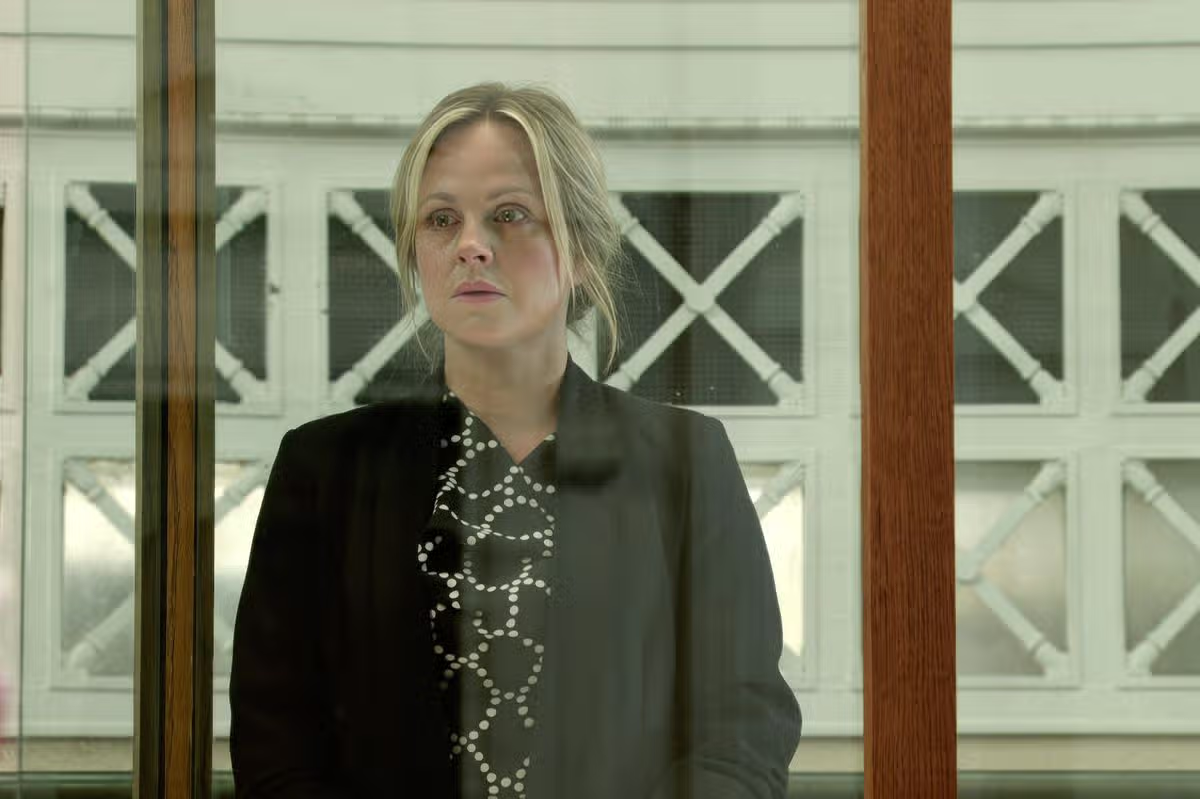
Coronation Street’s Sarah Platt was found not guilty of murder in Monday night’s episode of the ITV soap.
The legendary character, who has been played by Tina O’Brien since 1999, had spent time in prison awaiting trial after hitting evil Theo Silverton (James Cartwright) over the head with a metal pole. She has claimed that it was all in self-defence.
Sarah was sent back to her cell to wait, and the jury reached a verdict remarkably quickly – something which did not fill the Platts with hope. To everyone’s great surprise, Sarah was found not guilty and her family cheered as she learned she was free to go.
Sarah rushed to hug her daughter Bethany (Lucy Fallon), and David was straight on the phone to mum Gail, who now lives in France, to tell her the good news. Soon enough, Bethany was back at home reunited with her young son Harry and ex-boyfriend DC Kit Green who had taken on caregiver duties whilst she was inside.
To see more of the stories you love from The Mirror and to find them easily in Google then make us your preferred source. Free and easy-to-do, just click on the link here to find more from The Mirror at the top of your feed.
She proclaimed: ” I feel like I’m the luckiest person in the world to be back with you all again,” unaware that daughter Bethany recently had a fling with the man who was almost her stepdad and is now pregnant. Later on, Bethany was seen preparing to call an abortion clinic.
Whilst on their own, Sarah decided to have a heart-to-heart with Kit, who has recently been diagnosed with breast cancer, and asked him for a chance to reunite. He said things were “different” now but insisted it wasn’t about his illness.
He told her: “Things are different now. We can’t. It’s about not being what I want. Just because you’re out, nothing’s changed. Stop it. Too much has happened,” and announced that he would be moving in with his long-lost mum Bernie Winter.
Taken aback by his sudden rejection, and unaware of what is really causing it, Sarah broke down in tears on the sofa.
During her time on the soap, Sarah was famously central to a teenage pregnancy storyline in 2000, was then kidnapped by an internet predator before her stepdad turned out to be a serial killer. She initially left the soap in 2007 but following her return in 2015, Sarah has helped cover up the death of her abusive ex-partner Callum Logan and then had to deal with her uncle Stephen Reid, who also turned out to be a serial killer.
Sarah’s not guilty verdict certainly caused divide amongst fans, with one fan writing on Reddit: “Anyone else disappointed by the verdict?
“Murder probably not but I don’t think Sarah deserves to get off scot free, end of the day Theo never actually touched her, we all know he probably would have, but it’s hard to defend a self defence claim when you haven’t been touched, especially when she tried to hide it, let someone else get charged etc. very least should be involuntary manslaughter and perverting the course of justice. Real world she’s never getting off with nothing.”
Another said: “I’m not disappointed Sarah got off. She’s one of my all time favorite characters,” and a third wrote: “Did anybody except anything else? She’s one of the main cast members. They weren’t going to find her guilty anyway. She has plot armour.”
101 East investigates if power and politics are protecting those behind the 2006 murder of Mongolian woman in Malaysia.
Twenty years ago, two Malaysian special forces policemen brutally murdered Mongolian woman Altantuya Shaariibuu, obliterating her body with C4 military explosives.
But the truth behind why they killed her has yet to be determined, leading to suspicions of a political conspiracy to silence her.
101 East travels to Mongolia, Malaysia, France and Australia to investigate allegations of interference in the criminal trial, Altantuya’s suspected links to an allegedly corrupt submarine deal and claims by the policemen that they acted on the orders of convicted former Prime Minister Najib Razak, who vehemently denies any involvement in the murder.
For months before carrying out Canada’s deadliest school shooting in almost four decades, Jesse Van Rootselaar was consulting an unlikely adviser on how to perpetrate mass murder.
“In a hallway, indoors, or a crowded classroom, the 870 [Remington shotgun] is brutal … Close quarters is its playground,” OpenAI’s ChatGPT guided the 18-year-old, according to reports.
Recommended Stories
list of 3 itemsend of list
On February 10, 2026, Van Rootselaar shot his mother and half-brother at home before going to a school in the small British Columbia town of Tumbler Ridge, where he killed another six people – including five students – before taking his own life.
Earlier this week, on October 14, US authorities charged a Washington State man with allegedly conspiring with Van Rootselaar to plan the attack. But the mass shooting incident has raised questions that go beyond the traditional legal understanding of culpability.
The British Columbia government in September filed a civil lawsuit against OpenAI and its CEO Sam Altman, accusing them of failing to prevent the incident and claiming they were aware of the conversations that turned deadly. Families of the victims also filed separate lawsuits. OpenAI’s leadership issued a public apology for their failure to notify authorities.
The company has not responded to requests from Al Jazeera for its comments on the lawsuits.
But as the case against OpenAI progresses, it has spurred a familiar debate: Where should a line be drawn between reporting potentially dangerous behaviour and protecting an individual’s privacy?
“The question of whether companies should be required to turn such information over to law enforcement is extraordinarily difficult, particularly if they don’t already screen chats for indications of such types of threats,” United States-based civil liberties lawyer Jenin Younes told Al Jazeera.
“Forcing companies to implement a surveillance system implicates very serious civil liberties concerns, and that’s probably a bridge too far for me,” Younes added.
“On the other hand, AI gives individuals access to types and quantities of information they didn’t have previously that may facilitate the commission of mass casualty events, a concern it’s not easy to dismiss.”
AI’s ability to distinguish thoughts from threats
One of the biggest challenges facing AI companies is determining whether a user expressing violent thoughts actually intends to act on them.
In August, Anthropic, the company behind AI chatbot Claude, flagged a user to San Francisco police after discovering conversations allegedly threatening its CEO, Dario Amodei.
According to the San Francisco Standard, citing a police report, the user had claimed to possess an AR-15 gun and suggested he had Amodei “in his sights”.
However, when contacted by the newspaper, the man said he was joking and had no intention of carrying out any form of violence. The person was neither charged nor detained, the Standard said.
Fazl Barez, a senior researcher at the University of Oxford specialising in AI safety and governance, said current AI models cannot “reliably” determine whether an interaction with an AI chatbot “is purely hypothetical or is likely to lead to harmful behaviour”.
“Suppose you are a creative writer working on a fictional story and want to explore how a murder plot might unfold. From the context, it may be clear that this is simply a fictional narrative. If the threshold for flagging potentially harmful content is too low, such a writer could be wrongly flagged,” he told Al Jazeera.
“Similarly, consider a graduate student in biology or chemistry studying pathogens that, if misused, could have serious consequences. They might be trying to understand the risks associated with these pathogens and how to mitigate them. Such discussions may be necessary for legitimate research and education. Even when the subject matter is sensitive, they should not automatically be flagged without considering the broader context.”
The researcher said identifying a credible threat may require examining a user’s interactions across multiple conversations, rather than relying on isolated statements.
Barez said someone experiencing intrusive violent thoughts might turn to a chatbot for support, while another person planning an attack may reveal their intentions gradually across several conversations.
“Distinguishing between the two requires careful consideration of context, intent and patterns of behaviour, rather than relying on individual statements alone,” he added.
Chinmayi Sharma, a law professor at Fordham University, said the debate has parallels with the duty imposed on mental health professionals to warn identifiable third parties about credible threats.
However, she said there was a key difference – therapists have professional training, knowledge of their patients and enforceable standards governing their conduct. AI companies do not necessarily have comparable safeguards.
“My concern with AI companies is that right now there’s not a concerted effort to hire mental health professionals, sociologists, individuals that would have the unique expertise on what the indicators of threat are here,” Sharma told Al Jazeera.
“Secondly, licensed professionals are accountable to concrete, legally enforceable standards in their discipline. We don’t have something like that for AI companies.”
The privacy dilemma
The privacy implications extend beyond whether AI companies can accurately identify threats. Millions of people use chatbots to discuss relationships, emotional distress, mental health concerns and deeply personal experiences.
Civil liberties lawyer Younes said many users may not realise how vulnerable those conversations could be to disclosure.
“They often reflect a person’s innermost thoughts, questions, and desires. The majority of people assume that these dialogues will never be viewed by another person,” Younes, president and legal director of the American-Arab Anti-Discrimination Committee, said.
Younes warned that the consequences of greater monitoring could extend well beyond those planning violence.
“If people fear their chats can be turned over to law enforcement simply because they express disturbing thoughts/violent fantasies etc, many will be dissuaded from using them,” she told Al Jazeera.
Younes argued that forcing companies to establish systems for monitoring users and reporting conversations could raise serious constitutional concerns in the US, including protections against unreasonable searches.
Meanwhile, Fordham’s Sharma also raised an issue about who could be disproportionately affected by heavy monitoring by AI chatbots.
“The concern is always there about either intentional or unintentional targeting, because if you have models trained on what we consider dangerous speech, they’re almost always going to reflect biases,” she said. “Certain minorities’ speech is over‑flagged as a threat, while other comparable speech is not.
“Even in a world in which everyone is benevolent, we should still be concerned about disparate outcomes,” she said, warning that machines could reproduce such disparities at scale.
‘Not a licensed therapist’ – When do AI companies become liable to report?
While AI companies may face moral pressure to prevent violence, their legal obligations are less clear, legal experts say.
Bryan Choi, a professor of law at the University of Colorado Boulder, said US law recognises a duty to warn in certain circumstances, including when mental health professionals become aware of imminent threats or when a special relationship exists between parties.
But those principles do not necessarily apply to AI companies.
“Under present case law, it seems unlikely that a company such as OpenAI would be held to have such duties to warn,” Choi told Al Jazeera. “The chatbot is not a licensed therapist. There is no special relationship between the company and the victims.”
Choi said existing negligence and product liability laws could potentially be applied to AI companies, but proving responsibility would present significant challenges.
Finding a balance
Fordham’s Sharma suggested that independent institutions could help establish reporting standards rather than leaving decisions entirely to private companies or requiring immediate disclosure to police.
Such bodies she said could develop procedures for assessing threats and explore ways of sharing only relevant information while protecting users’ identities and other personal details.
Meanwhile, Younes argued that users should, at a minimum, be clearly informed about whether their conversations are monitored and what circumstances could lead to information being shared with law enforcement.
“This is almost certainly an issue that will be wrestled with over the coming years, and I’m not sure anyone knows the solution at this particular point in time,” she said.
“Events that have not yet occurred will likely influence how these policies are shaped.”
A teenager who travelled from Norway to the UK to carry out a “hit” for an organised crime group has been sentenced to 20 years’ detention.
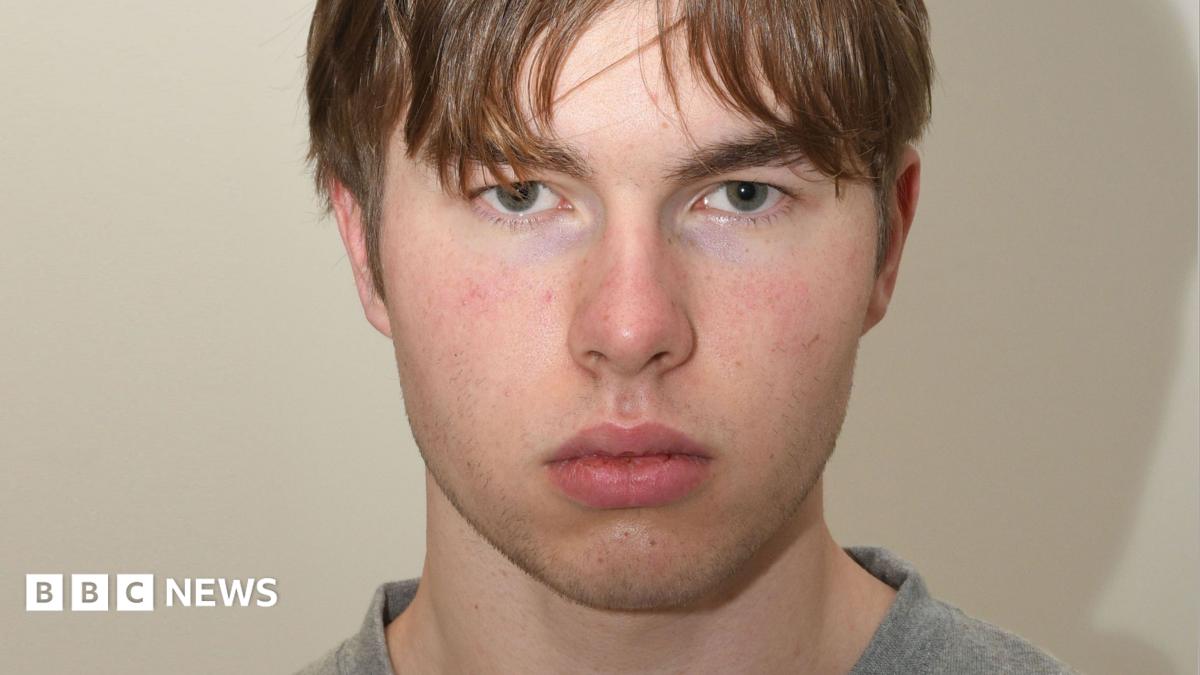
Johannes Natland, 19, was arrested in a hotel room in Huddersfield, West Yorkshire, with two working guns and 19 rounds of live ammunition in March 2025, the Old Bailey previously heard.
During his retrial, a jury heard the teen was “recruited” by the Foxtrot Network, which was described as a Swedish organised crime group backed by the Iranian regime.
Natland, who had admitted to possession of the firearms and ammunition, was unanimously found guilty of conspiracy to murder and sentenced at Woolwich Crown Court on Friday.
The Foxtrot Network has been sanctioned by both the UK and the US for its close links to the Iranian government, with Natland’s target remaining unclear.
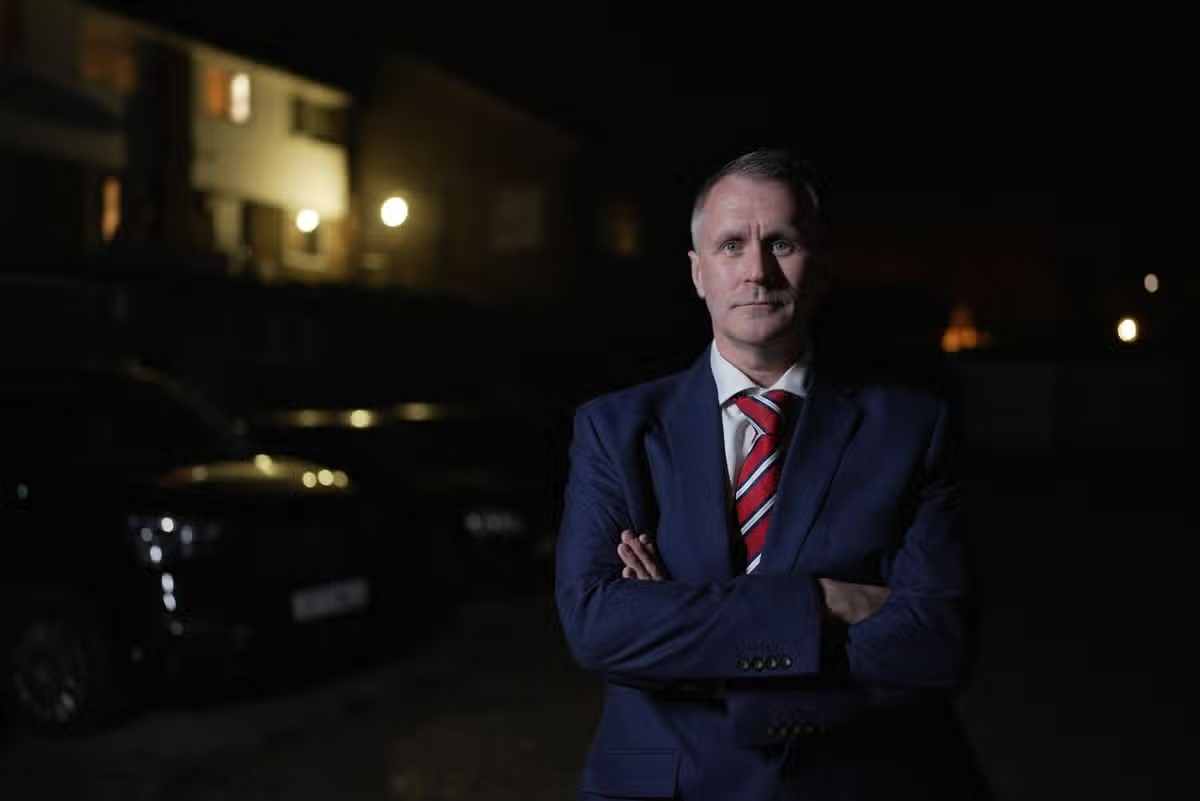
Commander Helen Flanagan, head of Counter Terrorism Policing London, said: “We haven’t been able to establish exactly who the intended victim was.”
The Foxtrot Network is known for pioneering a relatively new phenomenon of hiring teenage killers that Europol has called “violence-as-a-service” (VaaS).
At the sentencing hearing, Mrs Justice Cheema-Grubb told Natland: “The Foxtrot Network is an organised crime group which has developed an arm’s-length method of recruiting young people to carry out violent crimes.
“You were recruited to travel to England to kill an unidentified target.”
Natland flew into Manchester Airport on an emergency passport on 17 March 2025, shortly after his 18th birthday.
He was guided by videos on the messaging app Signal to Huddersfield, where the guns, a stolen car and a stash of cash were hidden.
He was prevented from carrying out the hit after Norwegian police arrested the teenager who had recruited him for the Foxtrot Network and found messages about the UK plot on his phone.
There was then a race against time to find Natland before he located his unknown target in England.
Addressing Natland, the judge said: “At the heart of this case is a stark fact. You agreed to assassinate another human being, a stranger to you, in a foreign country.
“You knew nothing of that person’s life or circumstances. You were just 18 years old when you placed yourself in readiness to murder for money.”
Rob’s murder left all the Faithful confused while banished Hannah admitted her spreadsheets hadn’t helped her as a Traitor
Beckett’s kicked the bucket – as Claudia described his murder
While comedian Rob Beckett found being murdered funny in The Celebrity Traitors, Professor Hannah Fry said she’d cried more during her five days of playing the game than at any other point in her life.
Hannah was banished at the round table last night with 12 of the 15 remaining players writing her name on the slate – giving them a landslide 80% victory. Speaking straight after leaving the castle, she admitted that she’d found her time there to be a rollercoaster of emotions. “I laughed more, cried more and got more excited than I ever have in the entirety of the rest of my life combined,” she explained.
“I really preferred being Faithful. I think it’s just a much more authentic experience,” she added, saying that one of the lessons learned was that she hated “lying to people’s faces”. “I think there’s actually some pride in being a rubbish Traitor.”
The maths guru, who has two daughters aged eight and six with her ex-husband, said that being a Traitor had been far harder than playing as a Faithful – which is what she’d gone into the game to do. “One of the reasons why I didn’t want to be a Traitor is because the only way your game ends is by being banished or winning – having people vote for you and having heat on you is part of the role of being a Traitor.”
Hannah confessed she’d avoided voting for Julie Hesmondhalgh out of guilt because the actress was “lovely” and had instead gone for Jerry Hall as “the one person on that whole table who could handle being voted for”.
The 42-year-old said she always knew she might not last long in the game. “On the first day, I asked Michael Sheen who he would murder, and he said, ‘You’. At that point I knew I was really in trouble.”
And the BBC presenter also confessed that getting the roman numerals right in her final mission – to help with the group £8,000 – had been far tougher than it looked. “I knew that everyone was going to expect me to be the one to solve it, but I think people have this image in their heads that mathematicians just sit around thinking of big numbers all day – it couldn’t be further from the truth. I haven’t used a number since I was about 16, I’m all about the x’s and y’s.”
Along with the trickier moments, there was also some highs. “Killing Rob Beckett was one of the best evenings I’ve had in my entire life,” she laughed. “I was running through the woods in the middle of the night, opening the door to Rob’s face. It was delightful.”
Speaking after being killed face-to-face with the traitors, dad-of-two Rob said that he cared less about the game and more about the juicy stories the other celebs were sharing in the castle. “What I loved most was meeting everyone and talking to them,” he explained. “When you have Michael Sheen, Richard E . Grant, Jerry Hall, James Blunt, I don’t care who’s a Traitor. Give me the anecdotes, I want the gossip. So everyone was going back to the hotel writing ideas of who it might be in their notepad, and I’ve got a notepad full of anecdotes that they told me that can only get wheeled out when I’m drunk at a party.”
When The Traitors arrived as his crypt to tell him he’d been murdered, he responded jovially: “Thank you very much James Acaster!” But he did say he expected comedy sidekick Romesh Ranganathan to “avenge my death”.
Rob, 40, reckoned the only Traitor he’d potentially identified at the start was Richard E Grant – so was “gutted” when the actor blurted it out. But the funnyman realised too late how James Acaster had been giving him a wide berth. “I gave James the benefit of the doubt because he desperately wanted to be a Faithful, but then that’s the oldest trick in the book, saying that. He had been really quiet, and on reflection, he’d avoided me a lot which makes sense, because I know him quite well. And then Maya Jama does not change her personality, whatever’s happening. So she’s going to be a great Traitor, I think she could win it.”
Confessing he was happy to go home because he’d been missing his kids, aged eight and 10, Rob said his highlight in the castle has been hitting it off with Jerry Hall. “I love her. She’s got such an amazing energy. She’s just so chilled. We just floated on together. She tells me her life motto probably every eight minutes, and that is ‘what will be, will be’.”
He now wants Jerry, 70, to win – along with his close pal Romesh. “Jerry Hall’s my pick, a rank outsider, but she’s my pick. The ultimate finale would be Leigh-Anne, Jerry and Romesh staring down Acaster. Three on one and they take his sorry ass to the cleaners.”
He believes his relaxed way of playing the game far outweighs the high-pressure path that Hannah had been forced down. ”I’d say, don’t stress yourself about it. All the money goes to charity. Have a good time for a long time.”
One of the surprising things Hannah discovered in The Celebrity Traitors was that she is actually related to Irish comedian Joanne McNally because their cousins are married. “We’re basically sisters,” she laughed. “I really loved her so much. She described herself as coming out of the womb as a show pony – that’s the perfect description of that woman. She is phenomenal. She knows exactly who she is, and she is totally unapologetic about it. I cannot tell you how much I admire her.”
While she’d like to see Joanne win, Hannah now thinks that fellow Traitor Maya or Faithful Leigh-Anne are the most likely to reach the final. “I think Maya is playing the most amazing game. When someone looks like that, I think that you expect her to have a bit of a chip on her shoulder because she’s one of the most beautiful women alive, but she’s also just so much fun. No airs and graces, totally delightful to be around.”
She also believes that Leigh-Anne has a great chance in the game, because she’s been woefully underestimated. “My God, that woman hasn’t got a single thing wrong. She’s the most perceptive person I’ve ever come across in my entire life. Is she psychic?
“Leigh-Anne needs to keep quiet about how good she is because I don’t think people have necessarily noticed. As soon as Maya notices that Leigh-Anne is that good, she’s going to kill her.”
Last night’s episode ended with boxer turned YouTube star King Kenny being recruited into the turret – much to his enormous surprise. “Being a Faithful was fun, but being a Traitor is going to be better,” he declared.
Urging Maya Jama and James Acaster not to double-cross him, he admitted he had concerns about joining them halfway through the game. “I worry the Traitors can switch on me at any time.”
96-year-old Emma Finch was found dead in her own home, but detectives suspected a sinister reality
Murder Scene The Incident Room returns to Channel 5
A killer who faced police after a chilling crime remained silent, as chilling footage has been revealed in a Channel 5 true crime documentary.
Taking viewers beyond a crime scene, the Channel 5 series once again plunged people into the heart of another brutal criminal investigation as detectives investigate high-profile murder and criminal cases across the UK.
Back for a new series on Channel 5, Murder Scene: The Incident Room aired a chilling episode tonight (October 14) titled A Killer in the Family. Tonight’s heartbreaking instalment transported viewers to a devastating 2024 fire in Hampshire when firefighters made a heartbreaking discovery.
But when detectives arrived on the scene to piece together what happened, they were soon faced with a chilling reality. 96-year-old grandmother Emma Finch was found dead on her bedroom floor, with suspicions soon turning to her grandson Joshua Powell.
The episode heard from detectives involved and how they pieced together vital information, as the police interview with Joshua was also shown.
But with 96 hours to question him, and detectives working against the clock, Joshua decided to exercise his right to silence on multiple occasions.
The episode hears how the evidence against Joshua “kept getting stronger” before detectives had a sufficient amount to bring a charge of murder, with viewers also hearing heartbreaking accounts from family, including Emma’s son Peter.
What happened to Joshua Powell, and where is he now?
On May 16, 2025 – a day before the anniversary of Emma’s killing – Joshua pleaded guilty to the murder of his grandmother. The documentary heard: “He was left with no option but to plead guilty. By admitting his guilt and telling everyone how he killed Emma, he did at least avoid putting the family through a trial.”
Months later, on November 14, Joshua Powell was sentenced at Portsmouth Crown Court, where he was handed the sentence of life imprisonment with a minimum term of 26 years.
Aged 17 at the time, he would be 53 before even being considered for release. As of 2026, he would still be in prison for his crime.
At the time of the sentencing, Senior Investigating Officer, Detective Chief Inspector Howard Broadribb, said: “Joshua’s callous actions took advantage of Emma’s trust in him. His subsequent denials when faced with mounting evidence against him showed a total disregard for Emma and her family.
“His subsequent admission at court spared them from having to endure a trial, but that is little comfort when compared to the loss that they have suffered. I hope that this sentence gives all of Emma’s relatives the opportunity to grieve their loss in the knowledge that justice has been served.”
Murder Scene: The Incident Room airs Mondays at 8pm on Channel 5
It has been five years since Michael Che’s last stand-up special. Of course, he has a good excuse, being busy much of the year co-writing and performing “Weekend Update” on “Saturday Night Live,” and he also wrote and starred in two series of his acclaimed sketch comedy show, “That Damn Michael Che.”
But he feels more like himself on the stage, he said in a recent interview. “I really miss stand-up when I’m not doing it because I can really let loose on stage and say all the words I want,” he says.
In his new Netflix hour, with the pointed title, “Michael Che: Shot in Minnesota,” he wastes no time in getting into it, opening with a series of jokes saying a lot of words about Charlie Kirk’s murder: He believes that it happened because “straight white conservative Christian men are being silenced.”
He clearly loves poking at people’s sensitive spots. His favorite joke, he says onstage, is, “Men want anal sex the way women want a sensitive man. It just sounds nice… until you see them crying.”
He talks about race (“I don’t care what color you are — if you’re rich, you’re white”) and goes after President Trump and people who try to police language, but he also talks up how much fun he had at a Pride parade and about growing up poor, with his mother cleaning houses to help make ends meet. In our interview done via Zoom (without a camera on) while he was stuck in traffic on the way to 30 Rockefeller Center and then in an elevator and then in the SNL offices, he discussed it all.
This interview has been edited for length and clarity.
Did anyone in your family shape your humor and your storytelling?
My family has a different kind of humor. It’s a little meaner, if I’m being honest with you.
I’d like to see Thanksgiving at your house.
A lot of people would. It’s kind of crazy.
But the one person was my grandfather who was a pastor. He knew how to hold court and tell a story and he was a funny guy. He could be silly or absurd or dry. So maybe there’s a lot of him in what I do. But he did it week after week with different material.
Speaking of week after week, which is closer to your real self, the “Weekend Update” persona or your stand-up persona?
The stand-up is the most me; “Update” is a job and it’s a character. On stage you get to hear more nuances — on “Weekend Update” it’s a short segment, and I’m splitting time with Colin and guests. There are more needs being met than just mine. I say that respectfully, but there are things we have to touch on that I wouldn’t in my personal work and there are things other people write so it’s never all me.
I can listen, I can build, I can take you on a journey, I can make you think this is a bad joke, but it’s actually a good joke. I can make you think it’s a dirty joke, but it’s a clean joke.
I miss doing stand-up full time, but maybe that’s only because I don’t do it full time. But maybe if I did it full time, I’d miss doing it part time. Getting this hour together for the special, Lorne [Michaels, SNL’s iconic boss] was nice enough to let me go on the road even during show weeks, and he didn’t ask as much of me this past season. He was really kind, and I really appreciate it.
Colin Jost, left, and Michael Che on “Weekend Update” on “Saturday Night Live” on Saturday, March 11, 2023. Che has been doing “Weekend Update” for 12 years, as has Jost.
(Will Heath / NBC)
Your stand-up persona is definitely more thoughtful and open-minded than your “Weekend Update” one. Are you conscious of revealing yourself onstage or just thinking about what’s funny?
They tell you in the criminal world that the longer you talk to the police the more chances there are you’re going to reveal something. And I feel like it’s true for comedy, too. A lot of the stuff that I do is just thoughts that we haven’t said out loud and explored yet. I start with the thought, and if I can get a joke, a one liner out of the thought, that’s then I start to explore it onstage. I only write one line because I can’t write in a vacuum. I need to be able to listen to see what an audience gives me; otherwise, I only know how it makes me feel.
You open this special with that riff on Charlie Kirk’s murder. Your audience is not filled with Turning Point members, but people still may be hesitant to laugh. Are you starting there to challenge yourself or challenge your audience, or is it just because you think it’s funny?
I think all three of those things can be true. Those jokes are funny, but it is hard to laugh at. That’s the sort of feat I seek to pull off, to make people laugh about things that they’re not necessarily expecting to hear without being gross and gratuitous. I did those jokes on Shane Gillis’ show and his audience reacted favorably.
None of this is to make any kind of larger point other than I want you to laugh at the things that horrify you. It’s just horrifying on the surface so people think you can’t make a joke about it. People are afraid of the attempt. And I say, “Well, what about this one?” I do like that.
Then you move on to the R-word and the N-word. Are you simply pushing buttons for laughs or pushing people to think about their own biases and preconceptions about language and their political sensibilities?
I don’t want to let words dictate my next emotions. I want you to put the responsibility of self-control on yourself. People are going to say nasty things literally just to get a rise out of you, and it’s up to you to decide how you’re going to handle that. Also, I’m trying to be consistent. If I start with jokes about Charlie Kirk, but then somebody wants to call me the N-word, I can’t say, “Well, that’s crossing the line.” Right now there ain’t no more lines. We’re in a culture war and bombs are going to fly. So let’s see who’s got the stomach for it.
When you refer to a guy buying you drinks in a bar as “visibly gay,” the audience gets uncomfortably quiet in a way. How do you feel when they hush over a line like that?
With a lot of these jokes it’s like dribbling a football, you just don’t know where it’s going to land. But I like putting people on their heels and being a Black comic of my generation, they expect the joke to go one way because they’ve heard the jokes that come from others so they’re apprehensive. I expect them to be apprehensive and then talk them through it. When the joke lands differently with a punchline they’re not expecting, they’re pleasantly surprised.
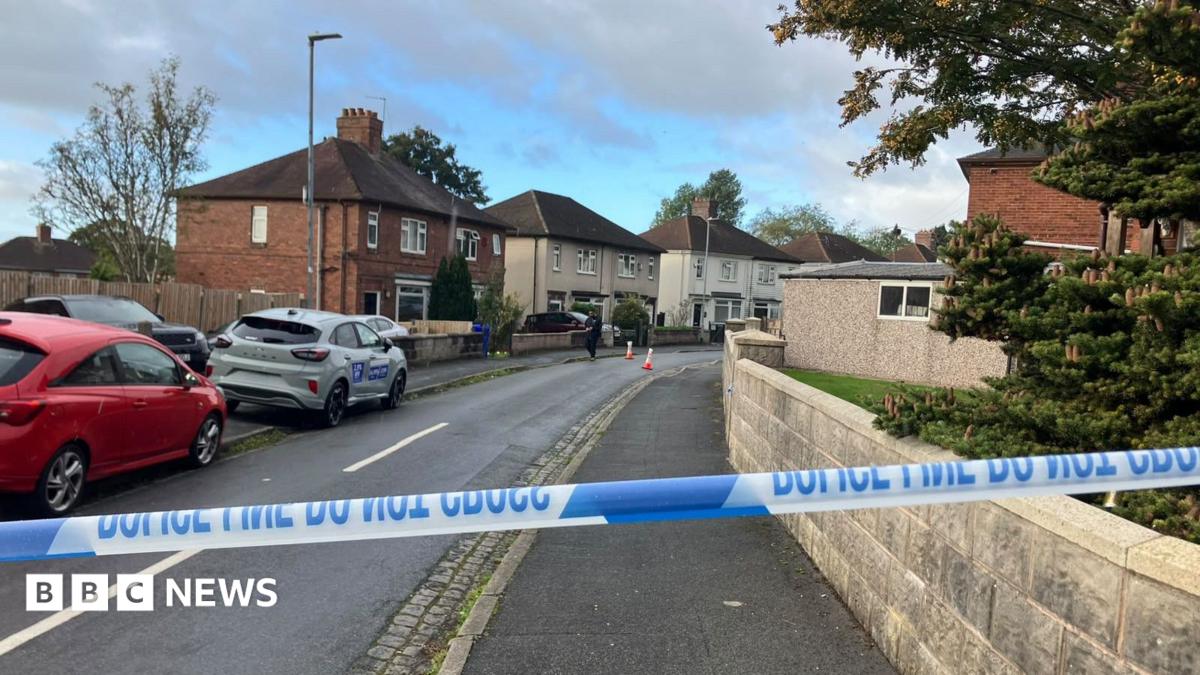
Four people have been arrested on suspicion of murder after a man died and another suffered life-threatening injuries in Stoke-on-Trent.
A cordon remains in place on Brookhouse Road, in Meir, after police were called to reports of violence at 23:45 BST on Friday.
A man in his late teens was confirmed dead at the scene, Staffordshire Police said, and another man, also in his late teens, was taken to hospital, where he remains in a critical but stable condition.
Two 18-year-old men, a 20-year-old man and a 17-year-old boy, all from Stoke-on-Trent, were arrested on suspicion of murder, while the boy was also arrested on suspicion of attempted murder. All remain in police custody.
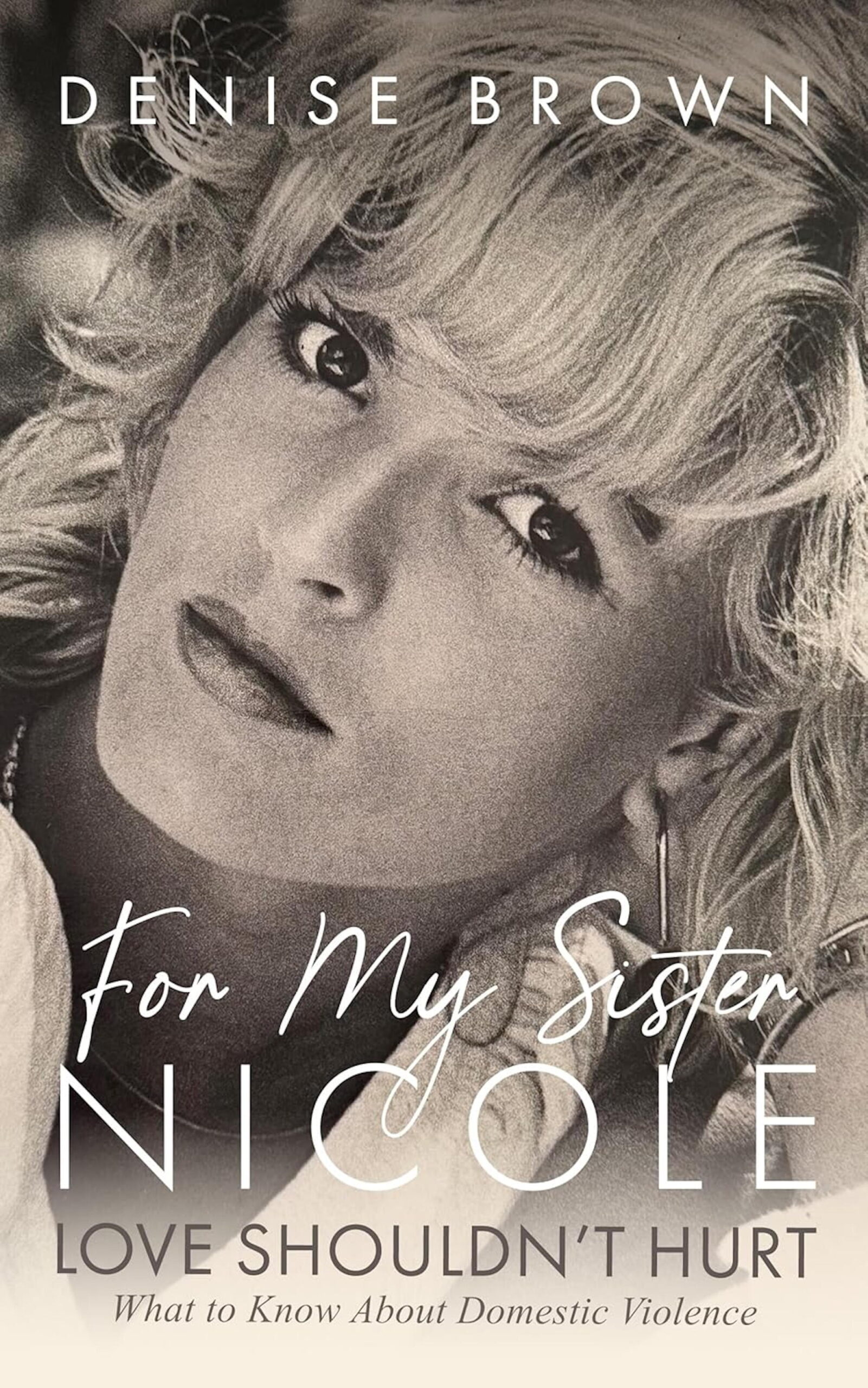
For My Sister Nicole: Love Shouldn’t Hurt — What to Know About Domestic Violence
By Denise Brown Blackstone Publishing: 240 pages, $30
If you buy books linked on our site, The Times may earn a commission from Bookshop.org, whose fees support independent bookstores.
Nicole Brown Simpson wore a long-sleeved cover-up by the beach, despite the warm weather. “We kept telling her, ‘C’mon, get in the water.’ She wouldn’t,” Denise Brown recalls of a Hawaiian vacation with her sister, Nicole, and the rest of her family, including her brother-in-law, O.J. Simpson. “We didn’t know it then, but he’d beaten the [hell] out of her the night before in the hotel room. We found out later, after she was killed, when we were reading her diaries.”
The incident is one of many chronicled in Brown’s new memoir, “For My Sister Nicole: Love Shouldn’t Hurt.” The book chronicles who Nicole was — from her happy SoCal childhood to meeting beloved celebrity and football star Simpson at the age of 18 (he was 30) to the physical and mental abuse she suffered over seven years of marriage. Brown also reveals the troubling incidents she witnessed behind the scenes, and pairs them with the knowledge she has now of what could have been done to help her sister.
(Blackstone Publishing, Inc.)
Nicole and her friend Ronald L. Goldman were murdered outside her Los Angeles home in Brentwood in June 1994. The brutal homicides set off a media frenzy, and overnight, Brown became the voice for her slain sister.
Images of an angry and sobbing Brown became the media’s hallmark of grief during the criminal trial, particularly when Simpson was acquitted in 1995. He was found guilty in a subsequent civil trial, yet still awarded custody of the divorced couple’s two children.
Now, 69, with sleek silver hair and a voice raspy from the many speaking engagements tied to her advocacy work, Brown has devoted her life to raising awareness about domestic violence. “It’s too late for Nicole,” says the former model who moved from her native Southern California to Florida decades ago. “I want this book to help others avoid what happened to her.”
This interview has been edited for length and clarity.
We’re meeting today in downtown L.A., very close to the courtroom where the trial happened, and to the former LAPD headquarters Parker Center where Simpson was booked after Nicole’s death. Is it difficult being here? Should we have done this somewhere else?
No. This is where it all happened, so it’s OK for me to be here to talk about [the book]. It should start here. And I’m glad it’s with the L.A. Times because Nicole was here in Los Angeles, as was all the chaos. Everything started here.
Denise Brown.
(Ronaldo Bolaños / Los Angeles Times)
It’s been 32 years since your sister’s murder, yet this is the first book you’ve written about what happened.
I had a [previous] book deal, but I wasn’t ready.
It was really hard going back because you think about all the things that should have been, that could have been, that she missed out on, especially with her kids. And everything was so public. It was so out in the open, with everybody looking at you. If you were too happy and laughing, it was, “Oh God, she doesn’t even know how to grieve.” If you’re crying, it’s, “My God, can’t she just get over it?”
I understand why people make these kinds of comments now, because if you’ve never been through something so horrific, you don’t know how to act. You don’t know how you’d respond.
Aside from raising awareness about domestic abuse issues, you haven’t spoken much about your sister’s life or murder until the 2024 Lifetime docuseries, “The Life & Murder of Nicole Brown Simpson.” It was the first production that included interviews and involvement from you and your sisters, which is stunning because there have been so many docs and dramas about the case.
I know. And without asking Nicole’s family, can you really make a good documentary?
A girlfriend of mine who is a producer wanted to [make a documentary] at the 10-year mark, and I just wasn’t ready. Then she asked me at the 20-year mark. I said, “No, this doesn’t feel right yet.” Then on the 30th, I asked my sisters [Tanya, Dominique and Wendy], “Do you guys want to do this?” And it was “Yes, let’s humanize Nicole. Let’s bring her back because she was lost in all of this.” Ron and Nicole were both lost. The trial has been done and saturated. Let’s humanize her, get videos of when we were kids. Stuff like that. So that’s what we did.
In the book you write that the docuseries provided new revelations about Simpson.
What I found out all these decades later shocked me. I learned after Simpson moved down to Florida with the kids, there were 17 calls to 911. There was an FBI raid. I don’t know what it was for, but the police came to the house 17 times?! I was friggin’ livid when I heard that. Where were the advocates? Where were the people protecting those children out there? They would have been protected by my mother and father, by all of us. Coming off that, I thought that it’s time to write a book.
We know so much more about recognizing the signs of domestic violence now than we did in the 1990s. The progress is of course welcome, but it also has to be hard applying that knowledge in hindsight to your sister’s case.
Back then I saw. I was privy to. I was there. I was involved. But I didn’t know it was domestic violence, and that’s what I want people to understand. Don’t read this book like it’s something that I knew about all along because I didn’t. I thought [the fights] were isolated incidents because they didn’t happen every single time I saw Nicole. They were years apart. I learned about domestic violence patterns after the murder.
Can you talk about what was in the diary you found in her home after she was gone?
A couple of months after her murder, my dad was reading her diaries, and I saw him lying on the bed, just broken. He said take a look at these, and it was Nicole’s writing and about the things that were happening. And I sat there like, “Oh my God. We were there.” We were there when this happened, like on a vacation in Hawaii. But we were not in the room with them.
Nicole wrote in her journal of that trip that once they were in their hotel room alone, he beat her and threatened to hang her off the balcony. But the diarywasn’t admissible in court. And maybe it wouldn’t have even made a difference given the lack of awareness about domestic abuse patterns.
Domestic violence, the jurors didn’t really understand it. They thought if you’re not dead after he’s finished strangling you, it’s not domestic violence. Jurors even said, “This is not a domestic violence trial. This is a murder trial.” Well, lo and behold, the ultimate form of domestic violence is murder.
Your passionate statement to a reporter during pretrial hearings marked the first time a member of your family publicly expressed doubt regarding Simpson’s innocence. From then on the press made a point of painting you as the furious, avenging sister.
Why wouldn’t I be angry? My sister was slaughtered, for God’s sake. I became the spokesperson for our family after I went upstairs to the press room [during the hearing] and said to a reporter: “If O.J. so innocent, why is he trying to suppress all the evidence?!” I couldn’t sit there and watch the so-called Dream Team [Simpson’s defense] constantly berating Nicole and belittling her and turning her into something that she wasn’t.
Before testifying in criminal court, you testified before Congress in 1994, urging lawmakers to fully fund programs and shelters supported by the Violence Against Women Act.
It was a bipartisan act from Orrin Hatch and Joe Biden, who were both senators at the time. Bill Clinton signed it into law after Nicole’s murder. I went to Washington and spoke before Congress because the funding was all [tied up ] in state appropriations. I was the first one to speak. I thought I was going to die. But it all worked out [laughs].
How did you deal with such an immense loss in private?
I ran every day for like an hour and a half until I collapsed because there was so much anger in me. My mom said, “Denise, I’m really worried about you because you’re just so angry,” and I said, “Why wouldn’t I be?!” She said, “I know, but you need to be able to deal with it.” So she invited our pastor over to the house who was a friend of the family. He said to me, “Denise, this is not God’s doing. This is the evil of man.” And as soon as he said that, there was something that just came off my shoulders. I could breathe again. You’re right. This is the evil of man. So I was the one who kept saying from the very beginning that I knew who did it: Simpson.
Nicole emerges as a whole person in this book, which after all these years feels long overdue.
Nicole was a wonderful person. Even when he gave her a Ferrari for her birthday, she didn’t give a s— if there was French fries in the gear shelf. Her kids, her friends, her people meant everything to her, and that was taken away from her by a f—ing monster. She was the best wife. All she wanted was her two kids, a white picket fence. The American family. So for her to put up with everything that she went through, it just breaks my heart because she was such a good person. Stubborn as all hell, but that’s OK. You don’t get murdered because you’re stubborn.
And people ask, “Why didn’t you just grab her by the hair and take her out [of that marriage]?” Well, because she was an 18-year-old girl who knew what she wanted, and she wanted him. She was totally in love with him, and she was not going to listen to her sister.
Your sister did eventually leave. She had been divorced for two years before she was killed. During that time, she wrote in her diaries that Simpson stalked her at the gas station, the supermarket, when she ate out, and your family witnessed it.
She did get away — for two years, and he couldn’t handle it. His ego could not handle it. His narcissistic behavior couldn’t handle it.
He was there for every move she made. She’s with a boyfriend having dinner, and he’s there, plopping his ass down at the table and having dinner with them. And at the supermarket?! C’mon, he doesn’t shop.
People [like him], they’re just so obsessed with control. And they’re narcissists. I don’t believe she could have ever gotten out of her situation because [of all the support he had]. He was so loved.
Why do you think she kept the abuse from you?
I asked [a family friend] why they think she hid the abuse. They said she was trying to protect her family and her friends, and to me that made all the sense in the world because that’s exactly what a victim does. The abuser will threaten the family. That’s their MO. I’m going to kill you. Your family. The dog. Our kids. Something you love will get hurt, and you’re the only one that knows about it. You’re the only one who knows how bad and how mean he can actually be.
I don’t have to look over my shoulder. Actually, the funny thing is, I was never afraid. There was never a fear of running into him. But is there a relief that he’s gone? I didn’t even know he was sick, and I hope he suffered the way Nicole did. I wish it would have been longer. You can quote me on that.
Is there ever any closure for you?
You try to move on. You never forget. It’s always there. So to go back, it just ripped my heart out. In 32 years I’ve not told my sister I love her, like we did every single phone call, every single time we left each other. It was always, “I love you. I’ll see you later.” But it was never goodbye. We never said goodbye to each other because that’s so final. It was always, “I’ll see you later.”
What impact do you hope this book has on readers?
I just really want your readers to know, if it can happen to Nicole, it can happen to you. It can happen to anybody: rich, poor, Black, white, gay, Democrat or Republican.
At the end of the book, I say that I think Nicole was put on this earth to be the person that shines the light on domestic violence. The 24-hour national domestic violence hotline didn’t exist before Nicole. The Violence Against Women Act didn’t exist before Nicole. There weren’t a lot of shelters. There wasn’t a lot of education. There weren’t PSAs. She changed that.
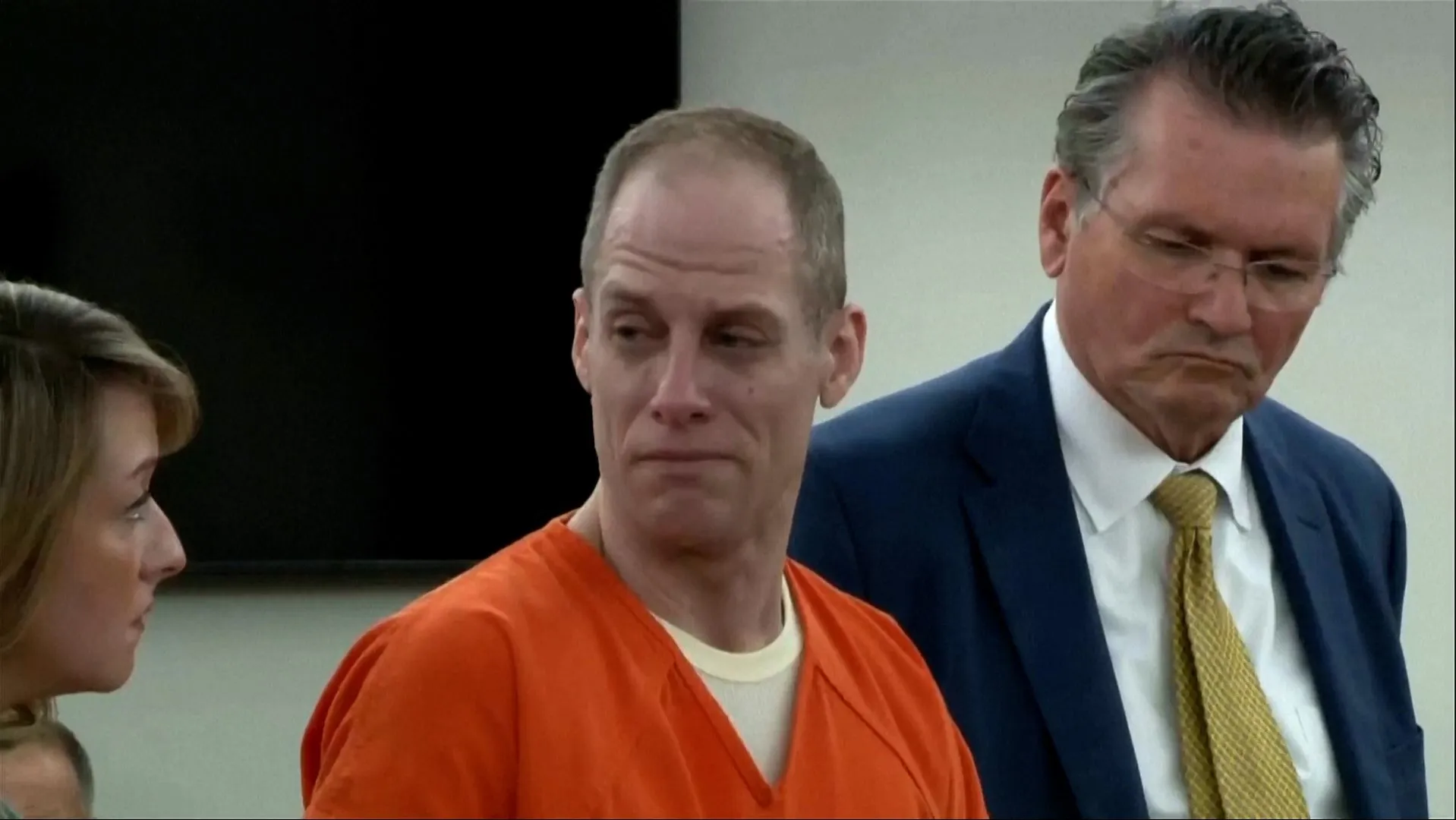
Former ‘American Idol’ singer Caleb Flynn has been sentenced to life without parole after being convicted of murdering his wife and attempting to cover up the crime.