‘To play God’: Cuba’s healthcare system collapses under US pressure | Donald Trump News
A spike in mortality
The tightening restrictions have forced the Cuban government to effectively ration care.
In February, Havana announced a package of emergency energy-saving measures. Among them was the suspension of all non-essential medical services across the island.
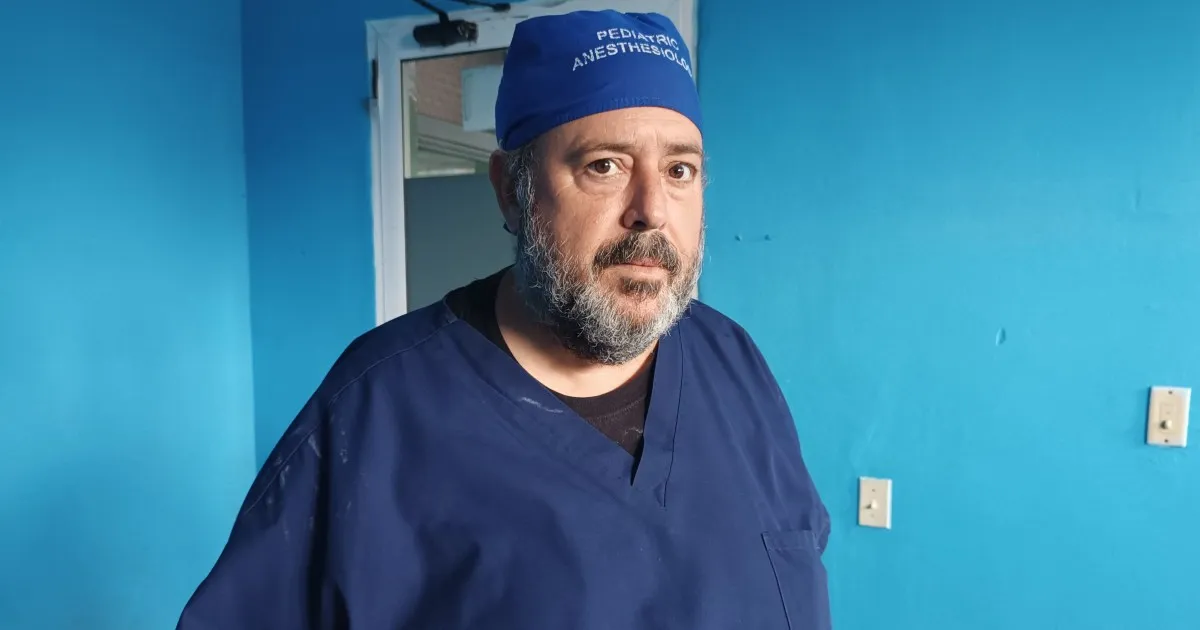
But non-essential does not mean unimportant. Fernandez, the paediatric anaesthesiologist, explained that preventive healthcare plays a major role in saving lives.
Under normal conditions, he said, preventive healthcare helps doctors catch potentially fatal conditions like appendicitis sooner.
But in recent months, Fernandez has observed patients arriving at his hospital in a “worsened” condition than they might otherwise have had.
“All the appendicitis cases we treat now present complications,” he said. “They demand more resources and antibiotics – supplies we don’t have.”
Deaths in Cuba have also escalated as years of increasing restrictions take effect.
Just last month, the Cuban Ministry of Public Health (MINSAP) reported that survival rates for childhood cancer dropped from 85 percent to 65 percent amid the oil blockade.
Infant mortality has also steadily climbed. In 2017, at the start of Trump’s first term, Cuba had an infant mortality rate of four for every 1,000 live births. That figure climbed to 7.7 in 2024, just before Trump’s second term, and reached 9.9 in 2025.
The maternal mortality rate similarly rose to 44.1 deaths for every 100,000 live births by the end of 2025, up from 40.6 the previous year.
Lilian Delgado, an obstetrician and gynaecologist at Cuba’s main maternity hospital, explained that the escalating humanitarian crisis has triggered a sharp rise in premature births and severe morbidity among pregnant women.
“Conditions are far from ideal at all the levels of the system,” Delgado noted. “There are shortages everywhere.”
The decision to prioritise emergency care can be deceptive. A wide range of medical procedures are considered “elective”. But just because they do not rise to the level of an emergency does not mean they are optional.
Typically, in Cuba, emergency surgeries are those that need to be urgently completed within 48 hours. Other necessary surgeries often fall into the “elective” category.
Mastectomies – a common breast cancer treatment – are among the surgeries often categorised as elective. So too are some organ transplants.
Healthcare advocates point out that, if certain elective surgeries are postponed too long, they too can result in deadly conditions.
More than 100,000 Cubans are currently on waiting lists for elective or reconstructive surgeries, a backlog MINSAP credited to the US sanctions.
Among those waiting are 5,152 cancer patients and approximately 12,000 children. Delgado said some of her patients have been languishing on such lists for months.
“Our surgical services are severely hampered by a lack of supplies,” she explained. “We have more women suffering from serious complications, and our operating rooms have become tied up with emergency cases, making it impossible to perform elective surgeries.”
Hospitals in Cuba largely have backup generators to weather the increasingly frequent power outages. But accessing even emergency medical care is tough when the fuel blockade is affecting basic services like transportation.
“Ultimately, if you have a cancer patient and cannot operate due to a number of factors – such as a nationwide blackout forcing the suspension of surgeries – then, whether you intend to or not, you are directly condemning that patient to death,” Delgado said.
The oil embargo has cost “human lives, both directly and indirectly”, she added.