‘American Pachuco’ review: Essential profile of Luis Valdez
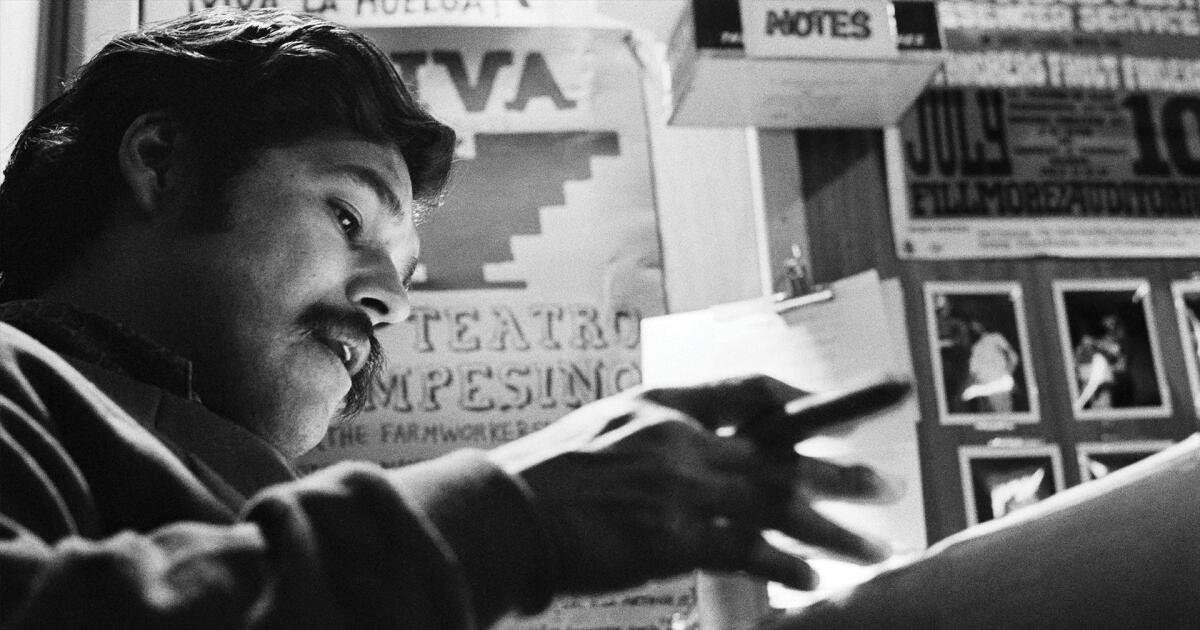
There are many dedicated figures devoted to Chicano empowerment in America. But in the arts, playwright-director-impresario Luis Valdez — the migrant farmworkers’ son behind the defiantly consciousness-raising El Teatro Campesino and the historic hits “Zoot Suit” and “La Bamba” — holds a singular place, achieved with remarkable perseverance. It’s a trajectory that the immensely appealing, rollicking documentary “American Pachuco: The Legend of Luis Valdez” tracks with a vitality and purpose befitting its subject.
Anchored by Valdez himself, now in his 80s and filling the camera frame like a grandfatherly lion, the film supplements his vivid biographical details with rich archival footage and testimonials from family members, collaborators and peers. There’s also the bold but sneakily effective narrator choice in Edward James Olmos, reviving his snarling, star-making El Pachuco growl from “Zoot Suit” to remind us of one of Valdez’s essential contributions to the theatrical canon. (Olmos is also an interviewee, as is Cheech Marin, Taylor Hackford, Lou Diamond Philips and labor leader Dolores Huerta.)
Born in Delano, Calif., and drawn to literature and language as a way to combat racist assumptions about a Mexican American’s destiny, Valdez found his gifts sharpened by puppet shows, school plays and finally, the union movement in his hometown. Valdez saw that pointed, raw satire was not only necessary but a recruitment tool for the fight. We hear the underdog aesthetic term rasquachismo used to describe these early impromptu performances: essentially a colorful funkiness, “so funky that nothing can undermine you,” Valdez says. As if something earthier and stronger had been harvested in the fields with all those valuable grapes.
After the labor battles of the Vietnam War era, Valdez took El Teatro Campesino’s mission nationwide. Excerpts from a televised adaptation of his play “Los Vendidos (The Sellouts)” — about a shop selling automatons representing Chicano stereotypes — underscore the continuing tensions of assimilation, a trap disguised as acceptance. But the piece also reflected feelings Valdez had about his long-estranged brother Frank, an engineer whose alienating efforts to deny his own background and fit in formed a heavy undercurrent in Valdez’s life.
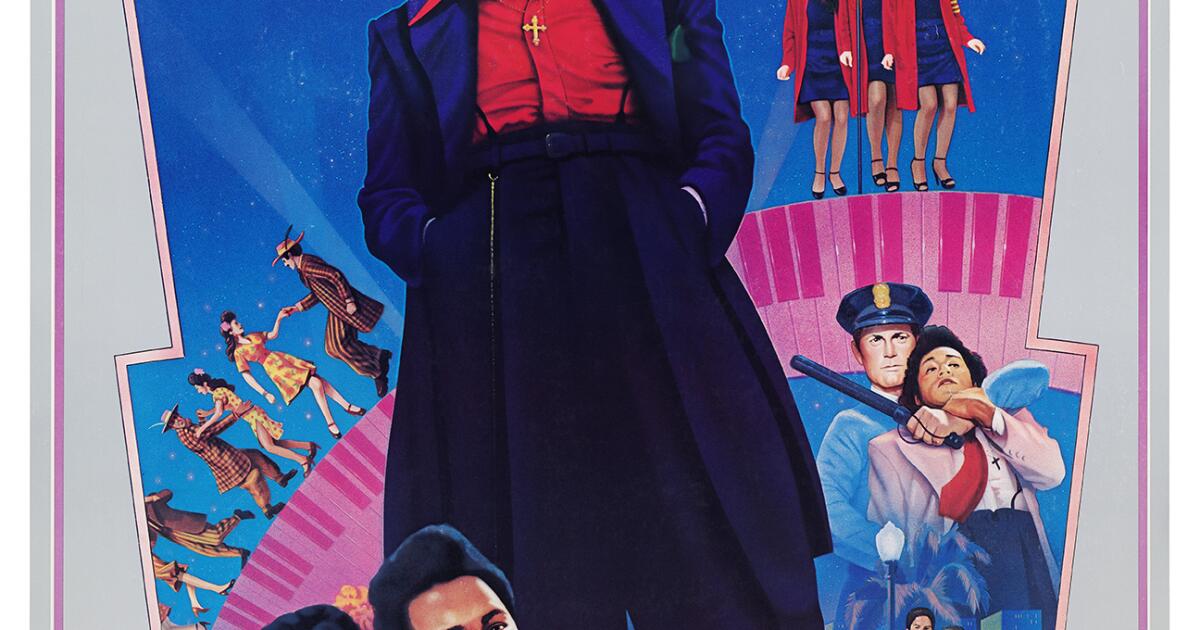
“Zoot Suit,” an ambitious, musicalized, slang-flavored staging of the violent injustice behind L.A.’s notorious 1943 Zoot Suit riots, became a smash in 1978 (its narrow-minded New York reception notwithstanding). The story of how the Ritchie Valens biopic “La Bamba” came to be — a delicate mix of legacy tending and savvy casting — is similarly rousing and illuminating, even if it seems like an omission not to dig into why, after such a big hit, more movies didn’t follow. (Although, since this is Hollywood, we can guess the reasons.)
There’s so much to chew on in David Alvarado’s portrait of life, art and activism that “American Pachuco” plays like a joyful challenge to those searching for their own voice or meaning. As engaging a chronicler of his own life as Valdez is, his lessons in how to be seen and heard — and how to stay that way — feel especially timely. In our demonizing present, the story of such a pioneering truth-teller speaks powerfully to the needs of our blended American future.
‘American Pachuco: The Legend of Luis Valdez’
In English and Spanish, with subtitles
Not rated
Running time: 1 hour, 32 minutes
Playing: Opens Friday, July 24, in limited release