los angeles

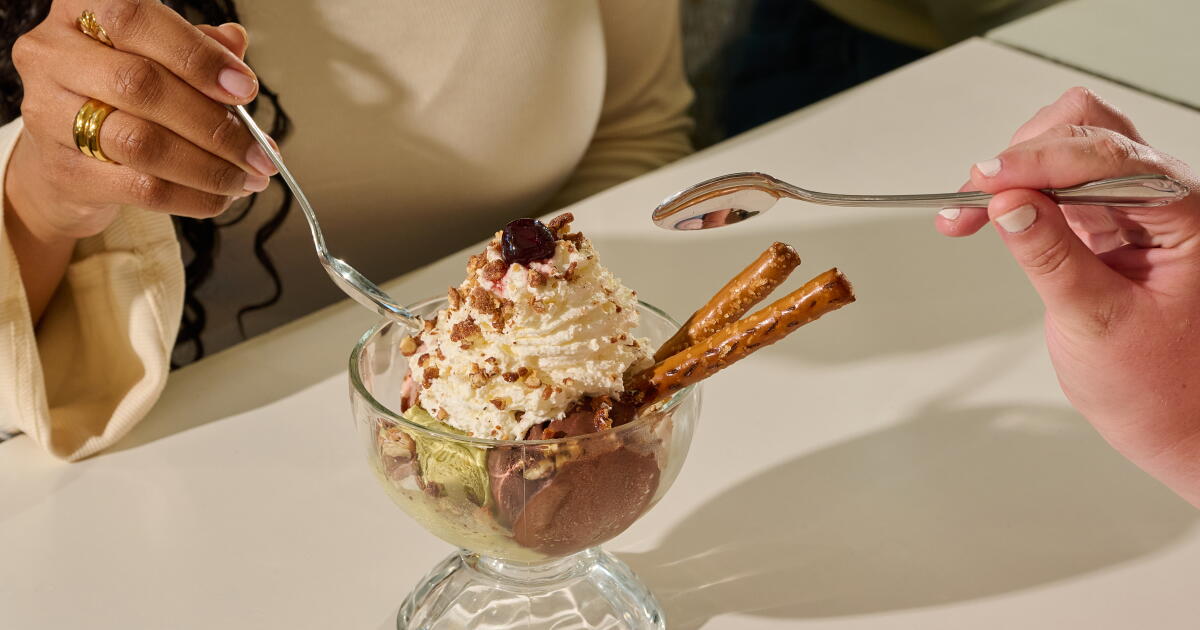
Where to find Portuguese-style egg tarts in Los Angeles

Egg tarts are the only food obsession I held as a child that never waned in adulthood. They served as a primary motivator as a toddler. Clean my room? Finish my homework? Dan tat, the egg tarts found on dim sum carts, were always the answer.

I grew up eating Hong Kong-style egg tarts, with pale, glossy tops and nests of either crumbly, cookie-adjacent shortcrust or flaky pastry. They were usually cold, and the filling more like firm Jell-O than custard. Still, I was hooked. When someone brought a box of warm Macau tarts to a mahjong gathering at my grandmother’s house in the early ‘90s, I crushed out on the palm-sized pastry like it was the latest single from Boyz II Men.

While the Hong Kong tarts can be traced to custard tarts from the United Kingdom, Macau tarts are descendants of Portuguese pastéis de nata (until 1999, Macau was a Portuguese colony). Dozens of layers of crisp pastry cradle a crème brûlée-adjacent filling with a glistening top blistered in a scorching hot oven. The shell crackles and the custard trembles, for a confluence of textures that’s addictive and almost maddening. If I’m going to eat a tart, it might as well be three.

When Nata’s Pastries opened in a Sherman Oaks strip mall more than 20 years ago, it was the only Portuguese bakery in the city. Now, you can find Macau tarts and pastéis de nata at restaurants and bakeries all over Los Angeles. The following are seven places that should jump-start your own egg tart obsession.

Source link

Despite Trump’s insistence, in-person voting does exist in Los Angeles

Yes, voting centers will be open across Los Angeles this week. And no, you don’t have to cast your ballot by mail.

With days left before the June 2 primary, President Trump made a round of misleading claims about the electoral process, this time falsely suggesting that the city was holding elections only by mail.

Trump’s comments came Saturday during an appearance on Fox News when he was asked by host Lara Trump — the president’s daughter-in-law — about his predictions for the upcoming primary.

“You know, they don’t have voting booths; everything’s by mail,” Trump responded. “I don’t think a Republican can win in California unless you pass the Save America Act — then they’re gonna have to show proof of citizenship, they’re going to have to get rid of mail-in voting.”

The L.A. County registrar-recorder moved to set the record straight in a tweet posted Sunday morning that read “MISINFORMATION ALERT.”

Noting that in-person voting was in fact allowed, the agency announced that it had 646 vote centers across the county — each with multiple voting booths. The centers will be open from 10 a.m. to 7 p.m. on Monday and Tuesday, the agency said in the posting, while tagging Fox News and the White House.

A map of polling locations featured on the agency’s website shows that there are dozens of voter centers available countywide. Mobile vote centers also were made available at various sites in the county. Mobile voting runs for the 10 days before election day and will not be available on June 2, according to the county registrar-recorder.

As of Friday morning, 333,000 mail-in votes had been cast in the June 2 primary for Los Angeles mayor, city attorney, city controller and eight of the 15 City Council seats. This was up from 321,000 at the same time in 2022, according to registrar-recorder.

Registered voters already should have received a ballot in the mail. Those who choose to vote in person can take their mail-in ballot to a vote center and ask to vote in person instead. Residents who haven’t yet registered to vote can still do so by requesting a conditional voter registration application at any voter center and filling out their ballot as they normally would.

Recent polling suggests that, ahead of Tuesday’s primary, incumbent Los Angeles Mayor Karen Bass has what pollsters deem a statistically insignificant lead in her bid for reelection as the city’s top executive. Bass is locked in a tight race with councilmember and former ally Nithya Raman and Spencer Pratt.

Trump has signaled his support for Pratt but hasn’t formally endorsed the former reality TV star and registered Republican. Former Trump advisor Steve Bannon said the president hadn’t done so out of the fear it would hurt Pratt’s chances in Democrat-dominant Los Angeles.

In 2020, during the outbreak of the COVID-19 pandemic, Gov. Gavin Newsom took the unprecedented step of issuing a statewide order for voting by mail for that year’s election in what he described as a necessary step to limit the virus’ spread.

A handful of rural counties had no in-person voting locations that March.

In 1979, the state eliminated the need for an excuse to receive an absentee ballot, and an option to choose permanent absentee voting was created in 2002. In the decades since, Californians have embraced the flexibility that voting away from a polling place offers. In nearly every statewide election since 2008, the majority of votes have not been cast at a traditional polling place.

Fourteen more counties — including Orange, Sacramento and Santa Clara — have adopted the state Voter’s Choice Act, an optional state law that requires them to mail every voter a ballot and to replace traditional neighborhood polling places with multipurpose vote centers. Those in-person locations offer multiple election services for up to 10 days before election day.

Los Angeles, the 15th county to adopt the new state law, was initially given special permission by the Legislature to implement it without mailing every voter a ballot.

Trump has for years repeated baseless claims that the 2020 election was stolen and that undocumented immigrants were swaying elections by voting illegally.

In light of these claims, Trump and some Republicans have pushed for new restrictions on voters. A federal proposal known as the Save America Act — which would require Americans to prove they are U.S. citizens before they register to vote and to show identification at the polls, among other things — cleared the U.S. House but stalled out in the Senate.

In November, California voters will weigh in on a similarly contentious ballot measure pushed by Republicans that would require all voters in future elections to show identification every time they vote in person or provide a special PIN when submitting mail-in ballots.

Under current state law, Californians are required to provide identification when registering to vote and must swear under penalty of perjury, a felony, that they are eligible to vote and are U.S. citizens. They are not required to show or provide identification when casting a ballot in person or by mail.

If passed, the California ballot measure would require voters to present government-issued identification, such as a state driver’s license, every time they vote. Voters mailing ballots would be required to write a four-digit number, essentially a PIN, on their ballot envelopes matching the one generated when they registered to vote.

Critics of California’s voter ID initiative, including many legal scholars, say the ballot measure addresses a problem that does not exist.

In May, a federal judge handed Trump a victory by declining to halt the president’s executive order creating a federal list of eligible voters and then directed the U.S. Postal Service to deliver mail ballots only to those on the list. Observers say the decision opens the door for potential sweeping changes in how American elections are run shortly before this year’s midterm elections.

The Associated Press contributed to this report.

Source link

Los Angeles lands expansion Major League Volleyball team

Los Angeles is getting another pro women’s volleyball team.

Major League Volleyball announced it will expand to L.A. in 2027, adding another team to the growing professional volleyball market.

The team will be co-owned by billionaire Dr. Patrick Soon-Shiong, who also owns the Los Angeles Times and is a minority owner of the Lakers. He will operate the team alongside Ben Priest, a former investor of MLV’s Omaha Supernovas, one of the league’s first teams.

Sportico reported the duo are paying an expansion fee around $15 million-$20 million to join the five-year-old operation.

The L.A. team will be the 11th franchise in MLV, which merged with the Pro Volleyball Federation before last season to consolidate the competition. However, League One Volleyball, known as LOVB, is still operating and has nine teams, including one joining the L.A. market in 2027.

MLV will also expand to Northern California, Minnesota and Washington D.C. in 2027.

Soon-Shiong joins a contingent of billionaire investors in MLV. Several NBA, NHL and MLS owners have ownership stakes in teams across the startup.

“From my perspective, this is really a feeling like when the Lakers started many, many decades ago,” Soon-Shiong told Sportico. “The opportunity in women’s sports is growing, and Los Angeles is obviously a very important market.”

The two volleyball leagues have vastly different models. MLV is looking to establish itself in the fabric of the pro sports markets like other leagues, while LOVB has ties to youth volleyball clubs and feeder teams.

MLV and PVF merged after sharing a similar vision and joining forces to avoid cannibalizing the market. LOVB has teams in or projected to be in six markets. MLV lost its San Diego franchise, which ceased operations after the 2026 season.

The two volleyball teams coming to L.A. will join the WNBA’s Sparks and NWSL’s Angel City FC as local pro women’s sports teams. Los Angeles also has a team in the upstart Women’s Pro Baseball League, but it will play the entire 2026 season in Springfield, Ill.

Source link

Best Puerto Rican restaurants in Los Angeles

When San Juan native Rafael Rodriguez opened Señor Big Ed in Cypress in the mid-90s, there were few Puerto Rican restaurants in Southern California.

“A lot of customers were driving long ways to come to eat at Señor Big Ed,” said restaurant manager Veronica Coronado. “They would get very emotional when they would eat the food, because it reminded them so much of their childhood.”

While cities like New York and Miami have come to be veritable hubs for Puerto Rican cuisine, the food community here in Los Angeles — more than 3,000 miles away from the island — still remains relatively small.

And yet, demand for Boricua cuisine is on the rise locally, due in part to a growing Puerto Rican population — about 47,000 residents, according to the Los Angeles Almanac — and rapper Bad Bunny’s recent Super Bowl halftime show that paid homage to his homeland and made history as the most-watched Super Bowl halftime performance of all time, with more than 4 billion views globally.

“His whole movement and everything that he’s been doing for the island … has really been this big boost for global awareness of the Puerto Rican identity and culture,” said Carmen DeLeon, the actor and chef behind Capicu, a Puerto Rican pop-up in L.A.

While longstanding restaurants like Señor Big Ed have anchored communities for decades, newer spots like Taínos in Woodland Hills and La Casa de Iris in Long Beach are expanding the Boricua food landscape in L.A.

“Everyone comes to look for this food because this is like gold,” said Edwin Torres, chef at Taínos in Woodland Hills.

In addition to traditional guisados, mofongo (mashed green plantains) and banana-leaf-wrapped pasteles, Taínos shares Puerto Rican dishes rarely seen outside of home kitchens. Soon, co-owner Odessa Rodriguez plans to add guanimes con bacalao, boiled flour dumplings with salted cod, a Taíno dish that traces back centuries.

“We’re not trying to reinvent the wheel. We are just trying to bring back essential plates that our ancestors ate,” Rodriguez said.

DeLeon, known as the Not Starving Artist on Instagram, started her pop-up in 2023 with her sister Anabel, serving small bites at bars, farmers markets and local events. The siblings grew up in Arizona cooking Puerto Rican food with their island-born parents, and DeLeon said she’s passionate about making the cuisine accessible to others.

“I want to attract people first, and then I can talk about where these dishes derive from and where the inspiration comes from,” she said.

The current menu features pizza empanadillas, vegan arroz con gandules (rice with pigeon peas), vegan tostones and gazpacho, and mini sandwiches with ham, cheese and sweet pimiento peppers.

DeLeon hopes more people will grow excited about Puerto Rican food as they discover the culture and meaning behind the cuisine.

“There’s so much history and structure and love behind this group of people, this environment, this culture, this food, this identity,” she said. “I hope that when people eat this food … I want your belly to feel full, I want you to feel as if you’re sitting at my house with my family.”

Similarly, Rodriguez hopes Taínos will become a cultural hub for Boricuas in L.A.

“It fulfills me to feel that I am providing a sense of comfort, nostalgia, home,” she said. “It’s bigger than food.”

Whether you’re craving nostalgic flavors from home or looking to experience L.A.’s small but growing Puerto Rican food scene, here are four restaurants serving up a taste of the Isla del Encanto. — Angela Osorio


Source link

Guide to the best grilled cheese sandwiches in Los Angeles

It’s all too easy to overlook the grilled cheese sandwich when ordering at a restaurant. It can feel like something that is best reserved for picky eaters and the kids menu. But a great version is so much more than bread sealed together with a generous layer of cheese — everything must work harmoniously together. When something is this simple in construction, each ingredient really matters, from the type of bread to the selection of cheese to any additional toppings.

Luckily, restaurants around Los Angeles are taking the grilled cheese seriously, whether leaning into nostalgic versions with American cheese and sourdough bread or experimenting with unexpected ingredients like spicy labneh and caramelized onions. The results are delicious and comforting. Here are nine of the best grilled cheese sandwiches to try in L.A.:

Source link

New restaurants and pop-ups to try in Los Angeles in May 2026

Los Angeles didn’t get many April showers, but May flowers are blooming just the same, leaving a lingering scent of jasmine as the star-shaped flower blossoms across the city. Jacaranda trees will soon follow suit, turning the skyline of entire neighborhoods lavender as spring stretches into summer.

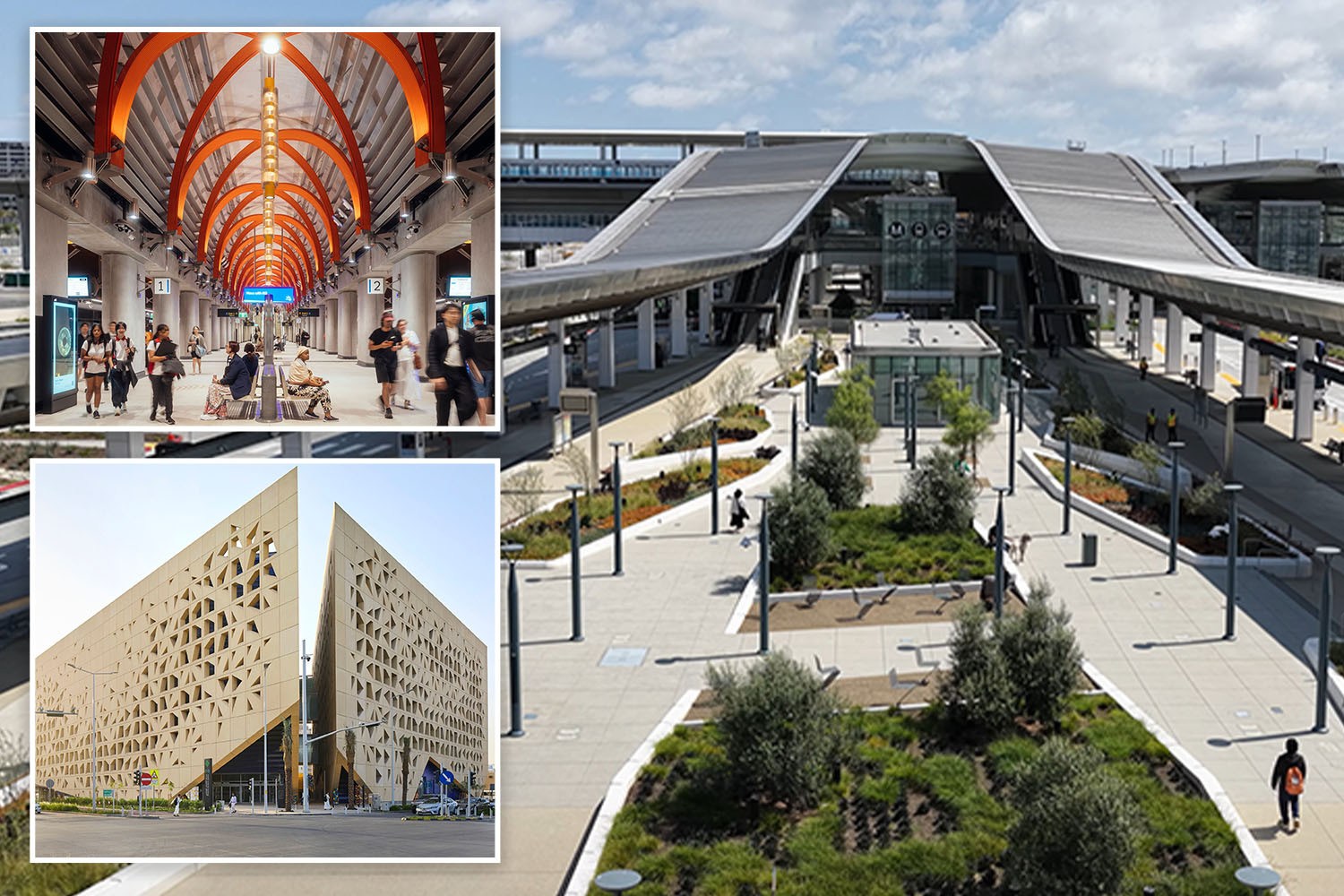
Marine layer aside, this season invites us to get outside and make the most of living in L.A. The Metro will soon open the expansion of its D Line, making it convenient to peruse Museum Row, the Grove and bars and restaurants along Fairfax and in Beverly Hills without a car. Local farmers markets are more abundant than ever, with rainbow assortments of stone fruits and tomatoes.

And there are plenty of patios and rooftops for enjoying sunny evenings and taking in city views. Keep reading if you need dining inspiration this month, like exploring a new hand roll counter in downtown L.A., a buzzy Larchmont diner that lives up to the hype and a pan-African destination for customizable “slop bowls” in Gardena.

Source link

Best cemita poblana sandwiches to try in Los Angeles

When Juan Antonio moved to Los Angeles from his hometown of Puebla, the capital city of the Mexican state by the same name, he got straight to work doing what he knew best: baking cemita bread.

Antonio started baking at a panadería in Lincoln Heights in about 1996, churning out dozens of fresh cemitas daily and selling them door to door. At the time, there were few places selling the bread, and the community recognized him as “el cemitero.”

The cemita sandwich is a staple in Puebla, a gastronomically rich region in East-Central Mexico with Indigenous, Spanish and Middle Eastern roots. Alongside cemitas, Puebla is known for traditional dishes such as mole poblano (the sauce complex with chocolate and chiles), chiles en nogada (stuffed Poblano chiles drenched in a walnut cream sauce) and tacos arabe (tacos with spit-roasted pork, wrapped in pita bread).

Cemita bread, speckled with sesame seeds and crisp on the outside with a soft, fluffy interior, is believed to have originated in 16th century Puebla, brought to Mexico by Spanish conquistadors and later developed with French baking techniques.

Due to its long preservation period, the bread was commonly found on ships with long voyages, and some believe it was offered as a tribute to the Spanish crown.

The sandwich started with simple fillings like beans and cheese and gradually became more layered over time. Now, cemita sandwiches typically consist of the titular, toasted sesame seed bread; a heap of stringy, salty Oaxacan cheese; avocado; jalapeño or chipotle peppers; pápalo, an herb with a cilantro-minty taste; and some choice of meat, with milanesa — a breaded chicken or steak cutlet — being the most popular options.

Cemitas, often wrapped in crinkly yellow paper and eaten on the go, have grown a steady presence in L.A. since Antonio first started selling them in East L.A. almost 30 years ago. Today, he continues to bake cemitas at El Cemitero Poblano, his family restaurant in Boyle Heights, and is joined by food trucks, street vendors and other sit-down restaurants offering traditional and creative takes on the iconic Poblano dish that’s usually priced between $10 and $20.

In Puebla, thousands gather for the annual Festival de la Cemita Poblana, a celebration that takes place around Cinco de Mayo and features dozens of cemita vendors.

Though commonly misunderstood as Mexico’s Independence Day, Cinco de Mayo is a holiday with special significance to Puebla, as it recognizes the Mexican army’s victory over France at the historic Battle of Puebla in 1862. In L.A., the holiday is often celebrated with mariachi bands, free-flowing margaritas and tacos, but if you’re looking for ways to tie in Poblano traditions, consider stopping by one of L.A.’s top spots for cemitas, from classic East L.A. stands to places in La Puente, Mid-City and Van Nuys.

Source link

Best specialized massages in Los Angeles: A head-to-toe guide

Kosha is a boutique spa in Sherman Oaks offering skincare and massages. One of its signature offerings is the “buccal facial,” which is actually more of a face and jaw area massage as opposed to a facial involving exfoliating, steaming and pore extraction.

The 55-minute treatment promises to improve circulation and relax muscles, helping to plump the skin while lifting and firming, “giving it a more contoured appearance,” Kosha owner Anastasia Talan told me.

It starts with a short grounding meditation before a cleansing of the skin and a light scalp massage. It then transitions into a wonderfully relaxing neck, shoulder and face massage, with an emphasis on the face. (The actual “buccal massage” part comes later.) Talan said the overall treatment blends multiple types of massage, including European “contouring and lifting massage,” lymphatic drainage, acupressure and myofascial release as well as light stretching.

As she worked on my face, Talan applied pressure while stroking under my cheek bones, along my sinuses and up, down and around my cheeks and jaw area.

The “buccal massage” portion was about 15 minutes. It’s also called “intraoral massage” because it takes place inside of the mouth. Talan donned blue plastic gloves and then pulled my lips apart, massaging the inside of my cheeks, lips and around my jawbone and temporomandibular joint. Relieving tension there is helpful in aiding TMJ and other temporomandibular joint disorders. Another benefit, says Talan: clenching the jaw, a stress reaction, can enlarge the masseter muscles on the jaw, leading to the lower part of the face looking heavy. Relaxing those muscles could preserve slimness of the face.

But go for the sheer relaxation of it. Once the (admittedly awkward) intraoral massage part was over, Talan spent a few more minutes massaging the outside of my face and neck. The treatment was so dreamy, I nearly drooled while fighting off sleep.

Treatment name: The Buccal Facial

Price: 55 minutes, $195

Source link