The problem they all face is their return address.
“There was a cliche that dates to the ‘60s or ‘70s, or maybe before that,” said Matthew Dallek, who was born and raised in Los Angeles and now teaches political management at George Washington University. “‘As California goes, so goes the nation.’ I don’t think that world exists anymore.”
You’re reading the L.A. Times Politics newsletter
Expert columnists cover the insights, legislation, players and politics you need to know.
By continuing, you agree to our Terms of Service, which include arbitration and a class action waiver. You agree that we and our third-party vendors may collect and use your information, including through cookies, pixels and similar technologies, for the purposes set forth in our Privacy Policy such as personalizing your experience and ads.
Or as Jim Newton, a former L.A. Times reporter and editor and now a biographer and California historian, bluntly put it, the state has migrated in the minds of many beyond its golden confines “from a kind of serious west of the West place to a kind of hippy-dippy silly place.”
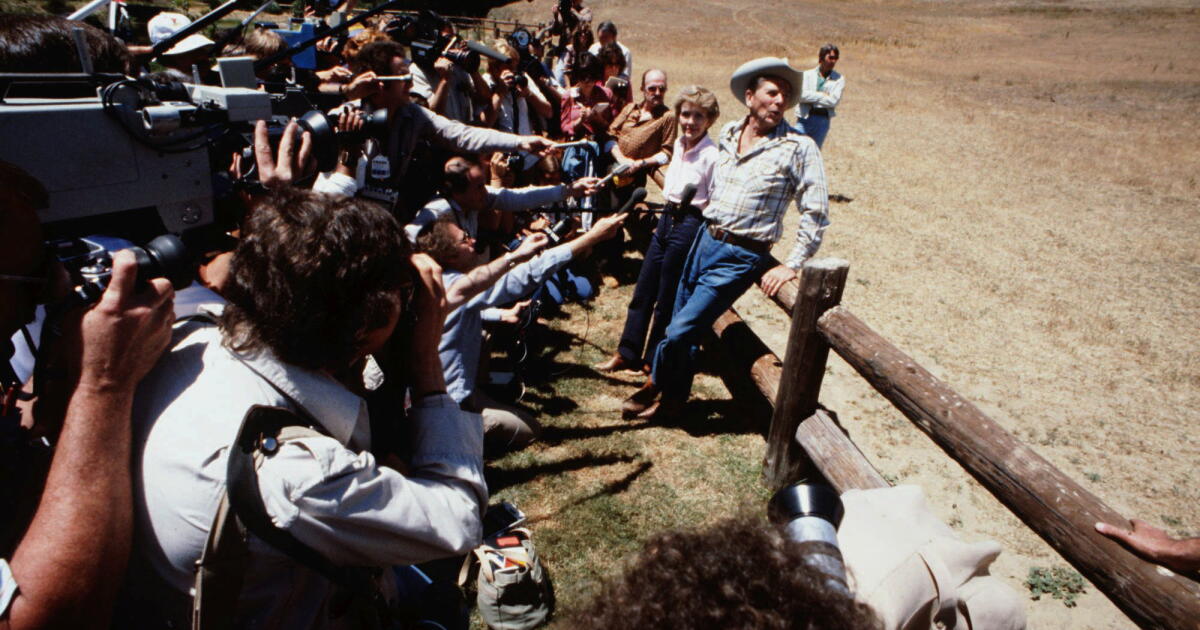
Reagan was a product of the nation’s heartland and a California transplant. The state that launched him to the White House was predominantly white and Republican, an arsenal of the Cold War and the birthplace of a grass-roots anti-tax movement that swept the nation. His conservatism was seen by many as an antidote to the excesses of the 1960s and 1970s.
“California was in some ways on the cutting edge of American politics because it was signaling the direction in which our national politics were trending,” said Dallek, who wrote a book about Reagan’s first electoral victory, in the 1966 gubernatorial race. “Reagan was kind of the tip of the spear.”
Although leaning to the right, especially in presidential races, California was a robust two-party state until the mid-1990s, with several Democrats holding statewide office and long periods when Democrats controlled one or both houses of the Legislature. That competitiveness, along with California’s sizable cache of electoral votes, helped boost Reagan’s political standing nationally.
Many see that progressivism as overly obsessed with identity politics, personal pronouns and the like, ignoring practicalities and the day-to-day concerns of most voters.
(Between the two, California had a seat in the White House for more than half a roughly 40-year stretch. Nixon served two terms as vice president before winning the presidency in 1968. His second term was cut short when the Watergate scandal drove him from office.)
Khachigian noted that Republicans rule over states that are just as politically lopsided as California: Indiana, Mississippi, Idaho and Utah, for instance. “But they don’t seem crazed like California,” he said.
That’s obviously one partisan’s perspective.
‘Far left … ungovernable’
But Dallek agreed it’s no longer a political asset to come from California, which much of the country sees as “pretty far to the left.”
“And somewhat ungovernable at this point,” he added. “You have incredible, insane amounts of wealth concentrated in places like Silicon Valley and parts of Los Angeles and then you have incredible amounts of poverty and homelessness…. There’s not a sense that what’s happening in California really resonates across the country.”
It has the world’s fourth-largest economy, as Newsom and others never tire of pointing out. It remains on the cutting edge of culture, research and technology. It’s still a place that offers fertile ground for the imagination, for reinvention and for second chances.
Newcomers, from other states and abroad, are welcomed like in few other places. The unofficial California credo — live and let live — makes it possible to be one’s authentic self without fear of shame, ostracism or constraint.
Harris, Newsom, Khanna or any Democrat hailing from California will doubtless argue those virtues are what makes the state truly shine, convinced it’s a model they can sell the rest of America.
And you probably figured Freddie Freeman would get it going. You had faith in playoff risers Max Muncy, Kiké Hernández and Teoscar Hernández — and in the Dodgers’ playoff-proven offense overall.
You were not, however, so bullish on the bullpen.
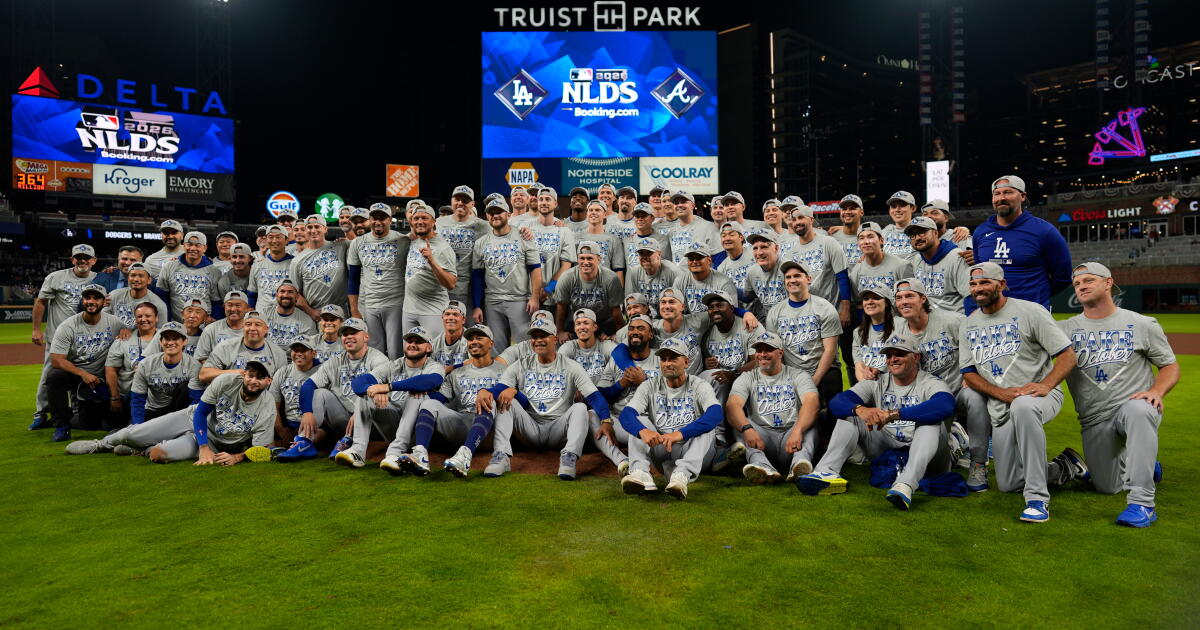
That was the proverbial, annual question mark entering the best-of-five National League Division Series against the Atlanta Braves, whom the Dodgers vanquished with a 4-1 victory Wednesday at Truist Park to set up an NL Championship Series rematch with the Milwaukee Brewers.
Get the latest on L.A.’s teams in the daily Sports Report newsletter.
By continuing, you agree to our Terms of Service, which include arbitration and a class action waiver. You agree that we and our third-party vendors may collect and use your information, including through cookies, pixels and similar technologies, for the purposes set forth in our Privacy Policy such as personalizing your experience and ads.
Dodgers: Reasons to believe, reasons to worry
From Bill Shaikin: As Dave Roberts delivered his victory address, dressed in a gray cap and a gray T-shirt that commemorate a triumph the Dodgers consider merely a speed bump on the road to the main event, the manager was not shy.
“There is no more talented team than the Los Angeles Dodgers,” Roberts told his players amid clubhouse floods of champagne and beer. “This is the best organization in sports, top to bottom. We’re smarter. We’re better. And we’re tougher.”
“This one is going to be special,” infielder Miguel Rojas said. “We have the motivation of winning three times in a row. That’s all we can think about right now. It’s never going to be easy in baseball. You have to go through tough things. But this team showed it before, and it showed it in this series.”
Nothing is guaranteed in October, not even the Dodgers in the World Series. For the Dodgers, here are four positive signs and four warning signs:
And though it was just a preseason game Thursday night, Doncic and Reaves showed why they form one of the most dynamic offensive backcourts in the NBA.
The Lakers duo linked up on the very first play against the Sacramento Kings, with Reaves passing to Doncic as he cut to the basket before scoring while being fouled.
Both played 25 minutes, with Doncic finishing with 23 points on six-for-16 shooting during the Lakers’ 114-110 win over the Kings at Crypto.com Arena. Reaves had eight points on two-for-seven shooting, eight assists and five
No. 2 Cleveland vs. No. 6 Chicago White Sox Chicago White Sox 3, at Cleveland 0 (box score) Chicago White Sox 4, at Cleveland 3 (box score) Cleveland 9, at Chicago 3 (box score) Cleveland 9, at Chicago 5 (box score) Saturday at Cleveland, 5 p.m., TBS/truTV/UniMas/HBO Max
NLCS
No. 1 Milwaukee vs. No. 2 Dodgers Sunday at Milwaukee, 5 p.m., FOX/FS1/FOX Deportes/FOX One Monday at Milwaukee, 2 p.m., FOX/FS1/FOX Deportes/FOX One Wednesday at Dodgers, 5 p.m., FOX/FS1/FOX Deportes/FOX One Thursday at Dodgers, 6 p.m., FOX/FS1/FOX Deportes/FOX One *Friday, Oct. 16 at Dodgers, 6 p.m., FOX/FS1/FOX Deportes/FOX One *Sunday, Oct. 18 at Milwaukee, 5 p.m., FOX/FS1/FOX Deportes/FOX One *Monday, Oct. 19 at Milwaukee, 5 p.m., FOX/FS1/FOX Deportes/FOX One
ALCS
No. 1 Tampa Bay vs. Cleveland/Chicago winner Monday, at Tampa Bay, 5 p.m., TBS/truTV/UniMas/HBO Max Tuesday at Tampa Bay, 5 p.m., TBS/truTV/UniMas/HBO Max Thursday at Chi/Cle, 3 p.m., TBS/truTV/UniMas/HBO Max Friday, Oct. 16 at Chi/Cle, 3 p.m., TBS/truTV/UniMas/HBO Max *Sat., Oct. 17 at Chi/Cle, 5 p.m., TBS/truTV/UniMas/HBO Max *Monday, Oct. 19 at Tampa Bay, 2 p.m., TBS/truTV/UniMas/HBO Max *Tuesday, Oct. 20 at Tampa Bay, 5 p.m., TBS/truTV/UniMas/HBO Max
* if necessary
World Series starts Friday, Oct. 23
Secret to Matthew Stafford’s success
From Sam Farmer: Both NFL most valuable players. Both bound for Canton. Both surgically precise with their passes.
Peyton Manning sat in the studio and cued the video. Stafford looked off a Philadelphia safety last Sunday to hold him in place. He froze a cornerback with a glance. Then he threw an out-and-up to Puka Nacua, absorbing a big hit as he released the ball.
“That’s a lot of looking off,” Manning said.
Hall of Fame linebacker Luke Kuechly, watching from his own home studio, agreed.
“The quarterback will lie to you,” Kuechly said. “He’s going to look you off. He’s going to pump you. But the one thing that never lies to you is the route.”
1943 — Bob Hoernschemeyer throws six touchdown passes, an NCAA record for a freshman, to lead Indiana past Nebraska 54-13.
1965 — The United States wins the Ryder Cup 19½-12½ at the Royal Birkdale Golf Club in Southport, England. Arnold Palmer clinches the title, beating Peter Butler 2 up. It’s the 13th victory for the Americans in this event, which began in 1927. Britain, a three-time winner, last won in 1957.
1974 — The Washington Capitals lose their first NHL game, 6-3 to the Rangers at New York’s Madison Square Garden.
1982 — Al Del Greco kicks six field goals for all of Auburn’s points in an 18-3 triumph over Kentucky.
1983 — Buffalo’s Joe Ferguson passes for 419 yards and five touchdowns in an 38-35 overtime win against Miami. Uwe Von Schamann of the Dolphins misses two field goals in the overtime and Joe Danelo ends the game with a 36-yard field goal.
1991 — The San Jose Sharks gain their first NHL victory, defeating the Calgary Flames 4-3.
1993 — Minnesota’s Scott Eckers passes for 402 yards and a school-record six touchdowns in his first college start, sending the Gophers past Purdue 59-56.
1993 — Carey Bender rushes 33 times for 417 yards, setting an NCAA all-division single-game rushing record, in Coe’s 69-7 Division III victory over Grinnell.
2004 — Texas Tech beats Nebraska 70-10, the worst lost in the Cornhuskers’ storied 114-year history.
2004 — Texas loses to Oklahoma 12-0, getting shut out for the first time in 282 games and ending the longest streak in the country.
2010 — Mike Brinkley passes for six touchdowns and Armond Smith runs for five scores to lead Union (Ky.) to an 84-55 victory over Bethel (Tenn.) in an NAIA game.
2010 — Derek Stepan becomes the fourth player to score three times in his NHL debut to lead the New York Rangers to a season-opening 6-3 win over the Buffalo Sabres.
2011 — Sebastian Janikowski kicks four field goals, including three from at least 50 yards (54, 55, 50), in Oakland’s 25-20 win over Houston. Houston’s Matt Schaub throws for 416 yards and two touchdowns.
2011 — The NHL returns to Winnipeg, but Carey Price stops 30 shots and the Montreal Canadiens dampen a city celebration with a 5-1 victory over the Jets.
2015 — Sepp Blatter, hoping to return to power as FIFA president, is banned for 90 days, essentially ending his 17-year reign as the leader of soccer’s governing body. UEFA President Michel Platini also gets a 90-day ban following an investigation of financial misconduct at FIFA in a Swiss criminal case.
2016 — Tom Brady returns from his four-game “Deflategate” suspension, passing for 406 yards and three touchdowns to Martellus Bennett in the New England Patriots’ 33-13 victory over the Cleveland Browns.
2022 — Dutch Red Bull driver Max Verstappen secures his second consecutive World F1 Drivers C’ship after finishing in front of Sergio Pérez and Charles Leclerc in the Japanese GP at Suzuka.
Compiled by the Associated Press
This day in baseball history
1928 — Baseball World Series: NY Yankees beat St. Louis Cardinals, 7-3 at Sportsman’s Park to become first to sweep consecutive World Series; Babe Ruth hits smashes three HRs for Yanks.
1934 — Baseball World Series: St Louis Cardinals rout Detroit Tigers, 11-0 at Navin Field to clinch 4 games to 3 series victory and third championship.
1966 — Baseball World Series: Baltimore Orioles claim first championship in franchise history; edge Dodgers, 1-0 at Memorial Stadium for 4-0 sweep; MVP: Orioles outfielder Frank Robinson.
1988 — Dennis Eckersley saves all four games in Oakland’s ALCS victory over Boston.
2005 — Chris Burke hits a home run in the bottom of the 18th inning and Roger Clemens pitches three scoreless innings of relief in Houston’s 7-6, series-ending victory over Atlanta in the NLDS. The longest postseason game in history takes 5 hours, 50 minutes.
Compiled by the Associated Press
Until next time…
That concludes today’s newsletter. If you have any feedback, ideas for improvement or things you’d like to see, email me at houston.mitchell@latimes.com. To get this newsletter in your inbox, click here.
Move comes after ethics experts criticised three nationally broadcast ads and called for independent investigations.
Published On 6 Oct 20266 Oct 2026
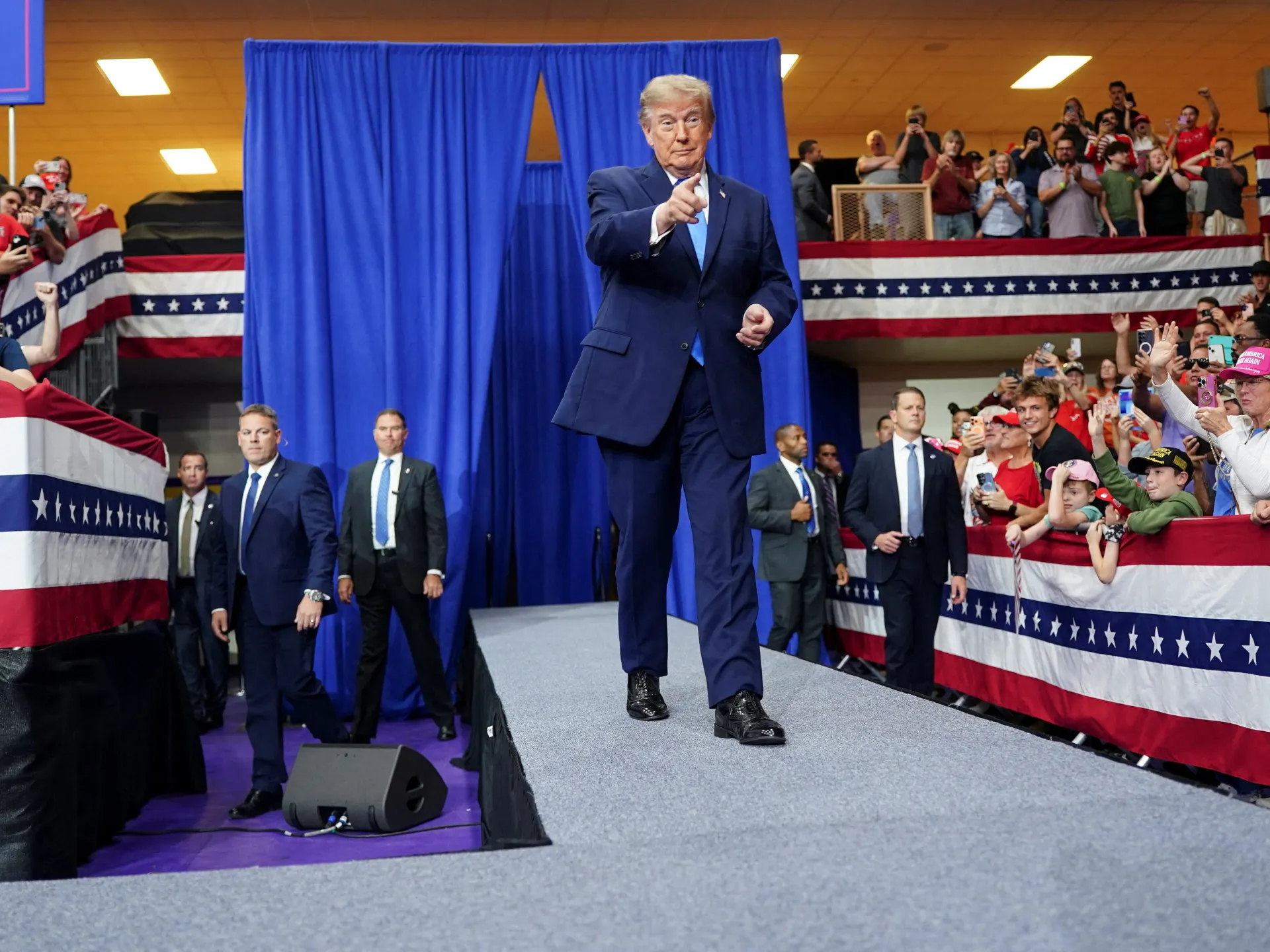
United States President Donald Trump has said he will stop using taxpayer funds for television advertisements featuring him after widespread criticism of the campaign-style spots.
In a post on his social media site on Monday, Trump defended the advertisements, which cost at least $1.5m in federal funds and were aired ahead of the US November midterm elections.
Recommended Stories
list of 4 itemsend of list
Trump said he considered the advertisements to be “a positive promotion for our Great U.S.A.”, but that they would no longer be funded by taxpayers but by either him or his MAGA PAC,
MAGA Inc. is Trump’s political war chest and had amassed more than $400m by the end of July.
The announcement came as ethics experts and lawmakers from both parties have criticised the three nationally broadcast advertisements and called for independent investigations.
The advertisements have run during football games as recently as Sunday and during other programming.
One features Trump declaring that “America will never be a communist country”, while a chorus repeats the words “love me”. Another combines images of Mount Rushmore with footage of Trump praising a “golden age of America”.
The advertisements end with a disclaimer saying they were paid for by the US government.
Democratic lawmakers said last month that the White House transferred $20m in Homeland Security Department funds to air the advertisements, including one that closely resembles a 2024 Trump campaign ad, and sought independent probes.
California Attorney General Rob Bonta on Monday called for an independent investigation, calling it a “staggering misuse of public funding and breach of public trust” after the calls for a probe.
Federal Communications Commission Chair Brendan Carr, a Republican named to his position by Trump, last week said the advertisements were appropriate and rejected a request to investigate them.
A Black police officer asked whether a monkey was named “Tyrone,” to the laughter of a roomful of Latino and Asian colleagues.
A Latina cop described how to inflict maximum pain: “You hit Black people in the liver — I heard they got weak livers,” she said, according to an LAPD internal affairs report.
The report said their boss, an Asian sergeant, stood by as his employees used terms like “midnight” and “chocolate, chocolate” to describe people’s skin tones.
Those were among the comments that came to light last year after an LAPD whistleblower secretly recorded his colleagues in a unit that screens police recruits.
The scandal, which has seen new developments in recent weeks, is forcing department officials to reckon with a harsh reality: Years of efforts to make the LAPD more diverse have seemingly done little to stamp out prejudice in the ranks.
For much of its history, the LAPD was a white man’s department. Aggressive tactics in communities of color fueled racial uprisings in the 1960s and early 1990s, when the beating of motorist Rodney King led to the discovery of messages similar to those in the recruitment unit tapes, with officers referring to Black men as “Buckwheat” and bragging about “busting heads.”
Under pressure from lawsuits and consent decrees, police leaders pushed to recruit more Black, Latino and Asian officers, seeking to build up trust in minority communities.
1
2
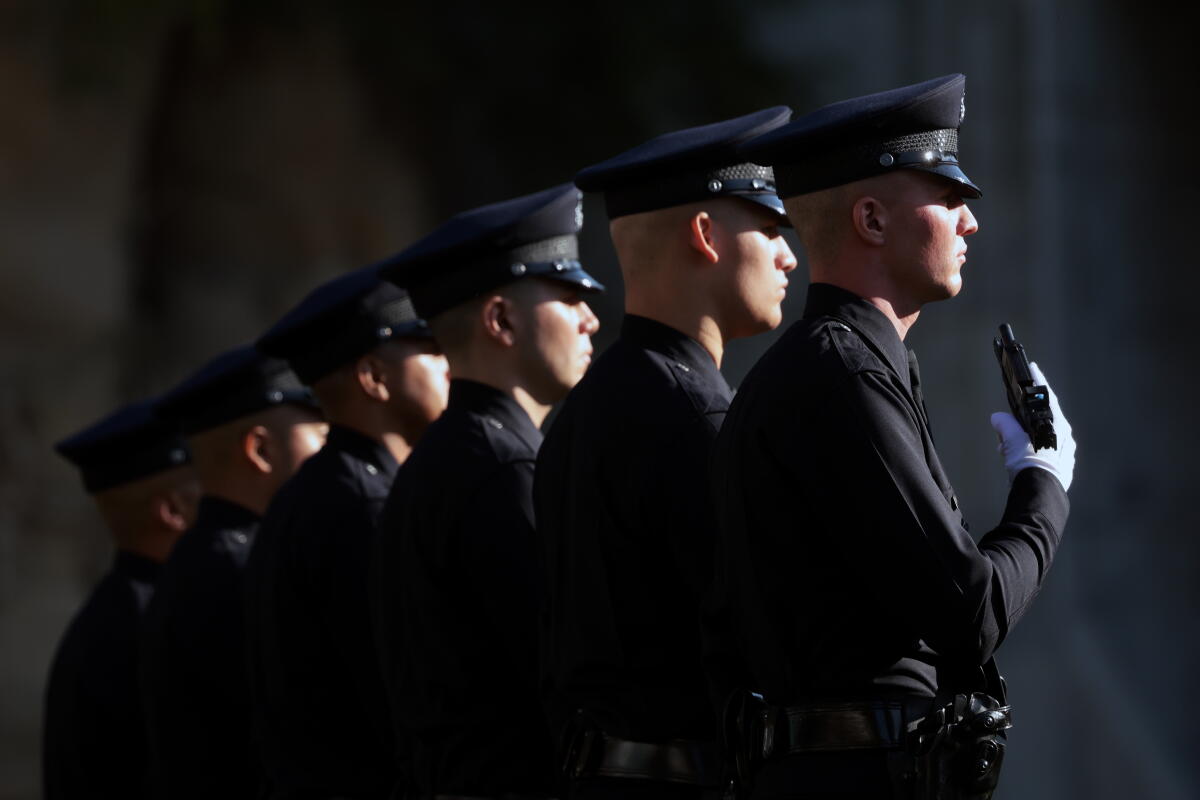
1.Los Angeles Police Department graduates a total of 22 recruits at the Los Angeles Police Academy in Elysian Park on Friday, September 18, 2026.2.(Christina House/Los Angeles Times)
Latinos now make up more than half of the 8,500-officer department. Black officers constitute less than 9% of the force, coinciding with a decline in the city’s Black population.
The officer who made the recruitment unit recordings, Daniel Flores, is Latino.
He recorded dozens of conversations over a six-month span in 2024, eventually handing them over to the department’s inspector general for investigation.
Last week, Flores filed a new lawsuit against the city, adding to a previous claim that alleged he faced retaliation from his bosses for documenting the offensive comments he heard while on the job.
According to his latest claim, department officials recommended that he be suspended for 22 days without pay. After initially seeking to keep his job with the LAPD, the 13-year department veteran said in the lawsuit that he recently decided to retire rather than endure an increasingly hostile work environment.
Flores also alleged LAPD officials were responsible for pushing a criminal case against him for violating a state eavesdropping law that prohibits recording conversations without consent. Initially alleging 16 felonies, Dist. Atty. Nathan Hochman has since reduced the charges to misdemeanors, likely allowing Flores to avoid jail time.
An LAPD spokesperson declined to answer questions about Flores’ case.
“The Department takes these allegations seriously,” Lt. Elpidio Orozco said in a statement. “Because the case and related personnel proceedings remain ongoing, we cannot discuss individual disciplinary actions or make comparisons to unrelated past incidents.”
The department’s defenders maintain that progress has been made toward rooting out bigotry.
Officers are required to undergo psychological screening and training aimed at teasing out unconscious biases. New recruits and seasoned officers alike take field trips to the Museum of Tolerance, where trainers extol the virtues of multiculturalism. The department has sent recruiters to historically Black colleges in the South and the East Coast.
But others, including civil rights attorney Connie Rice, say the latest scandal proves that the LAPD’s problems run deeper than the hateful actions of a few individuals.
The beating of Rodney King in 1991 forced a reckoning for the LAPD.
(George Holliday / Associated Press)
“Racism is like the herpes virus in the body of the LAPD: You can suppress it with a good chief, but as soon as they leave, it breaks out again,” Rice said.
A 2024 study by British researchers examined racial attitudes among members of the department’s vaunted Metropolitan Division.
The researchers found that LAPD officers were “shockingly defensive” when asked about systemic racism, taking a negative view of diversity hiring programs and insisting that left-leaning activists, elected officials and media outlets were stoking public outrage over racial profiling.
“The dismissive reactions … to a question on such an important issue highlight an unhealthy antagonism which prevents any organization from learning or developing its practice,” the researchers concluded. “It is a fundamental barrier that must be overcome.”
While hiring more officers from historically marginalized groups has long been pushed as a way to improve police practices and build trust in minority neighborhoods, studies have not necessarily borne that out, said Daniel Gascon, a sociology and criminology professor at the University of Massachusetts Boston.
“Just because there’s more numbers of a given sort in a department doesn’t mean it’s going to change automatically,” said Gascon, who has studied the LAPD’s relationship with Latino communities.
Since the start of the year, a review of recruit graduation announcements shows the department has hired just seven new Black officers. By contrast, roughly 80% of the 241 officers to graduate from the police academy over the last nine months have been Latino.
The growing Latino presence in the LAPD has been reflected in police use-of-force numbers.
A Times analysis of police shootings since 2016 found that of the roughly 150 people who have been shot dead by the LAPD across the city, at least 94 were Latino men. In 3 out of every 4 of those shootings, at least one of the officers who fired was also Latino, the analysis showed.
LAPD Officer Daniel Flores, left, listens as his attorney Alan Jackson speaks to reporters at the Superior Court building.
(Libor Jany / Los Angeles Times)
Despite the increased diversity, interviews with current and former LAPD members indicate deep divisions are reflected in the way that Black and Latino officers see the department’s racial issues. Most agreed to speak on the condition of anonymity due to fear of retaliation.
Several Black officers told The Times they still experience workplace hostility and racial dog whistles, such as fretting about the lowering of police recruit standards. The comments, they said, came from Black and Latino colleagues alike.
Too often, the Black officers said, Latinos who wear the uniform see themselves only as victims of discrimination, and not perpetrators.
Some Black officers said they avoid conversations about race entirely for fear of upsetting conservative colleagues — who feel emboldened by the divisive rhetoric coming from the White House.
The Latino officers who spoke to The Times said the department has for too long prioritized the promotion of Black members of the force to leadership roles while the representation of Latinos in the highest ranks has slipped.
Others argue that because society tends to lump Latinos of different backgrounds together, workplace discrimination against and within the community is often missed.
Officers from both groups said their race has been used against them when it comes to promotions. But both sides also say racism is a problem in society writ large, and not limited to the LAPD.
In a recent interview with The Times, Mayor Karen Bass said that although she is pleased that the department has increased the number of Latino officers to reflect the city’s demographics, its percentage of Black officers continues to dwindle as older African Americans are on the brink of retirement with very few young Black officers coming onto the job.
Bass, who was a young community organizer in South L.A. when the King beating happened, said it was foolhardy to believe that merely because the LAPD is more diverse, old problems cannot be repeated.
“Just because this happened 30 years ago and there are new policies that were put in place, that’s not enough,” she said in an interview with The Times. “You’ve gotta make sure that those policies are constantly updated.”
Times staff writers Andrea Flores and Richard Winton contributed to this report.
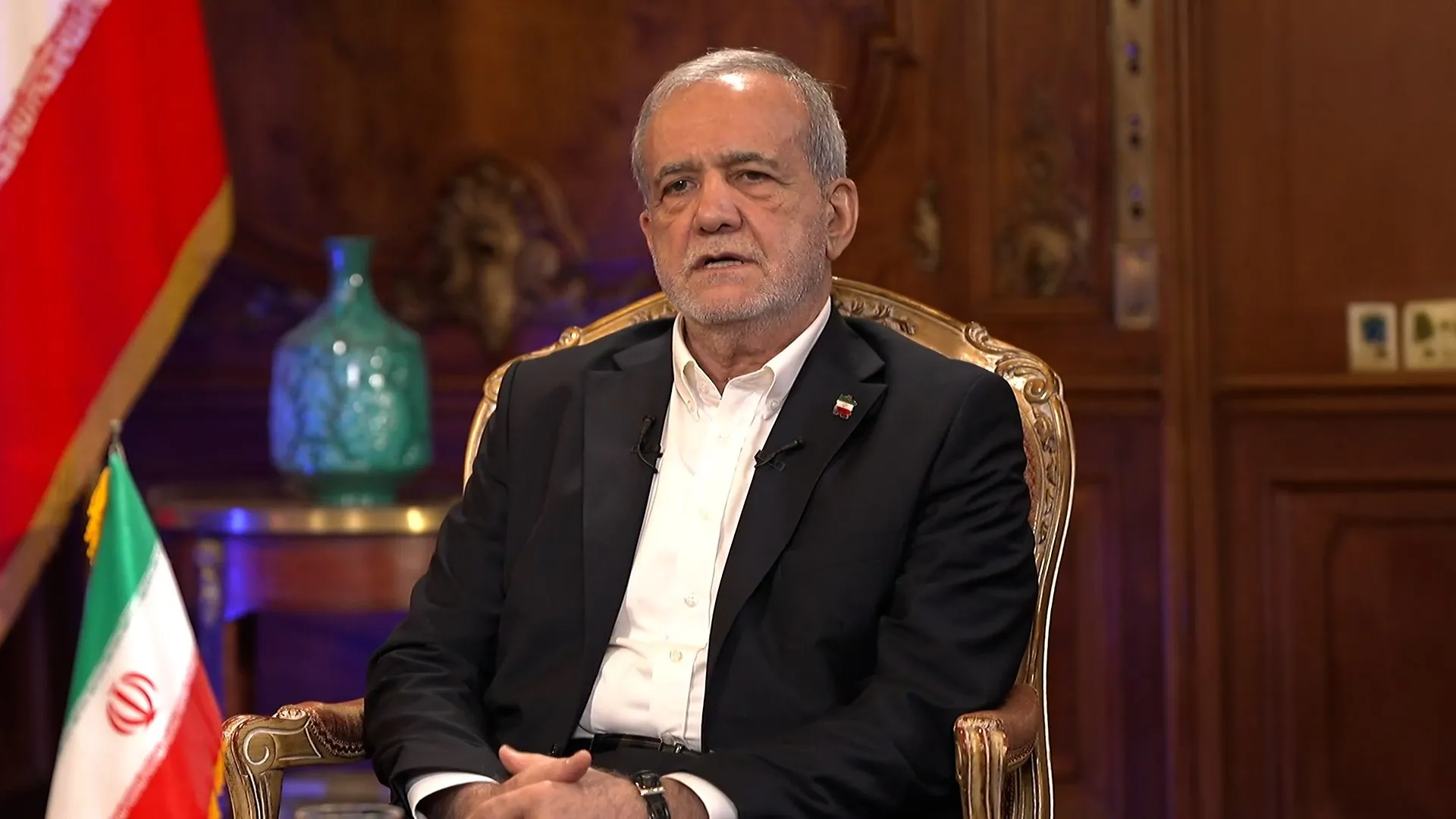
Iran’s President Masoud Pezeshkian told Al Jazeera that Tehran no longer trusts talks with the US after previous negotiations were followed by attacks and sanctions. His comments came shortly before Donald Trump rejected Iran’s proposal to reopen the Strait of Hormuz within seven days.
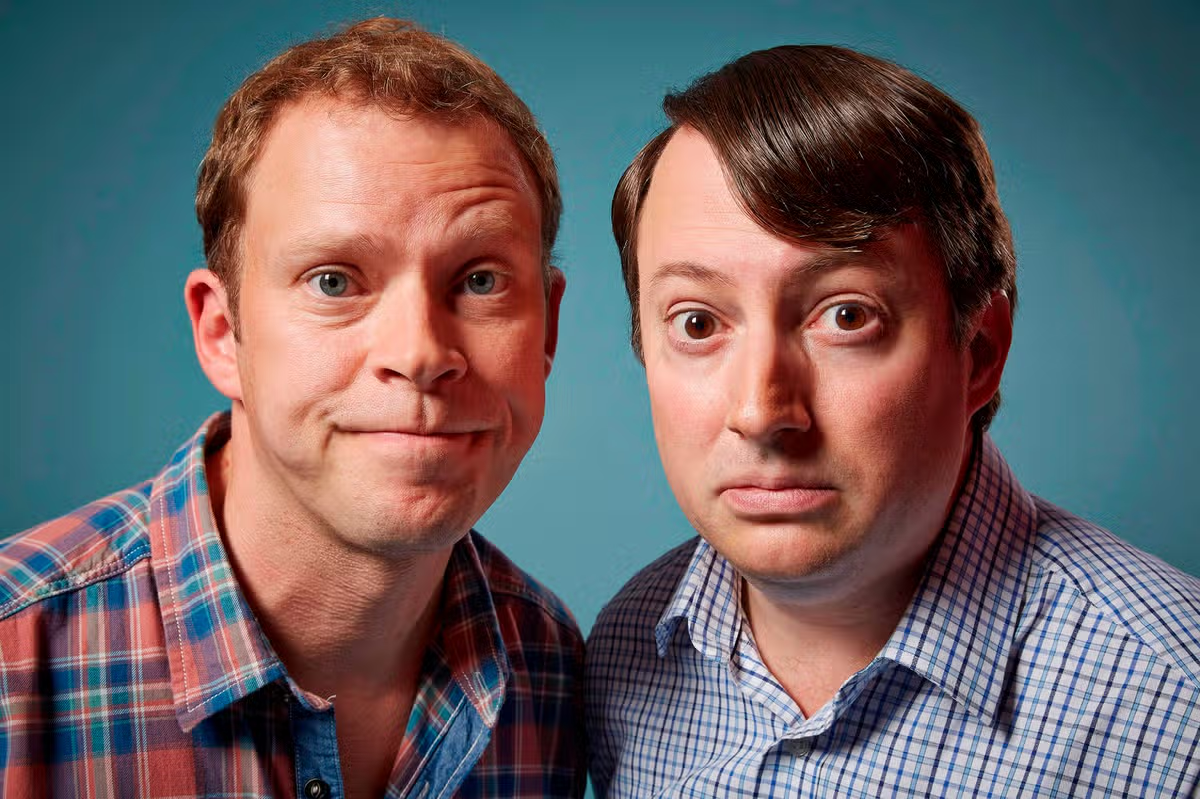
The broadcaster has been accused of ‘classic overkill’ after it removed 11 sketches from the comedy duo’s BAFTA-winning television show amid concerns of racism and racial stereotyping
Rachel Vickers-Price UK and World News Reporter and Rachel Vickers-Price
03:01, 21 Sep 2026Updated 03:01, 21 Sep 2026
Removed material included scenes featuring war re-enactors in blackface, a joke about Jimmy Savile and a sketch about a contestant on a makeover show wearing a burka(Image: Channel 4)
The BBC has removed several sketches from That Mitchell and Webb Look on iPlayer after deciding some of the comedy show’s material “no longer works today”.
To celebrate the sketch comedy programme’s 20th anniversary, the national broadcaster added four seasons of the smash-hit show onto iPlayer for fans to enjoy – but with a few notable omissions.
A total of 11 sketches have been edited out amid fears of racism and ethnic stereotyping.
“That Mitchell and Webb Look has been made available on BBC iPlayer,” the British broadcaster said in a statement. “This is a 20-year-old sketch show; in consultation with the programme makers, we have included the ones that still work today and not the ones that don’t.”
As per The Times, material removed from the programme included scenes featuring war re-enactors in blackface, a joke about Jimmy Savile, and an indigenous tribe living in a garden centre.
One now-deleted sketch sees Mitchell play a woman in a burka in a scene sending up reality TV programming.
The sketch then cuts to the pair – as themselves – discussing whether or not the sketch itself is actually offensive.
“I’m not sure we quite know what we’re trying to say,” Webb suggests, asking: “Aren’t we just taking the piss out of people’s sincerely held beliefs?”
Mitchell says: “I think you can worry too much about this kind of thing. I mean, what’s offensive to one person is just good, clean fun to another.”
He then pulls off the burqa to reveal he is wearing blackface underneath.
Comedian Dom Joly told The Times: “I totally get it if the BBC is putting out something really racist, which is laughing at and encouraging other people to feel that it’s OK to do that.”
He dubbed the decision to cut the scenes as “classic BBC overkill” and an act of “hysterical censorship”.
“But it’s so clear that Mitchell and Webb are not doing that. Their intent was not to be racist.”
As a possible alternative solution, broadcasters could put trigger warnings on older programmes if they believed they were necessary, he told The Times.
A smash-hit in its day, the three-season skit show began in 2003, starring David Walliams and Matt Lucas, who also wrote the gags.
But it was later pulled from the BBC’s Player in 2020 due to its offensive content, such as the use of blackface, homophobic jokes, and ablesit humour. The series did return to iPlayer in late 2022, but in an edited format, complete with removed scenes and a trigger warning for audiences.
Since the Strictly Come Dancing launched on the BBC in 2004 a host of famous faces have tried on a pair of dancing shoes and kept viewers entertained for weeks, but the show has not been without its fair share of tragedy
10:24, 19 Sep 2025Updated 17:11, 19 Sep 2026
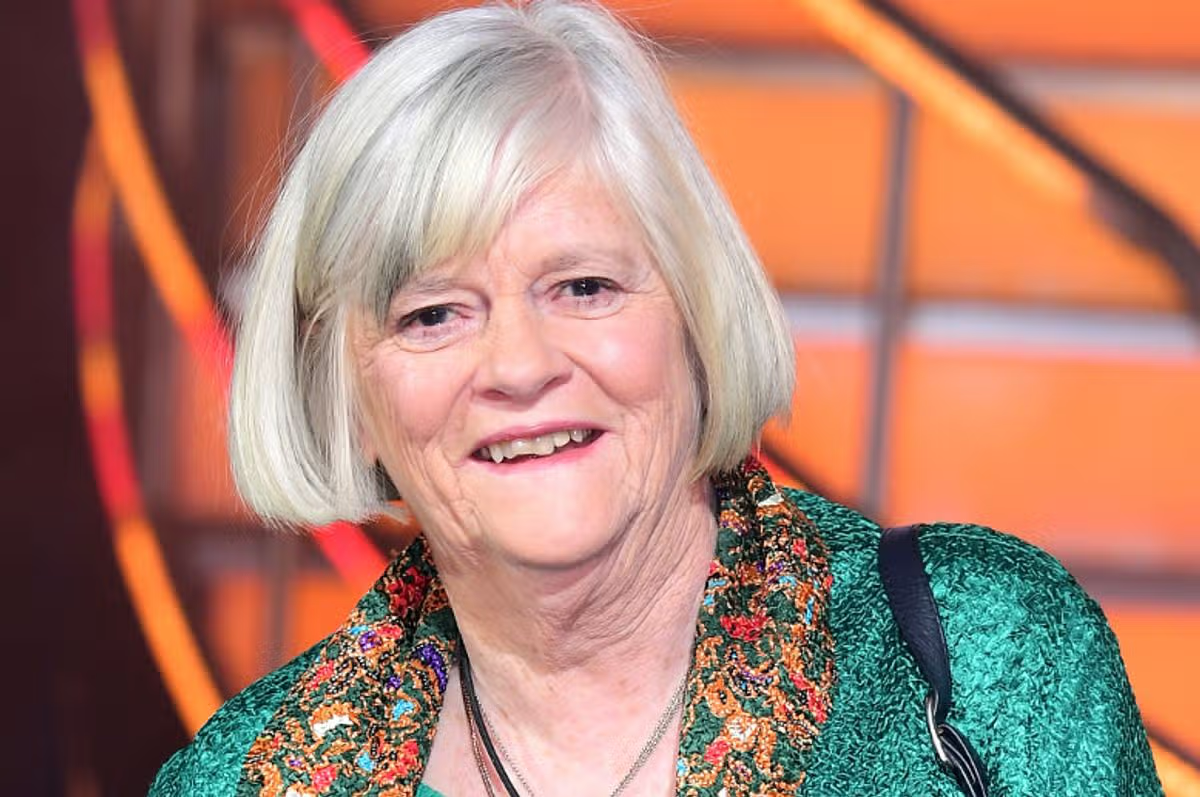
Ann died in July this year(Image: PA)
Strictly Come Dancing has graced our screens for over 20 years now – and sadly, we’ve bid farewell to some of its stars along the way.
The dancing is, undoubtedly, a crucial part of the show, but the charm of the BBC programme also lies in delving into the personal lives and relationships of those participating.
Each week, fans gain an insight into their daily routines and the show casts a new light on both well-known and lesser-known celebrities. Heartbreakingly, over the two decades the programme has been on air, some of its celebrity competitors, staff and even presenters are no longer with us.
Ann Widdecombe
Former Tory MP Ann Widdecombe was found dead at her home in Haytor, Devon, in July. More than 100 friends, family and colleagues attended her funeral the following month.
After making a name for herself in the world of politics, Ann had been a surprise entry to the BBC’s Strictly Come Dancing in 2010 where she was partnered with Anton Du Beke. Despite their low scores, the duo became fan favourites making it all the way to quarter-finals.
Speaking to the Mirror ahead of the Strictly launch this weekend, her old sparring partner Craig Revel Horwood praised her courage.
“She was an amazing human being, and she was brave; brave enough to come on Strictly and give me what for.
“And then we ended up working together really closely for three years after and became good friends, and we’re still in contact, to this day. Well, we were in contact to this very day. It’s such a terrible thing that happened.”
Len Goodman
Just as much a legend as Sir Bruce Forsyth, Len Goodman was a cherished member of the BBC show and head judge from the show’s start until 2016. Len left fans heartbroken after stepping down from the show after 12 years, stating at the time that he didn’t want people to tire of him.
“In 2004, I was asked to take part in a brand new BBC Saturday night show and who would have thought me, old Len Goodman, would still be part of this amazing series more than 10 years on, he said at the time, ” he said at the time, “This adventure began when I was 60 and now that I’ve reached my 70s, I’ve decided after this year it’s time to hand the role of Head Judge to someone else.
“It is an honour being part of the wonderful Strictly Come Dancing family and I’m looking forward to my last series very much and to whatever comes next.”
In April 2023, his family confirmed that he had died following a bone cancer diagnosis. He had been living in a hospice in Tunbridge Wells in Kent prior to his death. Tributes flooded in for Len, with his Strictly colleagues sharing their love of his brilliant humour and kindness. Claudia Winkleman tweeted: “I’m so sad about Len. He was one of a kind, a brilliant and kind man. Full of twinkle, warmth and wit. Sending all love to his family and friends.”
Meanwhile, Craig Revel Horwood wrote: “I’ve just woken up to the sad news that my gorgeous colleague and dear friend Len Goodman has passed away. My heart and love go out to his lovely Sue and family. Len Goody Goodman is what I always called him and “It’s a ten from Len & seveeeeern”will live with me forever. RIP Len.”
Robin Windsor
Professional dancer Robin Windsor’s death in February 2024 left the dancing world devastated and in mourning, with his former co-stars and celebrity partners “broken”.
The performer featured on the programme from 2010 until 2013, but was compelled to withdraw from the show due to a back injury and was replaced by Trent Whiddon. He later revealed he had “no choice” in the matter.
After speaking openly about his battles with mental health and finances, he established his own company offering corporate motivational speaking services and corporate team building.
Robin reflected back in 2022: “Leaving Strictly wasn’t my choice. I had a horrible back operation and they decided that they didn’t want to ask me back the next year. It was probably for health and safety reasons, in case something happened, but I was physically fit.”
Vincent Simone, who had known Robin since he was 17, revealed that a close friend of the dancer started frantically calling his mates when he went missing. But tragically, they were too late, and Robin, 44, was found dead in a London hotel room.
Vincent, who had plans to collaborate with Robin, shared how his friend’s loss has left him devastated. He told The Mirror: “The first thing I thought of when I opened my eyes this morning was Robin. He was the best man I ever met.
“Robin has had these moments in the past – it was an ongoing problem. He would detach himself from people for two or three days. Then he would come back to the world, to reality. But this time, he didn’t come back.”
Caroline Flack
As soon as Love Island host Caroline Flack stepped onto the dance floor, she dazzled everyone. Paired with professional dancer Pasha Kovalev, she triumphed in 2014 by impressing viewers with a series of stunning performances.
But it’s her beautiful Rhumba-inspired showdance to Robbie Williams’ Angels that is forever etched into fans’ memories. Caroline, attached to flowing pieces of fabric, performed a balletic routine with Pasha Kovalev that led them to victory on the show.
Tragically, Caroline took her own life at the age of 40 in 2020.
Lynda Bellingham
Initially known for her comforting ‘Oxo mum’ voice, Lynda became a household name after starring in All Creatures Great and Small, Doctor Who and Second Thoughts, among others.
In 2007, she joined the Loose Women panel and in 2009, she participated in Strictly with Darren Bennett. The duo were eliminated in week four after their Foxtrot to Calendar Girl failed to impress.
Sadly, Lynda was diagnosed with cancer in 2013 and passed away just over a year later at the age of 66.
Paul Daniels
Paul, the late husband of Debbie McGee, competed in Strictly seven years before her, in 2010. The magician was partnered with Ola Jordan, but they were unfortunately the second couple to be eliminated from the competition.
He passed away in 2016 at the age of 77. Debbie, who appeared on Strictly a year later, revealed to Hello magazine that performing on the show helped her rebuild her life after the loss of Paul.
“I had the best partner in Giovanni, and I was back in show business again,” she said, “People knew who I was before, but I was still the magician’s assistant. Since Strictly I’ve been Debbie McGee in my own right.
Neale Pirie
The Strictly family was left heartbroken in 2015 following the sudden death of hair stylist Neale Pirie. Neale, 42, had contacted a family member about chest pains, but medics who raced to his Leicester residence were unable to save him
Strictly’s head makeup artist Lisa Armstrong tweeted at the time: “Utterly devastated and heartbroken over the loss of my sidekick and dear friend.” Meanwhile, Karen Hauer, whose hair Neale had styled for her wedding to Kevin Clifton, posted: “Absolutely heartbroken at the loss of our beautiful friend @Nealepirie. I can’t believe your gone. RIP.
Gary Rhodes
TV chef Gary Rhodes left his kitchen behind to take on the ballroom back in 2008, where he was paired with professional dancer Karen Hardy. The duo became the third couple to leave the competition, following Phil Daniels and Gillian Taylforth
.Gary, who received an OBE in 2006, was a renowned restaurateur who had featured on numerous television programmes including MasterChef and Hell’s Kitchen. His passing at 59 sent shockwaves through the culinary community in November 2019.
The chef had fallen ill suddenly at his Dubai residence during downtime whilst recording a new television programme. His family later revealed that his death resulted from a fatal brain haemorrhage after he collapsed.
Gary’s wife of three decades, Jennie Rhodes, was by his side in his final moments as he succumbed to a subdural haematoma following his emergency hospital admission.
Dave Myers
Dave Myers was a fan favourite on Strictly during his time on the show in 2013. The Hairy Bikers star was partnered with Karen Hauer on the show and they made it all the way to week seven.
Sadly, Dave died in February 2024 after a battle with cancer. In a heartbreaking tribute, his co-star Si King wrote: “I’m afraid I bear some sad news. Most of you will know Dave has been fighting cancer for the past couple of years.
“All who knew Dave are devastated at his passing. His beloved wife brought him such happiness as did her children, Iza and Sergiu who Dave loved like his own. Personally, I am not sure I can put into words on how I feel at the moment.
“My best friend is on a journey that for now, I can’t follow. I will miss him every day and the bond and friendship we shared over half a lifetime. I wish you God’s speed brother; you are and will remain a beacon in this world. See you on the other side. Love ya.”
Jason Wood
Comedian Jason Wood holds the dubious honour of being the first contestant to be eliminated from Strictly Come Dancing back in 2004. The funnyman was partnered with professional dancer Kylie Jones, but their performances failed to win over the judges and they were sent packing in the first week.
The inaugural series had nearly half the number of celebrities compared to the current format, with the show running for a mere seven weeks from May to July. Following its massive popularity among viewers, the show returned for a second series just three months later.
Sadly, Jason passed away in his sleep six years after his Strictly stint, at the tender age of 38.
Willie Thorne
Snooker ace Willie Thorne discovered that dancing wasn’t as natural to him as his beloved sport when he took part in the 2007 series alongside Erin Boag. The duo were the third couple to be eliminated, following Brian Capron and Stephanie Beacham, after their Tango to Lisandro Adrover’s Obertura.
Willie was diagnosed with prostate cancer in June 2015 following routine blood tests ordered by a psychiatrist and underwent treatment. In March 2020, he announced that he had been diagnosed with leukaemia and in June 2020, he was placed in an induced coma after suffering respiratory failure in a Spanish hospital.
A day later, his carer confirmed that he had gone into septic shock and was not responding to treatment. He passed away aged 66 after his life support was withdrawn.
Bill Turnbull
After becoming part of the BBC Breakfast team in 2001 alongside Sian Williams, Sarah Montague, Mishal Husain and Susanna Reid, he stunned viewers by entering the third series of Strictly in 2005.
Teamed up with professional dancer Karen Hardy, the duo became the seventh couple to be eliminated despite impressing both judges and the public. After the programme, Bill went on to enjoy a thriving television career.
But in March 2018, he disclosed that he had been diagnosed with prostate cancer the year before.He passed away at his Suffolk home on August 31 2022, at just 66 years old. Bill’s devastated wife Sarah, known as Sesi, had issued a statement that was read aloud on BBC Breakfast.
Sir Bruce Forsyth
Recognised as Mr Strictly himself, Sir Bruce Forsyth served as the soul of the BBC dance competition, with much of its initial triumph credited to his role as an extraordinary, affectionate presenter.
The cherished British entertainer enjoyed an enormous career stretching over more than 70 years, during which he fronted numerous game shows including The Generation Game, The Price Is Right and Play Your Cards Right. Guinness World Records also acknowledged him in 2012 as holding the longest television career for a male entertainer.
Co-hosting Strictly alongside Tess Daly from 2004 to 2012, he became famous for his exceptional improvisation skills and informing some of the competition’s weaker dancers that they were his “favourite”.
Following his departure from the programme, he remained at home with spouse Wilnelia Merced, who looked after him whilst he battled poor health during his final years.
His final television appearance came in 2015 on Strictly Children in Need Special, and he subsequently had an operation for his abdominal aortic aneurysm, forcing him to withdraw from presenting the Christmas special. He was hospitalised several more occasions throughout the years with chest infections and passed away from bronchial pneumonia at his Wentworth Estate residence on August 18 2017.
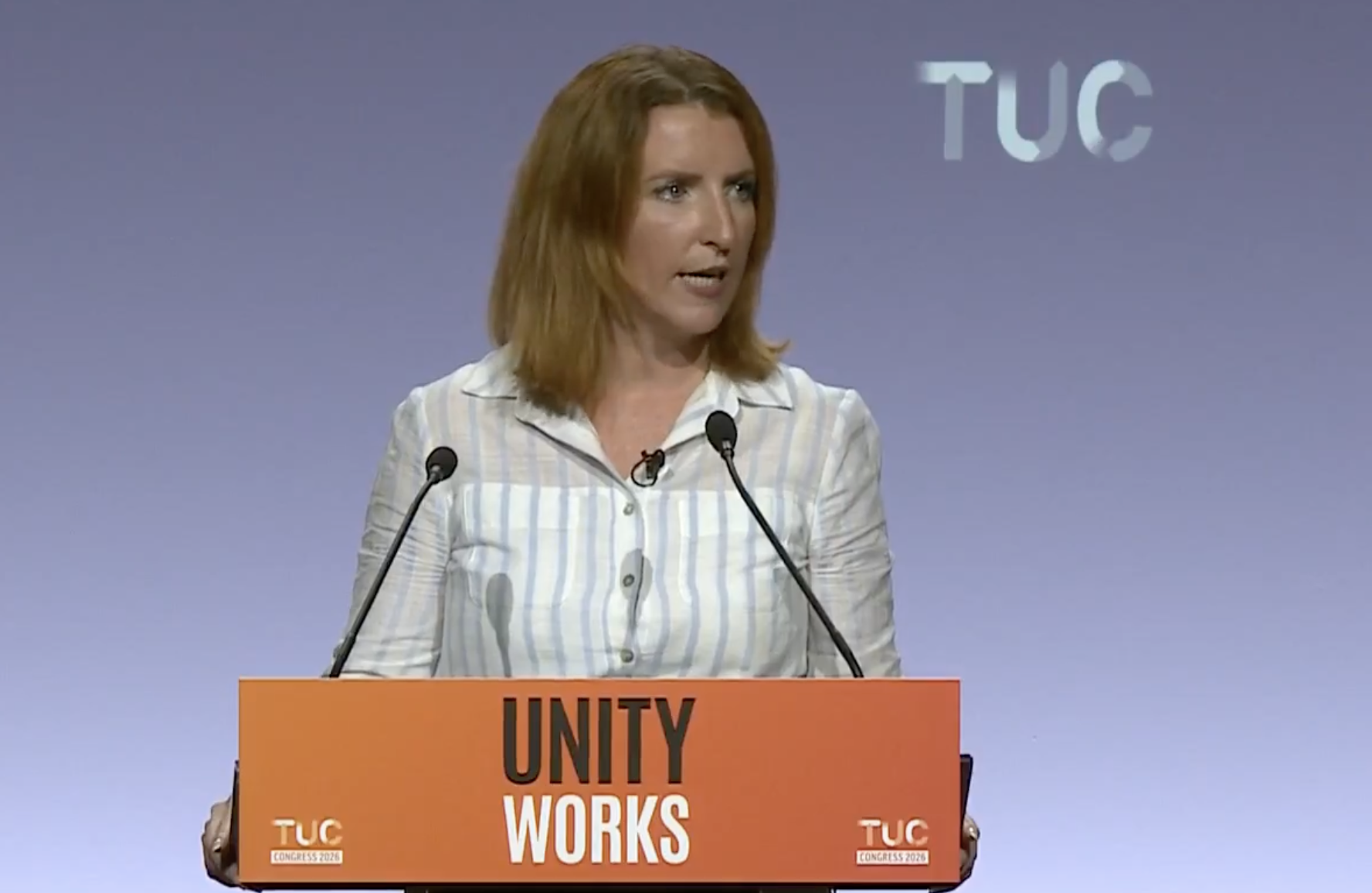
DUBAI: Britain will “no longer stand by” while Israel kills Palestinian children in Gaza, First Secretary of State Louise Haigh said on Tuesday, pledging to increase pressure on Tel Aviv over the war and illegal settlement expansion in the occupied West Bank.
Speaking at the Trades Union Congress in Brighton, Haigh said Prime Minister Andy Burnham was right to acknowledge that Britain had been “too slow” in its response to the situation in Gaza and the West Bank.
“At a time when it has never been more important to remind the world who we are, we hesitated,” Haigh said.
“We will no longer stand by while innocent Palestinian families are torn apart, while innocent children are killed in Gaza, and while the hope of a two-state solution evaporates before our eyes,” she added.
Haigh said sanctions announced last week by Foreign Secretary Ed Miliband were intended to “change course,” adding that Britain was “purposefully targeting the illegal settlements” and increasing pressure on the Israeli government.
The measures include sanctions targeting individuals and companies linked to Israeli settlement expansion, as well as a ban on imports from settlements in the occupied West Bank.
“The Israeli people are not responsible for the actions of their government,” Haigh said. “We will stand against injustice. We will stand up for peace.”
She added that Britain would work with international partners to “speak with one voice” and help preserve the prospect of a two-state solution.