LebanonIsrael

Lebanon-Israel deal betrays ‘victims of war crimes’, rights groups say | Israel attacks Lebanon News

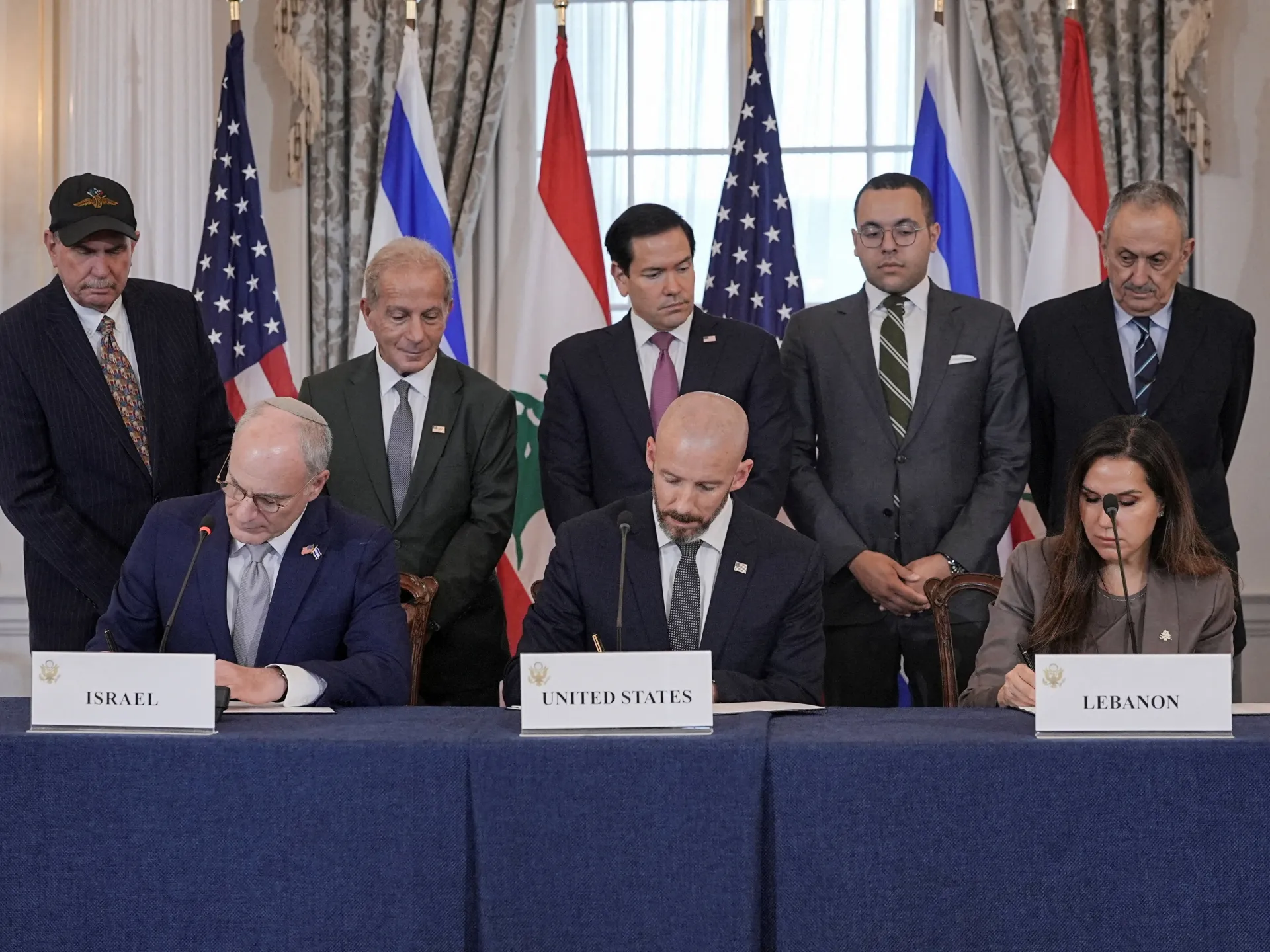
The Israel-Lebanon framework agreement “threatens to betray the victims of war crimes” in Lebanon, according to six prominent human rights and media freedom organisations.

In a joint statement released on Friday by Amnesty International, Human Rights Watch, the Lebanese Center for Human Rights (CLDH), Legal Agenda, Reporters Without Borders (RSF) and the Union of Journalists in Lebanon, they warned that parts of the agreement “appear to be aimed at preventing victims of serious international crimes from seeking justice before international forums”.

Recommended Stories

list of 4 itemsend of list

The organisations pointed out that clauses 3 and 13 of the agreement, brokered by and signed in the United States on June 26, were particularly concerning as they would “prevent Lebanon and Israel from having recourse to international courts, including the International Criminal Court and the International Court of Justice”.

The six organisations warned that “Clause 3 further violates international law and the prohibition of forced displacement, conditioning the return of residents to specified zones along the border, currently occupied by Israel, to the ‘successful disarmament of non-state armed groups and dismantlement of their infrastructure”.

“Under international humanitarian law, people must be allowed to return once hostilities have ended or the reasons for their displacement cease to exist,” their joint statement said.

The organisations said that Clause 13 was particularly concerning as it prevents civilians from “actions in international political or legal fora [forums]”. This comes after “months of hostilities resulting in immense civilian harm, including as a result of war crimes, violations of international humanitarian law, and gross human rights abuses”.

Many in Lebanon have protested and criticised the government for signing the agreement with Israel.

Many critics of the framework deal, which does not force the Israeli army to withdraw from the areas it occupies, are people most impacted by the war, which has killed at least 4,300 people, injured over 12,000 and forced hundreds of thousands from their homes since early March.

The six organisations said the US-brokered agreement appears to “contradict the countries’ international legal obligations to pursue accountability for serious international crimes committed on their territories,” although it “does not appear to commit Israel to halt any initiatives in international forums against Hezbollah”.

“Victims of war crimes and other violations deserve justice,” said Agnes Callamard, Secretary General of Amnesty International. “Any agreement that fails to center their rights to justice, accountability and reparations will falter underneath the very impunity it builds.”

Ghida Frangieh, head of litigation at Legal Agenda, added: “Accountability and respect for international law are not bargaining chips. They are legal obligations. International law is clear: States cannot waive or negotiate away their obligation to investigate and prosecute the most serious crimes of concern to the international community as a whole. Nor can states extinguish individual rights to truth, justice and reparation”.

But Lebanon’s President said on Friday that the framework deal with Israel “does not legitimise the continued Israeli occupation of Lebanon”, but instead empowers the Lebanese army to extend its authority across the country’s territory.

Joseph Aoun made the remarks during a meeting with a delegation from the Association of Lebanese Universities, the Lebanese Order of Physicians and the Lebanese Maronite Order, according to a statement from the presidency.

“Our sovereign decision to separate our track from the Iranian-US track is a problem for some who have become accustomed to being under guardianship that controls us, decides for us and negotiates on our behalf,” Aoun said, adding that the Lebanese army will “fully assume its responsibilities in achieving security and stability in the south after the withdrawal of Israeli forces”.

Meanwhile, with a “ceasefire” in Lebanon agreed on June 21 as part of a deal between Iran and the US, and the Israel-Lebanon framework agreement signed five days later, many displaced Lebanese have been returning to their homes in southern Lebanon.

In a report on Thursday, the International Organisation for Migration (IOM) said 646,107 IDPs (internally displaced persons) have begun returning to their communities, while about 500,000 others remain displaced, based on data collected with local authorities since June 22.

Lebanese authorities said they were working to remove informal encampments in and around capital Beirut and to reduce the number of official shelters.

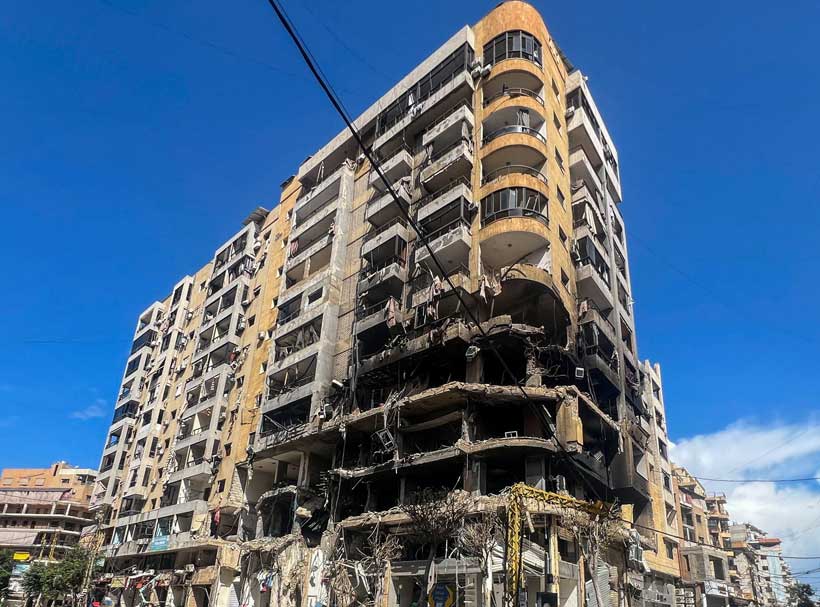
However, many people in southern Lebanon said they have nowhere to return to, as dozens of towns and villages near the border have been destroyed by Israeli forces.

Israeli Prime Minister Benjamin Netanyahu has said the military “will not leave” southern Lebanon as long as Hezbollah remains a “threat”. Hezbollah has rejected the deal with Israel as “null and void”, saying any attempt to link an Israeli withdrawal to its disarmament crossed “all red lines”.
Source link

China’s military and intelligence views on Lebanon-Israel talks

China strongly condemns the Israeli airstrikes and ground incursion into southern Lebanon, describing these operations as a dangerous escalation that threatens the stability of the entire region. China demands that Israel immediately cease its military operations and fully withdraw its forces from Lebanese territory, warning of the dangers of its incursions and violations of established lines. China views the fourth round of Washington talks between Lebanon and Israel and the military tensions as an extension of a broader crisis. Beijing sees this conflict as a consequence of the Gaza war, emphasizing clear principles in its intelligence and military assessment of the situation across several axes, most notably the necessity of an Israeli withdrawal and a ceasefire. Beijing calls for an immediate cessation of military operations and the withdrawal of Israeli forces from Lebanese territory, warning that expanding ground operations will drag the region into chaos. China’s efforts in the reconstruction of Lebanon focus on providing urgent humanitarian aid packages, signing development cooperation agreements, and encouraging Chinese companies to participate in infrastructure projects and long-term investments within the framework of China’s Belt and Road Initiative. China also defended the Lebanese position in the face of Israeli escalation at the United Nations, with its representative to the Security Council emphasizing that Israel’s advance to Beaufort Castle (Qalaat Al-Shaqif) was the most serious incursion into southern Lebanon in 30 years. He called on the international community to take urgent measures before the situation in Lebanon deteriorated further, demanding respect for Lebanese sovereignty and the withdrawal of all Israeli forces from southern Lebanon.

The most prominent features of these Chinese efforts for joint cooperation with the Lebanese side and the international community in the reconstruction of Lebanon and the cessation of Israeli attacks on southern Lebanon are the provision of direct financial and development support. The Chinese and Lebanese governments signed a development cooperation agreement in Beirut worth 50 million Chinese yuan to support reconstruction and sustainable development efforts, along with the provision of urgent humanitarian aid. China delivered shipments of emergency humanitarian aid through the Port of Beirut to alleviate the economic and living burdens on the Lebanese people. Furthermore, China encouraged the participation of Chinese companies and investments in reconstruction and development efforts in Lebanon. Beijing has expressed its readiness to encourage its major companies and national institutions to participate in Lebanon’s reconstruction projects and support the development of the energy, telecommunications, and infrastructure sectors through China’s Belt and Road Initiative. Lebanon has been a partner in this Chinese initiative since joining in 2017. China aims to enhance Lebanon’s role as a pivotal hub for trade and logistics in the Middle East. In addition to sustained Chinese diplomatic efforts, China has continued its diplomatic and developmental support for Lebanon, alongside its active participation in UN peacekeeping operations in southern Lebanon.

China’s role in halting the Israeli war on Lebanon has focused on exerting diplomatic pressure through the United Nations and utilizing international platforms to call for an immediate ceasefire and the withdrawal of Israeli forces from Lebanese territory, while supporting political and diplomatic solutions to prevent the conflict from escalating. China has consistently called for an end to Israeli military operations against Lebanon during UN sessions and warned that the collapse of ceasefires places the region on a more dangerous precipice. Beijing called for the immediate withdrawal of Israeli forces from the devastated Lebanese territories, emphasizing the need to respect international resolutions, Lebanon’s sovereignty and independence, and the protection of the United Nations Interim Force in Lebanon (UNIFIL). China stressed the importance of ensuring that UN peacekeepers could carry out their duties freely and safely and condemned any attacks against UNIFIL personnel. China also emphasized the need to intensify humanitarian aid to the Lebanese people to address the repercussions of the war and expressed its full readiness to contribute to restoring regional stability.

Here, Chinese diplomatic and intelligence agencies affirmed that Lebanon’s sovereignty and security must not be violated, stressing that extending the authority of the Lebanese state and protecting its stability are the fundamental pillars for preventing the entire region from sliding into a comprehensive regional war. They reiterated the necessity of respecting Lebanon’s sovereignty and security, considering the stability and protection of the Lebanese state as essential to preventing a full-blown regional war. China also expressed its full support for the role of the United Nations Interim Force in Lebanon (UNIFIL) and emphasized the need to provide guarantees for its protection and freedom of movement to carry out its mission. From an analytical perspective, Beijing believes that a political solution to the crisis must include respect for international resolutions and adherence to the two-state solution for Palestine and Israel. It also expressed concern that these negotiations might lead to regional arrangements that serve the interests of certain major powers and marginalize other parties in the region. On the other hand, China welcomes dialogue and diplomatic solutions as a means to ease tensions in the Middle East and supports efforts to restore Lebanon’s sovereignty. However, Beijing has criticized unilateral US actions in managing interconnected issues such as Gaza, Lebanon, and Iran, emphasizing the need to adhere to international resolutions and support regional stability, avoiding military interventions and the expansion of conflict.

Beijing adopts a clear strategic vision regarding the Lebanese crisis, which is summarized in its emphasis on respecting sovereignty. Chinese diplomacy strongly condemns any violations of Lebanese sovereignty and calls for an immediate halt to foreign military operations on Lebanese territory to ensure the safety of civilians. With Chinese intelligence and military agencies calling for a monopoly on weapons, a position reiterated by the Chinese Permanent Representative to the UN Security Council, China supports the Lebanese state as the sole guarantor of internal stability. This signifies Beijing’s strong support for the principle of state monopoly on weapons, considering official institutions the only guarantor of internal stability and the prevention of the country’s disintegration. China also supports the UNIFIL forces, opposing the termination of the UNIFIL mandate and demanding that it be enabled to fulfill its mission to ensure stability in southern Lebanon and contribute to regional de-escalation. Beijing emphasizes that escalation will not resolve crises, urging conflicting parties (including Washington and Tehran) to prioritize diplomacy and political negotiation to exercise restraint.

Source link