WASHINGTON — President Trump opened another chapter in his effort to fire Federal Reserve Governor Lisa Cook Friday by establishing a “committee of inquiry” to investigate allegations that she made false statements in mortgage applications.
The inquiry will include a hearing at the White House Nov. 5, Trump said in a written memo, that Cook “shall” attend to answer questions from the committee. The hearing wouldn’t be public but a transcript would be published, the memo said.
Trump’s extraordinary demand that Cook testify before the committee will likely renew concerns about threats to the Federal Reserve’s independence as the president demands the central bank cut its key interest rate. Just last month, the Fed raised its key rate instead, led by Chairman Kevin Warsh, whom Trump appointed earlier this year.
“As President, it is my job to ensure the laws are faithfully executed, including by firing subordinates who cannot be trusted to tell the truth and follow the law,” Trump wrote in the memorandum.
Trump and some of his economic advisers have blamed the Fed’s broader rate-setting committee, which includes 12 voting members and 19 officials in total, for the rate hike. Cook is one of the 12 participants on the committee that votes on interest-rate decisions. The vote to lift rates Sept. 16 was unanimous.
The move follows a Supreme Court ruling in June that Cook could keep her job after Trump sought to fire her last year. That ruling included a footnote that said nothing prevented Trump from “trying again” as long as she was given proper notice and an opportunity to respond to the charges.
Cook has denied any wrongdoing and has not been charged with a crime.
Prime Video has unveiled a brand new one-off special as he takes on a “world first”.
Clarkson’s Farm fans are in for a treat after a special new project was announced(Image: Amazon)
Clarkson’s Farm fans will be seeing even more of Jeremy Clarkson as he takes on his toughest challenge yet.
Jeremy Clarkson fans can rejoice as Prime Video has just unveiled a brand-new special episode forming part of the beloved Clarkson’s Farm franchise, which will return for season six. In a one-off instalment, titled Jeremy Grows a Car: A Clarkson’s Farm Special, Jeremy Clarkson goes back to his Top Gear roots.
Prime Video teased the former Grand Tour star will use his automotive experience to undertake a world first, as he bids to grow and build his very own car from produce grown at Diddly Squat Farm. The streamer said: “During his tenure as one of the country’s most famous farmers, Jeremy Clarkson has tried to grow it all: wheat and barley, potatoes and mushrooms, even wasabi.
“But never before has he tried to grow something this ambitious. In fact, no one has. Growing a car is not for the faint-hearted.” Jeremy has decided to put his foot down when it comes to buying cars, saying he would rather make one himself.
Frustrated by modern motoring’s “nanny-state technology“, he will take it upon himself to build his new car. The framework for his grand plan will involve the Jaguar F-Type V6S, a car Jeremy thinks “represents the sweet spot between analogue driving thrill and modern practicality”.
But of course, this is no ordinary restoration, and alongside his very own Diddly Squat leather interior and wool carpets, he will attempt to grow a crop of flax fibre and turn it into a revolutionary and sustainable alternative to carbon fibre.
He will not be taking on the challenge alone, as helping him will be legendary car designer Ian Callum CBE – the man who designed the original F-Type. Prime Video concluded: “Jeremy’s redesigned Jaguar will feature everything he believes the iconic British brand should stand for: style, luxury and performance.”
The one-off special will be on Prime Video worldwide next year, while season six of Clarkson’s Farm will also launch in 2027. Clarkson has been open about the future of his beloved farming series, and in September he announced filming had pretty much wrapped.
Speaking exclusively to Radio Times after collecting the gong for reality docuseries at the National Television Awards, he shared: “We’ve nearly wrapped on six. A couple of weeks away from finishing that, and then it’ll be edited and translated and so on. But nearly done six, and then who knows?”
The latest season paid particular attention to his health scare after he was diagnosed with prostate cancer, but giving a further update on his current state, he shared: “I’m mended, I’m made of rock and steel. “Takes more than a little bit of prostate cancer…
“I would just say to everybody, if you’re my age, get tested. Just get tested, because I did, and they caught it early and were able to mend it. I was back at work in two weeks – so get tested.”
Clarkson’s health is not holding him back by any means as he continues to explore new ventures and find ways to utilise everything Diddly Squat Farm has to offer. He has also recently opened up about some extreme security measures he had to take to stop thieves at the farm, admitting “in the countryside, everything is stolen all the time”.
In his latest column for The Times, he told readers that thieves most frequently target quad bikes, hedge clippers, chainsaws, GPS systems and diesel. He said he’d introduced security measures to protect his diesel tanks, which are “safer than the three most secure places on earth”: Fort Knox in Kentucky, the Federal Reserve in New York and the Global Seed Vault in Svalbard.
Jeremy Grows a Car: A Clarkson’s Farm Special will air on Prime Video in next year.
WASHINGTON — As President Trump zigzags across the country in the final weeks before the midterm elections, he has made California his favorite foil as he tries to fire up his base.
On Monday, he blamed the Golden State for the rising cost of gas prices, claimed without evidence that its elections are rigged, and at a Nebraska rally suggested Iran could “take out” Los Angeles and San Diego.
“It’s a small price to pay for keeping the world safe, keeping our country safe,” Trump said. “They can take out a city, let them take out Los Angeles, let them take out San Diego. This is a very small price to pay.”
The president’s team on Tuesday said his remarks were misunderstood, arguing the president “clearly” stated that U.S. cities would have been threatened “if a nuclear Iran hadn’t been stopped.” Trump declined to clarify what he meant by his statements when asked by a reporter Tuesday.
But by then, Trump’s remarks had already drawn fierce condemnation from California leaders, including Republican Jim Desmond, a Navy veteran running in a highly competitive race that is key to helping Republicans retain control of the House.
“I vehemently disagree with President Trump’s comments,” Desmond wrote on social media. “America must stand up to Iran and defend our interests, but the first responsibility of our Commander in Chief is to protect the American people and our homeland.”
The backlash exposed the risk of Trump’s closing midterm strategy. Bashing California is a reliable applause line in red states like Nebraska, Alabama, Texas and Oklahoma, where the president has been holding rallies trying to ensure his supporters get out to vote. But in this modern era, an incendiary comment can travel fast online and leave Republicans running in competitive districts in awkward spots, trying to distance themselves from Trump.
Overall, political observers see the episode as an example of how the president’s political strategy can be unpredictable at a time when Republicans are trying to control the message the most.
“Whether you like Trump or not, he is good at getting his message out and coming up with a message that can resonate and catch fire,” said Mindy Romero, founder and director of the nonpartisan Center for Inclusive Democracy. “I think the question now is: Is he starting to fail himself when it comes to his messaging?”
California Democrats were quick to use Trump’s remarks as a line of attack against him. Gov. Gavin Newsom called him “deranged and dangerous” and opened the state emergency operations center to assess potential threats. San Diego Mayor Todd Gloria told Trump to “keep our city out of your reckless war talk.” And Los Angeles Mayor Karen Bass said his comments could “potentially compromise our safety.”
Trump’s remarks about the California cities on Monday were the most striking example yet of the president using California as a foil to rally a base in GOP strongholds.
In Nebraska and other red states in recent days, Trump has repeatedly cast California as a political boogeyman as a means to motivate voters to cast their ballots for the GOP candidates.
At an Oklahoma rally last week, Trump told the crowd that Republicans need to keep the party in control of Congress so that his administration can continue the work of combating fraud in blue states, like California. The administration’s efforts, led by Vice President JD Vance, have sometimes been overestimated or nebulous.
But Trump tells supporters that in places like California, the administration is seeing “billions and billions of dollars of fraud.”
In a social media post Monday, Trump began blaming the cost of fuel — a defining issue for voters this election cycle — on states like California.
“What’s driving up Gasoline is no longer the Strait of Hormuz,” Trump wrote. The issue, he said, is refineries being “closed up in Blue States, like California, by the Dumocrats.”
Hours later, while rallying in Nebraska, Trump seemed to contradict himself as he promised the crowd that fuel costs would go down once the war in Iran was over.
“That will end very quickly, one way or the other, very soon, maybe a little after the election, maybe a little before, but it is going to end very soon,” Trump said. “When that happens, the oil will come tumbling down.”
Trump’s messaging underscores how the war with Iran, which has gas prices topping $6 a gallon, has emerged as a potential liability for Republicans that the president is trying to address in subtle ways.
Polling on Trump’s handling of the economy has remained low, even among Republicans. A University of Massachusetts Amherst poll last month found that only 22% of Americans perceive the economy in a good or fair state.
The softening of Trump’s approval even among those who still support his performance could translate into lower GOP turnout in the state’s few competitive races, the poll’s director, Mark DiCamillo, said.
Trump’s strategy in the final stretch before the midterms has largely focused on rallying the base in hopes that they will turn out to vote. Part of that strategy includes using California as a punching bag.
One particular line of attack has been disparaging the state’s voting systems. He suggested Monday that Democrat-led cities are trying to cheat in November as he touted the fast count of ballots in foreign countries.
“In Detroit, Philadelphia, California and numerous other U.S. Cities and States, the results, with much smaller numbers, will often take weeks to Rig, I mean, calculate,” Trump wrote on Monday. “Voting in America is CORRUPT!!!”
In another social media post, he said: “California: Took 38 days with 16.1 million ballots in 2024.”’
Trump using California as a foil for any given issue could be a risky strategy, Romero said.
“He’s expanding the types of things that he’s blaming California for, like the gas crisis,” she said, arguing that such statements could “start to lose credibility with those people that he has credibility with.”
For Republican voters in California, the ploy may be even riskier, especially when Trump suggests Iran could “take out” their cities.
“I don’t think that message necessarily plays well here because Californians are Californians,” DiCamillo said. “There is a certain pride in being a Californian, certainly not held by everybody … but I would think that the mainstream would be defending the state.”
Democrat Xavier Becerra, the frontrunner to become the state’s next governor, often invokes the story of his parents’ humble beginnings as immigrants from Mexico who, through hard work, built happy and productive lives in California.
“My parents came to California with $12 in their pocket. They lived the California dream,” Becerra said during last week’s gubernatorial debate with Republican rival Steve Hilton, aired nationally on CNN.
Becerra for years has described himself as the “son of immigrants” when talking about his upbringing, but that claim has come under scrutiny by Hilton and other critics who accuse Becerra of embellishing his family history. Becerra’s mother is from Guadalajara, Mexico, but his father was born in Sacramento and raised in Tijuana — making him a U.S. citizen and not a legal immigrant.
“Unlike Xavier Becerra, I am an immigrant. Unlike Xavier Becerra, my father was an immigrant. My stepfather too. My whole family,” Hilton wrote in a post on X.
Hilton is an immigrant from the United Kingdom and is the son of Hungarian immigrants who fled their homeland during a revolution in 1956.
Richard Grenell, a former Trump administration official, accused news outlets of letting a lie “continue for decades” throughout Becerra’s tenure as California attorney general and then as a Cabinet official in the Biden administration.
Becerra has openly discussed the details of his parents’ story, which unfolded on both sides of the border and in many ways reflects Mexican immigrant trajectories during the historical period of the 1920s and 1930s.
During speeches and in interviews Becerra has described how his father, Manuel, was born in Sacramento in 1928 and taken back to Tijuana as a young boy, with few jobs for Americans during the Great Depression, and even fewer jobs for Mexicans working in the U.S. His father traveled between the two countries often, and, as an older child, he would look for work in the U.S.
Becerra on Tuesday accused Hilton of “casting lies” about his family’s background, saying that the Republican failed to understand the struggle that many Mexican immigrants and Mexican Americans faced in this county decades ago. He said his dad would tell of the days when he couldn’t walk into some establishments that had posted signs that read “No dog, Negros or Mexicans allowed.”
“This is what happens when people who don’t understand immigration start to pontificate,” Becerra said Tuesday after a morning rally against Proposition 39, a voter identification measure, at Guelaguetza, a Oaxacan restaurant in Los Angeles’ Pico-Union neighborhood.
“I am very proud of my parents, and I consider them immigrants because even though my dad was born in the U.S. — in a country that wouldn’t treat him the way it would treat other U.S. citizens — my dad was a proud immigrant,” Becerra said. “I am proud that I am their son. I am the son of immigrants.”
G. Cristina Mora, a UC Berkeley professor of sociology studying attitudes toward immigration, said Becerra’s critics misunderstand a common phenomenon at the time, when immigrants moved back and forth across a southern border that was much more porous — very different from the militarized border of today.
Beyond the dwindling jobs and precarious economics of the 1930s serving as a push factor for many Mexican families, a wave of xenophobia also helped send hundreds of thousands back to Mexico. A wave of mass deportations across the Southwest states resulted in more than 1 million Mexicans and their descendants being forced out of their homes and loaded on trains out. More than 60% were U.S. citizens.
Mora, who also serves as co-director of the UC Berkeley’s Institute of Governmental Studies, said “it was a time of very great anti-Mexican fervor.” Many sought to later return. Some were deported multiple times.
“There are many types of immigrants. There’s so much nuance,” Mora said. “To think there’s only one immigrant story would just be to not know California.”
Becerra’s campaign spokesperson Jonathan Underland in a statement accused Hilton of hypocritically attempting to capitalize on an immigrant narrative.
“Steve Hilton doesn’t seem to have a problem with immigrants who look like him — but openly attacks immigrants who look like Xavier Becerra,” Underland said. “Trump ignited a deep anti-immigrant animus among MAGA voters, and Hilton is tapping into that as he scrambles to distract from his bizarre ad campaign that alienated some of his closest allies.” Last week, Hilton’s campaign put out a provocative, sexually suggestive ad that drew criticism from his fellow Republicans.
Becerra, both on Tuesday and throughout his long political career, has often described his parents’ upbringing.
He said his father’s family moved back to Tijuana during the Great Depression. His father, he said, was the eldest child and was forced to leave school after the sixth grade to help support the family. He began working as a preteen, bouncing back and forth between the U.S. and Tijuana. He would tell stories about being a shoe shiner, at times of celebrities and movie stars. He also worked in the farm fields with his dad and sometimes with his uncles.
In the early 1950s he married Becerra’s mother, Maria Teresa, who lived in Guadalajara.
“When they decided to make a go of it outside of Guadalajara, they went to Tijuana. They didn’t have great success, so that’s when they decided to come to the U.S.,” Becerra said on Tuesday. “So when I say my parents came to California with $12 in their pocket, it’s because, Steve Hilton, my parents came to California with $12 in their pocket.”
Becerra’s father later began a construction career that lasted 30 years, while his mother worked as a clerical worker and later purchased rental properties.
Times researcher Cary Schneider contributed to this report.
The latest attack brings the death toll from US military boat strikes to at least 235 from 70 maritime strikes across the region.
Published On 5 Oct 20265 Oct 2026
The United States has conducted another strike on an alleged drug trafficking boat in the Caribbean, killing four, according to the US military.
US Southern Command said late Sunday that it struck alleged drug traffickers operating along “established narco-trafficking routes” in the eastern Pacific and Caribbean, following its standard reporting pattern for military operations of suspected cartels across the multinational maritime zones.
The latest attack brings the death toll from US military boat strikes to at least 235 deaths across 70 attacks, since the administration of US President Donald Trump first launched its counter-narcoterrorism campaign, termed Operation Southern Spear, in September of last year.
At the time, Trump characterised the fight against cartels in Latin America as an active “armed conflict” while defending the strikes as a necessary escalation to curb illicit drug trafficking and reduce fatal US overdoses.
The move comes as United Nations experts warn that the strikes violate international law and could amount to crimes against humanity.
Despite releasing footage on X showing the explosion that destroyed the moving vessel, the US military has offered no evidence that the targeted boat was ferrying drugs.
The Trump administration has been actively seeking regional security agreements across Latin America to expand joint military operations against what it has designated as criminal cartels. The deals come under the US-led Shield of the Americas coalition, launched in March. The president has pledged the undertaking will use “unmatched military might” to dismantle drug cartels while simultaneously countering Chinese economic influence in the Western Hemisphere.
During a visit to Panama in August, Defense Secretary Pete Hegseth announced that Colombia, Guatemala and Honduras had agreed to joint counter-crime military operations on their soil, a statement Guatemala quickly disputed to clarify its sovereignty and boundaries within the 19-member alliance.
SEVERE storms have caused flooding on a popular Greek holiday island.
Crete in Greece is currently suffering from mass flooding causing widespread disruption across the island including some tourists being evacuated from coastal accommodation.
Severe storms have caused mass flooding in CreteCredit: ReutersThe popular holiday island has even had to evacuate some resortsCredit: Reuters
Some cars and trees have even been washed into the sea.
Here is the current advice for travel to or from Crete right now:
Sign up for the Travel newsletter
Thank you!
Where is the flooding?
Flooding in Greece right now is mainly impacting the island of Crete.
Massive storms have been battering the island since October 1 and resulted in torrential rainfall with bad flooding and mudslides.
Worst hit areas include the Milopotamos district and the village of Zoniana, as well as Kato Gouves, Finikia, and Heraklion city.
In Chania, there have been big waves as well which have damaged seafront restaurants.
Is it safe to travel to Crete right now?
There is currently a Red Alert warning in Crete, which has been issued by the local authorities and the Hellenic National Meteorological Service (EMY).
Emergency services are still currently clearing mudslides and damage caused by the flooding.
There is currently a Red Alert in place for weatherCredit: AP
“Greece can experience extreme natural phenomena such as earthquakes, wildfires, extreme heat and flash floods.
“To be alerted to events near where you are located in Greece, make sure your mobile phone is set to allow emergency alerts.
“For instructions on how to do this see:
for iPhones go to Settings > Notifications and enable the ‘Emergency Alerts’ option at the bottom
for Android 11 and higher go to Settings > Notifications > Advanced Settings > Wireless Emergency Alerts
for Samsung devices go to Settings > Apps > Messages > Notifications > Emergency Notifications and enable the ‘Emergency Alerts’ option
“This will allow the Greek government’s Emergency Communication Service alerts to reach you. Always keep your phone with you as you will receive alerts according to the location of your phone.
“Adverse weather conditions, including floods, can happen quickly. Register for Emergency alerts and follow ‘112 Greece’ on X for official updates.”
Are flights still going to Crete?
Currently, flights are not impacted to or from Crete.
However, if you are already in Crete and need to get to the airport you may want to allow for more extra time.
If you are due to fly in and have concerns, it may be worth contacting your airline to check if they are operating normally.
Though flights are not being cancelledCredit: EPAIf you have a holiday to Crete booked, it is worth checking with your travel insurance if you wish to cancel itCredit: EPA
What if I have a holiday to Crete booked?
As the Foreign Office has not warned against travel to Greece, there are no special circumstances in place for holidaymakers to cancel their trip and receive a full refund.
Depending on what travel insurance you have, your policy might include natural disaster cover.
If so, your insurance policy should cover you for when you are unable to reach your holiday destination due to natural disasters, like wildfires.
So it is worth checking your travel insurance policy.
Can I cancel my trip?
If you do choose to cancel your trip, it is best to contact your airline or holiday provider.
There is no obligation for companies to refund bookings unless government advice changes.
Who: Portugal vs Norway What: UEFA Nations League 2026-27, Group A4 match Where: Estadio do Dragao, Porto, Portugal When: Sunday, October 4, at 8:45pm local time (18:45 GMT) How to follow: Al Jazeera Sport will bring you all the build-up and live updates from 15:45 GMT.
For the second time in a week, Portugal and Norway clash in the UEFA Nations League. But this time, things are not quite the same in the Selecao camp.
Recommended Stories
list of 4 itemsend of list
Sunday’s fixture in Porto will see the Nations League title holders play without their talisman, Cristiano Ronaldo, after the 41-year-old abruptly left their camp, raising questions about his international future.
Ronaldo’s dramatic exit and apparent rift with new coach Jorge Jesus have dominated headlines worldwide. Portuguese players have largely blocked the outside noise, however, maintaining a perfect record at the tournament where they are chasing a record-extending third crown.
However, their striker Erling Haaland – one of Europe’s most lethal players – poses enough danger to put Portugal under pressure ahead of this weekend’s thrilling encounter.
What is the UEFA Nations League?
The UEFA Nations League was founded in 2018 to reduce the number of meaningless friendlies and give nations competitive matches against top-ranked teams.
In this competition, countries from across Europe participate in a league structure which features promotion and relegation.
What is the latest news on Cristiano Ronaldo?
Ronaldo left the squad late on Wednesday, shortly after a news conference in which coach Jesus confirmed the five-time Ballon d’Or winner would be left out of his starting line-up for a second consecutive Nations League game.
The 41-year-old’s decision to walk out came as a shock as he had been due to train with his teammates at the Parken Stadium in Copenhagen.
Portugal’s leading scorer with 146 goals had already spent the entirety of last weekend’s 2-1 Nations League win in Norway on the bench, having captained the side in the 1-0 home victory over Wales last Thursday.
He appeared to indicate that the reasons behind Jesus’s decision ran deeper and hinted at a departure from the national team he has graced for more than two decades.
“In due course, I will tell the truth to all the Portuguese people about my reasons for leaving the national team, to which I have always been dedicated,” Ronaldo said in a cryptic Instagram post, announcing his sudden exit from the camp.
Spanish sports daily Marca said that Jesus and Portuguese federation president Pedro Proenca followed Ronaldo to Copenhagen airport in an attempt to persuade him to stay with the squad, before the player boarded his private jet.
Jesus insisted earlier on Wednesday that there was no rift between them, although the 72-year-old, who was appointed in July, acknowledged that his captain was disappointed to remain on the bench against Norway.
How have Portugal and Norway played in the Nations League?
Portugal are on top of Group A4 on nine points, with three wins out of three. They started their campaign with a 1-0 home win over Wales, before adding a 2-1 victory over Norway in Oslo. In the last match, they thrashed Denmark 4-2 in Copenhagen.
Norway are second-bottom in the group, with only three points. They started their campaign with a 3-2 home win over fellow Scandinavians Denmark but suffered identical 2-1 defeats at home to Portugal and to Wales in Cardiff.
Joao Felix and Goncalo Ramos scored for Portugal, while Haaland struck the consolation goal for Norway.
Portugal vs Norway: Head-to-head
Matches: 12
Portugal wins: 9
Norway wins: 1
Draws: 2
Portugal vs Norway: Form guide
(Last five games, latest results first)
Portugal: W-W-W-L-W
Norway: L-L-W-L-W
Who are the top players to watch?
Joao Felix and Goncalo Ramos (Portugal): Al Nassr forward Felix has emerged as the reliable scorer in the Portugal setup, finding the net in each of the three games this term. Meanwhile, Ramos, playing in place of Ronaldo, has made up for CR7’s absence with goals in the last two matches.
João Felix of Portugal has scored in every Nations League game this season [File: Diogo Faria Reis/MB Media/Getty Images]
Erling Haaland and Oscar Bobb (Norway): All of Norway’s goals in the ongoing competition have come through Haaland (three) and Bobb (two). While their partnership proved successful in the opening match, their goals were not enough in the following matches, as the Norwegians suffered back-to-back defeats. Norwegians will demand better from Haaland, especially after the Manchester City talisman’s incredible start to the club season that features seven goals in as many games.
Team news and predicted lineups
Portugal
Winger Francisco Conceicao is doubtful for the game due to a thigh injury.
Probable Portugal XI: Diogo Costa; Joao Cancelo, Ruben Dias, Renato Veiga, Nuno Mendes; Ruben Neves, Vitinha; Pedro Neto, Bruno Fernandes, Rafael Leao; Goncalo Ramos
Norway
Wing-back Julian Ryerson is doubtful with a muscle injury, while centre-back Torbjorn Heggem is suspended.
Probable Norway XI: Orjan Nyland; Julian Ryerson, Kristoffer Ajer, Torbjorn Heggem, David Moller Wolfe; Martin Odegaard, Sander Berge, Patrick Berg; Oscar Bobb, Erling Haaland, Antonio Nusa
Norwegians need Erling Haaland to be on the scoresheet if they are to beat Portugal [File: Marius Nordnes / Nordnes Foto/Getty Images]
Portugal vs Norway: TV channel, livestreaming
Portugal
Norway
United Kingdom: ITV1
United States: FOX Sports, FuboTV, ViX
India: Sony Sports Network
Middle East and North Africa: beIN SPORTS
South Africa: DStv Stream
You can find your regional broadcaster on UEFA’s official broadcaster listing.
Trump retaliated against Canada’s counter-tariffs on $20bn worth of US imports by banning $1bn of Canadian goods.
Published On 29 Sep 202629 Sep 2026
The United States is implementing a ban on nearly $1bn in imports from Canada, including alcoholic beverages, dairy products and motorcycles.
The ban took effect early Tuesday and is likely to further strain already-tense relations between the two neighbours.
Recommended Stories
list of 4 itemsend of list
Ottawa and Washington DC have long been allies and trade partners, with approximately $880bn worth of annual two-way trade. That relationship has been upended during US President Donald Trump’s second term as he unleashed tariffs on most trading partners, including Canada, and referred to the northern neighbour as the 51st state of the US.
Most recently, the US slapped 50 percent levies on Canadian goods worth $20bn, including dairy and motorcycles, on August 22 after trade negotiations failed. Canadian Prime Minister Mark Carney retaliated, saying Ottawa will match US tariffs “dollar for dollar in order to protect Canadian workers, farmers, families and businesses”. Canada levied tariffs of 15 percent, 25 percent and 50 percent on US exports of a similar value.
Tuesday’s ban was Trump’s punishment for Canada’s retaliatory tariffs.
“The impact of such a ban will be minor, it is only $1bn while we trade hundreds of billions with Canada,” Professor Gary Shields at Wayne State University’s School of Business told Al Jazeera. “It is, however, rather astonishing how President Trump treats our allies in Canada and Europe, while rolling out the red carpet for China’s dictator when he visited the US last week”.
“It is a tit-for-tat. It will not reduce people’s taxes and won’t put money in their pockets. It is kind of personal and a way of showing off toughness,” Shields added.
Canada’s economy grew by an estimated 0.2 percent in August after remaining unchanged in July, according to Statistics Canada. But the new US-Canada tariffs, tighter financial conditions and a shrinking population should further weaken growth in late 2026 and early 2027, Michael Davenport, senior Canada economist at Oxford Economics, said in a note provided to Al Jazeera.
Indirect talks between the United States and Iran aimed at ending the seven-month-long war continue – most recently via Qatar as mediator on the sidelines of the United Nations General Assembly (UNGA) in New York – but the two sides still disagree about the agenda.
Iranian Foreign Minister Abbas Araghchi left New York on Tuesday after telling state-run Islamic Republic of Iran Broadcasting (IRIB) that he expects an official response to Tehran’s proposal to reopen the Strait of Hormuz by the end of the day. The proposal, which Iran said would see the strait reopened within seven days, was first passed to the US via Qatari mediators last week.
Recommended Stories
list of 3 itemsend of list
United States President Donald Trump was reported to have rejected that offer, under which Tehran would reopen the strait in return for Washington lifting its naval blockade, waiving sanctions, releasing an estimated $12bn in frozen Iranian assets and enforcing a wider regional ceasefire that includes Lebanon.
Under Iran’s proposal, wider peace talks, including discussions of its nuclear programme, would begin only then
Despite Trump’s public rejection, Araghchi says he has not yet received a formal response from Washington. Meanwhile, US media reports that Trump may well be willing to relax sanctions and unfreeze Iranian assets have been strongly denied by the US president.
Instead, US officials say, the US wants a deal that resolves all outstanding issues, particularly Tehran’s nuclear programme, in one go, rather than pursuing a gradual, step-by-step approach.
Here’s what we know about the talks:
Qatari mediators met Araghchi in New York on Monday to discuss how to advance Tehran’s proposal for reopening the Strait of Hormuz and then progressing to wider peace talks.
In a post on Telegram, Araghchi insisted that the talks focused solely on the Strait of Hormuz. He denied that the US had formally rejected the Iranian proposal.
“Despite what the US president said, I said that we were waiting for the official US response through the mediators … They [Qatar] had ideas, and we discussed them. They are going to raise this issue with the American side again, and then the final response from the American side will be conveyed to us through the Qatari mediator,” Araghchi said late on Monday.
Araghchi also said negotiations had become more “serious”, but cautioned that Tehran’s position has not changed.
“I state firmly that there has been no change in Iran’s position. Our conditions for opening the strait are clear. Our position on other issues is also clear. At present, there has been no discussion at all about flexibility,” he added.
Tehran’s proposal includes elements of the Islamabad memorandum of understanding (MoU), which was signed by both the US and Iran on June 17.
Is Trump willing to accept some Iranian demands?
A US official told The Associated Press news agency last week that Trump is not willing to make a final peace deal with Iran until the issue of its nuclear programme is addressed. According to the official, who has not been named, the US president would be willing, however, to grant Iran sanctions relief and release some frozen funds if progress is made on the nuclear file.
Then, on Monday, US-based news outlet Axios also reported that Trump had offered Iran sanctions relief in return for concessions on its nuclear programme. The report also cited US officials, one of whom told Axios that the indirect talks had been “positive and constructive”, adding that Tehran had indicated it was “flexible” on nuclear issues.
Trump, however, angrily denounced the story as a “hoax” in a post on Truth Social, the social media platform he owns. He said the story was “not true” and demanded Axios remove the article.
Iran has been heavily sanctioned for decades. The restrictions have severely affected Iranians’ quality of life, including their access to essential medicines and healthcare.
In August, the US announced yet more sweeping economic sanctions on Iran and countries that trade with it as it sought to apply more economic pressure to isolate the country from the global economy during the diplomatic deadlock in their war.
US Treasury Secretary Scott Bessent described the campaign as the “economic asphyxiation” of Iran.
It is difficult to quantify exactly how many Iranians have been killed by what Tehran views as “economic warfare”. However, a study published last year by the highly regarded medical journal The Lancet Global Health concluded that more than 564,250 people worldwide die annually as a result of US sanctions.
What does the US want?
In late February, just before the US launched its first strikes on Iran, the two sides were already holding talks hosted by Oman, which included the issue of Iran’s nuclear programme.
But before those talks could conclude, the US and Israel launched strikes, triggering the closure of the Strait of Hormuz, through which one-fifth of the world’s oil and natural gas is shipped in peacetime, by Iran. The closure of the strait has since become the primary point of contention between the two sides, when it had not been an issue before the war began. The strait is currently subject to blockades by both sides.
Throughout the war, Trump has repeatedly expressed his desire to strike a deal with Tehran. However, serious differences between the two sides will need to be resolved first, including the order in which issues are addressed for the purpose of peace talks.
Iran wants to establish its control of the Strait of Hormuz, have sanctions lifted and assets unfrozen, as well as ensure an end to US-Israeli strikes before it will go back to negotiating other issues, such as its nuclear programme. This was the order of events laid out in the MoU agreed between Iran and the US in June, but which quickly fell apart.
The US, however, wants everything to be on the table at the same time – it does not want to agree to anything relating to these Iranian demands before it addresses the other issues.
Scott Lucas, professor of US politics and international relations at University College Dublin, told Al Jazeera that Washington effectively wants Iran to surrender.
“The Strait of Hormuz has become a fundamental issue. The question here is, will both sides give? The memorandum of understanding clearly gave Iran a role in the management of the strait,” Lucas said.
“When the Trump administration pulled away from negotiating on the basis of the memorandum, they effectively went back to the idea of Iran having to completely allow passage through the Strait of Hormuz with no guarantees over it, in terms of not only what it means for Iran financially, but [also] in terms of Iranian security. The Iranian government is not going to agree to that, so we’re stuck in this limbo right now,” he added.
“Are the Trump folks going to come back to the talks on the basis of the memorandum of understanding or something that is a revised version of it, or are they going to try and break the government with economic warfare until at least after the US elections in November? That’s where we are right now.”
What does Iran want?
After half a century of bitter enmity with Washington, Iran wants to consolidate what it sees as the strategic gains it has made during a war it did not start. This specifically includes its newly established ability to close the Strait of Hormuz, sending global energy markets into a tailspin and placing additional pressure on the Trump administration.
Since US-Israeli strikes on Iran began on February 28, Hormuz has dominated talks aimed at ending the war and emerged as Tehran’s greatest point of leverage. Prior to the conflict, Iran did not exert control over the waterway and all commercial shipping passed through freely.
For this reason, Iran will not move on to wider peace talks until it has leveraged its control of the strait to get its demands met. “Our discussion is clear. Right now, it is only about the Strait of Hormuz,” Araghchi said late on Monday.
“The opening of the Strait of Hormuz is also subject to the fulfilment of a series of conditions that we announced to the other side.”
Ali Salehian, director of the Center for Intellectual Diplomacy at the Governance and Policy Think Tank in Iran, told Al Jazeera that Tehran does not believe Washington will honour any future deal as it did not honour what was agreed under the Pakistan-brokered June MoU.
“For Iran, the bottom line of every negotiation with Trump, considering all of his misbehaving and [military] targeting of Iran during negotiations, is the Islamabad MoU,” Salehian said.
“Tehran thinks that if the US doesn’t fulfil its commitments based on the MoU, there is no guarantee that any kind of future deal would be sustainable.”
Iranian-made Zolfaghar missiles are seen on display beside a large portrait of Iran’s Supreme Leader Mojtaba Khamenei at Baharestan Square in Tehran on September 28, 2026 [AFP]
What is likely to happen next?
It does not look likely that the diplomatic standoff will be eased anytime soon, analysts say.
Both the US and Iran have indicated throughout the war that they would prefer a diplomatic settlement to a continuation of the war. However, Trump has continued to threaten Iran with more strikes if it does not agree to a deal, and Araghchi told US news outlet NBC on Sunday that Tehran is also prepared to resume fighting, even though it has not abandoned diplomacy.
“We are fully prepared for the time for the war to be resumed, and I repeat, we stand firm in the face of any new aggression, even if it comes to a doomsday war,” he said.
Trump said last week that he expects a deal will be reached, but not until after the US midterms on November 3.
“For the moment, the Trump administration is going to try to make the Iranian government capitulate through economic warfare,” Lucas said.
However, a deep sense of distrust remains between the two sides. Senior Iranian officials believe Trump will restart the war after the midterms on a far greater scale and that Israel would also participate.
If that theory proves true, Tehran may well prefer the fighting to resume before November’s elections, as it would allow Iran to impose a greater cost on Trump.
“The reaction of the Iranians to that might be to actually trigger the war themselves, early, right before the midterm elections in order to maximise the pain that [it] will impose on the US president,” Trita Parsi, executive vice president of the US-based Quincy Institute for Responsible Statecraft, told Al Jazeera earlier this month.
Meanwhile, there is a first senior call-up for Chelsea midfielder Lexi Potter, 20, who has impressed alongside England’s Keira Walsh in the Women’s Super League.
She has started three of Chelsea’s opening four matches and was a standout performer in their 1-0 win over Arsenal on Sunday.
“Her performances were just really good. We started following her closely last season and she got minutes over time,” said Wiegman.
“She plays with a lot of courage, a lot of understanding and her decision-making is really good. Her technical ability, we have seen, is really good too.
“What I’ve seen is that no matter who she plays against, like last Sunday [against Arsenal], it looks like it doesn’t bother her at all and she will just play football.
“She played against very high-level players, international players, and she just played. She looked very comfortable. I hope she shows that with us too.”
There is also a return to the squad for uncapped midfielder Erica Meg Parkinson, 18, who has excelled since joining North Carolina Courage in the summer.
Manchester City full-back Niamh Charles made her return from injury as a substitute in their 1-0 win over Charlton Athletic on Saturday and is included.
London City Lionesses forward Freya Godfrey and Liverpool defender Grace Fisk are the other two uncapped players named.
England play a double-header against Greece, first in Crete on Friday, 9 October (17:30 BST) and then in Leicester on Tuesday, 13 October (19:30 BST).
If they win the two-legged tie, they progress to round two of the play-offs where they can compete for a place in next summer’s Women’s World Cup in Brazil.
OpenAI has cancelled the release of its latest AI model over safety concerns, according to media reports.
The move to scrap the release of GPT-6.1 Astra, reported by the Wall Street Journal and CNN on Monday, comes amid heightened concerns about AI’s potential to do catastrophic harm following a slew of incidents involving AI agents going rogue.
MADONNA banned professional photographers from taking her picture during the Video Music Awards on Sunday night.
Multiple sources told The U.S. Sun that the snappers were issued very strict orders not to take a single pic of the Queen of Pop, 68, despite her making multiple appearances on stage throughout the night.
Madonna won seven awards at the VMAs on Sunday eveningCredit: CBSHost Snoop Dogg posted a moment he shared with the Queen of PopCredit: Instagram/snoopdogg
The star was obviously visible in the main feed from the show, but very few high-resolution pictures were distributed to the media and fans throughout the night.
The U.S. Sun has reached out to Madonna for comment.
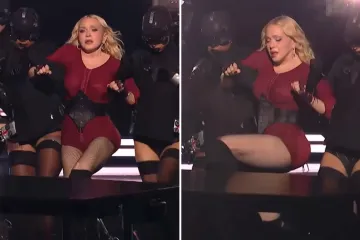
She first sparked concern during her kick-off performance by appearing to grimace as fellow dancers threw her body onto a platform.
Most read in Entertainment
Madonna and Charli xcx rolled around in her hotel bed after the VMAsCredit: TikTok / madonnaUnlike Madonna, Taylor Swift posed on the red carpet at the big eventCredit: Getty
While many viewers thought her reaction was part of the dance, others thought she could be in pain.
Later on in the show, she appeared to wear a knee brace.
And during her speech for Best Dance performance, Madonna told a joke about holding a laser inside her butt.
Though she was referring to a scene from her Confessions II music video, the bit didn’t land with the audience.
Despite the mixed reviews to her performance and speeches, Madonna took home seven awards total at the show.
She later seemed to be feeling no pain while partying in her hotel suite with pals Charli xcx and Julia Garner.
The trio rolled around dancing in bed to her new song Danceteria in a TikTok posted in the wee hours of the morning.
“America will never be a communist country,” states the 30-second television ad.
Never mind that socialism is a more probable scenario given the rise of New York Mayor Zohran Mamdani and Nithya Raman’s healthy lead in the Los Angeles mayoral race. This commercial is not about semantics, political systems or the health of the nation.
It’s about touting the alleged achievements of President Donald Trump, from “reigniting American manufacturing” to “defend[ing] law and order” and giving Americans the “largest tax cuts in history.”
One can argue the legitimacy of such claims if they still have the energy to do so after 10 years of relentless MAGA puffery, but the real issue here is that this particular piece of bluster is produced and funded by the U.S. government.
Laws prohibit taxpayer funds from being used for “publicity or propaganda,” even if the White House is referring to its new ad campaign as a PSA.
“This is the sort of government propaganda one might expect in North Korea, not the United States of America, and it is an egregious and utterly illegal misuse of Americans’ hard-earned tax dollars,” wrote Democratic House and Senate Appropriations Committee members in a letter sent Friday to Trump’s Chief of Staff Susie Wiles.
They demanded that the ad be immediately taken off the air and that “Federal employees who knowingly violated Federal law in working on and paying for this advertisement” be disciplined. “The law is not complicated,” they wrote. “You cannot use taxpayer dollars for political advertisements.”
The spot, which first aired Wednesday on conservative media outlets Fox News and Newsmax, cost $14,000, according to the firm AdImpact, which tracks media spending. By Friday, that number had jumped to $430,000 as the ad hit multiple markets across the country.
And it isn’t the only instance of American tax dollars at work — for Trump. A second ad paid for by you aired Thursday night on CBS.
The minute-long commercial featured footage of the president speaking against the backdrop of Mount Rushmore in an audacious display that might have turned George Washington, Thomas Jefferson, Abraham Lincoln, and Theodore Roosevelt to stone if they weren’t already immortalized in granite.
It included clips from the U.S. military’s Jan. 3 capture of Venezuelan President Nicolás Maduro and his wife, snippets from Trump’s Independence Day weekend speech, a voiceover from UFC CEO Dana White praising the president as “the toughest, most resilient person” he’s ever met, and a montage of images featuring Trump, Trump and more Trump. It ends with the star of the show proclaiming, “This is only the beginning of the golden age of America,” then comes the written disclosure: “Paid for by the U.S. Government.”
Anyone who has lived in or traveled to countries with state-run media will recognize the similarities between Trump’s ads and those of, say, former Iraqi dictator Saddam Hussein or current strongmen like North Korea’s Kim Jong Un: the intense leader-like gaze, the baseless claims, substandard production quality and music that suggests the subject of the ad should be worshipped. (Trump’s choice for the first ad was “Love Me” by R&B singer JMSN, who opposed the use with an emphatic “I would never…”)
But on U.S. television, the ad feels more desperate than dictatorial. The whiff of desperation coming from the ad blitz may have something to do with the president’s dismal polling numbers headed into November’s midterms.
The administration has argued its ads are “educational and unapologetically patriotic” public service announcements. The White House said in a statement, “These public service announcements are about reminding Americans to love their country and understand what makes it worth defending, at home, at our borders, and abroad.”
A White House official reportedly said that the PSAs “are clearly not political” and noted that “the President is not on the ballot and the ads don’t have a call to action.”
Trump has repeatedly told his base to vote like he was on the ballot.
With propaganda like this coming out of the White House, communism is hardly the biggest threat facing the country.
WASHINGTON — After two years of struggling to slow down the Trump administration agenda under a Republican governing trifecta, Democrats are hoping to capture both chambers of Congress in the upcoming midterms.
All 435 House of Representatives seats are up for election, with 37 considered competitive, 21 of them toss-ups, by the Cook Political Report — a respected polling analysis site. Republicans currently hold a 218-214 edge over Democrats, with two seats vacant and one independent in the chamber.
To control the House, Democrats need a net gain of four seats.
Recent polls have shown Democrats creeping up on or surpassing their Republican opponents as President Trump’s approval rating hovers under 40%, which may offer an opening in unexpected places. But still, in a time when a more progressive wing has risen in popularity on the left, even some moderate Democrats are suffering from associations with the current administration.
Here is a look at five competitive races:
Ohio 7th: Miller vs. Poindexter
Incumbent Republican Max Miller, mired in controversy, will face union ironworker Brian Poindexter in a 7th Congressional District race that went from solidly Republican to a toss-up in the matter of weeks.
Miller, a second-term congressman, is facing a House Ethics Committee investigation after his ex-wife, Emily Moreno — daughter of Ohio Republican Sen. Bernie Moreno — accused Miller of extreme physical abuse, which he has denied.
Miller also faced accusations from former White House press secretary Stephanie Grisham that Miller had abused her during their relationship. An Ohio judge recently ordered both parties to remove social media posts about each other that were considered disparaging.
Brian Poindexter, Democratic nominee for Ohio’s 7th Congressional District, speaks at the Strongsville Democratic Club meeting on Aug. 5 in Strongsville, Ohio.
(Nate Manley / Associated Press)
Poindexter, a relative unknown, has surged in the meantime. According to a Co/efficient poll last month, Poindexter was leading Miller by 14 points, with 86% of respondents claiming they were aware of allegations against Miller.
Poindexter has centered his campaign on strengthening unions, retaining healthcare benefits for retirees and injured workers and raising wages.
Miller has attacked his opponent for a 1998 arrest in which Poindexter, a teenager at the time, allegedly tried to swallow a rock of crack cocaine during a traffic stop. Miller also homed in on an instance of alleged assault at a baseball game in 2013 by Poindexter.
Texas 34th: Gonzalez vs. Flores
Incumbent Democrat Vicente Gonzalez Jr. is attempting to retain his seat against challenger Eric Flores, an Army veteran endorsed by Trump.
Elected in 2016, Gonzalez held the 15th Congressional District for three terms until 2021, when a Texas redistricting shift absorbed his McAllen home into the 34th district. He is currently serving his second term under a new map, which favors Republicans and has shed many of his Latino constituents.
Flores, a political newcomer, made his first national appearance at the Republican National Committee’s midterm convention in Dallas, touting his commitment to border security and accusing Gonzalez of allowing migrants to make the community unsafe.
Immigration looms as an issue in the race. Gonzalez has introduced bills to prevent federal and state immigration enforcement officers from entering homes without an official warrant, and to force agents to wear clear identification. He has publicly criticized raids targeting hospitality, medical and construction workers.
Gonzalez has scored endorsements from several progressive organizations in the state, including LUPE Votes — a subsidiary of La Unión del Pueblo Entero.
In a Barbara Jordan Public Policy Research and Survey Center poll from August, Gonzalez was leading Flores, 45% to 42%, with 8% undecided.
North Carolina 1st: Davis vs. Buckhout
Incumbent Democrat Rep. Donald Davis will have to contend with a district that has grown more conservative to retain his seat against Republican challenger Laurie Buckhout.
North Carolina’s 1st Congressional District was the state’s only swing seat held by a Democrat before last year’s redistricting, which made the area lean Republican. This will be a rematch of the 2024 race, which Davis won by less than 2 points, or around 6,000 total votes.
Laurie Buckhout speaks as President Trump and North Carolina Rep. Jennifer Balkcom look on during a campaign rally at the Gastonia Municipal Airport on Sept. 16 in Gastonia, N.C.
(Matt Kelley / Associated Press)
Cook Political Report ranked this race as leaning Republican, calling Davis “the most vulnerable House Democrat in the country.”
It is unclear whether the gerrymandering effort will have been effective enough to make the district flip to Republican. Trump endorsed Buckhout in March and reiterated his support last week.
New York 17th: Lawler vs. Conley
New York Republican incumbent Rep. Mike Lawler is attempting to fend off a challenge from Democrat Cait Conley, a former White House director of counterterrorism on the National Security Council.
Cook Political Report rankings showed that early this year, the 17th Congressional District race went from likely Republican to a toss-up.
Pete Buttigieg went on the campaign trail last week with Conley to promote the candidate’s bid to unseat Lawler.
“Cait is as serious as it gets about keeping our country safe,” Buttigieg said on a rally stage in Tarrytown, “just like she is serious about bringing down the cost of housing, healthcare and energy.”
Lawler has presented a bipartisan image in Congress, but has come under fire in his purple district for aligning himself with the Trump administration on several issues, including his support for the Iran war.
At the Republican National Committee’s midterm convention, Lawler focused much of his speech on lambasting “socialist” Democrats and attempting to appeal to the more “common sense” wing of the opposition party.
“Radical socialists are winning Democratic primaries,” he said. “They claim to be well-meaning, but there is nothing kind-hearted about protecting criminals at the expense of American families … nothing compassionate about prioritizing illegal immigrants.”
Conley, however, has publicly refused to campaign with New York Mayor Zohran Mamdani or Rep. Alexandria Ocasio-Cortez — without condemning either figure — to avoid the open conflict between establishment figures and the more progressive wing of the party.
A July poll from co/efficient showed Lawler leading Conley 50% to 45%, with a nearly 3% margin of error.
Dr. Amish Shah, shown in July, is a Democrat running in Arizona’s 1st Congressional District.
(Ross D. Franklin / Associated Press)
Arizona 1st: Shah vs. Feely
A Democratic PAC plans to invest nearly $1 million to support Democrat state Rep. Amish Shah against Republican Jay Feely, a former NFL player with close ties to the president.
The 314 Action Fund — which seeks to elect Democrats with backgrounds in science, technology, engineering and mathematics — has made a big bet on the Democrat running in the 1st Congressional District, Arizona’s wealthiest, according to the Arizona Mirror.
Former professional football player Jay Feely, shown in April, is the Republican nominee in Arizona’s 1st District.
(Ross D. Franklin / Associated Press)
Subsequent ads have brought attention to Feely’s close association with Trump and his recent attendance at the Republican National Committee’s midterm convention in Dallas. Trump won the state by five points in 2024.
Elon Musk has also figured in this race, with his America PAC giving $24,000 to Republican candidates Feely in the 1st District and Juan Ciscomani in the 6th District, according to the Copper Courier.
The Cook Political Report called the 1st District “one of the most competitive … in the country.”
Los Angeles Councilmember Nithya Raman has taken a wide lead over incumbent Karen Bass in the L.A. mayor’s race, according to a new poll released Wednesday, although a high percentage of voters remain undecided less than two weeks before mail-in ballots are sent out for the Nov. 3 election.
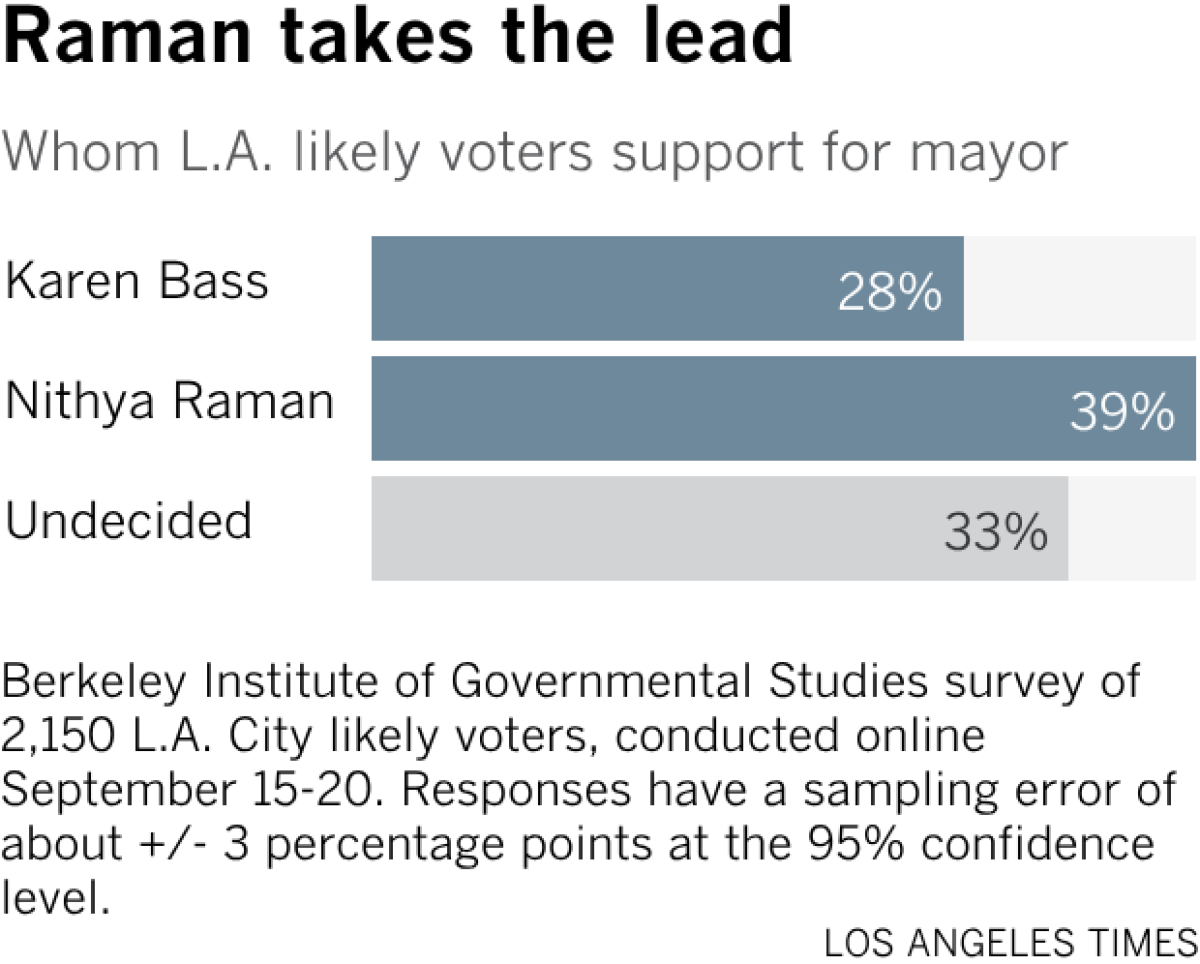
Raman is favored by 39% of likely L.A. voters, compared with 28% for Bass, according to the poll by the UC Berkeley Institute of Governmental Studies, which was co-sponsored by The Times. The poll found that 33% of voters were undecided.
“Raman clearly has the advantage. Her task is a little less onerous than Bass’,” said Mark DiCamillo, the director of the Berkeley IGS Poll.
Adding to Bass’ low poll numbers are high unfavorability ratings.
The mayor had 63% unfavorable ratings, the poll found, with 28% favorable and 9% having no opinion. By comparison, 40% had a favorable view of Raman, according to the poll, while 39% said they had an unfavorable view of her and 21% had no opinion.
The survey released Wednesday was conducted online with a sample of 2,150 likely city voters between Sept. 15 and Sept. 20. It has a margin of error of about 3 percentage points.
The poll represented the strongest showing yet for Raman, who trailed Bass in almost every poll during the primary campaign and who came in second to Bass in the primary election, with 29% of the vote compared with Bass’ 34%.
Mayoral candidate and Councilmember Nithya Raman, center, enjoys a light moment with Alliance of Californians for Community Empowerment (ACCE) Action members at La Cita Bar in downtown Los Angeles.
(Genaro Molina / Los Angeles Times)
Even so, DiCamillo said the large number of undecided voters means the race is far from over.
“It’s extraordinarily unusual to see this many undecided voters at this point in the race,” he said. Mail-in ballots will be sent out beginning Oct. 1, local elections officials say.
The large number of undecided voters can be linked to the elimination of mayoral candidate Spencer Pratt in the June 2 primary, according to DiCamillo. The former reality TV star received 26% of the vote in the primary, and most of the voters who cast ballots for him — 63% — say they haven’t decided whom to vote for in the runoff, the poll found.
Among those Pratt voters who have decided, 22% favored Bass compared with 16% for Raman.
One of the most significant findings in the poll was a massive “generational divide” among L.A. voters, DiCamillo said.
Raman, 45, dominated the 72-year-old Bass among younger voters, with 66% of likely voters ages 18 to 29 choosing the council member while just 4% chose Bass, according to the poll.
Raman also had 64% of likely voters ages 30 to 39 compared with Bass’ 12%, and the council member had 50% of likely voters ages 40 to 49 compared with Bass’ 18%. Raman also was leading among voters 50 to 64 years old by a slim margin of 35% to 33%.
Bass, meanwhile, led among the oldest set of voters — those 65 and up — but not by the same margins. Bass had 41% of likely voters in that group compared with Raman’s 21%.
According to the poll, 56% of likely voters thought Bass did a poor or very poor job responding to the disaster, which killed 12 people and destroyed more than 4,000 homes, including Pratt’s.
Fourteen percent of the likely voters thought Bass had done either an excellent or a good job and 17% thought she had done a fair job.
Mayor Karen Bass campaigns at Ernest E. Debs Regional Park on Sunday.
(Kayla Bartkowski / Los Angeles Times)
The most important issues to likely voters were fixing city infrastructure, moving homeless people indoors, crime and public safety, and building more affordable housing, the poll found.
The poll shows Raman leading in nearly every geographic area of the city. Bass was leading in South Los Angeles and the Harbor region, 37% to 34%, but central Los Angeles as well as northeast and the east side of Los Angeles broke strongly for Raman.
The San Fernando Valley went 34% to Raman and 26% to Bass with 40% still undecided. The Westside favored Raman by a single percentage point, at 35% to 34%.
Raman has led in other polls recently, though none by as wide a margin as in the Berkeley IGS/L.A. Times poll. Shortly before the primary, a separate Berkeley IGS/L.A. Times poll showed Raman leading Bass in a potential head-to-head matchup by just four percentage points, with 32% support compared with the mayor’s 28%.
On the negative side, Raman was booted from her position in the council as chair of the Housing and Homelessness Committee, a move she said was politically motivated.
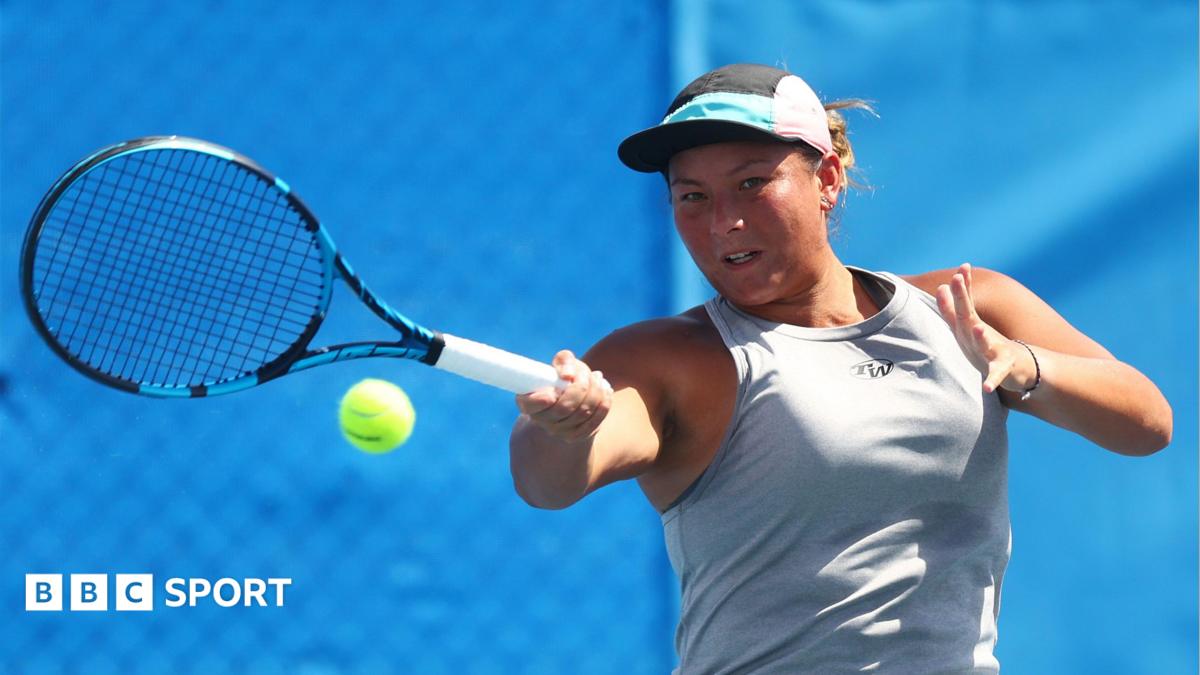
In April 2022, Moore tested positive for nandrolone and boldenone at a WTA 250 event in Bogota, with an independent tribunal ruling in December 2023 that contaminated meat was the source.
Moore, who was Britain’s leading women’s doubles player at the time of the failed test, was found to bear “no fault or negligence”, but the International Tennis Integrity Agency (ITIA) appealed against the decision.
Last year, the Court of Arbitration for Sport (Cas) ruled in favour of the ITIA and Moore was banned until 2028.
Moore then initiated proceedings with the American Arbitration Association, in which she claimed the WTA’s “failure to warn against eating meat in Colombia was a direct cause of her positive test result and the harm that followed”.
The arbitrator supported the ruling made by Cas and dismissed the case against the WTA.
In response, Moore filed a motion against the decision at the United States District Court in New York.
Moore, who was ranked a career-high 77th in the world in 2022, claimed she was denied a fair hearing by the arbitrator.
The motion detailed how Moore was seeking “no less than $20m in compensatory damages” after claiming the WTA “stayed silent in the face of a known and specific danger and then shifted the blame for its own negligence” to the player.
On Friday, United States district judge Andrew Carter found Moore’s challenge was “not justified” on a legal basis.
The WTA and ITIA have been approached for comment.
Sudan’s collective memory has long carried stories of famine-induced tragedies. Now, as war pushes the country deeper into a catastrophic food crisis, historians and humanitarian activists fear that some of those horrors are being repeated.
The ongoing war between the Sudanese army and the paramilitary Rapid Support Forces, which erupted in April 2023, has plunged the country into one of its worst modern food crises, with conditions deteriorating sharply since 2024.
Recommended Stories
list of 3 itemsend of list
Sudan has endured severe famines before, often triggered or made worse by drought and other environmental shocks. However, the current hunger crisis, which has triggered famines in Sudan in 2024 and 2025, has been brought on by a man-made factor: war.
Past starvation
One of the earliest recorded major food crises in what is now Sudan occurred in 1684, during the Funj Sultanate. The crisis, which lasted several years, brought severe grain shortages across central Sudan. Historical accounts describe people driven to desperation, and in some cases forced to eat dog meat. The hunger triggered mass displacement, as well as a deadly smallpox outbreak.
Similar climate-driven crises were recorded in 1750 and again between 1835 and 1838 during a period of Ottoman-Egyptian rule, exacerbated by severe drought and low water levels in the River Nile.
The famine most deeply embedded in Sudanese popular memory occurred between 1888 and 1889, during the rule of Khalifa Abdullahi al-Taashi.
Drought, locust infestations and conflict combined to cause widespread hunger and death. Some historical estimates put the death toll at more than one million people, although precise figures from the period are difficult to establish. The crisis was reported to have been so severe that some families shut themselves inside their homes to die rather than going out to beg for food.
Sudan experienced more periods of food shortages during the 20th century. Droughts and poor harvests during the colonial period of the first half of the century forced the authorities at times to import grain from abroad.
Then, in 1984, during the rule of President Jaafar Nimeiri, a devastating drought hit western Sudan, including Darfur and Kordofan, where there were widespread crop and livestock losses, displacing hundreds of thousands of people from rural areas to the capital, Khartoum.
Man-made catastrophe
Unlike many of those historical crises, the current famine is distinctly man-made.
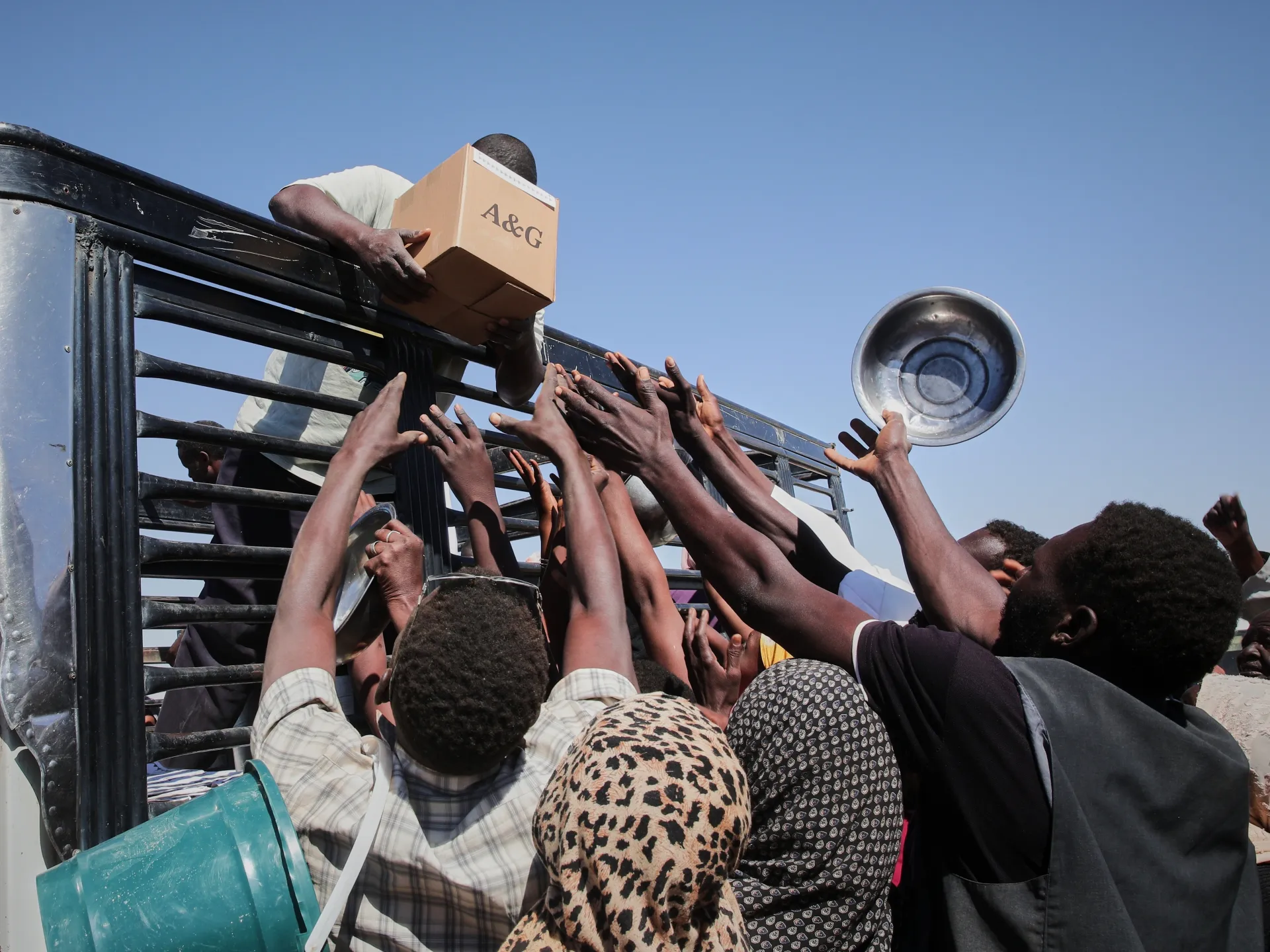
War has disrupted agricultural production and trade, forced farmers to leave their land, and made it difficult to move food and humanitarian aid across the country.
Abdullah al-Tijani, a social historian and humanitarian activist, noted the unprecedented scale of the current disaster.
“Most previous famines were often confined to specific regions, as happened in 1984, or areas in southern Sudan before its secession in [2011], while the capital and major cities continued to have the necessities of life and services,” al-Tijani told Al Jazeera.
This time, he said, hunger and the collapse of basic services have spread across the entire country.
“A comprehensive food crisis has struck the heart of major urban and agricultural centres in the states of Khartoum, Gezira, Sennar, Darfur, and Kordofan, causing millions of citizens to be displaced inside and outside the country,” al-Tijani added.
He pointed to what he described as the “systematic destruction of infrastructure, disruption of large agricultural projects, and targeting of markets, bakeries, and crops, along with disrupting the banking system and communication networks, which isolated entire regions”.
Al-Tijani also cited the “restrictions on humanitarian access and delays in granting transit permits for relief workers”. He accused the warring parties of using control over food supplies as a tool of war, while warning that international funding has fallen short of the size of the crisis.
Lost agricultural potential
The scale of the crisis is stark because of Sudan’s agricultural potential. The country has immense resources, including roughly 200 million acres (81 million hectares) of arable land, abundant water from the Nile, and extensive livestock resources, but Sudan’s potential as a global breadbasket remains unfulfilled.
Mohammed Abdul Rahman, an economic researcher, explained that the current food security crisis reflects a clear development gap, and a longstanding weakness in Sudan’s agricultural sector compounded by war.
“Wars and armed conflicts are among the most influential factors on food production,” Abdul Rahman said, “along with the displacement of farmers from their lands, the absence of political stability and agricultural policies, weak funding and government guarantees, and reliance on traditional farming methods.”
Luiz Inacio Lula da Silva is running in October’s election for a fourth non-consecutive mandate as Brazil’s president.
Published On 22 Sep 202622 Sep 2026
Brazilian President Luiz Inacio Lula da Silva and Senator Flavio Bolsonaro remain deadlocked in the latest polls, with the first round of Brazil’s election less than two weeks away.
Two new polls on Monday showed that the pair are statistically tied in simulated runoffs ahead of next month’s election. If no candidate wins more than 50 percent of valid votes in the October 4 first round, the two frontrunners advance to a runoff on October 25.
Recommended Stories
list of 3 itemsend of list
Lula is seeking a fourth non-consecutive term as Brazil’s president, but faces a challenge from the political right in Flavio Bolsonaro, the son of former far-right President Jair Bolsonaro, an ally of US President Donald Trump.
Brazilian presidential candidate Flavio Bolsonaro speaks at an agribusiness fair as he campaigns in Esteio, Brazil, on September 2, 2026 [Diego Vara/Reuters]
The elder Bolsonaro was ruled ineligible for office after Brazil’s top electoral court found he had abused his power while in office. He was later convicted separately over a plot to overturn his 2022 election loss to Lula.
A Quaest poll released on Monday showed Bolsonaro with 42 percent of voter support in a potential runoff, versus 41 percent for Lula.
Meanwhile, a BTG Pactual/Nexus poll has Lula receiving 46 percent of voter support, compared with 45 percent for Bolsonaro in a potential runoff.
The latest polls mark a narrowing from an earlier Quaest poll on August 5, which put Lula ahead by a wider five-point margin, 44 percent to 39 percent.
New York City Mayor Zohran Mamdani and Brazilian President Luiz Inacio Lula da Silva speak to reporters after a meeting in New York on September 21, 2026 [Dave Sanders/Reuters]
US pressure looms over election
Lula launched his re-election bid on August 2 at the Workers’ Party convention in Sao Paulo, casting himself as a defender of Brazilian “sovereignty” as pressure from the US administration looms over the race.
The US imposed two fresh rounds of tariffs on Brazilian products in July, which Lula denounced as an attempt to influence the elections through economic pressure.
The Brazilian leader is currently in New York, where he is preparing to address the United Nations General Assembly.
Lula met New York City Mayor Zohran Mamdani for the first time on Monday. In a brief statement to reporters after the meeting, the Brazilian president said the two had talked about problems common to both Brazil and the United States, particularly the rising cost of living.
WASHINGTON — As Republicans contend with President Trump’s deep unpopularity, Democrats are attempting to seize the opening to take the U.S. Senate in the Nov. 3 midterm elections. Polls have shown Trump with an approval rating consistently below 40%, with no end in sight to the Iran war and voters expressing deep economic anxiety.
Republicans currently hold a 53-47 edge in the Senate, and 35 seats are on the November ballot.
Months of polling indicate that eight Senate seats — six of which are currently held by Republicans — are now up for grabs. Democrats will need to win at least four of them, while holding on to two contested seats currently held by their party, in order to flip the chamber.
Five key races are unexpectedly close, with some polls giving Democrats a better edge than expected, but the outcomes are still in doubt, as swaths of voters remain undecided. The Cook Political Report, a leading forecaster, rates each one a toss-up. Here’s how they are shaping up:
Michigan: El-Sayed vs. Rogers
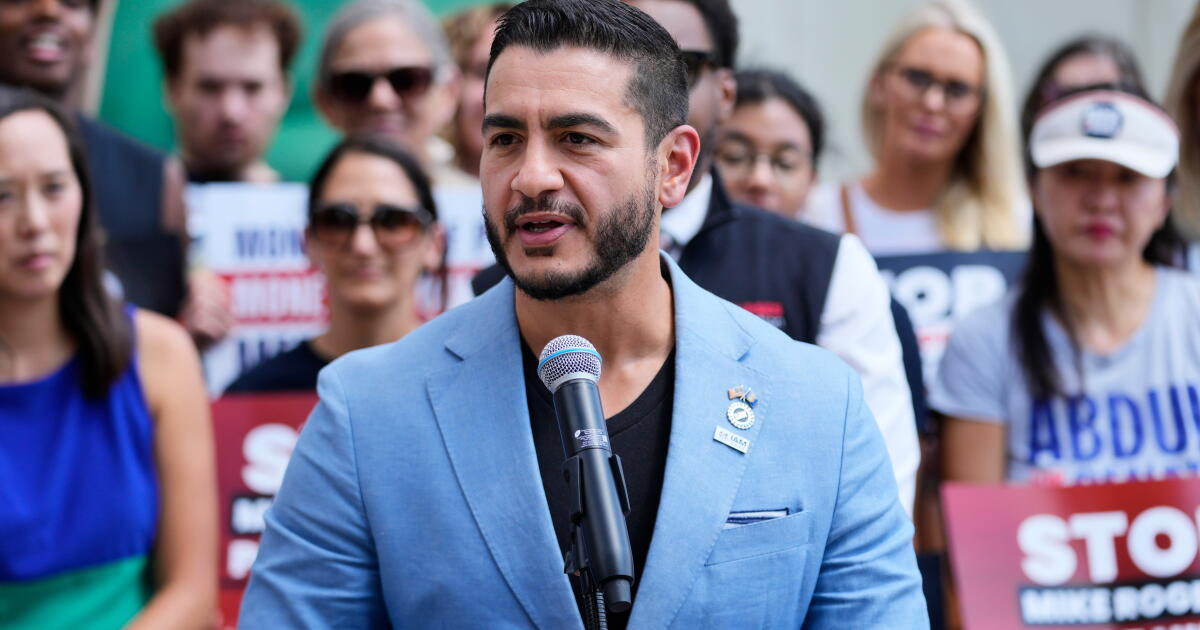
In perhaps the highest-profile contest, former public health official Abdul El-Sayed is facing Republican Mike Rogers for the seat being vacated by retiring Democratic Sen. Gary Peters.
El-Sayed, aligned with the party’s progressive wing, narrowly defeated moderate Rep. Haley Stevens in a heated Democratic primary. He is looking to rally her supporters as well as disaffected Republican voters.
Rogers is courting independents and a cohort of Jewish Democrats who view El-Sayed’s desire to reduce funding to Israel’s military as a dangerous proposition.
According to a CNN/SSRS poll of likely voters released Sept. 9, El-Sayed led Rogers 47% to 44%, a result within the margin of error. Notably, 26% of respondents said they could still be persuaded to vote for either candidate, leaving the race wide open.
The barbs in this race have become deeply personal, with anti-Muslim rhetoric taking center stage.
In a series of ads and artificial-intelligence-generated images, Republican groups — including the National Republican Senatorial Committee and Front Line Action — have cast El-Sayed as a supporter of terrorism. During speeches and interviews, members of the Trump administration, including the president, have repeatedly referred to the candidate by his full name, Abdulrahman Mohamad El-Sayed.
Rogers has continually drawn attention to a campaign event hosted by El-Sayed that included Hasan Piker — a Los Angeles-based online political commentator who recently drew widespread attention for a 2019 comment that “America deserved 9/11” while discussing blowback against U.S. foreign policy in the Middle East.
El-Sayed has railed against Rogers for refusing to debate and for his endorsement by Trump.
This week, El-Sayed stood alone on the Fox 2 Detroit debate stage after Rogers declined an invitation, dubbing his opponent “Mike Dodgers” on several occasions.
Rogers later accused the moderator of bias toward the Democratic candidate. The candidates have agreed to debate on Oct. 8 and 21.
Texas: Talarico vs. Paxton
State Rep. James Talarico is seeking to become the first Texas Democrat elected to the Senate since 1993.
His Republican opponent, state Atty. Gen. Ken Paxton, received Trump’s endorsement and defeated four-term incumbent Sen. John Cornyn in the primary.
While gaining a seat in Texas has long been a far-off dream for Democrats, Paxton’s controversies have dogged him during the race. A Mason-Dixon Research poll showed the Democrat leading Paxton 46 to 43, in a state that Trump won by nearly 14 points in 2024. Other polls, including one from Insider Advantage, had the margin at a single point.
Paxton is seen as a prominent fixture in the MAGA movement, using his position as attorney general to contest Obama-era clean energy and healthcare acts and launching lawsuits against the Biden administration for its immigration policy.
Talarico has made Paxton’s association with the president a key piece of his campaign, slamming Paxton as “the most corrupt politician in Texas” and spotlighting his impeachment by the Texas House of Representatives in 2023 over allegations of bribery, breach of public trust and misuse of his office to aid a donor. (Paxton survived the impeachment vote and denied wrongdoing.)
Several attack ads on Talarico, launched by Republican political action committees, have focused on his past support for transgender youth and accused him of exaggerating his faith to garner the Christian vote.
Maine: Jackson vs. Collins
Six-term incumbent Republican Sen. Susan Collins is hoping to retain her seat as Democratic challenger Troy Jackson attempts to replicate the grassroots success of former nominee Graham Platner’s campaign.
Jackson, a former state lawmaker, was chosen by Maine Democratic Party delegates to run in place of Platner, who dropped out in July after sexual misconduct allegations against him. A former lumberjack, Jackson shares Platner’s working-class background and is running on Medicare for All and increased taxes for billionaires.
Collins has repeatedly demonstrated her staying power and won reelection in 2020 even as the state went blue in the presidential race. Her willingness to stand up to Trump could become a deciding factor this time around; Collins is working to highlight her votes to block Trump’s $1.8-billion Department of Justice anti-weaponization fund and against the Iran war.
She has mostly stuck to promoting her decades-long record on the campaign trail, which has recently focused on increased healthcare access for seniors, workforce development and Social Security benefit increases.
She has faced criticism from Jackson and others over her vote to confirm Supreme Court Justice Brett M. Kavanaugh, who faced sexual assault allegations, which he denied, and later voted to strike down Roe vs. Wade, which had granted a constitutional right to choose an abortion.
Jackson has had difficulty generating the same enthusiasm among voters as his predecessor, Platner, who consistently held town halls across the state and had a viral social media presence. Over Labor Day weekend, Jackson hosted at least a dozen events up and down Maine to make his first public introductions to voters deep into the cycle.
A recent poll from YouGov shows Jackson narrowly leading the incumbent, 46% to 44%, with a crucial 9% undecided.
Alaska: Peltola vs. Sullivan
Former Democratic Rep. Mary Peltola and incumbent Republican Sen. Dan Sullivan are leading a field of candidates — including another Dan Sullivan — ahead of a ranked-choice general vote.
Alaska hasn’t elected a Democratic senator since 1995, giving Peltola an uphill battle in a state that Trump won by 13 percentage points in 2024.
A late July poll by Change Research showed Peltola in the lead by six percentage points. A more recent poll from Alaska Survey Research had the race within 1 point in favor of Peltola.
Much of the media attention surrounding this race, however, has focused on the third-place candidate, who only received 2.5% of the primary vote — and also happens to be named Dan Sullivan.
Dan J. Sullivan, a retired teacher who made the top four in ranked-choice voting, has been accused by Republicans of being a Democratic plant that could potentially confuse voters. Sullivan has denied these accusations and the Alaska Supreme Court decided to keep him on the ballot.
If none of the candidates receive over 50% of first-place ranked-choice votes — which is likely in this race — the last-place candidate will be eliminated, with their vote distributed to their next choice until one candidate receives a majority of the total.
Iowa: Turek vs. Hinson
In a race that has seen the candidates trade political jabs in separate speeches on the same state fairgrounds, Republican Rep. Ashley Hinson and Democratic state Rep. Josh Turek are nearly neck and neck.
According to a Suffolk University poll, Hinson is leading Turek 45% to 40%, in a state where Trump won by 13 points in 2024. A poll conducted by YouGov, however, has Turek in front by a single point.
GOP incumbent Sen. Joni Ernst elected not to run this year, leaving the seat open for a potential flip.
Turek, a two-time Paralympics gold medalist, has attacked Hinson for past campaign ads in which she said: “I don’t trade stocks, and no one else in Congress should either.” Tucker pointed to the fact that Hinson purchased and sold stocks in Amazon, Tesla and insurance firms after she was elected, according to financial disclosure forms.
In return, Hinson criticized Turek for missing over half of his state Legislature floor votes, and labeled him an “anti-ag” activist.
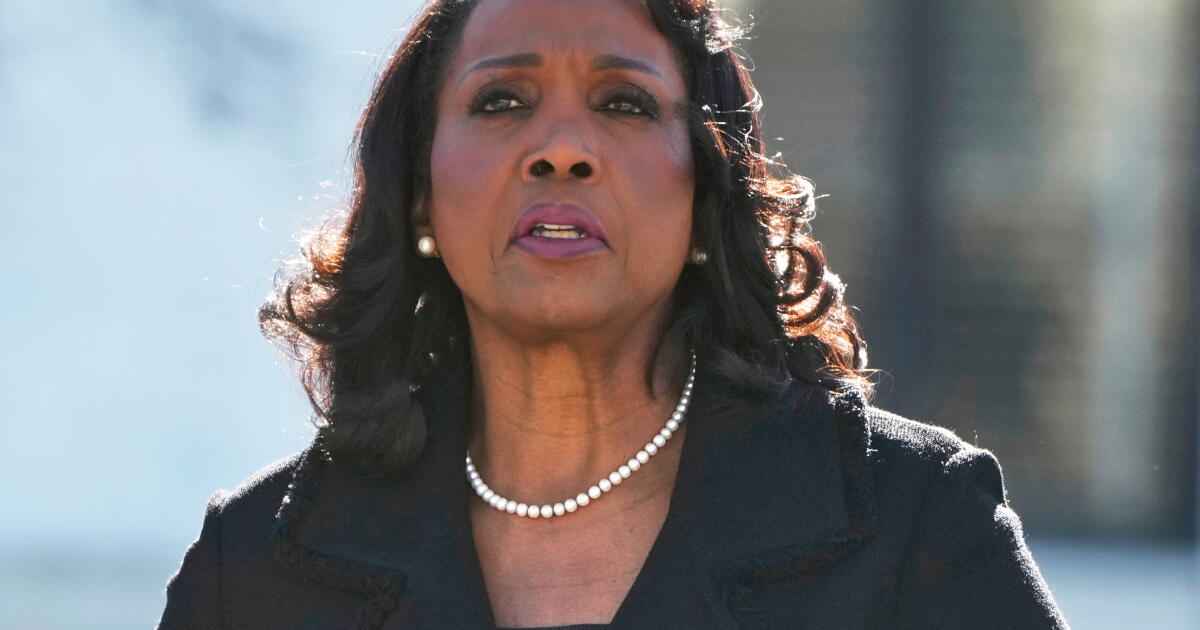


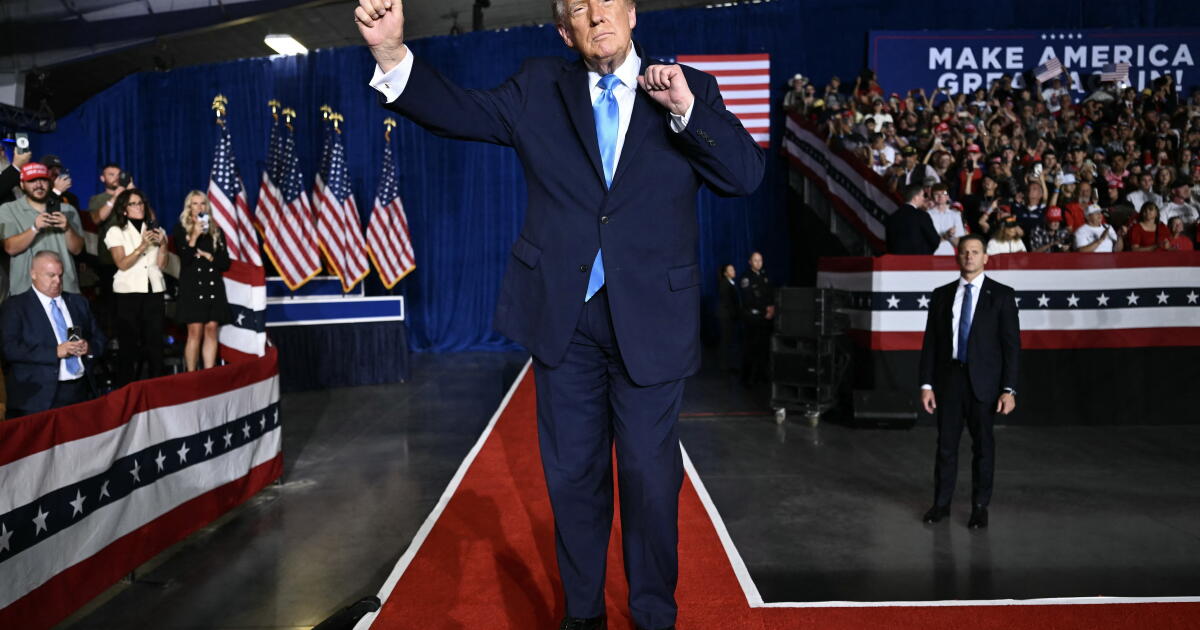
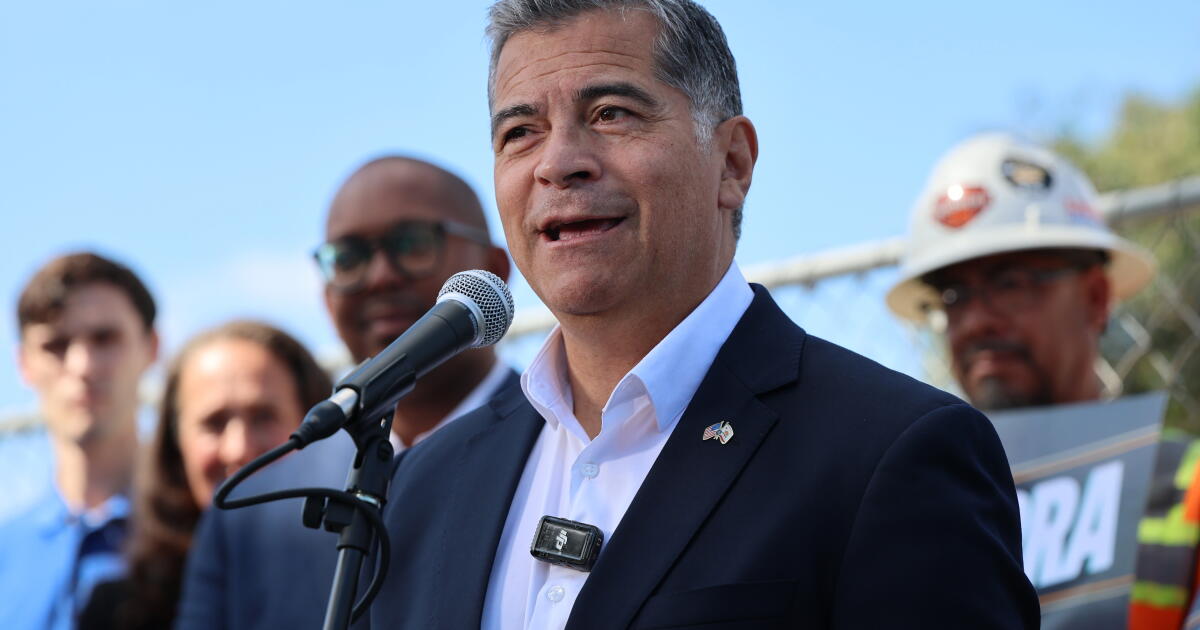




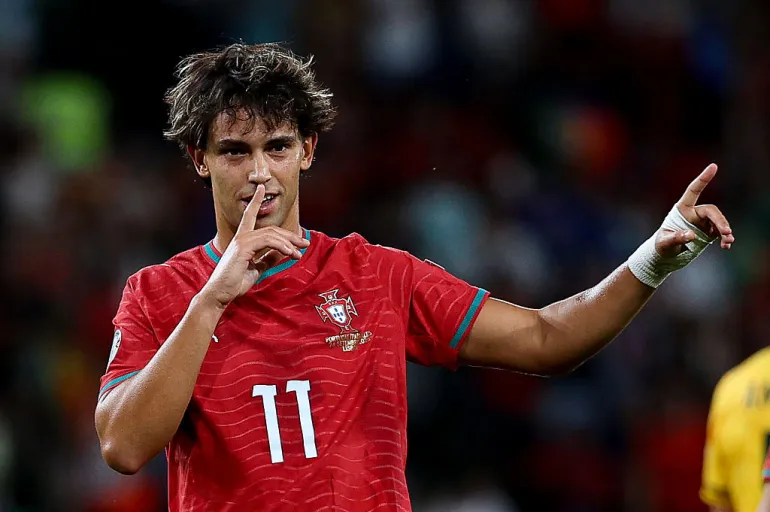




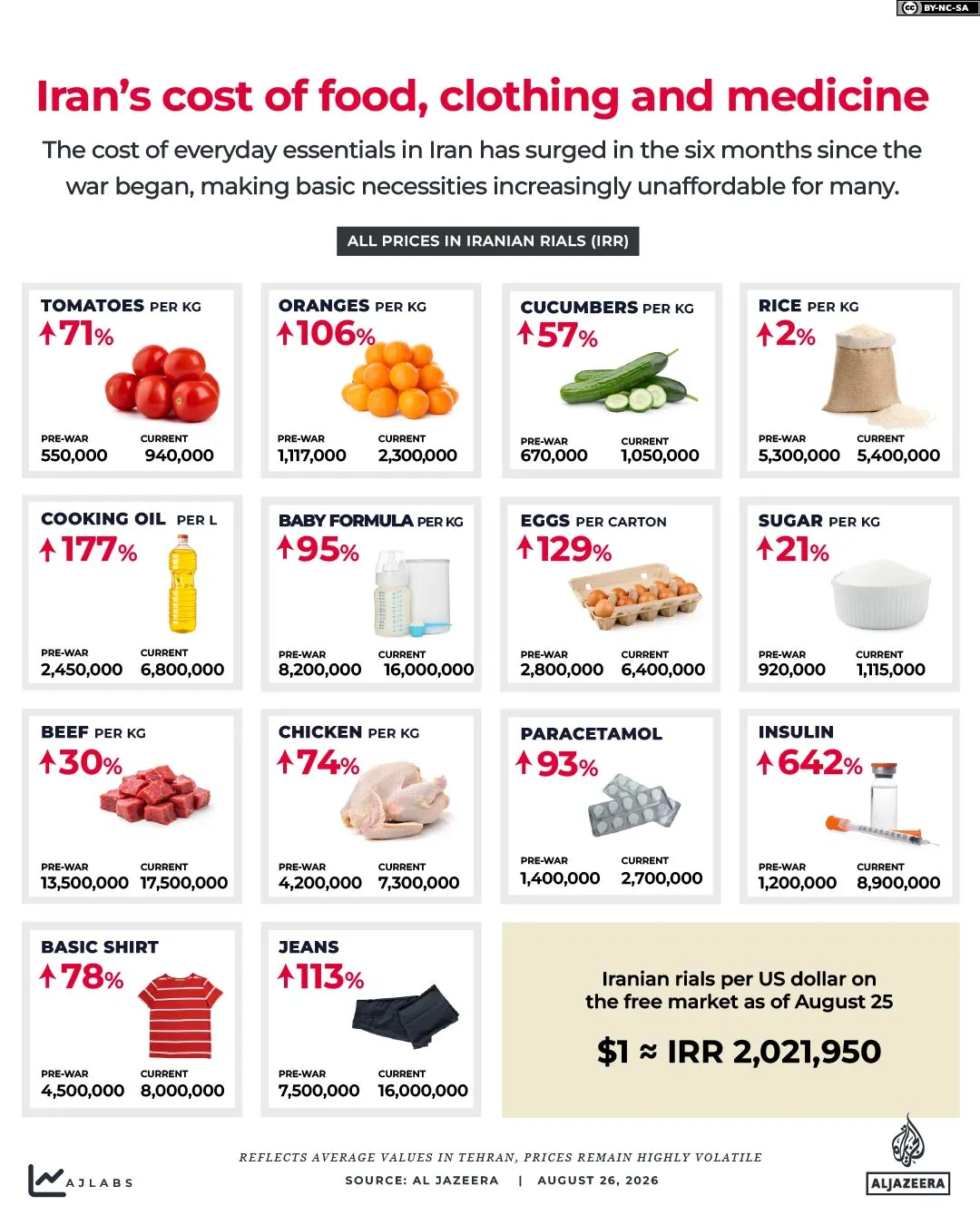

![Iranian-made Zolfaghar missiles are seen on display beside a large portrait of Iran’s Supreme Leader Mojtaba Khamenei at Baharestan Square in Tehran on September 28, 2026 [AFP]](https://i0.wp.com/occasionaldigest.com/wp-content/uploads/2026/09/afp_6abbb983ec1b-1790687619.jpg?w=640&ssl=1)