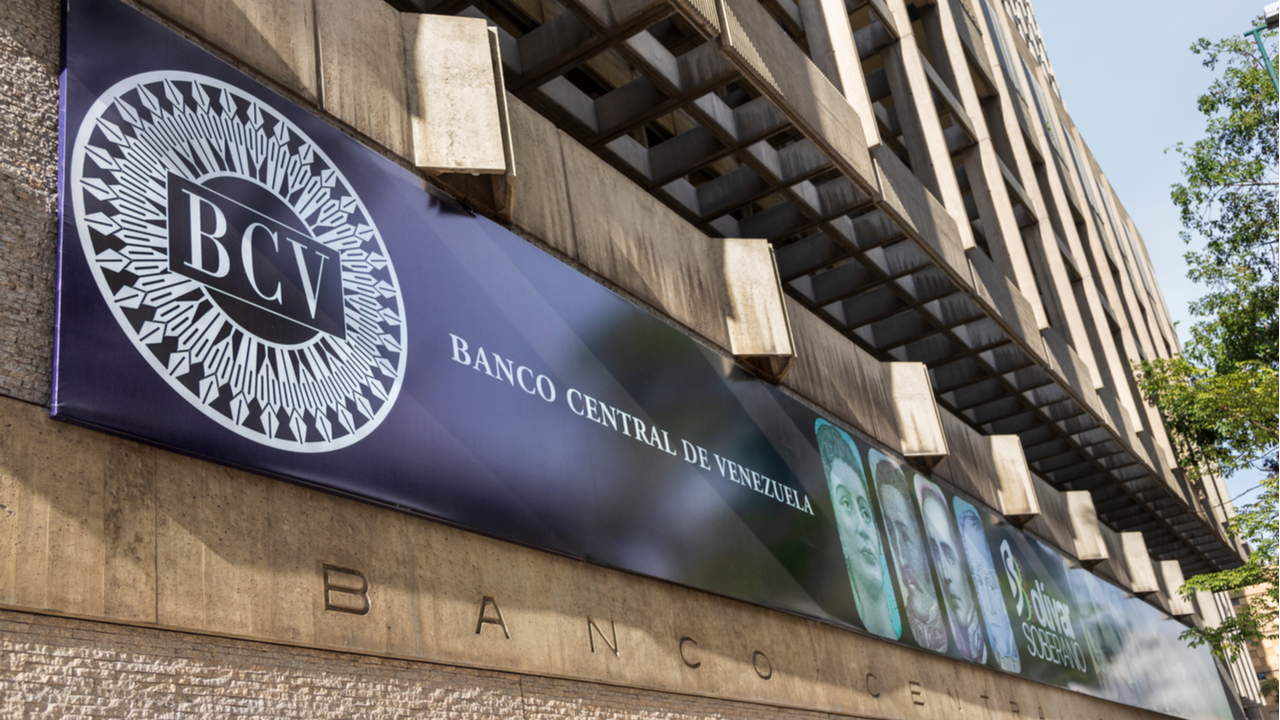
After years of statistical silence, the Venezuelan Central Bank (BC) has now published GDP growth figures. The new series—annual and quarterly, in real terms and using 2007 as the base year—at least allow economic discussion to return to the realm of data. However, the comeback is partial. As has been customary, the BCV released rates of change, but not GDP levels at constant prices, nor values at current prices, nor the sectoral weights needed to understand how the economy is composed.
This omission is not a technical detail. Without weights, growth rates float in a vacuum. They indicate the direction of movement, but not its relevance. A sector may grow by 20% and still remain marginal. Another may expand only slightly and yet dominate the aggregate outcome. Reading GDP solely through growth rates is like looking at a map without a scale.
Based on the sectoral variations published by the BCV, it is possible to conduct an indirect exercise: reconstruct volume indices with base 2007 = 100 and, from them, estimate the implicit sectoral weights within GDP. This is not meant to replace official national accounts, but to extract structural information that is not explicitly presented in the published figures. The result helps answer a key question: what is the Venezuelan economy that has emerged after the recession and the recent rebound actually made of?
Less State production, greater private weight
The first finding is institutional in nature. In 2018, at one of the deepest points of the crisis, the private sector accounted for just 44.8% of GDP, the lowest level observed in the reconstructed series. The public sector, by contrast, exceeded 52%, reflecting both the collapse of private activity and the relative weight of State-led production.
Since then, the relationship has reversed. By 2025, the private sector reaches around 52.1% of GDP, while the public sector declines to 42.4%. The Venezuelan economy emerging from the crisis is, in relative terms, less state-driven than it was at the end of the previous decade.
Oil typically accounted for around 12% of GDP and was often surpassed by manufacturing. Today, the oil sector can be up to four times larger than manufacturing.
This shift should be interpreted with caution. It does not necessarily imply vigorous expansion of the private sector in absolute terms. It rather reflects a sharper and more persistent contraction of the public sector as a direct producer of goods and services. Still, the rebalancing is significant and marks a break from the pattern observed during the most acute years of the crisis.
Oil: renewed centrality with statistical caveats
The second axis of this restructuring is the oil sector. In the new series, its share of GDP stands at around 20.5% in 2020 and rises to approximately 25.9% in 2025. At first glance, these figures suggest an economy once again dominated by oil.
But here a methodological warning is essential. The 2007 base year coincides with a period of high oil prices. This tends to inflate the sector’s relative weight in real terms. In the previous series, based on 1997, oil typically accounted for around 12% of GDP and was often surpassed by manufacturing. Today, the oil sector can be up to four times larger than manufacturing.
This figure should not be dismissed, but it must be interpreted carefully. It reflects both the current structure of the economy and a statistical effect derived from the change in base year. Oil’s centrality remains indisputable, although its exact magnitude depends on the methodological lens.
Among non-oil activities, the most structural change is observed in information and communications. For more than a decade, between 2007 and 2019, this sector averaged just 5.2% of GDP. From 2020 onward, its share consistently exceeds 10%, consolidating it as one of the main beneficiaries of the recent restructuring.
This increase points to an economy reorganizing around connectivity services, telecommunications, and information flows. It does not necessarily imply high productivity, but it does signal a clear shift in the basket of value-generating activities.
Agriculture follows a different dynamic. While it remains a moderate-scale sector, it now represents about 5% of GDP, compared to an average of 3.3% between 2007 and 2019. The key lies in its relative resilience during the 2014–2020 recession: it declined less than other sectors and, as a result, gained weight within a smaller economy.
Within the services universe, real estate, professional, scientific, technical, administrative, and support activities also stand out. This is a broad and heterogeneous sector, yet it shows a clear pattern over time. Before the crisis, these activities accounted for around 11% of GDP and, like agriculture, displayed relative resilience during the most difficult years of the downturn. In a context of high inflation and exchange-rate volatility, services (particularly professional and technical ones) tend to adjust more flexibly than activities intensive in inventories or physical capital.
Enthusiasm for some growing sectors fades when considering their weights in 2025 GDP: approximately 3.6% for construction, 1.5% for finance, and just 0.8% for mining.
That said, the sector is not without nuance. In 2020 it reached a peak of around 16.7% of GDP, but part of that gain later moderated, settling at about 13% in 2025. This reflects the fact that the aggregate includes very different dynamics: while some professional and technical services expanded, more affected segments, such as real estate activities, continue to operate below historical levels. Even so, as a whole, this block has consolidated itself as the largest non-oil sector in Venezuela’s current economy.
Other sectors, by contrast, show greater structural stability. Trade and vehicle repair, which now account for around 5% of GDP, fell to as low as 3.8% during the most acute years of the crisis (reflecting the collapse in consumption) but have since returned to ranges similar to pre-crisis levels.
A similar pattern is observed in accommodation and food services, which hit a low point during the pandemic (1.3% of GDP in 2020) as a direct consequence of mobility restrictions, closures, and the near paralysis of tourism. It has partially recovered since then, reaching about 1.6% in 2025. Despite the recent attention it has received, its aggregate impact remains moderate and its behavior more stable than popular perception might suggest.
The biggest losers: manufacturing and the producing State
Still within non-oil activities, manufacturing illustrates the scars of the crisis. After exceeding 10% of GDP up to 2013, its share collapsed to a low of around 5.4% in 2019. In subsequent years, a partial recovery is observed, reaching roughly 6.8% in 2025, but still far from historical levels. Rather than reindustrialization, the data point to stabilization at low levels.
The most abrupt adjustment, however, is seen in general government services. After reaching a historic peak of about 22.9% of GDP in 2019, its share drops to just 10.8% in 2025. No other sector loses as much weight in such a short period. The State remains relevant, but its role as a direct producer of value added is now much smaller.
Spectacular growth, limited impact
The highest growth rates in recent years correspond to sectors that remain small. Specifically, between 2023 and 2025, construction recorded cumulative growth of nearly 57%, financial and insurance activities around 40%, and mining close to 27%.
However, the enthusiasm fades when considering their weights in 2025 GDP: approximately 3.6% for construction, 1.5% for finance, and just 0.8% for mining. These are dynamic sectors in percentage terms, but with limited macroeconomic impact due to their size. It is a reminder of why sectoral weights matter as much as growth rates.
What this restructuring tells us, and what it doesn’t
The Venezuelan economy that emerges from this exercise is different from that of fifteen years ago: relatively greater private-sector weight, statistically dominant oil, expanding information services, weakened industry, reduced finance, and a much smaller State as a direct producer.
It is important to stress the limits of the analysis. The weights discussed here are implicit, not official, and depend on the internal consistency of the growth rates published by the BCV. Future revisions could alter some magnitudes.
Even so, the central message is clear. Behind the growth rates that currently capture public attention, there is a silent restructuring of the Venezuelan economy. Understanding it is essential for any serious discussion of economic policy, investment, or productive development. Because in the end, it is not only how much GDP grows that matters, but (perhaps above all) what it is made of.
TikTok advertising leader Khartoon Weiss is leaving the short-form video company, joining a wave of American executives stepping down over the past year.
Weiss is departing to pursue a new opportunity, the company said Tuesday. She had been at the video service for nearly six years, most recently in charge of TikTok’s global brands and agency business for North America.
Other recent departures have included global head of creators, Kim Farrell, who left earlier this year after almost six years, and Blake Chandlee, who departed in 2025 after leading advertising and marketing for six years.
Michael Beckerman, a public policy executive who helped lead TikTok’s fight against a US ban, also exited last year, as did music chief Ole Obermann. And Erich Andersen, who served as US-based general counsel for TikTok and its Chinese parent ByteDance Ltd., left that role in 2024.
Though ByteDance spun off key parts of its US business in January — part of a national security deal brokered by the Trump administration — the Chinese company remains in control of the advertising and marketing arm. In March, Weiss was the star of TikTok’s first major event since this tumultuous regulatory saga came to a close following more than half a decade.
“We’re going to kick into fifth gear,” Weiss said at the event. “We’re going to completely accelerate.”
In a memo this week, Weiss told advertisers that a search was underway for a replacement. The message was first reported by Digiday.
ByteDance regularly restructures TikTok teams and shuffles leaders. In some cases, it’s enlisted leaders or personnel who worked in China, angling to replicate the success it’s enjoyed in that country with TikTok’s sister app, Douyin.
Jordan Ayala, a standout sophomore pitcher and hitter at Norco High, is the latest baseball player to reclassify and become a member of the class of 2027 next season, he confirmed on Tuesday during the first round of the Boras Classic.
Another player who has reclassified from the same tournament is Huntington Beach pitcher Jared Grindlinger, who will join the class of 2026, making himself available for this summer’s MLB amateur draft.
All this is happening with uncertainty about a possible MLB lockout when the current collective bargaining agreement runs out and not knowing what changes might happen to the draft.
Ayala, 16, said he’s moving his graduation date up to preserve his arm and take a look at becoming a professional after high school.
Huntington Beach coach Benji Medure said reclassifying is not for everyone.
“It takes a special person,” he said. “You’re putting yourself out there.”
Don’t be surprised to see more top players joining the reclassification movement next year.
This is a daily look at the positive happenings in high school sports. To submit any news, please email eric.sondheimer@latimes.com.
ANOTHER airline is cracking down on passengers travelling with a certain travel item.
Singapore Airlines – often named one of the world’s best – has confirmed that new rules are being rolled out this month regarding the use of power banks onboard.
Sign up for the Travel newsletter
Thank you!
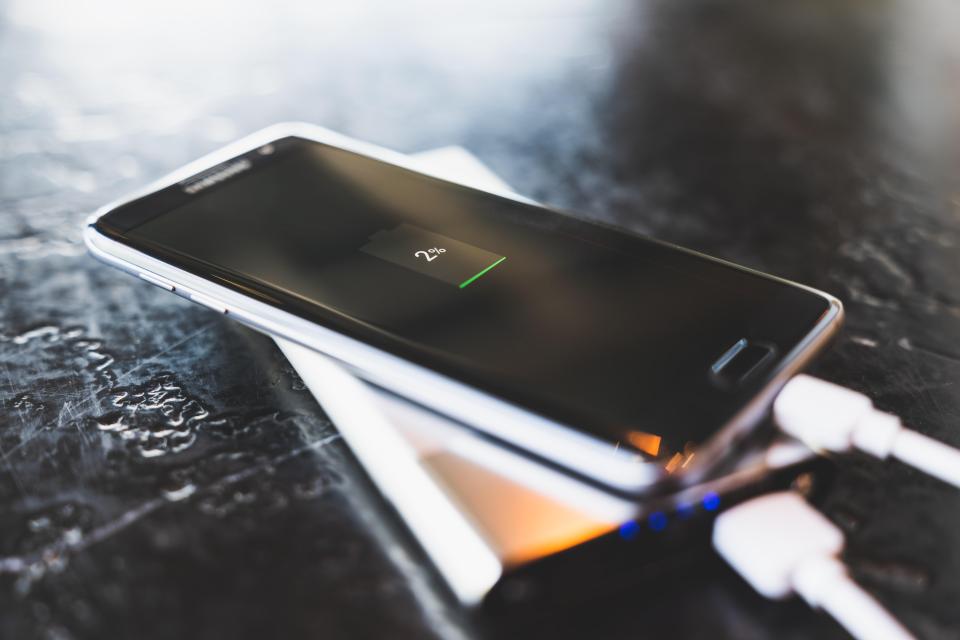
Singapore Airlines will only allow two power banks brought onboardCredit: Alamy
From April 15, travellers will only be allowed to pack two power banks in their hand luggage.
Anyone with more than two will have to surrender any other portable chargers before being able to board.
Not only that, but they must not be used onboard to charge any devices.
This follows on from previous rules that don’t allow the power banks to be charged using the onboard USB ports either.
The USB ports must only be used to charge items like mobile phones and tablets, not power banks.
The Civil Aviation Authority of Singapore (CAAS) explained: “Power banks must also not be charged on board the aircraft and passengers are advised not to use power banks to charge their devices during the flight.
“ICAO’s new requirement of a maximum of two power banks per passenger and restrictions on the charging and use of power banks on board flights seek to reduce the risk of fire while catering for passengers’ travelling needs.
“In consultation with the airlines, CAAS will provide some time for the airlines to do so and for passengers to familiarise themselves and have the requirements take effect only from 15 April 2026.”
A number of airlines around the world have been cracking down on power banks being taken onboard.
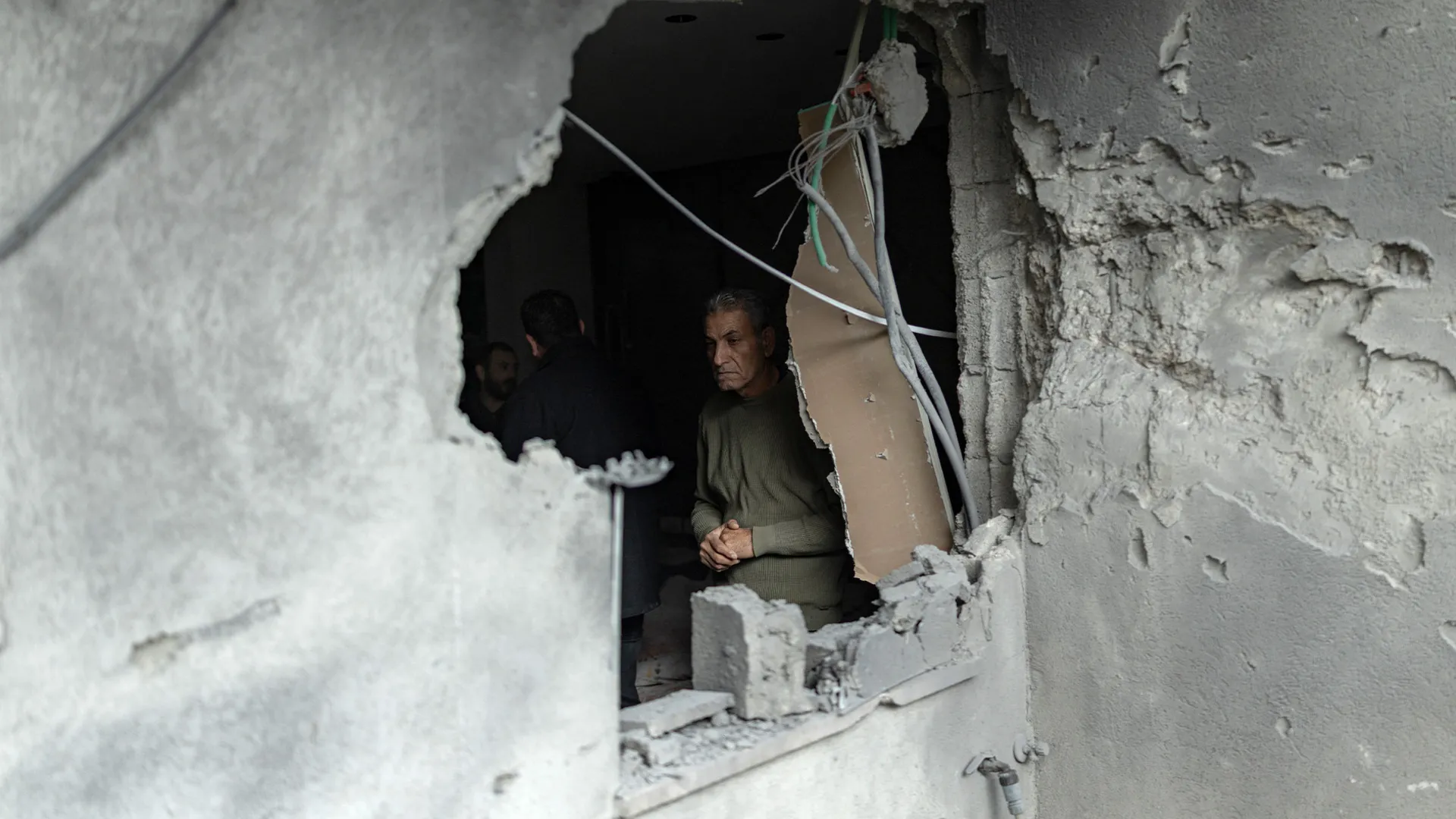
Iranian missiles have caused widespread damage across Israel in the latest wave of attacks, as President Donald Trump says US-Israeli strikes have destroyed the majority of Iran’s missile launchers.
The Foreign Office has updated its travel advice for Brits heading to Portugal ahead of the school holidays, with warnings around new rules on how long you can stay
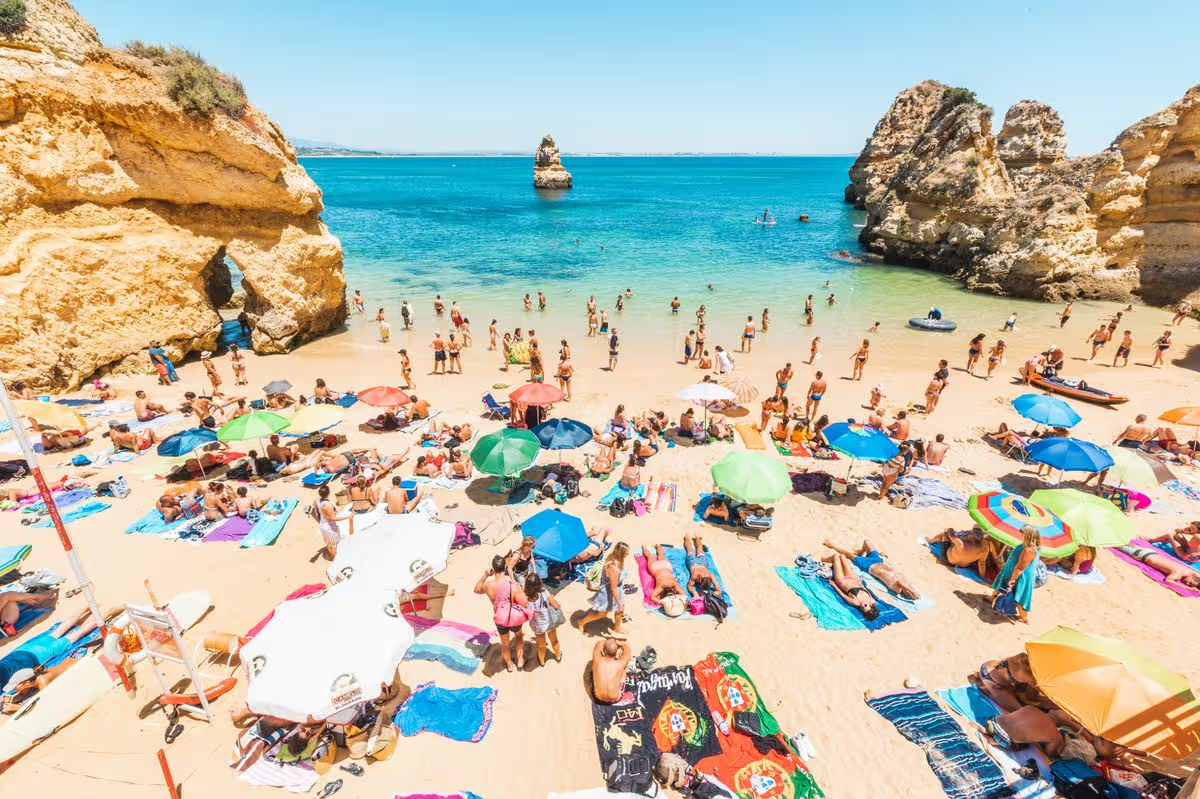
Brits heading to Portugal should take note of the fresh advice(Image: Getty Images)
The Foreign, Commonwealth and Development Office (FCDO) has issued advice for Brits travelling to Portugal.
To ensure that Brits are aware of any warnings, entry requirements, security, safety, or health risks before travelling to destinations across the globe, the Foreign Office is constantly updating its travel advice. The advice can change rapidly, or remain the same for months, but just last week, a change was made for those visiting Portugal.
In an update on Friday, 20 March, which is still current as of 25 March, the FCDO updated the entry requirements for Brits heading to the popular European destination, which offers sprawling beaches and vibrant cities. The government stated that if you’re staying for longer than 90 days, within a 180-day period, and need to extend in “exceptional circumstances”, you must take action.
The FCDO website stated: “If you’re visiting Portugal and need to extend your visa-free stay for exceptional reasons, such as a medical emergency, you must apply to AIMA using their contact form (access is only available to users in Portugal). If you’re in Portugal with a residence permit or long-stay visa, this does not count towards your 90-day visa-free limit.
“If you’re in Portugal with a residence permit or long-stay visa, this does not count towards your 90-day visa-free limit.”
As it stands, UK residents with a British passport can travel to Portugal without a visa for up to 90 days in any 180-day period. This applies if you are a tourist, visiting friends or family, attending a business meeting, cultural or sports events, or visiting for short-term studies or training.
This also applies to Brits visiting the Schengen area, which comprises 29 European countries, who can travel without a visa for up to 90 days in any 180-day period. Countries in the Schengen area include: Austria, Belgium, Bulgaria, Czechia, Croatia, Denmark, Estonia, Finland, France, Germany, Greece, Hungary, Iceland, Italy, Latvia, Lithuania, Liechtenstein, Luxembourg, Malta, Norway, the Netherlands, Poland, Portugal, Romania, Slovakia, Slovenia, Spain, Sweden and Switzerland.
However, the FCDO outlined: “If you’re travelling to other Schengen countries as well, make sure your whole visit is within the 90-day visa-free limit. Visits to Schengen countries in the 180 days before you travel count towards your 90 days. If you overstay the 90-day visa-free limit, you may be banned from entering Schengen countries for up to 3 years.”
Additionally, from 10 April 2026, the European Union’s (EU) new Entry/Exit System (EES) is expected to be fully rolled out. This means that when travelling into the Schengen area for short stays, you may be required to register your biometric details, such as fingerprints and a photo, which is done at the border on arrival for free.
Brits travelling to the Schengen area must also be aware of the passport requirements. The government states that the passport must:
Have a ‘date of issue’ less than 10 years before the date you arrive – if you renewed your passport before 1 October 2018, it may have a date of issue that is more than 10 years ago
Have an ‘expiry date’ at least 3 months after the day you plan to leave the Schengen area (the expiry date does not need to be within 10 years of the date of issue)
If your passport does not meet the requirements above, you may be denied entry to the country and turned away at the airport. You can renew or replace your passport online through the government website.
Brits are advised to renew or replace their passports as soon as possible, as processing can take around three weeks and sometimes longer during the peak travel season. For more information on Portugal’s entry requirements, visit the government’s foreign travel advice page.
Do you have a travel story to share? Email webtravel@reachplc.com
US President Trump, who cut off oil supplies to Cuba after abducting Venezuela’s President Maduro, has threatened to take over the island-nation.
Published On 22 Mar 202622 Mar 2026
The Cuban government has said it is prepared for any potential United States attacks as the island-nation begins to recover from yet another blackout under a punishing oil blockade imposed by Washington that has pushed its economy to the brink.
Deputy Foreign Minister Carlos Fernandez de Cossio responded on Sunday to US President Donald Trump’s threats this week to take over Cuba, insisting that it had “historically been ready to mobilise as a nation for military aggression”.
Recommended Stories
list of 3 itemsend of list
“We don’t believe it is something that is probable, but we would be naive if we do not prepare,” de Cossio told NBC’s Meet the Press.
His comments were aired a day after the latest collapse of the country’s ageing nationwide grid that had left millions of people in the dark. Saturday’s outage was the second in the past week and the third in March.
The state-run Electric Union and the Ministry of Energy and Mines said some 72,000 customers in the capital, Havana, including five hospitals, had electricity again early on Sunday. But the number represented only a fraction of Havana’s total population of approximately two million.
The Cuban Electric Union, which reports to the Ministry of Energy and Mines, said the total disconnection of the national system was caused by an unexpected shutdown of a generation unit at the Nuevitas thermoelectric plant in Camaguey province, without providing details on the specific cause of the failure.
People gather in the dark during a blackout in Havana, Cuba, on March 21, 2026 [Ramon Espinosa/AP Photo]
Trump, who started blocking oil from reaching the island after abducting Cuba’s ally, Venezuelan President Nicolas Maduro, early this year, has warned potential oil exporters that they could face high tariffs.
According to President Miguel Diaz-Canel, Cuba has not received oil from foreign suppliers for three months. The country produces barely 40 percent of the fuel it needs to power its economy.
On March 16, Trump escalated his rhetoric against Cuba, arguing the leadership was on the verge of collapse and saying he expected to have the “honour” of taking the country.
De Cossio denied that the nature, structure, or makeup of the Cuban government was up for negotiation in what Havana has called a “serious and responsible” dialogue with Washington launched earlier this month. He added that a change of the ruling system was “absolutely” off the table in discussions.
This week, General Francis Donovan, head of the US Southern Command overseeing armed forces in Latin America, told lawmakers at a US Senate hearing on Trump’s military action in the region that troops were not rehearsing for an invasion of Cuba or actively preparing to take over the Communist-run island.
But, he added, the US stood ready to address any threats to the US embassy, to defend its base at Guantanamo Bay, and aid US government efforts to address any mass migration from the island, if needed.
The Cuban government reportedly refused a request by the embassy in Havana to allow it to import diesel for its generators in response to the oil blockade, The Associated Press reported on Saturday, citing two US officials.
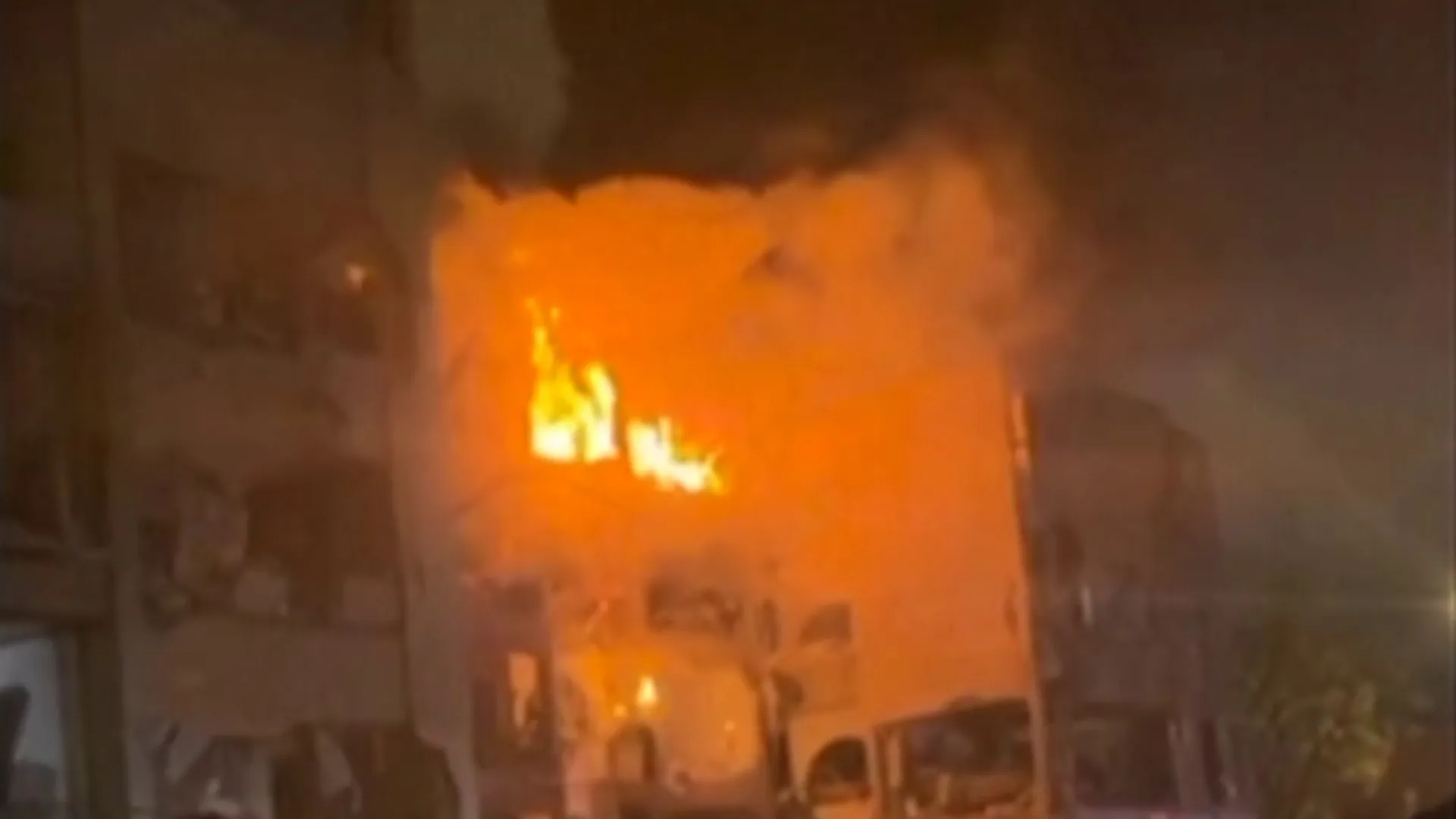
Israel’s air defence system failed to stop at least two Iranian missile strikes on southern Israel, in retaliation for an attack on Iran’s Natanz nuclear site. More than 100 Israelis have been injured in Arad and Dimona, with dozens of buildings destroyed. This is what we know.
THE CANARY Islands are facing huge storms and rain this week, which has even meant snow in places like Tenerife and La Palma.
Here’s what you need to know if you have a holiday booked there.
Sign up for the Travel newsletter
Thank you!
Here is everything you need to know about a trip to the Canaries right nowCredit: AlamyThe storm is continuing the affect the CanariesIt has even brought snow to La Palma and TenerifeCredit: Tenerife Island Council
What is happening in the Canary Islands?
Storm Therese has left the Canary Islands in turmoil as weather warnings have remained in place for several days.
More snow is expected in Tenerife after the mountains in the Teide National Park were blanketed in white on Thursday.
As a result, more than 40 flights have been cancelled this week across the Canaries.
Orange and yellow alerts are in place across the islands, warning of heavy rain, storms, flooding and high waves.
The Foreign, Commonwealth and Development Office (FCDO) has been refreshing its travel advice for nations across the globe amid ongoing conflict in the Middle East, continuing to wreak havoc on international movement.
Beyond severely disrupting travel plans, the ongoing crisis is set to have far-reaching consequences for inflation, interest rates and commodity markets. British citizens have already been airlifted from Oman, the United Arab Emirates, and neighbouring regions, with Whitehall organising charter flights to repatriate nationals safely.
Those most at risk will receive priority booking on these evacuation flights, with the Foreign Office pledging to reach out to anyone who has registered their whereabouts in the affected zone, reports the Liverpool Echo.
In its guidance covering numerous Middle Eastern nations, the Foreign Office said: “Regional escalation poses significant security risks and has led to travel disruption. Stay away from areas around security or military facilities. Follow the instructions of the local authorities and monitor local and international media for the latest information.”
The advice went on: “If local authorities advise you to take shelter, stay indoors or move to the nearest safe building immediately. The greatest risk is from falling debris caused by intercepts, and you are safest inside a secure structure.
“Choose an interior stairwell or a room with as few external walls or windows as possible for additional protection.”
Political strife, natural calamities and safety issues are among the factors leading the UK Foreign Office to advise Brits against travelling to certain locations.
Afghanistan
Travel to Afghanistan is strongly discouraged. The security climate is unpredictable, with previous tensions between Afghanistan and Pakistan resulting in violent skirmishes in border areas.
Travelling across Afghanistan poses extreme risks, and several border crossings are currently closed.
The likelihood of British nationals being detained in Afghanistan is significantly high. If you’re a Brit and find yourself detained in Afghanistan, you could be looking at a lengthy prison sentence spanning months or even years.
The FCDO’s capacity to assist you is severely restricted, and in-person support in Afghanistan is not feasible.
Belarus
The FCDO strongly advises against all travel to Belarus. If you’ve ever participated in activities now deemed illegal by the Belarusian regime, you run a substantial risk of arrest.
There’s also a minor risk that direct conflict related to the war in Ukraine could spill over into Belarus.
In the unlikely event of conflict breaking out, the FCDO’s ability to aid British nationals will be drastically limited. Ignoring advice from the FCDO could invalidate your travel insurance.
Burkina Faso
The FCDO advises against all travel to Burkina Faso due to the threat of terrorist attacks and kidnappings, coupled with the country’s unstable political situation.
There is no British Embassy in Burkina Faso and all consular support is provided from the British Embassy in Accra, Ghana. They cannot provide in-person assistance.
If there is serious violence, unrest or a deterioration in the security situation, it could be difficult to leave safely.
Haiti
The FCDO advises against all travel to Haiti owing to the unstable security situation. There are currently no British consular officials in Haiti and its ability to provide consular assistance is severely limited and cannot be delivered in person in Haiti.
If you choose to travel to or remain in Haiti against FCDO advice, attempt to avoid all crowds and public events, and take appropriate security precautions.
Iran
The FCDO advises against all travel to Iran. If you are a British national already in Iran, either resident or visitor, the Foreign Office said: “carefully consider your presence there and the risks you take by staying”.
British and British-Iranian dual nationals face significant risk of arrest, questioning or detention. Possessing a British passport or links to the UK can be reason enough for the Iranian authorities to detain you.
Iraq
The FCDO advises against all travel to Federal Iraq and the Kurdistan Region of Iraq. This is due to recent escalation in regional conflict.
There is significant risk of further escalation, and events are fast-moving and unpredictable. The Foreign Office said: “Regional escalation poses significant security risks and has led to travel disruption. The border crossing from Iraq into Kuwait is closed.
“British nationals wishing to cross into Kuwait must contact the British Embassy in Kuwait 24 hours in advance. The British Embassy will share names and passport details with the Ministry of Foreign Affairs who will determine entry.”
Israel
The FCDO advises against all travel to Israel and Palestine: “Regional escalation poses significant security risks and has led to travel disruption. Stay away from areas around security or military facilities.”
Britons should inform the UK government of their presence in Israel, and register if they’re in the region for ongoing updates. You should adhere to instructions from local authorities and keep abreast of local and international media for the most current information.
Mali
The FCDO advises against all travel to Mali in its entirety owing to volatile security conditions. If you’re currently in Mali, you should depart “immediately” via commercial flight if you deem it safe to do so.
“The international airport in Bamako is open, and commercial flights are available. Do not try to leave Mali by overland routes to neighbouring countries as this is too dangerous. This is due to terrorist attacks along national highways.”
There remains a significant threat of abduction and criminal behaviour throughout Mali, including within the capital city of Bamako.
The Foreign Office warned: “If you choose to remain in Mali, you do so at your own risk. You should have a personal emergency plan that does not rely on the UK government.”
Niger
The FCDO advises against all travel to Niger. Officials said: “This is due to the rise of reported terrorist and criminal kidnappings of foreign nationals which have taken place this year in Niger. There is an ongoing risk of terrorist attacks throughout Niger including in the capital, Niamey.”
Support for British nationals is extremely limited in Niger. Assistance is delivered remotely from the British Deputy High Commission in Lagos.
Face-to-face help is unavailable. Should serious violence, civil unrest or a worsening security situation occur, departing safely could prove challenging.
Palestine
The FCDO advises against all travel to Israel and Palestine. UK citizens currently in the region should inform the Government of their whereabouts in Palestine and register their presence to receive ongoing updates.
Should you determine it’s safe to proceed and intend to use commercial departure options, verify the latest information from your airline or tour operator, alongside guidance from local authorities and the status of border crossings prior to travelling.
The Foreign Office cautioned: “The situation could escalate quickly and poses significant risks. Regional tensions may cause international borders (air and land) to close.”
Russia
The FCDO warns against all travel to Russia owing to the dangers and threats stemming from its ongoing invasion of Ukraine, including security incidents such as drone strikes and Russian air defence operations, a shortage of flights back to the UK, and restricted capacity for the UK government to offer assistance.
The Foreign Office said: “There is an increased risk of British nationals being detained in Russia, including if the Russian authorities suspect you of engaging in or supporting activities against Russian law, even if activities took place outside Russia.”
South Sudan
The FCDO warns against all travel to South Sudan due to the threat of armed violence and criminal activity.
“The political and security situation remains unpredictable. Political tensions are high and the security situation across the country could deteriorate rapidly and unpredictably.
“If the unstable security situation deteriorates, routes into and out of South Sudan may be blocked. Juba airport may close or be inaccessible. Flights may be cancelled at short notice.”
Syria
The FCDO warns against all travel to Syria owing to volatile security conditions and the risk of terrorist attacks. Consular support is unavailable from the British government within Syria.
The FCDO may learn of assistance offered by other organisations which can be shared with British nationals. Should you require help, contact the FCDO in London on +44 (0)20 7008 5000.
Yemen
The FCDO warns against all travel to Yemen in its entirety owing to unpredictable security conditions. The guidance states: “If you’re in Yemen, you should leave immediately.”
Assistance for British nationals is extremely restricted in Yemen. The British Embassy in Sana’a has suspended operations, with all diplomatic and consular personnel evacuated.
The UK government is unable to assist British citizens departing Yemen. No evacuation arrangements are currently in place.
Should you decide to stay in Yemen, you ought to keep movement around the country and within urban areas to a minimum, stay informed about changes in the local security landscape and observe other safety measures.
‘Supercell’ thunderstorms hit Illinois and Indiana, after eight people killed by tornadoes in US Midwest last week.
Published On 11 Mar 202611 Mar 2026
Share
Two people have been killed in tornadoes in the Midwest region of the United States amid a spate of extreme weather, according to authorities.
At least four tornadoes touched down as intense “supercell” thunderstorms swept across northern Illinois and northwestern Indiana on Wednesday, according to the National Weather Service (NWS).
Recommended Stories
list of 3 itemsend of list
“Supercells” are the rarest form of thunderstorms. They are known to be particularly devastating for their prolonged durations and their “high propensity to produce severe weather, including damaging winds, very large hail, and sometimes weak to violent tornadoes”, according to the NWS.
In Indiana, local officials said an elderly couple had been killed when a tornado hit their home in the town of Lake Village.
Several residents in the wider Newton County were rescued by emergency responders, as the storm knocked down at least 70 utility poles and left some roads impassable.
Toppled trees and utility poles lie across a road in the aftermath of a powerful storm in Lake Village, Indiana [Nam Y Huh/The Associated Press]
In a video posted to social media late Tuesday, Sheriff Shannon Cothran warned people about trying to access the damaged areas.
“Please do not come here. Do not try to help right now,” Cothran said, standing in front of the couple’s destroyed home.
Parts of Illinois, Indiana, Kentucky and Ohio remained on tornado watch into the afternoon.
About 40km (25 miles) east of Lake Village, another tornado touched down in Kankakee County, Illinois, late Tuesday.
Officials said the tornado caused extensive damage as it travelled across the suburb of Aroma Park. At least nine people were injured, but no deaths were reported, according to local officials.
Cassidy Sinwelski, 23, told The Associated Press that the storm hit Kankakee harder than expected.
Debris covers a home in Lake Village, Indiana [Nam Y Huh/The Associated Press]
She and her husband took shelter in their home’s bathroom.
“We went into the bathroom, got a piece of plywood, and within minutes, I closed my eyes, the lights flickered, and we just — there was nothing,” Sinwelski said.
Then came loud rumbles and the sound of shattering glass.
“I just kept crying out for God, because I didn’t know what else to do,” she said.
The latest round of extreme weather comes after eight people were killed by tornadoes in the US states of Michigan and Oklahoma last week.
Amid the ongoing conflict in the Middle East, the Foreign, Commonwealth and Development Office (FCDO) has provided travel updates, including for Cyprus, Turkey and Egypt
11:13, 10 Mar 2026Updated 11:18, 10 Mar 2026
There is travel advice and warnings in place for Cyprus, Turkey and Egypt(Image: Getty Images)
The Foreign Office has provided travel advice for Cyprus, Turkey and Egypt amid the Middle East conflict.
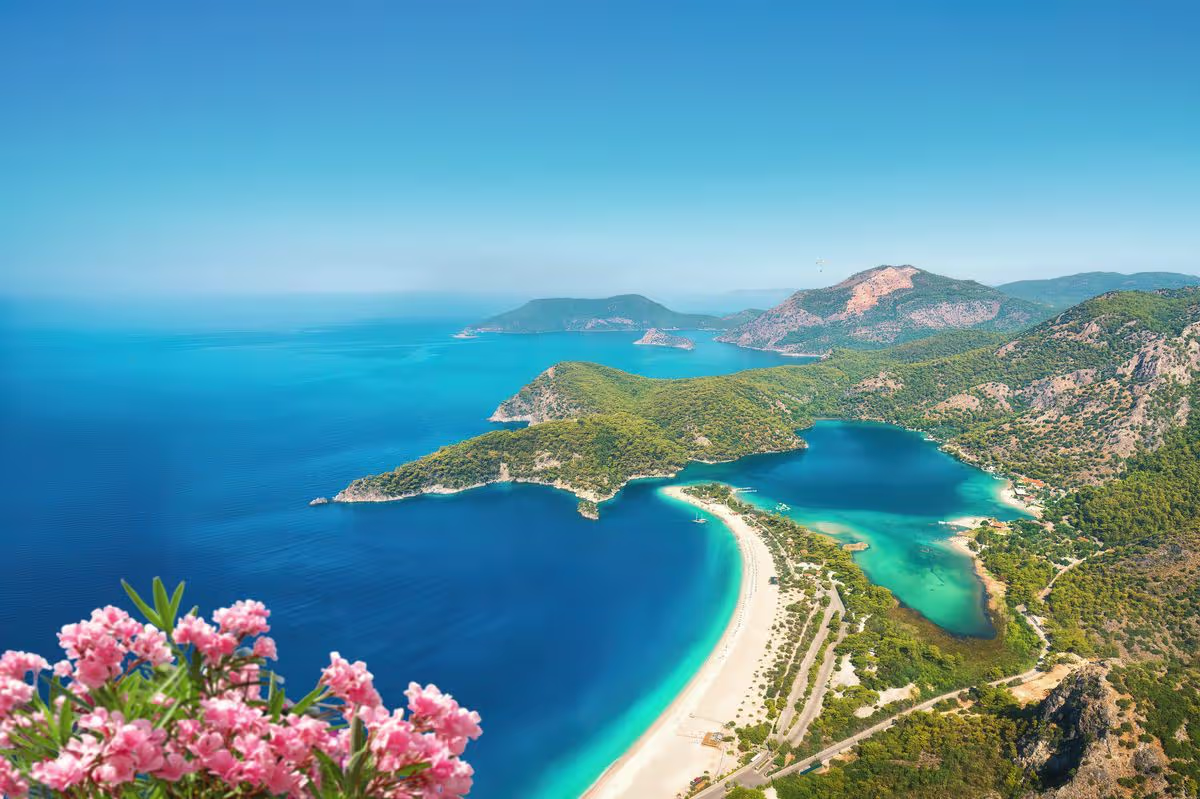
The three countries are popular holiday destinations among Brits, thanks to their sand beaches, crystal-clear blue waters, diverse landscapes and sprawling resorts along the coastlines. They also deliver sunshine and warm weather from early Spring right through until Autumn, and are typically an affordable option for those seeking a sun-soaked getaway.
Many Brits have already secured their getaways to Cyprus, Turkey and Egypt, whether that’s for a stay over Easter or during the summer holidays, or have plans to hit ‘book’. However, the location of the holiday hotspots closer to the conflict in the Middle East than other popular destinations has made the latest Foreign, Commonwealth and Development Office (FCDO) travel advice all the more important.
As of Tuesday, 10 March, the Foreign Office has not added Cyprus, Turkey or Egypt to its ‘no travel’ list. However, there have been several updates that Brits should be aware of. Here’s everything you need to know…
Cyprus
The latest update from FCDO on Thursday, 5 March, which remains in place today, warned that “terrorist attacks in Cyprus cannot be ruled out”. It read: “There is a high threat of terrorist attack globally affecting UK interests and British nationals, including from groups and individuals who view the UK and British nationals as targets. Stay aware of your surroundings at all times.”
The advice adds that terrorist attacks “could be indiscriminate, including in places visited by foreign nationals.” Following the update, the FCDO said the UK Counter Terrorism Policing has information and advice on staying safe abroad and what to do in the event of a terrorist attack.
Despite this, there is currently no advice against travel to Cyprus. However, the Foreign Office warned that the “regional escalation poses significant security risks and has led to travel disruption,” and that “no travel can be guaranteed safe.”
Turkey
The Foreign Office has warned against travel to some areas of Turkey, “due to fighting and a heightened risk of terrorism”. This ‘do not travel’ warning applies within 10km of Turkey’s border with Syria, which was in place before the Middle East conflict. However, there is no FCDO guidance against travel to any of the popular tourism areas such as Antalya, Bodrum, Dalaman and Izmir, which are 1500-1600km from the border with Iran.
There is also a country-wide warning of “high threat of terrorist attack globally affecting UK interests and British nationals”. The FCDO said most of these attacks have taken place in southeast Turkey, Ankara and Istanbul. It should be noted that similar warnings have been in place for a number of other countries long before the Iran war.
In an update last week, the FCDO warned that the “regional escalation poses significant security risks and has led to travel disruption”. However, it does not advise against travel to other areas in Turkey, with most flights and holidays currently going ahead.
Egypt
As it stands, the Foreign Office “advises against all travel to parts of Egypt” and “against all but essential travel to parts of Egypt”. One warning in place is against travel to within “20km of the Egypt-Libya border, except for the town of El Salloum”, where the FCDO advises “against all but essential travel.”
There are also travel restrictions in place for other parts of Egypt, including North Sinai, the Northern part of South Sinai, the Eastern part of Ismailiyah Governorate, the Western Desert, the Hala’ib Triangle and the Bir Tawil Trapezoid.
The FCDO has also warned of a “heightened risk of regional tension” and “escalation that could lead to travel disruption and other unanticipated impacts” for Egypt. There is also a “high threat of terrorist attack” warning in place for Egypt, which was in place prior to the Middle East conflict.
However, the Foreign Office does not advise against all travel to Egypt. They added that around one million Brits travel to Egypt each year and “most visits are trouble-free.”
If you’ve got a holiday on the horizon, it’s best to keep in contact with your holiday provider – although they are currently focusing on those with imminent travel plans. However, given the ever-changing nature of the situation, travel guidance can shift rapidly, and it’s important to check any restrictions before travelling or booking a holiday.
The above travel advice remains current as of Tuesday, 10 March, but it’s best to consult the most recent Foreign Office advice for your destination before finalising any travel arrangements. You can visit the Foreign Office website for information on travel restrictions for each country.
Have you been impacted by travel disruptions? Email webtravel@reachplc.com