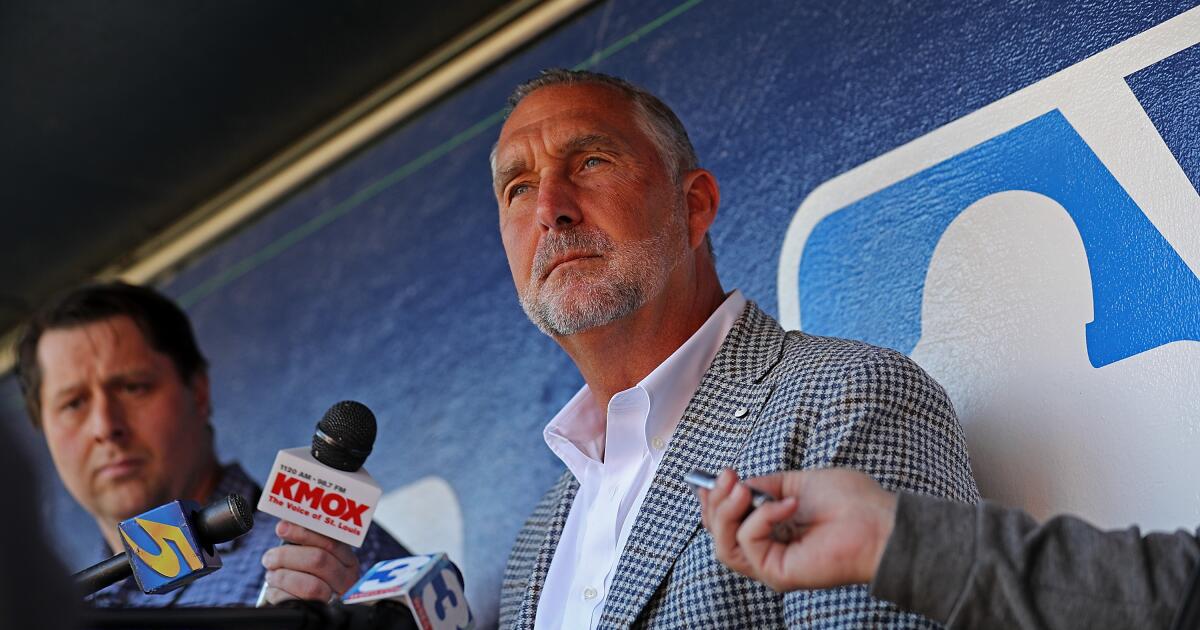
John Mozeliak is in Anaheim for one clear-cut reason: to set the foundation for the Angels to get back on track.
At his introductory news conference at Angel Stadium on Saturday, the team’s new baseball operations consultant and interim general manager laid out his vision for success — while acknowledging recent woes — alongside Molly Jolly, one day after the first-year Angels president relieved general manager Perry Minasian of his duties amid his sixth straight losing season.
“Obviously, [the Angels] lacked consistency in terms of when you think about winning, right? Because that’s the proxy,” Mozeliak said. “There’s a lot of things we can use to determine if the organization is healthy or not. … Where Molly and I are connecting on this is like, we understand wins and losses matter, but how do you get to a place where that becomes consistent?
“Look at the best clubs in baseball [and] what you admire; whether they’re large-market or small-market, they have a philosophy, they have direction, and they stick to it, right? … That’s ultimately what we need to do here, and that’s hopefully something I can help bring to them.”
Mozeliak spent 18 seasons (2008-25) as general manager of the St. Louis Cardinals, a tenure consisting of 10 playoff appearances and a World Series victory in 2011.
The 57-year-old intends to “audit” the Angels in this new role alongside Jolly, with plans to hire a general manager by the time Mozeliak’s contract is up “sometime in December.”
“I brought on board John Mozeliak to assist me in preparing a baseball operation strategy as well as guide me in the search for a new general manager,” Jolly said, mentioning that her decision to fire Minasian and bring in Mozeliak had brewed for weeks.
“I did this because John has a proven track record of building and maintaining winning baseball cultures, and my goal is to bring that here to the Angels.”
Mozeliak didn’t rule himself out as the long-term answer at general manager and was emphatic about not speaking in absolutes. However, the longtime executive said he’d rather help Jolly “bridge the gap” during the Angels’ transformative period before anything else.
The Angels have plenty of gaps entering Saturday’s matchup with the Athletics. The Angels are tied for last in the American League with a 34-49 record while on the road to a 12th consecutive finish out of the playoffs.
And all of that is before mentioning the “sell the team” chants that flood the right-field upper deck at Angel Stadium at each home game oas ex-Angel Shohei Ohtani thrives with the Dodgers.
Mozeliak understands that the Angels have lacked direction in recent seasons. He asked for patience in rebuilding the team alongside Jolly.
“I knew coming in, this isn’t going to be something where Molly and I had a light switch and everything just starts working perfectly,” Mozeliak said. “It’s not going to work that way. … I would ask for some patience. We need a little time to sort of work through this … when we come out on the other end of this tunnel, we hope to be in a very successful place.”
Jolly said of Angels fans’ discontent, “I know what’s happening. I see it, I hear it. Fans have a right to have their voices be heard. Didn’t influence the decision that I wanted to make, but we all want to win. Our owner wants to win. I do. The fans deserve that, and that’s what we’re going to work toward.”
Mozeliak acknowledged he’d already forgotten some names of Angels personnel he was introduced to Saturday. But he also said that first-year manager Kurt Suzuki and the rest of the coaching staff’s jobs are secure through the season.
“I met with most of them this morning, and I told them they’re all fine for this year,” Mozeliak said. “There’s nothing they have to worry about. We’re not making any coaching changes right now. I really just need to get to know them, right?”
Mozeliak spoke to Suzuki on Saturday and said that he and his staff are “very impressive.”
Across the board, Mozeliak — who hasn’t yet met owner Arte Moreno since moving into this role — is focused on knowing who the Angels are at this point, with an “aggressive timeline” looming in the background.
With that said, Mozeliak shared that he isn’t “overly concerned” with the Aug. 3 trade deadline, nor is he worried about the MLB Draft, which starts July 11.
“My philosophy on the draft is to let the scouting director and his team do their jobs,” Mozeliak said. “The only real input I’m going to have is … understanding their process … and then if there are some financial decisions that are being banked into who we pick and why.”
Jolly brought in Mozeliak to help the Angels hire their fourth full-time general manager since 2012.
And while many might believe not much will change as long as Moreno remains the owner, Jolly said she has “autonomy” to assess the Angels’ baseball operations and is “confident in my authority and scope within the organization.”
Those invested in the Angels will believe it when they see it.
“When I think about the Angels right now, I just look at it as a very opportunistic time here,” Mozeliak said. “New leadership on the business side; we’re going to put a great team on the baseball side.
“But it’s going to be a place that I hope, in a couple years, we’re all proud of.”
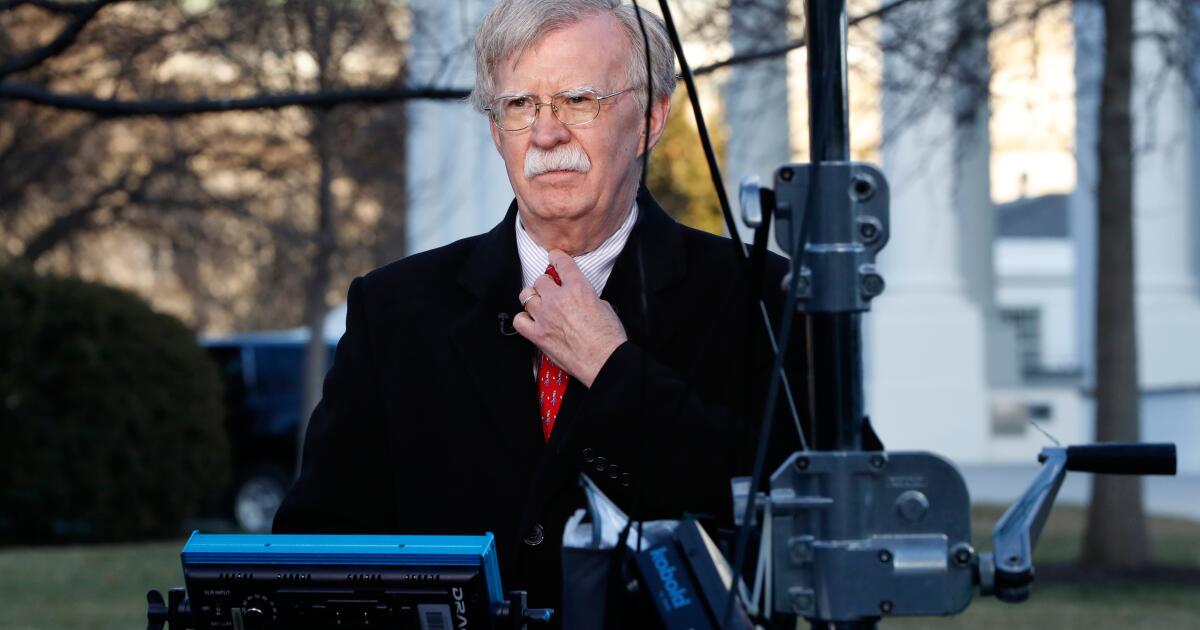
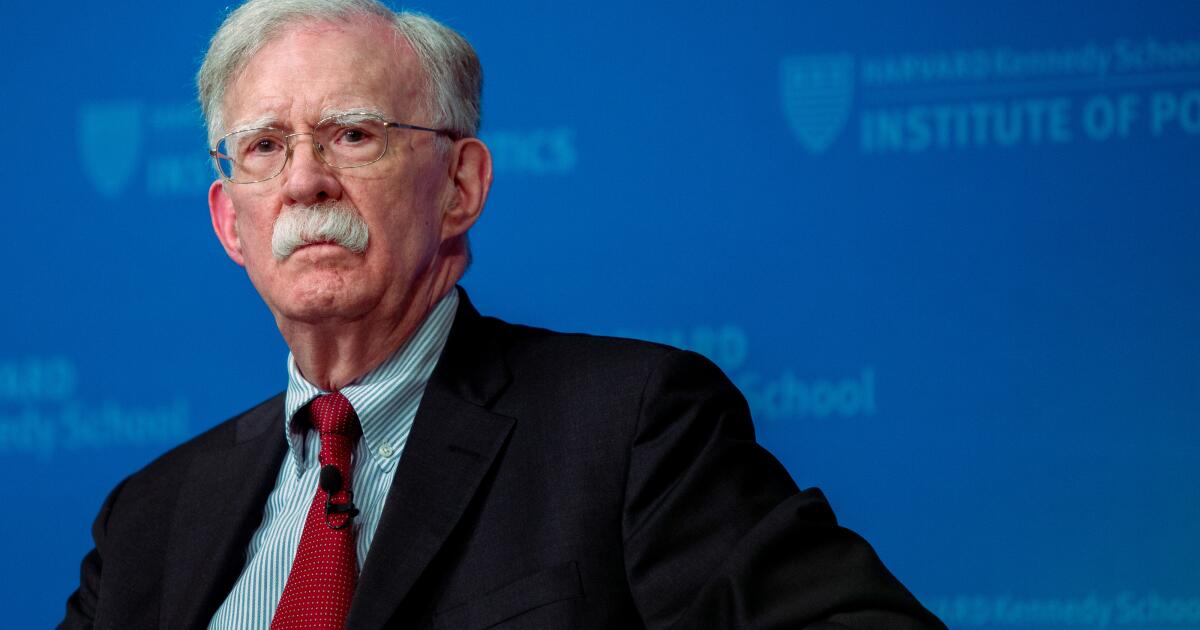
GREENBELT, Md. — Former Trump administration national security adviser John Bolton pleaded guilty on Friday to illegally retaining classified information, sealing a deal with federal prosecutors that could allow him to avoid a prison term.
Bolton, who became an outspoken critic of President Trump after serving in the Republican’s first administration, is scheduled to be sentenced on Oct. 28 by U.S. District Judge Theodore Chuang in Greenbelt, Md.
Bolton pleaded guilty to a single count of illegally retaining classified information. His plea agreement with the Justice Department may enable him to avoid time behind bars, but the judge ultimately will decide his punishment.
The plea agreement recommends capping any prison sentence at five years but the judge isn’t bound by that part of the deal. Bolton can withdraw his guilty plea if the judge issues a longer prison sentence or a fine greater than $2.25 million.
Bolton was charged last October with 18 counts of either retaining or disseminating classified information, including diary-like notes that he shared with relatives as he wrote a memoir about his career in government.
Other Trump adversaries have been charged with federal crimes during his second term in the White House. While some of those cases have collapsed under judicial scrutiny and amid claims of political retribution, Bolton didn’t mount a vigorous defense against his charges before cutting a deal.
FBI agents searched Bolton’s Maryland home and Washington, D.C., office last August, but the investigation began before Trump returned to the White House in January 2025.
Bolton served for more than a year in Trump’s first administration before getting pushed out in 2019. He later published a book called “The Room Where it Happened” that presented an unflattering portrait of Trump’s leadership.
The Trump administration fought unsuccessfully to block the book’s release, claiming it contained classified information that could jeopardize national security. Trump derided Bolton as a “crazy” warmonger who would have led the country into “World War Six.”
Bolton’s indictment focused on notes that he shared with his wife and daughter rather than the contents of his book. After sending one document, Bolton wrote in a message to his relatives, “None of which we talk about!!!” In response, one of his relatives wrote, “Shhhhh,” prosecutors said.
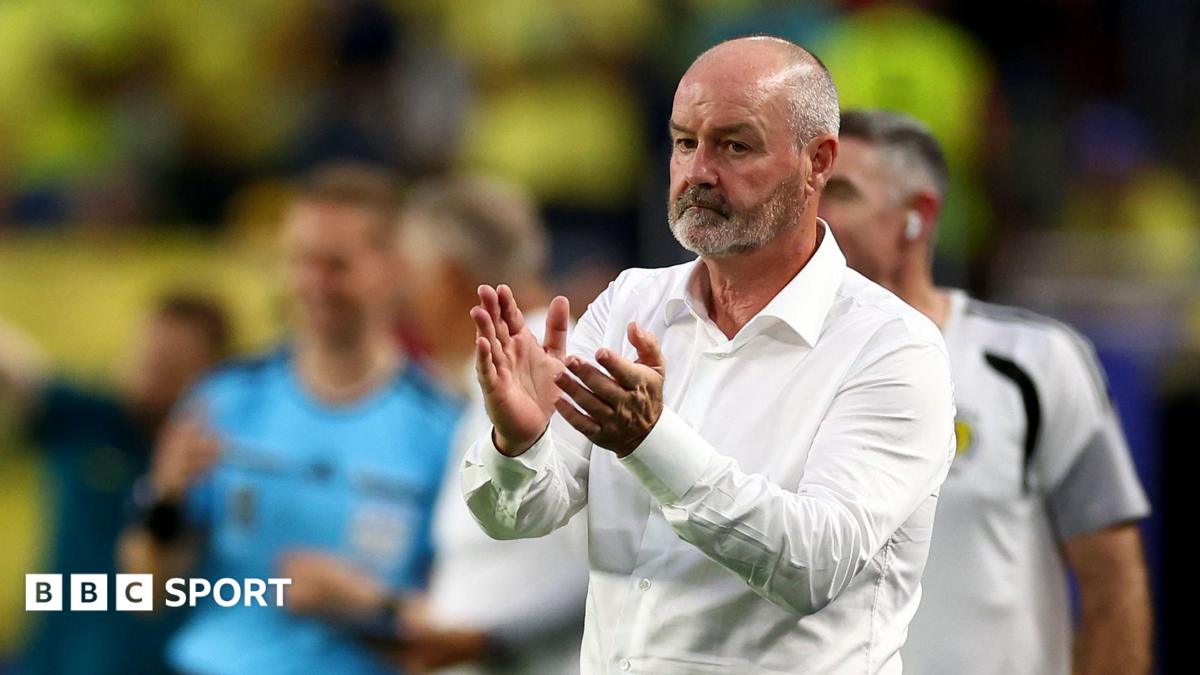
First, Scott McKenna was caught on the ball by Bournemouth forward Rayan and Vinicius Jr skipped past Angus Gunn to score.
Gunn and full-back Nathan Patterson were then caught under a Bruno Guimaraes cross as Vinicius Jr nodded in his and Brazil’s second before half-time.
And Manchester United’s Mateus Cunha made it three after the break on a night where Scotland huffed and puffed, but were ultimately outclassed.
“We lose poor goals at poor times against a team that can punish you with quality,” McGinn told BBC Sport. “We had a few chances but we’ve got to wait now.
“The lads are gutted, we fell short on quality but we gave it absolutely everything. The lads are empty now. It’s unlikely [that we qualify] but we’ll wait and see.
“It’s a bit raw at the minute but we appreciate the support of the fans, we know it’s difficult to be there. Hopefully the journey is not over and if we have to go again, we will go again.”
Juliet Aubrey, who has enjoyed a long and varied acting career, previously recalled her experience working with John Nettles on Midsomer Murders
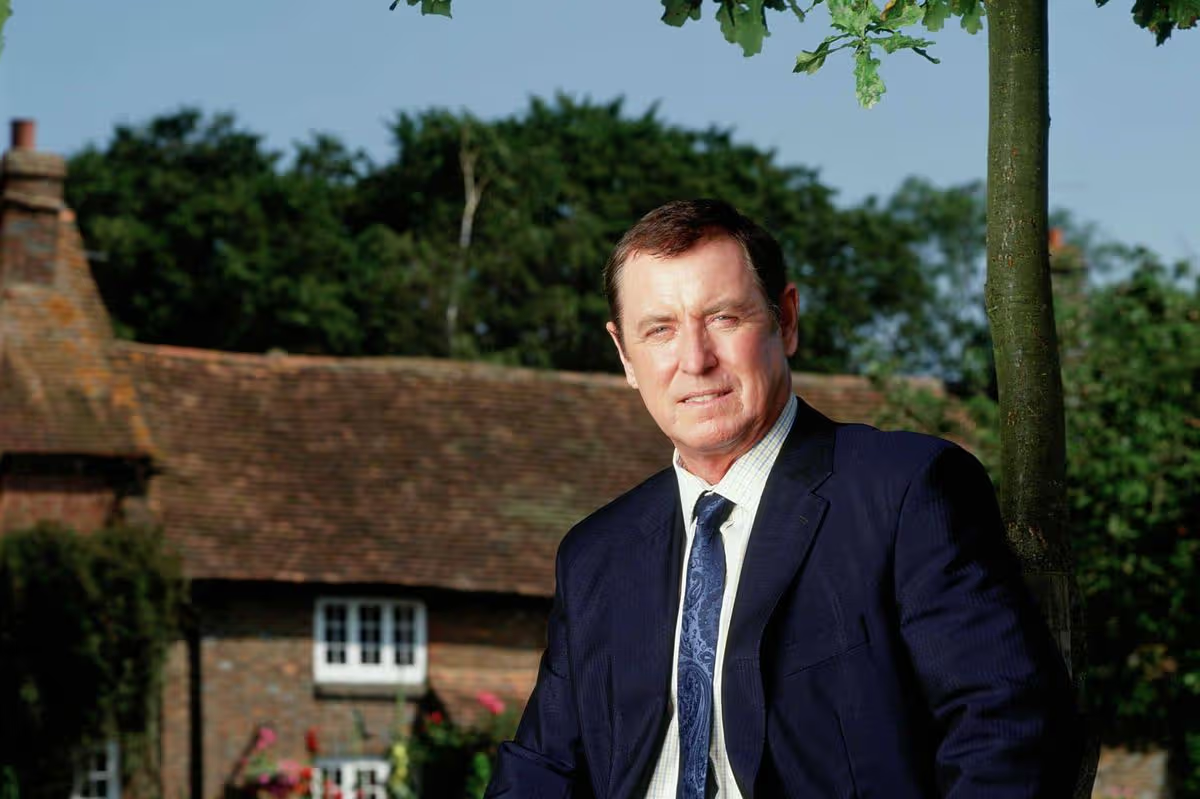
John Nettles starred as DCI Tom Barnaby in Midsomer Murders (Image: Getty Images)
An actress who previously worked alongside John Nettles on Midsomer Murders has used just one word to sum him up.
Juliet Aubrey appeared with the DCI Tom Barnaby star in a 2006 episode, and has reminisced about her experience on the much-loved ITV crime drama.
The screen and stage performer, perhaps best recognised for portraying Dorothea in the BBC’s 1994 adaptation of Middlemarch, which earned her a Bafta, has since appeared in Snatch, Primeval, All Creatures Great and Small and The White Queen.
However, when questioned about one particular role, she had nothing but praise to share.
“That was fun, that was a really fun role because she was quite an extreme character,” Juliet revealed, discussing Midsomer Murders.
She continued: “She’s a horse-riding nymphomaniac basically! [It was] lots of fun doing that.”
Reflecting on her experience with the ensemble, Juliet remarked: “The cast on Midsomer Murders, they were lovely, they were great… John Nettles was wonderful,” reports the Express.
“It’s nice going in and doing a storyline and then coming out and doing something else, rather than being stuck in a series for a long time.”
Despite her extensive catalogue across numerous television programmes, Juliet maintained she doesn’t pick favourites.
She explained: “There are just so many wonderful parts, and at the time you think they’re a favourite and then the next one comes along and you go, this one.
“I mean, there’s so much variety… to be able to asked to play all these very, very different characters, it’s been wonderful, love it.”
Having taken on a variety of screen roles, Juliet has returned to the stage, and is presently appearing in a production of The Marquise.
“I always used to do loads of theatre, that’s my whole background,” she shared.
Discussing the Noel Coward play in which she’s currently performing, she added: “It’s very fast-paced, lots of laughs, and it’s about love and betrayal and lust and hope and new beginnings, all of that, it’s really good fun.”
She continued: “It’s completely different to anything I’ve ever played before. It’s comedy, and it’s really nice to be getting into a really happy place every day, and she’s fantastic.”
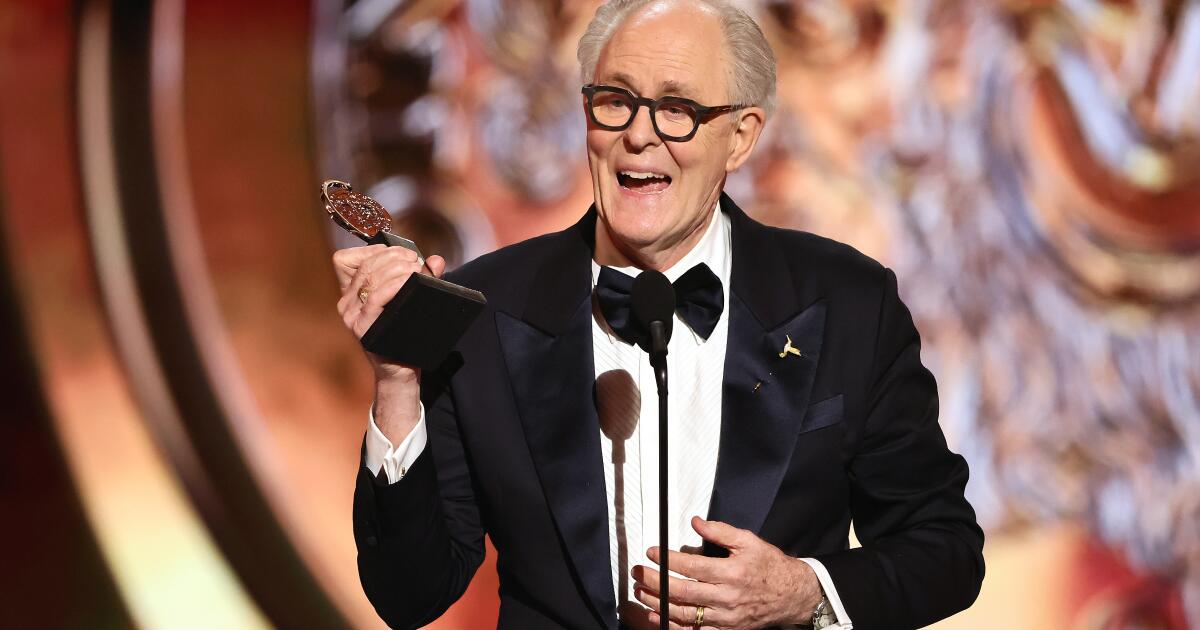
The 79th Tony Awards telecast kicked off with a bang by giving out two major awards in the first 30 minutes — and before viewers could blink both John Lithgow and Laurie Metcalf had each won the third Tony Award of their careers.
Lithgow won best performance by an actor in a leading role in a play for his portrayal of the controversial, beloved British author Roald Dahl in Mark Rosenblatt’s poignant drama “Giant,” directed by Nicholas Hytner. Times theater critic Charles McNulty called Lithgow’s performance “at once terrifying and never anything less than human,” and “one of the bravest” of the Broadway season.
Lithogow’s win, however, was far from assured. He was in the running against Nathan Lane in the season’s most talk-about show’s “Death of a Salesman,” and many bets were surely placed on the latter to sweep.
Lithogow is among a cadre of accomplished film and television actors who have a deep love of the stage. His first Tony win came for best featured actor in a play for his 1972 Broadway debut in “The Changing Room.” His second came 30 years later in 2002 when he he won for best actor in a musical for “Sweet Smell of Success.”
Metcalf won best featured actress for her portrayal of Willie Loman’s protective wife, Linda Loman, in “Death of a Salesman.” This is Metcalf’s third win in less than a decade, and was not a surprise as she has inherited “Helen Hayes’ mantle of First Lady of the American Theater,” according to McNulty.
Perhaps that explains her perfunctory, somewhat rote speech — which still didn’t detract from the joy of her win. Viewers know a towering talent when they see one.
Lithgow, to the contrary, was clearly stunned — and deeply honored.
“I’ve had dozens and dozens of static, ecstatic moments on stage, but I have to tell you right now, this moment has got to be one of the best,” he said as he held his award.
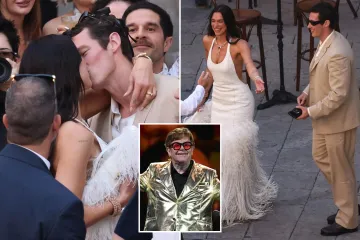
DUA Lipa partied with friends until 6am at the finale of her three-day Sicilian wedding after Elton John sang and played piano for her ceremony.
The Be The One singer, 30, downed Negronis, drank champagne, smoked cigarettes and snogged new husband Callum Turner, 36, through the night, insiders said.
Sign up for the Showbiz newsletter
Thank you!
DUA Lipa partied with friends until 6am at the finale of her three-day Sicilian wedding after Elton John sang and played piano for her ceremonyCredit: Nick Edwards for dailymail.co.ukThe Be The One singer, 30, downed Negronis, drank champagne, smoked cigarettes and snogged new husband Callum Turner, 36, through the night, insiders saidCredit: BackGrid
But The Sun can reveal security downed two drones by jamming their signals after they flew over the party, causing a huge security scare for the A-Lister guests.
We can also reveal she wore two dresses over the course of the night, both believed to have been designed by Donatella Versace.
Both dresses were white and floor length, and described by onlookers as “glittering”.
A spectacular 10-minute fireworks display wowed guests at the ceremony, with music playing into the nightCredit: The SunGuests wept earlier in a hugely emotional moment as Sir Elton John serenaded Dua by playing piano and singing Your SongCredit: ReutersDua Lipa was seen with designer Donatella Versace during the wedding festivities following her marriage to actor Callum TurnerCredit: ReutersSinger Dua Lipa danced with her husband, actor Callum Turner, during wedding festivities following their marriageCredit: Reuters
Guests wept earlier in a hugely emotional moment as Sir Elton John serenaded Dua by playing piano and singing Your Song.
But a source told The Sun there were concerns for the Rocket Man legend, who was visibly struggling with his eyesight and appeared frail as he had to be supported by two men holding him.
A source told The Sun: “He had a person on each arm to guide him because he couldn’t see but he played the piano so well.”
They were then treated to a wedding feast which included a catalan lobster salad, tuna, and pasta with lobster.
Not everyone was happy about the closures in the old town for Dua Lipa’s partyCredit: Andrew Styczynski – Commissioned by The SunSir Elton John was accompanied by husband David Furnish as they left Palermo in a private jet just after 12.30pm local time todayCredit: Andrew StyczynskiThe happy couple said their vows in an outdoor ceremony at Villa Valguarnera, in BagheriaCredit: instagramGuests were treated to a wedding feast which included a catalan lobster salad, tuna, and pasta with lobsterCredit: Reuters
Guests also had cannoli – Sicilian sweet pastry treats.
Sir Elton John left after the dinner, around the same time as Versace left too.
An Albanian community group based in Palermo also danced at the reception for Dua as bands played live music to guests whose cheers could be heard from the neighbouring streets.
Kosovo-Albanian singer Besnik Qaka and his band performed inside the venue in the evening.
A spectacular ten-minute firework display wowed guests at 11.30pm, before they moved inside the Villa Valguarnera for the afterparty. DJs played music including discotech.
A huge security presence threw a ring of steel around the event, and staff all signed NDAs and had to hand their phones in at 11am and did not get it back again until they left in the early hours.
Dua and Callum Said I Do in the Garden before the reception began.
Guests sat on wicker chairs adorned with white ribbon and gifted hand-embroidered white handkerchiefs with ‘Stay Mad with Me Forever’ on them in red.
They also got a white cotton bag with a red ‘D and C’ on the chair, which was filled with biodegradable confetti.
Elton, 79, who flew in by private jet for the ceremony, and Dua are close friends after they collaborated on the track Cold Heart in 2021.
Italian fashion designer Donatella Versace, 71, was also at the wedding, held in the grounds of the 18th-century Villa Valguarnera in Bagheria, and is believed to have designed Dua’s dress.
Yesterday’s service followed an official one at Old Marylebone Town Hall in central London last week.
A-list guests in Sicily included Brit actor Joe Alwyn, American actress Grace Gummer and her husband DJ Mark Ronson, and pop star Charli XCX and her husband George Daniel, the drummer with The 1975.
Some guests were understood to have signed non-disclosure agreements to protect the privacy of the star-studded three-day celebrations, which kicked off on Friday.
A ring of steel surrounded the venue with metal barriers erected along the roads leading to it.
The villa, which featured in the opening credits of HBO drama The White Lotus 2, is widely considered one of the most historically and culturally significant villas in Sicily.
One Kiss singer Dua, who has an estimated net worth of £150million, and Callum hired the venue for a reported £86,000.
It was once a Mafia hideout but has since been taken on by 76-year-old Italian author and translator Vittoria Alliata di Villafranca, the Princess of Valguarnera, who still lives in the estate.
A huge floral installation of white peonies, hyacinth and lily of the valley from a local florist served as the backdrop for the couple’s vows in the striking courtyard.
Meanwhile the grand entrance to the villa was adorned with purple bougainvillea flowers — a defining feature of Sicily.
Dua is understood to have walked down the aisle with her dad and manager Dukagjin through the courtyard. Pale wooden chairs draped with a cream ribbon were arranged for 200 guests in a semicircle for the ceremony.
Wedding favours included white hankerchiefs embroidered in red with “Stay mad with me forever” and there was also a photo booth.
Guests arrived in chauffer-driven cars and were served wine and popcorn while waiting for the ceremony to commence.
The ceremony was followed by a traditional Sicilian menu from chef Tony Lo Coco’s Michelin-starred Bagheria restaurant I Pupi.
Guests then partied into the night with an outdoor DJ set.
Dua and Callum — who is among the favourites to be the nextJames Bond — are staying in a £6,000-anight suite at the five-star 19th Century Palazzo Villa Igiea in nearby Palermo.
They are reported to have reserved two floors of the hotel and are staying in the Donna Franca Suite with the private terrace offering panoramic views of the Tyrrhenian Sea.
They also shut down two city centre squares in Palermo for the first of three days of parties.
But she was criticised by locals who stuck up posters accusing the singer of making their public space a “living room for the rich”. Others said: “Palermo is not for rent.”
Sir Elton John left Palermo in a private jet just after 12.30pm local time today.
The music legend, 79, was accompanied by husband David Furnish, 63, who took a photo of the singer with ground staff.
The £24,000 private jet headed towards Farnborough, near his home in Windsor. Elton was a blue tracksuit while David wore a yellow suit.
Dua Lipa and Callum Turner have said I Do in an extravagant Italian ceremony in front of family and friendsMusic icon Elton John serenaded Dua and Callum with a live rendition of his hit Your SongCredit: AFP
Dua, 30, and Callum, 36, said ‘I Do’ to one another in an outdoor ceremony adorned with high trees at the magnificent 18th century Villa Valguarnera with A-list pals Charli XCX, Mark Ronson and Tame Impala in attendance.
The Sun can exclusively reveal that bride Dua, 30, walked down the aisle with a bridal bouquet made up of lily-of-the-valley, peonies and hyacinths from a local florist.
Amid the vow renewal, music legend Elton John serenaded the couple with a rendition of his smash hit ‘Your Song’ in an incredibly emotional and touching moment.
The special performance prompted tears all round as the 79-year-old belted out the classic love song for his beloved pal and her new husband.
Elton and Dua have been friends for years and previously collaborated on 2021 song Cold Heart (remix) togetherCredit: GettyThe happy couple said their vows in an outdoor ceremony at Villa Valguarnera, in BagheriaCredit: instagramWedding guests have shared glimpses of the special day including these keepsakes, which has Dua and Callum’s initials embroidered onCredit: instagram/lauravandallA-lists guests including Charli XCX, Mark Ronson and Tame Impala are in attendance at the lavish nuptialsCredit: Instagram
Elton, 79, and the Be The One singer have a firm friendship with the two previously collaborating on single Cold Heart back in 2021, a remix of his iconic song Rocket Man (1972).
The ceremony kicked off at 5pm and lasted for around an hour with guests arriving from 3:30pm in a whopping 60 minivans.
The bride and groom turned up in a luxury Mercedes Maybach Class V at 3pm prompt to greet their guests ahead of the nuptials.
Post-ceremony, a posh dinner is expected to be laid on by a two Michelin star chef from Rome, and speeches, before the celebrities dance the night away with a party set to go well into the early hours.
The evening is split into three moments: ceremony in the courtyard, a dinner, followed by an outdoor DJ set by four prominent names on the international music scene.
A huge amp system has been set up in anticipation, with diffusers positioned towards the estate and the villa park to limit sound waves travelling into the Bagheria town
Dua’s wedding dress – a well-kept secret – is rumoured to have been designed by Donatella Versace, who attended a pre-wedding drinks reception last night as she and Callum kicked off their celebrations.
They shut down two city centre squares in Palermo as famous music pals gathered to celebrate the couple.
Dua stunned in a white, backless Bottega Veneta dress and also had a £2580 Bottega Anidamo leather clutch bag and Bulgari jewels – including a classic £185,000 Manchette watch.
Dua and Callum kicked off their wedding weekend with a pre-party in the villa’s courtyardCredit: Nick EdwardsThe two shared a kiss as they partied with palsCredit: BackGrid
She was seen dancing to Le Freak and Kylie Minogue’s Spinning Around.
Waiters later bought out Margarita pizza for guests on silver trays.
A ring of steel was put around the Piazza Sant’Anna and Piazza Croce dei Vespri with police and private security blocking off access to the public.
The Sun revealed that Dua paid £5,000 to residents who live around the Piaza Croce dei Vespri, where the party was held, to thank them.
But she faced a battle against some protestors who stuck up posters in nearby streets accusing the singer of making their public space a “living room for the rich”, insisting: “Palermo is not for rent.”
Dua and Callum are staying in a £6,000 a night suite at the five-star Villa Igiea.
Their Donna Franca suite has stunning views of the Mediterranean Sea and is described as the hotel’s crowning jewel.
WASHINGTON — Former Trump administration national security advisor John Bolton has agreed to plead guilty to a single count of retaining classified information under a deal with the Justice Department that could allow him to avoid prison time, a person familiar with the matter said Thursday.
The deal would resolve a criminal case filed in October that charged Bolton with 18 counts of either retaining or disseminating classified information, including diary-like notes from his time in government that officials say he shared with his family members as he was preparing a memoir about his time in office.
Under the agreement, Bolton would also face a $2.25-million fine, said the person, who insisted on anonymity to discuss a deal that had not been made public. Any prison sentence would be capped at five years, but the agreement allows for him to avoid time behind bars, though the punishment will ultimately be up to a judge.
The case against Bolton, filed weeks after prosecutors secured indictments against former FBI Director James Comey and New York Atty. Gen. Letitia James, unfolded against the backdrop of concerns that the Justice Department was using its law enforcement powers to pursue perceived adversaries of President Trump. The investigation burst into public view last August when FBI agents served search warrants at his Maryland home and Washington office, but it had been well underway by the time Trump returned to the White House in January 2025.
Bolton is a longtime fixture in Republican foreign policy circles who became known for his hawkish views on U.S. power. He served for more than a year in Trump’s first administration before being fired in 2019 and publishing a critical book that portrayed the Republican president as deeply misinformed, an unflattering portrait of his leadership and decision-making.
Trump’s administration fought unsuccessfully to block the publication of “The Room Where it Happened” on the grounds that the book risked disclosing classified information. The plea deal that Bolton will enter covers the notes he shared with relatives as opposed to information published in the tell-all book.
A rearraignment, which typically signals a plea agreement, is scheduled for June 26 in federal court in Greenbelt, Md.
The Justice Department declined to comment.
The indictment’s 18 counts carried a threat of a substantial prison sentence in the event of conviction.
Court documents alleged that he shared with two family members “diary-like” entries with information classified as high as top secret that he had learned from meetings with other U.S. government officials, from intelligence briefings or talks with foreign leaders. After sending one document, Bolton wrote in a message to his relatives, “None of which we talk about!!!” In response, one of his relatives wrote, “Shhhhh,” prosecutors said.
The indictment said that among the material shared was information about foreign adversaries that in some cases revealed details about sources and methods used by the U.S. government to collect intelligence. One document related to a foreign adversary’s plans for a missile launch, while another detailed U.S. government plans for covert action and included intelligence blaming an adversary for an attack, court papers say.
In a statement released after his indictment, Bolton described the charges as part of an “intensive effort” by Trump to intimidate his opponents, to ensure that he alone determines what is said about his conduct.”
Bolton also served in the Department of Justice during President Reagan’s administration and was a State Department point person on arms control during George W. Bush’s presidency.
Bolton was nominated by Bush to serve as U.S. ambassador to the United Nations, but the strong supporter of the Iraq war was unable to win Senate confirmation. He resigned after serving 17 months through a recess appointment that allowed him to hold the job on a temporary basis without Senate approval.
In 2018, Bolton was appointed to serve as Trump’s third national security advisor. His brief tenure was characterized by disputes with the president over North Korea, Iran and Ukraine.
Those rifts ultimately led to Bolton’s departure, with Trump announcing on social media in September 2019 that he had accepted Bolton’s resignation.
Bolton subsequently criticized Trump’s approach to foreign policy and government in his book, alleging that Trump directly tied providing military aid to Ukraine to that country’s willingness to conduct investigations into Joe Biden, who was soon to be Trump’s Democratic rival in the 2020 presidential election, and members of the Biden family.
Trump responded by slamming Bolton as a “washed-up guy” and a “crazy” warmonger who would have led the country into “World War Six.”
Tucker writes for the Associated Press. AP writer Alanna Durkin Richer contributed to this report.
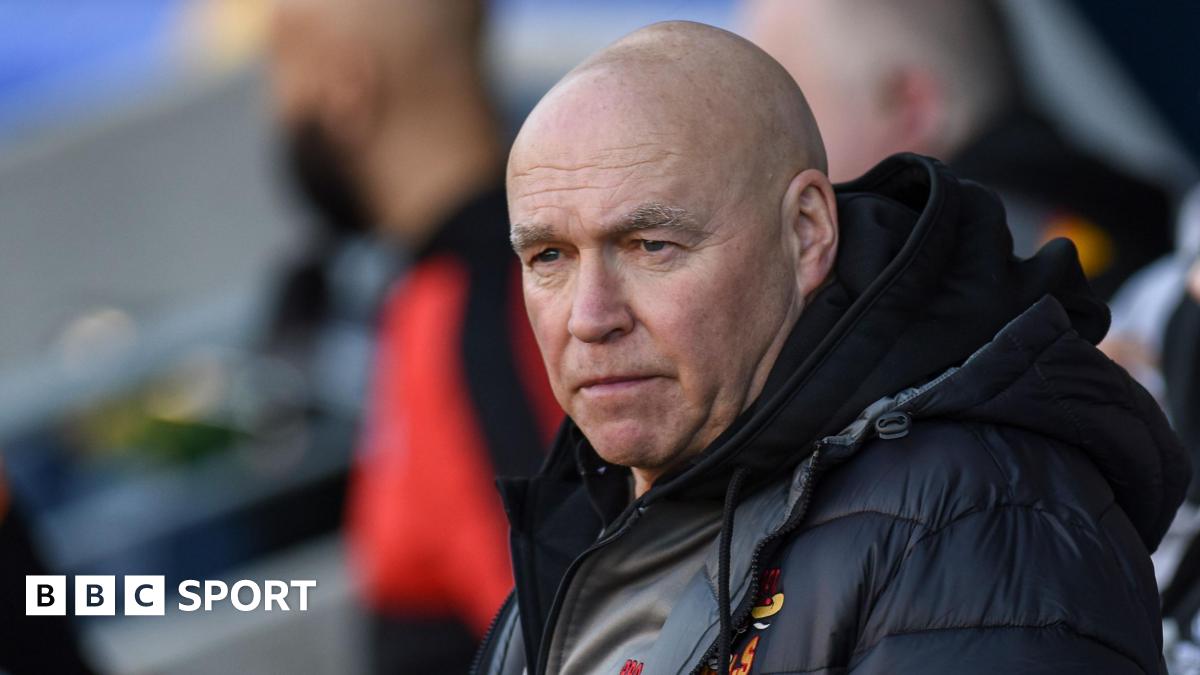
Nigel Wood, chair of the RFL, said that after his 10-year playing career at Cas, Kear had “found his passion for coaching”.
“John was also an excellent broadcast summariser with a great turn of phrase and an undiluted love and positivity for the sport,” he said.
“On behalf of the whole sport, our thoughts and condolences are with John’s wife Dawn, his family, and with those who played or worked alongside him over the last 50 years.”
Commentator Dave Woods, who worked with Kear at the BBC and became a close friend added: “He was a great rugby league man, the most passionate and eloquent of evangelists for the sport, who relished the opportunity to do that on radio and television for the BBC.
“But I’ll remember him as simply the best of blokes, humble, friendly, cheerful, always smiling, always happy to talk to anyone, especially about rugby league.”