Soulection celebrates 15 years with upcoming L.A. show
In 2011, Joe Kay debuted Soulection as a college radio show at Cal State Long Beach, spinning rare B-sides, progressive beats, inventive flips of classic records and soulful underground tracks.
Fifteen years later, the niche local broadcast on K-Beach Radio has ballooned into a cultural movement that extends far behind his alma mater’s campus. Beyond its flagship on Apple Music with nearly 750 episodes (Grammy-winning producer Swizz Beatz was a recent guest DJ), Soulection is also an independent record label, live event and clothing brand. Operating under the banner “the Sound of Tomorrow,” the collective championed artists like Kaytranada, Brent Faiyaz, Bryson Tiller and Snoh Aalegra before they were household names.
Still, Kay remains hungry for more. “There’s so much more to do,” says Kay, who released his first project “If Not Now, Then When?” last year.
“We’re at this breaking point of not just being underground,” he adds. “It’s like we’ve been D-1. We’ve been to the playoffs. Now we’re like how do we get to the championship and not just show up to the championship, how do we win?”
On Saturday, Kay and his tight-knit crew are celebrating Soulection’s 15th anniversary with a festival at Reframe Studios Outdoors in Atwater Village. The lineup includes DJ sets from Kay, Grammy-winning producer and artist Kaytranada, Sango, Esta, DJ Miss Milan (who DJs for Doechii), Ayanna Heaven and surprise guests. (Kay doesn’t even know who all will show up.)
Ahead of the hallmark event, Kay spoke about how he continues to find emerging talent when everyone’s an artist or DJ these days, building long-term staying power, his new dance music concept and why he’s nowhere near done pushing the limits of what Soulection can do.

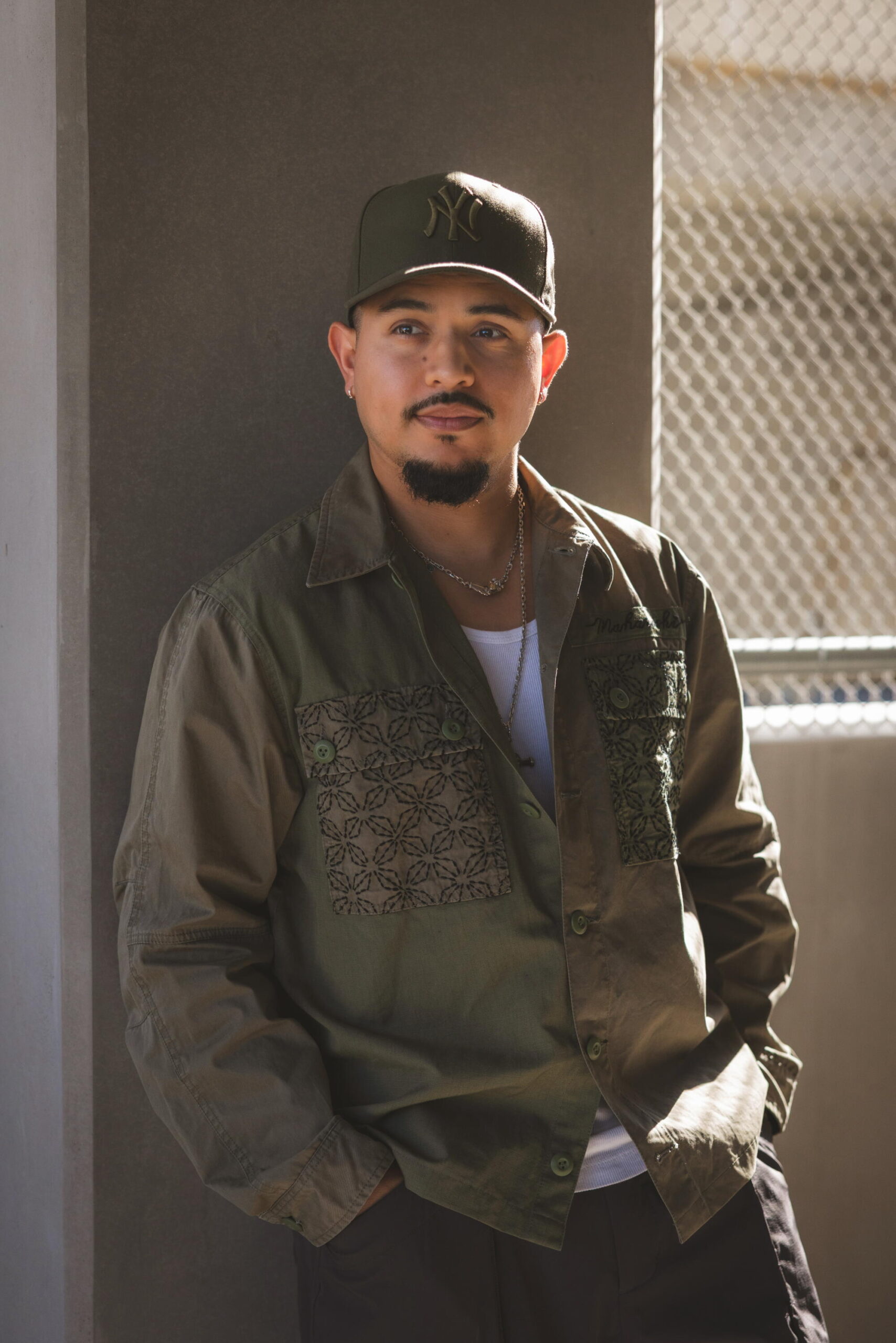
Joe Kay and his team are celebrating 15 years of Soulection on Saturday at Reframe Studios Outdoors in Atwater Village.
(Jason Armond / Los Angeles Times)
This weekend, you are celebrating the 15th anniversary of Soulection with several guests, including Kaytranda, who has been connected to the brand for years but has yet to be on an official Soulection lineup until now. What does this homecoming mean for you?
It’s special. Just having Kaytranada, it’s been long overdue but right on time, and to me that’s all that matters. About four years ago, we did a private party in L.A. in between Coachella, and it was him, Peggy Gou and myself, and it was a really cool party. So we played together, but in terms of a public, front-facing event, this is the first time he’s been on one of our lineups. What I appreciate about him is his work ethic. That man just doesn’t love to DJ, but this man works so hard. I work really hard, and then I see him and it makes me just want to go harder. This man is constantly on tour and he just finds a way to keep putting out music that people care about so much. I think that alignment between him, Esta and Sango is special. Even having Miss Milan, it’s one thing to be a DJ for someone like Doechii, but to also see what she does independently, I really admire that. There’s not a lot of women in the space who are moving like that and are recognized. She’s a boss on stage. Then, Ayanna Heaven is from New York, but she’s Jamaican and we’re lucky to have her.
What else can we expect at the show?
We’ll have a sunset set of Soulection and Friends, so special guests will pop out to do a couple songs. We’re not even sure who’s going to be popping out completely, but we have a handful of names and there’s some good people who I feel like have been part of the Soulection sound and Soulection radio. In London, people were like :We wanted a party. There were a lot of performances.” So now we’re giving people the party and we’re trying to move, but there will be a portion where everyone does a couple of songs. I love how we listen to feedback from one event and we make adjustments. I think that’s part of why we’re still around.
Soulection was pivotal in giving early platforms to artists like Brent Faiyaz, Bryson Tiller and Anderson .Paak before they became global superstars. What is your internal filter for spotting rising talent and has this changed over the years?
It’s a loaded question because talent and gifted people are everywhere. I find those people everyday. But in terms of who has the “it factor,” that one takes more layers. It’s not about “Does this person have to have that ‘factor’ for me to give them an opportunity or to be excited about them?” It’s more so an internal feeling. Nowadays, content is important so it’s the music and it’s mainly how they message themselves. How are they communicating their work, their vision and is it resonating with me? Then I scan their socials. I have no problem following anyone. I’m not one of those guys like “I have to have my following ratio at a certain amount and I’m too cool to follow you.” If I’m interested, I’m interested. I think today it takes a lot more to stand out. It’s a saturated [market], but I feel if you can break off and stand out now, it says a lot more than ever because everyone’s an artist and a DJ. Whereas 10 to 30-plus years ago, it was so much more of a rarity. It was a lot harder to be an artist so now that’s what makes it a bit more complicated.
It’s been over a year since you released your debut project “If Not Now, Then When?” You’ve talked about overcoming impostor syndrome to make it. What did you learn about yourself throughout the process?
It went by really quick. I’m really glad we dropped that project. It taught me a lot. When people ask, “So what do you do? Or can I find you on Apple or Spotify?” It’s nice to have something to direct people to outside of the radio show, there’s a body of work. I get emails every week of how many people are still discovering the music even though it might be old to us. Working on this project taught me a lot about accountability. I realized putting out a project as a label head and allowing artists to share their vision versus how I would do things are two different worlds even under Soulection. I’m so used to being on the executive or A&R side and letting people cook like “We’re here to help market it, but this is your work.” I honestly was proud of it because in my opinion “This is how I think you should do a rollout” and it was nice to show proof of concept. Also, working with all these great artists. I’m still in awe when I think about D-Mile being on two records. Bruno Mars is on tour right now, selling out SoFi Stadium. He’s doing like 8-10 times what we’re doing and D-Mile is a big part of his sound. To know we had him be a part of my project was a blessing and says a lot about the work that has been done.

Last year, you talked about potentially releasing an album this year. Are you still planning to do that?
It truly is extremely difficult to get a project done when you’re on tour and that’s why it didn’t get done. I did about 30 cities and when you’re going city to city, country to country, there’s really no time. When you’re putting together these projects, I feel like you have to literally be stationary for weeks at a time when you wake up and that’s all you think about. It’s very difficult when you’re stopping and going and nowadays. There’s a lot of chasing with the artists. Even if they are down, artists have their own projects, their own rollouts, their own tours. We’ve also been working on this 15-year celebration for the last year and a half, so I would say the album is the next focus.
You’ve been cooking up a new concept called Tempo. Can you tell us about that?
I’m very passionate about Tempo. If I could launch it today, I would. I’ve been using that word so much because I keep trying to tell people we’re trying to make people dance. If the women move and are having a good time, everyone’s moving. That’s why we love dancehall, Afrobeats, amapiano and now as we’ve seen in the last years, Afro House, and these other genres. It’s essentially dance music. I’m also very close to South Africa, specifically Cape Town and Johannesburg. That’s a place I’ve been going since 2015 and I’ve built a really good connection with people out there. As these new subgenres started to come out in like 2018, I’ve been very passionate and researching that music. A couple years ago, I was there and I curated these shows with some really great local artists and producers. I’m just very passionate about trying to push those artists to a higher scale. Imagine Brent [Faiyaz], Leon [Thomas], SiR or Snoh Aalegra or Kwn, hearing their vocals on an Afro House record or just the right tune that has that tempo. Now all of a sudden, you have Shimza, Keinemusik or Francis Mercier playing the records in front of 30,000 to 50,000 people. I feel like we have those relationships with the artists. They need to be told like, “This is who you need to work with. Trust me.” Then bringing them together and not feeling like we have to make it pop or saturate the music or make the drums lighter and more radio-friendly. I think we do it in an organic Soulection style. To me, that’s really the goal of Tempo. It’s not just an event, but it’s also like a sub label of Soulection that focuses on electronic music, a lot of Afro electronic music but not just that — just house music in general. There’s no boxes or boundaries to it. If it moves you, we’re going to put it out.

Joe Kay will be DJing alongside Kaytranda, Sango, Esta, DJ Miss Milan and Ayanna Heaven at the Soulection anniversary show on Saturday.
(Jason Armond / Los Angeles Times)
Looking back on the last 15 years, what are you most proud of what you’ve built with Soulection?
There’s a couple things. One, it’s nice to have my team who have been with us for over a decade. It’s a testament to what we’ve built, that people still want to be here. It makes me feel good that I have a loyal group of people who are my friends, who I’m grateful to call my family and who go up to bat for me and the team everyday. It’s not easy. Now that we’re older, I feel like, we choose to be here. Secondly, to think about all the artists and collectives that have been motivated by Soulection and have gone on to create their own businesses or have gone on to sign to agencies or get a manager. To know they were listening to Soulection at one point, that’s all it was meant to be — to inspire. It’s not about being on Soulection, it’s more of how do you take this motivation and create your own. It’s nice to be a part of that, but also they did the work.
That’s cool because it makes me think of how you were heavily inspired by labels like Stones Throw. You wanted to intern for them, but ended up creating your own thing and now Soulection is a blueprint for others.
I’m still inspired by Stones Throw. They literally just hit 30 years, so they’re literally two times what we’re doing. That had me thinking like, “Damn, what are we at year 30?” To see them still doing it, it’s very admirable. To be [a blueprint] is still great, but I don’t feel complacent. We just feel like there’s so much more to do. You asked, “How do I stay excited to show up to work everyday amongst all the craziness” and I think it’s my curiosity. I’m just grateful to provide for my family and for so many others for just doing something that I love everyday. Being about music, arts and highlighting people, that’s a blessing. I think we can take that for granted, but I don’t and I really do wake up everyday like, “How are we going to change someone’s life?” That’s the best part about it.