Nvidia CEO Jensen Huang’s image tarnished by board investigation, affair, analysts say
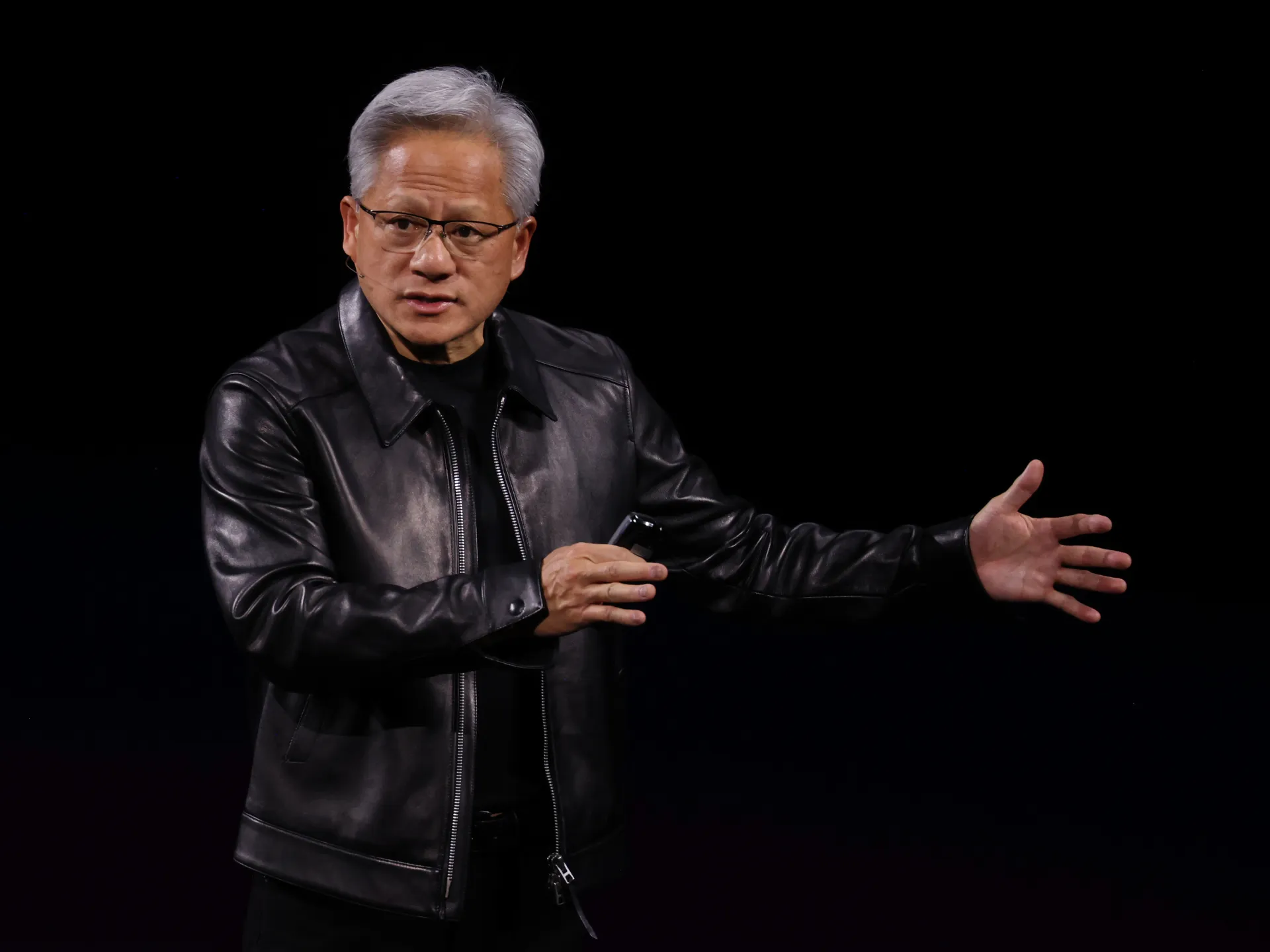
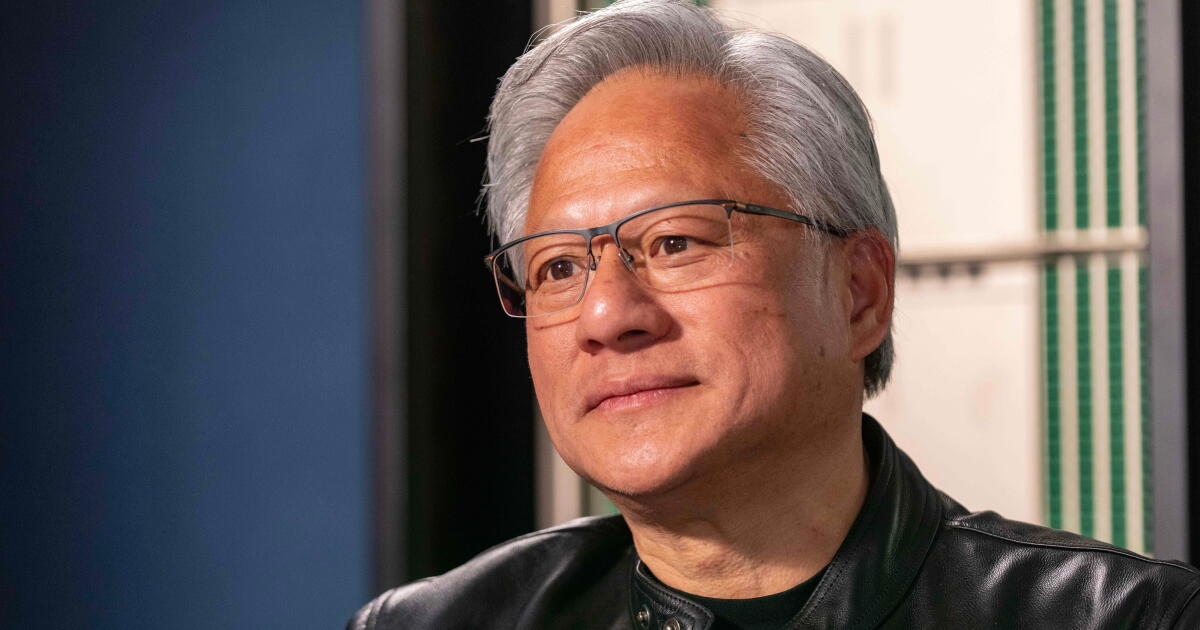
Nvidia CEO Jensen Huang, leader of one of the world’s hottest chipmakers, is under immense scrutiny after he admitted to an extramarital affair, and the company’s board said it plans to investigate him in light of recent reporting that he was the target of a foreign intelligence effort.
The stunning admission follows a series of reports that Nvidia’s leader was targeted by former Megaspeed International executive Alice Huang, who the U.S. government suspects was recruited by a Chinese spy agency. The CEO previously denied having anything but a “normal” relationship with the woman.
Analysts say this will prompt calls for closer examination of tech companies’ dealings with China.
“This is a black eye moment for Jensen and will spark multiple congressional inquiries at a minimum and will create an overhang on the stock for a myriad of reasons,” said Daniel Ives, partner and senior managing director at merchant bank Yorkville Ives & Co. in an equity research note. “This will also increase major scrutiny regarding selling chips to China, which remains a key battleground issue in DC,” wrote Ives, who has an “outperform” rating on the stock.
Nvidia’s board said in a statement on Sunday that it has confidence in Huang and his leadership team. On Sunday in after-hours trading, Nvidia’s stock was $188.70 a share, up about 1%.
“While the Board has no reason to believe that either national security or NVIDIA secrets were compromised, the Board’s inquiry will examine all available information,” Nvidia’s board said.
In a staff memo, Huang apologized to his family and Nvidia employees.
“I was unfaithful to my wife,” Huang wrote. “My actions hurt her and our children. There is no excuse for what I did. I am deeply sorry.”
Huang wrote that he is committed to protecting Nvidia and supporting America’s national security, adding that he is “proud and grateful to be an American” and supports the investigation.
The transgression blemishes Huang’s leadership, which has been admired by many people in Silicon Valley. Huang, a former microprocessor designer and Denny’s dishwasher, discussed the idea behind Nvidia inside a Denny’s in San Jose with fellow entrepreneurs Chris Malachowsky and Curtis Priem. They co-founded the Santa Clara-based chipmaker in 1993.
Since then, Huang’s profile has risen to the status of Apple co-founder Steve Jobs, with thousands of people gathering to hear his keynotes.
The company’s valuation has risen dramatically in recent years alongside AI’s boom. The company reached a record market capitalization of nearly $5.8 trillion in October. That has slipped below $5 trillion, however, weighed down by concern about the sustainability of AI infrastructure build-out.
“It certainly is going to put a cloud over Jensen and Nvidia for a while,” said Rob Enderle, principal analyst at advisory services firm Enderle Group, adding that Nvidia sells products to the U.S. Department of Defense. “If it turns out that he was intimate with the Chinese spy, Nvidia could face some pullback from the U.S. government.”
The company has no public succession plan, and Huang has no obvious heir apparent. He has repeatedly said he wants to continue in his role for decades and has created an informal organizational structure around him that eschews a conventional hierarchy. Instead, his direct reports are tasked with rapidly implementing his decisions.
Huang has said that this system gives his company the flexibility to react to rapid changes in technology and remain agile. But it has also created a situation where there’s no replacement ready to step in and take over Huang’s relentless schedule.
Concerns that sensitive information might leak through Nvidia’s contacts with China have fueled calls for investigations and greater scrutiny of Huang and the company, ratcheting pressure in what has already been a difficult geopolitical balancing act.
“The big issue is China is all out in everything they can do to try to compromise U.S. security, whether it’s running a honeypot scheme or whether it’s blackmailing or extorting existing employees across U.S. firms,” said Ray Wang, principal analyst at Constellation Research. “The issue here is if the extortion resulted in Nvidia making policies or the CEO making policies that would compromise national security. That’s what’s at stake.”
Legislators, including Sen. Chris Coons (D-Del.), said Congress will look into these relationships.
“The more I learn about the insane relationship between the Trump Administration, Chinese spies, and AI billionaires, the more I’m convinced there is nothing this administration does that isn’t corrupt,” Coons wrote on X on Saturday. “Congress will investigate and get answers.”
The White House did not immediately return a request for comment on Coons’ statement or Nvidia’s board investigation.
While Nvidia is allowed to ship a limited range of products to China under a licensing program granted by the current Trump administration, Beijing has restricted imports of the chips — an impasse that continues to curb the chipmaker’s sales in the world’s second-largest economy.
Megaspeed, based in Singapore, has been accused of breaking U.S. export restrictions and smuggling Nvidia chips to China. Huang had told Bloomberg that his contacts with Megaspeed employees were typical of business relationships he has with many Chinese customers and executives.
Bloomberg contributed to this report.