


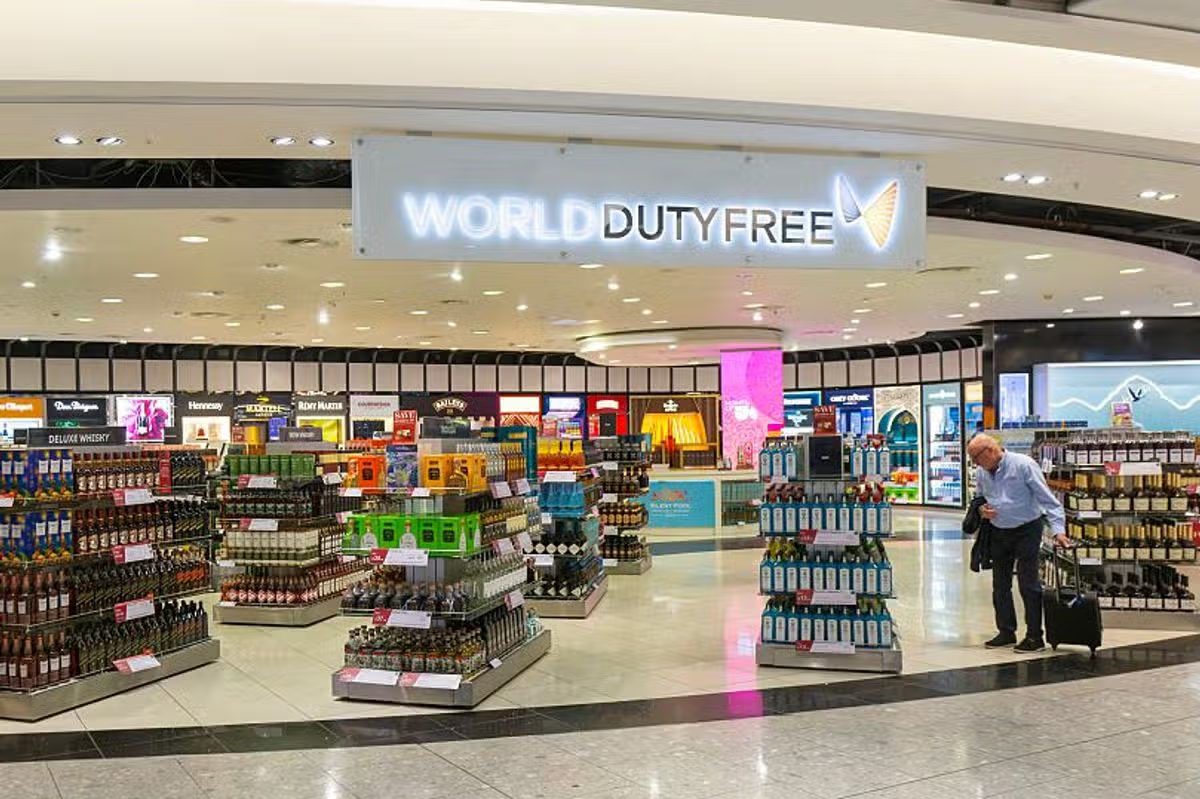
Anyone who is flying back home has been warned about the serious consequences

The items are banned regardless of whether they have been bought at duty free (stock image)(Image: Getty )
Travellers flying home after a holiday are being warned not to bring back certain items, even if they were purchased at a duty free shop. According to government rules, people who disobey risk facing a £5,000 fine or possible prosecution.
In an alert posted on social media by the Animal and Plant Health Agency, Brits returning home should not bring sandwiches, cheese, cured meats, raw meats or milk into Great Britain. The agency also states that this applies regardless of whether it is packed or packaged, or whether it has been bought at duty free.
It explains: “Help protect UK farmers from the devastating threat of African swine fever (ASF) and foot and mouth disease (FMD) by not bringing back meat or dairy products from the EU into Great Britain in your personal luggage. This includes items like sandwiches, cheese, cured meats, raw meats or milk into Great Britain – regardless of whether it is packed or packaged or whether it has been bought at duty free.”
The government agency says it is illegal to bring in most meat and dairy products from abroad for personal use. This is to protect the UK from devastating livestock diseases circulating in Europe and beyond.
Most personal meat and dairy products are now banned from entry into Great Britain. You must not bring in sandwiches, meat (raw or cured, such as ham and salami), dairy (milk, yoghurt, cheese) and animal-derived products. That includes items bought from duty free.
If you declare banned food products to Border Force officers at customs, they’ll take them away and destroy them. If you do not declare banned food products, you could be fined up to £5,000 (in England) or you could be prosecuted. Border Force can take away (‘seize’) your products if they think:
- you’ve brought something into the country illegally
- you’ve brought in too much of a restricted product
- it’s been cross-contaminated, for example with blood from meat – if any clothing or a bag the item’s in is contaminated, it’ll be destroyed
These rules are in place to protect the UK from highly infectious viral diseases of livestock, such as foot and mouth disease and African swine fever. These viruses can persist in meat and dairy products for several months, posing a risk to susceptible animals.
Neither disease affects humans. Livestock diseases like foot and mouth and African swine fever have a devastating impact on animal welfare, farming, trade and affect food security
The Animal and Plant Health Agency reminds travellers: “If you break the rules, you are breaking the law. If you break the rules, you are risking our food and economic security. If you break the rules, you could be responsible for the death of millions of animals. If you are found with undeclared illegal meat and dairy products, you will have these confiscated and risk a hefty fine.”
What are you allowed to bring into Great Britain?
You can bring the following into Great Britain from any country without any restrictions:
- bread, but not sandwiches filled with meat or dairy products
- cakes without fresh cream
- biscuits
- chocolate and confectionery, but not those made with a lot of unprocessed dairy ingredients
- pasta and noodles, but not if mixed or filled with meat or meat products
- packaged soup, stocks and flavourings
- processed and packaged plant products, such as packaged salads and frozen plant material
- food supplements containing small amounts of an animal product, such as fish oil capsules