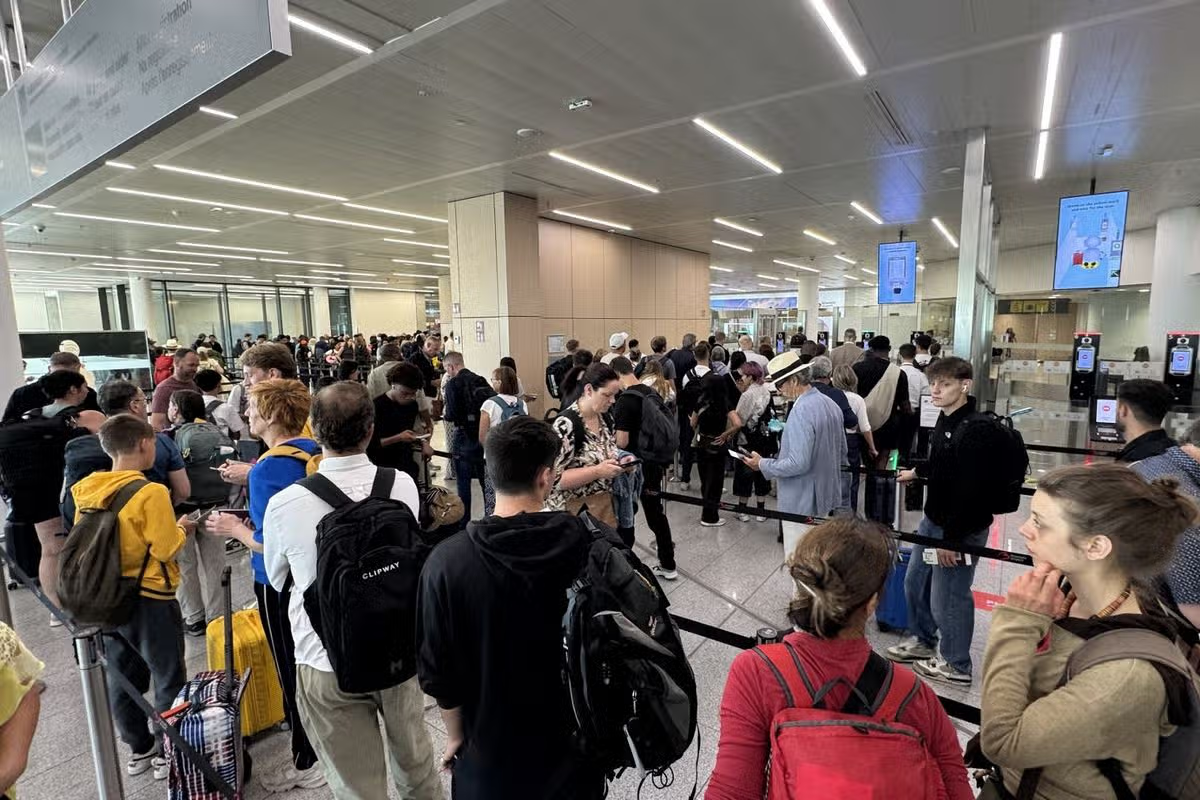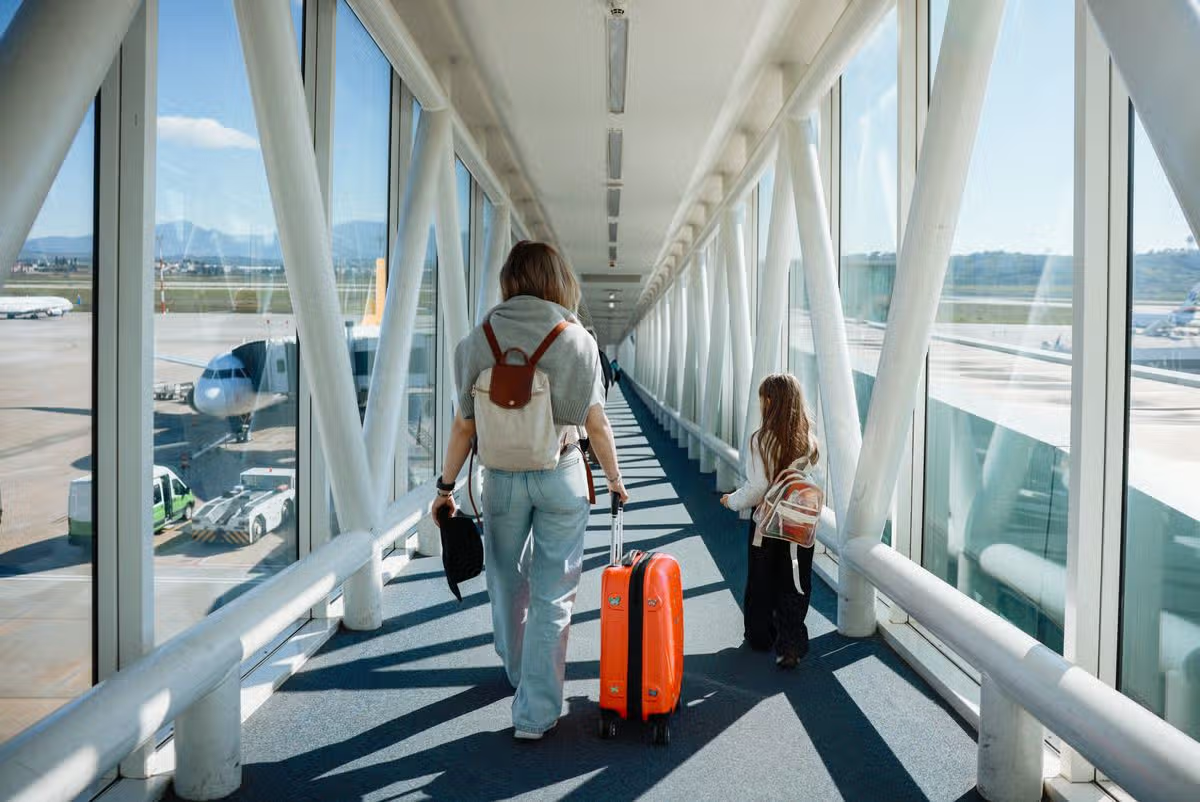
New rules have been introduced at some UK airports, and holidaymakers have been issued a warning ahead of the busy October half-term, as thousands are expected to jet off abroad

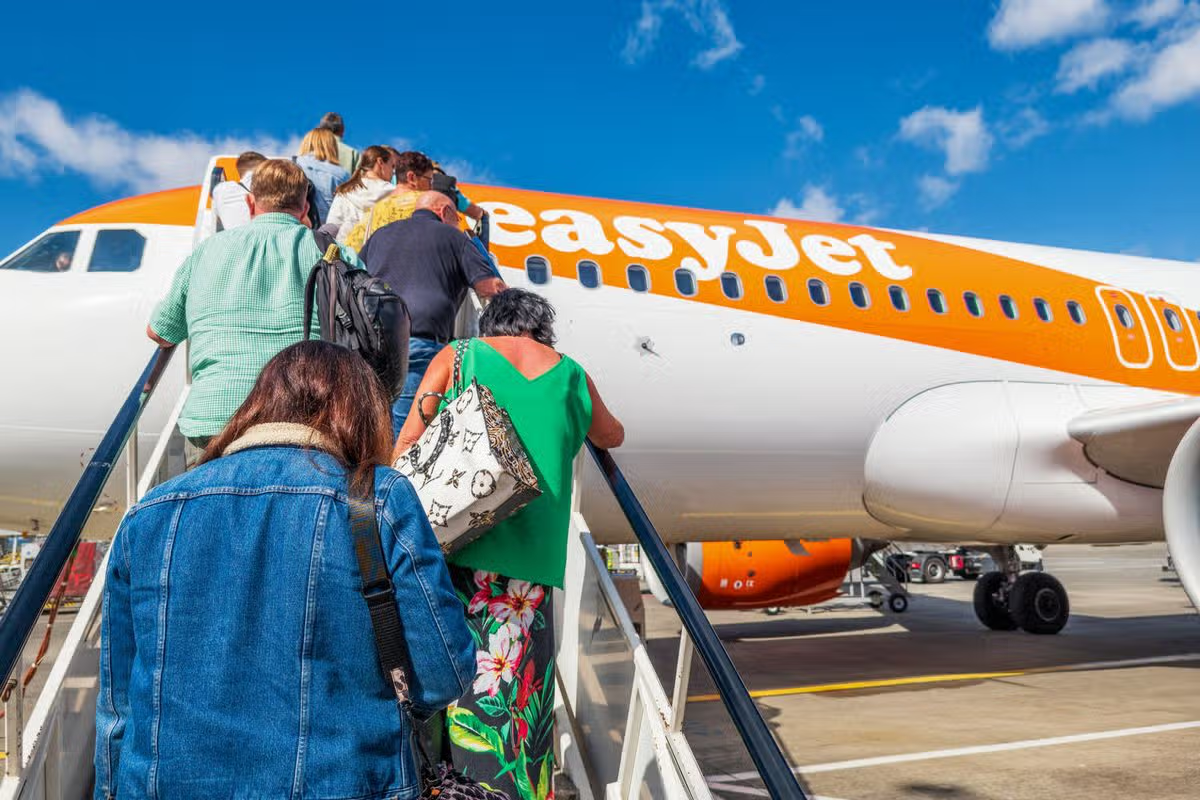
A travel warning has been issued to Brits jetting off abroad(Image: Getty Images/Stock Image)
Airports across the nation will be bracing for another busy travel season as we head towards the October half-term, with thousands of families set to jet off abroad on a sun-soaked getaway. But amid the excitement, holidaymakers have been issued a warning and advised to be well prepared for the new rules.
Some UK airports have upgraded their security scanners, meaning that travellers can carry up to 2 litres of liquid through security and no longer need to remove liquids from their hand luggage. Additional rules have also been introduced for security checks, which can vary from airport to airport, making it even more confusing when travelling abroad.
To ensure that holidaymakers are fully prepared before jetting off abroad in the coming weeks, Heathrow Airport issued an update to all travellers. Taking to X, formerly Twitter, the UK’s largest airport shared its “top tips” for going through security and warned: “Security requirements may vary by destination, both within and outside the UK.”
It comes as Heathrow has upgraded its security scanners. On the airport website, they confirmed: “You can now keep liquids and large electronic items in your cabin bag, so getting through security is quicker and easier”. They then outlined that passengers passing through Heathrow should:
- Keep liquids in your cabin bag
- Carry liquids in containers of up to 2 litres each
- Empty metal and insulated bottles before security. You can refill them after security
- Keep laptops, tablets and other large electronic items in your bag
The change is thanks to new CT scanners that provide security staff with detailed 3D images of bags, allowing travellers to keep their two-litre liquids in their hand luggage when passing through airport security. However, it’s important to understand that “not all airports use the same security equipment”, as Heathrow warned.
They said: “If you’re flying from another UK or international airport, check the local security rules before you travel. Liquid limits and security checks may be different.” They further explained that “many airports outside Heathrow still have a 100ml liquids limit” and it’s best to check the rules before travelling. This also applies to UK airports, with many still obtaining the 100ml rule.
UK airports that have ditched 100ml rule
- Belfast International
- Belfast City
- Birmingham
- Bournemouth
- Bristol
- Edinburgh
- London Gatwick
- London Heathrow
UK airports that still have 100ml liquid rule
- Aberdeen
- Bournemouth
- Cardiff
- East Midlands
- Glasgow International
- Glasgow Prestwick
- Inverness
- Isle of Man
- Leeds Bradford
- Liverpool
- London City
- London Stansted
- London Luton
- Manchester
- Newcastle
- Norwich
- Southampton
- Teesside
While many UK airports still have the 100ml liquid rule in place, some have relaxed measures. A number of airports no longer require travellers to store their liquids in a clear plastic bag, and they can also be kept in their hand luggage when going through security. However, as specific rules can vary, it’s best to check directly with the airport you’re flying from, especially in the run-up to the October half-term.
Do you have a travel story to share? Email webtravel@reachplc.com