Israel attacks Lebanon

Israeli weapon fires tiny metal cubes into people in Lebanon, like Gaza | Israel attacks Lebanon News

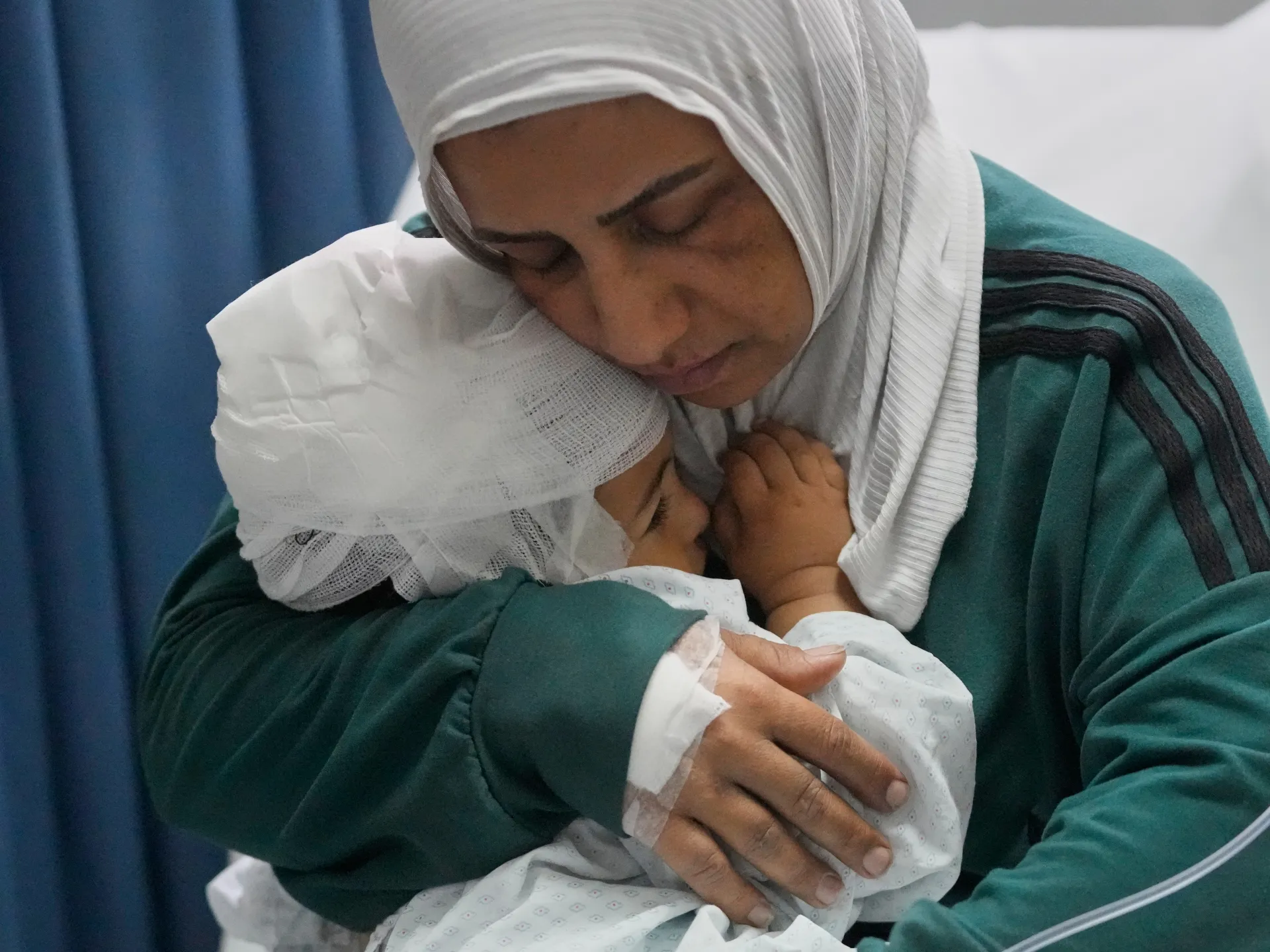
The same tiny tungsten cubes that spray out of Israeli bombs, causing devastating internal injuries to people in Gaza are being found in wounded civilians in Lebanon, war surgeon Dr Tahir Mohammed says. He draws parallels between what Israel is doing in both places and describes the weapons as “indiscriminate”.

Source link

US pushing Israeli de-escalation ahead of new talks: Lebanese official | Israel attacks Lebanon News

Talks between Lebanese and Israeli delegations to be held in Washington, DC, next week, the official tells Al Jazeera.

The United States is trying to de-escalate Israel’s actions in Lebanon as it pushes for solidifying an ongoing ceasefire and moving to the next phase of negotiations between the two sides, according to a Lebanese official.

The official, who spoke to Al Jazeera Arabic on condition of anonymity, revealed on Thursday the details of the planned second stage of negotiations between Israel and Lebanon after an initial round in Washington, DC, in mid-April, which led to the current status quo of a ceasefire being declared but attacks continuing.

Recommended Stories

list of 4 itemsend of list

Delegation-level negotiations will begin on May 17 in the US capital, the official said, adding that the talks will address both security and political tracks to resolve issues of a full Israeli withdrawal from southern Lebanon, borders, prisoners, displaced people and reconstruction.

The Reuters and AFP news agencies, both quoting an unnamed State Department official on Thursday, reported that the upcoming talks are due to be held May 14 and 15.

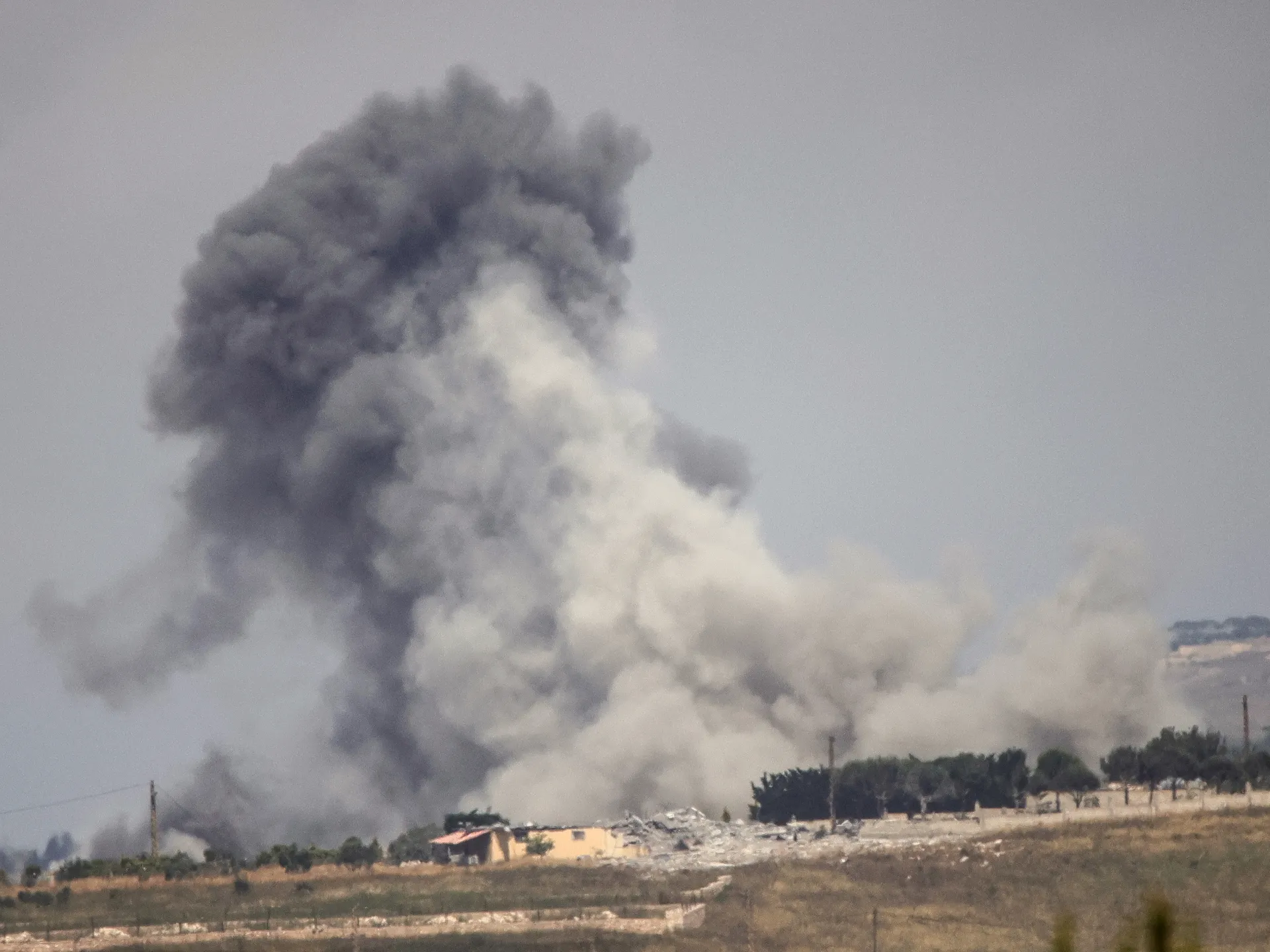
Israel continued to pound southern Lebanon on Thursday, killing one person and injuring several, according to Lebanese state-run media, a day after it targeted a commander of Hezbollah’s elite Radwan Force in the southern suburbs of Beirut.

The strikes put pressure on the Lebanon ceasefire, which emerged in parallel with a US-Iran truce in the wider war in the Middle East. A halt to Israeli strikes in Lebanon is a key Iranian demand in Tehran’s negotiations with Washington.

No peace agreement: Official

The Lebanese official told Al Jazeera that the country’s presidency has been seeking to discuss a final cessation of hostilities with Israel.

The expected step before May 17 is an extension of the truce and an Israeli commitment to a ceasefire, the official said, adding that the recent attack on Beirut’s southern suburbs was an Israeli message intended to obstruct the negotiation process.

Lebanon is not moving towards signing a peace agreement but towards a nonaggression pact, the official said.

The Lebanon ceasefire, announced on April 16 by US President Donald Trump, has led to a reduction in hostilities. The Beirut area, for example, was not struck by Israel for weeks before Wednesday’s attack.

However, since it went into effect, Israel and Hezbollah have traded accusations of violating the ceasefire in other areas, particularly in southern Lebanon.

More than 2,700 people have been killed in the war in Lebanon since March 2, Lebanon’s Ministry of Public Health said. About 1.2 million people have been driven from their homes in Lebanon, many of them fleeing from southern Lebanon.

Israel has announced 17 soldiers have been killed in southern Lebanon along with two civilians in northern Israel.

Source link

US says Hezbollah is ‘trying to derail talks’ with Israel | Israel attacks Lebanon

NewsFeed

US State Department spokesperson Tommy Piggott tells Al Jazeera that the United States is working to create conditions for “good faith conversations” between Lebanon and Israel, while accusing Hezbollah of trying to derail diplomacy through attacks and threats.

Source link

China urges reversal of UNIFIL departure from Lebanon as conflict escalates | United Nations News

The UNIFIL has faced a growing number of casualties as Israel continues air raids despite a ceasefire and Hezbollah has responded with rockets and drones.

China’s ambassador to the United Nations, Fu Cong, has said there is a need to re-examine the UN Security Council’s decision to terminate the mandate of the longstanding peacekeeping mission in Lebanon, which is due to end later this year.

Speaking to reporters on Friday at the UN headquarters in New York, Ambassador Fu expressed China’s deep concern about the situation in Lebanon as Beijing assumed the council’s rotating presidency for May.

Recommended Stories

list of 3 itemsend of list

He observed that a genuine ceasefire did not exist in Lebanon, describing the current state of conflict as merely a “lesser fire”.

“We do believe that we should revisit the decision, actually, to withdraw the UNIFIL,” Fu said, using the acronym for the UN Interim Force in Lebanon.

“I think at least the view of the overwhelming majority of the Security Council is that this is not the time to really, to withdraw the UNIFIL out of that part of the country,” Fu said.

China is waiting for a report from the UN secretariat, expected in June, “before we take our position”, he added.

Fu also said, “It is incumbent on Israel to stop this bombardment of Lebanon.”

China UN Ambassador Fu Cong addresses a United Nations Security Council meeting, Monday, June 30, 2025. (AP Photo/Richard Drew)
China’s UN Ambassador Fu Cong addresses a UNSC meeting in 2025 [File: Richard Drew/AP]

Created to oversee the withdrawal of Israeli troops after the 1978 invasion, UNIFIL saw its mandate expanded after the 2006 war between Israel and the Lebanese group Hezbollah and was responsible for a demilitarised buffer between the opposing sides.

However, the UNSC unanimously resolved last year to begin withdrawing the UNIFIL mission’s 10,800 international peacekeepers by December 2026.

According to Lebanese authorities, Israeli attacks on Lebanon since March 2 have killed 2,618 people and forced more than one million to flee their homes.

The UNIFIL mission has also faced a growing number of casualties. According to UN officials, at least six peacekeepers have been killed and many others injured since Israel began its attack on March 2.

The deaths include soldiers from various contributing nations, including Indonesia and France, who have been caught in shelling incidents and roadside attacks.

UN Secretary-General Antonio Guterres has condemned these incidents, noting that the UN’s “blue helmets” have come under fire while performing essential duties, such as clearing explosive ordnance and escorting logistics convoys.

UNIFIL Head of Mission and Force Commander Major General Diodato Abagnara pays tribute to Sergeant-Chef Florian Montorio, who was killed while clearing a road in southern Lebanon in an attack that UNIFIL peacekeepers and French officials said was likely carried out by Hezbollah, at Beirut-Rafic Hariri International Airport in Beirut, Lebanon, April 19, 2026. Haidar Fahs/UNIFIL/Handout via REUTERS THIS IMAGE HAS BEEN SUPPLIED BY A THIRD PARTY
UNIFIL head Major-General Diodato Abagnara pays tribute to French soldier Florian Montorio, who was killed while clearing a road in south Lebanon [File: Handout/UNIFIL via Reuters]

Source link

Iran war: What’s happening on day 64 as Trump rejects Tehran’s proposal | US-Israel war on Iran News

US President Donald Trump says the latest Iranian peace proposal includes demands he ‘can’t agree to’.

United States President Donald Trump has voiced frustration with Iran’s latest peace proposal, saying “they’re asking for things I can’t agree to”, and cautioning against ending the conflict too early, only for tensions to resurface “in three more years”.

At the same time, Washington has warned that ships paying tolls or fees to Iran to transit the Strait of Hormuz could face US sanctions, signalling a tougher stance on maritime activity linked to Tehran.

Meanwhile, a new Washington Post-ABC News-Ipsos poll shows 61 percent of Americans believe Trump’s use of military force against Iran was a mistake.

Here is what we know:

In Iran

  • Fourteen soldiers were killed on Friday during operations to defuse unexploded ordnance in the northwestern Zanjan province, local media reported.
  • Supreme Leader Mojtaba Khamenei urged his people to wage economic battle and “disappoint” its enemies, as the war with the US and Israel and years of sanctions take a toll.
  • The Islamic Revolutionary Guard Corps (IRGC) Navy said it would enforce “new rules” over waters near its coast, aiming to turn them into a “source of security and prosperity” for the region.

War diplomacy

  • The US Department of State imposed new measures on entities linked to Iranian petroleum exports, including China-based Qingdao Haiye Oil Terminal, accusing it of importing millions of barrels of sanctioned crude and enabling billions in revenue for Tehran. Beijing rejected the move as unlawful “unilateral sanctions”.
  • The State Department said it cleared more than $8.6bn in military sales to Israel, Qatar, Kuwait and the United Arab Emirates.

In the US

  • Trump said he was unhappy with Iran’s new proposal for peace talks, which Iran’s state news agency IRNA said was delivered via mediator Pakistan. “They’re asking for things that I can’t agree to,” he said.
  • Analyst Sultan Barakat said Iran and the US are “really desperate” to end the war in a way that allows them to “save face”.
  • Trump told top US lawmakers that hostilities in Iran had ended, after coming under pressure from Congress to seek authorisation for the conflict as it headed into its third month.
  • The US Treasury Department slapped new sanctions on three Iranian foreign currency exchange firms to try to stem the flow of Tehran’s “financial lifelines”.
  • The USS Gerald R Ford left the Middle East after taking part in operations against Iran, a US official said, according to reports. Two other aircraft carriers – the USS Abraham Lincoln and USS George HW Bush – are among 20 US ships still in the region.
  • Mark Cancian of the Center for Strategic and International Studies said US military capability “has not changed” as Washington returns to its typical posture of two carrier groups.
  • “The Ford carrier group had left the United States last June, and its deployment has been extended twice. The crew and the ship are tired, so the United States is sending the group home,” he added.
epa12858426 The US Navy aircraft carrier USS Gerald R. Ford (CVN-78) sits anchored in Split, Croatia, 29 March 2026. The ship arrived for repairs following a non-combat fire during operations in the Red Sea. The world's largest carrier, which recently supported Operation Epic Fury, transitioned to the NATO-allied port after a March 12 laundry room fire injured three sailors and damaged sleeping quarters. The vessel remains a centerpiece of US naval power, housing over 5,000 crew members and 75 military aircraft. EPA/STRINGER
USS Gerald R Ford anchored in Split, Croatia, March 29, 2026 [EP]

In Lebanon

  • Lebanon’s Ministry of Public Health said 12 people were killed on Friday in Israeli strikes on the country’s south, including in a town where Israel’s army had issued a forced displacement order despite a ceasefire.
  • Lebanon’s parliament speaker, Nabih Berri, said Israel is using the ceasefire as cover to intensify attacks.

Source link

Iran war: What’s happening on day 63 as Trump signals possible attacks | US-Israel war on Iran News

Iran’s president calls the US siege ‘intolerable’ as Donald Trump says war may resume.

Tensions remain high across the region, with Iran, the United States and Israel trading warnings as violence continues.

Iran’s President Masoud Pezeshkian has described the US naval siege of Iranian ports as an “extension of military operations” that is “intolerable”, while US President Donald Trump said Washington “might need” to restart the war, adding that only a handful of people know the details of ongoing talks.

Here is what we know:

In Iran

  • Air defences activated in Iran: Air defences were heard in the Iranian capital, Tehran, on Thursday night after being activated to counter small aircraft and drones, Iran’s Tasnim and Fars news agencies reported.
  • Iran accustomed to harsher sanctions: Analysts say Tehran entered the blockade prepared, with oil stockpiled at sea, high prices cushioning the impact, and a large domestic market, noting the country is used to “much harsher” conditions after years of pressure.

War diplomacy

  • Impasse likely despite pressure tactics: Retired US General Mark Kimmitt said Iran’s strategy of military pressure and economic pain is unlikely to force Washington into talks, warning “the compass needle doesn’t change” and a deadlock could persist, though mounting international pressure would likely push for negotiations and prevent Tehran from asserting control over the Strait of Hormuz.
  • US urges meeting of Israel, Lebanon: The US embassy in Lebanon called for a meeting between Lebanese and Israeli leaders as the Lebanese Ministry of Public Health said Israeli strikes on the country’s south killed at least 15 people despite an ongoing ceasefire.
  • Trump mulls US troop cuts in Italy, Spain: The US president said he may pull US troops from Italy and Spain due to their opposition to the Iran war, a day after proposing a similar reduction in Germany.

In the Gulf

  • UAE urges citizens to leave Iran, Lebanon and Iraq: The United Arab Emirates has banned its citizens from travelling to the three countries and called on those already there to leave immediately and return home, citing regional developments.

In the US

  • Trump signals Iran war still possible: The US president said he has not ruled out restarting the war, claiming Iranian leaders “want to make a deal badly”, while touting damage to Iran’s drone and missile capabilities and predicting falling petrol prices once the conflict ends.
  • Hegseth on civilian deaths: US Defense Secretary Pete Hegseth told senators the Pentagon has “every resource necessary” to limit harm to civilians, after lawmakers pressed him over a strike early in the war that killed about 170 people at a primary school in Iran.
  • He said human oversight remains in place when AI is used in military decisions. The US-based Human Rights Activists in Iran news agency says at least 1,701 civilians have been killed in the war, including 254 children.
  • Hostilities ‘terminated’: For War Powers Resolution purposes, US hostilities with Iran that began in February have now “terminated”, a senior official in the US administration said. “Both parties agreed to a two-week ceasefire on Tuesday, April 7, that has since been extended,” the official said. “There has been no exchange of fire between US Armed Forces and Iran since Tuesday, April 7.”

In Israel

  • Israel warns Iran: Israel’s defence minister Israel Katz said his country may soon have to “act again” against Iran, to ensure the Islamic republic “does not once again become a threat to Israel”.

In Lebanon

  • Deadly Lebanon strike: Israeli strikes on three south Lebanon villages killed nine people, among them two children and five women, according to Lebanon’s Health Ministry, nearly two weeks into a ceasefire between Israel and Hezbollah.
  • Two Israeli soldiers wounded in Lebanon: Two Israeli military personnel were injured after an explosive drone detonated in southern Lebanon, according to the army. An officer and a non-commissioned officer sustained moderate wounds and were taken to hospital for treatment, Israeli media reported.

Global economy

  • Oil at four-year high: Oil prices soared to four-year highs, with the US crude benchmark Brent for June delivery spiking more than 7 percent to $126.41, while West Texas Intermediate was up 3.4 percent to $110.31, before later paring gains.

Source link

Lebanese girl mourns paramedic father killed in Israeli strike | Crime

NewsFeed

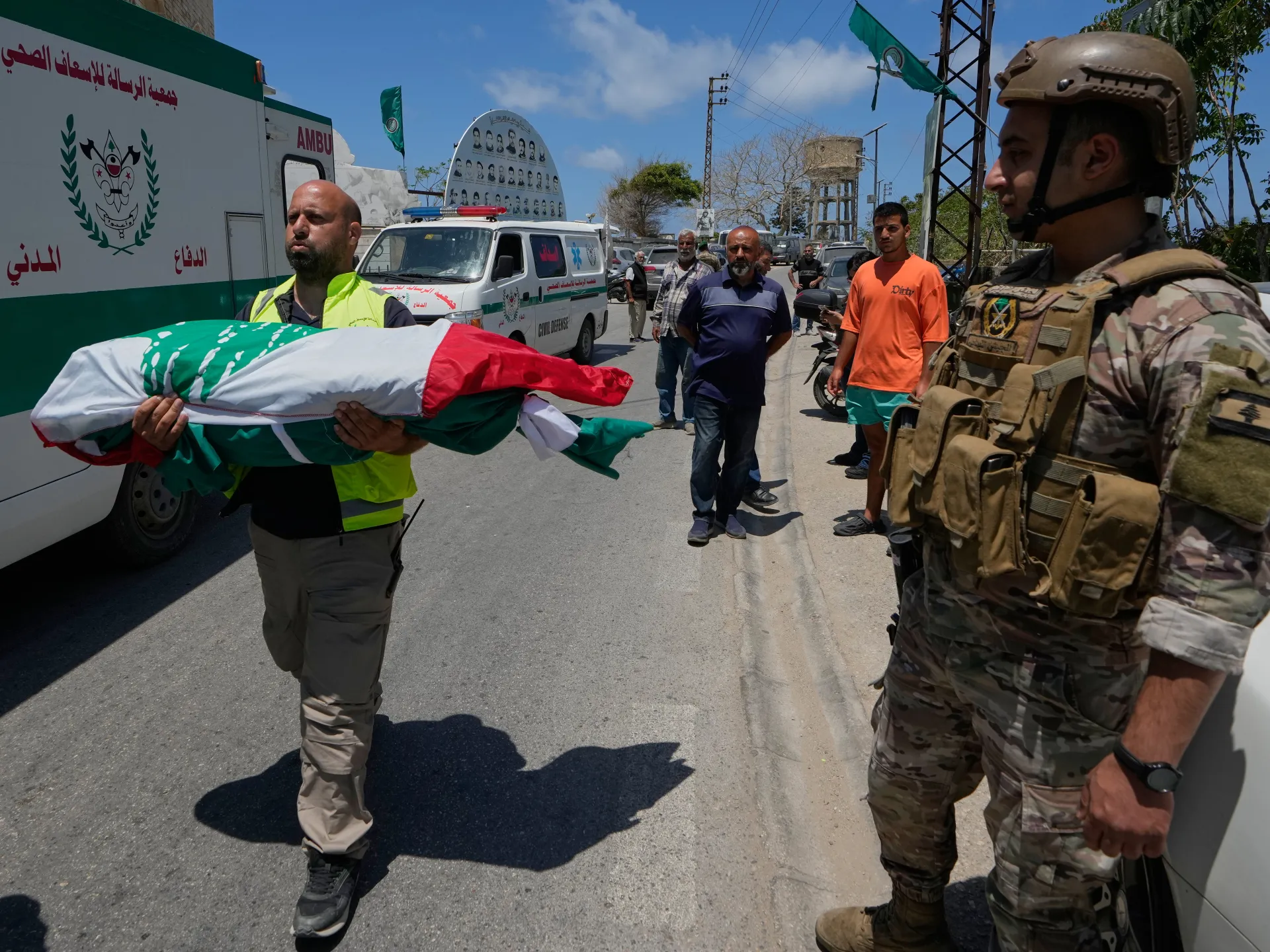
A young girl in southern Lebanon joined hundreds mourning her father, one of three paramedics killed in an Israeli “double-tap” strike during the US-brokered ceasefire. At least 95 emergency responders have been killed in Lebanon, a pattern the UN says may amount to a war crime.

Source link

Civilians or Hezbollah: Who did Israel hit on Lebanon’s ‘Black Wednesday’? | Israel attacks Lebanon News

Beirut, Lebanon – On April 8, Ahmad Hamdi, 22, was sitting on his couch at home in Beirut’s Tallet el Khayat neighbourhood, hours after Israel had launched more than 100 attacks in under 10 minutes across Lebanon.

Then he heard the “indescribable sound” of a rocket. Ahmad jumped off the couch as the glass in his building shattered around him before more rockets hit.

Recommended Stories

list of 3 itemsend of list

Clouds of dust obscured the view from his apartment on the fourth floor. When they dispersed, he saw the building directly facing his had been reduced to a pile of rubble.

He looked back at the couch he had been sitting on. At some point between the second and fourth explosion, shards of shrapnel had hit the couch exactly where his chest had been when the first rocket struck.

“When you think of Tallet el Khayat, you feel it is safe and secure,” Ahmad told Al Jazeera. “No one would expect something like that would happen.”

Indiscriminate attacks

April 8 has become known in Lebanon as Black Wednesday. Israel’s attacks on that day killed at least 357 people across the country. Israel claimed it killed 250 Hezbollah operatives. The exact breakdown of civilians and combatants is still not known, but numerous sources looking into the day’s casualties told Al Jazeera that the attacks appeared to be indiscriminate at best and in some cases may have amounted to the direct targeting of civilians. United Nations experts have described Israel’s attacks on April 8 as “indiscriminate”.

“The method in which the attacks happened in the middle of the day with dozens of strikes all at one time without warning and when civilians were present shows recklessness in Israeli military conduct,” Ramzi Kaiss, Lebanon researcher at Human Rights Watch, told Al Jazeera.

On March 2, Israel intensified its war on Lebanon for the second time in under two years. Earlier that day, Hezbollah had responded to near-daily Israeli attacks on Lebanon for the first time since December 2024 in response to the United States and Israel’s assassination of Iran’s Ayatollah Ali Khamenei.

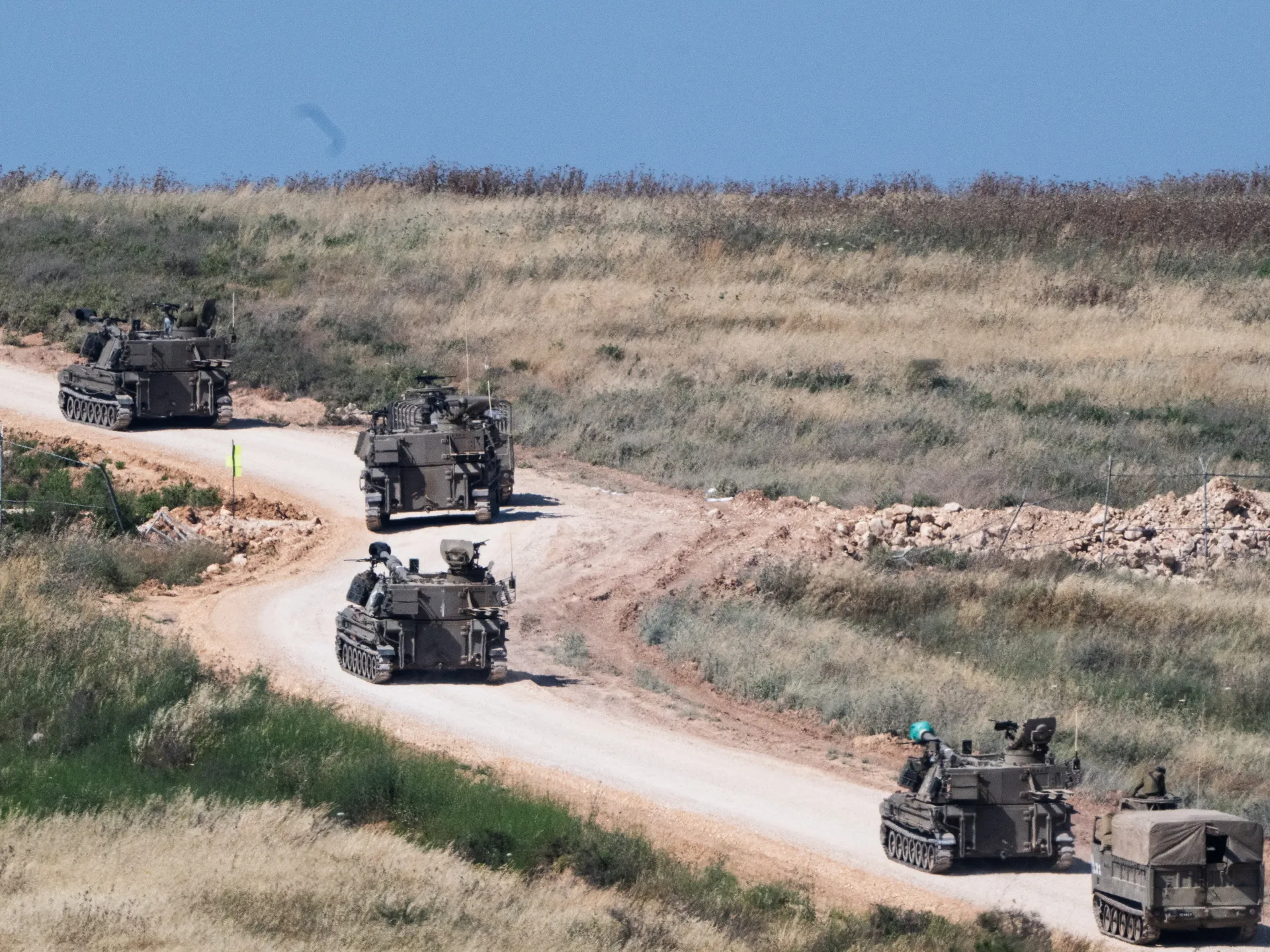
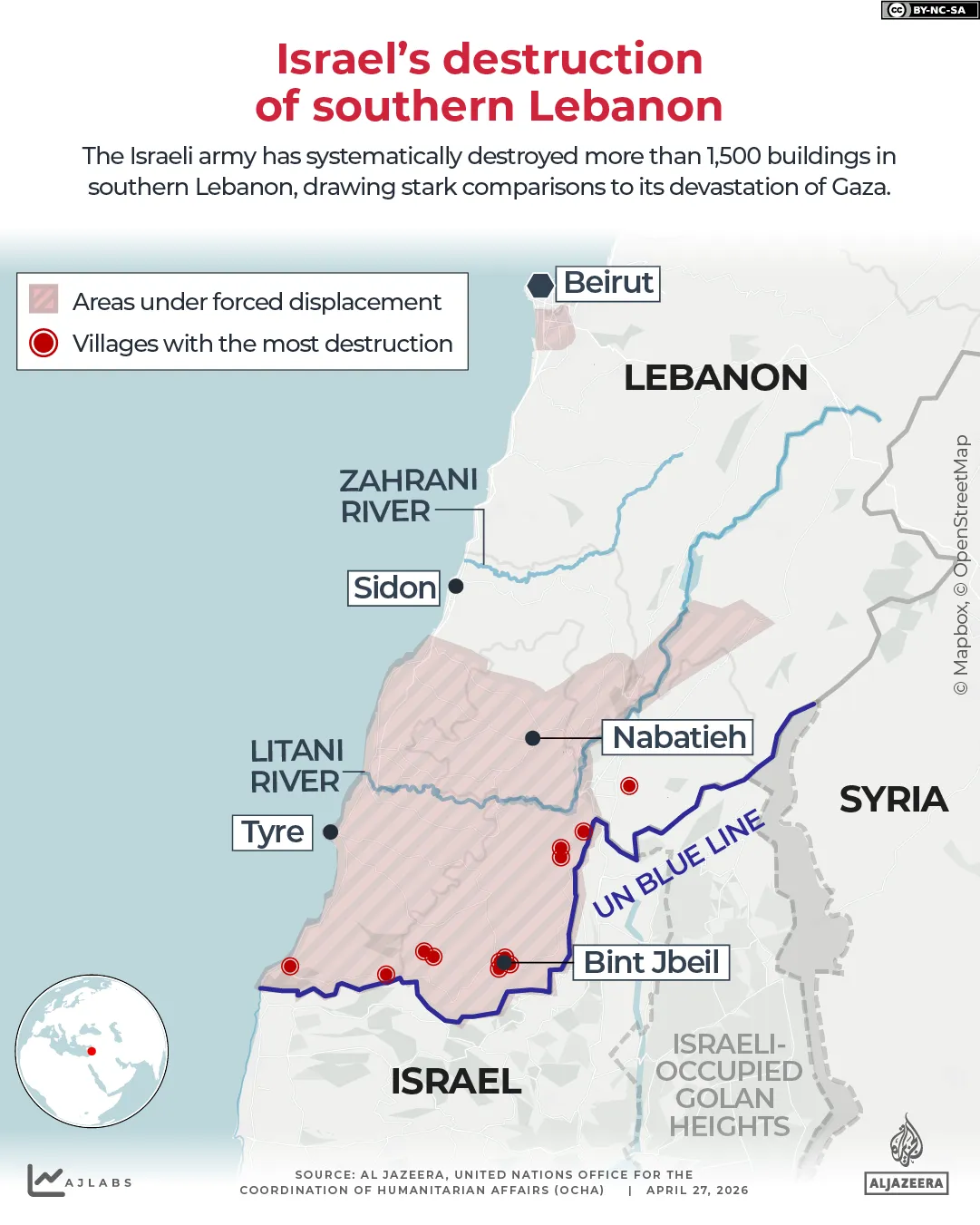
Israel also invaded southern Lebanon, where it has gone about systematically destroying towns and villages in what experts – and Israeli officials – said is an effort to create an uninhabitable “buffer zone” along its border.

“Part of [Israel’s] military strategy is to create a buffer zone and no man’s land,” Bassel Doueik, the Lebanon researcher for the Armed Conflict Location & Event Data (ACLED) conflict monitor, told Al Jazeera. “What Israel is doing in southern Lebanon is creating a multilayered buffer zone inside Lebanese territory and that is why they are demolishing houses in towns along the border.”

Israel has not stopped attacking Lebanon since October 2023 and has violated a November 2024 ceasefire more than 10,000 times, according to the UN. Most of its attacks have been in southern Lebanon and the Bekaa Valley in the east.

Doubts about Israel’s claims

Israel conducted 100 air strikes and dropped more than 160 bombs across Lebanon on April 8, according to ACLED.

Israel claimed the attacks targeted Hezbollah headquarters, command-and-control sites, military formations and assets of its air force unit and elite Radwan Force.

Hezbollah discontinued the practice of providing the circumstances of its fighters’ deaths in September 2024. The Lebanese group does conduct some public funerals for fighters killed during the battles in southern Lebanon, but it is difficult to ascertain the exact number of those killed, making it hard to prove or disprove Israel’s claims.

But groups investigating the April 8 attacks said the available information casts doubt on the Israeli narrative. Analysts with ACLED said they are still confirming casualties but early indications showed that only a few victims were known Hezbollah members.

“One hundred one women and children were killed on April 8,” Ghida Frangieh, a Lebanese lawyer and researcher with Legal Agenda, a Beirut-based nonprofit research and advocacy organisation, told Al Jazeera. “For this number of 250 to be correct, it means every man killed must have been a Hezbollah combatant. This is not true as we were able to document several civilian men killed during these attacks.”

Lebanese media reported on a number of those killed by Israel on April 8, including employees of local restaurants, teachers, a poet, journalists, Lebanese soldiers and a member of a Druze-majority political party.

In some cases, Israeli attacks wiped out several members of the same family. Seven members of the Nasreddine family were reportedly killed on April 8 in Hermel in northeastern Lebanon. And three generations of the displaced Hawi family, including three children, were killed in the Jnah neighbourhood bordering Beirut.

Israel ’emboldened to continue’ violations of international law

Even if Hezbollah targets were present at all of the sites struck during the April 8 attacks, researchers said the attacks should still be considered indiscriminate. And while there still may be a discrepancy over the exact numbers of Hezbollah members vs civilians killed, international humanitarian law places the burden of proof on the attacking army.

“International humanitarian law is clear: Armed forces must distinguish at all times between civilians and military objectives,” Reina Wehbi, Amnesty International’s Lebanon campaigner, told Al Jazeera. “Even when there is a legitimate military target and in order to avoid indiscriminate, disproportionate or other unlawful attacks, parties must respect the principle of precaution and do everything feasible to verify that targets are military objectives, to assess the proportionality of attacks and to halt attacks if it becomes apparent they are wrongly directed or disproportionate.”

Over the past two and a half years, Israel has regularly violated the laws of war in Lebanon and in Gaza by indiscriminately attacking civilians, targeting paramedics and journalists, and using white phosphorus. Still, experts said there is little chance Israel will be held accountable.

“For the Israeli military, there is no deterrence to committing violations in Lebanon,” Kaiss of Human Rights Watch said. “After the crimes of humanity against Gaza, countries could have immediately suspended arms sales, the transit of arms through airports, placed targeted sanctions on officials, and the US and others could have suspended arms sales, but none of that happened.”

Kaiss said Lebanon could also give jurisdiction to the International Criminal Court (ICC), of which it is not currently a member, to investigate and prosecute Israel’s crimes in Lebanon. The ICC has already issued arrest warrants for Israeli Prime Minister Benjamin Netanyahu and former Defence Minister Yoav Gallant on charges of war crimes and crimes against humanity in Gaza.

Attacks on Beirut have temporarily halted since US President Donald Trump announced a ceasefire in Lebanon on April 16. But the war rages on in southern Lebanon with Israel continuing to kill civilians, including rescue workers. Israel and Lebanon have started to engage in direct negotiations despite Hezbollah’s objections in what the Lebanese state hopes will bring an end to Israel’s attacks and occupation of southern Lebanon.

But on the ground, there has been little deterrence or accountability for Israel’s crimes against civilians.

“This hasn’t happened in the last two years, so the Israeli military on the ground feels emboldened to continue,” Kaiss said.

Source link

Israeli attacks kill four in southern Lebanon | Israel attacks Lebanon News

Raids on a truck and a motorcycle in the town of Yohmor al-Shaqif kill four people, state media report.

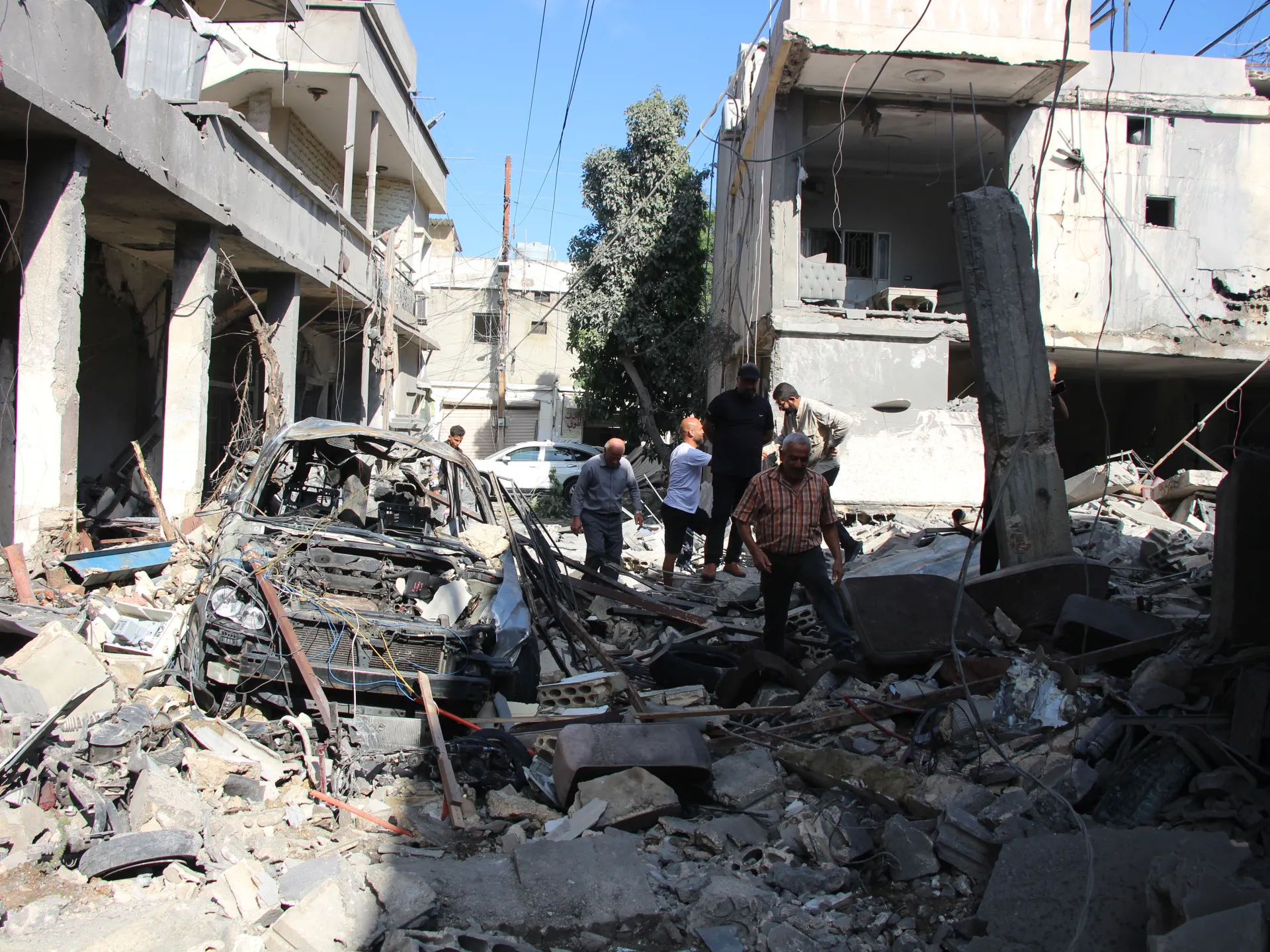
⁠Israeli attacks have killed at least four people in southern Lebanon’s Nabatieh district, the state news agency reports, as Israel continues to pummel the country in defiance of a three-week extension of a ceasefire with Hezbollah.

In a statement on Saturday, Lebanon Ministry of Public Health’s emergency operations centre said two Israeli raids on a truck and a motorcycle in the town of Yohmor al-Shaqif killed four people, the Lebanese National News Agency reported.

Recommended Stories

list of 4 itemsend of list

Al Jazeera’s Heidi Pett, reporting from the city of Tyre, said the attacks were carried out north of the Litani River, below which Israel has unilaterally declared to be operating.

Meanwhile, in the city of Bint Jbeil, also in southern Lebanon, Israeli soldiers reportedly blew up buildings on Saturday morning.

Al Jazeera correspondents on the ground separately reported bombings in the city of Khiam, including on residential blocks.

Israel’s ongoing spree is “part of a continued pattern of Israeli military activity, despite what is ostensibly a ceasefire”, Pett said, adding that the “rumble and thud of explosions” could be heard across southern swaths of the country.

“That is Israel demolishing houses and buildings,” she said.

The attacks are the latest to rock southern Lebanon since United States President Donald Trump announced the ceasefire extension on Thursday. Within hours, the Israeli military claimed it had “eliminated” six Hezbollah fighters in an exchange of fire near Bint Jbeil.

Hezbollah lawmaker Ali Fayyad said the ceasefire was “meaningless in light of Israel’s insistence on hostile acts, including assassinations, shelling, and gunfire”.

He added that Israeli attacks meant Hezbollah retains the “right to retaliate”.

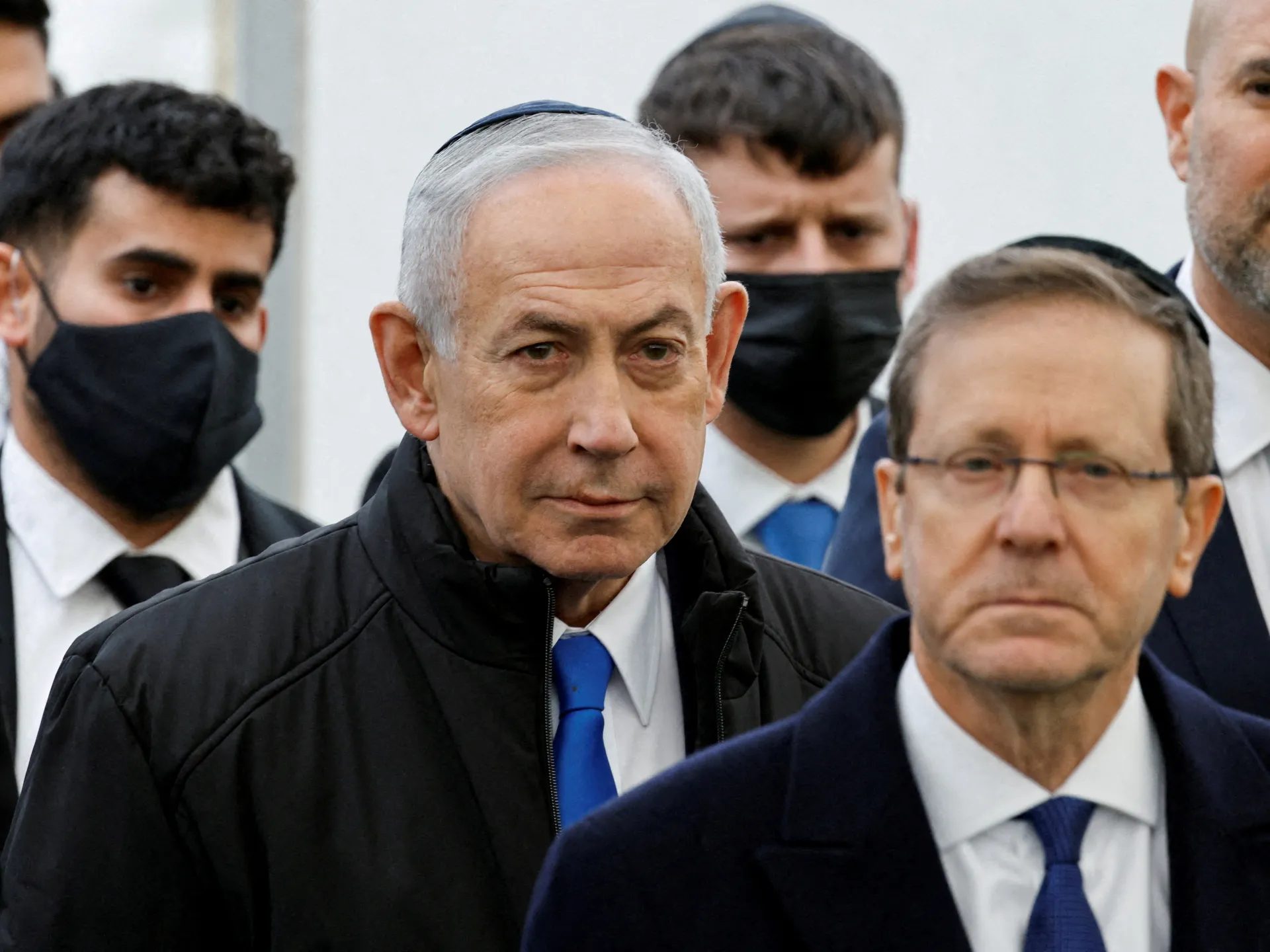
Israeli Prime Minister Benjamin Netanyahu said Israel was “maintaining full freedom of action against any threat” and claimed Hezbollah was “trying to sabotage” the pause.

Before Trump’s announcement, a poll by the Israel Democracy Institute suggested that Jewish Israeli respondents overwhelmingly supported continuing the conflict, even if it led to friction with the US.

The Lebanese leadership has rejected the possibility of Lebanon being used as a “bargaining chip” amid potential US-Israel negotiations with Iran, Pett said.

Lebanese civilians, meanwhile, are facing the fallout.

Huda Kamal Mansour, from Aitaroun village in southern Lebanon, has been living with her nine-year-old son in an empty stadium in Beirut along with other displaced families for the past 45 days.

She told Al Jazeera she ran for her life when the Israeli army started bombarding her neighbourhood.

“There was zero distance between us and the Israeli army when they attacked southern Lebanon. All I could hear was the sound of explosions hitting villages. We were told to evacuate from the village, then the tanks surrounded us,” she recalled.

“Israel didn’t leave one house standing there.”

Source link