Race delayed by two hours before being cancelled due to low visibility despite a sellout crowd at Phillip Island.
Published On 25 Oct 202625 Oct 2026
The final Australian MotoGP at the Phillip Island Grand Prix Circuit has been called off due to heavy rain, ruining the farewell for one of the championship’s most beloved circuits.
It was a crushing blow for the sold-out crowd at Phillip Island on Sunday before the Australian Grand Prix moves to the streets of Adelaide next year.
Recommended Stories
list of 4 itemsend of list
The Moto2 and Moto3 races were cancelled first, and the MotoGP race was delayed by two hours due to the weather before organisers threw in the towel and finally called it off at 3:40pm (04:40 GMT).
“Due to limited visibility affecting the operation of the medical helicopter the MotoGP Grand Prix race has been cancelled,” MotoGP said in a statement.
“The MotoGP riders will do a lap behind the safety car and stop on the main straight to greet the fans.”
Riders say farewell to fans in final parade
The dark clouds and pelting rain brought down the visibility around the circuit, affecting the medical helicopter, which would take 45 minutes to reach the circuit from mainland Melbourne in an emergency.
Other than two years lost to the COVID-19 pandemic, the seaside track south of Melbourne had been a fixture on the world championship calendar for 30 years and produced some of Australian motorcycling’s most memorable moments.
Australian two-time world champion Casey Stoner celebrated six wins there in succession from 2007 to 2012 while compatriot Mick Doohan sealed his fifth and final world title with victory in the 1998 race.
The raincoat-clad fans who persevered through the precipitation were treated to a farewell lap from the MotoGP riders, who waved as they slowly made their way around a soaking wet track.
Home racer Jack Miller did his best to entertain his supporters with a series of tricks, including a stand-up wheelie over the finish line, before heading over to the grandstand and throwing his gloves and boots into the crowd.
The seaside track south of Melbourne had been a fixture on the world championship calendar for 30 years and produced some of Australian motorcycling’s most memorable moments [AFP]
Miller dejected, sigh of relief for Martin
The Pramac Racing rider, a strong performer in the wet, cut a dejected figure when he was interviewed after completing his lap.
“This is a tough pill to swallow,” said the 31-year-old, who will be leaving MotoGP at the end of the season after more than a decade to join Pata Maxus Yamaha in the World Superbike Championship.
“You know, I was praying for rain all weekend. We got the rain, but obviously, we weren’t organised enough to get the racing going, so it’s a tough one.
“You guys deserve better. Honestly, all of you have done a fantastic job turning out for Phillip Island.”
Rain had been expected for the weekend, but MotoGP did not revive its 2023 strategy for the circuit when the Grand Prix was moved ahead to Saturday and the sprint scheduled for Sunday.
That sprint race three years ago was eventually called off.
The cancellation of the race also ended the opportunity for seven-time MotoGP champion Marc Marquez to extend his lead in the championship standings, particularly after his title rival Jorge Martin was declared unfit to compete in the race after fracturing his wrist.
Martin held the championship lead heading into the weekend but finds himself 10 points behind Marquez after failing to finish Saturday’s sprint following a gruesome crash.
On Sunday, Martin’s Aprilia team said he would not travel back to Spain to undergo treatment, however, boosting the 2024 champion’s hopes of racing at next week’s Malaysian Grand Prix and remaining in the title fight.
LOVE Island fans have spotted ANOTHER clue Lorenzo Alessi and Yasmin Hadlow’s romance is back on.
The pair have kept fans of the ITV2 show guessing on if they are an item after returning to the UK after the villa.
Love Island fans are convinced that Lorenzo Alessi and Yasmin Hadlow are back ONCredit: TikTok / lorenzoxalessiThe hunk previously coupled up with Yasmin on the ITV2 showCredit: Shutterstock Editorial
Lorenzo, 28, and Yasmin, 23, enjoyed a brief romance during their Love Island stint earlier this year, but ended up coupling up Julia Majchrzak, 26, and Tommy Stagg, 23, after Casa Amor.
But in recent weeks the pair have set tongues wagging with a number of hints that they are back together.
Sign up for the Showbiz newsletter
Thank you!
And now they’ve spotted another clue after Lorenzo shared a recent video on TikTok.
In the clip, the hunk is holding a phone in his hand, which has a pink cover on it.
One fan pointed out that he was holding Yasmin’s phone in the videoCredit: Instagram / yasminhadlowwThey recently celebrated Lorenzo’s birthday togetherCredit: instagram/@pulledyouforachat
“Only ChatGPT and my bank account know what’s really going on,” he captioned the post.
The caption could hint at the fact fans are really not sure what is going on between him and his former flame.
And some rushed to the comments section to point out that the mobile looked like Yasmin’s.
One said: “All I know is that that phone case is sum1s phone case and hes showing it purposely to make the owner special.”
Not only that, he played Not Over Yet by Grace and Paul Oakenfold over the post – hinting that his romance with Yasmin is also not over.
One wrote in the comments section: “the song choice. one thing about Lorenzo the music is intentional.”
GOBBLING up sandy scraps of seaweed from the beach floor certainly isn’t the norm for me on a coastal stroll.
But it was for the residents of Guernsey between the 12th and 16th Centuries. And it’s a tradition that’s now coming back into fashion.
Take in the serene views at Havelet Bay in GuernseyCredit: AlamyCombine a swim with a post-dip sauna session to warm up at Rock Box SaunaCredit: supplied
Nutrient-packed seaweed, abounding all over Guernsey, is free for the picking and just one of the many ways the island benefits from being surrounded by super-clean waters in the Channel.
I joined Guernsey Seaweed on one of its foraging tours of Havelet Bay and learned the marine plants here are in big demand at the island’s fanciest restaurants.
Sign up for the Travel newsletter
Thank you!
The slippery green stuff features heavily on a sophisticated menu at Michelin-starred Vraic, woven into cocktails and also adding a punch to rich broths.
After feasting on some pepper dulse, dubbed the truffle of the sea, I can completely see why chefs love it so much. There’s nothing of the fishy taste you would expect.
The earthy and delicious taste, I’m told, is down to the warm temperature of the sea around the island, just 27 miles off France’sNormandy coast.
The Gulf Stream ensures the water here rarely dips below 8C in winter — which is why you’ll spot locals swimming year round.
Admittedly, even 13C felt like too much of a chill for me. But if you plan your trip well, you can ensure you combine a swim with a post-dip sauna session to warm up.
There are two mobile saunas on the island, Hot Haus and Rock Box, which can be booked online and are just a stone’s throw from the sea.
Rock Box, a converted, eucalyptus-infused horsebox, overlooks the Cobo Slipway in summer and features a huge window allowing those inside to soak up soothing coastal views while they sweat.
And sweat, I sure did. Conveniently, there are several watering cans, filled with icy water, positioned by the sauna door for guests to use in between ten to 15-minute stints in the heat.
The sauna was a treat that my limbs most definitely appreciated after a strenuous Pilates class earlier that morning.
Pilates instructor Lydia Cherry runs both Reformer and mat sessions at the Forme studio in St Andrews, for locals and holidaymakers alike.
Despite the moves seeming gentle, my abs were quivering within a matter of seconds as I was put through my paces.
If you prefer something a little more gentle, though, beachfront or paddleboard yoga are both popular choices for holidaymakers seeking a wellness fix.
That’s if you have enough strength left after tackling the island’s scenic coastal paths, though.
Join Guernsey Seaweed on one of its foraging tours of Havelet BayCredit: suppliedThe Sun’s Sophie Swietochowski with healthy seaweedCredit: supplied
Guernsey is so small — around 24 square miles — that you can walk its coast in just a few days.
One of the more manageable treks — and beautiful — is the short 45-minute route from St Peter Port to Fermain Bay, combining fabulous coastal views with dense woodland that’s carpeted in bluebells during spring.
Reward your efforts afterwards with a tasty pint of local Rocquette cider — which uses some of that famed seaweed — at the Beach Cafe.
From my picnic table, perched just above the water, I could watch the foamy waves while listening to the birds overhead.
Make sure to order yourself a super-fresh crab sarnie, too, which comes loaded to the max and smothered in mayo. Delicious.
And that word can be used to describe the fare at many of the island’s restaurants.
Michelin-recommended Alba, in St Peter Port, in particular, strives to keep dishes local and serves up elegant sharing plates.
Its homemade tagliolini with Shetland mussels in a white wine and lemongrass sauce is an absolute steal at £15.
Wash it down with an Alba Tomatini, a classic martini with tomato twist (£11.50), and you’re in for a good night.
For a more casual bite, the Fleur du Jardin does classic pub grub, from fish-and-chips to bangers and mash.
It also has 14 boutique bedrooms upstairs that are as charming as the old-fashioned, stone-wall pub itself with its sea-themed decor.
The only thing that’s missing is a bit of seaweed.
GO: GUERNSEY
GETTING THERE: Aurigny flies from London City airport and London Gatwick to Guernsey from £62pp.
HAVANA — The Caribbean island of Nevis has received a financial boost in honor of one of its most famous sons, Alexander Hamilton, who went on to become a founding father of the United States and America’s first treasury secretary.
The U.S. government this month awarded $245,000 to restore the home where some believe Hamilton once lived as the U.S. celebrates its 250th anniversary.
Hamilton was born on Nevis in the mid-18th century and spent his childhood living at his adopted father’s home in Charlestown.
The 17th-century Georgian stone building is now Hamilton House, a museum that houses documents from the famous forefather’s early years and features exhibits honoring other Caribbean personalities. But it has demanded constant repairs: time and salty air have damaged the woodwork.
Nevis Premier Mark Brantley told the Associated Press on Wednesday that he’s grateful for the funds.
“We have tried valiantly as locals to preserve these very important historical monuments,” he said.
Despite Hamilton having lived only the early part of his childhood in Nevis, the premier believes his legacy is inspiring.
“Hamilton is significant because I think it’s a demonstration of what a small island like Nevis, a little dot in the ocean, can contribute to the founding of the greatest nation in the world, the United States,” Brantley said.
The two-story, Georgian stone building that was originally built around 1680 was destroyed by an earthquake in 1840 and was last restored in 1983.
Brantley said the restoration work is important to both the U.S. and Nevis: “Hamilton remains, I think, an iconic figure for us and a figure that we can look at his legacy and inspire our own people to achieve and to know that greatness is available for all of us.”
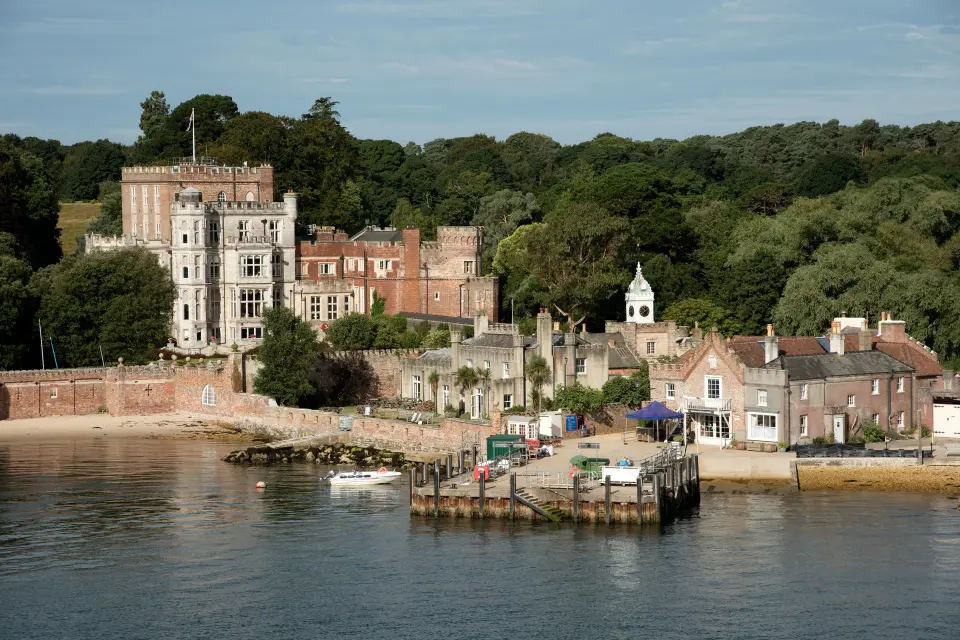
Brownsea Island is soon closing to the public until next yearCredit: Alamy
Brownsea Island in Poole Harbour will be closed on Friday, October 23 due to Storm Austen.
It is still unclear if the National Trust owned isle will open on Saturday.
Sign up for the Travel newsletter
Thank you!
A spokesperson for National Trust Brownsea Island also told Bournemouth Echo: “We apologise for any disappointment or inconvenience this may cause.
“The safety of our visitors, volunteers and staff is our top priority and this decision has been made to ensure everyone remains safe during the adverse weather conditions.”
Typically, it costs £12 to visit but National Trust members can enter for free.
It comes as the Met Office has issued weather warnings for wind and rain across parts of the UK, with two named storms due to bring disruption.
Storm Austen is expected to affect south-west England on Friday – with an amber warning for wind issued in parts of the region.
Over the weekend, Storm Boelo will affect Northern Ireland, Scotland and parts of northern England with what the Met Office described as “impactful winds”.
IN JUST over two months, we will be in 2027 and with that in mind you might want to start planning your next getaway.
The good news is that the best 25 places to visit in 2027 have just been revealed.
The list compiled by National Geographic features far-flung islands as well as European city gems.
So here are some of our favourites from the list:
Sign up for the Travel newsletter
Thank you!
Vestland, Norway
Vestland in Norway is home to Europe’s longest and deepest fjordCredit: Getty
Vestland can be found in the southwest of Norway and is known for its waterfalls and wilderness.
Head to Folgefonna National Park where you can see one of the country’s largest glaciers and Trolltunga, a massive rock formation that sticks out of a lake.
There’s also Sognefjord, which is Europe’s longest and deepest fjord.
The best way to get to Vestland is by heading to the capital of the country, Bergen, with flights from the UK taking around two hours and costing from £91 return.
Luxor, Egypt
Luxor in Egypt has one of the largest ancient cities ever found in the countryCredit: Getty
Luxor in Egypt is often forgotten about compared to the likes of Cairo and El Gouna but the destination is known for an ancient city and tombs.
Travellers can head to The Lost Golden City, which is the ancient city of Aten and is thought to be one of the largest ancient cities ever found in Egypt.
National Geographic also noted how getting to Luxor will be easier soon as there will be an extension of two free visas – the summer entry visa for travellers visiting on Egyptian-owned airlines and a four-day transit visa.
Flights direct to Luxor from the UK take around five-and-a-half hours and cost from £149 return.
Puerto Rico
Puerto Rico is often dubbed ‘The Island of Enchantment’Credit: Maridav
Dubbed the ‘La Isla del Encanto’ which translates in English to ‘The Island of Enchantment’, Puerto Rico is dominated by a central mountain range covered in tropical rainforest.
In addition to this, the island is littered with white sand beaches and crystal clear waters.
Visitors can explore the historic forts of Old San Juan, where you’ll find blue cobblestone streets.
Flights from the UK to Puerto Rico usually include a stopover, taking between 11 and 15 hours and costing from £550 return.
Dumfries and Galloway, Scotland
Dumfries and Galloway is the only spot in the UK to feature on the listCredit: Getty
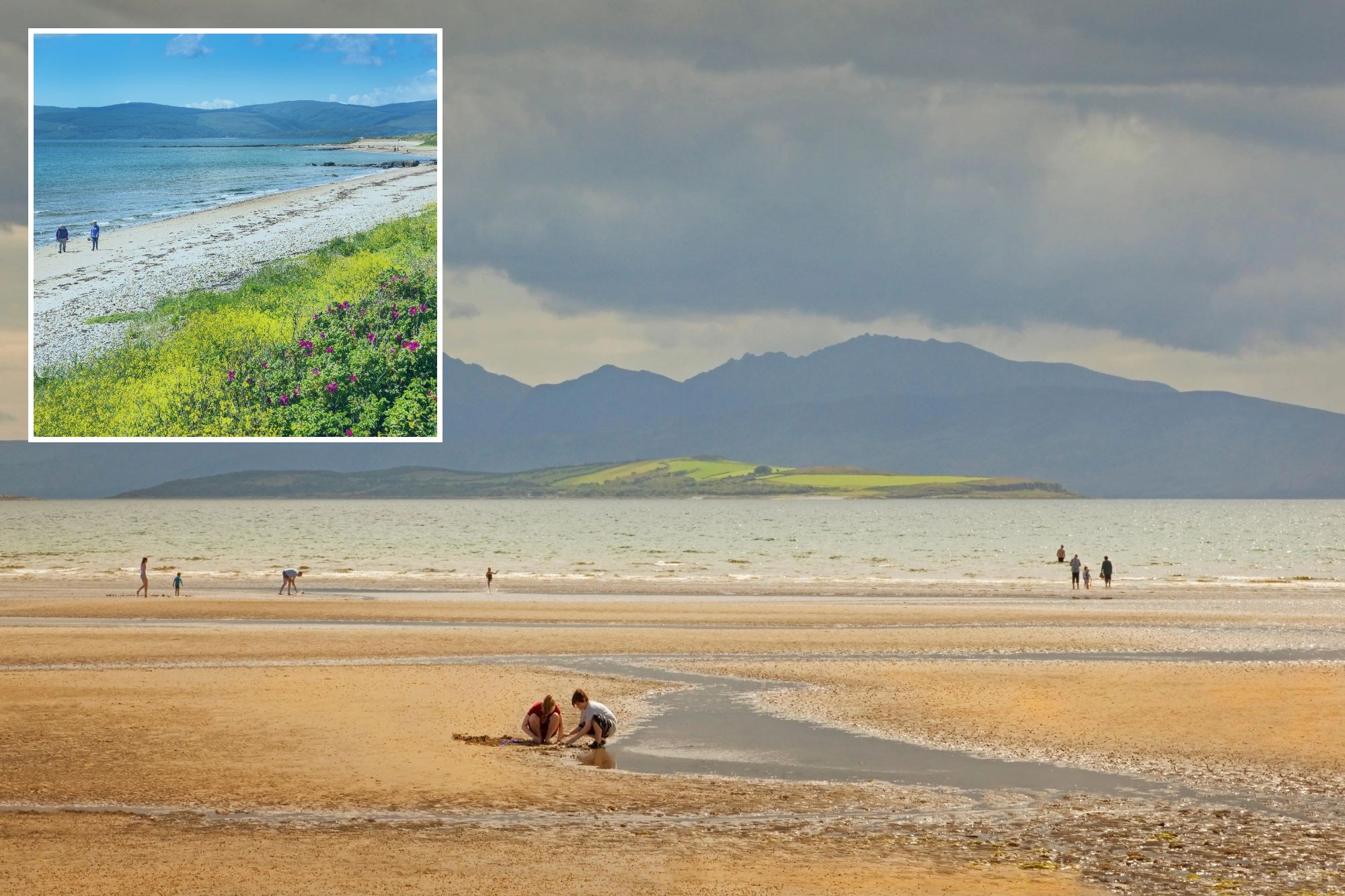
The only UK spot to feature on the list is Dumfries and Galloway in Scotland, with sandy beaches and rugged coastline.
Often nicknamed the ‘Scottish Riviera’, Dumfries and Galloway can be found in the southwest of Scotland and is home to medieval castles, such as Caerlaverock Castle, which is a triangular pink sandstone castle with its own moat.
There’s also Galloway Forest Park, which is the UK’s first International Dark Sky Park, with clear views of around 7,000 stars as well as the Milky Way.
If heading to the region, it is about an hour-and-a-half from Glasgow Airport, which costs as little as £30 return to fly to from London.
Grenada
Grenada is known as the ‘Spice Isle’ for producing nutmeg, mace and cocoaCredit: Getty
The Caribbean island of Grenada is known as the ‘Spice Isle’ for producing nutmeg, mace and cocoa, but also has beautiful mountains, rainforests and beaches.
Each August you could even travel to Spicemas on the island, which is an annual carnival with parades, street parties and Jab Jab (where people paint themselves with molasses and mud) – and the festival is celebrating 150 years in 2027.
While on the island you can also snorkel Molinere Bay, which features life-size submerged art.
Flights from the UK to Grenada usually involve a stop and cost from around £932 return.
Santander, Spain
Santander in Spain has a vibrant fishing quarter and pretty Old TownCredit: Getty
If you are looking for somewhere different in Spain to head to in 2027, look no further than Santander, the coastal capital of the country’s Cantabria region.
Full of history, the city has a vibrant Old Town where you can visit the Magdalena Palace.
The city also has a fishing quarter, which is the ideal spot to dig into some local cuisine with favourite dishes including calamari with onions and clams in marinara sauce.
Flights between the UK and Santander take around two hours and cost as little as £29 return.
Normandy, France
Normandy will celebrate Millennium2027: European Year of the NormansCredit: Alamy
Known for its Gothic cathedrals, Normandy is a great European destination for history lovers.
And in 2027 the city will celebrate Millennium 2027: European Year of the Normans with more than 1,000 events planned across the year including medieval feasts, street performances and concerts.
One event in June will see 40 Viking-style ships sail along the Normandy coast.
And you don’t even have to hop on a plane to get to the destination – instead, you could catch the ferry from Portsmouth costing as little as £28 per way.
Melbourne, Australia
Melbourne will host eight matches during the Rugby World Cup next yearCredit: Alamy
For a long-haul trip, Melbourne in Australia is one of National Geographic’s highlight destinations for 2027 with sports, a vibrant nightlife and thriving food scene.
And for rugby fans, the waterfront Docklands district will host eight matches during the Rugby World Cup next October.
Make sure to visit St Kilda Pier and beach as well to spot the colony of local penguins.
Flights to Melbourne from the UK usually involve a stopover and cost from around £550 return.
Leipzig, Germany
Leipzig in Germany is known for being the home of many famous musiciansCredit: Getty
For somewhere different in Germany, in 2027 you should head to Leipzig, which is the largest city in the state of Saxony.
The city is home to one of Europe’s largest railway stations, Leipzig Hauptbahnhof, which has a grand 300 metre facade as well as a multistorey shopping centre.
In 2027, there will also be several events celebrating all the famous musicians to come from the city including Bach and Beethoven, with a Beethoven Festival in May and Bachfest in June.
The closest airport with direct flights from the UK is Berlin with returning flights costing from £41 – it then takes around an hour-and-a-half to drive to Leipzig.
Tricity, Poland
Tricity refers to the three neighbouring cities of Gdansk, Sopot and Gdynia in PolandCredit: Getty
Sat on Poland‘s Baltic coast, Tricity refers to the three neighbouring cities of Gdańsk, Sopot, and Gdynia.
Each city has its own character, heaps of history and vibrant seaside resorts.
For example, in 2027, Gdynia will host the regatta of the World Sailing Championships meanwhile Gdansk will have its St Dominic’s Fair with food, concerts and performances.
The best way to get to the region from the UK is by flying direct to Gdansk, which takes around two hours and costs from £29 return.
Full list of National Geographic’s top 25 places to travel to in 2027
THE best hotels and resorts in Europe have been revealed and two in the UK have made the cut.
The annual World Travel Awards has named everything from beach resorts to city stays.
The Chancery Rosewood in London has been named Europe’s Leading New Hotel 2026Credit: Booking.comIt opened in September last year and has an underground swimming poolCredit: Booking.com
The good news for us Brits is that there are two in the UK – one in London and the second is a floating hotel in Edinburgh.
The Chancery Rosewood in London which opened its doors in September last year has been named Europe’s Leading New Hotel 2026.
Sign up for the Travel newsletter
Thank you!
The Grade II listed building is on Grosvenor Square and is considered one of the most expensive hotels in the country.
It has 144 suites, some of which even have steam rooms and two-person bathtubs.
On the roof are the two penthouses named Elizabeth and Charles which are 350sqm in size, and even come with private butler.
Start saving – they can cost £20,000 a night.
Otherwise the hotel has a whopping eight restaurants and bars, 24-hour in-room dining and a spa with a 25metre long swimmingpool and fitness studio.
The other hotel mentioned on the list is Fingal Hotel in Scotland which was named Europe’s Leading Boutique Hotel.
It’s unlike most others as the hotel is inside the Northern Lighthouse Board ship that is permanently docked in the Port of Leith.
It has 23 custom- designed cabins onboard with super-king beds, tartan textiles,and Art Deco styling with a sun terrace, restaurant and bar.
The Fingal Hotel in Scotland is onboard the Northern Lighthouse Board shipCredit: Booking.com
A one-night stay for two adults starts from £279.
When it comes to hotels abroad, Ikos Odisia in Greece is one to talk about – it’s won Europe’s Leading All-Inclusive Resort at the World Travel Awards for three years in a row.
The hotel in Corfu sits on the edge of Dasia Bay – it has Mediterranean-style rooms, 10 swimming pools and a private beach.
With its ‘All Inclusive Plus’ package, guests have unlimited access to all restaurants and bars, as well as beach and pool food and beverage service with drinks, cocktails and snacks.
There’s 24-hour complimentary room service, guests can also use the Local Discovery programme which includes the use of a Tesla for one full day during the stay.
It also includes free museum tickets (one museum ticket per person, per stay) and 30-minute complimentary beachside childcare for children four and up.
The Cullinan Belek in Turkey is the Leading Luxury All-Inclusive Resort this yearCredit: Booking.comIkos Osidia has a generous all-inclusive package including use of a TeslaCredit: Booking.com
Named as Europe’s Leading Luxury All-Inclusive Resort is Cullinan Belek in Turkey.
It’s been described as having true ‘glitz and glamour’ with 600 rooms in total some of which are private family villas or rooftop suites with Jacuzzis.
When one Sun Writer checked into the Cullinan Belek, she found her room came with its own pillow menu.
Her Superior Duplex room also had “top-of-the-range tech to control lights, curtains and air, plus divine Bvlgari toiletries in the two bathrooms.”
She added: “But the real treat is the swim-up infinity pool which lapped my second-floor terrace, overlooking the main resort.”
There’s a gym with a Pilates reformer stand, yoga room, Hyrox zone and the hotel has its own golf course.
Almar Lido Jesolo in Italy is right on the beach with incredible views from the roomsCredit: Booking.com Elounda Beach Hotel & Villas has won Europe’s Leading Beach ResortCredit: Unknown
Meanwhile, Almar Lido Jesolo in Italy has been named Europe’s Leading Beach Hotel.
Fifty minutes away from Venice, the hotel has 184 rooms as well as a 70metre pool heated to three different temperatures.
Even the gym overlooks the sea, otherwise head to the ocean as there is a path down to the private beach.
Another beach hotel that made it onto the award winners list is Elounda Beach Hotel & Villas which won Europe’s Leading Beach Resort.
It’s considered one of the most luxurious in Crete – the five-star resort has everything from five tenniscourts and a scuba diving centre, to a swimming pool and two private beaches.
There are lots of rooms to choose from but one of the most impressive is the Island Bungalow Waterfront which has direct access to the water.
When it comes to Europe’s Leading New Boutique Hotel, the Avali by Mar-Bella Collection in Corfu has been named the best.
The hotel is on the smaller side with 76 rooms and suites, some of which have private rooftop pools.
There’s an option to go all-inclusive (which comes with unlimited ice cream) as well as 30-minutes free use of a canoe and pedalo.
It’s not all about relaxing though, the awards even highlighted the best Theme Park Hotel in Europe which went to The Land Of Legends Kingdom Hotel in Turkey.
Avali by Mar-Bella Collection in Corfu is Europe’s Leading New Boutique HotelCredit: TUI Guests at the Kingdom Hotel get unlimited access to the Land of Legends theme parkCredit: Unknown
For any fan of the theme park its ideal as guests of the hotel get included and unlimited access to the attraction.
This includes its rollercoasters and Aqua Land waterpark, and a complimentary shuttle bus and access to the private beachfront.
Next door is the newly opened Nickelodeon Hotel which opened just last year – it has character meet-and-greets throughout the day with free gaming stations and a kids’ club.
Here are all the hotels and resorts in the Winners 2026 list…
Europe’s Leading Airport Hotel 2026 – NH Lyon Airport, France
Europe’s Leading All-Suite Hotel 2026 – THE VIEW Lugano, Switzerland
Europe’s Leading All-Inclusive Resort 2026 – Ikos Odisia, Greece
Europe’s Leading Beach Hotel 2026 – Almar Lido Jesolo, Italy
Europe’s Leading Beach Resort 2026 – Elounda Beach Hotel & Villas, Greece
Europe’s Leading Boutique Hotel 2026 – Fingal Hotel, Scotland
Europe’s Leading Boutique Resort 2026 – Collegio alla Querce, Auberge Resorts Collection, Italy
Europe’s Leading Casino Resort 2026 – City of Dreams Mediterranean, Cyprus
Europe’s Leading City Hotel 2026 – Conrad Istanbul Bosphorus, Türkiye
Europe’s Leading Design Hotel 2026 – 1908 Lisboa Hotel, Portugal
Europe’s Leading Entertainment Hotel 2026 – Seven Visions Resort & Places, The Dvin, Armenia
Europe’s Leading Family Resort 2026 – Sani Resort, Greece
Europe’s Leading Heritage Hotel 2026 – Párisi Udvar Hotel Budapest
Europe’s Leading Hotel 2026 – Estoril Vintage Hotel, Portugal
Europe’s Leading Hotel & Spa 2026 – Almar Timi Ama Villasimius, Italy
Europe’s Leading Island Resort 2026 – Inchydoney Island Lodge & Spa, Ireland
Europe’s Leading Landmark Hotel 2026 – The Phoenicia Malta
Europe’s Leading Leisure Resort 2026 – Domes Zeen Chania, a Luxury Collection Resort, Greece
Europe’s Leading Lifestyle Hotel 2026 – Hyatt Regency Vilamoura Algarve, Portugal
Ekin-Su Cülcüloğlu looked like she had been enjoying herself at the Pride of Britain Awards boozy after partyCredit: Smart PicturresEastEnders star Lacey Turner was ready for bed after the partyCredit: James Curley
But fast forward to the end of the night, and the stars leaving the after party at JW Marriott Grosvenor House looked like they had been enjoying the free bar.
Sign up for the Showbiz newsletter
Thank you!
Love Island icon Ekin-Su Culculogiu was in great spirits as she left the after party in her stunning gown.
The former Islander giggled, as she strutted out of the star-studded bash in London.
The EastEnders actress was seen heading to a waiting cab with sleepy eyes.
Christine McGuinness was spotted resting against a wall after the partyCredit: SplashBut the star was later seen beaming as she headed homeCredit: Smart Picturres
Fellow Strictly star Dani Dyer appeared to have been enjoying herself at the boozy bash.
The former Love Island champ left the party with a huge beam on her face as she waved out of her cab.
The siblings are often spotted partying together, and it appeared they had enjoyed themselves last night.
Strictly and Love Island star Dani Dyer looked like she was ready for bedCredit: James CurleyHelen Flanagan still looked glam, although she appeared a little sleepy after her evening outCredit: Smart Picturres
Christine McGuinness was seen resting against a wall in her striking pink floral ball gown after enjoying the party.
But she later was seen beaming as she got into her taxi to head home to bed.
Despite looking a little sleepy, actress Helen Flanagan still looked glam in her shoulderless gown and long black gloves.
Strictly head judge Shirley Ballaswas also spotted leaving the boozy bash and waved to onlookers as she headed home.
Prince and Junior Andre had enjoyed themselves at the VIP partyCredit: SplashShirley Ballas waved out of cab as she left the boozy bashCredit: Smart Picturres
Hosted by Carol Vorderman and Ashley Banjo, Pride of Britain brings together royalty, world leaders, and hundreds of famous faces including music legends, sporting icons, Hollywood stars and TV favourites to celebrate the winners.
The Pride of Britain Awards 2026 will air on TV on Thursday at 8pm on ITV
The tupelo trees turn bright red, and one variety changes colour around ten days ahead of the rest.
By the water, swamp cypresses glow amber.
You can even arrive by steam on the Bluebell Railway, whose station is a 15-minute walk away.
Cost: £19 adults, £9.50 children — National Trust members free.
RICHMOND PARK, LONDON
BELLOWING stags are the soundtrack in October, when the red deer rut reaches its peak.
Head for the Isabella Plantation, a woodland garden where Japanese maples flare crimson and winged spindle bushes turn rosy scarlet.
Entry is free, but keep one eye on the leaves and the other on the stags, keeping at least 50m away.
Cost: Free entry and parking.
WESTONBIRT, THE NATIONAL ARBORETUM, GLOUCS
Enjoy the many varieties of trees at the National Arboretum in GloucestershireCredit: Getty
NEARLY 300 varieties of Japanese maple grow here, setting the Acer Glade ablaze.
A new trail through Silk Wood this year is themed around nine Japanese ideas about the seasons. Book ahead.
Cost: £19 weekdays or £22 weekends, children £5.
BLICKLING ESTATE, NORFOLK
BEECH, oak, lime and sweet chestnut are mirrored in the lake in front of this Jacobean mansion.
Follow the two-mile Lake Walk, then head into the Great Wood, where the beeches glow amber and a pyramid-shaped mausoleum stands among the trees.
Cost: Free entry to parkland — parking £5, NT members free.
CANNOCK CHASE, STAFFS
NOT every tree that turns gold is a broadleaf.
Larches are conifers that drop their needles in winter, and here they blaze yellow against the dark pines.
Follow the Sherbrook Valley trail to the stepping stones, with beeches adding copper along the way.
Cost: Free entry — parking from £1.20.
SHERWOOD FOREST, NOTTS
Pay your respects to the Major Oak, the giant at Sherwood Forests heartCredit: Getty
ROBIN Hood’s old stomping ground is at its best when the oaks turn russet.
Pay your respects to the Major Oak, the giant at its heart thought to be up to 1,200 years old.
Sadly, the ailing tree died this year after suffering drought and heatwaves, but it still stands as a monument.
Oaks turn late, so there’s still plenty of time.
Cost: Free entry — parking £7, RSPB members free.
HARDCASTLE CRAGS, WEST YORKS
BEECH, oak and birch cling to the sides of this steep valley, near Hebden Bridge, above the tumbling Hebden Water.
Follow the riverside path to Gibson Mill, a cotton mill built around 1800, then grab a drink from its Weaving Shed Cafe and sit out by the millpond, hemmed in by trees.
Cost: Free entry — parking £5–£8, NT members free.
LOUGHRIGG TARN AND ELTERWATER, CUMBRIA
FOR the classic Lake District postcard view, walk the easy four-mile loop from Elterwater village via Skelwith Bridge to Loughrigg Tarn.
On a still day, the Langdale Pikes, the craggy peaks at the head of the valley, are reflected in the water, framed by turning woodland.
Cost: Free entry — paid parking, NT members free.
ALLEN BANKS AND STAWARD GORGE, NORTHUMBERLAND
KEEP an eye out for elusive red squirrels in this deep gorge carved by the River Allen.
Most of its beeches were planted in the 19th century, and they spill copper and gold colours down the valley sides.
The riverside path then leads to medieval ruins and a Victorian summer house.
Cost: Free entry — parking £3–£5, NT members free.
COED Y BRENIN, SNOWDONIA
PISTYLL Cain plunges into a dark pool deep within the 9.000-acre King’s Forest.
You can reach it via a 2.2-mile walk beside the River Mawddach, leaving conifers behind for broadleaf woods and the ruins of old gold mines.
Cost: Free entry and parking at Tyddyn Gwladys.
LOCH AN EILEIN, CAIRNGORMS
A RUINED 13th-century castle on an island steals the show here.
In autumn, the birch, rowan and aspen of the ancient Rothiemurchus Forest flare gold against the dark Scots pines.
The flat 3.5-mile loop is easy for kids. Scotland turns first, so don’t hang about.
Cost: Free entry — parking £5 per car.
TOLLYMORE FOREST PARK, CO DOWN
Tollymore forest park is stunning in autumnCredit: Alamy
GAME Of Thrones fans will recognise this forest at the foot of the Mourne Mountains, which was used as a filming location.
Walk the River Trail along the River Shimna, crossing stepping stones and some of its 16 bridges beneath beech and oak.
LOVE Island star Ciaran Davies has met with show bosses about a THIRD stint in the villa.
He won January’s All Stars’ series with Samie Elishi but they split three weeks later – and today the loved-up beauty announced she was pregnant with Aftersun panellist boyfriend Tyrique Hyde.
Love Island star Ciaran Davies has met with show bosses about a THIRD stint in the villaCredit: Instagram/ciarandaviesssHis ex Samie Elishi is now pregnant with Aftersun panellist boyfriend Tyrique HydeCredit: Instagram/@samieelishi
Ciaran has held talks about returning for 2027’s legends run in Cape Town, South Africa.
A source said: “It’s early days but bosses have met with Ciaran who is considering a third try at finding love.
Sign up for the Showbiz newsletter
Thank you!
“Execs have met with a variety of Islanders but the line-up won’t firm up until December.
“Obviously Samie has very much moved on and so has Ciaran and he hopes to find the same happiness too.”
Ciaran and Samie on All Stars earlier this yearCredit: Shutterstock EditorialTyrique and Samie may not have been on the show together, but he’d always admired her from afar and consistently named her as his top IslanderCredit: instagram./@tyriquehydeCiaran was a runner-up on Love Island’s 11th season, going on to win All Stars this year with Samie, following his second stint in the villa (pictured)Credit: Shutterstock EditorialSamie is thought to be due to give birth in spring 2027Credit: Snapchat
Ciaran – a 23-year-old former surveyor from Pencoed, South Wales – was a runner-up on Love Island‘s 11th season, going on to win All Stars this year with Samie, following his second stint in the villa.
Tyrique appeared on Love Island during the summer of 2023, with Samie’s first appearance coming on the winter version the same year.
While they may not have been on the show together, he’d always admired her from afar and consistently named her as his top Islander.
So to get to the island, tourists including Brits, need to fly to Athens or Thessaloniki before taking a smaller connecting plane over to the island.
However, this is set to change as work on the runway will see it extended to be 1,799m long which means that it will be able to accommodate much larger types of aircraft.
During the works, emergency flights will be permitted to land, which includes medical evacuations, search and rescue.
However, there is some opposition to the plans.
The runway will be extended to accommodate larger aircraftCredit: AlamyCurrently the airport can only accommodate smaller aircraftCredit: Unknown
President of the Chios chamber of commerce Pantelis Legatos said: “The early closure will seriously affect the economy and society of the island, especially during the holiday season (Christmas, New Year), when people have planned trips, family visits and medical appointments.
“Chios, as a border island 5 miles from Turkey, depends on the air connection with the capital for health, entertainment and freedom reasons.”
The original plan was to close the airport on January 15 which is months later than the current schedule.
THE sound of bugles, trumpets and tubas fills the street as a parade of horses trot towards The Royal Palace.
I always thought Buckingham Palace’s changing of the guard was impressive, but shiny silver helmets off to the Swedish Army who, decked out in pristine blue uniforms, have us completely captivated for a full 45 minutes.
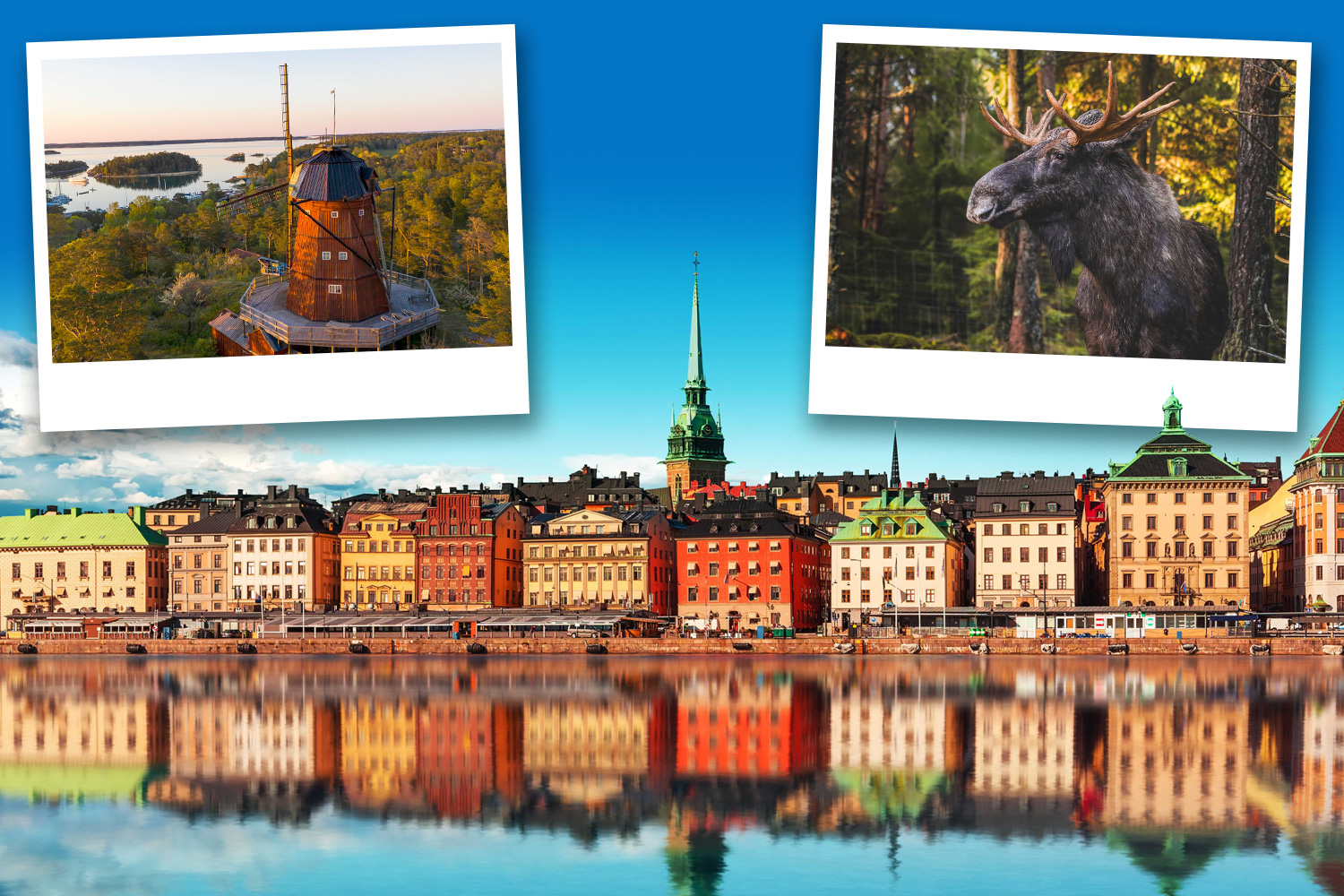
Stockholm’s historic old town is an incredible spectacleCredit: scanrailFab Mag’s Catherine got two unforgettable trips at onceCredit: Supplied by Catherine Bennion-Pedley
“It’s like being in a movie!” my five-year-old son Raffy shouts above the beat of kettle drums halfway through.
And he’s right. In the picturesque setting of Gamla Stan, Stockholm’s historic old town, it is an incredible spectacle. And even better – it doesn’t cost a penny. Or krona, rather.
Sign up for the Travel newsletter
Thank you!
I like big buns
Your wallets will, however, take a hit in Gamla Stan’s winding, cobbled streets, which are brimming with gift shops, such as Liten Amanda with its Nordic home decor (Litenamanda.se), plus bistros like Petit Pastis (Pastis.se) and confectioner Konfektyr & Glass offering an eye-boggling array of treats.
We search for the tiny Iron Boy statue hidden in a courtyard, before ordering a sizeable cinnamon bun, coffees and hot chocolates with lashings of cream for £28, at Kaffekoppen in Stortorget Square (Cafekaffekoppen.se), then chancing upon vintage H&M and antique glassware at charity shop Stockholms Stadsmissions nearby (Stadsmissionen.se).
Stockholm city consists of 14 islands connected by bridges. On Djurgården, we all stand in awe as we first set eyes on Vasa, a 17th-century warship that sank on its maiden voyage, its intricate carvings painstakingly restored.
A bonus for my teen self (in the temporary exhibition) is seeing Rose’s dress and Heart of the Ocean necklace from the film Titanic, while learning about director James Cameron’s 2012 deep-sea expedition 10,000 feet down to the ocean floor, and squeezing into a replica capsule. Adult entry costs £18.50, under-18s are free (Vasamuseet.se).
Mamma Mia!
The kids’ favourite outing is the neighbouring ABBA Museum. Poppy, seven, adores the greatest hits album (thanks to her Yoto music player), and despite being a tad overpriced, it’s undoubtedly a super-fun interactive space with lots of opportunities to dress up and perform like – and even alongside – the band (in hologram form), pose for an album cover, rock out in a silent disco and ogle the showstopping stage costumes.
Adult entry costs from £20.50, kids over seven from £8.50 (Abbathemuseum.com).
Escape to Utö on the archipelagoCredit: supplied by Tourist Board.Spot the wild moose on the looseCredit: Photosbypatrik
On one of our days on Djurgården, we tuck into shrimps piled atop egg mayo and syrup bread, £18, while the kids scoff pancakes with cream and jam, £7.50, bathed in sunshine on cafe Skroten’s terrace.
There’s free bread, butter and lingonberry juice on offer, too (Skrotens.se). Later, we hit Skansen, home to a farm, zoo, funfair and a historic town with glassblowers, pottery studio and bakery.
The children are wide-eyed at both the playful bears and the molten glass being transformed into chic confetti lampshades. Adult entry costs £23.50, under-12s are free (Skansen.se).
Viking vibes
At dinner that night, a roar fills the dining hall as our host announces the arrival of more guests – this time from the US – with a horn and a bellow.
I pause devouring my crawfish and prawn soup, £13.50, to join in the hollering.
We’re at Viking restaurant Aifur, and while it may be touristy, Raffy again gets all the film-set feels when he’s declared a “baby Viking” and presented with a giant sword to look after.
Thinking his night couldn’t get any better, and just as a musician begins playing the hurdy-gurdy (Google it!), the waitress presses souvenir coins into both his and Poppy’s palms (Aifur.se).
Continuing the theme, the next morning we learn how to fight and write like a warrior at the Viking Museum, which is worth a stop, even if it’s just to lunch at its restaurant Eld.
Highlights include Ukrainian gnocchi with smoked feta, £22, deer medallions with black garlic and potato gratin, £22.50, and the pretty harbour views (Thevikingmuseum.com).
Isle be back
The sweet spot for visiting Sweden with kids is balmy mid-August, just after the Swedes return to school. Keen to get a taste of the Stockholm Archipelago, home to more than 30,000 islands, we take the 43X train from Stockholm City station to Västerhaninge, catch the 846 bus to Årsta Brygga and then hop on the 21 boat to Utö.
Although it sounds complicated, it’s super-simple, and for our transport-mad kids, the hour-and-a-half journey in itself is thrilling.
But Utö, all rugged landscapes, pine forests and sparkling sea, is the real thrill. Photos really don’t capture its beauty.
Bistros like Petit Pastis offer an eye-boggling array of treatsCredit: Cafe Kaffekoppen/InstagramThe Swedish Army, decked out in pristine blue uniforms, have us completely captivated for a full 45 minutesCredit: Alamy Stock Photo
We kip in one of hotel Utö Värdshus’ sweet self-catering cottages, which cost from £101 per night, and at the restaurant that evening, we dine on buttered kingfish with potato, leek and cheese pie and crayfish broth, £29, while the kids wolf down steak with Béarnaise sauce and fries, £10.50 (Utovardshus.se).
Holidaying on the island is all about hiking, biking and the wonderfully wild beaches.
One afternoon is spent picnicking at Barnens Bad beach, not far from our cottage – its crystal-clear shallow water is perfect for kids, and we’re joined by only one other family, who stylishly arrive and depart by kayak.
The next day, we set off on a 11km bike ride (daily hire costs £15 per adult, £11 per child).
We pass colourful wooden houses and breathtaking vistas to Stora Sand, a wide expanse of white beach, which again we only have to share with one other couple.
Sandcastle building and chasing waves makes for a blissful few hours, topped off only by a wild moose deciding to clumsily gallop across our path on our ride home.
I fear that the kids’ tales of this trip may sound a little far-fetched when they get back home and share them with friends. But Sweden really has proved super (trouper).
Or try Hotel Kung Carl, set in historical buildings, for a more quaint feel, pastel decor and plants to borrow each night. Family rooms cost from £285 B&B (Kungcarl.se).
THE view from the top of the High Temple at Lamanai is one you will struggle to find anywhere else.
Most of the great Mayan sites, including Mexico’s Chichen Itza, stopped visitors climbing their pyramids years ago.
Visit Lamanai’s ruins including the Mask TempleCredit: GettyRelax by the pool at Naia Resort And SpaCredit: Supplied
Here, you can still haul yourself up the worn stone steps to the summit and look out across the treetops.
It is one of many surprises in Belize, a former British colony, squeezed between Mexico and Guatemala on the Caribbean coast.
Sign up for the Travel newsletter
Thank you!
Roughly the size of Wales, it packs in ancient ruins, thick rainforest and the second-largest barrier reef in the world. And English is the official language.
I spent a week there, starting deep in the rainforest of the north before heading south to the beach.
My first stop was Chan Chich Lodge, on the Gallon Jug Estate in the north-west of the country, which is surrounded by a 30,000-acre private reserve.
Almost everything on the menu comes from the estate’s own organic farm, and I explored the grounds and saw the free-range animals that supply the kitchen.
The estate grows its own coffee too. It was so good that I came home with a few bags stuffed in my case.
The best way to see the surrounding rainforest is on horseback, on a guided ride along the trails around the lodge.
King Lewey’s Island Resort, a quirky, pirate-themed private island 12 miles off the coastCredit: Instagram/@kingleweyislandOne of Belize’s beautiful beachesCredit: Getty
Braver guests can head out after dark on a night safari in open-top trucks, with a chance of spotting jaguars and tapirs, Belize’s shy, pig-like national animal.
Lamanai, home to that High Temple, is a day trip from the lodge. It is two hours by road, then 45 minutes by boat up the New River.
Its name means “submerged crocodile” in Yucatec Maya, a nod to the crocs that still lurk in the lagoon beside the ruins.
People lived here for more than 3,000 years, far longer than at most Mayan cities.
You wander past the Jaguar Temple and the Mask Temple, with its giant carved stone faces, before tackling the High Temple itself.
The steps are steep and worn smooth, with handrails on some stretches, but the view over the rainforest from the top is worth every puff.
Then it was time to swap the jungle for the beach. I flew south to the coast with domestic airline Tropic Air.
The little propeller plane is half the fun. As you near the coast, the Belize Barrier Reef appears beneath you.
My base for the second half of the trip was the Placencia peninsula, on Belize’s southern coast. I stayed at Naia Resort and Spa, a boutique hotel set in a 200-acre private reserve.
Its pool, a few steps from the beach, is as warm as a bath.
Come sunset, the sky turns orange and pink across the water. With a rum punch in hand, it’s hard to care about anything else.
My beachfront studio opened straight on to the sand, and came with an outdoor shower for rinsing off under the open sky after a long day out.
I ate well at 1981, the resort’s waterfront restaurant, and the cocktails were delicious too.
The real highlight was a day of island hopping and snorkelling by boat from Placencia.
First stop was Moho Caye (pronounced “key”), a speck of golden sand surrounded by clear blue water. I snorkelled alongside nurse sharks, docile bottom-feeders that pose little threat to swimmers, watched stingrays glide past and spotted hefty lobsters tucked into the reef.
Before moving on, I sat down to a seafood feast on the beach, with fresh lobster, white fish and crab — all caught the day before by my guide Akeem from Cultural Experience Belize.
Then it was on to the second stop of the day, King Lewey’s Island Resort, a quirky, pirate-themed private island 12 miles off the coast, where I jumped back in to explore more of the reef.
Back on dry land, a rum punch rounded off the day. I can confirm it’s strong enough to make any pirate proud.
On my final night, the local Garifuna community — people of African and Caribbean ancestry — laid on a beach dinner with drumming and dancing.
Watching the dancers perform, I couldn’t think of a better way to say goodbye to Belize.
GO: BELIZE
GETTING THERE: American Airlines flies from Heathrow to Belize City via the US. Return fares from £721pp. See aa.com.
STAYING THERE: Chan Chich Lodge from £107pp a night, B&B, based on two sharing for a three-night stay. See chanchich.com.
Beachfront studios at Naia Resort And Spa from £203pp a night, room-only, based on two sharing. See naiaresortandspa.com.
As Puerto Rico continues to grapple with the long aftermath of Hurricane Maria — from an unreliable electrical grid to ongoing water shortages — the need for stories that see the island as more than a backdrop feels especially urgent.
That’s part of what makes “Hurricane Seasons,” an intimate new independent film about a Puerto Rican family returning home, feel so timely. The film, which screens Sunday at the Newport Beach Film Festival, stars comedian Aida Rodriguez as Glori, a Brooklyn-based artist and community-center worker. She returns to Puerto Rico to help her sister (Justina Machado) care for their terminally ill mother (Priscilla Lopez).
When their matriarch convinces the family to embark on a bucket-list road trip around the island, old family secrets surface as the 2019 protests following Hurricane Maria unfold around them. Directed by Nicole Gomez Fisher and written by Xavier Ortiz — with Rodriguez also serving as a producer — the film is both a story of a multigenerational family and a love letter to Puerto Rico.
For Rodriguez, who is best known as a stand-up comedian, “Hurricane Seasons” also marked a return to a part of her artistic identity that existed long before comedy — her love of acting. But she admits that stepping back into acting, especially as the film’s protagonist, wasn’t an easy transition.
Aida Rodriguez, left, and Priscilla Lopez in a scene from “Hurricane Seasons,” directed by Nicole Gomez-Fisher.
(Laura T Magruder)
“It was terrifying. It was very scary because as a stand-up comedian, I work very hard at trying to obtain my most authentic self so that I can share it with everybody — to be my truest self, my truest Aida,” she says. “And when you loan yourself to a character and the art form of acting, you’re loaning yourself to that character and bringing yourself to that character, of course, because that is why they choose you. But you are telling a story from the perspective of another person.”
Rodriguez had pursued acting before going into stand-up comedy. Upon moving to Los Angeles, she quickly booked acting work, signed with an agency and began taking classes.
But comedy eventually taught her to do almost the opposite of what acting required.
“When I started doing standup, the direction and the notes were always like: ‘Release any character you have in mind and just access yourself,’” she says. “So it was a battle for me. Coming back to becoming an actor and giving the character Glori what Glori deserved — and allowing Glori to live, and Aida to sit in the back — became something important for me to do.”
She adds that it took a lot of work with coaches and classes for her to relax into acting again, allowing Aida the comedian to rest while focusing on what this role required of her.
The film’s protagonist, Glori, is a Brooklyn-born-and-raised Puerto Rican woman whose connection to the island runs deep, despite her living stateside. This is something Rodriguez, who is half Puerto Rican and half Dominican, born and raised in the States, also personally relates to.
That tension — between where you live, where your family comes from, and who gets to decide whether you are “Puerto Rican enough” — is one of the film’s central themes and one reason the script resonated with Rodriguez.
“My testimony through my art has always been finding unity, solidarity, power and connection with other people,” she says. “I think that the story of growing up in the States and connecting to the island is a universal story that most people, regardless of where they come from, experience. [There’s this] idea that you’re never American enough nor whatever you are — in this case Puerto Rican enough — because there’s always a judge and jury on both sides.”
Rodriguez sees those tensions as a consequence of a much larger and complex history. She believes so much of the judgment on both sides is a lingering effect of colonization.
“For me, that was one of the most attractive things about the script — [it] was being able to engage in a conversation about what being Puerto Rican really is,” she says. “Is it based on colonial standards? Or is it based on maintaining our cultural richness and our legacy, that is handed down to us regardless of where we are?”
That question takes on even more weight today as Puerto Rico sits in the aftermath of Hurricane Maria, which Rodriguez believes shifted the relationship between Puerto Ricans on the island and those living stateside.
“There was a shift, because there are wounds from both places,” she says. “There are wounds from the people on the island that stayed and stuck it out. [They want to ask] the ones who left, ‘why do you get to claim this, if you’re not here sticking it out with us?’ Then the people who leave feel like, ‘we had to do this, so that we can not only survive, but send money back to the island.”
Rodriguez explains that, in many ways, the aftermath of the hurricane sparked arguments on both sides that were necessary to begin healing the tension. She believes it highlighted issues that Puerto Ricans, as part of a diaspora, could no longer ignore; it also highlighted an island and a community that Americans outside of the Latine community paid little to no attention to.
“It took a hurricane for people to know what Puerto Ricans were,” she says. “I think there was a cultural shift and there was a conversation that needed to be had, about what happens on the island. And what that means to those of us who are not there.”
That conversation serves as the meat and bones of “Hurricane Seasons,” in which Puerto Rico isn’t simply a location. It’s an integral presence in the story. Rodriguez, Ortiz and Gomez Fisher all agreed that filming most of the movie on the island was essential, not only creatively but also economically and culturally.
“The other thing that was very important about taking the movie back to Puerto Rico was to invest in Puerto Rico and to stimulate some sort of revenues for the island and that the crew was a Puerto Rican crew,” she says. “The DP [director of photography] was a Puerto Rican DP — all people that live on the island.”
It was important to them that if they were going to tell a story about Puerto Rico that was also shot in Puerto Rico, that Puerto Ricans on the island actually benefited from the production.
“It’s not cool to go to Puerto Rico and shoot a movie and bring in your own people from the States, and the people in Puerto Rico have to be inconvenienced with their roads being blocked and things shut down and an influx of Americans that come there to be disrespectful and them not making anything out of it,” Rodriguez says.
This commitment shows in the protest scenes. Rather than using background actors, the film features real Puerto Rican residents, including a local activist and singer.
“It didn’t feel rehearsed. It didn’t feel fake,” she says. “I just think that the feelings and the passion and the rage and the sense of urgency is still there.”
Ortiz’s commitment to specificity extended to the family casting, intentionally matching the actors to the real-life relatives they are based on.
“It wasn’t performative. It was actually real because that’s what all of our families look like,” she says. “Puerto Ricans, Dominicans, we just have that diversity because of all the stuff that’s happened in the past.”
Glori’s character also represents a refreshing departure from the way Latina women are often portrayed onscreen. She is a mother, a daughter, a community center worker, an artist — and a woman with a complicated romantic and family history. She is beautiful and desirable, but her sexuality isn’t the defining characteristic of her existence — something we don’t see enough when it comes to Latina roles.
“For me, I didn’t have to step outside of myself for the role, which was really refreshing because every audition that I ever get, I do have to step out of myself because when people write Latinas in Hollywood, they tend to write them one way,” says Rodriguez. “They look a certain way, they talk a certain way, and that’s not the reality of what being Latino, especially in America, is like.”
Rodriguez could freely inhabit a Latina character without feeling as though she had to perform her Puerto Rican-ness for the audience.
“I didn’t feel like I had to perform my Latinidad. I could just exist in it,” she says.
Rodriguez adds she’s ready for a Hollywood that wants Latina actors to have the same range of characterization that white actors have long been afforded. She’s open to seeing Latinas being everything in TV and film, where can they exist in a world in which they can just be people who just happen to be Latinas.
“I really do look for a day when we can just be people and not just be the funny, spicy friend,” she adds. “Some Latinas are not spicy. Some Latinas are nerds, and some Latinas are quirky, and some of them are goofy and some of them are clumsy. And just like everybody gets to see the spectrum of whiteness with all the different kinds of characters, I would love to see that for our people. For all people of color, actually. I think it’s important to see us all as full human beings, and that means that we can be anything.”
The film’s multigenerational story touches on the cultural inheritance passed between mothers, daughters and grandmothers — whether through old traditions or ordinary rituals. It’s something audiences, regardless of background, can likely relate to.
“The most important message that I’ve kept from my [foremothers] was never to lose my sense of Puerto Rico; that, even if I don’t live in Puerto Rico, Puerto Rico lives in me,” she says. So much of that inheritance lives in the little things she remembers about her Puerto Rican grandmother, she says, from the té de tilo she’d make for an upset stomach; the recao that grew on her grandmother’s balcony because she didn’t have a backyard; or the azabache she still wears to this day for spiritual protection. They are the same small traditions she has passed on to her kids.
“My daughter makes better arroz con gandules than all of us,” Rodriguez says. “And her recipe is true to what my grandmother’s recipe was. That will continue to live on, until we are able to go back to our island and live in peace.”
That freedom is one reason Rodriguez believes independent film is so important for stories like “Hurricane Seasons.” Without a studio machine making decisions based primarily on commercial expectations, filmmakers have more room to tell a story on their own terms.
“Once the studio gets involved, they start thinking about dollars, which they got to make money, but they prioritize the dollars,” Rodriguez says. “And I think that’s why a lot of these big projects that they spend a lot of money on have failed because they don’t honor the storytelling. They don’t honor the authenticity of the world, the authenticity of the stories.”
Her hope is that “Hurricane Seasons” encourages more people to tell their own stories — especially Puerto Ricans.
“Puerto Ricans are not a joke; we’re not a punchline. You don’t get to tell us we don’t speak correct Spanish and make fun of our songs. Then, years later, appropriate our culture and become big time doing what we do, using our terms and our colloquialisms because it brings you capital,” she says. “We are people. We’ve been doing this for a very long time, and our grandmothers and our tias and tios matter, and they’re not [a] costume that you can just put on [to] make money off of it.”
Before we wrapped up the call, Rodriguez paused for a moment when I asked her what Puerto Rico means to her. Then her eyes lit up, and her voice softened as she described why the island means so much to her — and why so many people, even outside of the diaspora, find themselves drawn to it.
“Puerto Rico is a very special place, which is why so many people want to kick us out, so they can move [in],” she says. “But they’ll never have the magic, because the magic is us.”
OUR new Spotlight On column gives you the lowdown on what to see, do and enjoy in your favourite holiday hotspots.
This week we are discovering the delights of Scotland‘s Isle of Arran with recommendations from Graham Omand, manager at the Lagg Distillery.
MUST SEE/DO
Graham says: “I have to mention a visit to Lagg Distillery, a place I’ve been calling home for the past six years. Not only is it a modern architectural masterpiece, it is the home of Lagg Single Malt.
“Along with multiple tours and tastings options, there’s also a shop full of bespoke items and gifts, and a cafe with views that stretch from Ailsa Craig to Northern Ireland.
Sign up for the Travel newsletter
Thank you!
“There’s no better place to fall in love with peated whisky and learn about the local rich distilling history.”
HIDDEN GEM
“It is impossible to visit the island without admiring its picturesque coastal villages,” says Graham.
“Enjoy a drink in Corrie while looking at seals or sunbathing on the beach.
“Or grab a bite to eat in Lamlash while staring at the majestic Holy Isle at sunset. Or go for a wander around Lochranza Castle spotting otters playing on the rocks and deer roaming the hills. Magical.”
BEST VIEW
Graham says: “Arran is a walker’s paradise. You could choose the classic Goatfell, the highest mountain we have on the island, or other famous walks like the one to King’s Cave, to Machrie Moor standing stones, the many Glens and more.
“Expect breathtaking panoramic views, wildlife encounters and unforgettable memories.”
The Arran hills are beautiful from afarCredit: AlamyThe beaches are worth a visit even in winterCredit: Alamy
RATED RESTAURANT
“There are so many restaurants, pop-up cafes, food vans and more that offer modern and classic dishes with local produce such as venison or seafood,” says Graham.
“The Mara Fish Bar & Deli in Corrie does amazing seafood platters with fantastic views to enjoy.
“There is also the Blackwater Bakehouse & The Bread Shed for fresh bread and croissants.
“The Corrie Hotel is also great for lunch and dinner. And don’t miss the chance for a scoop at Arran Ice Cream.”
BEST BAR
Of course, Graham recommends the Lagg Distillery for a tipple or two with tours and tastings from 10.30am to 4.30pm, Tuesdays to Sundays.
Also worth a visit is the Douglas Hotel, which Graham says has some of the best views of Goatfell mountain.
HOTEL PICK
Tucked away on the west coast of the island, the Kinloch Hotel has 22 rooms as well as self-catering apartments, many with stunning sea views.
The family owned property promises a peaceful retreat.
The restaurant offers hearty local cuisine including a seafood platter with local fish, Highland venison sausages as well as island treats such as Arran Dairies ice cream and Wooleys oat cakes.
After a day exploring, go for a relaxing dip in the indoor pool or enjoy a sauna. Rooms cost £135, based on two sharing. See kinloch-arran.com.
The UK is getting colder, but elsewhere in Europe the October sun is still shining and a warm weather holiday is not out of the question.
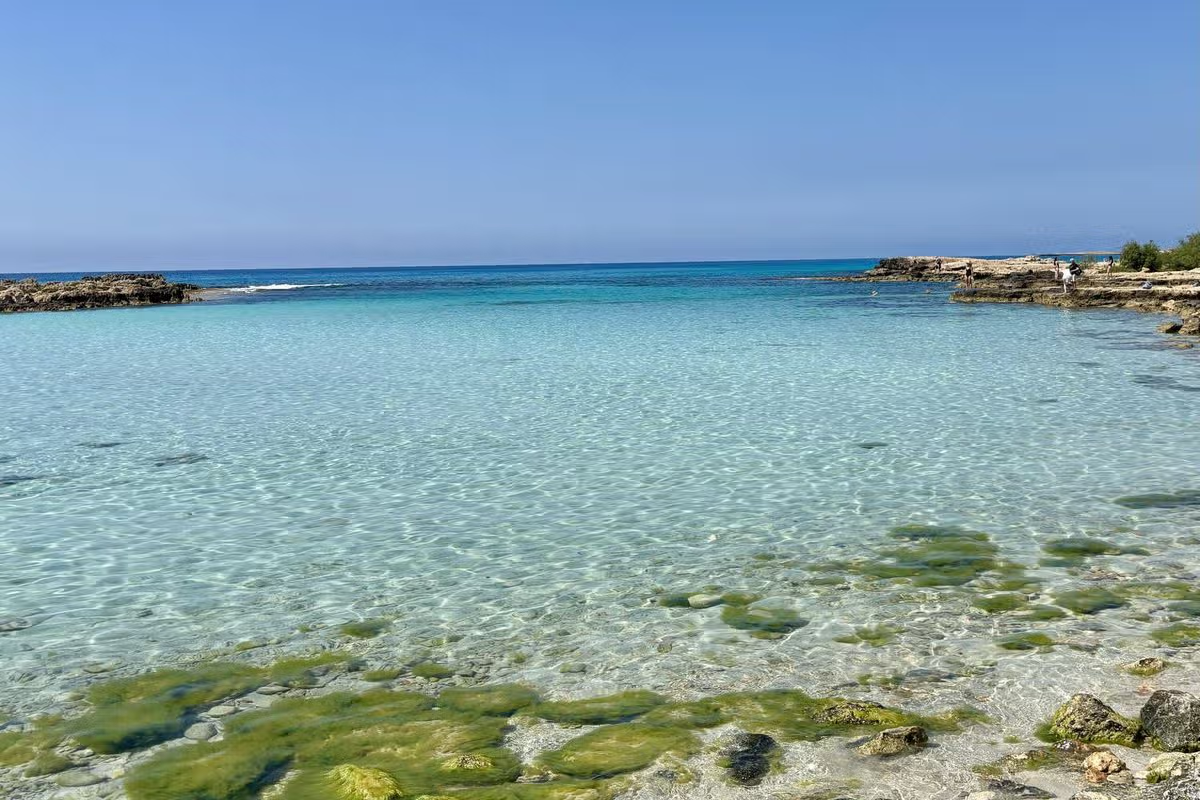
This beach is known for it’s gorgeous clear waters(Image: Getty)
The UK may be getting chillier, but across Europe the sun is still blazing and a beach getaway remains firmly on the cards. If you’re not quite ready to bid farewell to sun and sand, there’s one destination just four and a half hours from the UK where temperatures are still hitting a pleasant 23C.
Better still, it won’t cost you a fortune. That destination is Cyprus, the Mediterranean island paradise. According to research by airport transfer firm hoppa, this gem ranks as the ultimate choice for an autumn escape in the sunshine.
The warmest location is Nissi Beach, nestled on the south-eastern coastline in the resort town of Ayia Napa.
While it’s renowned as a lively party hotspot, there’s far more to discover beyond the buzzing nightlife.
The beach is celebrated for its dazzling turquoise waters and its small offshore island, which visitors can reach by simply wading through the shallow sea.
That island is Nissi itself, the namesake of the beach, and those who venture to its summit are rewarded with spectacular sweeping views across the entire bay.
The beach proudly holds Blue Flag status, with ample sun loungers and parasols available to rent, alongside opportunities to hire jet skis or pedalos for those seeking a dose of adventure.
One holidaymaker took to TripAdvisor to share their thoughts, writing: “Probably one of the most popular beaches in Cyprus-and for good reason.
“Crystal-clear water, beautiful soft sand, and that creamy, turquoise texture that makes you feel like you’re in paradise. Add the amazing atmosphere and beautiful people, and you have the perfect beach experience.”
A second visitor added: “Nissi Beach easily has the most amazing water I have ever swum in!
“Despite being extremely busy, its natural beauty makes it an absolute must-visit.”
While the beach can get extremely crowded during peak summer, visiting during the shoulder season means far fewer tourists to contend with, allowing you to soak up the stunning surroundings in relative peace.
What’s more, according to hoppa, the average nightly rate for a three-star hotel in Ayia Napa comes in at just £79, making it a brilliantly affordable choice for a late burst of October sunshine.
Just six months after the first Jet2 service from Manchester to La Palma in the Canary Islands took off, the airline has scrapped the route due to a lack of demand
Jet2 is binning the route(Image: NurPhoto via Getty Images)
Jet2 has cancelled all flights to a popular Spanish island.
Just six months after the first Jet2 service from Manchester to La Palma in the Canary Islands took off, the airline has scrapped the route. Jet2 has been running two weekly services on Monday and Friday for the four-and-a-half-hour journey since April 3.
The airline had planned to launch budget Friday flights to the island from London Stansted on 6 November, but that has now been abandoned. The decision to end the route is due to a lack of customer demand. The last flight between Manchester and La Palma is expected to leave on 30 October.
At the time, Stephen Turner, chief commercial officer at Manchester Airport, said: “We’re proud to connect people in the North with the places they want to fly to, and the Canary Islands is among the most popular holiday destinations for sunseekers travelling from Manchester. That’s why it’s great to see Jet2 adding a fifth destination in this part of the world to its route network here at Manchester.”
Do you have a travel story to share? Email webtravel@reachplc.com
An airline spokesperson confirmed that affected customers would be contacted directly and offered the choice to rebook or receive a full refund. They explained that the decision followed a programme review and assessment of customer demand. As the route concludes on 30 October, most passengers with bookings during the October half-term should remain unaffected.
A spokesperson for Jet2 said: “As a customer-focused business, we continually review our programme in response to what our customers want, and we will make adjustments where required. This gives us the ability to add flights and holidays in response to demand, and very occasionally we may withdraw them too. Following this latest review, we have taken the difficult decision to withdraw flights and holidays to La Palma.
“Where customers are affected, we will contact them or their independent travel agent to let them know their options, which include rebooking another holiday or receiving a full refund. We would of course like to apologise to affected customers, however with a fantastic programme of services to a huge range of destinations, we are offering superb choice when it comes to rebooking their holidays with us.”
TUI is now the only airline running direct flights from the UK to La Palma.
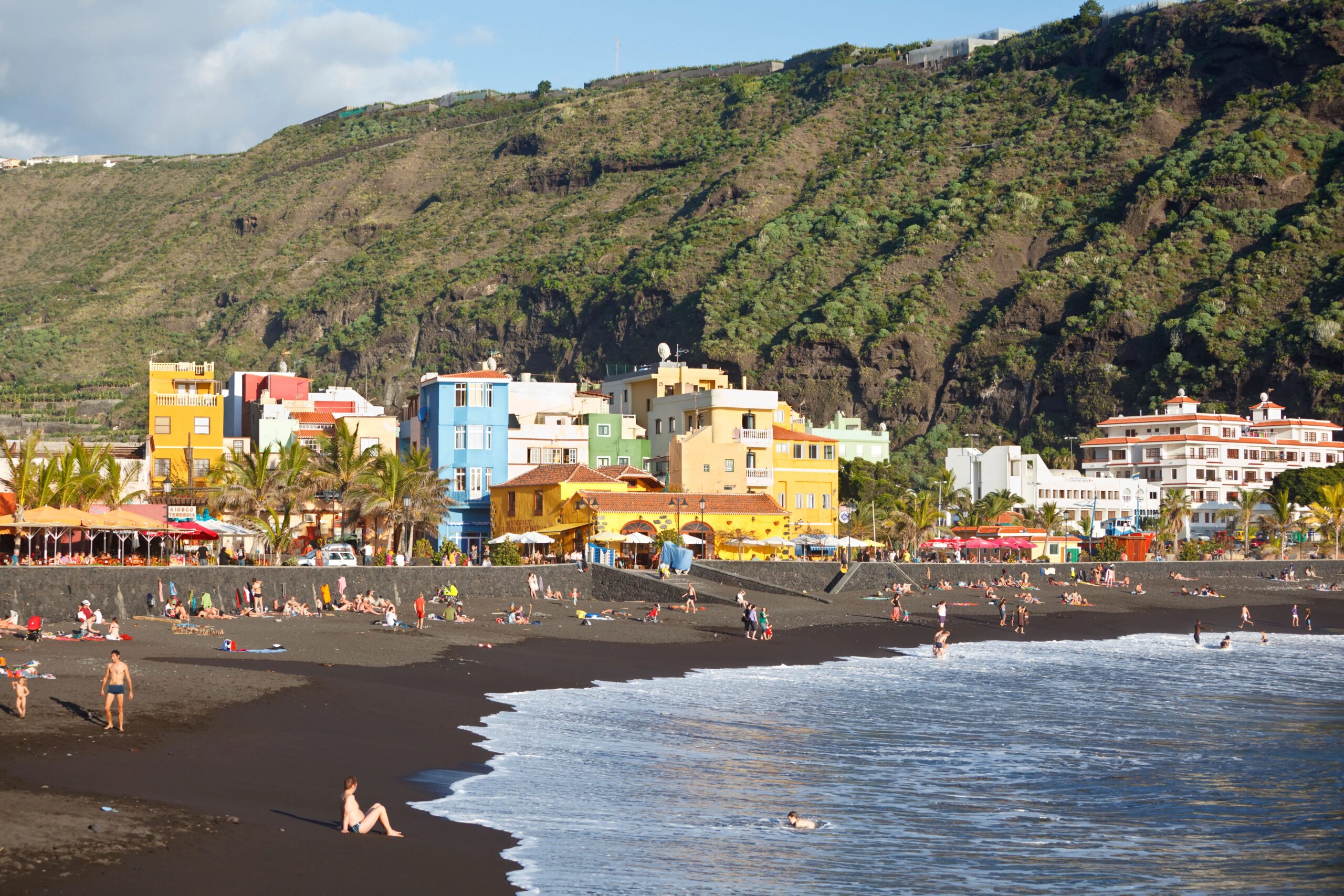
La Palma is the greenest and quietest of the Canary Islands, nicknamed “La Isla Bonita”. It’s popular with walkers and stargazers rather than beach holidaymakers. Volcanic landscapes, banana plantations and lush laurel forests surround the Caldera de Taburiente, a huge crater with excellent hiking trails. The Roque de los Muchachos observatory sits among some of the clearest skies in Europe, and the island is a certified Starlight Reserve. Beaches are mostly black sand. The capital, Santa Cruz de La Palma, has colourful colonial balconies. The 2021 Cumbre Vieja eruption reshaped parts of the south and is still part of the island’s story, but visiting is safe.
A spokesperson for Jet2 explained: “As a customer-focused business, we continually review our programme in response to what our customers want, and we will make adjustments where required.
The Sun’s Natasha Clark recently visited, saying: “I tentatively packed jeans fearing the poor weather forecast and high-teen temperatures were all we were destined for.
“But thankfully they remained at the bottom of the case as the mercury soared to 25C.
“Even in January, temperatures average a balmy 20C and there’s less than 4mm of rain a month, guaranteeing glorious blue skies.”
The breathtaking island is about a four-hour flight from the UK and boasts heaps of history, culture, TV links and a new hotel that is going to be a hit with rock fans
(Image: Getty Images)
There are few better places where you can move effortlessly between sunshine, sea and centuries of history than the stunning island of Malta. Friends and family had recommended it to me as the perfect holiday for a mix of sightseeing and relaxation, and it certainly delivered.
As a small island, Malta packs a punch, offering tourists everything they want right on their doorstep. There are few bigger mood killers than a day tour entailing hours and hours cooped up in the car, but Malta’s size means you can hop from place to place in no time at all.
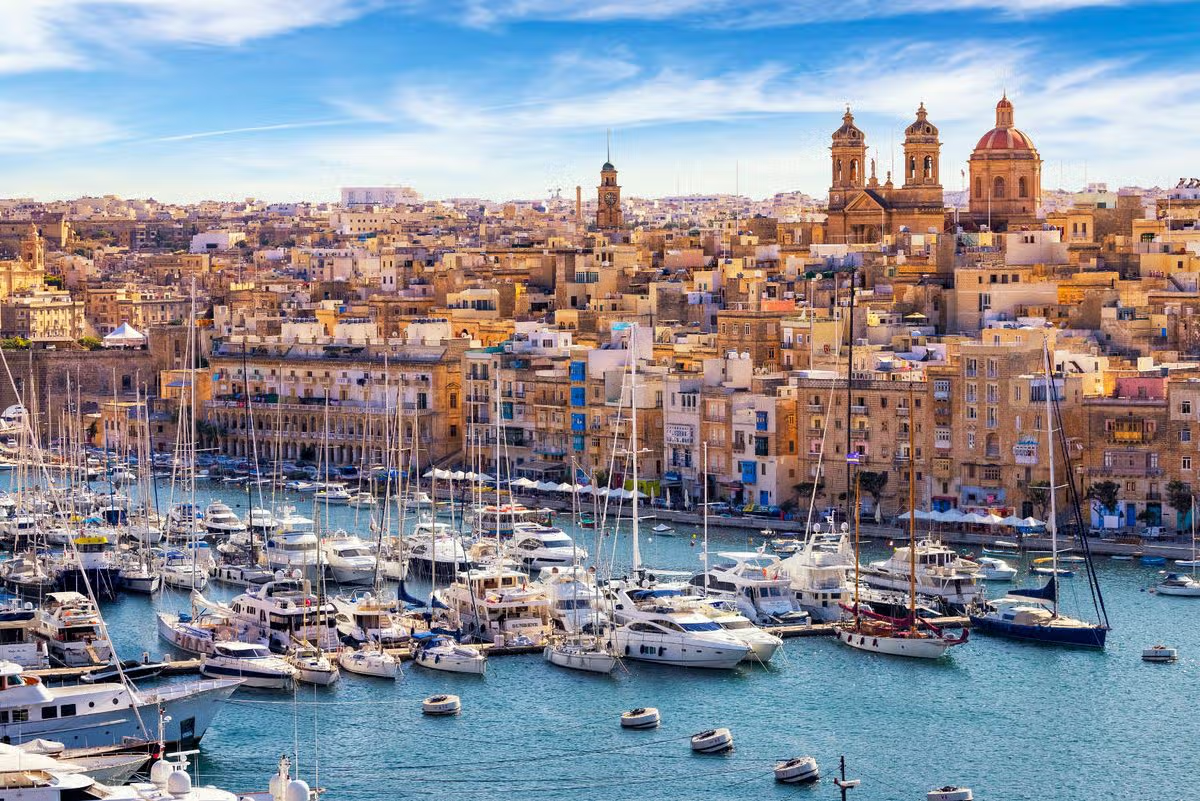
You can easily get a boat to Gozo or the Blue Lagoon in half a day, drink in the incredible sights of Malta’s shoreline, and be back in time to hit the pool before dinner. Meanwhile, Valletta, the EU’s smallest capital, is easily accessible by car or bus, and you need only a few hours to soak up the famous yellow architecture, pretty alleyways and sea views.
The city blows you away with its vivid colours as you arrive. Valletta may be modest in size, but it is extraordinary to look at, boasting a rich history closely connected to the UK. It played a major role in World War Two and became a favourite destination of Queen Elizabeth II and Prince Philip. Even today, a British influence is visible on the streets, with our famous red postboxes and iconic Victorian architecture everywhere you go.
Despite being only 0.3 square miles, Valletta offers plenty for a day trip; it boasts 320 historic sites, from the famous St John’s Co-Cathedral to Fort St Elmo. Not only that, it has been the backdrop for several hit Hollywood films, including Assassin’s Creed and Napoleon, making the city a treat for film buffs. At every turn, you are greeted by grand churches and colourful balconies, and all with a jaw-dropping coastline backdrop. A mere few hours was the perfect amount of time to explore before settling down with an Aperol Spritz.
Just a few miles along one of Malta’s most vibrant stretches of coastline lies St Julian’s, a perfect spot for those who like to swim and sunbathe during the day and head out at night. If Valletta is Malta’s historic beating heart, St Julian’s is its party spirit. As it gets dark, restaurants spill onto terraces and the waterfront fills up for sunset drinks.
Nestled nearby in the beautiful St George’s Bay is the Hard Rock Hotel Malta, which opened its doors this summer and could quickly become Malta’s go-to destination. Boasting stunning panoramic sea views, a state-of-the-art gym, a luxury spa area, and eleven (that’s right) swimming pools, it has truly thought of everything. Forgotten your sunscreen? That’s okay, because the hotel even has its own huge shopping centre and supermarket, with everything you could possibly need just a few steps from your room.
The swim-up bar at Hard Rock Hotel was also a particular highlight; I loved basking in the water with a chilled glass of wine while people-watching down onto the beach below. It made the lazy afternoons flow perfectly into the evenings, with sunbathing by the water giving way to sunset drinks on the terrace as guests soaked up the views at all points of the day.
Inside, music memorabilia gave a personal touch, while the hotel’s luxury amenities almost tempt you to forgo exploring. The hotel also boasts a wide range of stylish restaurants and bars serving impeccable food and cocktails from around the world. The experience could be a little overwhelming, but as someone who typically prefers a smaller, boutique stay, I loved the convenience that the Hard Rock Hotel offers when you have only a few days to enjoy. The spacious rooms were also gorgeous with sea-themed decor and a large balcony, and the best part is you’re guaranteed a sea view, with both sides of the hotel offering a stunning glimpse at the Maltese coastline.
If you do want to venture a little further afield for dinner, Cristiano Ronaldo’s restaurant TATEL is a must. Expect beautiful views of the bay’s sparkling waters and a menu that served up some seriously delicious fare (don’t miss out on the iconic Basque Cheesecake).
That’s why Hard Rock Hotel’s location is ideal. The comfort, convenience and style summed up my stay in Malta – everything you need is right in front of you. Exploring doesn’t have to be an ordeal when a morning in ancient streets can be quickly followed by a slow afternoon by a gorgeous pool. You have the beach, the sights, delicious food and drinks all at your fingertips. After a day of sightseeing, returning to the hotel and settling down for a terrace drink felt like part of the holiday rather than a break from it.
Travellers looking for a cost-effective and peaceful Mediterranean escape that offers more than beaches would do a lot worse than enjoy Malta’s ideal combination of history, culture, food and contemporary island life right on your hotel doorstep.
Book it
Rooms at the Hard Rock Hotel Malta start from £210 a night, based on two adults sharing a Superior Room. Book at hotel.hardrock.com/malta.
Standing on the deck of the aircraft carrier USS Abraham Lincoln, Secretary Pete Hegseth looked up at the flattop’s superstructure and got a good indication of many of the targets the Lincoln Carrier Strike Group (CSG) destroyed during its six-month fight with Iran. In a photograph shared by the Pentagon’s image distribution site, Hegseth is seen examining a wall of so-called kill marks stenciled onto the superstructure.
By our count from the image and a video taken during Hegseth’s visit, both of which you can see below, there are 103 one-way attack (OWA) drone kill marks and 34 ship kill marks. These represent the number of each the CSG took out. It is unclear whether there are other kill marks we can’t see.
Though they resemble Shahed-136s, which are the most notorious of Iranian OWA drones, these silhouettes would represent all types shot down, and Iran has many. The same holds true for the ships. The photograph shows stencils of frigates or corvettes but these would be a generic symbol for surface craft kills.
Secretary of War Pete Hegseth visits U.S. Navy Sailors aboard the USS Abraham Lincoln (CVN-72) near San Diego, Calif., Oct. 7, 2026. (DoW photo by U.S. Air Force Staff Sgt. Madelyn Keech) Staff Sgt. Madelyn Keech
On board to welcome the ship and its crew as it headed back to its home port of San Diego after a tumultuous and historic deployment, Hegseth extolled the strike group’s accomplishments. Reading from the Presidential Unit Citation awarded to the strike group for its work during Epic Fury, Hegseth noted that it shot down 77 one-way unmanned attack drones and sank 64 Iranian vessels between the start of Epic Fury on Feb. 28 until it departed the region on Aug. 22.
The Lincoln CSG also conducted 3,693 combat sorties, delivered 1.37 million pounds of ordnance, launched 450 Tomahawk Land Attack Cruise Missiles (TLAMs), destroyed 21 anti-ship cruise missiles and defended against four fast-attack craft and explosive-carrying wooden sailing vessels.
It is unclear at the moment why there are at least 26 more drone kill marks stenciled onto the Lincoln than the number of drones shot down listed in the unit citation and why there are 30 fewer ship kill marks than the tally noted in the citation. The Pentagon referred us to the Navy, and we are waiting for a response from the service.
Kill marks on aircraft embarked aboard Lincoln indicate that the carrier strike group also destroyed several Iranian submarines and other weapons. These were not listed in the unit citation or in any kill marks stenciled onto the Lincoln that we could see.
An image provided to TWZ by aviation photographer Jeff Rojas, who goes by the handle @jro_photography on Instagram, shows a submarine kill mark on one of the F/A-18F Super Hornets of the U.S. Navy’s Strike Fighter Squadron 41 (VFA-41), the “Black Aces.” That is one of the aviation squadrons embarked on the Lincoln during Epic Fury.
A close-up look at the broken submarine and other kill marks on one of VFA-41’s Super Hornets. (Jeff Rojas) Jeffrey Rojas
In total, VFA-41 alone launched 421 missiles and bombs during its time supporting Operation Epic Fury. You can find the details in our story about the squadron here.
In addition, an image published by The Aviationist showed “an extraordinary array of target markings on a VMFA-314 F-35C, apparently representing an oil tanker, three submarines, a surface combatant, a Shahed-type drone, an artillery piece, and several ground-based launchers.”
Marine F-35C Also Sports Three Submarine Kill Markings After Operation Epic Fury
An exclusive image obtained by The Aviationist reveals an extraordinary array of target markings on a VMFA-314 F-35C, apparently representing an oil tanker, three submarines, a surface combatant, a…
It should also be noted that some of the drone kill marks seen on the Lincoln could have been the result of shootdowns by the carrier’s escorts. The Arleigh Burke class guided missile destroyers USS Frank E. Petersen Jr, USS Spruance andUSS Michael Murphy all serve as critical air defense platforms for the carrier strike group. Those vessels were also the ones launching the TLAMs, as well as potential submarine involvement.
Arleigh Burke class guided-missile destroyer USS Frank E. Petersen, Jr. (DDG 121) transits the Arabian Sea, June 27, 2026. (U.S. Navy photo) U.S. Central Command Public Affa
Late Thursday morning local time, Lincoln finally returned home. The carrier departed San Diego on Nov. 21, 2025, and an arrival closed out a total deployment of 321 days, by our count. That’s just shy of the 326-day record USS Gerald R. Ford set in May, representing the second-longest deployment in the modern carrier era.
In addition to racking up successes against Iran, the marathon deployment drew scrutiny over the grueling conditions sailors and Marines experienced aboard. In August, crew families described supply shortages and difficult living arrangements, as TWZreported at the time. The accounts led to widespread media coverage, which Acting Secretary of the Navy Hung Cao called dishonest while also acknowledging that “a small number of mental health cases were treated with no loss of life, meal plans were adjusted when fresh resupply was unavailable, without a single meal being missed, calls home were limited when the operational threat was too high.” At least eight personnel across the strike group attempted suicide during the cruise, Cao wrote in a letter sent to Sen. Kirsten Gillibrand that was obtained by CNN.
The kill mark stencils weren’t the only symbols of Lincoln’s deployment. On Wednesday, Hegseth used symbology to push back against concerns raised about the long journey.
“There were a few folks in the media who tried to turn the USS Abraham Lincoln into some sort of a symbol,” Hegseth said. “A symbol of dysfunction, or a symbol of low morale, or a symbol of a failed mission. And what I look out right here or when I talk to your leadership, and I haven’t had a chance to talk to a number of you, I know it’s the exact opposite.”
UPDATE: 5:59 PM Eastern –
After the Lincoln pulled into its home port, new images emerged. The following picture shows additional kill marks, including 10 of submarines.
Sailors aboard the USS Abraham Lincoln look on as the ship docks at its homeport at Naval Air Station North Island on return from a historic 10-month deployment on Oct. 8, 2026 in Coronado, California. (Photo by Mario Tama/Getty Images) Mario Tama
Water restrictions have also been placed on tourists – including the removal of plugs to prevent visitors from taking baths.
Pumping water from ponds used by wildlife to a treatment works is being used as a “last resort”, according to Lundy managing director Derek Green.
He told the BBC: “Bringing in pond water is something we’ve never had to do before.
“If we didn’t do this, we would be facing the reality of closing Lundy…it would be devastating for us.
“We’ve got a working farm here and the animals need water every day… so to evacuate those animals, those people and to cancel all those holidays is something that has never happened in the history of Lundy before.”
Green added that there had been “no significant rainfall” on the island since April, contributing to the severe water shortage.
The area is known for its abundant puffin and seal colonies, as well as whale and dolphin spotting.
The 3.1 mile long isle can be reached from Devon’s mainland in less than two hours by ferry, and remains popular among holidaymakers for its picturesque beaches and adventurous hikes.