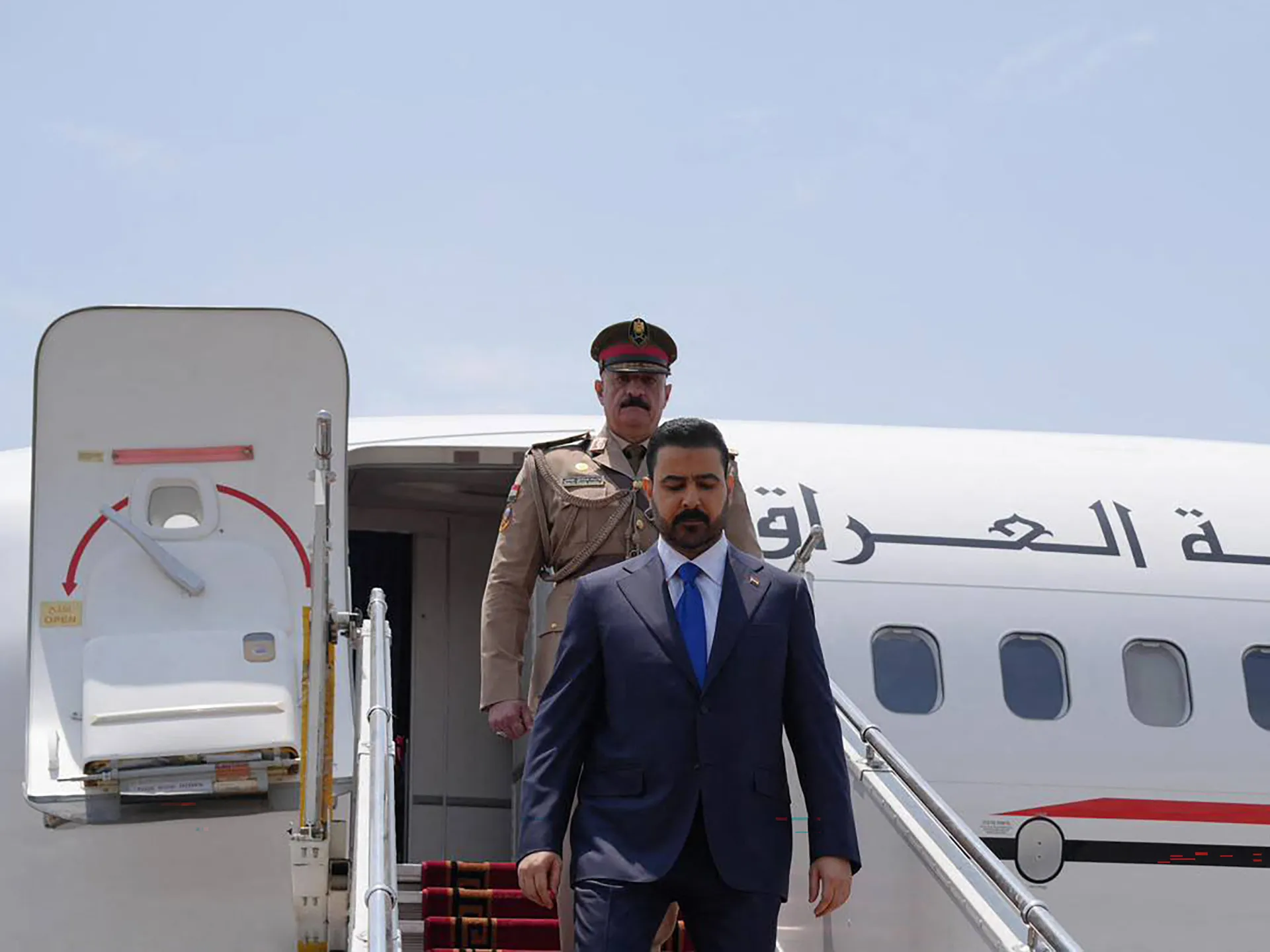
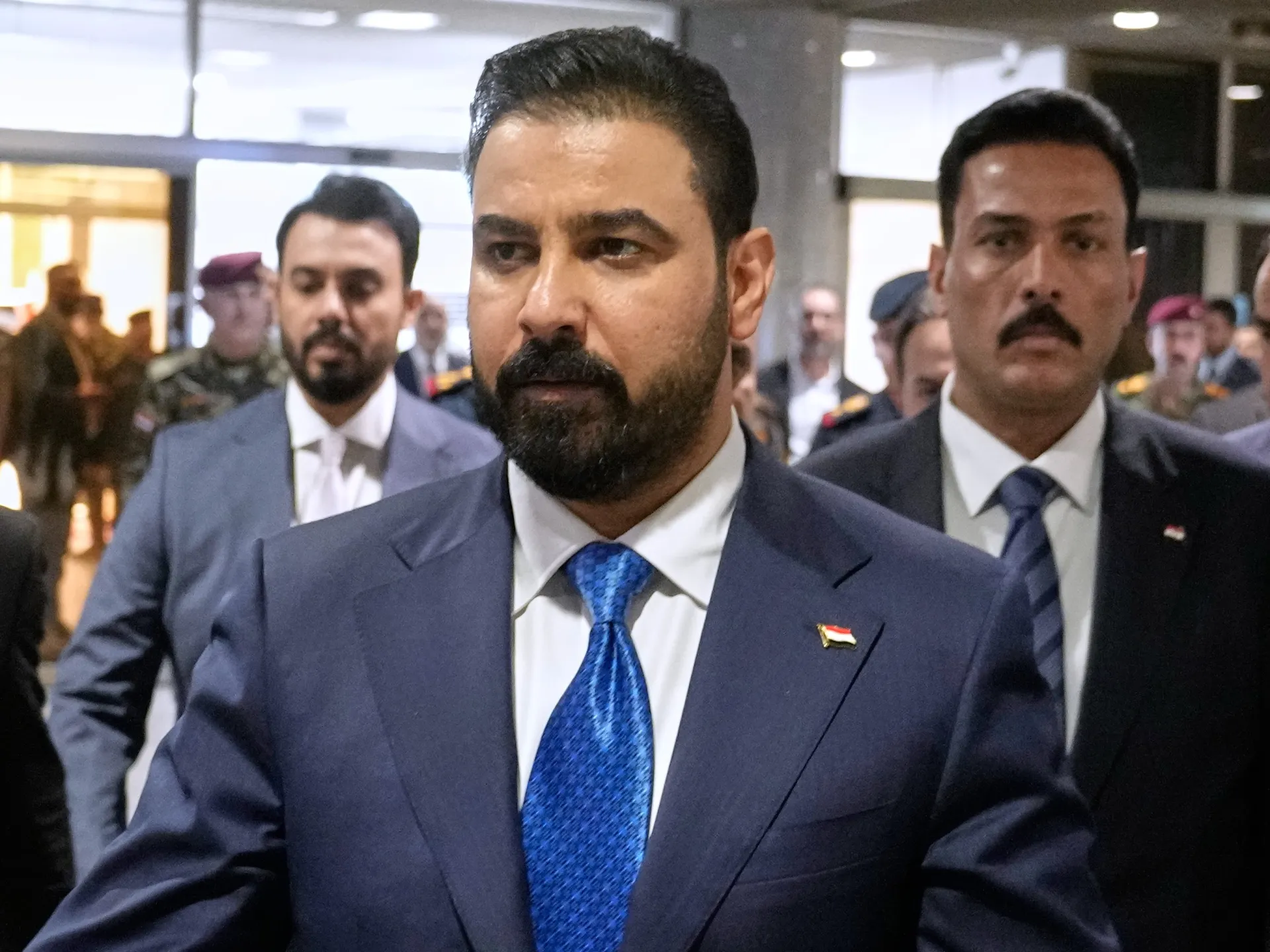
Iraqi Prime Minister Ali al-Zaidi is leading a high-level delegation to Turkiye, in his first visit to the neighbouring country since taking office in May.
Accompanied by ministers and senior officials, al-Zaidi’s visit on Tuesday will focus on “strategic cooperation” between the two countries, as well as issues related to security, water and the economy, according to government spokesman Haider al-Aboudi.
Relations between Iraq and Turkiye have fluctuated over the past decade but remained a priority for both sides, particularly for Iraq in relation to oil and water resources.
And the launch of the US-Israel war on Iran in February and the subsequent closure of the Strait of Hormuz have elevated Ankara’s importance for Baghdad, prompting it to press Turkish authorities to resume and increase the exporting of oil through the Iraqi-Turkiye pipeline after years of suspension.
New oil agreement
The two countries are seeking to sign an oil pipeline agreement that governs the export of Iraqi oil after the expiration of the previous deal on Monday.
A source from Iraq’s Ministry of Oil told Al Jazeera that a technical delegation arrived in Ankara late last week to finalise a one-year extension of the old oil-exporting agreement until a new deal is concluded.
“The new Turkish terms regarding a new agreement are very difficult to be accepted by Iraq. For this reason, no one other than the Iraqi council of ministers is to take such a decision regarding this issue,” said the official on condition of anonymity.
”Turkiye wants to increase the interest from $1.35 for each barrel to $7, and the export capacity must not be less than 1.5 million bpd [barrels per day], whether Iraq can reach this level or not,” the source added.
Part of al-Zaidi’s plan is to find new energy deals and secure alternate routes to export Iraqi crude via Turkiye and Syria and to the Mediterranean Sea.
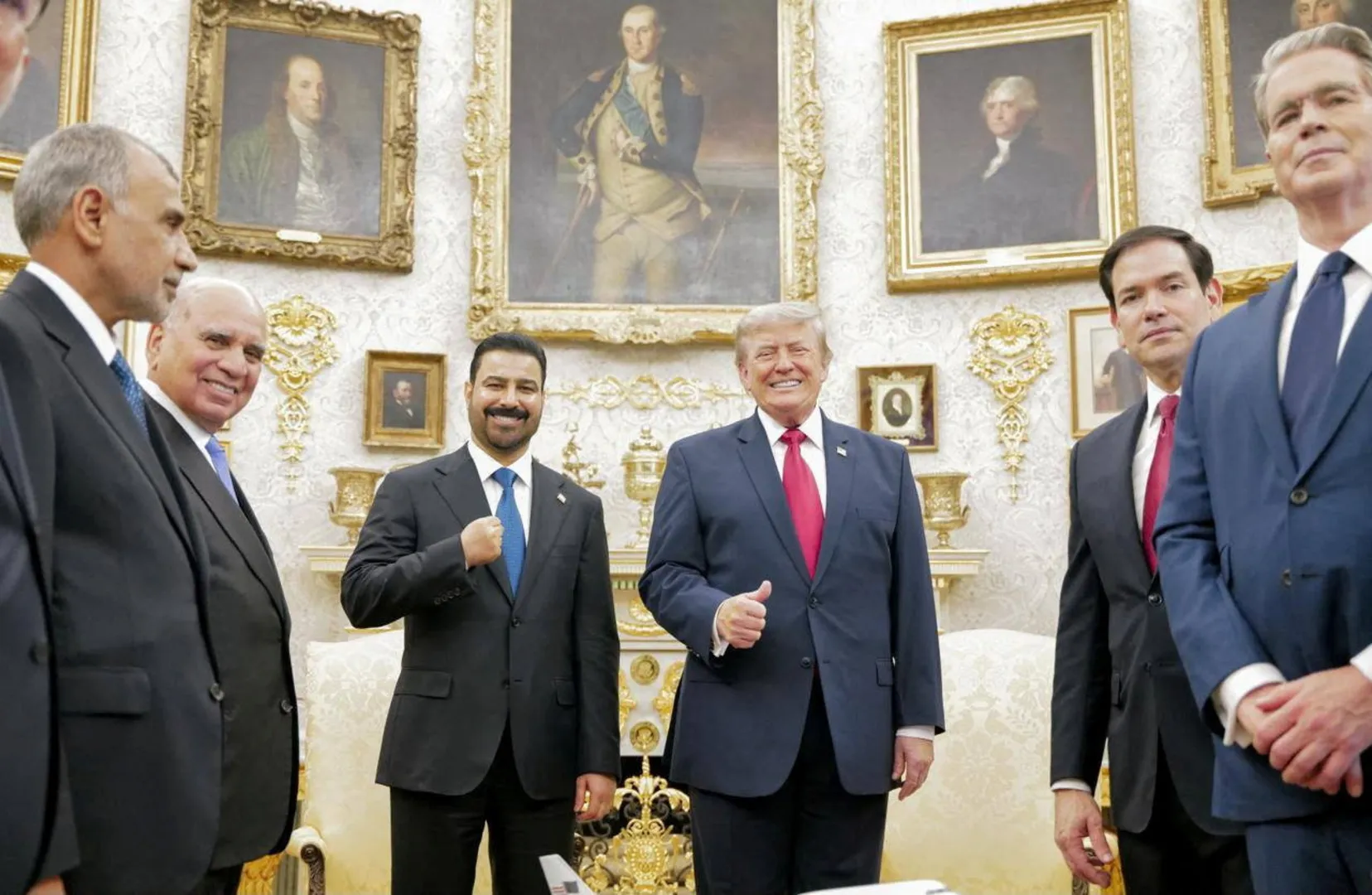
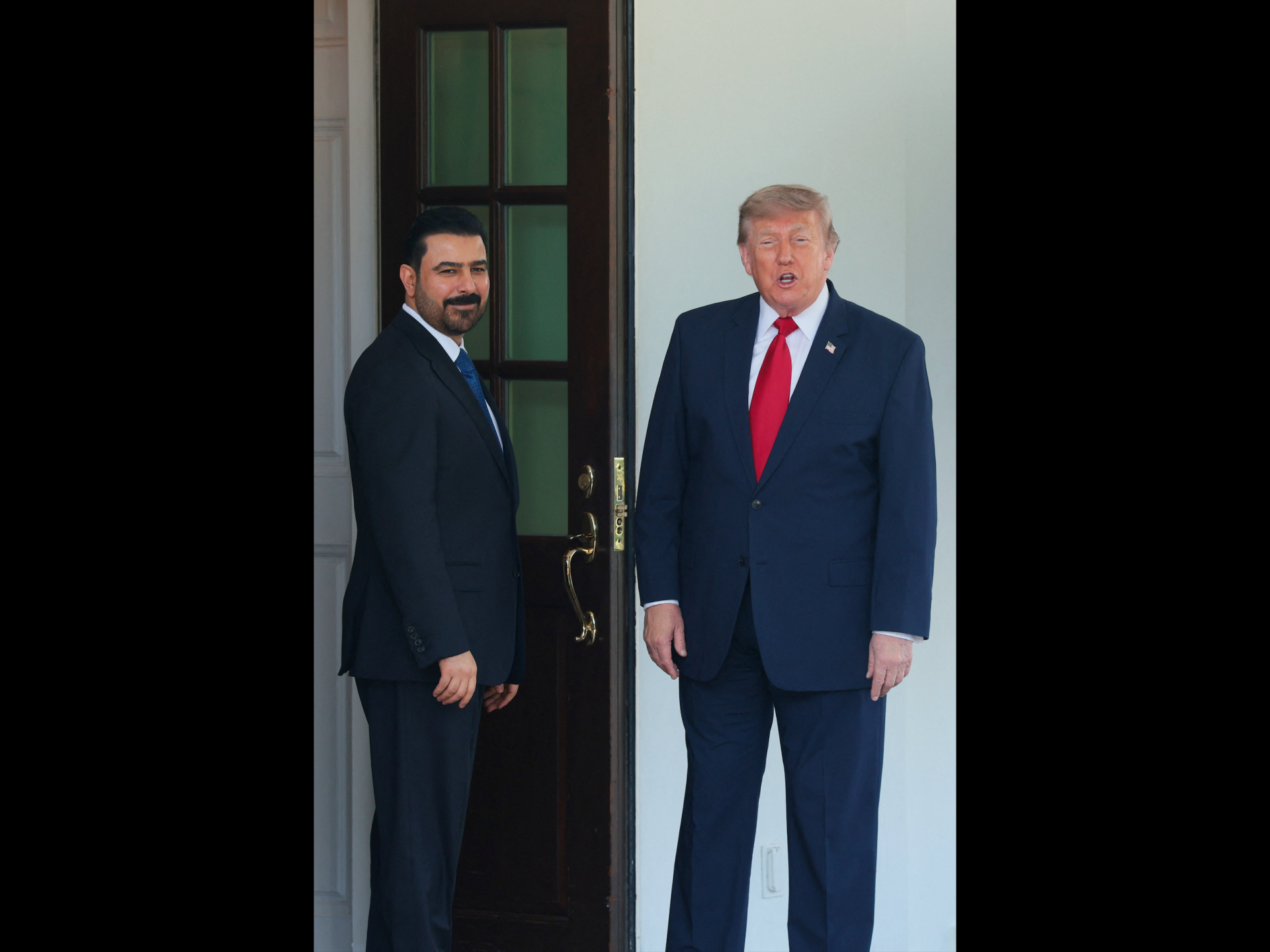
Iraq signed energy deals estimated at $200bn with US companies during al-Zaidi’s visit to the United States earlier this month, and the government aims to increase its oil and gas production, as well as to diversify exporting options.
“There is an urgent need to find new export outlets away from the Strait of Hormuz, which no longer meets Iraq’s requirements. We must expedite and shorten the timeframe for negotiations and contracting in order to establish new export routes,” said Iraqi Oil Minister Basim Khudair.
Development Route
During his visit, al-Zaidi is also expected to pursue the establishment of strong trade, development and economic ties while seeking to draw from Turkiye’s experience across different industries.
A government source told Al Jazeera that the prime minister will highlight the importance of utilising Turkish expertise in the energy, infrastructure and transport sectors to boost Iraq’s development initiatives.
Among the main projects is the so-called Development Route – a vital transport project that connects Iraq’s al-Fao port in the south all the way north to the Iraq-Turkiye-Syria border triangle through a 1,200km (746-mile) rail and a highway network that passes through 10 Iraqi provinces.
Abd al-Jabar Ahmad, a professor of political science, said continued attacks by armed groups “have effectively derailed” the project.
He also cast doubt al-Zaidi visit’s will yield major results in relation to it, pointing to Ankara’s involvement in a transport corridor seeking to link Turkiye to Jordan through Syria and then Saudi Arabia.
“In my view, the Saudi project stripped Iraq’s Development Road Project of much of its economic and investment appeal,” he added.
Water and security
Water management is also expected to be prioritised during al-Zaidi’s discussions in Turkiye.
Iraq blames Turkiye for building dams that have affected the flow of water from its two main rivers – the Tigris and the Euphrates – which originate in Turkish territory.
“Iraq views it as an issue that impacts the future of millions of Iraqis,” said the government source.
But the most complicated and sensitive issue concerns security – particularly, the presence of Turkish forces on Iraqi soil to fight the Kurdistan Workers’ Party, or PKK, which Turkiye, the US and European Union have designated as a “terrorist” group.
Military estimates suggest that Turkiye has about 50 small and big bases in three Iraqi provinces – Erbil, Duhok and Nineveh – hosting some 5,000 soldiers and weaponry, including artillery and armoured vehicles, as well as heavy and medium arms.
In mid-2025, the PKK announced it had taken its first steps towards disarmament as part of a wider peace deal with Ankara to end 40 years of war against the Turkish state in a conflict that has killed more than 40,000 people. Still, Turkiye continues to view the armed group’s presence in different mountainous areas in northern Iraq as a national security threat.
But despite the challenges, there is wide support in Iraq to strengthen relations with Turkiye, driven by the belief that ties with the neighbouring country remain important and serve Iraq’s national interests.
“There is a strong Iraqi desire to deepen relations with Turkiye in many aspects, especially in oil as Turkiye becomes one of the most important countries in the region in terms of transit routes for exporting oil to Europe and the rest of the world,” said Issam al-Faily, a political science professor.
“The problem lies in the nature of the Iraqi political climate, which is affected by the ongoing power struggles. The covert Turkish–Iranian rivalry may be one of the reasons that could prevent al-Zaidi from achieving his aspirations in relations with Turkiye. He should balance these very critical issues, if he wants this visit to be successful,” added al-Faily.

![Security forces and emergency personnel work at the site of a strike north of al-Miqdadiyah district in Iraq’s Dayala province on July 29, 2026 [AFP]](https://i0.wp.com/www.aljazeera.com/wp-content/uploads/2026/07/afp_6a69d312160b-1785320210.jpg?w=640&ssl=1)