Intense

Hegseth threatens ‘most intense day of strikes’ as Iran war injures about 140 Americans

Some 140 American service members have been wounded since start of the Iran war, with eight of them “severely injured” and receiving medical care, the Pentagon said Tuesday.

“The vast majority of these injuries have been minor, and 108 service members have already returned to duty,” Pentagon spokesperson Sean Parnell said in a statement.

The casualty toll adds to the seven American troops killed so far in the war, which entered its 11th day with no clear sign of slowing down as U.S. officials indicated that the military campaign was likely to intensify.

Iran, too, took new actions that could escalate the conflict, reportedly laying mines in the Strait of Hormuz, a potentially devastating development for the global energy market.

President Trump said that if Iran put mines in the strait and did not remove them immediately, the U.S. military would hit Iran “at a level never seen before.”

“If, on the other hand, they remove what may have been placed, it will be a giant step in the right direction!” Trump wrote on Truth Social.

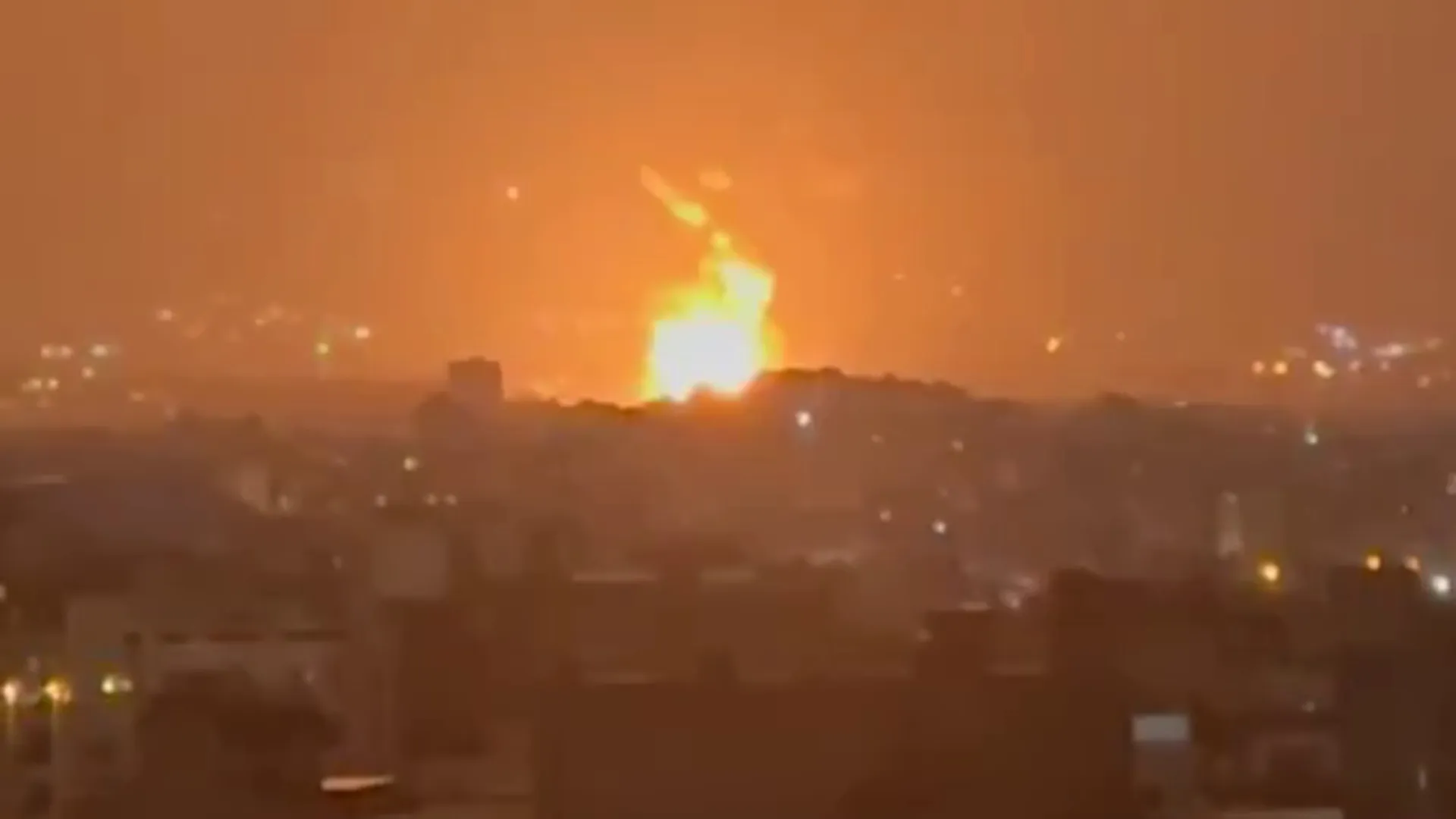
The warning was yet another escalation that came after Defense Secretary Pete Hegseth said Tuesday would bring the “most intense day of strikes” inside Iran, a fighting tempo that is at odds with Trump’s own assessment that the war is “very complete” and could end “very soon.”

At a Pentagon news conference, Hegseth said “the most fighters, the most bombers, the most strikes” would be deployed, but declined to say how much longer U.S. forces would be expected to fight in the region. He instead said the president will be the one to “control the throttle.”

“It’s not for me to say whether this is the beginning, the middle, or the end. He will continue to communicate that,” Hegseth told reporters.

That deference places the focus squarely on Trump, who a day earlier delivered mixed signals about the duration of the war, telling reporters at one point that the war is “very much complete” and a later time that it is “the beginning of building a new country.”

At a briefing on Tuesday, White House Press Secretary Karoline Leavitt said the U.S. military was “way ahead of schedule” on reaching its objectives in Iran, but reiterated that the president alone will decide what victory looks like.

“President Trump will determine when Iran is in a place of unconditional surrender and when they no longer pose a credible and direct threat to the United States of America and our allies,” Leavitt said.

The president’s shifting positions on the war’s conclusion have played out as Trump threatens to hit Iran “twenty times harder” if it attempts to halt the flow of oil in the Strait of Hormuz, a key channel for the world’s oil supply — and as Democrats in Congress says they are growing concerned about the possibility of Trump sending U.S. ground troops inside Iran.

“We seem to be on a path toward deploying American troops on the ground in Iran to accomplish any of the potential objectives here,” Sen. Richard Blumenthal (D-Conn.) told reporters after being briefed on the Iran war.

When asked about Democrats’ concerns, Leavitt said Trump “wisely … does not rule options out as commander-in-chief.”

“I would hesitate to confirm anything that a Democrat says right now about the president’s thinking,” she added.

U.S. says Iran’s fire power is diminishing

As Washington plans out its next steps, the war has shown little signs of slowing. U.S. military officials say Iran’s military capabilities are eroding under sustained strikes that have targeted “deeply buried missile launchers” and made “substantial progress toward destroying” Iran’s navy.

Hegseth said “the last 24 hours have seen Iran fire the lowest amount of missiles they have fired yet.”

Gen. Dan Caine, chairman of the Joint Chiefs of Staff, told reporters that Iran’s ballistic missile attacks “continue to trend downward 90%” since the start of the war, and that drone attacks have decreased by 83%.

U.S. forces are also targeting Iran’s “industrial base in order to prevent the regime from being able attack Americans, our interests and our partners for years to come,” Caine said.

Caine said the Iranian military is adapting to the U.S. strategy, but remains confident in Washington’s ability to overpower Tehran. “They are adapting, as are we, of course. We have very entrepreneurial war fighters out there,” he said. “We are watching what they are doing, and we are adapting faster than they are.”

Asked whether Iran had proved to be a stronger adversary than anticipated, Caine said: “They are fighting, and I respect that, but I don’t think they are more formidable than what we thought.”

Iran, meanwhile, has refused to bow down to Trump’s demands and has issued warnings of its own.

Ali Larijani, Iran’s top national security official, called Trump’s threat against their targets on the Strait of Hormuz “hollow” and told him that he should instead focus on taking care of himself so that he is not “eliminated.”

Iran’s parliament speaker, Mohammed Bagher Qalibaf, however, said Iran was determined to keep fighting and was “definitely not looking for a ceasefire.”

“We believe that the aggressor should be punched in the mouth so that he learns a lesson so that he will never think of attacking our beloved Iran again,” Qalibaf said.

New attacks on neighbors

Meanwhile, Iran launched new attacks at Israel and gulf Arab countries. In Bahrain, authorities said an Iranian attack hit a residential building in the capital, Manama, killing a 29-year-old woman and wounding eight people.

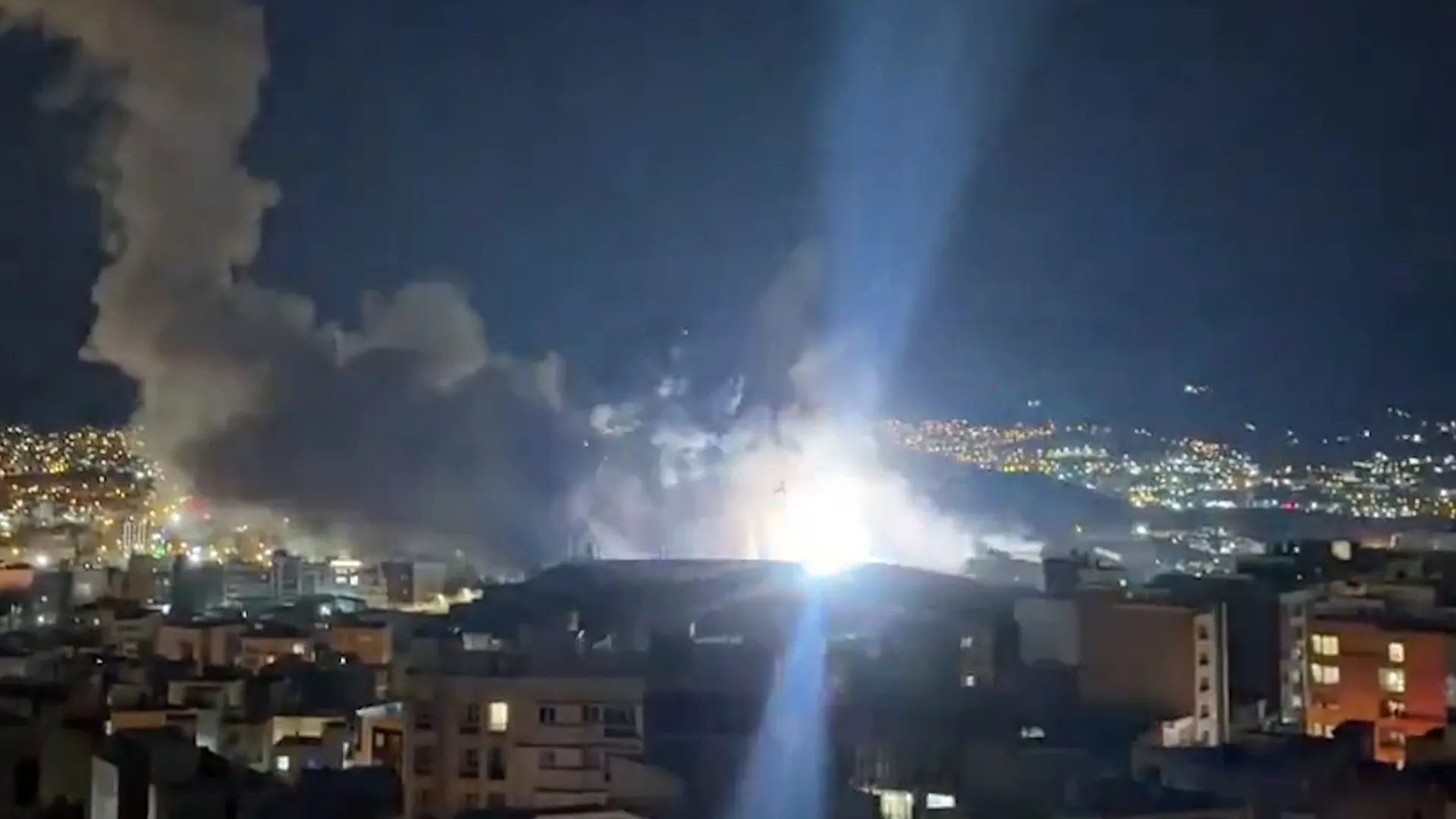
Saudi Arabia said it destroyed two drones over its oil-rich eastern region and Kuwait’s National Guard said it shot down six drones. In the United Arab Emirates, firefighters battled a blaze in the industrial city of Ruwais — home to petrochemical plants — after an Iranian drone strike. No injuries were reported.

In Tel Aviv, explosions could be heard as Israel’s defense systems worked to intercept barrages from Iran.

Along with firing missiles and drones at Israel and at American bases in the region, Iran has also targeted energy infrastructure and traffic through the Strait of Hormuz, a vital waterway for traded oil, sending oil prices soaring. The attacks appear aimed at generating enough global economic pain to pressure the U.S. and Israel to end their strikes.

Brent crude, the international standard, spiked to nearly $120 on Monday before falling back but was still at around $90 a barrel Tuesday, nearly 24% higher than when the war started on Feb. 28.

“The president and his energy team are closely watching the markets, speaking with industry leaders and the U.S. military is drawing up additional options, following the president’s directive to continue keeping the Strait of Hormuz open,” Leavitt said. “I will not broadcast what those options look like but just know the president is not afraid to use them.”

So far, the president has offered to have the U.S. Navy escort oil tankers.

The White House has insisted that soaring gas prices are temporary, but the shock in the energy markets has already prompted the Trump administration to lift oil-related sanctions on some countries, including Russia.

“We are going to take those sanctions off until this straightens out,” Trump said Monday. “And then who knows, maybe we won’t have to put them on because there will be so much peace.”

The war has created an opportunity for Russia to make gains in Ukraine, as hostilities draw the global spotlight away from Kyiv and its struggle to hold back the bigger Russian army. U.S.-brokered talks between the two adversaries have been sidelined as Washington shifts focus to its war in Iran.

As Russia enjoys economic gains from the war-fueled energy crisis in the Middle East, Russian President Vladimir Putin has been gathering forces for a renewed offensive in eastern Ukraine.

Key air defense systems have already been diverted from Ukraine to the Persian Gulf, and Ukrainian President Volodymyr Zelensky has dispatched drone interceptors to the region and ordered anti-drone experts to pivot from their war with Russia to help Western allies help intercept Iranian attacks.

“At the moment, the partners’ priority and all attention are focused on the situation around Iran,” Zelensky said on X. “We see that the Russians are now trying to manipulate the situation in the Middle East and the gulf region to the benefit of their aggression.”

Times staff writers Gavin J. Quinton and Michael Wilner, in Washington, D.C., contributed to this report, which also includes reporting from the Associated Press.

Source link

U.S. Promises “Most Intense Day Of Strikes” On Iran

United States Secretary of War Pete Hegseth has said that today will be “the most intense day of strikes,” as the U.S. and Israeli militaries increase their attacks on Iran. Meanwhile, Hegseth said that, in the last 24 hours, Iran has launched its lowest number of weapons since the conflict began, suggesting that these strikes are starting to more significantly erode Tehran’s ability to hit back at Israel, U.S. interests in the Middle East, and the wider region.

Hegseth said that the aftermath of the conflict is “going to be in America’s interests” and says it “will not live under a nuclear blackmail” from Iran.

Among the U.S. assets involved in the recent strikes is the Arleigh Burke class destroyer USS Frank E. Petersen Jr., seen firing a Tomahawk Land Attack Missile at Iran yesterday.

Footage of the U.S. Navy destroyer USS Frank E. Petersen Jr. (DDG 121) firing a Tomahawk Land Attack Missile at Iran yesterday. pic.twitter.com/ruyqttHlMs

— OSINTtechnical (@Osinttechnical) March 10, 2026

The aircraft carrier USS Gerald R. Ford is reportedly on the move. Based on open-source flight tracking data, the supercarrier is apparently now operating in the central Red Sea, off the coast of Jeddah, Saudi Arabia. This suggests that the carrier strike group is heading closer to the theater of combat. Whether it will pass the Bab El Mandeb Strait, which the Iranian proxies in Yemen can put under threat, is yet to be seen.

🇺🇸USS Ford Shifts South in the Red Sea

Based on the ADS-B flight path of a USN C-2A Greyhound (Reg: 162162 / Hex: AE0454), the USS Gerald R. Ford (CVN-78) appears to be operating in the Central Red Sea, off the coast of Jeddah, Saudi Arabia.

The Indicator: C-2A Greyhounds… pic.twitter.com/PbTAQFpiJo

— MT Anderson (@MT_Anderson) March 10, 2026

According to The Washington Post, citing U.S. officials, the U.S. military expended munitions to the value of $5.6 billion in only the first two days of its attack on Iran. Statistics like these have raised questions about how fast some of the Pentagon’s most valuable stockpiles of weapons — including Tomahawk cruise missiles — have been eroded, and the capacity of the defense industry to make good the deficit.

The Pentagon burned through $5.6 billion worth of munitions in the first two days of its Iran assault, according to U.S. officials, alarming some on Capitol Hill over how quickly the military has depleted scarce supplies of America’s most advanced weaponry.…

— The Washington Post (@washingtonpost) March 9, 2026

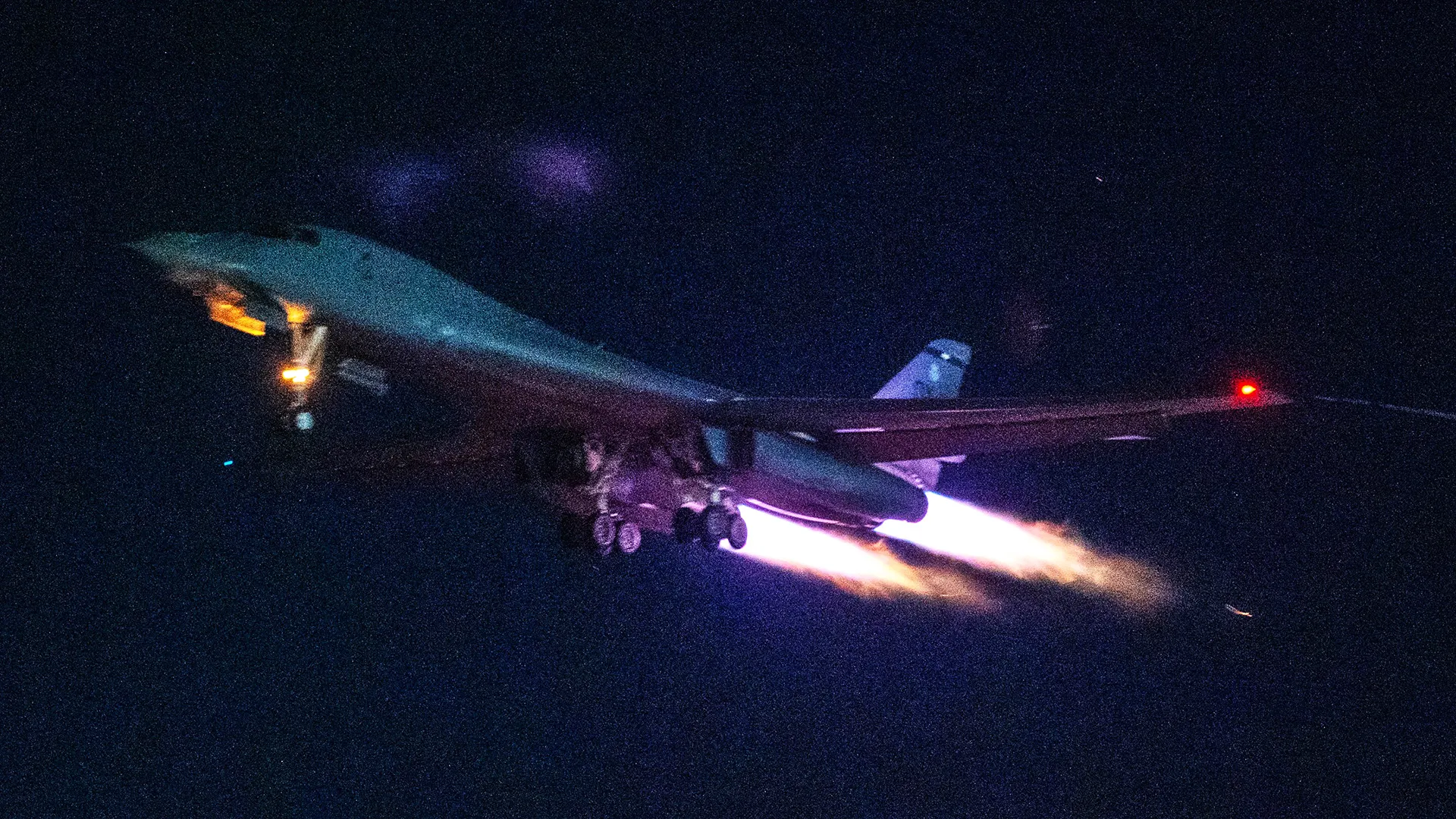
Further U.S. long-range strike firepower has arrived at RAF Fairford in England, where another three B-1B bombers touched down today. These join three more B-1s that arrived on Friday and Saturday, as well as three B-52Hs that landed at the airbase yesterday, as you can read about here. As we have discussed repeatedly in recent weeks, having the bombers forward deployed to England and/or Diego Garcia will drastically increase sortie rates and decrease wear-and-tear on the bomber fleet compared to flying from U.S. airbases and back. This will become even more relevant if the bomber force shifts from making standoff strikes to direct attacks on Iranian targets, even if just over limited parts of the country where air supremacy is more guaranteed.

Gen. Dan Caine, the chairman of the Joint Chiefs of Staff, today also provided an update on the progress made in Operation Epic Fury, which he described as “gritty and tireless work.”

Caine added that the joint force remains focused on three main objectives: destroying Iran’s missile and drone capability, striking and degrading Iran’s naval capability, and preventing Tehran from being able to attack the United States and its partners “for years to come.”

Gen. Caine lists goals of Iran war:
1. Destroy missiles/drones
2. Destroy navy
3. Destroy military and industrial base

Not specifically mentioned: Iran’s nuclear program

— Lucas Tomlinson (@LucasFoxNews) March 10, 2026

Iran’s nuclear program was not mentioned by Caine. However, recent satellite imagery indicates that Iranian nuclear facilities are still being attacked, in this case, the Parachin nuclear complex.

🔴צילומי לווין מראים כי המתחם הצבאי הגרעיני פארצ’ין באיראן ספג תקיפות רבות🔴
מספר מבנים ניזוקו או נהרסו לחלוטין לחלוטין.
קרדיט: @SoarAtlas pic.twitter.com/YUf9fZy7zz

— אור פיאלקוב (@orfialkov) March 10, 2026

Caine also reported a reduction in Iranian strikes, stating that “ballistic missile attacks continue to trend downwards, down 90 percent from when we started.”

The Iranian regime can try to hide their missile launchers, but U.S. forces won’t stop looking. When we find them, we’re taking them out. pic.twitter.com/urq3LWwARC

— U.S. Central Command (@CENTCOM) March 10, 2026

Satellite imagery points to recent strikes on at least two different Iranian missile bases, at Baharestan and Khormuj. Attacks have targeted specific points on the surfaces of these facilities, primarily the tunnel entrances, restricting the ability to move missiles out of their underground storage, or indeed to put them underground for their protection. As we have repeatedly noted, keep these facilities sealed is clearly a top priority for the U.S. and Israel as it negates all the standoff weapons entombed within.

This is what strikes on a “missile city” tunnel complex look like.

The missile base in Baharestan, southeast of Esfahan, was struck at several points, destroying all surface infrastructure. The base’s underground facility appears to have been damaged primarily at the tunnel… pic.twitter.com/68WVW1Azvs

— Ben Tzion Macales (@BenTzionMacales) March 9, 2026

Satellite imagery from Sentinel-2 @CopernicusEU on March 09 shows the Khormuj ballistic missile base lost 1 support building by airstrike, located outside the underground launch facility. The 9 portals, likley to function as silos for rapid ballistic missile launches, have yet to… pic.twitter.com/7P3l7kMYpS

— Israel-Alma (@Israel_Alma_org) March 9, 2026

Nevertheless, Iranian media continues to show launches of various missiles against targets in the wider region, with those in the video below claimed to be directed against U.S. military facilities in Kuwait. As well as the more familiar short-range ballistic missile, the imagery also includes Iranian Paveh-series ground-launched cruise missiles.

More footage has emerged of the aftermath of the U.S. strike on an Iranian Shahid Soleimani class missile corvette off the port of Bandar Kong yesterday. One of these unusual catamaran vessels had been sunk in an earlier U.S. strike, as you can read about here.

Additional footage of the American airstrike that destroyed an Iranian IRGC Navy Soleimani-class corvette off the port of Bandar Kong yesterday. pic.twitter.com/Y8RwgcAq1n

— OSINTtechnical (@Osinttechnical) March 10, 2026

Bandar Abbas, that sits on the Strait of Hormuz, home to extensive naval facilities, as well as an Iranian air base, continued to be bombarded. The latest satellite imagery indicates new direct hits on the primary naval berths, as well as efforts by the Iranian Navy to disperse its assets. These include Ghadir class midget submarines, which have been spread around the harbor for their protection.

🚨ESCALATION AT BANDAR ABBAS: Sustained Campaign and Submarine Dispersal

OSINT Confirmed (Mar 9): The strikes on Iran’s Southern Fleet HQ did not end on March 7. Fresh high-res imagery confirms a sustained and destructive campaign, targeting the southern fleet, is actively… pic.twitter.com/hEFCuDi8rk

— MT Anderson (@MT_Anderson) March 10, 2026

American forces carried out heavy airstrikes targeting Iran’s Bandar Abbas Air Base this morning.

A massive column of smoke could be seen rising into the sky after the strikes. pic.twitter.com/2vW4SZ4379

— OSINTtechnical (@Osinttechnical) March 10, 2026

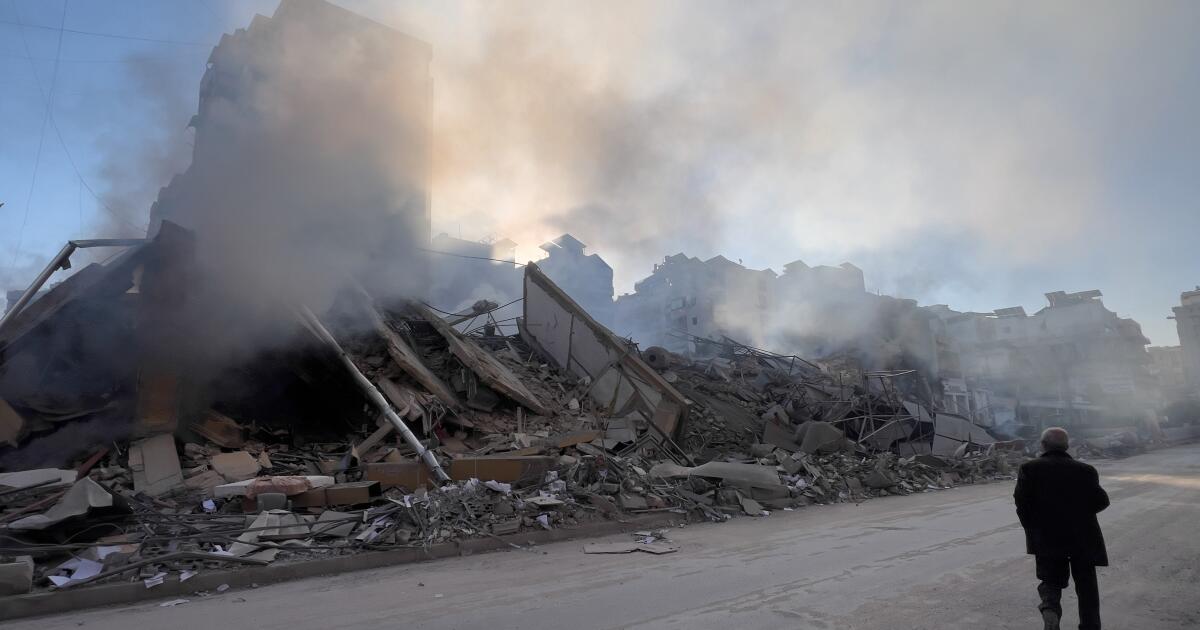
As well as a fresh wave of attacks on Tehran, the Israel Defense Forces (IDF) continues its campaign in Lebanon.

🎯 STRUCK: The IDF conducted an additional wave of airstrikes targeting assets and storage facilities of the Hezbollah affiliated Al-Quard Al-Hassan Association in Lebanon, used to finance the purchasing of weapons and terrorist salaries, as part of ongoing efforts to further… pic.twitter.com/AZIjUKYpoD

— Israel Defense Forces (@IDF) March 10, 2026

🎥 WATCH: Troops located and dismantled a Hezbollah rocket launcher used to fire toward Israel during operations in the area of southern Lebanon.

During the activity, a Hezbollah terrorist involved in launching attacks toward Israel was eliminated. pic.twitter.com/SuEUzQBVvJ

— Israel Defense Forces (@IDF) March 9, 2026

The IDF says it has completed a wave of airstrikes targeting branches of the Hezbollah-linked Al-Qard al-Hasan association, which is known to be used by the terror group as a quasi-bank.

Strikes carried out by the Israeli Air Force yesterday hit various assets and vaults of… pic.twitter.com/0ywArARHX4

— Emanuel (Mannie) Fabian (@manniefabian) March 10, 2026

The IDF today launched a warning strike on Beirut’s southern suburbs, Lebanon’s state-run National News Agency reports.

Ahead of that, the IDF warned that it would be targeting Hezbollah infrastructure in the area of Tyre and Sidon on the western coast of southern Lebanon. It also said it would be operating in the area south of the Litani River, around 50 miles south of the capital. The IDF once again urged those in the area to leave.

Despite the reported dip in Iranian missile and drone strikes, air defenses in the United Arab Emirates have again been busy. Today, the UAE’s defense ministry reported the interception ofeight missiles and 26 drones. A ninth missile fell into the sea while nine more drones fell into the country’s territory.

In total, since the start of the conflict, UAE air defenses have identified 262 ballistic missiles, eight cruise missiles, and 1,475 drones heading toward UAE territory, the defense ministry added.

الدفاعات الجوية الإماراتية تتعامل مع 8 صواريخ باليستية و 26 طائرة مسيرة.

رصدت الدفاعات الجوية الإماراتية اليوم (10 مارس 2026) 9 صواريخ باليستية حيث تم تدمير 8 صواريخ باليستية، فيما سقط 1 صاروخ باليستي في البحر، كما تم رصد 35 طائرة مسيرة، حيث تم اعتراض 26 طائرة مسيرة، بينما سقطت… pic.twitter.com/yoz8NX0hKZ

— وزارة الدفاع |MOD UAE (@modgovae) March 10, 2026

Despite the combined U.S.-Israeli onslaught, Iran’s Revolutionary Guards (IRGC) remain resolute.

The IRGC said they targeted a U.S. base in Iraq’s Kurdistan region. “The headquarters of the invading U.S. Army in Al-Harir Air Base in the Kurdistan region was targeted with five missiles,” the Guards said in a statement on Telegram today.

Since the start of the conflict, it is reported that Iran and Iran-affiliated militants in Iraq have carried out 196 drone, missile, and rocket attacks across the Kurdistan region.

Nearly 200 strikes in ten days.

Since February 28, Iran’s Islamic Revolutionary Guard Corps and affiliated armed groups in Iraq have carried out 196 drone, missile, and rocket attacks across the Kurdistan Region of Iraq, according to monitoring by Community Peacemaker Teams –… pic.twitter.com/ZMopvYGDhx

— The Amargi (@the_amargi) March 9, 2026

The IRGC also said that they would not allow “one liter of oil” to be shipped from the MiddleEast as long as the attacks continue.

In response, U.S. President Donald Trump said the U.S. military would hit Iran “20 times harder” if it blocked tanker traffic through the Strait of Hormuz, which handles a fifth of the world’s oil supply.

“Death, Fire, and Fury will reign upon them,” Trump added, in a statement on his Truth Social media channel.

President Trump threatens Iran with airstrikes “TWENTY TIMES HARDER” if they stop the flow of oil within the strait of Hormuz.

“Death, Fire, and Fury will reign upon them” pic.twitter.com/YBjAs4JvFq

— OSINTtechnical (@Osinttechnical) March 10, 2026

Otherwise, Trump has delivered some mixed messages on the course of the war so far.

The U.S. president described the campaign as “very complete, pretty much,” and ahead of schedule. But Trump also said he would not declare the U.S. mission accomplished, saying: “We’ve already won in many ways, but we haven’t won enough.”

Signs of a more enduring campaign are also found in Trump’s War Powers Resolution notice to Congress. This includes the words: “Although the United States desires a quick and enduring peace, it is not possible at this time to know the full scope and duration of military operations that may be necessary.”

POTUS, in his War Powers Resolution notice to Congress states:
“Although the United States desires a quick and enduring peace, it is not possible at this time to know the full scope and duration of military operations that may be necessary.”

Anyone who says this is only going… pic.twitter.com/Ik9eQjDNNZ

— TheIntelFrog (@TheIntelFrog) March 10, 2026

In a televised interview, Trump also appeared to threaten Mojtaba Khamenei, who Iran has named as its new supreme leader, succeeding his father, Ali Khamenei, after he was killed on February 28.

Speaking of Trump, high-ranking Iranian official Ali Larijani said on X: “The Iranian people are not afraid of your threats … be careful, or you will be the one who is eliminated.”

Ali Larijani threatens Trump: “The Iranian people is not afraid of your threats…be careful or you will be the one who is eliminated” https://t.co/IDts4HHPm5

— Barak Ravid (@BarakRavid) March 10, 2026

The latest update from the U.K. Ministry of Defense states that a British counter-uncrewed aerial systems (C-UAS) unit took out a drone in Iraqi airspace, as well as announcing the deployment to the region of the RFA Lyme Bay, an auxiliary dock landing ship with extensive humanitarian and medical facilities.

The U.K. Ministry of Defense has also released more footage of Royal Air Force Typhoon fighter jets in action against Iranian drones over Jordan.

Onboard footage from a British Royal Air Force Eurofighter Typhoon as it shoots down an Iranian attack drone over Jordan last night. pic.twitter.com/OhOvPQaJvu

— OSINTtechnical (@Osinttechnical) March 9, 2026

The UAE Ministry of Defense has confirmed the deaths of two members of the country’s armed forces. The fatalities occurred when a helicopter crashed due to “a technical malfunction while performing their national duty in the country” yesterday. Unverified reports suggest the crew was killed in the crash of an AH-64 Apache attack helicopter engaged on drone-hunting duties.

The UAE Ministry of Defence announces the martyrdom of two members of the Armed Forces following a helicopter crash due to a technical malfunction while performing their national duty in the country today, Monday, March 9, 2026.

The Ministry of Defence extends its deepest… pic.twitter.com/DD1UbISK6i

— وزارة الدفاع |MOD UAE (@modgovae) March 9, 2026

The United Arab Emirates (UAE) announced the deaths of two pilots in a helicopter crash, attributing the incident to a technical problem. However…⬇️ pic.twitter.com/kzt31Y4tBU

— Ph.Gritti (@Philipp27960841) March 9, 2026

Apaches, this time Israeli-operated, appear to be responsible for downing the Iranian Shahed-136 drones seen in the video below.

חיל-האוויר יירט בשעה האחרונה כ-20 כלי טיס בלתי מאוישים ששוגרו לעבר שטח הארץ pic.twitter.com/3FJU8rFto2

— Israeli Air Force (@IAFsite) June 15, 2025

The U.K. Maritime Trade Operations (UKMTO) said today it had received a report of an incident 36 nautical miles north of Abu Dhabi, United Arab Emirates. The report suggests that an explosion took place in close proximity to a bulk carrier. The UKMTO urged vessels to transit with caution.

Iranian Foreign Minister Abbas Araghchi addressed Gulf countries, attempting to justify Tehran’s attacks on their infrastructure.

“If they have the right to take all necessary measures to protect their facilities, I think we are even,” Araghchi said in a televised address. “In fact, we have even more right to take all necessary measures to defend ourselves and protect our people. And this is exactly what we are doing.”

Araghchi said that the conflict “is not our war … not our choice. This war was imposed on us. We are under aggression, and we are defending ourselves.”

Iran’s Foreign Minister Abbas Araghchi to Gulf countries:

If they have the right to take all necessary measures to protect their facilities, I think we are even.

In fact, we have even more right to take all necessary measures to defend ourselves and protect our people. And… pic.twitter.com/2oLnqBbA2w

— Clash Report (@clashreport) March 10, 2026

Hitting out at the U.S. government’s war-planning and the timeline for the campaign, Araghchi argued: “I don’t think they have any realistic endgame in mind.”

Iran’s Foreign Minister Abbas Araghchi:

They thought that in a matter of two or three days they could go for regime change and achieve a rapid, clean victory, but they failed.

So I believe that Plan A was a failure. And now they are trying other plans, but all of them have… pic.twitter.com/1KBJBxcpPp

— Clash Report (@clashreport) March 10, 2026

Araghchi also wrote off the prospect of negotiations with the U.S. government and warned that Iran would continue to launch attacks in the region “for as long as necessary,” according to AFP.

BREAKING Iran will continue missile attacks for as long as necessary says foreign minister, adding negotiations with US ‘no longer on the agenda’ pic.twitter.com/Uw0aKxmgT4

— AFP News Agency (@AFP) March 10, 2026

The Turkish Ministry of Defense says that a NATO-operated Patriot air defense system has been deployed in Malatya in the Eastern Anatolia region of Turkey. The surface-to-air missile system is part of efforts to beef up air and missile defense capabilities in the region.

A Patriot missile defense system is being deployed to central Malatya province, the Turkish Defense Ministry said. The move comes a day after NATO shot down a second ballistic missile fired from Iran in Turkish airspace. https://t.co/EcNVCTAD06

— Julia Hahn (@juliahahntv) March 10, 2026

The effects of the conflict continue to be felt by the global economy as the oil market comes under pressure.

Saudi Aramco CEO Amin Nasser has warned that ar could have “catastrophic consequences” for the oil market and global economy if it continues.

Saudi Aramco CEO Amin Nasser warned that the ongoing Middle East conflict could have “catastrophic consequences” for the oil market and global economy if it continues. pic.twitter.com/EEDaJ9MoE2

— Clash Report (@clashreport) March 10, 2026

Oil infrastructure in the region continues to come under Iranian missile and drone attack.

Case in point, the Ruwais Industrial Complex in Abu Dhabi, where a fire reportedly broke out as a result of a drone attack.

BREAKING: Authorities in Abu Dhabi are responding to a fire that broke out at a facility in the Ruwais Industrial Complex following a drone attack.

Ruwais is one of the world’s largest integrated oil refining and petrochemical complexes and the biggest in the Middle East. pic.twitter.com/yMipCzaeUe

— Clash Report (@clashreport) March 10, 2026

Reports are coming from Iraq indicating that airstrikes targeted the headquarters of the Iran-backed Hashd Al-Shaabi forces near the city of Kirkuk today. According to a report from Reuters, four Hashd Al-Shaabi members were killed.

Airstrikes hit the headquarters of the Iran-backed Hashd Al-Shaabi forces near the city of Kirkuk in Iraq on Tuesday, killing four members and wounding 12 others, Reuters reported citing security sources.

— Iran International English (@IranIntl_En) March 10, 2026

From South Korea, there are indications that the U.S. Army has moved critical Patriot and THAAD air defense systems from that country to address threats in the Middle East.

According to Yonhap News, South Korean President Lee Jae-myung said today, “We are opposing the withdrawal of some air defense weapons … but we cannot fully enforce our opinion.”

The U.S. has likely moved Patriot and THAAD air defense systems from Korea to the Middle East -Yonhap News

South Korean President Lee Jae-myung earlier today: “We are opposing the [US] withdrawal of some air defense weapons… but we cannot fully enforce our opinion.” pic.twitter.com/0Wj8aaDtWJ

— OSINTtechnical (@Osinttechnical) March 10, 2026

However, the South Korean leader also said that the widening of the war in Iran would not seriously affect Seoul’s ability to defend itself against North Korea.

President Lee Jae Myung says that even if the US military moves air defense assets out of South Korea as the Iran conflict widens, it won’t seriously affect Seoul’s ability to defend itself against nuclear-armed North Korea https://t.co/ySdKh85Der

— Bloomberg (@business) March 10, 2026

Meanwhile, we have gotten what might be our first look at the U.S. Army THAAD system engaging incoming Iranian missiles during the current campaign.

Some of the first ever publicly released combat footage of an American THAAD anti-ballistic missile defense system engaging incoming Iranian missiles. pic.twitter.com/brfM1WC5uw

— OSINTtechnical (@Osinttechnical) March 10, 2026

According to a report from Axios, the U.S. Department of War snubbed a Ukrainian offer for combat-proven anti-drone technology almost seven months ago. Axios says that it obtained a PowerPoint presentation that showed exactly how such systems could be used to protect U.S. forces and their allies in a potential conflict in the Middle East. Last week, the Pentagon was forced to reverse course after a heavier-than-expected bombardment from Iranian drones.

This should surprise nobody considering how aloof and resistant the Pentagon has been to the drone threat for many years. Big Hubris is capabilities, look what it took to finally build a U.S. Shahed-136. The defensive side of the equation is far worse, which we have been… https://t.co/PQaZwtRuiF

— Tyler Rogoway (@Aviation_Intel) March 10, 2026

Saudi Arabia is reportedly also a new customer for Ukrainian anti-drone technology, placing an order for interceptor missiles, according to The Kyiv Independent, citing a source within the Ukrainian defense industry.

A Saudi Arabian arms company has signed a deal to buy Ukrainian-made interceptor missiles, the Kyiv Independent has learned, with one source within Ukraine’s defense industry saying that Riyadh and Kyiv are negotiating a separate “huge deal” for arms that could be finalized this…

— The Kyiv Independent (@KyivIndependent) March 10, 2026

The Nightly, an Australian online newspaper, reports that the three Royal Australian Navy crew members who were on the nuclear-powered attack submarine USS Charlotte when it sank the Iranian warship Dena in the Indian Ocean last week were sent to their sleeping quarters during the engagement. This was to ensure that they were not direct participants in the offensive strike.

Australian sailors embedded on the U.S. submarine USS Charlotte were ordered to their sleeping quarters during the attack that sank the Iranian warship IRIS Dena in the Indian Ocean.

The move was meant to ensure the three Royal Australian Navy personnel did not participate in… pic.twitter.com/0jZbNtQtzR

— Clash Report (@clashreport) March 10, 2026

There are suggestions coming out of Israel that the country may have used unorthodox and unconventional means to help hobble the Iranian leadership during the first waves of strikes, or indeed beforehand. According to a former Mossad official, now at the Jerusalem Center for Security and Foreign Affairs: “I can say that big things have happened in Iran, on the scale of the beepers and perhaps even more. They may not photograph as dramatically, but over time, we will hear about them, and they are no less amazing. There are also other significant things that remain up the sleeve.”

“MAJOR THINGS HAVE HAPPENED IN IRAN, ON THE SCALE OF THE BEEPERS”

Former Mossad official and JCFA researcher, @Sagivasulin2025, says: “I can say that big things have happened in Iran, on the scale of the beepers and perhaps even more. They may not photograph as dramatically, but… pic.twitter.com/U3C0MexqaU

— Jerusalem Center for Security and Foreign Affairs (@jerusalemcenter) March 10, 2026

UPDATES:

3:45 PM EST—

CENTCOM just posted video of multiple strikes on Iranian ships and submariners. This includes one of the Shahed Soleimani class catamaran corvettes.

U.S. forces are degrading the Iranian regime’s ability to project power at sea and harass international shipping. For years, Iranian forces have threatened freedom of navigation in waters essential to American, regional and global security and prosperity. pic.twitter.com/gIBN02mowh

— U.S. Central Command (@CENTCOM) March 10, 2026

Trump threatens Iran preemptively if it attempts to mine the strait:

Major air carriers are cancelling flights to the key hotspots in the Middle East, with British Airways saying they are doing so for flights to Abu Dhabi for the rest of the year. We assume this could be reversed at any time.

JUST IN: British Airways just cancelled all flights to Abu Dhabi until later this year. Not next week. Not next month. The rest of the year.

Over 21,000 flights have been cancelled across seven Gulf airports since 28 February. Dubai International, the world’s busiest hub for… https://t.co/cTanOjX86S pic.twitter.com/akL4CKi6Nj

— Shanaka Anslem Perera ⚡ (@shanaka86) March 10, 2026

2:30 PM EST—

We have been tracking a bizarre situation here where DOE Secretary Wright put out a tweet saying convoy operations in the Strait have begun. Then he promptly deleted it. We reached out to the Pentagon on this and they flatly denied it.

Sec. Wright tweeted that the US Navy had successfully escorted a tanker through the strait of Hormuz.

He then almost immediately deleted the tweet.

Brent now in the mid-$80s. #OOTT

— Gregory Brew (@gbrew24) March 10, 2026

CBS reports that Iran may attempt to lay mines in and around the Strait of Hormuz. Remember that even small boats can deploy mines.

CBSNews: U.S. intelligence assets have begun to see indications Iran is taking steps to deploy naval mines in the Strait of Hormuz.

— OSINTtechnical (@Osinttechnical) March 10, 2026

140 service members have been wounded in Epic Fury. Most minor injuries, but a smaller number are serious.

Chief Pentagon spokesperson Sean Parnell says in new statement: “Since the start of Operation Epic Fury, approximately 140 U.S. service members have been wounded over 10 days of sustained attacks. The vast majority of these injuries have been minor, and 108 service members have…

— Natasha Bertrand (@NatashaBertrand) March 10, 2026

1:53 PM EST—

Senate Democrats seem pretty dismayed about what they are hearing about the conflict in closed door briefings. Richard Blumenthal largely focused his comments on the war’s timeline, cost, and especially the possible help Russia is giving Iran:

Blumenthal after getting briefed on Iran: “We seem to be on a path toward deploying American troops on the ground in Iran to accomplish any of the potential objectives here. There’s also the specter of active Russian aid to Iran putting in danger American lives … China also may… pic.twitter.com/l3wjMoWZkw

— Aaron Rupar (@atrupar) March 10, 2026

Israel continues to strike Basij (Iranian internal police) targets. If there was any chance of an internal uprising taking over the country, it would require the degradation of these units.

🎯 DISMANTLED: Most key assets of the Iranian terror regime’s Internal Security Forces and Basij units in Ilam Province, as part of the IDF’s operations to target the regime’s systems and capabilities.

Targets included:
• The main Internal Security Forces headquarters
•⁠ The… pic.twitter.com/n2Ib7WIxUZ

— Israel Defense Forces (@IDF) March 10, 2026

The IDF destroyed most of the main infrastructure of the Basij and the internal security forces of Iran in Ilam Province — a region in the west of the country bordering Iraq, which has a significant Kurdish minority.

In Ilam, significant protests took place in January that… pic.twitter.com/wKqPQBfKrm

— Amit Segal (@AmitSegal) March 10, 2026

Contact the author: thomas@thewarzone.com

Thomas is a defense writer and editor with over 20 years of experience covering military aerospace topics and conflicts. He’s written a number of books, edited many more, and has contributed to many of the world’s leading aviation publications. Before joining The War Zone in 2020, he was the editor of AirForces Monthly.


Tyler’s passion is the study of military technology, strategy, and foreign policy and he has fostered a dominant voice on those topics in the defense media space. He was the creator of the hugely popular defense site Foxtrot Alpha before developing The War Zone.


Source link

Trans athletes face intense efforts to sideline them. These California teens are resisting

At a recent meeting of California’s high school sports governing board, two seniors from Arroyo Grande High School spoke out against a transgender peer competing on their track and field team and allegedly “watching” them in the girls’ locker room.

One of the Central Coast students said she is “more comfortable” changing in her car now. The other cited a Bible verse about God creating men and women separately, and accused the California Interscholastic Federation of subjecting girls to “exploitative and intrusive behavior that is disguised through transgender ideology.”

“Our privacy is being compromised and our sports are being taken over,” she said.

During the same meeting, Trevor Norcross, the father of 17-year-old transgender junior Lily Norcross, offered a starkly different perspective.

“Bathrooms and locker rooms are the most dangerous place for trans students, and when they are at their most vulnerable,” he said. “Our daughter goes to extreme lengths to avoid them. Unfortunately, sometimes you can’t.”

Lily Norcross with her parents, Trevor and Hilary Norcross.

Lily Norcross with her parents, Trevor and Hilary Norcross.

(Owen Main / For The Times)

Norcross said Lily’s teammates had for months been misrepresenting a single moment from the year prior, when Lily had to use the restroom after a full day of avoiding it, chose to use the one in the locker room because it is monitored by an adult and safer for her than others, and briefly stopped to chat with a friend on her way out.

“There’s always more to the story,” he said.

The conflicting testimony reflected an increasingly charged debate over transgender athletes participating in youth sports nationwide. Churches, anti-LGBTQ+ advocacy groups, cisgender athletes and their conservative families are organizing to topple trans-inclusive policies, while liberal state officials, queer advocacy groups, transgender kids and their families are trying to preserve policies that allow transgender kids to compete.

The battle has been particularly pitched in California, which has some of the nation’s most progressive statewide athletic policies and liberal leaders willing to defend them — including from the Trump administration, which has attacked transgender rights and is suing the California Department of Education and the CIF, alleging their trans-inclusive sports policies violate the civil rights of cisgender athletes.

Along with a pending U.S. Supreme Court decision on the legality of policies banning transgender athletes from competing in states such as Idaho and West Virginia, the Trump administration’s lawsuit against California could have sweeping implications for transgender athletes — with a state loss potentially contributing to their being sidelined not just in conservative states, but nationwide.

For the handful of transgender California teens caught in the middle of the fight, it has all been deeply unnerving — if strangely motivating.

“I have to keep doing it, because if I stop doing sports, they won,” Lily Norcross said. “They got what they wanted.”

A coordinated effort

The movement to overturn California’s trans-inclusive policies is being coordinated at the local, state and national levels, and has gained serious momentum since several of its leaders joined the Trump administration.

At the local level, cisgender athletes, their families and other conservative and religious allies have expressed anger over transgender athletes using girls’ facilities and resentment over their allegedly stealing victories and the spotlight from cisgender girls.

In 2024, two girls at Martin Luther King High School in Riverside filed a lawsuit challenging the participation of their transgender track and field teammate Abigail Jones, arguing her participation limited their own in violation of Title IX protections for female athletes. A judge found insufficient evidence of that, and recently dismissed the case.

Last year, Jurupa Valley High School track star AB Hernandez won several medals at the CIF State Track and Field Championships despite President Trump personally demanding she be barred from competing. Critics argued Hernandez’s wins were unfair, despite CIF having changed its rules so that her cisgender competitors received the medals they would have received had she not competed.

AB Hernandez competed for Jurupa Valley High in the long jump at the 2025 CIF state championships

AB Hernandez competed for Jurupa Valley High School in the long jump at the 2025 CIF State Track and Field Championships.

(Tomas Ovalle / For The Times)

The challenges to Abigail, AB and Lily competing have all been driven in part by a network of conservative organizations working across California and beyond to oust transgender girls from sports, including by coordinating with evangelical churches, pushing social media campaigns, lining up speakers for school board meetings and working with cisgender athletes to hone their messages of opposition.

Shannon Kessler, a former PTA president and church leader who is now running for state Assembly, has worked within the wider network. In March 2025, Kessler founded the group Save Girls’ Sports Central Coast, and the next month distributed fliers at Harvest Church in Arroyo Grande that called on parishioners to challenge Lily’s participation on the track and field team.

Kessler said the two seniors on Lily’s team, who did not respond to a request for comment, had initially asked if she would “speak on their behalf,” so she did, but she has since let the girls “take the lead.”

“They took the initiative to speak and wrote their own speeches,” Kessler said, of their remarks at the recent CIF meeting.

Norcross said the effort to sideline his daughter has clearly been coordinated by outsiders from the start. He blames Kessler, Harvest Church and the state’s wider network of conservative activists for stirring up baseless fears about transgender athletes, exposing his family to danger and leaving them no choice but to defend themselves publicly.

“It’s not a fair position to be in,” he said.

Tied up in court

Within months of Trump issuing his February 2025 executive order calling for transgender athletes to be barred from competition nationwide, two leaders within the California conservative network turned Trump administration officials — Harmeet Dhillon, who is now assistant attorney general for civil rights, and former state Assemblyman Bill Essayli, who is now in charge of the U.S. attorney’s office in Los Angeles — quickly moved to bring the state to heel.

They launched an investigation into California’s trans-inclusive sports policies, ordered its school districts to comply with Trump’s order in defiance of state law, and then sued the Department of Education and the CIF when they refused — alleging the state’s policies illegally discriminate against cisgender girls under Title IX by ignoring “undeniable biological differences between boys and girls, in favor of an amorphous ‘gender identity.’”

Neither Dhillon nor the Justice Department responded to a request for comment. Essayli’s office declined to comment.

Assistant Attorney General for Civil Rights Harmeet Dhillon in September.

Assistant Atty. Gen. for Civil Rights Harmeet Dhillon arrives for a news conference at the Justice Department in September.

(Andrew Harnik / Getty Images)

The Department of Education and the CIF have called for the lawsuit to be dismissed, arguing that Title IX regulations “do not require the exclusion of transgender girls” and that the Justice Department had provided no evidence that the state’s policies left cisgender girls unable to compete.

The CIF said in a statement that it “provides students with the opportunity to belong, connect, and compete in education-based experiences in compliance with California law,” but it and the Department of Education said they do not comment on pending litigation. California Atty. Gen. Rob Bonta’s office has slammed the Trump administration’s efforts, and filed its own lawsuit to block them.

Separate from the California litigation, there is a major case on transgender youth athletes before the U.S. Supreme Court.

After athletes successfully challenged West Virginia and Idaho bans on transgender competition in lower federal courts, the states appealed. During arguments last month, the high court’s conservative majority sounded ready to uphold the state bans — but not necessarily in a way that would topple liberal state laws allowing such athletes to compete.

Pressure and resolve

Lily, AB and Abigail — all of whom are referenced anonymously in the federal lawsuit against California — agreed, with their parents, to be identified by The Times in order to share how it has felt to be targeted.

Abigail, 17, graduated early and is preparing to start college but hasn’t stopped being an advocate for transgender high school athletes, continuing to show up to CIF and school board meetings to support their right to compete.

“This is a part of my life now, whether I like it or not,” she said.

Speaking can be intimidating, Abigail said, but it has also become familiar — as has the cast of anti-transgender activists who routinely show up to speak as well. “It’s always the same people,” she said.

Abigail Jones participates in a protest against President Trump and his attacks on transgender people in April in Riverside.

Abigail Jones participates in a protest against President Trump and his attacks on transgender people in April in Riverside.

(Gina Ferazzi / Los Angeles Times)

AB, also 17, said last year — when everyone, including Trump, seemed to be talking about her — was “just so much — too much.”

She felt she had to constantly “maintain an image,” including among her peers, that she was “not bothered by anything and just confident,” which was exhausting, she said. “There were a lot of times I just didn’t go to school, because I felt like I couldn’t keep up that image and I didn’t want them to see me down.”

It still can be overwhelming if she looks at all the vitriol aimed her way online, she said, but “off the internet, it’s a completely different story.”

AB was nervous headed into last year’s championships, but a couple of other competitors reached out with their support and the meet ended up being “a blast,” she said. At track practice this year, she’s surrounded by friends — one of her favorite things about being on the team.

For Lily, the last year has been “different and interesting, in not really a good way.”

She has had slurs lobbed at her and been physically threatened. She sometimes waits all day to use the toilet, nearly bursting by the time she gets home. When she has to use a school restroom, she times herself to be in and out in under three minutes. She took P.E. courses over the summer in part because she felt there would be fewer students around, but faced harassment anyway. Like AB, she feels as though she’s under a constant spotlight.

And yet, Lily said she is also “a lot happier with who I am” than she ever was before transitioning a couple of years ago. She said she’s enjoying her classes and her school’s Gender and Sexuality Alliance, where LGBTQ+ kids gather at lunch to swap stories, and is optimistic about the future — even if things aren’t great right now.

Her dad said watching her come out and transition has been gratifying, because “the smile came back, the light in her eyes came back.” Watching her navigate the current campaign against her, he said, has been “really hard,” because “she has been forced to grow up too quickly — she has been forced to defend herself in a way that most kids don’t.”

Mostly, though, he’s just proud of his kid.

“We had our fears as parents, as any parent would, that, OK, this is a different path than we thought our kid was going to be on, and we are worried about her safety and her future in this world,” he said. “But she is amazingly strong — amazingly courageous.”

Source link

‘Made in Europe’ plan sparks intense Brussels lobbying

Published on

The European Commission’s push to embed a so-called European preference in public procurement is triggering heavy lobbying from EU capitals and foreign partners, Euronews has learned.


ADVERTISEMENT


ADVERTISEMENT

The proposal, designed to counter Chinese and US competition, would see products made in Europe officially favoured in public contracts and support schemes. Critics have branded it protectionist, and several member states have sought to water down the definition of “made in Europe” to ensure access for like-minded countries.

According to EU officials, the Industrial Accelerator Act (IAA), which is set to define what made in Europe means, is likely to face another delay despite appearing on the Commission’s agenda for presentation on 26 February. The strategy was first delayed in November 2025.

A leaked draft of the IAA text seen by Euronews lists strategic sectors targeted for a European preference, including chemicals, automotive, AI and space. It also proposes EU-origin thresholds of 70% for EVs, 25% for aluminium and 30% for plastics used in windows and doors.

The draft has drawn intense pushback. Nordic and Baltic states warn that a strict made in Europe regime could deter investment and limit EU companies’ access to cutting-edge technologies from non-EU countries.

In a separate leak reported by Euronews last week, the Commission appeared to lean toward the German position: a European preference open to like-minded partners with reciprocal procurement commitments and those contributing to “the Union’s competitiveness, resilience and economic security objectives”.

Britain concerned about protectionism

The UK is among the partners wary of a protectionist turn, with British officials stressing that the EU and UK economies are highly intertwined.

“It’s not the moment to mess with what is already working,” one official told Euronews.

In particular, the EU remains the largest export market for British cars, while several European manufacturers produce vehicles in the UK, which in 2024 was the EU’s second-largest export destination after the US.

“Almost half of our trade is with the European Union. We trade almost as much with the EU as the whole of the rest of the world combined,” UK Chancellor Rachel Reeves said last week.

British sources also argue that London’s deep capital markets could help the EU secure investment to revive its industry – unless the bloc closes its market.

The Commission is weighing its next move, aiming to table a proposal ahead of March’s EU summit focused on competitiveness. But pressure is also mounting from within, with pushback from the Trade Directorate-General – traditionally a staunch defender of an open EU market.

Paris, a long-time champion of a made in Europe strategy, says the concept has gained sufficient traction in Brussels to become reality and that the debate has now shifted to its implementation.

EU industry chief Stéphane Séjourné, who is overseeing the file, said on Tuesday that the European preference “entails quite a change of Europe’s economic doctrine”.

“It is therefore no surprises that it takes time and efforts to get to a common and smart version,” he added.

Source link