Houthis

What is driving the Houthis’ decision-making on joining the Iran war | US-Israel war on Iran

During the first month of the US-Israel war on Iran, the Houthis adopted a cautious approach, even though many expected them to move faster based on the nature of their close relationship with Tehran. This assessment is not wrong — the relationship is indeed strong — but what this view misses is that decision-making within the Yemeni group has increasingly become the product of an extended internal debate.

This debate goes back to the Houthis’ decision to launch military action in support of Gaza after Operation Al-Aqsa Flood on October 7, 2023. After the United States and Israel launched retaliatory strikes in March 2025, which lasted for two months, an agreement was brokered by Oman in May, bringing the fighting to a halt. This experience had a deep impact on the group.

Some Houthi leaders believe that the cost of that involvement over the past two years was high, not only in terms of military and leadership losses and civilian casualties, but also in terms of draining resources, damaging infrastructure and complicating the political track, especially with Saudi Arabia, which had put forward a roadmap for peace in Yemen in 2022.

This assessment did not remain at the level of abstract analysis; it became the basis for an internal discussion that produced two clear currents.

The first current leans towards caution. It seems that the previous experience proved that direct involvement does not yield strategic gains, but it does open costly fronts. This camp pushes for avoiding open confrontation, preserving existing understandings — especially with Saudi Arabia — and limiting action to political support or small, contained operations that do not drag the group into a large-scale escalation.

In contrast, there is another current that believes the present moment is crucial for the so-called “axis of resistance” created by Iran, and that absence or hesitation could cost the group its place in the post-war equation. For this current, this is a decisive moment to assert the Houthis’ presence, especially amid an expanding conflict and the likelihood of a reshuffling of the regional balance of power.

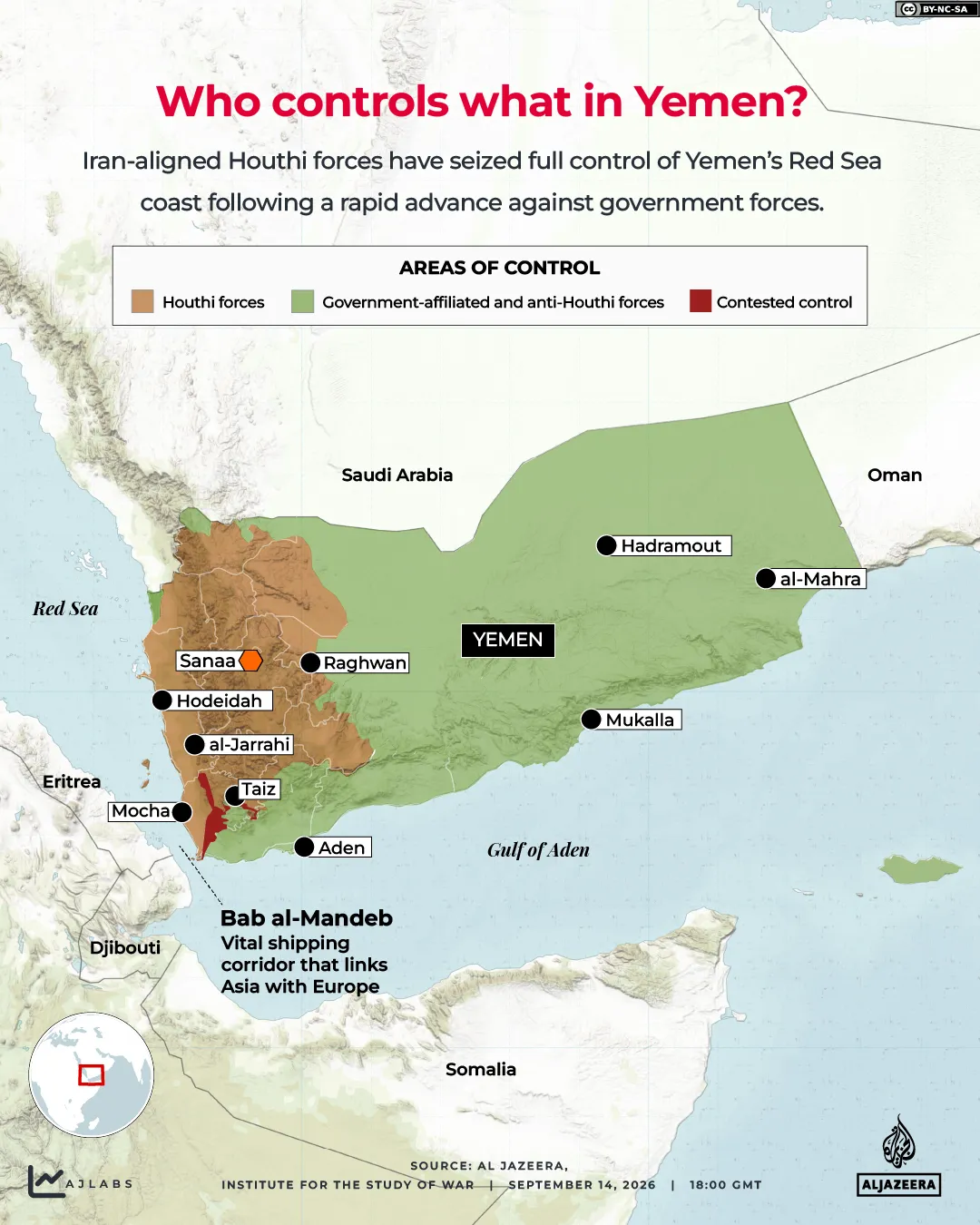
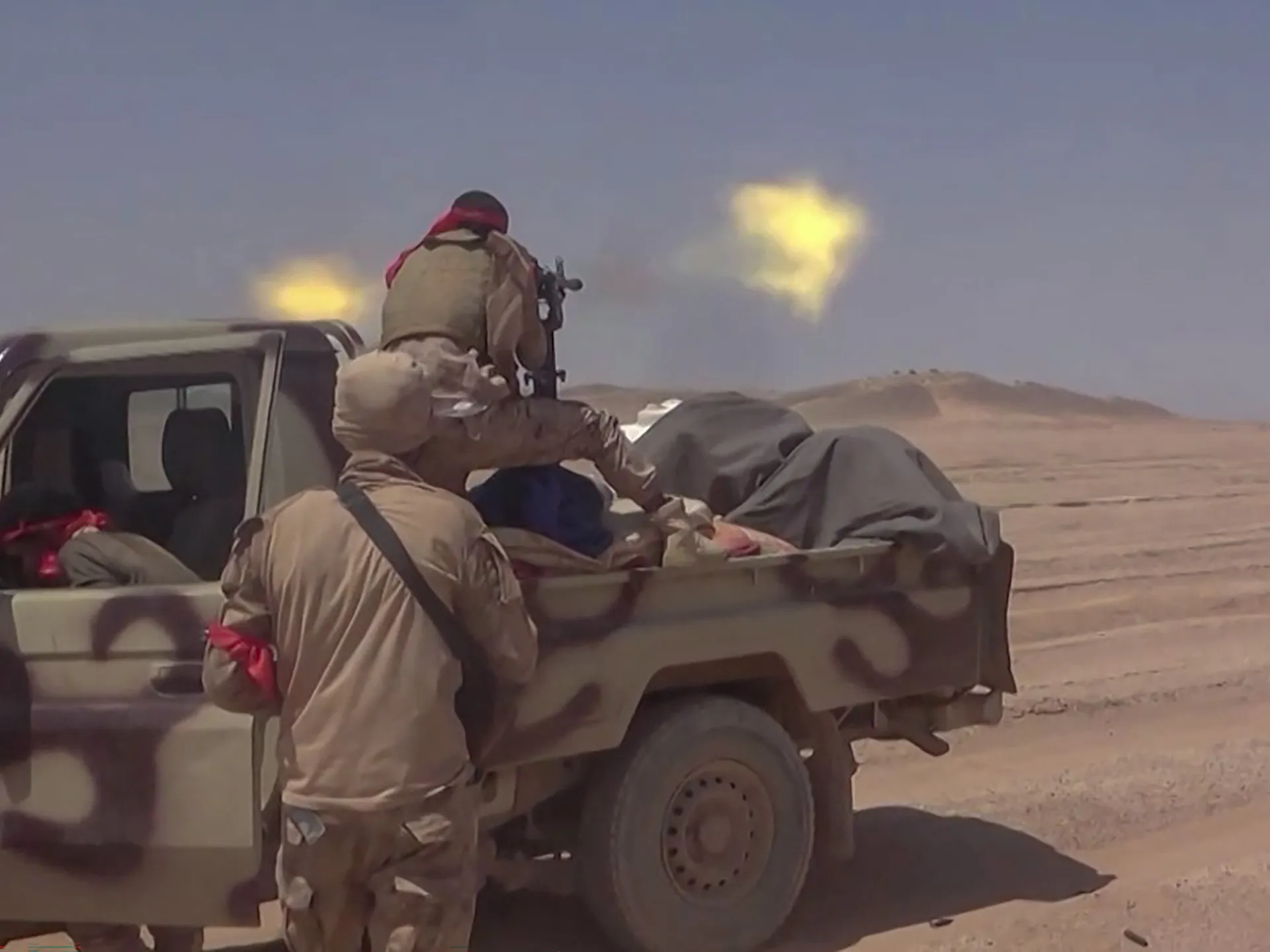
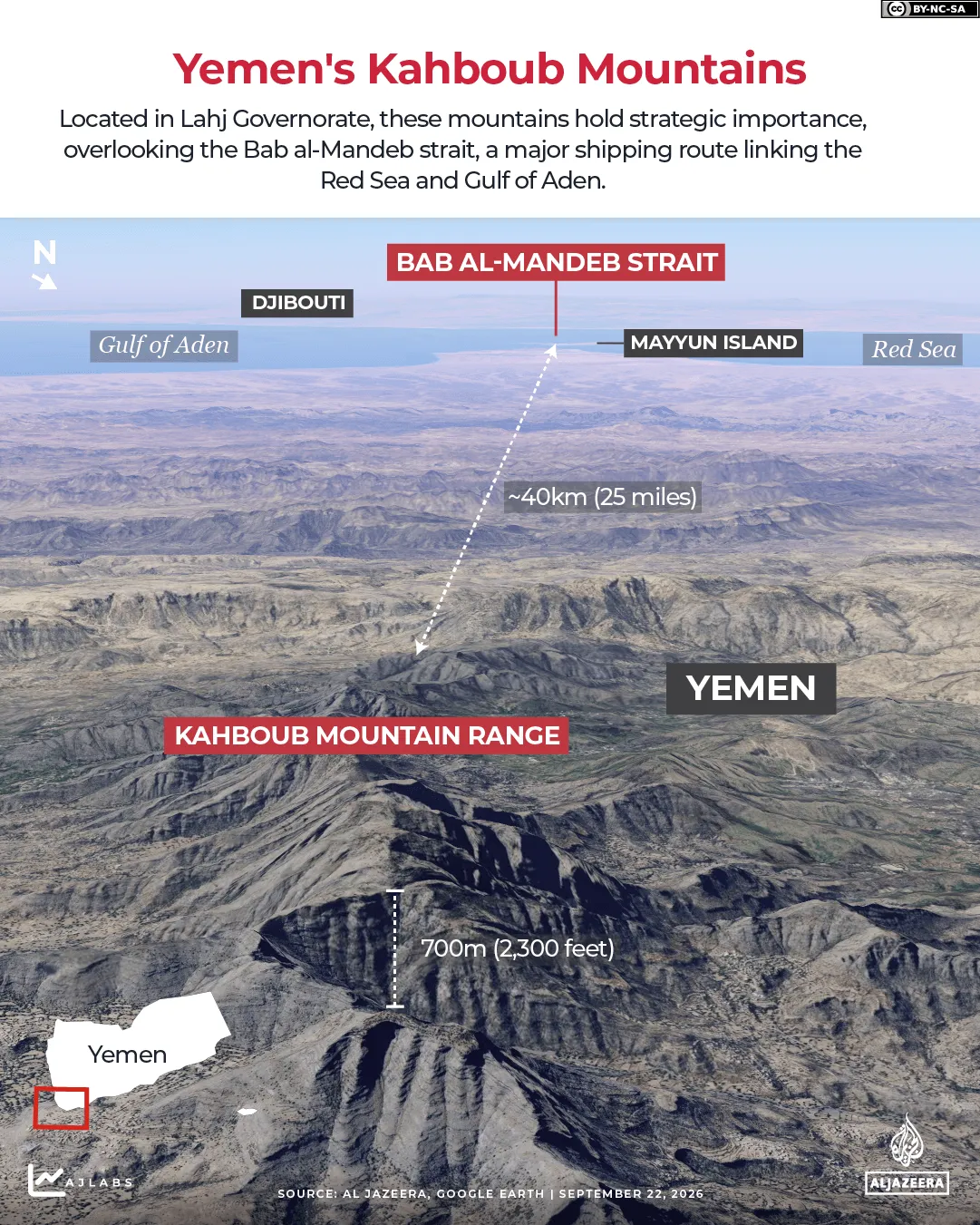
Two currents have shaped the Houthis’ decision-making over recent weeks. As a result, today the group has embraced neither full-scale engagement nor total absence. This was evident first in the escalation of political rhetoric during the first month of the war, then in the execution of limited, carefully calculated operations that began on March 27. There was a clear declaration of gradual intervention, close monitoring of developments, and a deliberate effort not to cross the red lines identified by the group’s military spokesperson, particularly those related to the Bab al-Mandeb Strait.

However, the balance between the two currents may become unstable at some point as the war escalates and widens regionally, and as Iranian and Houthi talk of a “unity of fronts” intensifies. The longer the conflict lasts, the less able the group will be to remain in this grey zone, and the stronger the pressure will be for deeper involvement.

With each new development on the ground, this internal debate may edge closer to a moment of decision: either entrenching caution as a long-term strategic choice, or shifting to broader involvement that may not be as gradual as was declared in Houthi statements.

What remains constant, however, is that the group has entered this phase with the accumulated experience of past years — a record that has taught it the cost of involvement and made it aware that entering a war is not merely a military decision, but an open-ended political, security, and economic trajectory. It has already paid that price in its previous confrontations with the US and Israel.

Thus, the question is no longer whether the Houthis will enter the war, but how they will enter and at what cost. Will they be able to set and maintain limits on their involvement? Will their calibrated entry avoid paying the full price? The answers to these questions will be made clear in the weeks to come.

The views expressed in this article are the author’s own and do not necessarily reflect Al Jazeera’s editorial stance.

Source link

Amid Fears Houthis Could Close Bab el-Mandeb Strait, Red Sea Task Force Ready For Attacks

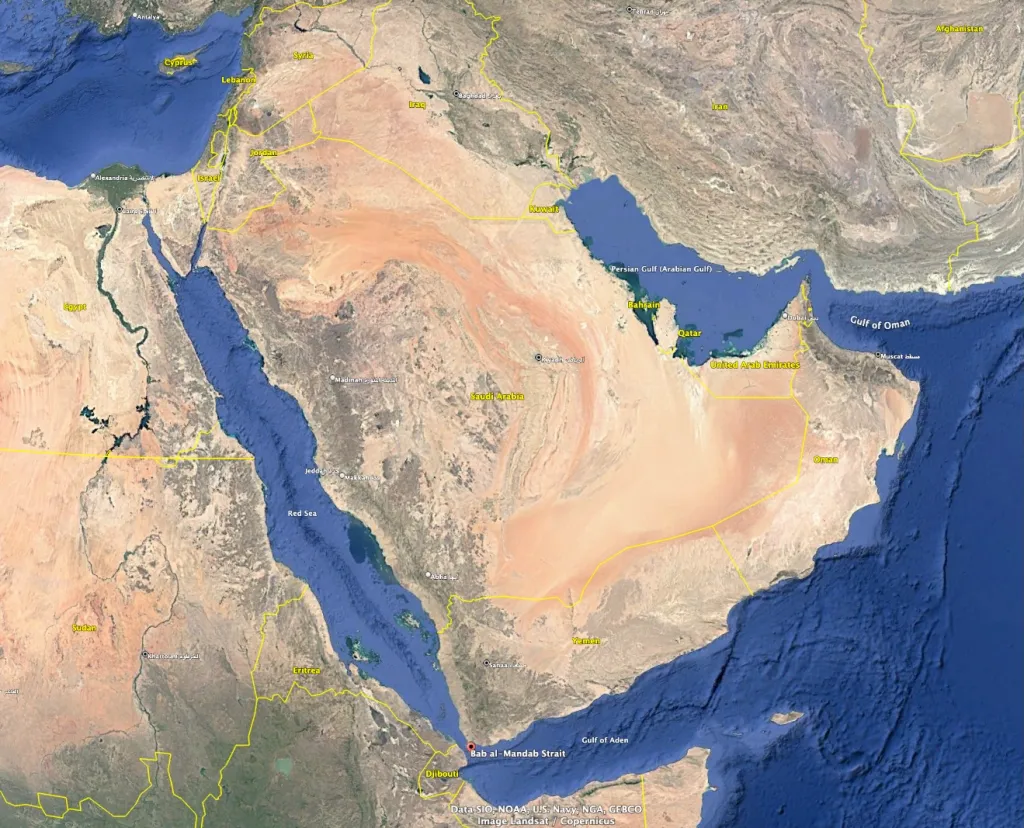
Europe’s Red Sea naval task force tells us it is prepared for the resumption of Houthi attacks on shipping in the region. The Iranian proxy group has already launched several ballistic missile strikes against Israel since joining the ongoing war in the Middle East over the weekend. Now there is growing concern that the Houthis could effectively shut down the Bab el-Mandeb (BAM) strait, a narrow stretch of water between Yemen and Djibouti. Doing so would choke off a flow of oil exports from Saudi Arabia, especially to east, exacerbating a huge spike in oil prices after Iran closed off the Strait of Hormuz to most shipping. Having both straits closed at once is something of a ‘sum of all fears’ scenario for the global energy marketplace.

A new Houthi offensive would be a major cudgel for Iran, because it would open a new front in the war and draw in military resources at a time when they are heavily involved in Epic Fury. A potential activation of the Houthis is arguably Tehran’s biggest military card left to play, but just how much control Tehran retains over the Houthis is unclear.

Operation Aspides “maintains a high level of situational awareness and conducts daily assessments of potential risks to freedom of navigation, making necessary operational adjustments where required,” an Aspides official told The War Zone. “In the event of a resumption of Houthi attacks to merchant vessels – which remains a possibility – we are present and ready to implement our mandate.”

“At the moment the missile launches from Houthi against Israel mark the first step,” the official added. “Their statement is not as clear and not a direct threat to merchant vessels passing through the Red Sea. Of course as we’ve already mentioned, a resumption of Houthi attacks to merchant vessels still remains a possibility.”

Bab el-Mandeb

Aspides was created in February 2024 during the Houthi’s 15-month campaign against warships and commercial vessels. It is a defensive operation to provide protection for ships transiting the Red Sea region and situational awareness about Houthi threats.

Operation Prosperity Guardian, a similar effort created months earlier by the U.S. Navy that we were the first to write about, was disbanded a year ago after the Houthis agreed to a ceasefire. Its responsibilities were subsumed by Destroyer Squadron (DESRON) 50, the surface warfare task force under U.S. Naval Forces Central Command (NAVCENT). U.S. Central Command (CENTCOM) on Wednesday declined to comment about what, if any, preparations DESRON 50 is making for the possible resumption of Houthi aggression in the Red Sea.

So far, the Houthis’ intentions for the Red Sea region remain publicly unknown. On Wednesday, the group’s spokesman, Yahya Saree, announced they struck southern Israel with ballistic missiles in coordination with Iran and Hezbollah. No mention was made about the Red Sea.

“The Yemeni Armed Forces, with Allah’s help and reliance upon Allah, carried out the third military operation in the ‘Holy Jihad Battle,’ targeting sensitive Israeli enemy targets…” Saree stated.

بيان القوات المسلحة اليمنية بشأن تنفيذ عملية عسكرية مشتركة مع الإخوة المجاهدين في إيران وحزب الله في لبنان استهدفت أهدافا حساسة للعدو الإسرائيلي جنوبي فلسطين المحتلة وذلك بدفعة من الصواريخ الباليستية. pic.twitter.com/pLEkUfQDev

— العميد يحيى سريع (@Yahya_Saree) April 1, 2026

However, as we noted yesterday, Iran is pushing the rebels “to prepare for a renewed campaign against Red Sea shipping, contingent upon any further escalation by the US in its war on the Islamic Republic,” Bloomberg News reported, citing European officials familiar with the matter.

Houthi leaders “are weighing options for more aggressive action after launching ballistic missiles at Israel,” Bloomberg added. During their previous campaign launched in late 2023, the Houthis attacked so many vessels with missiles and aerial and surface drones that shipping companies avoided the waterway, creating a spike in the price of some goods because alternative routes were much longer, resulting in increased cost of fuel, insurance and wages for crews. 

At issue now are the increasing amount of oil exports flowing through the BAM in the wake of Iran’s Strait closure. 

“Over the first 28 days of March, the amount of crude oil transiting the Bab-el-Mandeb Strait jumped by 21% compared with February,” CNN noted, citing the Vortexa shipping data firm. 

In the past two weeks, Saudi Arabia has diverted nearly five million barrels a day of crude oil to the Red Sea port of Yanbu, the network added. While just a fraction of the 15 million barrels a day that have been cut off by the Strait closure, the Yanbu exports have helped reduce oil shortages and blunt price increases. Brent Crude, the global oil benchmark, reached a high of more than $107 per barrel on March 30 but fell to just over $101 per barrel as of Wednesday morning Eastern Standard Time, according to the latest figures from OilPrices.com.

A disruption of Saudi Arabia’s Red Sea transit option could cause oil prices to rise much higher and very quickly, creating a cascading wave of financial impacts across the globe. Even if the Strait of Hormuz were opened today, it will still take a while for the global economy to recover from the shock. Meanwhile, for Saudi Arabia, the simultaneous closure of both straits is a long-standing nightmare, a financial double-whammy that would also send energy prices around the globe skyrocketing.

ISTANBUL, TURKIYE - MARCH 28: An infographic titled 'Saudi Arabiaâs Yanbu Port' created in Istanbul, Turkiye, on March 28, 2026. Saudi Arabia, the worldâs largest oil exporter, is trying to benefit from alternative export routes via Yanbu. (Photo by Omar Zaghloul/Anadolu via Getty Images)
Saudi Arabia, the world’s largest oil exporter, is trying to benefit from alternative export routes via Yanbu. (Photo by Omar Zaghloul/Anadolu via Getty Images) Anadolu

Beyond the purely economic impact that a resumption of Houthi attacks would bring, defending against them could require military assets at a time when the U.S. is still building up its already heavy commitment for Operation Epic Fury. During the previous Houthi Red Sea campaign that stretched into early 2025, the U.S. and allies deployed many warships, including the Eisenhower and Truman Carrier Strike Groups (CGS) to both defend against Houthi attacks and strike targets in Yemen. These operations resulted in a large expenditure of air defense munitions already under tremendous strain as Iran rains down missiles and drones across the Middle East.

You can see video from some of those encounters below.

Strikes on Iranian-backed Houthi Targets by USS Gravely, USS Carney, and USS Dwight D. Eisenhower


At the moment, the U.S. has only the Lincoln CSG in the Middle East after the departure of the USS Gerald R. Ford for repairs from a fire. While the USS George H.W. Bush is reportedly on the way to replace the Ford, that journey will take a while. Meanwhile, the Trump administration has pushed thousands of Marines and a contingent of the 82nd Airborne to the region in advance of what could be an attack on Iran’s Kharg Island, which would greatly escalate Epic Fury.

The future of the U.S. fight against Iran remains unclear. Monday morning, U.S. President Donald Trump claimed that Iran wanted a ceasefire, which he would only consider after they reopened the Strait of Hormuz. Iran pushed back against that, which you can read more about in our story here. We might learn more tonight during Trump’s scheduled 9 p.m. speech about the war.

What role the Houthis may play in this conflict is not fully clear. They are the most independent of Iran’s proxy groups and often act on their own accord. A weakened Iran could further imperil any obedience they have to the regime in Tehran, though there is also the question of what would happen to Houthi weapon stocks should the Islamic Republic, a key supplier, fall. There is also a long history of fighting with Saudi Arabia to consider, as that could be rekindled.

Regardless, if the conflict continues, the Houthis opening a second front in the Red Sea would have wide-ranging military and economic effects and we will continue to closely monitor the situation.

Contact the author: howard@thewarzone.com

Howard is a Senior Staff Writer for The War Zone, and a former Senior Managing Editor for Military Times. Prior to this, he covered military affairs for the Tampa Bay Times as a Senior Writer. Howard’s work has appeared in various publications including Yahoo News, RealClearDefense, and Air Force Times.


Source link

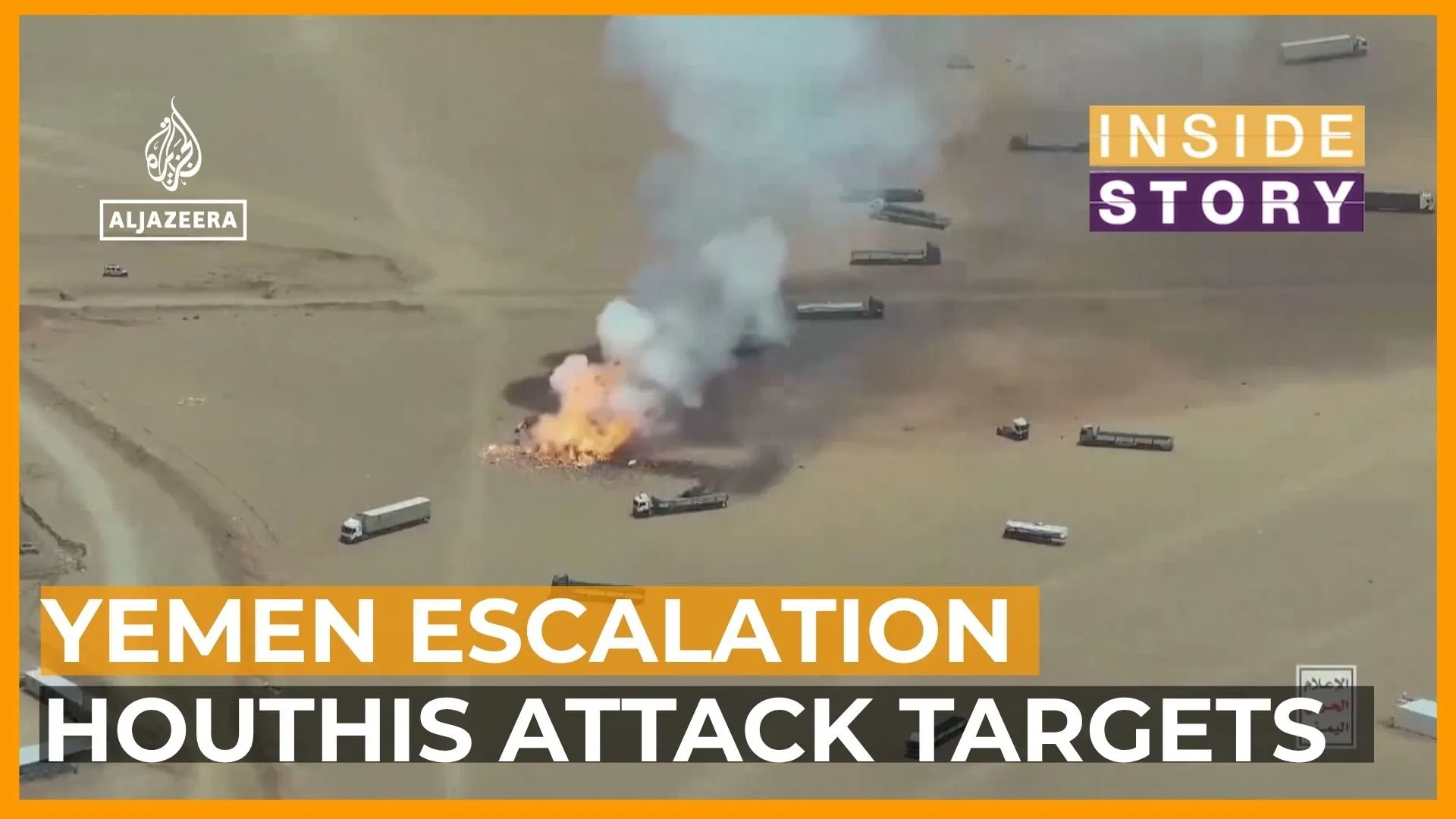
How will the Houthis’ involvement shape the war? | US-Israel war on Iran News

The Yemeni group has launched missiles towards Israel in support of Iran.

They have threatened to join the war ever since it started a month ago.

Now, Yemen’s Ansar Allah, also known as the Houthis, have followed up on their threat and launched missiles towards Israel.

This move marks a significant escalation in the US-Israel war on Iran.

There are fears that the Iran-aligned group could attack shipping in the Red Sea, as it has done before.

This would further disrupt global trade, already affected by Iran’s blockade of the Strait of Hormuz.

Will Israel and the US retaliate? And if so, how?

Presenter: James Bays

Guests:

Hisham Al-Omeisy – senior Yemen adviser at the European Institute of Peace

H A Hellyer – senior associate fellow in defence and security studies at the Royal United Services Institute

Michael Mulroy – former US deputy assistant secretary of defence for the Middle East

Source link

Houthis open new front against Israel, is Red Sea shipping at risk? | US-Israel war on Iran News

NewsFeed

The Houthis in Yemen have launched their first attacks on Israel, opening a new front in the month-long regional war. Al Jazeera’s Virginia Pietromarchi explains why the move could raise new risks for oil shipping, and civilians in Yemen.

Source link

As war on Iran enters second month, Yemen’s Houthis open new front | US-Israel war on Iran News

Yemen’s Houthis have attacked Israel for the first time, a month after US and Israeli forces began striking Iran, opening up a new front in a rapidly escalating conflict that has killed thousands of people, displaced millions and rattled the global economy.

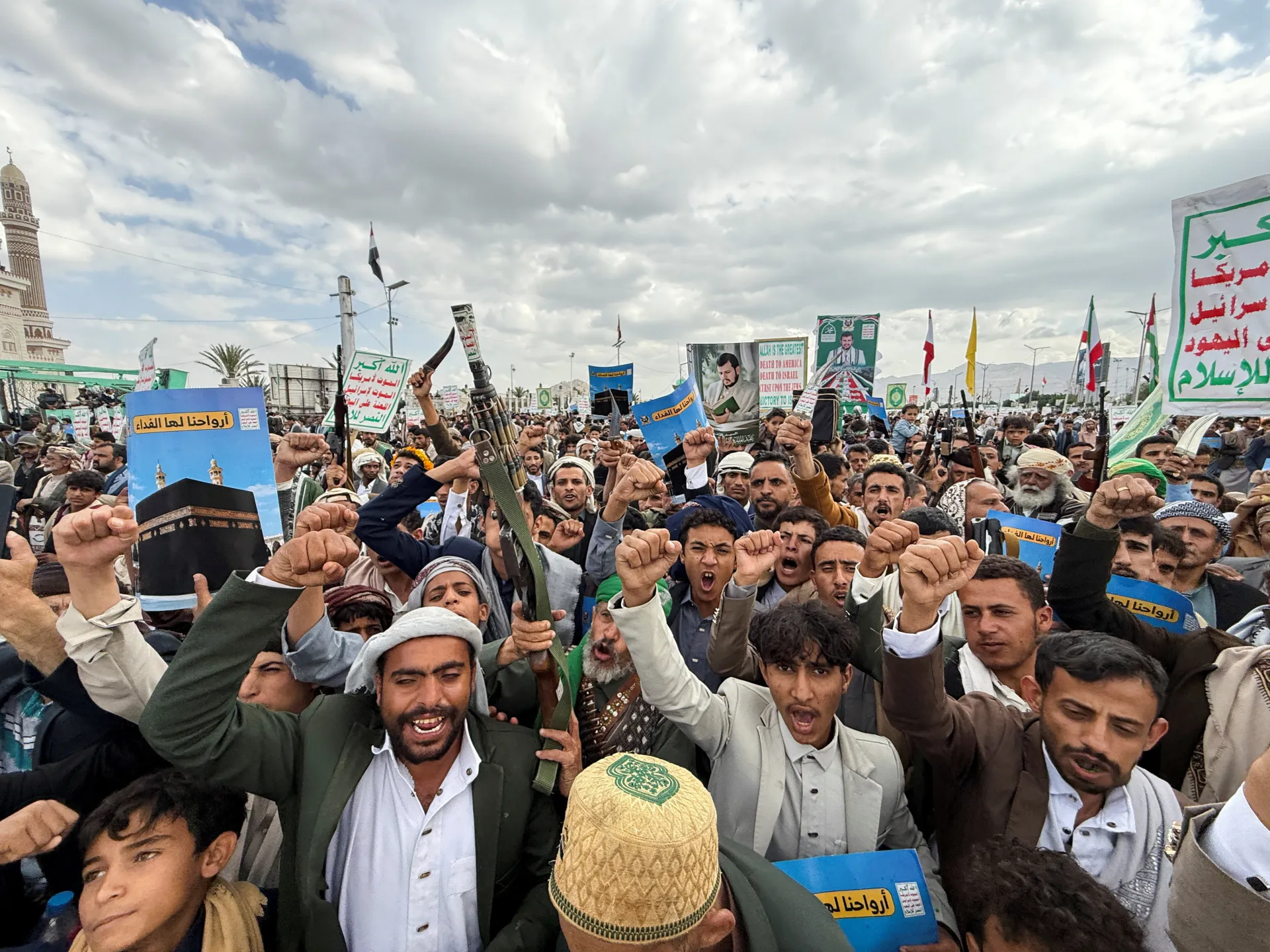
The Houthis, who control much of northern Yemen, entered the fray on Saturday with two missile and drone attacks on Israel in the space of fewer than 24 hours. The Israeli army said the attacks were intercepted, but the Iran-aligned group pledged to continue fighting in support of “resistance fronts in Palestine, Lebanon, Iraq, and Iran”.

Recommended Stories

list of 3 itemsend of list

The Houthis had sat out of the hostilities until now, in contrast with their stance during Israel’s genocidal war on Gaza, when their attacks on shipping vessels in the Red Sea upended commercial traffic worth about $1 trillion a year.

Their widely anticipated involvement in the latest conflict comes just as Iran has throttled traffic through the Strait of Hormuz, a vital chokepoint for about a fifth of the world’s oil, raising fears that the Yemeni group will again disrupt Red Sea traffic by blocking the Bab al-Mandeb Strait.

Reporting from Yemen’s capital, Sanaa, Al Jazeera’s Yousef Mawry described Bab al-Mandeb as the group’s “ace”.

“They want to make Israel pay economically. They want to disrupt their trade routes. They want to disrupt the imports and exports in and out of Israel,” he said.

‘Civilians bearing brunt of war’

The Houthi attacks came after US Secretary of State Marco Rubio said that Washington expected to conclude its military operations against Iran within weeks, even as a new deployment of US Marines has begun to arrive in the region, so US President Donald Trump would have “maximum” flexibility to adjust the strategy as needed.

With no immediate diplomatic breakthrough in sight as both the US and Iran harden their positions, many fear that the US-Israel war on Iran, which started on February 28 and has since engulfed the region, will spiral out of control.

The US and Israel continued their bombardment over the past 24 hours, with the Israeli military claiming it had struck an Iranian research facility for naval weapons, while a series of loud explosions rattled Tehran as night fell on Saturday.

Iranian media said at least five people were killed in a US-Israeli attack on a residential unit in the northwestern city of Zanjan. In Tehran, authorities said the University of Science and Technology was the latest educational facility to be struck, prompting Iran’s Revolutionary Guard Corps (IRGC) to issue a threat against Israeli and US universities in the region.

Separately, Iran’s Fars news agency said a water reservoir in the city of Haftgel, located in western Khuzestan province, had also been attacked.

The Iranian Ministry of Health announced that 1,937 people have been killed since the start of the conflict, including 230 children. Iran’s Red Crescent Society said US-Israeli strikes had damaged more than 93,000 civilian properties.

“Civilians are bearing the brunt of this war,” Al Jazeera’s Mohamed Vall, reporting from Tehran, said.

Devastation in Lebanon

Meanwhile, Israel’s devastation of Lebanon continued apace, as the Lebanese Ministry of Health reported that 1,189 people had been killed in Israeli attacks since March 2.

The death toll has been mounting as Israeli troops have pushed further into the south, advancing towards the Litani River in their stated bid to wipe out Hezbollah and carve out a buffer zone along the lines of the “Gaza model”.

Among Saturday’s killings, an Israeli strike killed three journalists in southern Lebanon. In parallel, the Health Ministry announced that Israel had also killed nine paramedics, bringing the death toll among healthcare workers in the latest war to 51.

Lebanon’s Public Health Emergency Operations Centre said an Israeli attack on the town of al-Haniyah, in the Tyre district of southern Lebanon, killed at least seven people, including one child.

An Israeli air raid on the southern Lebanese town of Deir al-Zahrani killed a Lebanese soldier, Lebanon’s National News Agency reported.

Hezbollah, which attacked Israel amid a ceasefire that Israel kept violating in retaliation for the assassination of Iranian Supreme Leader Ali Khamenei, claimed dozens of operations against Israeli forces in the past 24 hours.

Mixed messages

Trump has threatened to hit Iranian power stations and other energy infrastructure if Tehran does not fully open the Strait of Hormuz. But he has extended the deadline he had imposed for this week, giving Iran another 10 days to respond.

With the US midterm elections coming up in November, the increasingly unpopular war is weighing heavily on the president’s Republican Party.

Trump’s envoy, Steve Witkoff, said on Friday that he believed Tehran would hold talks with Washington in the coming days. “We have a 15-point plan on the table. We expect the Iranians to respond. It could solve it all,” Witkoff said.

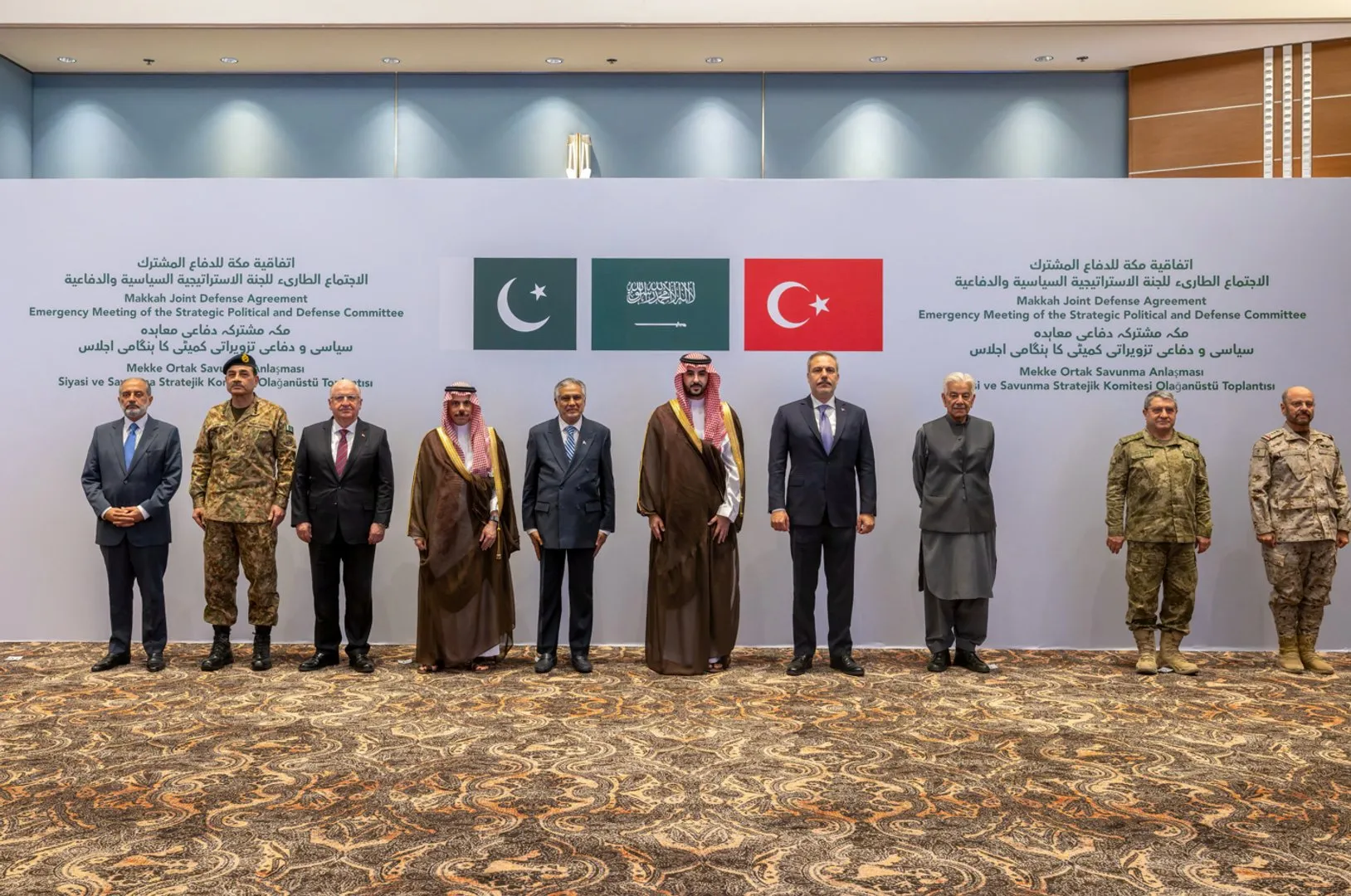
Pakistan, which has been a go-between between US and Iranian officials, will host foreign ministers from regional powers Saudi Arabia, Turkiye and Egypt in Islamabad for talks on the crisis.

Pakistan’s Minister of Foreign Affairs Ishaq Dar spoke with his Iranian counterpart, Abbas Araghchi, late on Saturday, urging “an end to all attacks and hostilities” in the region.

In a statement, the Ministry of Foreign Affairs said Dar had told Araghchi that Pakistan remains committed to supporting efforts aimed at restoring regional peace and stability.

Dar also announced that Iran had agreed to allow 20 Pakistani-flagged vessels to transit the Strait of Hormuz, calling it a meaningful step towards easing one of the worst energy crises in modern history.

Source link

Houthis warn ‘fingers on the trigger’ as US-Israel war on Iran continues | US-Israel war on Iran News

The Iran-aligned Yemeni group have the ability to target key shipping lanes around the Arabian Peninsula.

Yemen’s Iran-allied Houthis say they are prepared to intervene ⁠militarily if ⁠other countries join the United States and Israel in their war against Iran, or if the Red Sea is used to launch attacks on their ally.

“We confirm that our fingers are on the trigger for direct military intervention” if any new alliances join Washington and Israel against Iran and its ⁠allies, or if the Red Sea is used for “hostile operations” against Iran, the group’s military spokesperson Yahya Saree said in a televised speech on Friday.

Recommended Stories

list of 3 itemsend of list

Saree also said the Houthis were prepared to act if what he called the escalation against Iran and the “axis of resistance” continued, ‌but did not say what form any intervention would take.

The warning raises the prospect of a broader regional war, particularly given the Houthis’ ability to strike targets far beyond Yemen and disrupt shipping lanes around the Arabian Peninsula.

The Yemeni rebel group has controlled the capital Sanaa and much of the country’s northwest since 2014.

After Israel launched its genocidal war on Gaza in October 2023, the Houthis targeted vessels in the Red Sea and carried out drone and missile attacks against Israel, saying that they are acting in solidarity with Palestinians under fire in Gaza.

Israel and the US have regularly struck the war-torn country, targeting civilian infrastructure, including residential buildings and the main international airport, while killing dozens at a time.

But in May, the Houthis and the US agreed to a truce, which included a Houthi agreement to stop attacks on US shipping in the Red Sea.

The group later stopped attacks on Israel and Israeli-linked shipping after the October Gaza ceasefire deal.

In his speech on Friday, Saree also said the group would not allow the Red Sea to be used to carry out “hostile operations” against Iran or any Muslim country.

He ⁠warned against any further tightening of what he described as “the blockade on Yemen”.

Saree called for an immediate halt to ⁠US and Israeli attacks on Iran, the Palestinian territory, Lebanon and Iraq.

Source link

Will the Houthis join Iran in war against Israel and the US? | US-Israel war on Iran News

The Yemeni armed group says all options are on the table.

As the US-Israeli war against Iran drags on, Yemen’s Ansar Allah, or the Houthis, have stayed out of the conflict.

But that could change. They have said they consider themselves directly concerned and could take a position alongside Iran.

The armed group has attacked Israel and shipping in the Red Sea in recent years. If a new front opens up, global trade could be further disrupted in another maritime gateway. Shipping is already largely halted in the Strait of Hormuz, causing significant losses worldwide.

So, will the Houthis join the war? And what difference could that make for this volatile region?

Presenter: James Bays

Guests:

Farea al-Muslimi – research fellow in the Middle East and North Africa programme at Chatham House

Khaled Batarfi – political analyst who specialises in Saudi Arabian foreign policy

Rockford Weitz – director of the Fletcher Maritime Studies programme at Tufts University

Source link