




homelessness

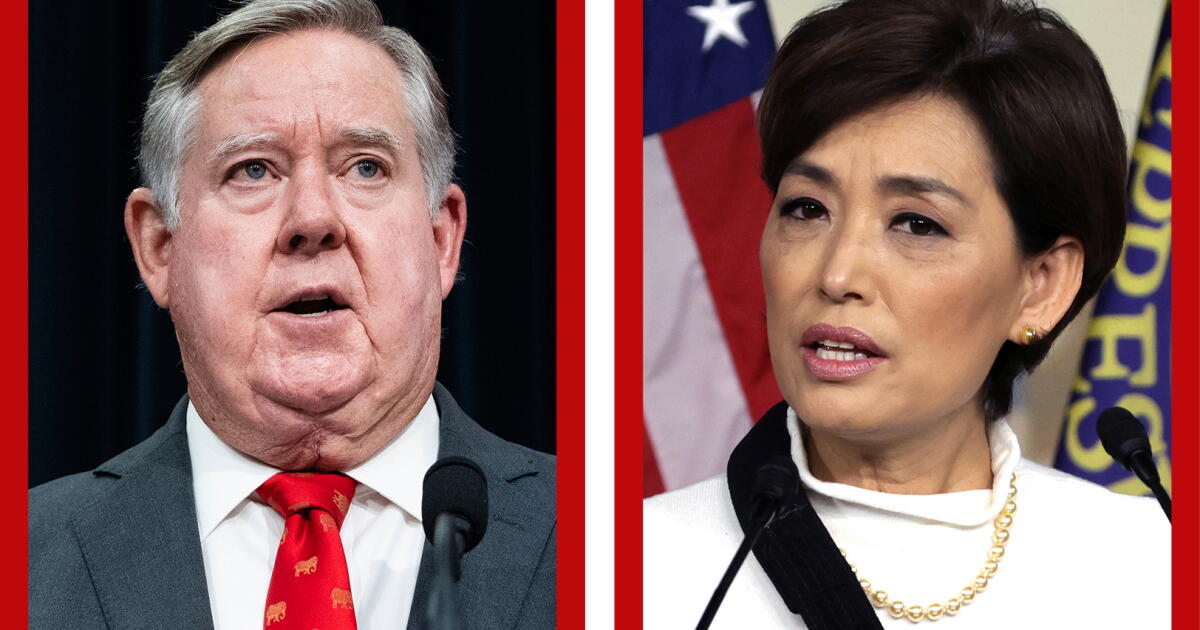
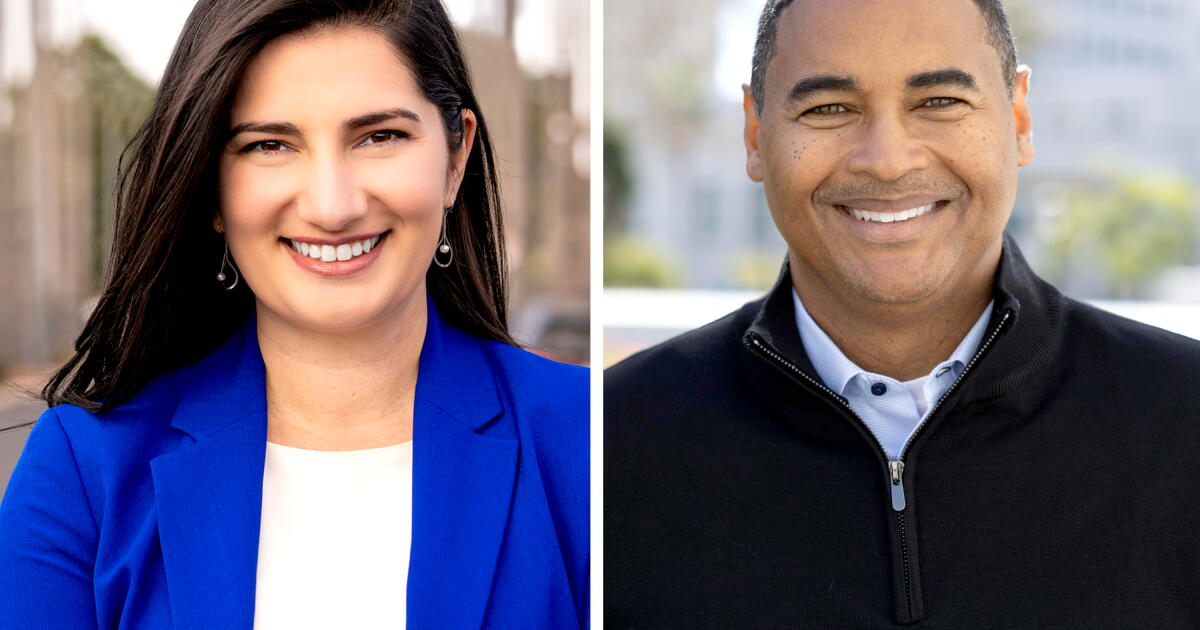
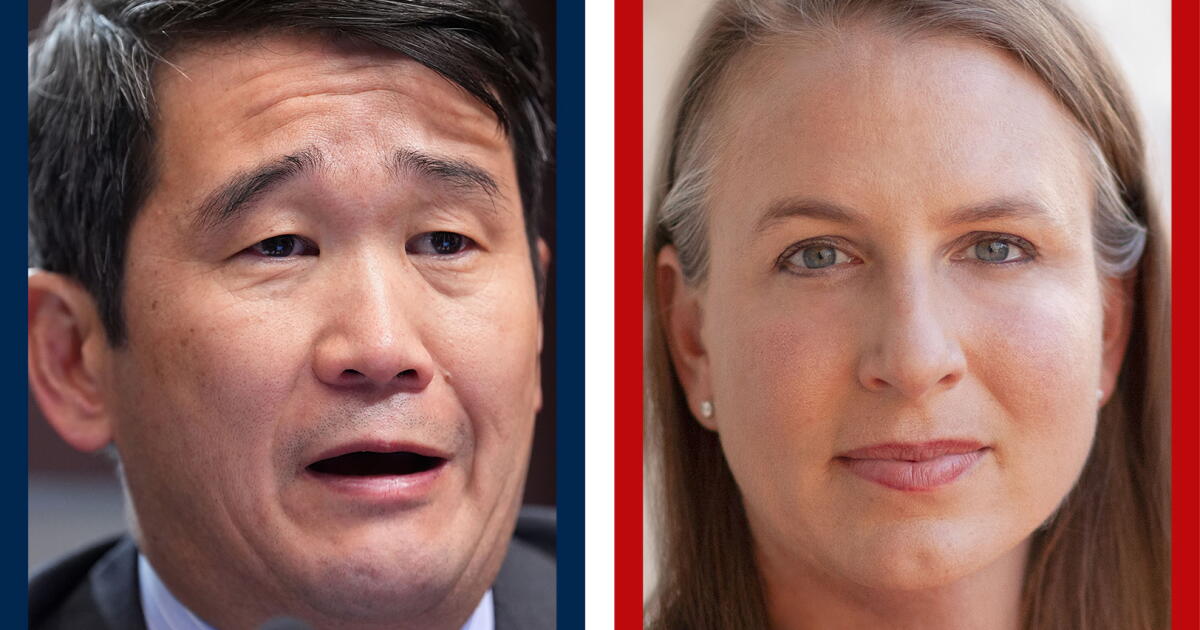
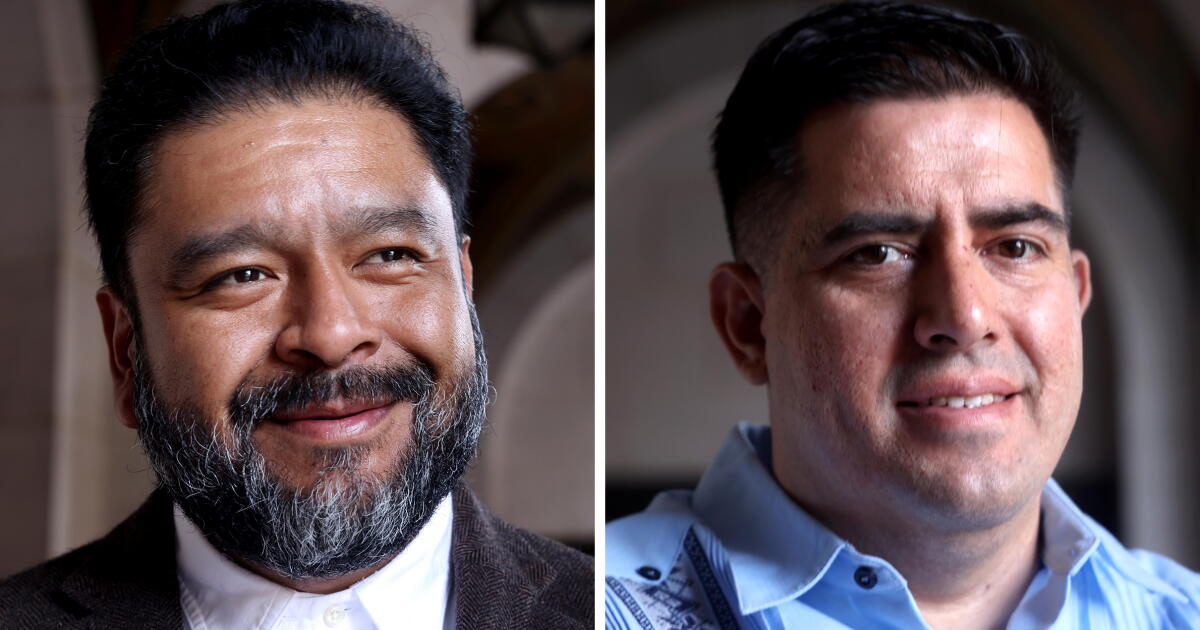
L.A. school board District 2 election guide: Rivas vs. Zamora

p]:text-cms-story-body-color-text clearfix”>

Three seats — two contested — are on the June 2 primary ballot for the seven-member Los Angeles Unified School District Board of Education.

The nation’s second-largest school system, with about 390,000 students, faces evolving challenges and uncertainties that could alter the direction of the district for years.

In mid-April L.A. Unified officials barely averted a strike by agreeing to significant employee raises, rescinding about 200 layoffs and agreeing to hundreds of new hires of counselors, school psychologists and other student support staff. The contracts with three district unions, including teachers, will cost nearly $1.2 billion a year, and board members now must find a way to pay for them amid budget pressures.

Standardized test scores have trended upward since the nadir of the COVID-19 pandemic, recovering faster than the state average, but the pace remains too incremental for critics.

The future of L.A. schools Supt. Alberto Carvalho is uncertain. He’s on paid administrative leave following FBI raids of his San Pedro home and downtown office. At least part of the investigation centers on a failed chatbot project that was supposed to revolutionize and individualize education.

Carvalho said he’s done nothing wrong and would like to return to work. If he does not return — and cannot serve out his new four-year contract — board members would select a superintendent.

L.A. Unified also faces declining enrollment — which reduces state funding and increases pressure to save money by closing many campuses.

Heightened federal immigration enforcement also has affected enrollment and attendance while creating anxiety that spills over into the classroom. Officials responded by declaring L.A. Unified a sanctuary district — both for immigrants and for the LGBTQ+ community, which also has been a target of some conservative groups.

Carvalho’s central focus on improving test scores has led to increased tutoring, repeated diagnostic measures and phonics training. In addition, the district put a successful school bond on the ballot to continue renovations, worked to lower student absenteeism and emphasized greener campuses.

The board majority consists of candidates elected with the endorsement of the powerful teachers union — United Teachers Los Angeles. This election will not change that balance because five seats are held by union-friendly incumbents. But the outcome will determine whether UTLA can further strengthen its hand or whether other constituencies will gain a measure of power at the union’s expense.

UTLA is the most reliable funder of school board campaigns — and the union’s spending is not controlled by candidates.

Also exerting influence in recent elections has been the district’s other largest union: Local 99 of Service Employees International Union. It represents some 30,000 bus drivers, teacher aides, custodians, gardeners, cafeteria workers and technical support staff. This union has yet to endorse candidates.

A potential but diminished source of election-funding firepower would be charter school advocates — who once routinely outspent the unions.
Retired businessman Bill Bloomfield — a charter school ally who makes his own calls about whom to support — has been a big spender inrecent elections, typically as a counter to teachers-union-endorsed candidates. He has not committed to being involved in this school board election cycle.

The material below was assembled through reporting and surveys provided to candidates. Some responses are paraphrased for clarity or condensed for brevity.

Source link

L.A. school board District 6 election guide: Gonez is unopposed

p]:text-cms-story-body-color-text clearfix”>

Three seats are on the June 2 primary ballot for the seven-member Los Angeles Unified School District Board of Education, but the District 6 race is essentially a foregone conclusion: The only name on the ballot is two-term incumbent Kelly Gonez.

The nation’s second-largest school system, with close to 400,000 students, faces evolving challenges and uncertainties that could alter the direction of the district for years.

In mid-April L.A. Unified officials barely averted a strike by agreeing to significant employee raises, rescinding about 200 layoffs and agreeing to hundreds of new hires of counselors, school psychologists and other student support staff. The contracts with three district unions, including teachers, will cost nearly $1.2 billion a year, and board members now must find a way to pay for them amid budget pressures.

Standardized test scores have trended upward since the nadir of the COVID-19 pandemic, recovering faster than the state average, but the pace remains too incremental for critics.

The future of L.A. schools Supt. Alberto Carvalho is uncertain. He’s on paid administrative leave following FBI raids of his San Pedro home and downtown office. At least part of the investigation centers on a failed chatbot project that was supposed to revolutionize and individualize education.

Carvalho said he’s done nothing wrong and would like to return to work. If he does not return — and cannot serve out his new four-year contract — board members would select a superintendent.

L.A. Unified also faces declining enrollment — which reduces state funding and increases pressure to save money by closing many campuses.

Heightened federal immigration enforcement also has affected enrollment and attendance while creating anxiety that spills over into the classroom. Officials responded by declaring L.A. Unified a sanctuary district — both for immigrants and for the LGBTQ+ community, which also has been a target of some conservative groups.

Carvalho’s central focus on improving test scores has led to increased tutoring, repeated diagnostic measures and phonics training. In addition, the district put a successful school bond on the ballot to continue renovations, worked to lower student absenteeism and emphasized greener campuses.

The board majority consists of candidates elected with the endorsement of the powerful teachers union — United Teachers Los Angeles. This election will not change that balance because five seats are held by union-friendly incumbents. But the outcome will determine whether UTLA can further strengthen its hand or whether other constituencies will gain a measure of power at that union’s expense.

The material below was assembled through reporting and a survey provided to Gonez. Some responses are paraphrased for clarity or condensed for brevity.

Source link

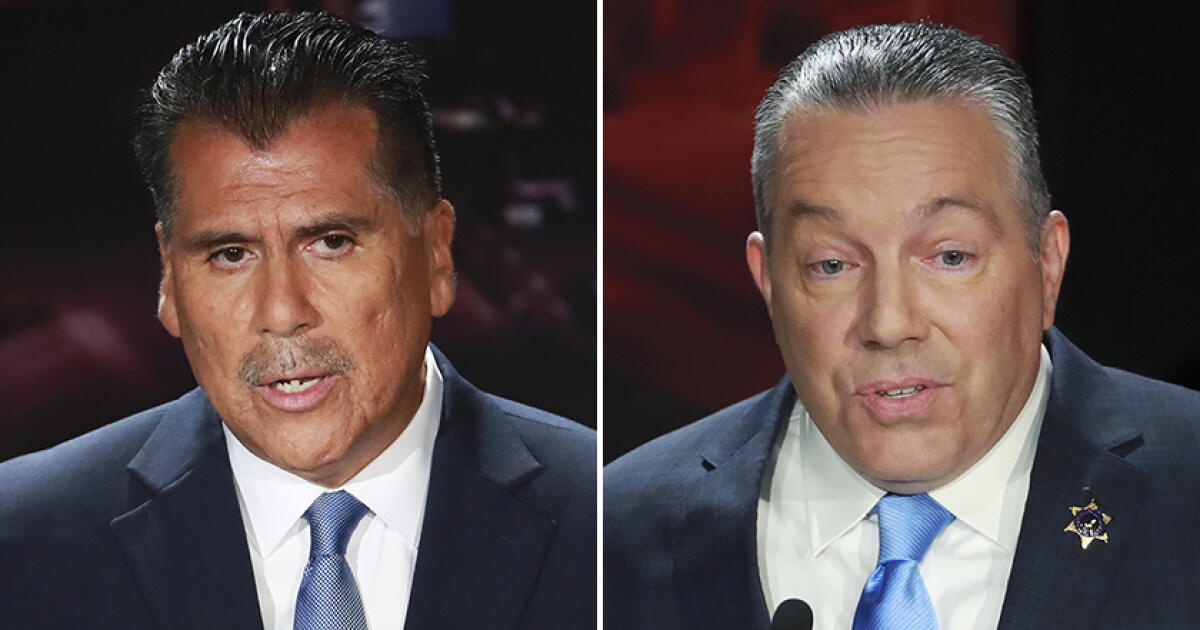
California governor debate: Candidates scrap over gas tax, homelessness

The top candidates for California governor clashed over the high costs of gas, housing and homeowner’s insurance in a testy debate Tuesday evening, a fiery exchange that may finally draw voter attention as the June 2 primary election fast approaches.

Former U.S. Health and Human Services Secretary Xavier Becerra, whose campaign blossomed after former Rep. Eric Swalwell dropped out amid sexual assault and misconduct allegations, came under persistent attack during the 90-minute debate but also went on the offensive.

Former Fox News host Steve Hilton, a Republican who leads all candidates in the most recent opinion polls, ripped Becerra for promising to declare a state of emergency to address rising homeowner’s insurance rates, saying the governor lacks that constitutional authority.

“We can’t have a governor who doesn’t understand how the government works,” Hilton said.

Becerra, who served as California attorney general before joining the Biden administration, quickly defended himself, saying he knows the law better than Hilton does.

“We don’t need a talking head from Fox News to tell us how the government works,” he said.

And that was after Becerra got in an early dig at Hilton, who has been endorsed by President Trump, by referring to Trump as “Hilton’s daddy.”

The debate was broadcast and livestreamed by CBS stations around the state. Hundreds of people watched from Pomona College’s historic Bridges Auditorium, a Renaissance Revival-style landmark with Art Deco flourishes that was once among the premier performance venues in Southern California.

With eight major candidates from both parties participating, CBS moderators billed it as “the largest and most inclusive debate of the election.” Becerra and Hilton were joined by Republican candidate Riverside County Sheriff Chad Bianco and Democratic candidates San José Mayor Matt Mahan, former Orange County Rep. Katie Porter, billionaire Tom Steyer, state Supt. of Public Instruction Tony Thurmond and former Los Angeles Mayor Antonio Villaraigosa.

Some takeaways from the debate:

Candidates didn’t shy away from the top issues

Moderators set the theme for the first half-hour of the debate as “affordability,” a top concern among California voters, and almost immediately the candidates began sniping and talking over one another.

Almost all of them vowed to accelerate home construction in California, pivotal to reducing the state’s high cost of housing.

There was no shortage of ideas for other ways to ease the financial burdens facing Californians, but few specifics on how they would deliver on those promises given the state’s complex and arduous legislative process.

Hilton promised to cap the price of gas at $3 per gallon, and Mahan vowed to suspend the state gas tax. Bianco said Democrats have long overregulated and overtaxed Californians, and the state’s supermajority Democratic Legislature would have to get in line with him and end those things if he’s elected.

Becerra said he would reduce prescription drug prices. Thurmond said he would provide down-payment assistance grants to those trying to own their first home.

Barbs traded over climate-caused emergencies

Anchors and reporters from local CBS stations moderated the debate, including Los Angeles anchor Pat Harvey, Sacramento anchor Tony Lopez, Bay Area anchor Ryan Yamamoto and national investigative correspondent Julie Watts. They were joined by Sara Sadhwani, an assistant professor of politics at Pomona College and a member of California’s independent redistricting commission.

Moderators pointed to the surge in catastrophic wildfires across the state in recent years due to climate change, as well as the threat of earthquakes, and asked the candidates how they would respond to future emergencies.

As he did throughout most of the debate, Bianco responded by bashing California’s Democratic leadership, which he said created most of the ills facing the state.

Bianco said the root causes of fire disasters in the state are “not because of climate change” but due to “failed environmental activist policies” that prevented fire departments from clearing highly flammable brush around communities for years.

Mahan, after touting his actions as a Silicon Valley mayor during emergencies, quickly pivoted to take shots at Becerra and his role as U.S. Health and Human Services secretary during the pandemic.

He said Becerra had “never met a crisis that he couldn’t ignore” and accused Becerra of failing to deal with COVID-19, monkeypox and the surge of unaccompanied minors at the U.S.-Mexico border during the Biden administration.

Becerra responded by saying that his agency dealt with the crises by working with all 50 states and the federal government to quickly roll out vaccines and other resources.

“You’re not wearing a mask, are you, Matt? You’re not worried about catching monkeypox, right?” Becerra said.

Steyer also came under attack when he starting discussing his plans to “make polluters pay” for the effects of climate change. Porter criticized the former San Francisco hedge-fund founder for making millions off the oil and gas industry, and using those profits to fund his campaign for governor. Steyer has spent more than $143 million of his own money on his campaign, according to fundraising disclosures filed with the California secretary of state’s office.

“How about profiteers pay? You pay the lowest tax rate on this stage, and yet you made the billions that you’re using to fund your campaign off fossil fuels,” Porter said to Steyer.

Steyer responded that he is a “change agent” candidate opposed by special interests and pointed to campaign committees funded by utility and other industry groups opposing his bid. PG&E, the California Chamber of Commerce and the California Assn. of Realtors have put more than $29 million into a pair of committees to fund attack ads against the billionaire.

Republicans focus on blaming Democrats

Just weeks before the June 2 primary, the race to replace term-limited Newsom remains wide open, with many voters still undecided.

Republicans Hilton and Bianco have led numerous public opinion polls while the large field of Democrats have split the vote, leading to fears among Democrats that the party could get shut out of the general election, despite outnumbering Republicans nearly two-to-one among the state’s registered voters. In California’s open primary, the top two finishers advance to the general election, regardless of party affiliation.

The two Republicans avoided overtly attacking each other at the debate but were regularly the targets of other candidates on the stage.

Becerra, speaking about federal healthcare funding cuts approved by President Trump and congressional Republicans last year, referred to the president’s endorsement of Hilton. “The first thing we have to do is stop Steve Hilton’s daddy,” Becerra said.

Hilton responded jokingly that his father, who was the goalie for the Hungarian national ice hockey team, hadn’t weighed in on the race. And he said Becerra’s comment pointed to what is wrong with California politics — a fixation on Trump despite Democrats controlling the state for more than a decade.

“We’ve had the same people in charge for 16 years now, and it’s such a disaster and such a high cost of living for everyone, and the highest poverty rate in the country and the highest unemployment rate in the country, and the worst business plan,” Hilton said. “All these things going wrong, they can’t do anything except blame Trump. Let’s see how many times you hear that tonight.”

Bianco grew visibly frustrated several times over the debate’s format and his opponents’ answers. At different points, he compared the event to “The Twilight Zone” and called it “the hour and a half that [viewers] are never going to get back.”

Pressed on what he would do differently if elected, the Riverside sheriff also focused on criticizing Democrats and accusing them of lying.

“We have a group of of 20-ish-year-old kids and we’re just sitting here lying to them about broken Democrat policies in California for the last 20 years, and we’re going to sit here and blame a president who’s been president for a year. This is absolutely ridiculous,” he said.

Hilton has seen a bump in his polling numbers since he was endorsed by President Trump earlier this month. A CBS News/YouGov poll of more than 1,400 registered voters released Monday showed Hilton leading with 16%, followed by Steyer with 15%, Becerra with 13%, Bianco with 10%, Porter with 9%, Mahan and Villaraigosa with 4% and Thurmond with 1%. The largest group of voters — 26% — was undecided.

Nixon reported from Sacramento and Mehta reported from Claremont. Times staff writers Kevin Rector, Dakota Smith and Blanca Begert contributed to this report.

Source link

Commentary: 90 minutes, 6 gubernatorial candidates, zero big moments — but some differences that matter

Two of our esteemed gubernatorial candidates, the cowboy and the dilettante, apparently could not find ties for the first debate Wednesday night, showing up with dress shirts casually unbuttoned.

Mr. Middleground sported a scruffy sorta-beard, apparently unable to pay for a razor in the midst of California’s affordability crisis. It’s a trademark look that always makes me think if this doesn’t work out, he’ll opt to live on a boat in some not-too-expensive slip by the Bay.

The billionaire wore Nikes instead of dress shoes, a sartorial nod perhaps to his bid to be the outsider-fighter. Or maybe his feet just hurt.

The last two contenders were remarkably unremarkable.

Why start with fashion? Honestly, it might be the most interesting, and telling, bit of insight that came from this first (of three) chances for our next governor to let us know who they are and what they’re made of. If the debate showed us anything, it’s that none of these candidates are hiding follow-me charisma or an excitement-inducing political vision for our collective future.

Yes, there were a few decent jabs here and there about Tom Steyer’s money, Katie Porter’s temper, Matt Mahan’s tech ties and Chad Bianco’s far-right world view. But even those were predictable.

Still, in between the yawns, there were a couple of answers worth noting, ones that might actually give us insight into how the Democratic candidates differ (Despite all the hype, it seems increasingly unlikely that two Republicans will come out of the primary, and even more unlikely that in a Democratic vs. Republican race, the Democrat would lose in blue California.)

I’ll start with a surprising place where I agreed with Steve Hilton, the Republican endorsed by President Trump.

The candidates were asked if they would support a ban on social media for kids under age 16. This is a quickly accelerating idea not beloved by tech companies. Australia and Indonesia already have bans in place. Other countries, including France and Portugal, have them in the works. Florida banned children under 14 from opening social media accounts on their own last year.

And a Los Angeles jury last month dealt a blow to Meta and YouTube when it found the platforms had damaged the mental health of a young woman with their addictive features.

Hilton took the ban question a step further, saying it “misses the point.” He has long argued that it isn’t just social media that is the problem, but having kids staring at a digital device for hours a day instead of interacting in the real world. It was one of the most genuine answers of the night.

“We’ve got to get to the heart of the problem, and that’s the devices and the screens,” he said. “I think that every parent in their heart knows that it’s wrong.”

While Steyer and Xavier Becerra, the former California attorney general, both said they would support such a ban, the remaining three candidates hedged or said they would not. Porter said no to a ban under age 16, but said she “might consider a different ban,” without being specific.

Mahan, who is backed by significant tech money, and Bianco both said they believed requiring parental consent was the way to go (though Mahan said he would ban devices in schools).

As Becerra pointed out, “kids have died as a result of their use of social media,” so it’s a place where policy matters. And if a candidate doesn’t see government’s role in controlling the dangers of social media, what will happen with artificial intelligence?

The candidates also had differences in how they would handle homelessness and the related crisis of housing affordability, though the devil was often buried in the details.

At least for Democrats. For Bianco, the difference was stark.

“We are not dealing with homeless. So stop calling it homeless,” he snapped at the moderators. “It has nothing to do with homes. This is drug- and alcohol-induced psychosis, mental illness.”

Of course, this is wrong. Last year, the UC San Francisco Benioff Homelessness and Housing Initiative released the results of the state’s most comprehensive survey of homeless people. It found that for most people living on our streets, “the cost of housing had simply become unsustainable.” It also found an increasing percentage of those folks were older — almost half were over the age of 50 — and had become homeless after a hardship such as an illness or a job loss.

“It’s also families who are fleeing intimate partner and domestic violence,” Porter said. “It’s people who are double and tripled up. It’s people who are living in their cars on our college campuses. Homelessness comes in a lot of different forms.”

Most of the Democratic candidates seemed to understand this and embraced the increasingly popular idea of putting more money into helping people stay housed after a hardship, instead of trying to get them housed after they lose their place.

“How can I help you keep your home?” Becerra said. “Because it costs me so much more money to pick you off the streets, provide you with the assistance in the shelter, than it does to keep you in the home.”

But the issue of homelessness is also where daylight emerged between the candidates. Steyer said he and his wife had helped finance low-barrier homes, not just shelter spaces, where people do not need to be addiction-free and where they can bring pets — two issues that are common hindrances for moving folks off sidewalks voluntarily.

Mahan, the mayor of San José, who often touts his city’s success at moving people indoors, agreed that emergency and interim housing was critical, but also voiced support for forcing folks to accept help. Last year, San José passed an ordinance he backed that some say criminalizes homelessness — a person can be cited twice for refusing shelter, and a third refusal within 18 months can lead to an arrest.

“When shelter was available, we required that people come indoors,” Mahan said, adding, “We have to be able to mandate treatment.”

It’s a controversial position, but also one that is increasingly popular. Gov. Gavin Newsom has backed mandated treatment, in a lighter form, with his CARE Court (which is technically voluntarily). And the movement to require people to accept a shelter space or face arrest is growing on the right and even the Democratic-middle.

But there is a fine and dangerous line with mandated treatment and shelter requirements that is often pushed further and further to the side in favor of the clean, safe streets argument. Whenever we start locking folks up — whether it’s in mental wards or immigration detention centers or jails — we should be careful that expediency isn’t trumping ethics.

Of course, the debate would not be complete without the Democratic candidates’ position on our president, speaking of ethics.

Steyer was gleeful that Trump has come after him on social media, a point of pride that he is a relevant figure in the fight against MAGA. He also said he would abolish Immigration and Customs Enforcement if he could, which he can’t.

Becerra highlighted his many lawsuits as California’s attorney general during Trump’s first term, and pledged to keep fighting. Porter leaned into her time in Congress and her efforts to help Democrats in other races win.

Mahan took a different route, pledging to fight when necessary, but adding, “We need a partnership, and we need to find common ground with this administration on certain issues.”

Newsom learned the hard way that common ground is what Trump says it is, and shifts without warning or reason.

So what’s the takeaway from all this?

Boring dad; feisty mom; rich do-gooder; striving newcomer; MAGA one; MAGA two.

None of them hit it out of the park, but no one struck out. Maybe next time.

Source link

Jack Fincham leaves reality show casting in retro outfit as he turns his life around after rehab and homelessness

JACK Fincham was spotted leaving casting for a new reality TV show just days after opening up about his rebab and homelessness.

The former Love Island star, 34, flashed a big smile as he emerged from a studio in Soho wearing a retro tracksuit.

Jack Fincham was spotted leaving casting for a new reality TV show Credit: w8media
The Love Island star opened up about being homeless and his stint in rehab Credit: w8media
Jack relapsed into drinking and drugs and had just £20 to his name Credit: w8media

Jack looked pleased with himself after he met with producers for a big project for a Channel 5 show.

He sported a retro look in an 1980s Sergio Tacchini tracksuit which caught the attention of a few passer by who stopped to take selfies with Jack.

Jack added a pair of aviator sunglasses to his look and black trainers.

He looked in a high spirits after spending the afternoon with bosses for a secret new telly appearance, which is yet to be announced.

READ MORE ON JACK FINCHAM

HOME HELL

Jack Fincham leaves hotel to walk ‘life-saving’ dog after revealing he’s homeless


STAR IN DOCK

Jack Fincham in court for failing to carry out unpaid work after rehab battle

Jack has had a rough time lately and credited his pet dog Elvis for helping him get through his darkest times.

The reality star confessed he’s struggling with life after rehab as he told fans he’s homeless and living in a hotel with his dog.

Earlier this year, Jack relapsed into drinking and drugs and had just £20 to his name.

He then spent two months receiving £32,000 of treatment at Rainford Hall, Merseyside.

Jack opened up on life post rehab as he took to Instagram.

He admitted that he’s currently homeless and is not sure where to go moving forward as there’s nothing “much left” for him in England.

He said: “In case anyone is wondering where I am, I’m staying a hotel with the dog. I’m just gonna reset and work out what to do and where I wanna live.

“Got my beautiful dog Elvis, without him I probably wouldn’t even be here to be honest.”

Jack has owned his black Cane Corso dog, named Elvis, since at least September 2022, when the dog was involved in a biting incident.

Despite legal trouble regarding the dog being “dangerously out of control” in 2022 and June 2024, Jack has expressed his attachment to the pet.

He then spent two months receiving £32k of treatment at Rainford Hall, Merseyside Credit: Louis Wood
Jack credited his pet dog Elvis for helping him get through his darkest times Credit: Louis Wood

The second incident that occurred in June 2024 led to a suspended sentence for Jack in 2025.

Meanwhile, Jack’s relationship with his family hasn’t been the same since he returned home.

Jack added: “One thing they told me in rehab and it’s true, you’re not gonna walk out of rehab to a red carpet rolled out for you because it’s stuff you should have been doing anyway.”

He also thanked the staff from his rehab, saying “that level of kindness I wasn’t used to for a while, I found it quite alien.”

Jack remains optimistic and hopes to get back into TV, saying: “I’m gonna do my acting and get back into TV work, I’m gonna do all the things I said I was gonna do.”

Jack previously did a stint in rehab back in 2021, but relapsed before Christmas last year.

He spoke of the spiral back in January, he explained: “Since then I have done drugs, I have done laughing gas.

“I have been so drunk that I’ve kissed a woman over Christmas and don’t even remember doing it. I’m embarrassed, mortified. I feel like an idiot.

“I am a 33-year-old man. I should be settled down, married. Instead I need help.”

Jack first shot to fame on Love Island, where he won over the nation with his charm and went on to win the series.

He won the show alongside Dani Dyer in 2018.

They were paired together on day one and chose to split the £50,000 prize.

But their relationship didn’t last long once they left the villa.

Jack’s relationship with his family hasn’t been the same since he returned home Credit: Instagram

Source link