The EU’s Entry/Exit System (EES) is now in place and, while most travellers are familiar with the biometric checks, a travel expert warns it’s the lesser-known rules that are catching people out

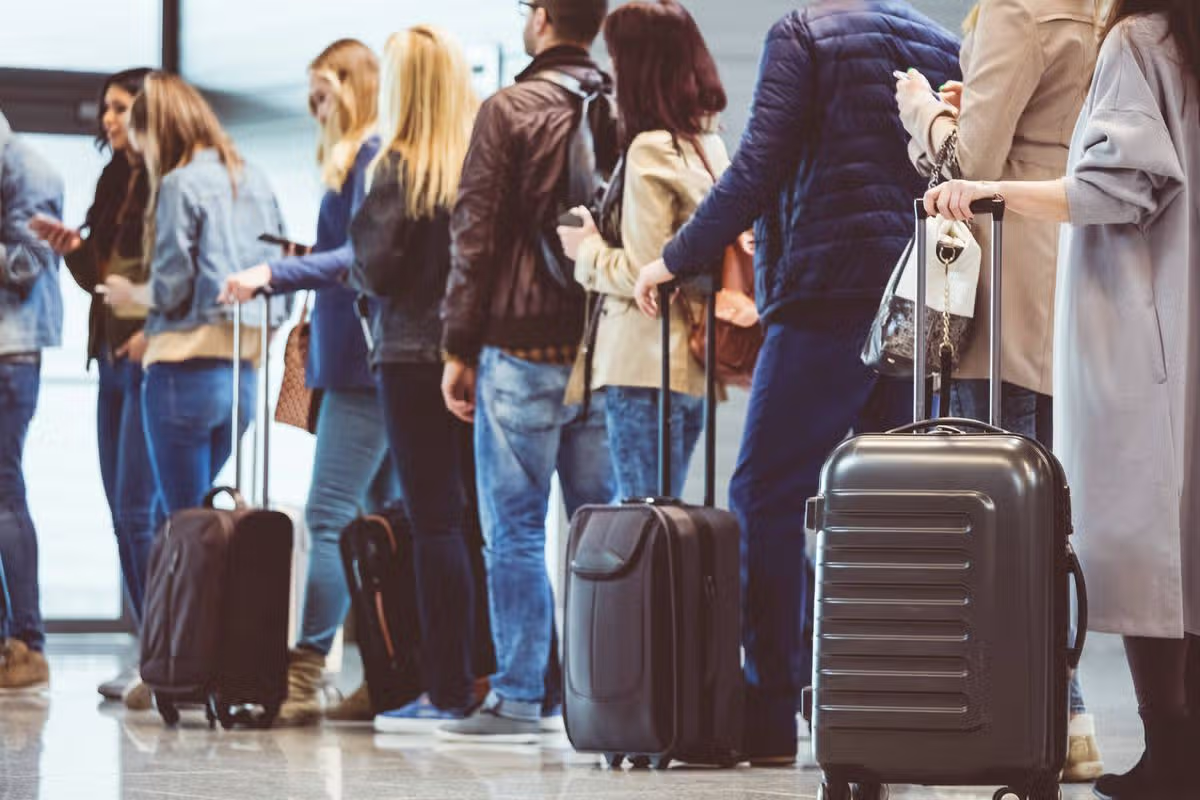
Passport holders could get “caught out” (stock image)(Image: Getty Images)
Lots of tourists may be feeling nervous about travel delays this year after reports emerged airports could face a new wave of chaos. Some of this worry has stemmed from the fact that EES, which stands for Entry/Exit System, has come into place this year – this is an automated digital IT system developed by the European Union to register non-EU nationals each time they cross the external borders of participating European nations.
However, if you’re due to travel and want to know what to expect, there’s some expert advice you may want to take on board. A few simple travel tips can make all the difference to helping the start of your holiday go more smoothly.
It’s not the first time the subject has been highlighted to travellers either. Previously, it was reported how UK travellers were preparing for border delays due to the system.
What’s it all about?
This year marked the first summer that the EU’s new Entry/Exit System (EES) has been in operation and, while you’ve likely seen reports about lengthier queues at certain airports, for most holidaymakers, it’s simply another aspect of travelling that requires a bit of adjustment. If you’re bound for countries such as Spain, France, Italy, Portugal or Greece, here’s what you need to be aware of before you fly.
Travel expert Ricky Durrance, of package holiday specialists Teletext Holidays, says that, while everyone’s heard about the biometric checks, it’s the minor regulations that are tripping people up. He issued some guidance to help travellers.
Don’t get caught out
One of the least well-known aspects of EES is that your registration is tied to your passport, not to you personally. So, if you’ve renewed your passport since you last visited an EU country, you’ll be treated as a first-time traveller, even if you’ve previously completed biometric registration.
That means providing fingerprints and a facial scan once again at the border. So, you’ll need to allow extra time.
“Many travellers would assume once they’re already in the system that’s job done,” said Ricky. “But EES is tied to the passport, not the person, so don’t be caught out by unexpected enrolment.”
Can things be sped up?
Depending on where you’re departing from, you may even be able to complete part of the process before you set off. The EU’s free Travel to Europe app allows travellers using participating border crossings to upload passport details and a facial image up to 72 hours before departure, helping make the process even smoother.
It’s worth checking whether your airport supports it before you travel. If you’ve booked a package holiday, border delays can have a knock-on effect on transfers, so check with your travel agent whether your departure airport supports early enrolment and allow extra time on arrival.
What about kids?
Families should also bear in mind that every traveller has their own EES record, children included. Each child will require their own passport and facial image check, although under-12s are exempt from providing fingerprints, which helps to speed things up slightly.
It doesn’t apply in every country
The good news is that EES isn’t applicable across the board. Popular holiday hotspots including Turkey, Egypt, Morocco and Tunisia fall outside the Schengen Area, meaning British tourists heading there won’t need to complete EES checks.
For anyone weighing up destinations, it’s simply another factor worth taking into account alongside the weather, budget and the kind of break you’re looking for. Check whether your chosen destination requires EES before you travel.
“Like any new system, there’s always a settling-in period,” added Ricky. “The important thing is not to let the headlines put you off travelling. Millions of people are still enjoying holidays across Europe.
“If you know what to expect, allow a little extra time where needed and make sure your passport is up to date, the whole process should be straightforward.”