WASHINGTON — The Trump administration is deferring an additional $1.2 billion in Medicaid reimbursements to California, citing concerns about potential fraud in a state program that helps older adults and people with disabilities with everyday tasks.
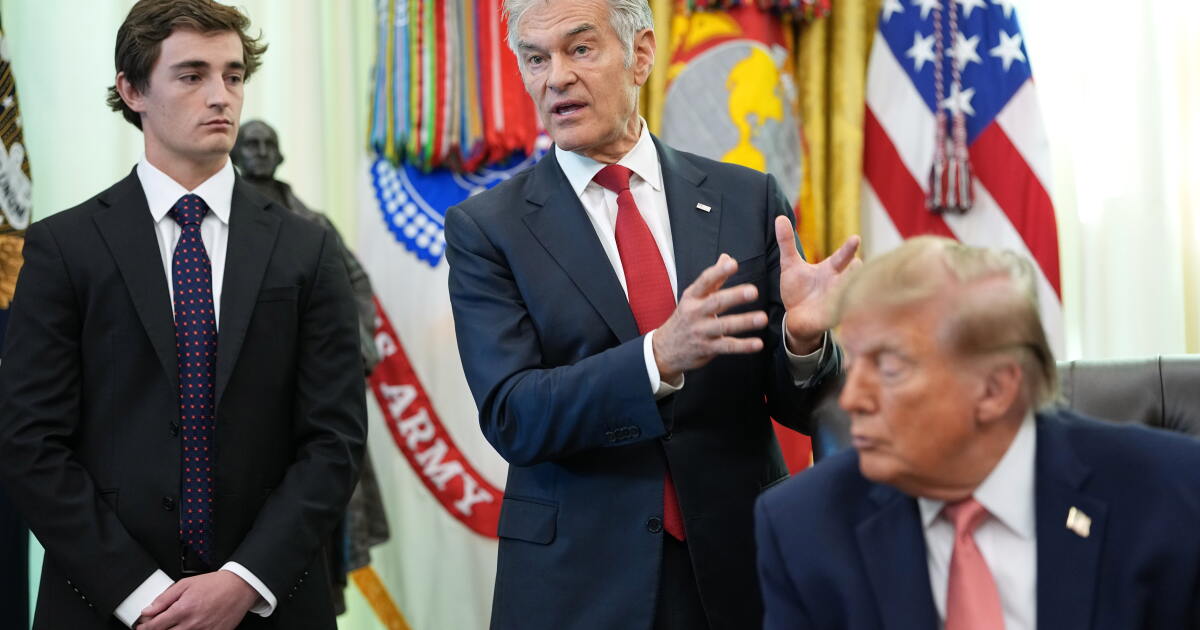
Dr. Mehmet Oz, the administrator for the Centers for Medicare and Medicaid Services, said federal officials took action after they grew concerned about the rapid expansion of California’s personal care services program in recent years. State officials were notified of the decision Tuesday, he said.
“California has been growing that program 24% in the last three years. That is twice the rate of every other state average in the country,” Oz said. “Impossible for us to understand how that could be so we are taking major action in California.”
Oz did not provide any evidence of fraud but suggested the state was paying people too much taxpayer money to help with services that could be offered for free, like “paying somebody to carry groceries upstairs for your mom.”
“Many of you would carry groceries upstairs for your mom for free, but in California, they will pay you a lot of money for it,” he said.
The move is the latest in a series of efforts by the administration to withhold federal money from California. In May, the administration held back $1.3 billion in Medicaid reimbursements to the state over concerns about “fraudsters” in the state’s hospice and in-home care programs. The actions have been part of a broad effort by the administration to rein in fraud in federal healthcare benefits programs, particularly in Democrat-led states.
Gov. Gavin Newsom’s office did not immediately respond to a request for comment. But the office has been critical of the administration’s past efforts.
In May, Newsom’s office called the action to withhold funds for in-home care programs a “sick” and politically motivated attack on services that are meant to “keep seniors and people with disabilities OUT of nursing homes.”
Those services usually cover assistants who help people with daily tasks such as bathing, laundry or cooking. They also provide needed care such as injections under the direction of a medical professional. A 2020 report by the California state auditor found that nearly three-quarters of In-home Supportive Services caregivers assist a family member.
Newsom’s office, however, has argued that the program saves taxpayers money, saying IHSS care costs $30,000 a year, while nursing home care costs $137,000 a year.
California’s hospice industry has had problems in the past and authorities have tried to crack down on the issue. A Times investigation in 2020 found that providers were billing Medicare for hospice services and equipment for patients who were not actually dying while the industry boomed.
The Trump administration, led by Vice President JD Vance, has tried to focus attention on the issue of waste, fraud and abuse as a centerpiece policy platform to bring down healthcare costs.
On Tuesday, Trump and Vance announced a $25-million whistleblower program designed to pay out cash to people who tip off the federal government about fraudsters. The program will offer a 1% commission for tips that lead to a successful conviction. Trump said he would be the sole arbitrator of who gets to keep the money.
“I’ll determine whether or not the person is deserving, and I will be very generous believe me. We are not looking to save on that,” Trump said. “I promise you I will be fair.”
Trump said the money will be handed out “expeditiously and fairly.”
“I promise there is nothing in this for me,” he said.
The White House referred comment about the decision to the Centers for Medicare & Medicaid Services. The federal agency did not immediately respond to a request for comment.
BANGOR, Maine — Ever the optimist, Speaker Mike Johnson said he believes Republicans will hold on to their U.S. House majority, defying a surge of Democratic momentum in the final stretch of the midterm elections that will determine control of Congress.
It’s the crowds he says he’s seeing as he crosses the country campaigning for GOP candidates. The caliber of recruits and incumbents he calls workhorses, not show horses. And the nearly half a billion he has raised for House Republicans.
He also has faith.
“We run to win, and that’s biblical: You run to win,” he told the Associated Press during a campaign stop in Maine.
“And I believe that we will.”
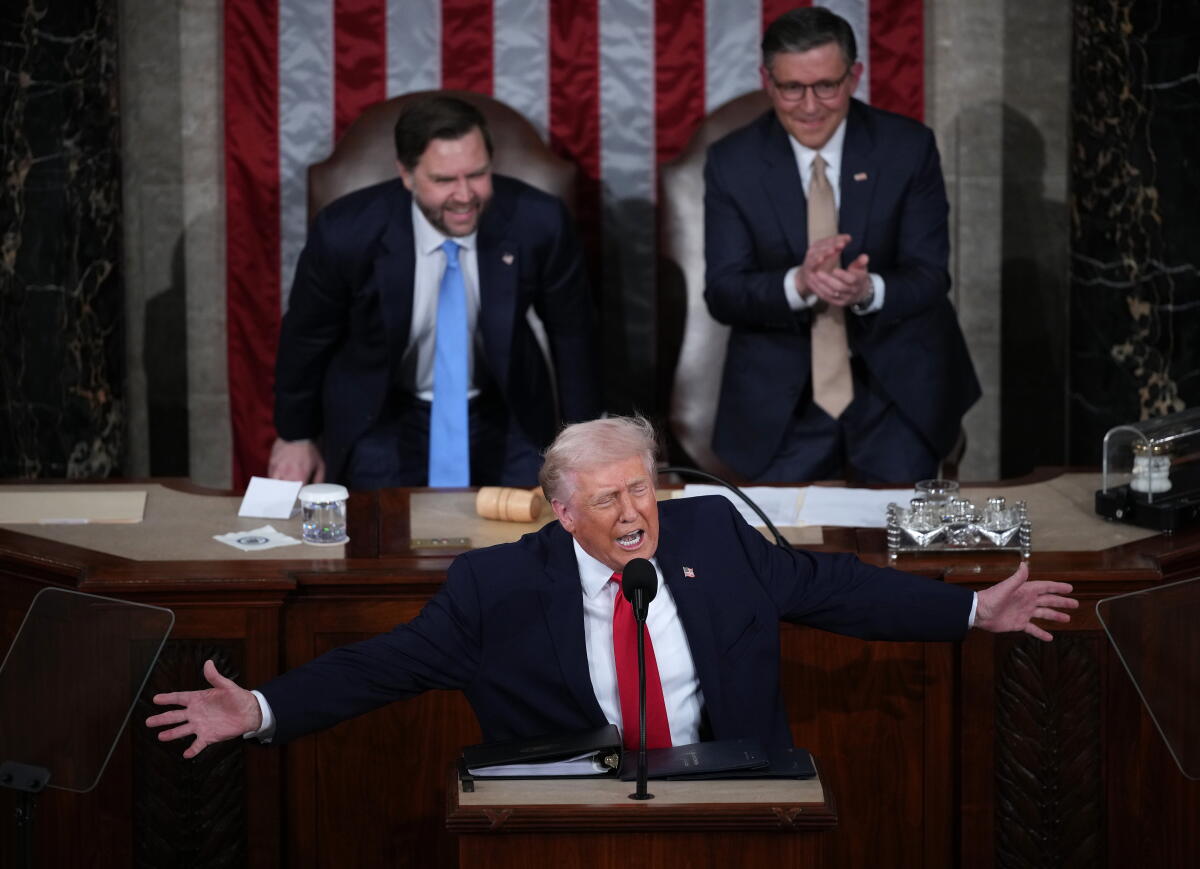
House Speaker Mike Johnson, right, applauds along with President JD Vance as President Trump delivers his State of the Union address during a joint session of Congress in February in Washington.
(Andrew Harnik / Getty Images)
The speaker of the House is one of the most consequential elected officials in the United States, second in line of succession to the president. While Johnson quipped to Fox News recently that he may return to his hometown of Shreveport, La., to start a lawn care business if Republicans lose power on Nov. 3, he fully expects to buck an American midterm tradition that often sees the president’s party dumped in Congress.
It can be said that Johnson, who has drawn so close to President Trump that he routinely fields 1 a.m. calls — they spoke the night before as Trump rallied in Alaska — walks on the sunny side of the street. That’s despite voter frustration over high prices and the Iran war, and his own challenge of leading one of narrowest House majorities in modern times.
In his three years as speaker, Johnson has pushed past the doubters and naysayers, holding his thread-thin GOP majority together to deliver Trump’s agenda. He notably led passage of the big tax breaks and social service cuts bill. Most days he does not have a single vote to spare.
“So many times everybody had written off, there was no way he was going to be able to pull off a particular vote,” said Republican Rep. Mark Harris of North Carolina, who joined the speaker on the campaign swing. “Yet he always seems to pull out the win in the end.”
In the interview, Johnson did not speak brashly about expanding the House majority on election day, as he has in the past. But on track to visit more than 20 states and 40 congressional districts though November, he said the political mood reminds him of the 2024 election that swept Republicans to control of Congress and the White House.
“It’s not going to be a giant majority,” he said. “But I genuinely believe that we will have a working majority.”
Emboldened by Trump
Johnson first fell into the speaker’s job almost by accident, a desperate choice by his GOP colleagues after a contingent of renegade Republicans ousted his predecessor, then-Rep. Kevin McCarthy of California in 2023.
Johnson had been a lower-level member of House leadership, but distinguished himself before the Jan. 6, 2021, attack on the Capitol by organizing support for Trump’s false claims of widespread fraud in the election that he lost to Democrat Joe Biden.
In the time since, Johnson has secured proximity to Trump’s power. He joined Trump at a UFC fight in New York and once gifted the president a speaker’s gavel as Trump signed the “One Big Beautiful Bill” into law. It was a symbolic act, but one that critics saw as giving away the authority of a coequal branch of government.
More recently, Johnson abruptly sent lawmakers home early rather than face a vote forced by Republican Rep. Thomas Massie of Kentucky to impeach Defense Secretary Pete Hegseth as lawmakers tried to halt the Iran war, which has not been authorized by Congress.
Over coffee in Bangor, after rallying for House candidate Paul LePage, a former governor, Johnson brushed back criticism that Congress has eroded under his watch as Trump works to amass executive power.
“Absolute nonsense,” Johnson said.
“We did not yield Article 1 authority to the president,” he said, referring to the powers spelled out in the Constitution. “We used our own,” he said, to muscle GOP priorities past Democratic opposition.
Trump agenda at risk
Johnson has focused the election on Democrats he portrays as “communists.” A handful of far-left liberals, backed by the Democratic Socialists of America, are on the ballot.
Rep. Hakeem Jeffries of New York, the House Democratic leader who is in line for the speaker’s gavel if his party sweeps to power, is preparing a first-100 days agenda for when the new Congress convenes in January, if there is a change in control.
What the Republicans will do if they retain power is less defined.
“Lots of plans,” Johnson said, “along the same course of what we’ve been doing — less taxes, less regulation.”
Trump “wants to go big for his legacy,” he said. “We have big things on the horizon that we can do.”
The president has essentially purged the House GOP ranks of those perceived to be disloyal. Among them are Massie, who lost his primary, and Marjorie Taylor Greene of Georgia, who retired early after breaking with Trump over release of the Jeffrey Epstein files.
Pressed how he would keep Republicans in line, Johnson said he is preparing to change the House rules if he returns as speaker.
“There’s going to be some changes that are going to make the machinery work smoother,” he said.
Praying for the speaker, and the country
Faith has often been strong among House leaders. Two former speakers, Nancy Pelosi and Newt Gingrich are Catholics, as is John Boehner, who invited Pope Francis to address Congress.
Johnson, a former constitutional lawyer who was first elected alongside Trump in 2016, is expected to win his own reelection next month.
“My faith is a huge component of how I think and how I act and what I do,” said Johnson, who led a public prayer on the National Mall as part of the nation’s 250th anniversary.
He is drinking lots of coffee these days, he said, cutting back on the Celsius, and still has 1,413 unread text messages, a slight dip from the frightful number reported a few months ago by the Wall Street Journal.
One text is from someone praying for him.
Johnson said he is grateful for the outpouring of prayers he receives, for him and the country.
“I pray for God’s will. And I believe God’s will is for us — and not the communists — to be in charge of America,” Johnson said.
“And it does say in the New Testament, you run the race to win,” he said, citing 1 Corinthians 9:24. “This is a biblical admonition. So we will.”
McALLEN, Texas — On a quiet corner of downtown McAllen, past shops selling quinceañera gowns and perfumes, about 30 people trickled into a small brewery on Wednesday evening to watch James Talarico, the Democratic Senate nominee in Texas, take questions from voters in a CNN town hall.
With beers and tacos, they gathered in front of a large projector screen. Karyme Segura, 18, sat at the front, listening closely as Talarico said federal immigration agents should be going after violent criminals, not “terrorizing our communities” and breaking up families.
Segura clapped. The message was personal to her. A day earlier, her stepfather had been deported to Mexico. Since his detention, her mother has been afraid to leave the house, she said. Now Segura has turned to politics, hoping to change the conditions that have left her family fractured and rattled.
“I just have to do something,” Segura said. “I am hoping that after the election my mom will feel more secure. That if Texas turns blue, Trump will feel threatened.”
Segura is the kind of voter Democrats are counting on as Talarico, a state representative from Austin, tries to defeat Ken Paxton, the state’s Republican attorney general, to become the first Democrat to win a statewide race in Texas since 1994. The race could decide control of the Senate, and has become one of the most high-profile and bitterly fought contests this year.
Talarico, a former teacher and Presbyterian seminarian, has courted voters with a populist economic pitch blended with an overlay of Christian messaging to “love thy neighbor.” Paxton, an ally of President Trump, has focused on rallying his party’s base by portraying Talarico as too progressive for Texas, including his past opposition to transgender sports restrictions.
Since late June, Talarico has led narrowly in most polls, alarming Republicans who have poured hundreds of millions of dollars into ads meant to boost Paxton. Elon Musk, the world’s richest person with significant operations in Texas, has helped buoy that GOP political rescue mission by dropping nearly $190 million into the race, according to federal campaign finance records filed Thursday.
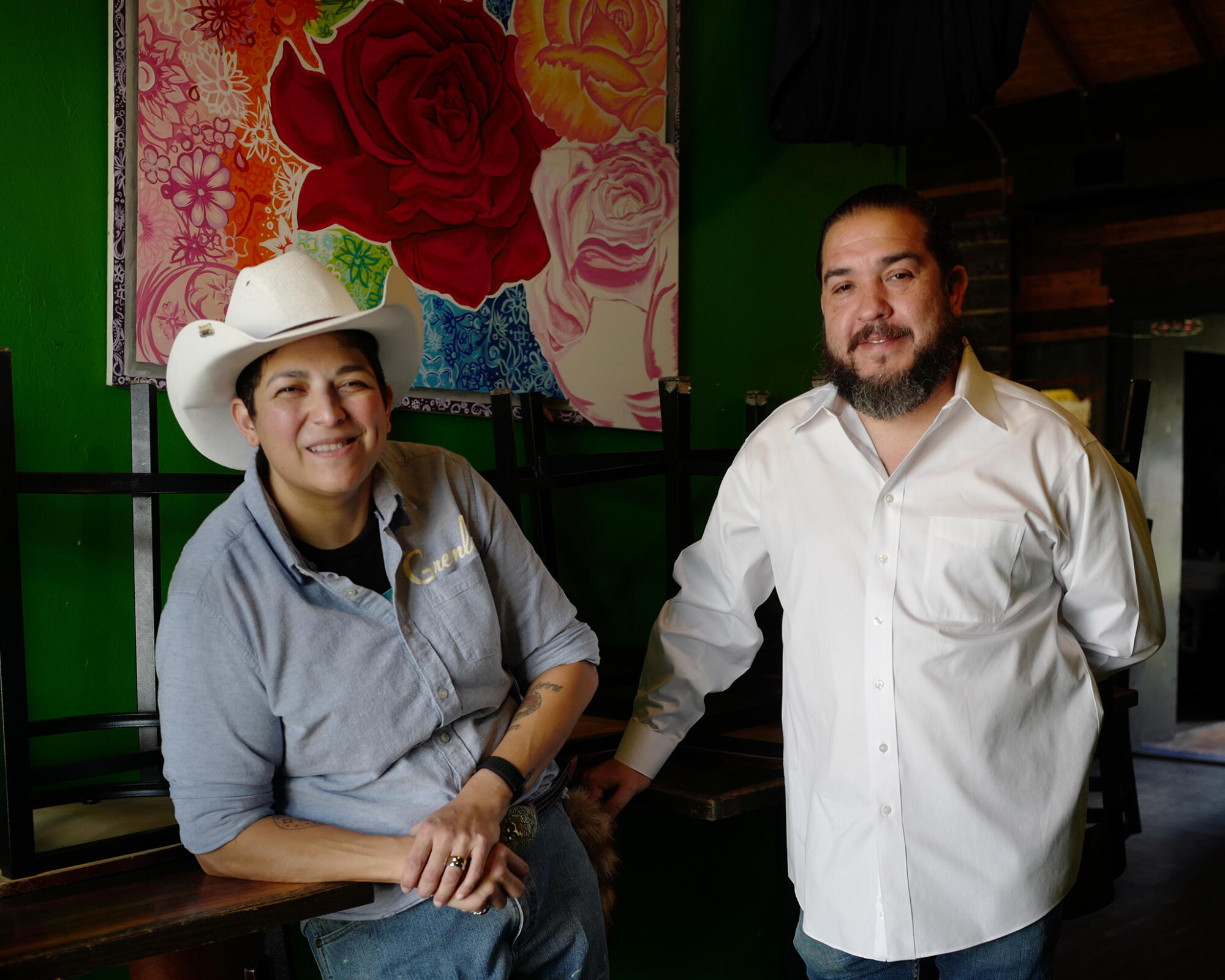
Alyssa Cantu and Antonio Reyna, owners of the Gremlin Bar at their club Thursday in McAllen, Texas.
(Delcia Lopez / For The Times)
Democrats have spent heavily, too. In total, ad spending in the race has surpassed $500 million, according AdImpact, an ad-tracking firm, making it one of the most expensive non-presidential contests in U.S. history.
The Wednesday town hall amounted to free national airtime for Talarico too, who showed up on stage alone despite Paxton —who had so far refused to commit to any debate — being invited. In McAllen, the owners of the brewery, Tony Reyna and Alyssa Cantu, said they bought a projector screen just for the event.
“Any information we can bring out to the community, we try to make it happen,” Reyna said. “And if there is not going to be a debate, we are showing the town hall.”
In recent weeks, conspiracy theories, leaks and attacks have been constant in the lead-up to the election.
Both campaigns are courting independents and right-leaning voters, including Latinos who swung sharply toward Trump in 2024. But Trump’s unpopularity has complicated Paxton’s task. The latest polls show Trump’s approval rating at 32%, the lowest of his political career, as voters struggle with rising prices tied to tariffs and the war in Iran.
In Texas, about half of likely voters in a recent Fox News poll said they worried Paxton was too close to the president; nearly as many were concerned Talarico was too liberal.
Mario Guerrero, a 33-year-old home builder and executive director of the South Texas Builders Assn.
(Delcia Lopez / For The Times)
Along the border in the Rio Grande Valley, an overwhelmingly Latino region, there are signs that voters who backed Trump two years ago are now open to voting for Talarico — and Democrats as a whole. In interviews with more than a dozen voters across the region, many described the Trump administration’s approach to immigration enforcement as inhumane and morally wrong, as well as detrimental to the local economy.
“I didn’t think he was going to do what he is doing now. I don’t think anybody thought it would be like this,” said Mario Guerrero, chief executive of the South Texas Builders Assn. “I think they have gone too far.”
Guerrero voted for Trump all three times. Now he is voting for Democrats, he said.
Residents talked about how in July, a local nun from Nigeria was detained by federal immigration agents after walking from her home on her way to Mass. They talk about their small businesses hurting because people are afraid to be out in public shopping. Others say it is impossible to find workers in the region.
A candidate’s campaign sign marked with graffiti in McAllen, Texas.
(Delcia Lopez / For The Times)
Ariel Salinas, 50, a longtime builder in McAllen, said he has voted for Trump all three times he has been on the ballot. Now, he is voting for Democrats because he is furious at this administration’s approach to immigration, which he says has hurt the entire region’s economy.
“Everyone is hurting right now. Builders, the subcontractors, their families and their friends,” he said. “It’s a trickle effect down. If there are no homes being built, nobody gets paid and in turn no one goes to spend money at local groceries, at mom-and-pop shops, and so forth.”
On Thursday morning, at a housing development on the north edge of McAllen, about 10 homes stood unfinished, and there were no workers in sight. A house that once took four and a half months to build now takes a year, Salinas said. Laborers, whether undocumented or with work permits, have stopped showing up, afraid of being questioned by immigration agents.
“This shouldn’t be reality,” Salinas said. “It is a nightmare.”
Salinas still does not consider himself a Democrat, but said he plans to cast his ballot for them this year because he is so angered by how Republicans and Trump have handled immigration and mistreated hard-working people, many of whom are his neighbors.
“That doesn’t mean that in two years, we are going to vote Democrat again,” he noted. “We are going to vote for them and watch if they keep their promises to us.”
President Trump listens as Texas Atty. Gen. Ken Paxton, the Republican candidate for Senate, speaks at a campaign rally in San Antonio this month.
(Eric Gay / Associated Press)
Opinions on the race are “pretty baked in” by now, so the heavy spending in the final stretch may be hitting diminishing returns, said Brendan Steinhauser, a longtime Texas GOP strategist who previously worked for Sen. John Cornyn, whom Paxton defeated in the GOP primary.
“There are a few undecideds, but not many,” Steinhauser said. “And if they are undecided, the longer they go, I am guessing they are going to break away from the GOP.”
Most Texans appear to have made up their minds.
A University of Texas/Texas Politics Project poll released Wednesday showed 83% of Talarico’s supporters and 69% of Paxton’s said they were unlikely to change their minds. The poll also showed 72% of Democrats were extremely or very enthusiastic about voting, 10 points more than Republicans. In that poll, Talarico led among Latinos, women, suburban and urban voters, while Paxton had the edge with men and rural voters.
Fernando Salinas, 54, the owner of eight dress shops in McAllen, has always voted for Democrats, and after seeing how immigration raids have affected the local community, he believes this year will bring what many in the Valley call a “voto de castigo,” a punishment vote for the party in power.
“I think Texas is going to turn blue,” he said. “People are that upset.”
Republicans are already bracing for a possible loss. In a social media post Thursday, Trump blamed fellow Republicans for the struggles Paxton is facing in the race. He said Cornyn and GOP strategist Karl Rove were doing “everything possible to make it hard” for Paxton to win.
“They are hurting Texas and, more importantly, hurting the United States of America!” Trump wrote. “If Ken Paxton loses, it will be because of WEAK and INEFFECTIVE Political Hacks like John Cornyn and Karl Rove, who have ineffectively opposed me for my entire political career.”
In a September discussion during the Texas Tribune Festival, Rove said the contest “would be over” if Cornyn had defeated Paxton in the primary. Trump, who endorsed Paxton, has campaigned in Texas in recent weeks to rally the Republican base and urge them to vote. Vice President JD Vance has also stumped in the red state.
Texas state Rep. James Talarico, the Democratic candidate for U.S. Senate, speaks Thursday at a campaign event in San Marcos.
(Eric Gay / Associated Press)
In those campaign rallies, Trump has attacked Talarico — whom he calls “Talafreako” — for being a vegan, which Talarico say he is not. Vance has also jokingly questioned Talarico’s sexuality, a comment the campaign has dismissed as irrelevant to the issues that matter to Texans.
But in the Rio Grande Valley, some voters say they feel forgotten by Republicans.
Aaron Garza, 56, a business associate of Salinas, has watched immigration raids hurt business and the community. He has voted for Trump every time he has been on the ballot. But with early voting set to begin Monday, he has not decided whom to support yet.
Garza said he feels no loyalty to either party and wishes there were a third party that showed it actually cared about Latinos and their interests. Still, one thing has him leaning toward Democrats this year: They have shown up.
“The Republicans haven’t been here,” Garza said. “How come you are not here talking to us?”
Marat Khusnutdinov scored in the third period and the Boston Bruins beat the Kings 4-1 on Saturday night for their fifth straight victory.
With the Philadelphia Flyers winning Saturday night, the Kings (0-4-2) are the last NHL team without a win this season.
David Pastrnak had a goal, Elias Lindholm and JJ Peterka scored empty-netters, and Jeremy Swayman made 25 saves. The Bruins swept the three California teams as part of a four-game trip that ends in Dallas on Tuesday.
Alex Laferriere scored for the Kings, and Anton Forsberg made 24 saves. The Kings were held to one goal for the fourth straight contest.
Khusnutdinov put the Bruins (7-2-0) ahead 2-1 with 6:24 remaining, scoring on a backhander after Forsberg failed to cover up Morgan Geekie’s shot and Matt Poitras kept the puck alive.
The Kings got off to a quick start, scoring 31 seconds into the game. Laferriere was at the top of the crease to put in Adrian Kempe’s pass for his second goal of the season, making the most of his promotion to first-line center.
But the Bruins responded early in the second period, with Pastrnak tying it at 2:43. He pounced on a loose puck in the neutral zone and took it the other way to beat Forsberg on a wrist shot from the right circle for his fourth goal.
It was Pastrnak’s 289th goal at even-strength, tying Phil Esposito for third-most in Boston history.
Bruins center Pavel Zacha did not play because of an upper-body injury he sustained in the third period against the Ducks on Friday. He is day to day, coach Marco Sturm said before the game.
Up next for the Kings: at Washington on Tuesday night.
US president’s executive order comes two days before sanctions deadline and a week after diesel deal with Putin.
Published On 17 Oct 202617 Oct 2026
US President Donald Trump has put on hold a sweeping package of sanctions on Russia that he signed into law last month, telling Congress the pause is in the national interest.
Trump signed an executive order on Friday, two days before a deadline in the law that would put the sanctions into effect.
Recommended Stories
list of 3 itemsend of list
The law – named after Lindsey Graham, the Republican senator who died unexpectedly in July after returning from Ukraine – had passed in the House of Representatives and the Senate by large margins. The bipartisan legislation was drafted by Graham and Democratic Senator Richard Blumenthal.
It sought to starve Moscow of money for the war by sanctioning Russian officials, banks and a shadow fleet of tankers carrying its energy.
It also directed Trump to impose tariffs of up to 100 percent on the five biggest importers of Russian oil or gas, with an exception for countries that import less than 15 percent of Russia’s natural gas exports and are taking steps to cut them.
Diesel deal and criticism
The decision to suspend the sanctions comes a week after Trump said the US had signed a deal to buy diesel from Russia to try to lower global fuel prices.
Both Republicans and Democrats, criticising the deal, said it would help Russia’s war effort without affecting fuel prices.
Democratic Representative Don Beyer said he and others had “warned” that Trump might do this, in reference to Trump’s deal with Moscow.
Beyer called on Congress to “fix this flawed law to stop Trump from capitulating to Putin and ensure that it truly supports Ukraine”.
Trump has also increasingly criticised Ukrainian President Volodymyr Zelenskyy lately for failing to reach a deal with Russia.
As Republicans try to keep control of Congress in the November 3 midterm elections, an AP-NORC poll released on October 1 found Americans disapprove of Trump’s handling of the Iran war and blame him for higher prices among several other domestic policy issues.
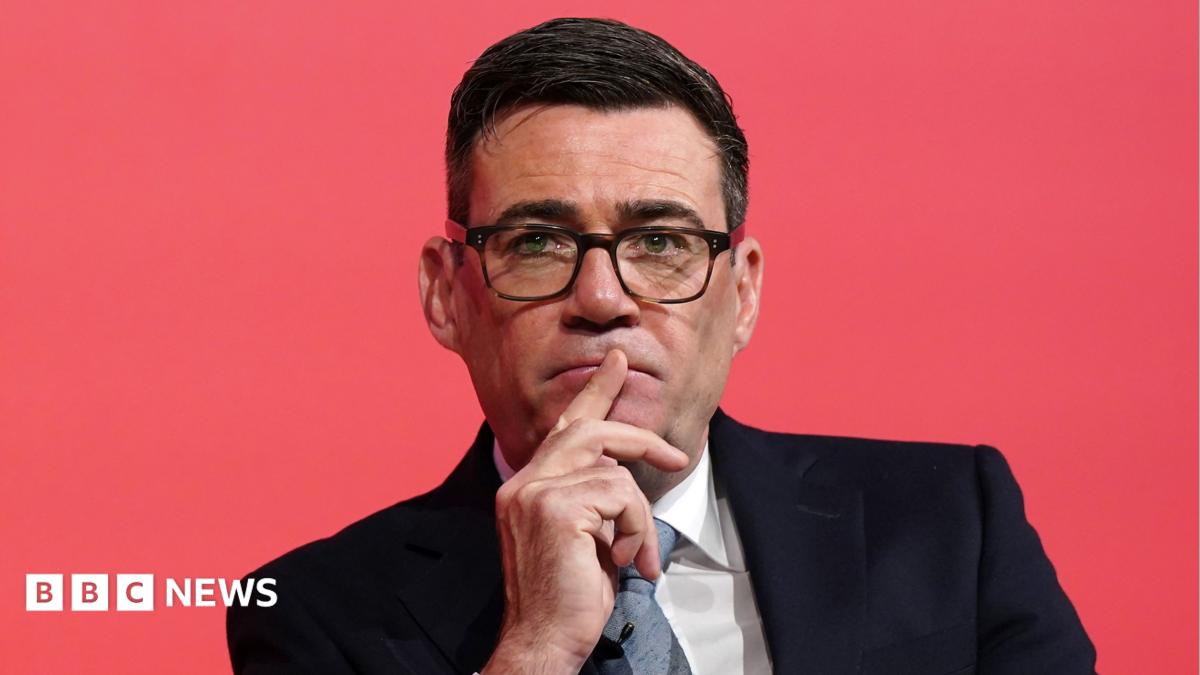
Burnham is set to be greeted with military honours at the German capital’s Chancellery ahead of his first face-to-face meeting with the chancellor.
On Thursday, the two leaders will formally ratify the 2025 Kensington Treaty, a partnership committing both countries to tackle hostile activity through deeper cooperation on science, technology, defence, security and growth.
Speaking ahead of the visit, Burnham said the UK and Germany were “joining forces to find, expose and disrupt” threats.
He continued: “Attacks on our infrastructure, our businesses and our democracies are not a distant threat.
“They reach into people’s homes and workplaces, and they are designed to make us weaker and more divided.”
European leaders have warned the threat of hybrid attacks against Europe by Russia has intensified in recent weeks.
Hybrid warfare or hybrid attacks are loose terms which tend to describe non-military methods designed to exert pressure and destabilise an adversary – for example cyber attacks, sabotage or misinformation.
Last month, a senior Russian diplomat was summoned by the British government over an “egregious and reckless attack” on Leipzig airport.
It is a major international freight hub used for providing support to Ukraine. Moscow has denied any involvement in the incident.
Meanwhile, questions have also been raised this week about Germany’s reliability as an intelligence partner, following the bombshell arrest of a former spy chief on suspicion of espionage.
August Hanning has been accused of espionage, treason and obtaining classified information for a foreign power, the German Federal Prosecutor’s Office says.
He ran the Federal Intelligence Service (BND) from 1998 to 2005 and has since been working as a private consultant.
The talks also come during a period in which Merz’s own political future has come under intense scrutiny.
Burnham replaced Prime Minister Sir Keir Starmer in July after the former leader was forced out by his own MPs just two years after winning a landslide election victory.
Similarly, Merz has faced persistent rumours he could be replaced by his party due to his poor approval ratings and following setbacks in regional elections.
Although the chancellor appears to have overcome an immediate crisis in his leadership, questions remain over his future.
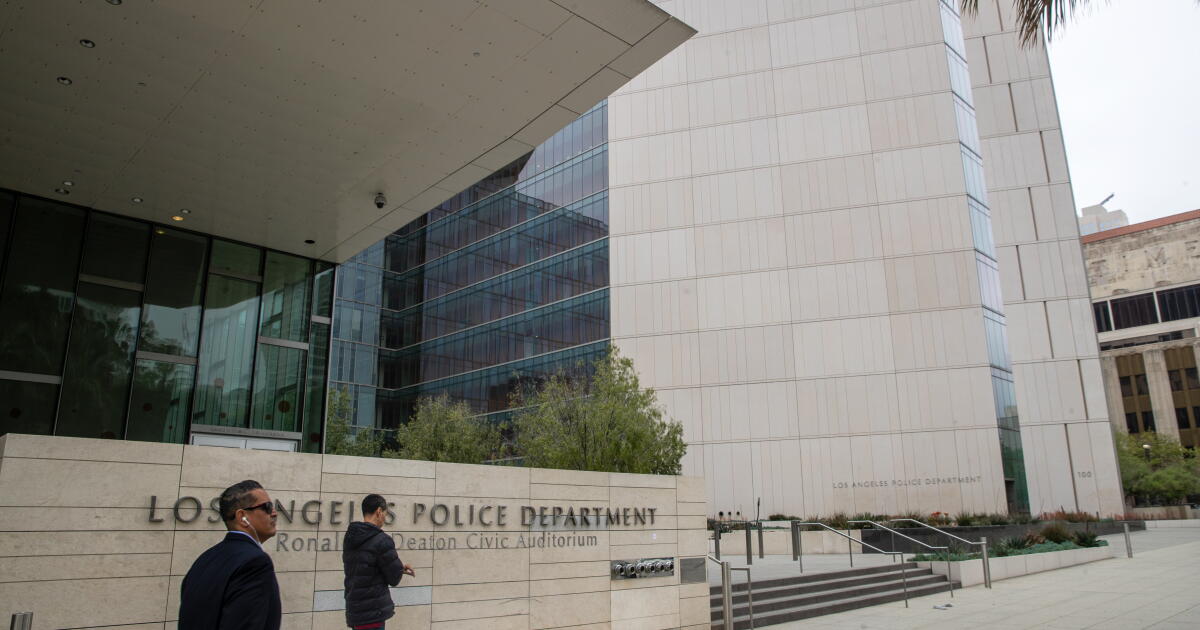
Citing lingering concerns about the potential misuse of police license plate readers, the Los Angeles City Council voted Tuesday to delay an agreement that would enable the deployment of hundreds of the controversial devices until officials are satisfied that the technology will be wielded responsibly.
By a 10-4 vote, the council opted to overrule approval of the 10-year, $235-million contract between the Los Angeles Police Department and Axon Enterprise, halting a deal that had previously been signed off on by the Board of Police Commissioners.
Axon is seeking to outfit hundreds of LAPD patrol squads with plate scanners, which track the movements of vehicles around the city. Under the agreement, the company would also replace thousands of body-worn cameras, supply new Tasers, provide cloud video storage, and roll out a program that uses artificial intelligence to assist officers in writing police reports.
In addition, Axon is seeking to launch a pilot program that would attach plate scanners to streetlights around Los Angeles, offering the LAPD a souped-up version of its current systems by using AI to identify vehicles, license plates, pedestrians and objects that appear on streets and sidewalks.
The council’s decision — which was preceded by several fiery comments from members of the public who oppose the use of license plate readers — sends the contract back to the Police Commission for reconsideration.
A commission spokesperson said that the board’s members weren’t immediately available for comment.
Several council members voiced unease about proceeding without a better sense of the LAPD’s internal policy on license plate reader use. Delaying the contract, Councilmember Hugo Soto-Martínez said, would give the public and city leaders more time to review the safeguards and policies written into the LAPD’s proposed memorandum of understanding with Axon.
Councilmember Traci Park, a staunch supporter of plate reader technology, said there is an urgent need to get the devices “up and running.”
Councilmember Eunisses Hernandez shot back that it would be irresponsible to deploy the technology, citing news reports about officers misusing plate readers to stalk romantic partners and track women seeking reproductive health services.
Earlier this year, the LAPD allowed its agreement with one of Axon’s chief competitors, Flock Safety, to lapse over concerns that the Trump administration is using the data it collects to locate immigrants targeted for deportation. Police officials say they no longer have access to the company’s cameras, many of which are owned by homeowners associations and other private groups.
LAPD Chief Jim McDonnell and other department leaders have pushed to expand the use of license plate readers, saying they are a valuable tool for solving crimes, enabling investigators to more easily locate stolen vehicles and fugitives.
Hernandez noted that other police technologies, such as a robot dog used in situations involving barricaded suspects, had quietly moved from a pilot to a full-fledged program without input from the council.
Council President Marqueece Harris-Dawson said he still had privacy concerns about license plate readers, while noting that their deployment along the Figueroa corridor had assisted in the rescue of dozens of juvenile sex trafficking victims.
“Now having said that, if I’m honest I don’t know what else the cameras are doing,” he said.
Councilmember Monica Rodriguez said that as the license plate reader technology is adopted by other, non-police agencies such as sanitation and street services, the city needs a universal policy governing its use.
The matter will next be heard by the public safety committee — likely at its Oct. 20 meeting — before being taken up by the full council later that week.
In a presentation to the Police Commission last month, the LAPD’s technology czar, Dean Gialamas, said that the department understood the privacy and civil liberty concerns raised about companies such as Flock. This summer, the department announced it was pausing its relationship with the Atlanta-based firm, but police officials have said they are still hopeful to negotiate a new deal with the company that would include more data-sharing safeguards.
Much like the initial debate over the use of forensic DNA testing, Gialamas said, the answer wasn’t to abandon the technology but to create safeguards to “ensure responsible and trusted use.”
Gialamas told commissioners that Axon had agreed to terms that would give the LAPD complete ownership of the data captured and bar the sharing of data with federal authorities. The proposed deal, he said, would also limit the use of plate readers to criminal investigations, missing persons cases and other “serious public safety matters.” Investigators, for instance, would not be able to conduct searches based solely on protests or other 1st Amendment-protected activities, he said.
Under the proposed contract, investigators would no longer be given “unfettered access” to license plate data and the retention period would be significantly cut down, he said. The department would also be permitted to conduct regular audits to flag officers who use the system frequently or conduct unusual searches.
A report issued last month by the LAPD inspector general’s office found numerous “limitations” in the department’s existing agreements with its three plate reader vendors — Flock, Axon and Motorola — including a lack of clear language about how long data are retained and how they are shared with third parties or other law enforcement agencies.
The inspector general recommended that the department update its current license plate reader contracts to address data security and privacy concerns, conduct regular audits and develop standardized rules for traffic stops based on plate reader hits.
Whittaker made an extravagant entrance, accompanied by a live string ensemble playing WWE star The Undertaker’s theme before switching to “Icon” by Karen.
Despite being from nearby West Bromwich, Whittaker was greeted by as many jeers as cheers from the roughly 5,000 fans inside the arena.
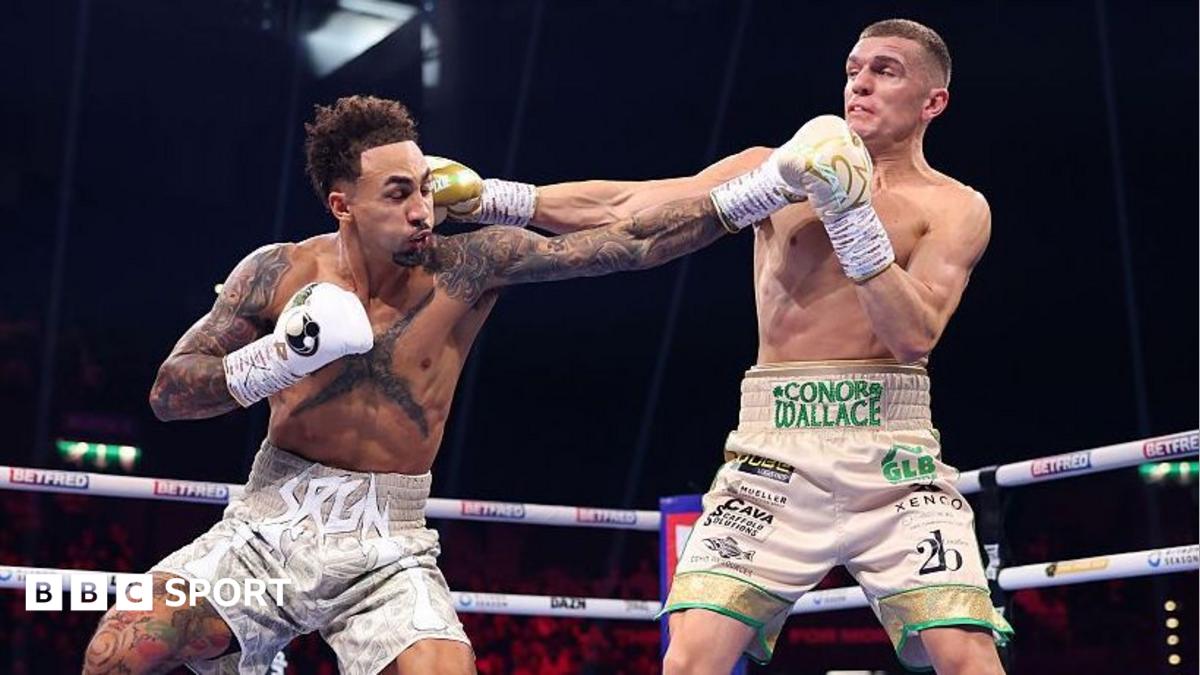
The fight came alive in the third when Whittaker briefly staggered Wallace with a shot that skimmed his forehead.
Wallace’s travelling support made themselves heard, only to be drowned out by an airhorn smuggled into the arena as Whittaker found his rhythm
Among those in attendance were former UFC champion Leon Edwards and American Cassondra Gainey, who travelled nearly 4,000 miles from North Carolina after Whittaker’s social-media videos helped lift her spirits during cancer treatment.
Wallace offered a warning of what was to come when he landed a heavy left in the sixth.
“Stay focused. Just because you’re comfortable, don’t get lazy,” trainer Andy Lee told Whittaker, who regained control before an almost disastrous 10th round.
Wallace hurt him with a thudding southpaw left before Whittaker walked on to a huge shot and looked in serious trouble.
Whittaker briefly got some respite when Wallace was warned for punching on the break, but he continued pushing forward as a major upset suddenly felt possible.
Whittaker hit the canvas three times in the final round, none ruled knockdowns, as Wallace threw everything at a visibly tiring opponent.
By the end, Whittaker had done enough to win – but not without giving Wallace and his support reason to wonder what might have happened with a little more time.
“I only have myself to blame,” he said. “I feel like I’ve got the best support in the world. This felt like my home show tonight even though it’s in Birmingham.”
Promoter Eddie Hearn welcomed the possibility of a rematch: “We know Ben is in the position to fight the winner of Bivol-Smith but it’s likely that won’t be until next summer, so he needs to fight in the interim.”
The International team need five points on the final day to secure a first Presidents Cup in 28 years after holding off a United States fightback on day three in Medinah.
The Internationals were behind in every match at one stage but will go into Sunday’s singles holding a 10-5-7.5 lead.
The hosts had the better of the morning session, winning two and tying one of the four-balls.
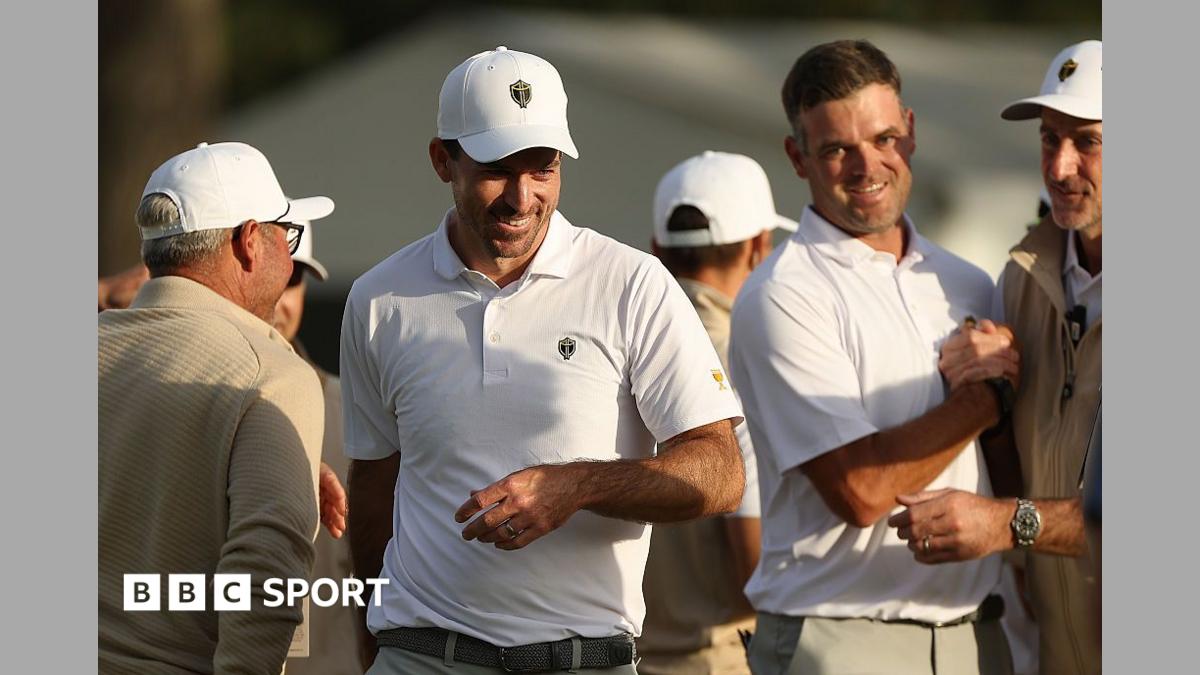
But the teams split the afternoon foursomes, with Canada’s Corey Conners saving par at the 18th to win the final match on the course and preserve the Internationals’ three-point lead.
The International team have only won the President’s Cup once since its inception in 1994 and never on American soil.
“We were down in every match, and to come back and get one and a half points out of this morning, we felt that was a little victory because we were down everywhere,” said team captain Geoff Ogilvy.
“This afternoon, the same thing happened. Team USA played so well all day. They played some really high-level foursomes, especially this afternoon.
“For the boys to somehow come back and pinch two points out of that and split the session was amazing.”
Sunday sees 12 singles games take place, with each side needing 15.5 points to seal victory.