History. Holiday

Monday 23 March Pakistan Day in Pakistan

On March 23rd 1940, the Lahore Resolution was passed which rejected the concept of a United India and proposed the creation of an independent state for Muslims, even though it did not actually mention Pakistan at all.

The resolution paved the way for the creation of Pakistan on August 14th 1947, when Pakistan became the world’s first Islamic republic. August 14th is celebrated as a holiday – Independence Day.

To mark the resolution, the Minar-e-Pakistan (pictured above) was constructed during the 1960s on the site in Iqbal Park where the All-India Muslim League passed the Lahore Resolution

Sunday 22 March Bihar Divas in Bihar India

Bihar Divas is an annual celebration that marks the foundation day of the east Indian state of Bihar.

Bihar was an important region for Buddhists, with many stupas and pillars erected by the Great Emperor Ashoka as a tribute to the Buddha. The National symbol which adorns Indian currency, the Four-Headed Lion was erected atop an Ashokan Pillar that once stood in Bihar. Bihar can also claim the oldest Hindu temple of India still in use at Mundeswari, which dates back to 625 CE.

Following the Battle of Buxar in October 1764, the British East India Company defeated the Mughal Empire and obtained the rights to administer, and collect revenue or tax for Bihar, Bengal and Odisha.

On March 22nd 1912, Bihar state was carved out from the Bengal Presidency of British India. Orissa also became a state as part of this break-up.

The celebration officially began in 2011 and since then it has become a state festival full of fervour and festivity depicting the image and spirit of Bihar.

Gala functions will be organised across the State. Cultural extravaganzas are being organised at a panchayat (town and village) level to involve people’s participation in large numbers.

To commemorate Bihar’s Foundation Day, the State Government of Bihar organises Bihar Utsav, a fortnight-long cultural festival that showcases art, culture, and heritage from Bihar at Dilli Haat in Delhi.

Saturday 21 March Eid ul-Fitr in Ghana

In June 2025, the Ghanaian Parliament approved the Public Holidays and Commemorative Days (Amendment) Bill, 2025, introducing key changes to Ghana’s holiday calendar.

The bill introduces a new public holiday for the Muslim community, known as Shaqq Day, to be observed a day after Eid-ul-Fitr, , a major Islamic festival marking the end of Ramadan.. The day is intended to allow extended reflection and celebration after the Islamic festival.

The Minister for Interior, Mohammed-Mubarak Muntaka said the introduction of this holiday fulfils a key pledge in the 2024 election manifesto of the National Democratic Congress (NDC) and honours the public commitment of President John Dramani Mahama to promote religious inclusivity.

In presenting the Bill to Parliament, he emphasised that the amendment reflects Ghana’s evolving social fabric and commitment to equitable recognition of the country’s diverse religious and cultural identities.

“This amendment is a progressive step toward religious equity,” the minister noted.

“It acknowledges the significance of the Muslim community in our national life and ensures their practices are respected and celebrated,” he said.

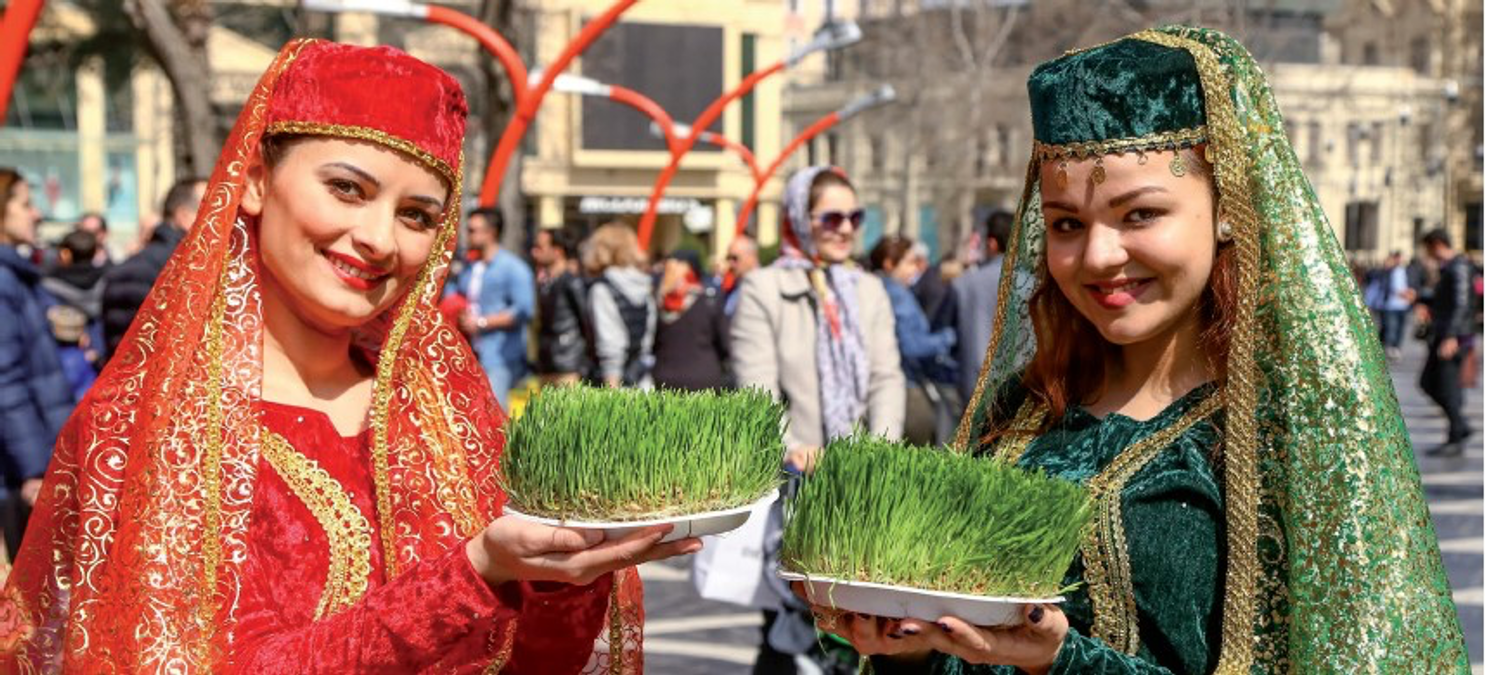
Friday 20 March Novruz in Azerbaijan

This is an ancient holiday, which can be traced back 5,000 years to the Sumerians and the Babylonians civilisations. The first records of Novruz as a spring holiday date back to 505 BC.

Like a lot of spring festivals, this idea of purification and starting again is key. Indeed, before Novruz, activities based on renewal like spring cleaning, planting trees, make new clothes and painting eggs are popular.

On the day before Novruz, the graves of relatives are visited and tended, then the whole family will gather around the table to enjoy traditional dishes. The table will be decorated with a khoncha with Samani (wheat that was planted on water Tuesday) placed in the centre and candles and painted eggs representing the number of family members around it. The feast will consist of at least seven dishes.

While Azerbaijan was part of the Soviet Union, the celebration of Novruz was given unofficial status and even prohibited. although during the Soviet period. Since the collapse of the Soviet Union, Novruz has surged in popularity and has now regained its position as the key holiday in Azerbaijan.

Novruz (Novruz Bayrami) is the most important holiday in Azerbaijan. It celebrates the Persian New Year, and the beginning of Spring. Novruz means ‘New Day’.

Thursday 19 March St. Joseph’s Day around the world

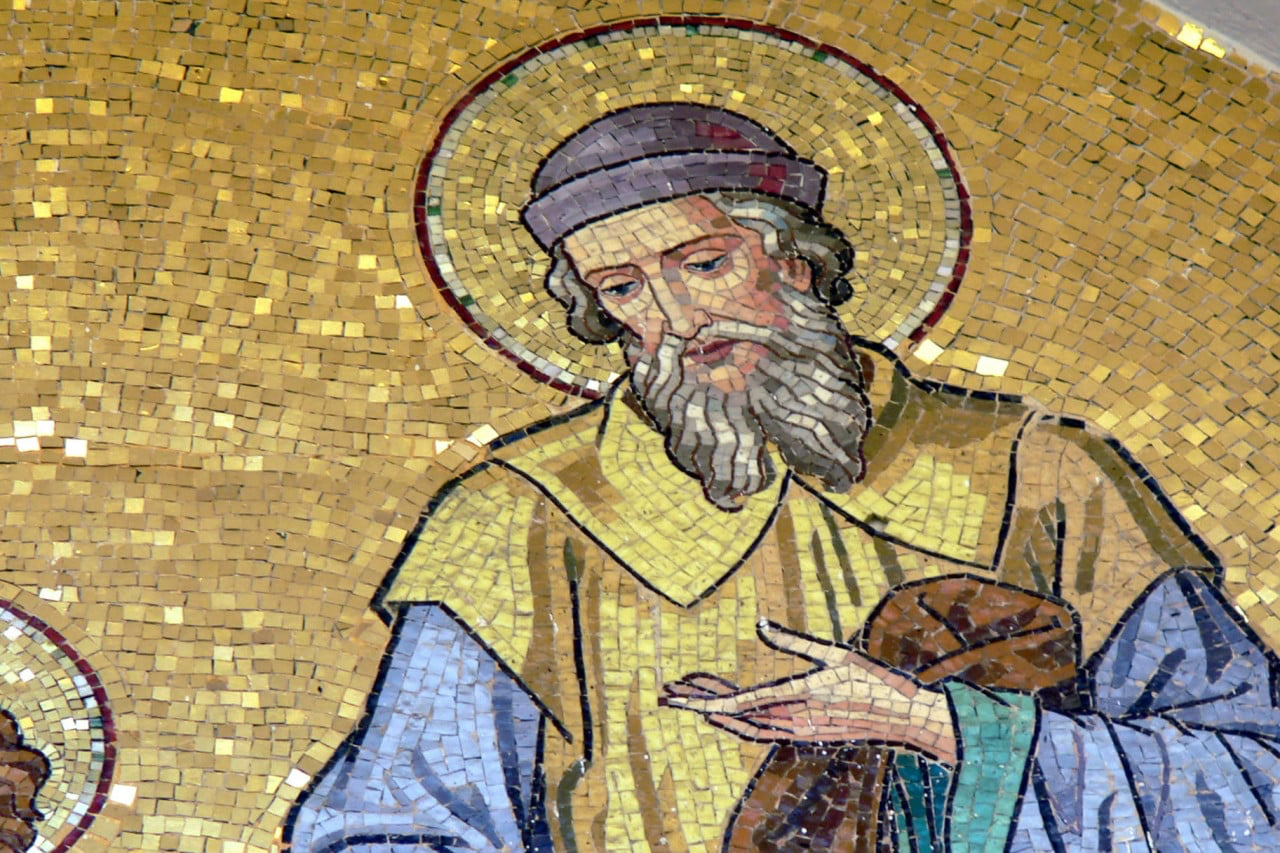
Saint Joseph was the husband of the Blessed Virgin Mary and the foster father of Jesus. All we know about Joseph comes from the accounts of the nativity in the New Testament.

He was a tradesman, commonly he is said to have been a carpenter, but it’s possible he may have been a stone worker. He was said to have been a direct descendent of David, the great king of Israel.

Since Joseph is not mentioned in any accounts of Jesus’ public life, his crucifixion, or resurrection, it is thought that Joseph died before Jesus started preaching.

St. Joseph is the patron saint of the Catholic Church, unborn children, fathers, immigrants, workers, Vietnam and the Philippines.

Despite knowing so little about Joseph, he still has two feast days in the Western church. In his capacity as the patron saint of Workers, 1st May was established as the Feast of “St. Joseph the Worker” in 1955. This is seen as an attempt to counteract the social and non religious growth of Labour Day as a worldwide holiday.

Wednesday 18 March National Anthem and Flag Day in Aruba

Aruba is an island in the southern Caribbean Sea, only 29 kilometres from mainland South America.

The first Europeans to colonise Aruba were the Spanish early in the 16th century. In 1636, Netherlands wrested control of the islands from Spain during the Thirty Year’s War. Apart from two brief periods when the British took over the island during the Napoleonic wars, Aruba has remained Dutch.

On March 18th 1948, the Aruban politician Shon A. Eman presented the first formal proposal for Aruba’s “status aparte” as an autonomous state within the Kingdom of the Netherlands.

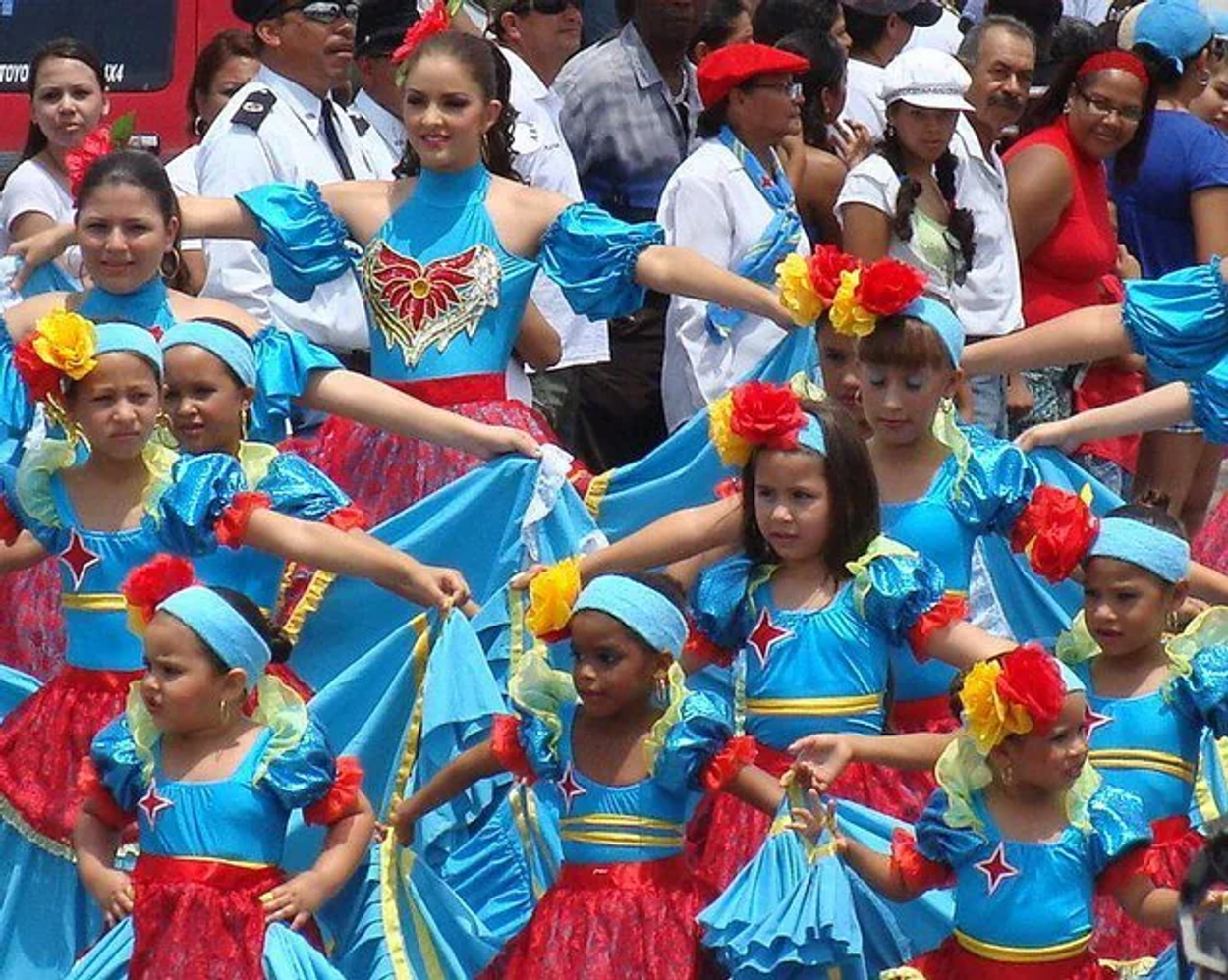
In the 1970s, there was a growing call and expectation for independence, led by Betico Croes. A committee was appointed to choose a national flag and anthem, which were adopted on March 18th 1976, with Croes declaring March 18th as National Anthem and Flag Day.

The flag of Aruba consists of a red star and two yellow stripes on a blue background. The red star represents the four points of the compass, reflecting the diversity of the people of the country. The blue represents the sea. The horizontal yellow stripes denote the free and separate position Aruba enjoys within the Kingdom of the Netherlands.

Tuesday 17 March Night of Destiny around the world

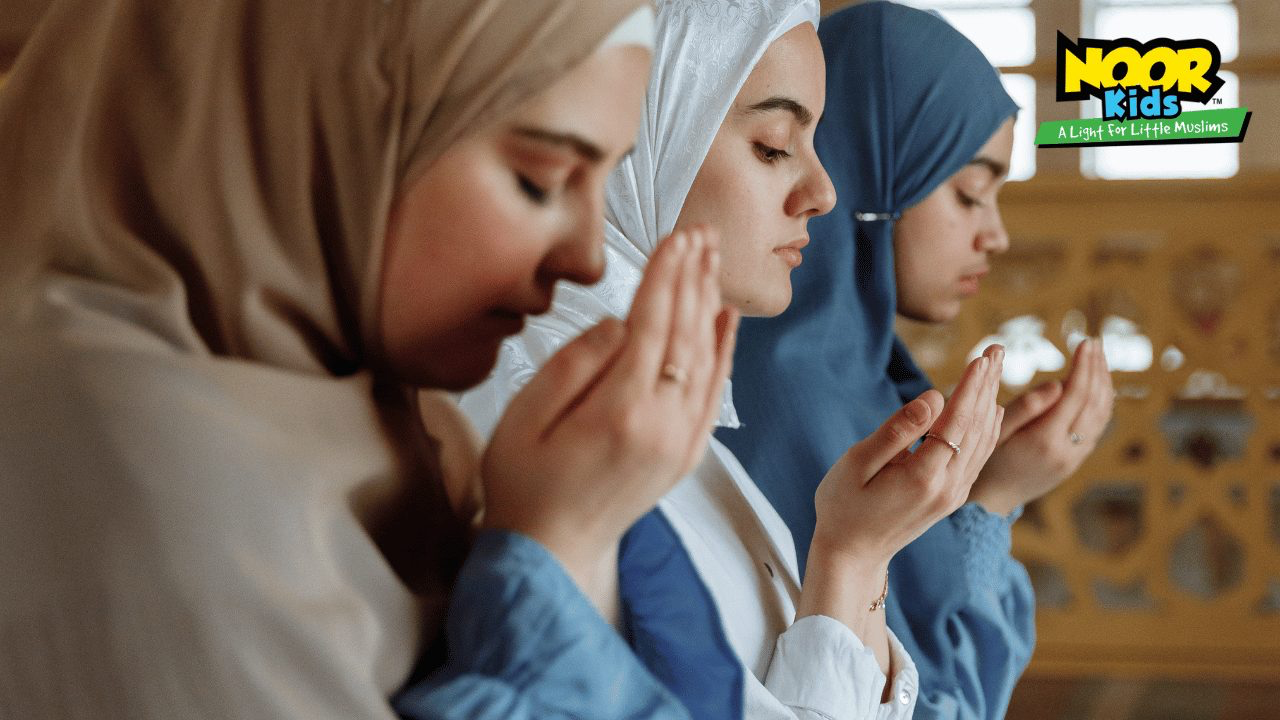
Laylat Al Qadr, also known as ‘Shab-e-Qadr’, the ‘Night of Destiny’ or the ‘Night of Power’ is observed on the 27th Day of Ramadan, the ninth month in the Islamic calendar.

It is considered to be the holiest night of the year for Muslims and marks the night that the first verses of the Qur’an were revealed to the Prophet Mohammed.

The Qur’an does not specify which day of Ramadan, the Night of Destiny took place on, but most Muslims consider it to have happened on an odd-numbered night in the last ten days of Ramadan (21st, 23rd, 25th or 27th). Many Sunni Muslims believe it to be the 27th night, while most Shiite Muslims consider it to have happened on the 23rd.

As a result of this uncertainty, many Muslims will treat each odd-numbered day in the last ten days of Ramadan with increased reverence.

There are also some varying opinions on how much of the Qu’ran was revealed on the Night of Destiny. Some Muslims believe that only a few verses of the Qur’an were first revealed on the night, with the remaining verses revealed over the next 23 years, while some Muslims believe that the whole text was revealed to the angel Gabriel during the night, who then revealed them incrementally to the Prophet Mohammed.

An entire chapter is devoted to the Night of Destiny in the Qur’an, with the night described as being “better than a thousand months” where the angels and the holy spirit Gabriel engulf the Earth, by the permission of Almighty Allah with all decrees.

The Night of Destiny is a highlight of Ramadan. Muslims believe that on this night the blessings and mercy of Allah are abundant and sins are forgiven.

Monday 16 March St. Patrick’s Day in Newfoundland and Labrador

St. Patrick, the patron saint of Ireland, is a widely known historical figure and arguably the most famous patron saint of a country.

Despite this level of fame, we know surprisingly few details about his life. Interestingly he’s not the only recognised patron saint of Ireland, both ‘Brigid of Kildare’ and ‘Columba’ are officially recognised as such.

Also, St Patrick is a patron saint of Nigeria, Montserrat, and Engineers.

The tiny island of Montserrat, known as “Emerald Island of the Caribbean” due to its foundation by Irish refugees from Saint Kitts and Nevis, is the only place in the world apart from the Republic of Ireland, Northern Ireland and the Canadian province of Newfoundland and Labrador in which St Patrick’s Day is a public holiday.

It is generally accepted that St. Patrick was born in Northern England or Southern Scotland to wealthy parents around 385AD. His original name was probably Maewyn Succat. He later adopted Patricius as his Christian/Roman name, which became widely known as Patrick.

While he was only sixteen, Patrick was taken prisoner after a band of raiders from Ireland had attacked his family’s estate in Wales. They took him back to Ireland where he spent six years in captivity as a slave. It is said that it was at this time, while he was working as a shepherd on Slemish mountain that he became a devout Christian.

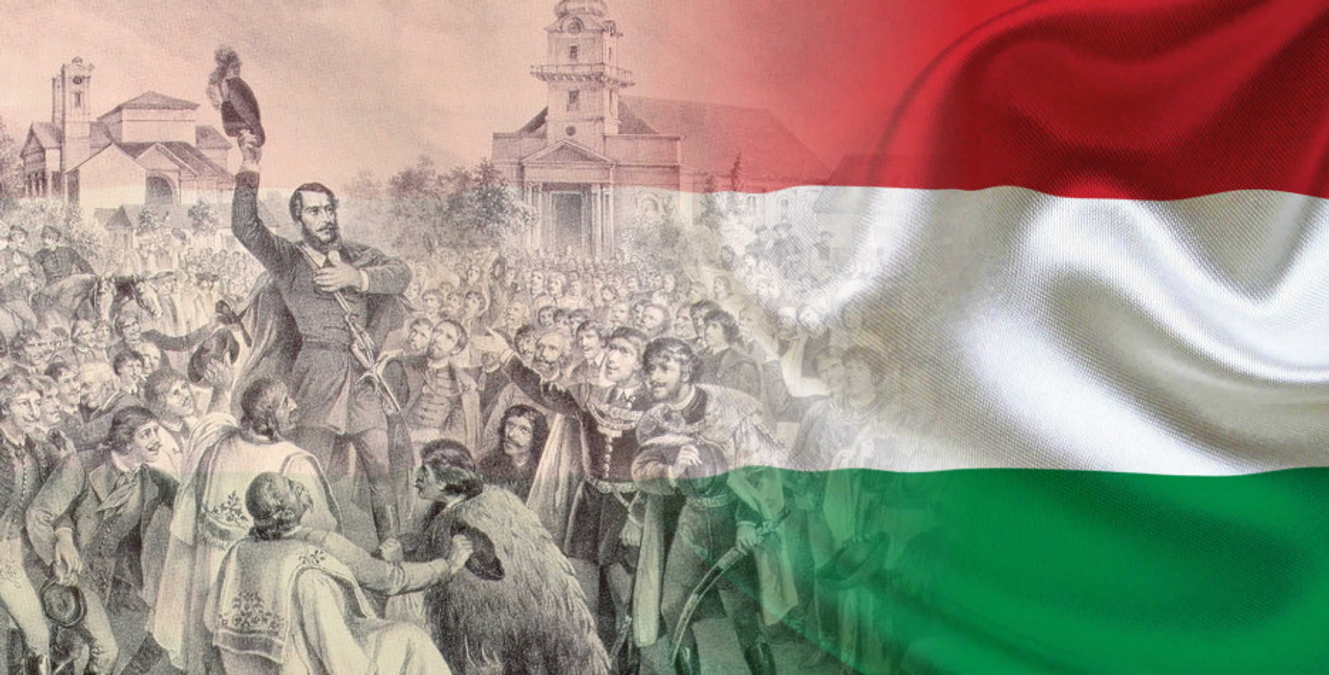
Sunday 15 March Revolution Day in Hungary

Hungary had been part of the Austrian Empire since the early part of the nineteenth century, though it had operated almost as a separate country; it’s strongest bond to the empire was a common monarch.

The revolution in 1848 began following widespread national discontent with taxation and a desire for freedom of the press, freedom of religion and an independent parliament for Hungary. The desire for independence was also driven by other revolutions across Europe at this time.

On March 15th 1848, the poet of the revolution, Sandor Petőfi and his fellow patriots addressed the nation from the stairs of the Hungarian National Museum, reciting the Nemzeti dal (National Song). They declared a list of demands for democratic rights, now known as the 12 Points of the Pest Revolution  – a document widely considered among the nation’s most important texts.

The famous 12 Points called for the establishment of a Hungarian government and an end to all censorship. By the afternoon, thousands had joined in the cause and sparked the Hungarian Revolution, which later secured the nation’s independence.

The revolution became the war for independence, which resulted in defeat for the Hungarian revolutionaries in October 1849. Despite the failure of the revolution to deliver independence, the revolution is seen as a key point in Hungary’s history and that the efforts of the people at that time should be remembered in this national holiday.

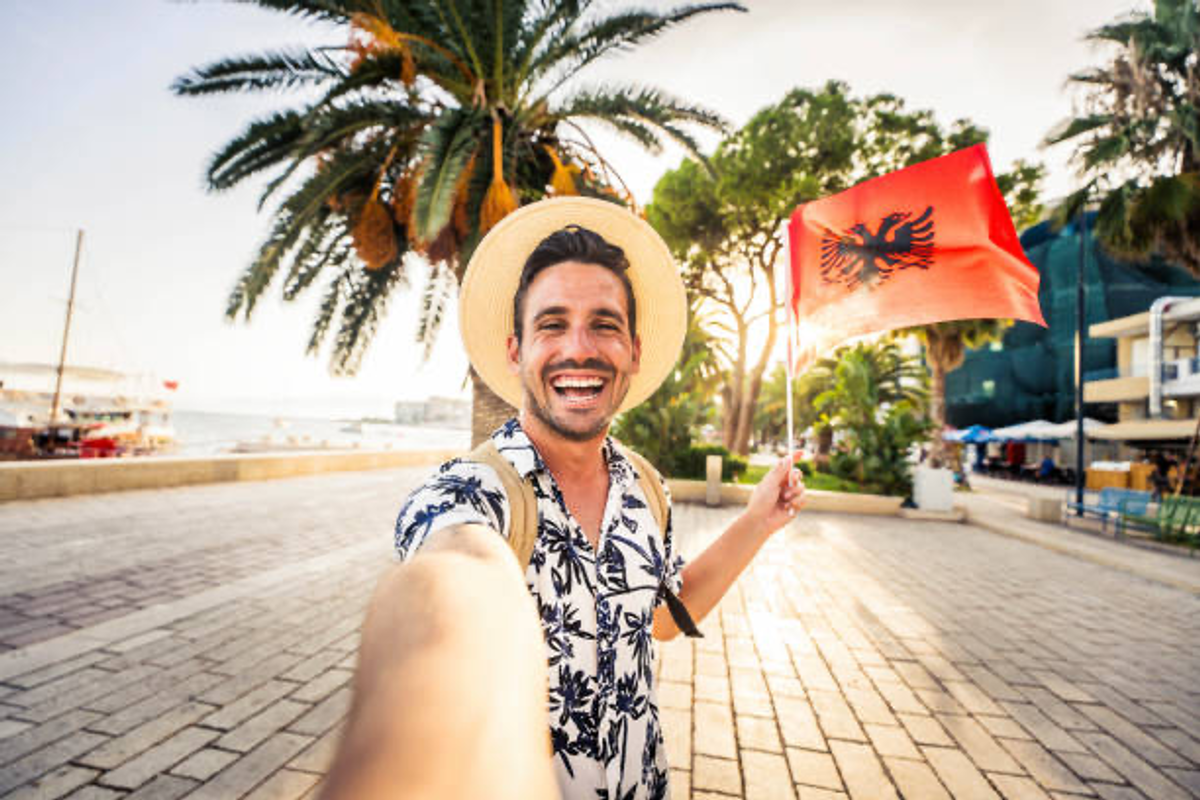
Saturday 14 March Summer Day in Albania

Summer Day is a pagan festival whose observation and traditions originated in the region around Elbasan, in central Albania.

On the outskirts of the city, a shrine was built to Zana, the goddess of hunting, forests, and nature. The tradition was that Zana would come out of the shrine after her winter hibernation on March 14th.

At the time when the traditions of Summer Day became established, March was the first month of the year. In Romania and some other countries in Eastern Europe, the first day of Spring is celebrated on March 14th. In the sixteenth century, the adoption of the Gregorian calendar added 13 days, moving Summer Day away from March 1st.

A traditional food to eat on Summer day is Ballokume, an Albanian biscuit, originating from the city of Elbasan. It is made from cornflour, eggs, sugar, and sugar mixed in a copper bowl.

Summer Day has been a public holiday in Albania since 2004.

Friday 13 March Chapchar Kut in Mizoram

In this part of India, farming involves Jhumming, which is a system of rotating which fields are used for planting each year. This means that each new growing season brings some heavy-duty jungle clearing, chopping down and burning bamboo and trees to make the ground ready for a new crop.

In the 15th century, a tradition of taking a well-earned break and relaxing for a few days after the clearing work began.  In those days, the festival could last for days and in the run-up to the grand finale, the traditions of the festival were established. What was also established was that this is primarily a festival of joy. Though it was never heavily religious, as the state and Mizo people moved away from traditional beliefs to become Christian, the festival fell out of favour. It was revived in the 1960s and 1970s.

Today it has grown to be the biggest of the Mizo festivals – the other two big festivals are also agricultural – Mim Kut and Pawl Kut.

And although the role of alcohol has been reduced in this dry state, the gaiety and fervour of Chapchar Kut still shines through with plenty of dancing and music to keep everyone in good spirits.

Chapchar Kut takes place on the Assam Rifles ground in Lammual and involves around 15,000 performers and most of the spectators also get involved in proceedings – particularly Chai, the last dance of the festival.

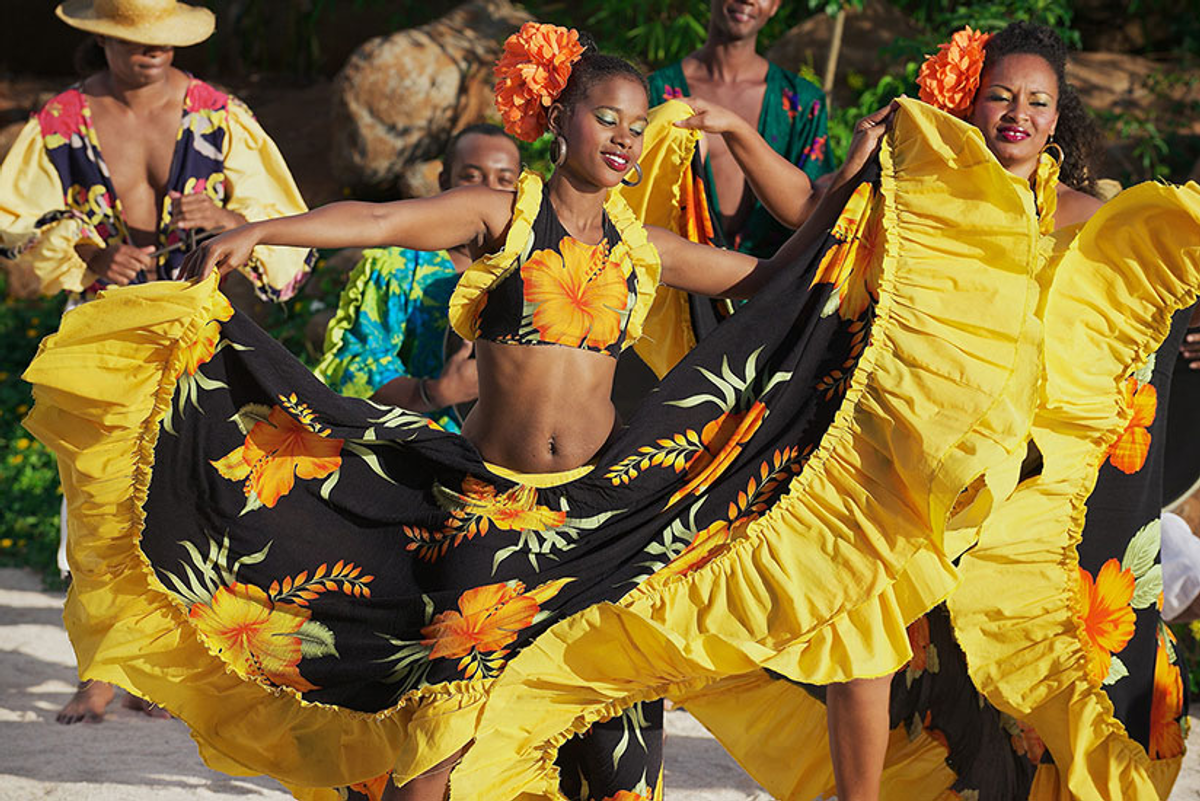
Thursday 12 March Independence and Republic Day in Mauritius

Due to its strategic position, Mauritius was a prized target for European countries looking to establish control and trade routes in the Indian Ocean. Mauritius passed through Dutch, French and finally British control, becoming a colony of Britain in March 1810.

Mauritius was named by the Dutch in honour of Prince Maurits van Nassau in the 17th century.

In 1959, British Prime Minister Harold Macmillan had given his famous ‘Winds of Change’ speech, stating the British government’s intention to give independence to many of its overseas colonies. This led to an increasing call within Mauritius for self-rule.

The elections of 1966 resulted in a victory for an alliance of the Mauritius Labour Party and other self-rule parties.

On March 12th 1968, Mauritius adopted its new constitution and gained independence as a constitutional monarchy. Queen Elizabeth II remained head of state and Sir Seewoosagur Ramgoolan became the first Prime Minister of Mauritius.

Exactly twenty-four years later, on March 12th 1992, Mauritius was proclaimed as a republic within the British Commonwealth.

To mark National Day, Mauritians will show their pride in their nation by displaying their colourful flag across the island. An official flag-raising ceremony takes place with military parades and live music.

Wednesday 11 March Moshoeshoe I’s Day in Lesotho

King Moshoeshoe I is considered the father of Lesotho. He reigned from 1822 – 1870, founding Basutoland to unite the tribes in the area in order to defend themselves from attacks by the Zulus.

Never suffering a major military defeat, Moshoeshoe was able to resist colonialism efforts of the Boer trekkers from the Orange Free State and although Basutoland became a British colony, Moshoeshoe was able to keep his country separate from British South Africa and Apartheid South Africa. 

Ongoing border disputes with the Boers were resolved at the Treaty of Aliwal in 1869, bringing stability to his Moshoeshoe’s Kingdom.

King Moshoeshoe I was given a wool blanket as a gift in 1860 and was so taken with it that he abandoned his traditional leopard-skin kaross (cloak), popularizing the iconic Basotho blanket worn in Lesotho today and during the holiday’s events. 

Moshoeshoe died on March 11th 1870.

Tuesday 10 March International Wig Day

International Wig Day is a holiday that’s observed in various ways. It’s a day when people who are forced to wear a wig for the rest of the year can take a break from worrying about their hair. It’s also a day for those who enjoy elaborate wigs to dressup with the wildest wigs they can find.

Although people around the world celebrate this holiday for fun, it was actually created for a very serious reason. Temashop in Denmark established it in 2016 to raise awareness about cancer and the side effects of most cancer treatments.

Monday 9 March National Heroes and Benefactors Day (in lieu) in Belize

Until 2008, this holiday was known as Baron Bliss Day as the day is dedicated to Baron Bliss, who willed nearly two million Belize dollars to a trust fund for the benefit of the citizens of what was then the colony of British Honduras, now Belize.

Henry Edward Ernest Victor Barretts was born in Buckinghamshire, England in 1869.  He took the familial title of Fourth Baron Barreto in his early adulthood. He was a successful engineer, justice of the peace and man of substantial family wealth (from the manufacturing of gun parts).

In 1911, at the age of 42, Bliss became paralyzed from the waist down, probably as a result of Polio.

He had become wealthy, and gained his title, through a series of inheritances. This wealth allowed him to retire and sail to the Caribbean and indulge his true passions for fishing and sailing. He spent time in the Bahamas and Trinidad, before settling down in British Honduras where he spent the rest of his life, living on his yacht – never actually visiting the Belize mainland.

In early 1926, he was told that he had a terminal illness and changed his will to leave his fortune to British Honduras.

Bliss died on 9 March 1926 and was buried in Belize City and a lighthouse was built in his memory.

Most of his fortune was placed in a trust fund for the benefit of the citizens of British Honduras. Over the years, the trust has provided more than $2 million to fund projects across the country.

Soon after his death, the government declared 9th March to be Baron Bliss Day, a national public holiday.

Sunday 8 March International Women’s Day around the world

International Women’s Day was first established at the 1910 International Socialist Women’s Conference in Copenhagen. German women’s rights activist and Marxist theorist Clara Zetkin was the one who tabled the idea.

Germany, Austria, Switzerland, and Denmark celebrated the holiday for the first time on March 19th 1911, with the Soviet Union the first to make it a public holiday in 1917. The date of 8th March was adopted internationally in 1921.

IWD was declared a national holiday in Mongolia (1957); Angola (1961); Ukraine (1965); Cuba (1966); Vietnam (1975); Mozambique (1975); Zambia (1996); and Kazakhstan (1998).

In 1977, the United Nations declared 8th March as International Women’s Day, a day each year when the world should celebrate, recognize and remember women and the accomplishments they have made to society. Each year has a theme:

The theme of International Women’s Day 2025 is ‘Accelerate Action’. Collectively, we can Accelerate Action for gender equality. At the current rate of progress, it will take 134 years, roughly five generations from now, to reach full gender parity in 2158, according to data from the World Economic Forum. Focusing on the need to Accelerate Action emphasises the importance of taking swift and decisive steps to achieve gender equality. It calls for increased momentum and urgency in addressing the systemic barriers and biases that women face, both in personal and professional spheres. So, together, let’s Accelerate Action and speed up the rate of progress worldwide.

Saturday 7 March Nuzul Al-Quran around the world

The Prophet Muhammad was in a cave on Mount Hira, close to Mecca, when the angel Gabriel appeared and revealed the first five lines of Surh Al-Alaq (chapter 96 of the Qur’an).

Following this first revelation, Muhammad received many revelations of holy text for the rest of his life ( a further twenty three years).

The revelations were recorded by scribes and after the death of Muhammad, they compiled them in texts. The version of these texts that became the Qur’an was established by Caliph Uthman.

Friday 6 March Independence Day in Ghana

Before the arrival of Europeans, Ghana was the location of the Ashanti, a powerful tribe in the region. The area had an abundance of natural resources, including gold and ivory, which attracted the attention of colonists. While the Portuguese had been the first to establish a settlement in the region, the attractiveness of the local riches led to a struggle for control between many European nations. In 1874, Britain took control over parts of the country, naming them the British Gold Coast.

The currency of Ghana is called the cedi. The word ‘cedi’ comes from a word meaning a cowry shell. Cowry shells were once used as money in Ghana.

Weakened by the efforts of World War II, Britain had begun the process of reducing its colonies around the world, including those Africa.

This desire was matched by a rising call for independence in the Gold Coast. In 1947, the United Gold Coast Convention called for “self-government within the shortest possible time” following the Gold Coast legislative elections. In 1951, Osagyefo Kwame Nkrumah won a majority in the Gold Coast legislative election and in 1952. Nkrumah was appointed the leader of the Gold Coast government. 

The Gold Coast region declared its independence from the United Kingdom on March 6th 1957 and established the nation of Ghana. 

Nkrumah went on to become the first Prime Minister of Ghana.

Ghana was the first sub-Saharan African country to achieve independence, on March 6th 1957.

Thursday 5 March Missionary Day in French Polynesia

French Polynesia, the only overseas country of France, is a collection of over 100 islands and atolls in the South Pacific Ocean. Its remote location means it was one of the last places on Earth to become inhabited by humans. 

The first inhabitants arrived from Western Polynesia in about 200 AD. The islands were sighted by the great Portuguese explorer Ferdinand Magellan in 1521. 

Most of the major colonial powers explored the various islands and the islander’s first encounter with Christian missionaries was with Spanish priests who would stay on the islands for up to a year.

In March 1797, Protestant missionaries from the London Missionary Society (LMS) arrived, establishing a permanent presence in Polynesia.

The LMS had been formed a few years earlier with the intention of spreading Christianity across the world. 

The ‘Duff’ arrived in Matavai Bay, Tahiti on March 5th 1797, with seventeen missionaries who intended to build friendships with the locals, build a mission house for sleeping and worship, and learn the native language.  The missionaries faced initial resistance from the locals who had seen the arrival of earlier European ships bring new and unknown diseases to the islands. Eight of the seventeen missionaries left when the next British ship arrived in Tahiti.

The ones that stayed eventually had success in converting the locals including Pomare II, the king of Tahiti, who was converted from traditional beliefs to the Reformed tradition. This conversion formed the basis for the Maohi Protestant Church which is the largest in French Polynesia with followers accounting for more than half the population.

Wednesday 4 March Anniversary of Installation of the Sultan in Terengganu Malaysia

The Sultan is the constitutional ruler of the state of Terengganu. The State Constitution proclaims that the Sultan is “the Ruler and fountain head of all authority of government in the State and Territory of Terengganu”, the Head of the Religion of Islam in the state and the source of all titles, honours and dignities in the state. He is also vested with the Executive Power of the State.

This is a hereditary role, and the current Sultan Mizan Zainal Abidin is the 17th sultan, in a lineage that dates back to 1925.

Mizan became the youngest ruler of a Malaysian federal state when he was appointed as the Sultan of Terengganu in May 1998 following the death of his father, Sultan Mahmud.

He was crowned as Sultan of Terengganu on March 4th 1999.

Mizan served as the 13th Yang di-Pertuan Agong, the constitutional monarch of Malaysia, from 2006 to 2011.

Tuesday 3 March Holi around the world

Holi was originally a festival to celebrate the start of Spring, good harvests and fertility of the land. The first mentions of it date back to a poem from the 4th century.

Holi was described in a 7th century Sanskrit play called “Ratnavali,” written by the Indian emperor Harsha.

“Witness the beauty of the great cupid festival which excites curiosity as the townsfolk are dancing at the touch of brownish water thrown … Everything is coloured yellowish red and rendered dusty by the heaps of scented powder blown all over,” wrote Harsha.

Today it is better known as a symbolic commemoration of a legend from Hindu Mythology.

The story is that there was once a king who resented his son, Prince Prahlada, worshipping Lord Vishnu. He tries to murder the prince on several occasions but fails each time.

Finally, the king’s sister Holika who is said to be immune to burning sits with the boy inside a fire. However, the prince emerges unhurt, while his aunt burns in the fire and dies.

Holi Dahan remembers this event, and huge bonfires are burnt on the eve of Holi as a symbolic representation of Holika’s cremation.

The festival is also associated with the eternal love of Krishna and Radha, and hence, Holi is spread over 16 days in Vrindavan as well as Mathura – the two cities with which Lord Krishna shared a deep affiliation.