Authorities in New Iberia, Louisiana, have said the incident does not appear to be an intentional car-ramming.
Published On 4 Apr 20264 Apr 2026
An estimated 15 people have been injured in Louisiana’s Iberia Parish, after a car struck participants at a Lao New Year parade in the United States.
According to a statement from the Iberia Parish Sheriff’s Office on Saturday, some attendees were seriously injured.
Recommended Stories
list of 3 itemsend of list
“Based on the preliminary investigation, this does not appear to be an intentional act,” said Rebecca Melancon, a sheriff’s office spokesperson.
The Acadian Ambulance company confirmed on social media that it had taken 11 people to the hospital using ground transport, and another two victims were airlifted to seek urgent care. Ten ambulances and two medical helicopters were deployed to the scene.
The incident took place in New Iberia, a city of more than 28,000 in Iberia Parish, some 34km (21 miles) south of Lafayette, Louisiana. It is situated roughly 214km (130 miles) west of New Orleans.
The Louisiana Lao New Year Festival parade is an annual tradition on Easter weekend in the parish, and the celebration features live music, food vendors and a beauty pageant.
In the aftermath of the car crash, the festival issued a statement on social media, saying that all of its security resources had been surged to the scene.
“We are profoundly saddened by the news of the incident near the festival grounds,” festival organisers wrote. “We are awaiting additional details from authorities as they become available.”
They added that Saturday’s musical events were cancelled, though vendors were permitted to stay open until 9pm local time (2:00am GMT, Sunday).
“We are praying for the victims and for their families during this difficult time,” the organisers wrote. “As of now, and if security resources are restored for tomorrow (Sunday) we will reopen only the religious services of the festival, and vendors will stay open.”
The Lao New Year is a tradition typically associated with Buddhism, and it takes place each year in April, as the dry heat in Laos gives way to the wet monsoon season.
Louisiana is home to a small but vibrant Lao community. In New Iberia, one neighbourhood is called Lanexang Village — roughly translated to the “million elephants” village — and it is reportedly home to hundreds of Lao people.
Many arrived as a result of the Vietnam War, which bled into Laos, with communist and US-backed forces clashing over the course of nearly 16 years.
The Pathet Lao, a communist movement, ultimately took over the country in 1975, ending Laos’s monarchy. Hundreds of thousands of people fled in the aftermath, with many resettling in countries like Thailand and the US.
A CLASSIC British rock band’s touring plans have been put on hold until one member gets a bill of clean health.
The band YES was due to embark on an 11-date European tour this month, launching in Glasgow on April 22nd – but the group’s guitarist Steve Howe has to undergo essential surgery, forcing the band to announce a change in plans.
Sign up for the Showbiz newsletter
Thank you!
YES was due to embark on an 11-date European tour this month – but the group’s guitarist Steve Howe has to undergo essential surgery, forcing the band to announce a change in plansCredit: GettyThe band formed in 1969, with many members coming and going over the years. The line-up of Anderson, Howe, Bruford and Wakeman is pictured in 1989Credit: GettyYES were set to play their much-loved 1971 album Fragile in full, after the success of their North American tour in 2025Credit: GettyHowe is the only remaining member of his eraCredit: Getty
YES was set to play their much-loved 1971 album Fragile in full, after the success of their North American tour in 2025.
But taking to Instagram, the group have issued a statement explaining the need to postpone.
“The upcoming YES ‘Fragile’ UK and EU Tour has had to be postponed as guitarist Steve Howe requires an essential operation that requires recovery time,” read the statement on social media.
“This decision has been made to ensure that Steve can return to the stage in full health and deliver the performances that fans deserve.
“We are working hard to reschedule the UK and EU shows to a later date, with full details to be announced after Easter.
“Steve Howe and YES would like to thank their UK fans and hope for their continued support at this time.”
The post explained that tickets would be valid for the rescheduled dates and that the concerts would take place later in 2026.
Fans took to the comments underneath the post to express concern for Steve, wishing him well.
One wrote: “The most important thing is Steve’s health… wishing a full and speedy recovery to one of rock’s greats!”
YES released Fragile as their fourth album – and it’s widely considered their best among fans and critics alike.
The group formed in 1969, but Steve didn’t join until a year later, replacing original guitarist Peter Banks.
The group gained considerable recognition with their third and fourth albums – The Yes Album and Fragile – which were both released in 1971.
The latter included famed single Roundabout.
Over the decades, 20 different members have been part of YES, including founding members Jon Anderson, Chris Squire, Bill Bruford and Tony Kaye.
Steve is the only remaining member of his era, now joined by lead singer Jon Davison, drummer Jay Schellan, keyboard player Geoff Downes, and Billy Sherwood on bass.
In 2017, the group had to cut another tour short due to personal circumstances when Steve’s 41-year-old son tragically died from a heart attack.
YES are considered the pioneers of progressive rock by many music fans, known also for their impressive live performances, and are members of the Rock & Roll Hall of Fame.
The band originally split in 1980, with some members attempting to launch spin-off groups, which mostly failed to take off.
One of these groups ended up comprising mostly of ex-YES members, and in 1983 the band was re-launched.
More incarnations of the group followed, with Steve eventually leaving in the early 1990s, returning later that decade, before the group split again in the early 2000s.
They reformed again in 2009 and have recorded new material and toured on-and-off ever since, marking their 50th anniversary in the process.
In 2024, former keyboardist Rick Wakeman left the group, saying he felt it was “time to call it a day”.
Steve and the other current line-up have continued with the group without Rick over the past two years.
The band explained in a statement that the decision had been made to postpone so that “Steve can return to the stage in full health and deliver the performances that fans deserve”Credit: Getty“We are working hard to reschedule the UK and EU shows to a later date, with full details to be announced after Easter,” the band said on InstagramCredit: Getty
Jane Fallon has shared a fresh health update just days after undergoing surgeryCredit: Instagram/janefallon2The author is the partner of Ricky GervaisCredit: Getty Images – Getty
Now, Jane has revealed the positive news that the surgeons have “basically got it all”.
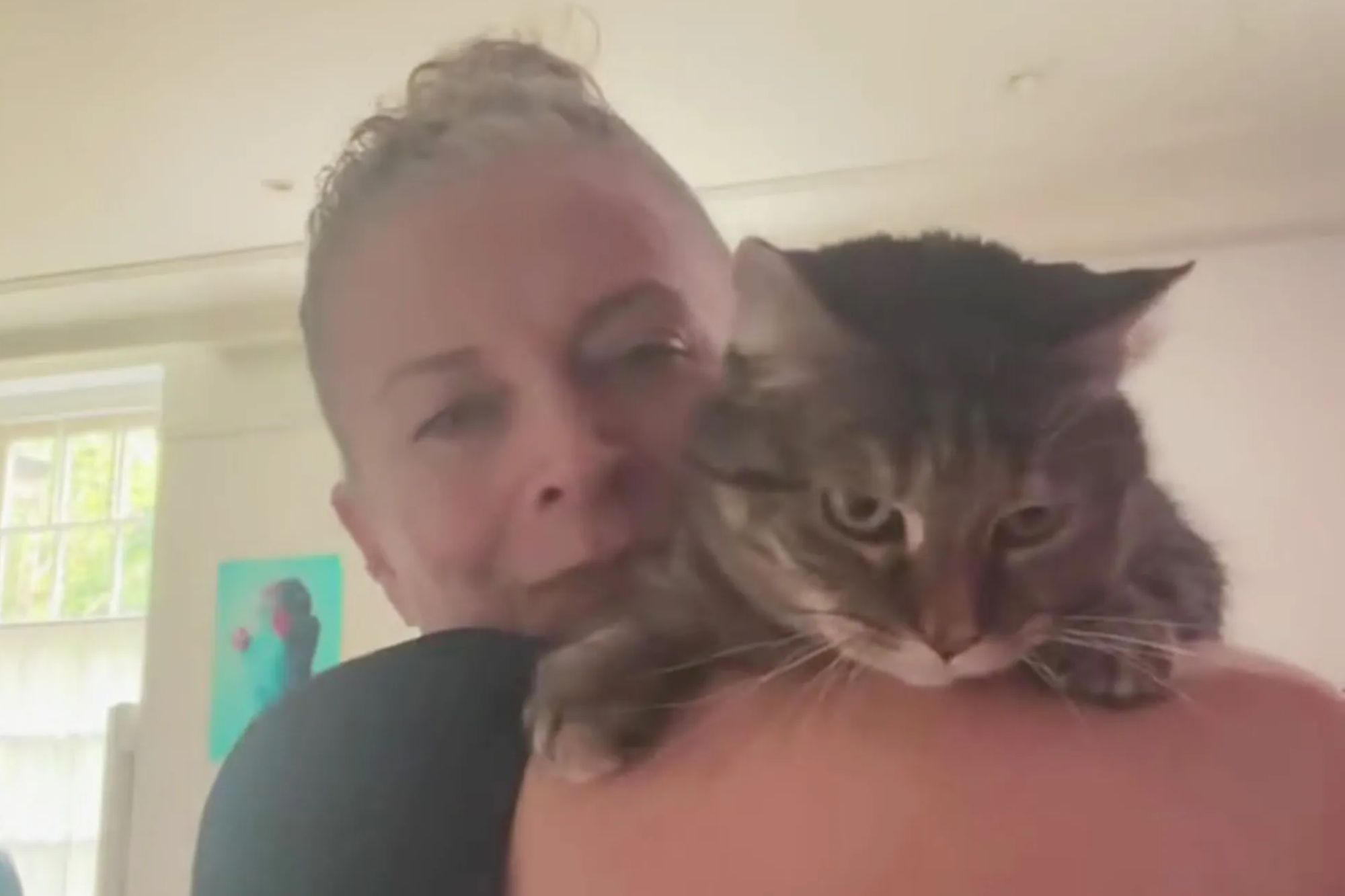
She said in a clip shared to her X account: “The surgeon said I can lift some weights so I’m starting with this one,” as she picked up her cat.
“Just a little update, all is good, yesterday I had my follow up and they have basically got it all.”
Jane explained that she will be having another procedure to ensure that they have removed “everything”.
“What they haven’t got is a clear margin around the edge of what they have taken so I am going to have to have another op,” she continued.
“It will be just to make sure they get everything, which is a bit of a pain, but it isn’t a worry they just need to make sure they have a clear margin, so will be the exact same operation as last time.”
Opening up about her second operation, Jane said she is feeling more confident especially as the recovery has been better than she expected.
She shared: “But I do know now that the recovery is so much easier than I thought it was going to be, this is me 10 days later.
“It’s a pain but not a worry at all [having a second op].
“So it’s good and hopefully next week I will hear after Easter to get it out of the way and then will have to wait for that to be tested and see where we are.
“Meanwhile I’m going to try and get a few workouts in and carry my cat around.”
Jane admitted she was “lucky” she was diagnosed “so early” and that is it important for women to get screened.
She wrote in her caption: “(Mostly) good update: Things I forgot to say in the video: I’m still getting fabulous treatment.
“And I know how lucky I am to have had my diagnosis so early – from a routine mammogram with absolutely no symptoms.
Jane is preparing for a second procedure but said she is feeling confidentCredit: X/JaneFallon
“I’ve had so many conversations with lovely people who’ve come up to me in the street in the last couple of weeks & told me their own personal experiences, and it’s totally rammed home both how different it is for everyone and also how important screening and early diagnosis really is.
“Oh, and as Tamoxifen is one of the options being debated for me I wanted to ask if anyone has experience and how the side effects were.
Revealing her breast cancer diagnosis earlier this month, Jane assured fans not to “panic” and said her prognosis was “excellent”.
She said on Instagram: “About a month ago I was diagnosed with breast cancer – very early stage thankfully & the prognosis is excellent.
“I had a routine mammogram a week before Christmas. I had no symptoms but the brilliant radiographer spotted something iffy & sent me for further tests & eventually a biopsy.
“Since then I’ve had more mammograms, more biopsies and an MRI so they can pinpoint the problem area precisely. It’s been a lot, I’m not going to lie.”
The star added that she has been under “incredible” care.
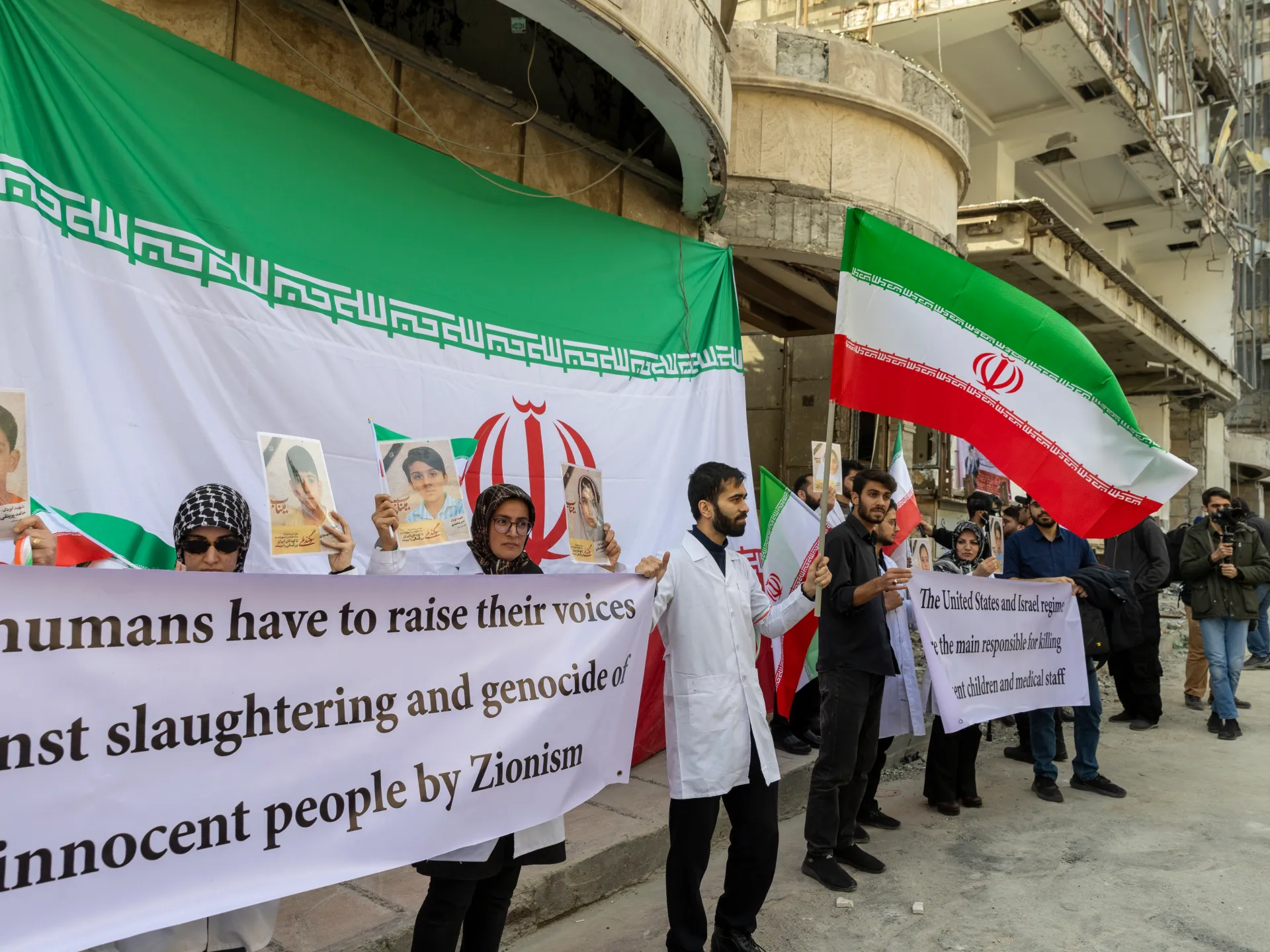
The United States and Israel have carried out multiple attacks on medical facilities in the course of their war on Iran.
On Thursday, Iranian President Masoud Pezeshkian appealed to international health organisations to respond to attacks on medical facilities in Iran, including the Pasteur Institute in capital Tehran, a key centre that Iranian officials said had been targeted that day.
At least 2,076 people have been killed and 26,500 have been wounded in Iran since the US and Israel first launched strikes on the country on February 28.
Here is a closer look at how the US and Israel have hit healthcare facilities in Iran.
What has the Iranian president said about attacks on healthcare?
On Thursday, Pezeshkian wrote in an X post: “What message does attacking hospitals, pharmaceutical companies and the Pasteur Institute as a medical research center in Iran convey?”
The Iranian president, 71, a heart surgeon by profession, continued: “As a specialist physician, I urge WHO [the World Health Organization], the Red Cross, Doctors Without Borders and physicians worldwide to respond to this crime against humanity.”
What is the Pasteur Institute, which has been targeted?
On Thursday, Iranian Foreign Ministry spokesman Esmaeil Baghaei wrote in an X post: “The American-Israeli aggressors have attacked the Pasteur Institute of Iran – the oldest and most prestigious research and public health centre in Iran and the entire Middle East, founded in 1920 through an agreement between the Pasteur Institute of Paris and the Iranian government.”
Baghaei deemed the attack “heartbreaking, cruel, despicable, and utterly outrageous”.
He did not specify whether there were casualties from the attack.
The institute was founded more than 100 years ago in collaboration with the Institut Pasteur in Paris, an internationally renowned centre for biomedical research, which itself was founded in 1887.
The institute in Iran conducts research on infectious diseases, produces vaccines and biological products and provides advanced diagnostics.
The centre has played a central role in fighting endemic diseases such as smallpox and cholera. It also supports Iran’s national immunisation programme by developing and producing vaccines and related biologicals – including those used against diseases such as tetanus, hepatitis B and measles.
Tedros Adhanom Ghebreyesus, the director general of the WHO, wrote in an X post on Friday that two departments of the Pasteur Institute of Iran have also been working closely with the WHO.
“The conflict in Iran, and the region, is impacting the delivery of health services and the safety of health workers, patients, and civilians present at health facilities,” Ghebreyesus wrote.
Which other healthcare facilities have been hit in Iran?
“Since 1 March, WHO has verified over 20 attacks on health care in Iran, resulting in at least nine deaths, including that of an infectious diseases health worker and a member of the Iranian Red Crescent Society,” Ghebreyesus wrote in his X post.
Some of the facilities hit include:
Red Crescent warehouse
On Friday morning, a drone strike hit a Red Crescent relief warehouse in Iran’s Bushehr province.
While no casualties were reported, the attack destroyed two relief containers, two buses and emergency vehicles, Fars news agency reported.
The company was later identified as Tofigh Daru Research and Engineering Company, which is owned by the Social Security Investment Company, a state-run holding firm. On LinkedIn, Tofigh Daru states that it develops and produces active pharmaceutical ingredients “in the anticancer, narcotics, cardiovascular to immunomodulatory segments”.
No confirmed casualty numbers were reported from that strike.
Delaram Sina Psychiatric Hospital
This newly constructed hospital in Tehran was significantly damaged during an attack on the capital on March 29, according to the state-run Islamic Republic News Agency (IRNA).
About 30 patients were in the hospital at the time of the strike late on Monday, the hospital’s director told IRNA. No specific casualty figures for the hospital have been reported.
Ali Hospital
The hospital in Andimeshk in Iran’s Khuzestan province sustained damage from an explosion on March 21, according to the Mehr and Fars news agencies.
In his post on Friday, Ghebreyesus confirmed this attack and said the facility had been forced to evacuate staff and cease services.
Reports about the attack do not mention casualties at the hospital.
Gandhi Hospital
On March 2, Gandhi Hospital in Tehran was damaged during attacks on a television communications tower nearby.
No confirmed casualty figures were reported for the hospital itself.
What does international law say about attacks on healthcare?
International humanitarian law states that health establishments and units, including hospitals, should not be attacked, according to the International Committee of the Red Cross.
These protections also apply to the sick and wounded, to medical staff and to means of transport such as ambulances.
In 2016, the United Nations Security Council resolution 2286 was adopted unanimously. This condemns attacks on healthcare and calls on nations to respect international law.
However, last year record attacks on healthcare during armed conflict were recorded, according to the WHO’s Surveillance System for Attacks on Health Care (SSA).
The SSA said that in armed conflicts worldwide, 1,348 attacks on medical facilities resulted in the killing of 1,981 people. The majority of these deaths were in Sudan, where 1,620 people were killed, followed by Myanmar, where 148 people were killed.
This was a sharp uptick from 2024, when 944 patients and medical personnel were killed in armed conflict.
Where else has Israel targeted medical staff and facilities?
A month into its latest bombardment of Lebanon, Israel has killed 53 medical workers, destroyed 87 ambulances or medical centres, and forced the closure of five hospitals, according to Lebanon’s Ministry of Public Health.
“Israeli strikes and blanket evacuation orders are cutting people off from care and shrinking the space for health services to function,” Luna Hammad, the Lebanon medical coordinator for Doctors Without Borders (MSF), told Al Jazeera, adding that MSF has seen “a documented pattern of attacks affecting healthcare”.
Gaza
Throughout its genocidal war in Gaza, Israel has also attacked healthcare facilities in the Palestinian enclave.
In October 2023, hundreds of people sheltering in the car park of Gaza’s al-Ahli Hospital were killed in an Israeli attack, according to Palestinian health officials.
Israel attributed the explosion at the facility to a misfired rocket launched by the Palestinian Islamic Jihad, an allegation denied by the armed group.
In March 2024, the Israeli military said it killed 90 people in its raid on al-Shifa Hospital during a siege, as displaced Palestinians sheltering in the facility described long detentions and abuse.
In December 2024, the Israeli army arrested Dr Hussam Abu Safia, the director of Kamal Adwan Hospital, after refusing to follow orders to abandon one of the last functioning hospitals in northern Gaza. His arrest came a day after the military killed approximately 20 Palestinians and apprehended about 240 in a raid inside the hospital, which was one of the “largest operations” conducted in the territory until that time.
In March 2025, Israeli forces reportedly shot dead 15 Palestinian medics for the Palestine Red Crescent Society and inside clearly identifiable PRCS ambulances, during a rescue mission in Rafah’s Tal as-Sultan neighbourhood.
US president has said that he will use tariffs to bring down costly pharmaceutical drugs, but the impact remains uncertain.
Published On 2 Apr 20262 Apr 2026
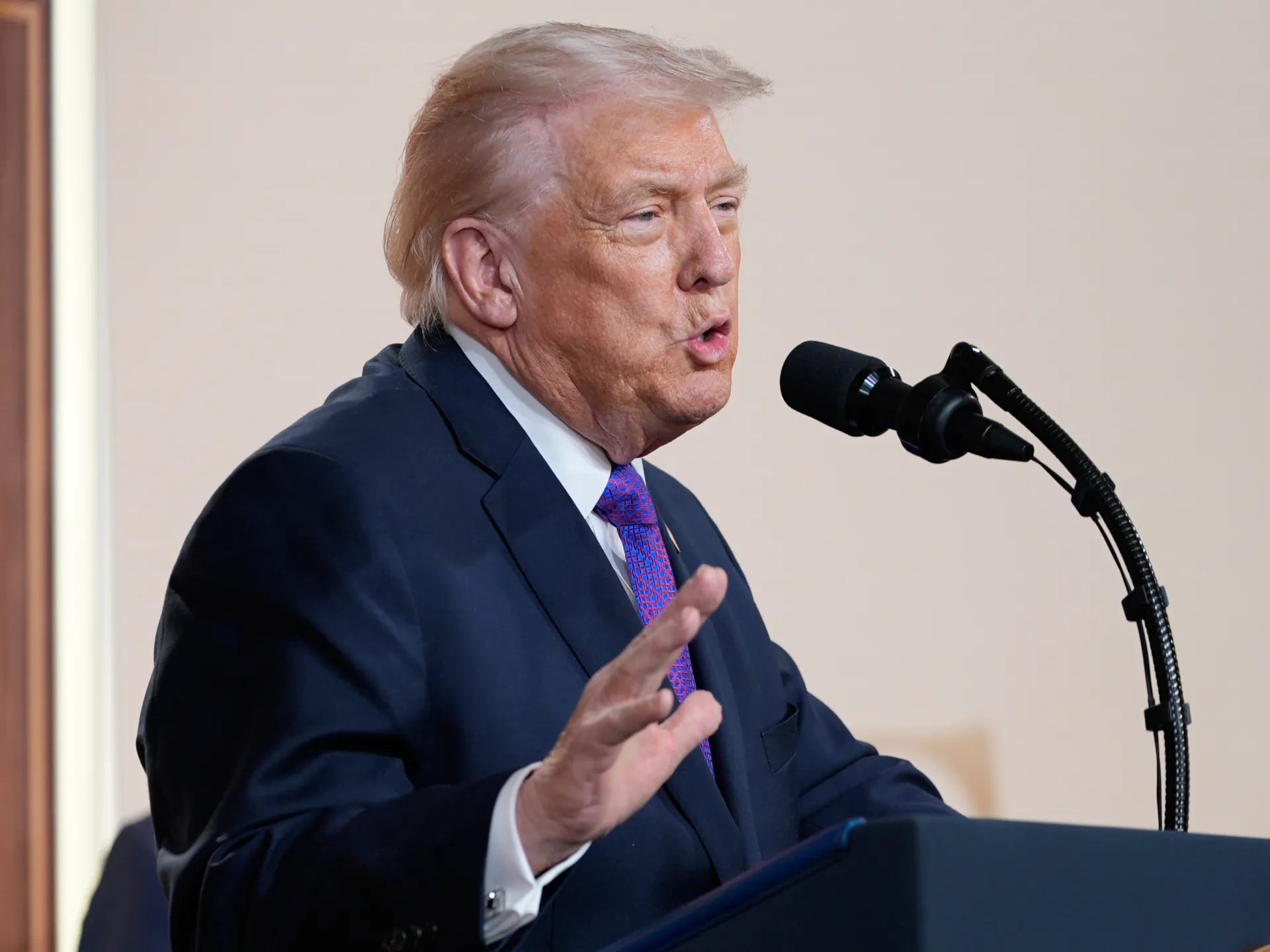
United States President Donald Trump has signed an executive order that could slap long-threatened tariffs of up to 100 percent on some patented drugs if pharmaceutical companies don’t reach deals with his administration in the coming months.
Under Thursday’s executive order, companies that have signed a “most favoured nation” pricing deal and are actively building facilities in the US will have a zero-percent tariff.
Recommended Stories
list of 3 itemsend of list
For those that don’t have a pricing deal but are building such projects in the US, a 20 percent tariff will apply, but it will increase to 100 percent in four years.
A senior administration official told reporters on a press call that companies still have months to negotiate before the 100 percent tariffs kick in. Bigger companies will have 120 days, and 180 days are offered for everyone else.
The official, speaking on condition of anonymity to preview the executive order before it was issued, did not identify any companies or drugs that were in jeopardy of getting hit with the increased tariffs.
But the source noted the administration had already reached 17 pricing deals with major drugmakers, 13 of which have signed.
In Thursday’s executive order, Trump wrote that he deemed the tariffs necessary “to address the threatened impairment of the national security posed by imports of pharmaceuticals and pharmaceutical ingredients”.
The order arrived on the first anniversary of Trump’s so-called Liberation Day, when the president unveiled sweeping new import taxes on nearly every country in the world, sending the stock market reeling. Those “Liberation Day” tariffs were among the duties the Supreme Court overturned in February.
Critics, pharmaceutical leaders and medical groups warned of the consequences the new tariffs could bring.
Stephen J Ubl, the CEO of the pharmaceutical company trade group PhRMA, said taxes “on cutting-edge medicines will increase costs and could jeopardize billions in US investments”.
He pointed to America’s already large footprint in biopharmaceutical manufacturing and noted medicines sourced from other countries “overwhelmingly come from reliable US allies”.
Trump has launched a barrage of new import taxes on US trading partners since the start of his second term and repeatedly pledged sky-high levies on foreign-made drugs.
But the administration has also used the threat of new levies to strike deals with major companies — like Pfizer, Eli Lilly and Bristol Myers Squibb — over the last year, with promises of lower prices for new drugs.
Beyond company-specific rates, a handful of countries have reached trade frameworks with the US to further cap tariffs on drugs sent to the US.
The European Union, Japan, Korea and Switzerland will see a 15 percent US tariff on patented pharmaceuticals, matching previously agreed rates for most goods.
Meanwhile, the United Kingdom will get 10 percent, which Thursday’s order noted would “then reduce to zero” under future trade agreements.
The UK previously said it secured a zero-percent tariff rate for all British medicines exported to the US for at least three years.
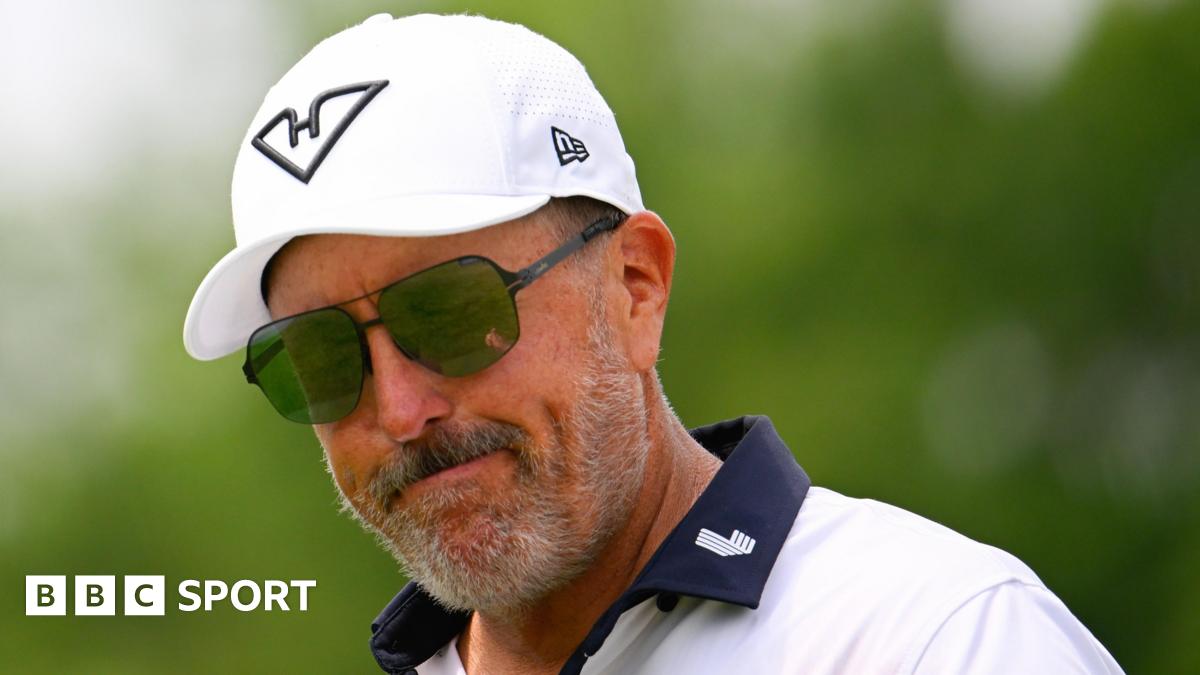
Three-time champion Phil Mickelson will miss this year’s Masters and step away from golf “for an extended period” because of a family health matter.
The American has only missed the tournament on three other occasions since making his debut at Augusta National in 1991.
In a post on X, Mickelson wrote: “Unfortunately, I will not play in the Masters Tournament next week and will be out for an extended period of time as my family continues to navigate a personal health matter.
“I have great respect for Augusta National Golf Club and it is definitely the most special week of the year. I wish everyone the best of luck and will be watching.”
His absence this year, for the tournament that runs from 9 to 12 April, means it will be the first time since 1994 that both Mickelson and Tiger Woods will not feature in the Masters.
Mickelson sat out of the first four events of the 2026 LIV Golf season, at Riyadh, Adelaide, Hong Kong and Singapore. He also cited a “family health matter” when announcing his initial absence on 1 February.
Although he returned to action last month at Steyn City in South Africa, where he finished tied for 48th place, it was unclear whether he would play at Augusta.
Mickelson, who missed the cut at last year’s Masters, has also won the US PGA Championship twice and triumphed at the Open Championship, at Muirfield, in 2013.
Only Jack Nicklaus (six), Woods (five) and Arnold Palmer (four) have won more Masters titles than Mickelson.
Staff at the Children’s Medical Center organise activities to offer a joyful experience to children in hospital amid the ongoing US-Israeli war on Iran.
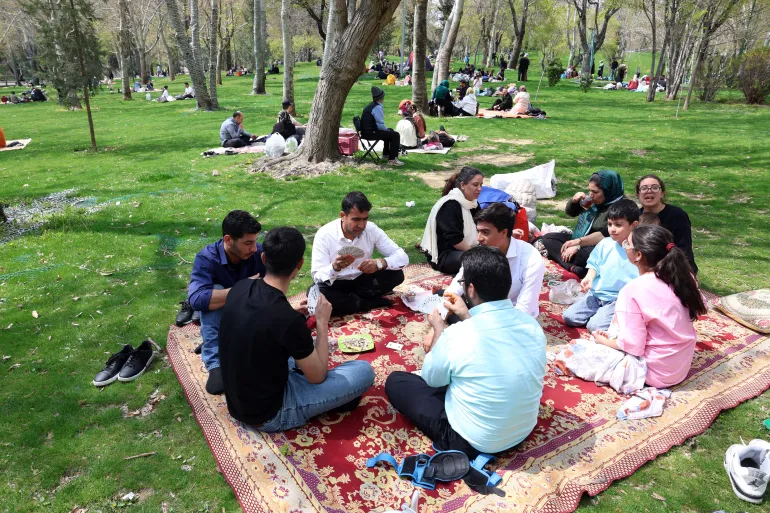
Tehran, Iran – Many Iranian families picnicked outdoors during daylight hours on Thursday for Sizdah Bedar, which marks Nature Day in the Persian calendar, despite the ongoing bombardment by the United States and Israel.
Thousands gathered at Pardisan Park, a sprawling complex northwest of Tehran, to spend time with loved ones as holidays for Nowruz, the Persian New Year, came to an end with politicians and commanders ordering more strikes and threatening to escalate attacks.
Recommended Stories
list of 3 itemsend of list
A short drive away near the downtown area of the capital, a group of doctors and healthcare providers tried to offer a joyful experience to children who could not go outside with their families due to illness.
Resident doctors and interns at the Children’s Medical Center, a hospital operating under the Tehran University of Medical Sciences, have been pooling their own money with some donations to organise activities for the children suffering from underlying health conditions.
The paediatric facility, and the adjacent Imam Khomeini Hospital, have not been impacted by strikes, unlike a number of other medical facilities in Tehran and across the country, some of which have had to suspend services.
But the bombs have rung out loud numerous times after hitting nearby areas since the start of the war over a month ago.
“The children and their families have been going through a lot of pressure and anxiety because they have to be in the hospital under these stressful conditions,” Dr Samaneh Kavousi, one of the organisers, told Al Jazeera.
Iranians celebrate Iranian Nature’s Day, called ‘Sizdah Bedar’ and marking the 13th day of Nowruz (Persian New Year), in a park in Tehran, Iran on April 2, 2026 [Abedin Taherkenareh/EPA]
“We’ve been trying to do what we can to relieve some of that anxiety,” she said.
During the Nowruz holidays that started on March 20, children were encouraged to draw and paint, and the artworks were on display on Thursday when their families came to celebrate at the hospital.
The main themes were the Haft Sin table and Sizdah Bedar, or the 13th day of the first month, which symbolises doing away with ill fortune.
Most of the children were very young, a few of them babies being held by fathers, mothers and siblings who came out to support them and keep spirits alive despite the hardships of caring for a sick family member amid the war.
Some danced together to children’s music, along with hospital staff wearing costumes of Toy Story’s Buzz Lightyear and characters from PAW Patrol, the popular animation series about brave puppies who work together to safeguard their community.
Others played with balls, had their faces painted, filled colouring books, or left palm prints on paper. The children also received a fun bag filled with toys and food.
Dr Zeynab Aalihaghi, another resident organiser of the event at the hospital, said that the facility is not tasked with treating children wounded during the war, but the number of its patients has declined compared to before the war.
She told Al Jazeera that up to about 400 children were being cared for in the hospital before the war, while less than 100 are now there. The doctor added that some parents have opted to take their children to paediatric facilities in other cities, which may be perceived as being safer at the time that the child needs treatment.
“But our emergency admissions have increased over the past two days, so it could mean that we might experience a new peak after the Nowruz holidays,” Aalihaghi said.
The doctor said she believes that, at its current state, the hospital is prepared to quickly bounce back to normal activity levels when the war ends.
Kavousi, the other doctor, said the facility faces no shortage of medicine at the moment, and hopes to be able to continue helping children and their families.
“Healthcare personnel are also under a lot of mental strain,” she said. “But we will continue to do our duty to serve our people and work to take away children’s pain.”
PIANO Man Billy Joel has recorded a special interview to air during Eurovision thanks to his song named after host city Vienna, I can reveal.
Afterwards, Austrian singer Cesar Sampson, who finished third in 2018, will cover the song before the results are revealed.
Sign up for the Showbiz newsletter
Thank you!
Billy Joel has recorded a special interview to air during Eurovision thanks to his song named after host city ViennaCredit: AFP
I’m told there were hopes Billy could fly over to make a surprise appearance at the contest.
But it was ruled out on health grounds.
Billy was diagnosed last May with a rare neurological disorder that can cause issues with hearing, balance and vision, although he is having physical therapy to treat it.
The musician has already cancelled all of his 2026 concerts, including shows in Edinburgh and Liverpool.
However, he did make a surprise appearance in Florida on January 2.
A source close to the singer, who will turn 77 a week before the final on May 16, said: “Billy has recorded an interview talking about his love for Vienna and his links to the city, which is all tied into his song.
“Organisers originally hoped he could perform but that was ruled out. They will be making a big deal of this very rare interview with him.”
He has sold more than 160million records and is one of the best-selling artists of all time.
Vienna was released in 1977 as the B-side to Just The Way You Are, and is now among his most popular tracks.
Ultravox’s 1980 hit, also called Vienna, is arguably even more popular.
But frontman Midge Ure certainly won’t be there, as he will be in the middle of a UK tour.
The 70th edition of the contest will take place at the Wiener Stadthalle arena after 166million tuned in to see Austrian singer JJ win with Wasted Love last year.
Celine Dion had been in talks to perform at the 2025 event in Switzerland, but it didn’t happen as she continued to battle Stiff Person Syndrome.
I’ll have to keep my fingers crossed that the Eurovision entries themselves provide plenty of entertainment instead.
People in the Canary Islands have been warned to stay indoors, stay hydrated, and keep their windows shut to protect themselves from an incoming weather phenomenon.
15:00, 31 Mar 2026Updated 16:11, 31 Mar 2026
People in the Canaries have been warned to stay indoors (stock)
(Image: Getty Images)
Six different types of tourists have been urged to exercise extra caution as the Canary Islands brace for potentially hazardous weather. People in the Canaries have been warned to stay indoors, stay hydrated and keep their windows shut to protect themselves against incoming Saharan dust.
As of Yesterday (March 30), reports warned of a massive dust plume that was expected to be carried towards the Canary Islands by strong winds, merely days after Storm Therese brought unprecedented rainfall. The haze was due to arrive at 12 noon yesterday, with yellow weather warnings in place across the region.
In response, the Canary Islands Health Department, working via the General Directorate of Public Health of the Canary Islands Health Service, has issued advice to those who may be impacted by the dust, which is due to strike several islands over the coming days. Suspended dust is expected to negatively impact the air quality, weather forecasts indicate.
An “adverse weather phenomenon” has been linked to the event, prompting the regional government to issue a “calima” alert status (a term used to refer to these types of Saharan dust events). Health authorities have urged people to refrain from staying outside for extended periods, keep windows shut, and steer clear of heavy physical exertion outside.
Spanish news site Canarias7 explained that this is due to its potential impacts on health, with high concentrations of particles able to lead to mild symptoms such as nasal and throat irritation, itchy eyes, and coughing. However, it can also result in more serious issues, including asthma attacks and problems for those with respiratory or cardiovascular diseases, with the risk of respiratory infections also raised.
It was further noted that this advice applies particularly to the six most vulnerable groups:
Minors
Elderly people
Those with chronic respiratory or cardiac conditions, like asthma or bronchitis
Pregnant women
Outdoor workers
Smokers
Hospital visits increase during these events, “even up to five days after the episode ends”. Other recommendations include cleaning surfaces with damp cloths, taking your usual prescribed medication, avoiding humid settings, monitoring official information on the event, and calling 112 if respiratory symptoms worsen. People in the Canary Islands have also been advised to check the Air Quality Index (AQI) of the Canary Islands Government’s Air Quality Monitoring Network.
Meanwhile, there are other regional weather warnings specifically for coastal conditions, activated when strong winds, rough seas, and large swells are expected to impact shorelines and ferry operations. It means that people should take precautions when near beaches and harbours.
As for the Saharan dust, the warnings affect the top destinations of Gran Canaria, Lanzarote, and Fuerteventura, with coastal and wind advisories for Tenerife, El Hierro, La Gomera, La Palma, Lanzarote, and Gran Canaria. Much-loved by UK tourists, the Canaries welcomed 6.3 million Brits in 2024.
Island president Rosa Dávila emphasised that safeguarding the public remains a priority after emergency alerts were received by phones in northern Tenerife. Rosa said: “We are facing a changing situation, with a storm that maintains an unstable behaviour. Our priority is to anticipate and protect the public.”
It follows the impact of Storm Theresa, which hit the region hard, generating upwards of 700 litres of rain per square metre in some spots. In addition, the so-called “storm of the decade” reportedly transformed streets into rivers and affected tourist areas.
‘We’re going to be vocal about it, we’re going to make noise until we’re heard,’ South Africa’s gold medallist says.
Published On 31 Mar 202631 Mar 2026
Double Olympic champion Caster Semenya says she intends to fight against the introduction of gender testing for the female category at the Olympics, a policy the South African insists “undermines women’s rights”.
The International Olympic Committee (IOC) unveiled the policy last week and it is expected to become a universal rule for competitors in female elite sports after years of fragmented regulation that led to controversy.
Recommended Stories
list of 4 itemsend of list
Semenya has been at the centre of one of those controversies due to her long-running legal case against World Athletics over her right to compete on the track despite having a Difference of Sexual Development (DSD).
“We’re going to be vocal about it, we’re going to make noise until we’re heard,” the 35-year-old athlete told the Reuters news agency on Monday.
“Now it’s a matter of women standing for themselves to say, ‘Enough is enough.’ We are not going to be told how to do things.
“If really we are accepted as women to take part, why does my appearance or my voice, why do my inner parts need to be a problem to take part in the sport?”
DSDs are a group of rare conditions involving genes, hormones and reproductive organs. Some people with DSDs are raised as female but have XY sex chromosomes and blood testosterone levels in the male range.
The IOC policy document said including “androgen-sensitive XY-DSD athletes” in the female category in events that rely on strength, power or endurance “runs fundamentally counter to ensuring fairness, safety and integrity in elite competition”.
Semenya, who won two Olympic and three world titles in the 800 metres before being limited to shorter events, believes the IOC got the science wrong.
Semenya said “there’s no science” that XY-DSD gave an athlete an advantage. “I’ve been there, I’ve done that. There’s no such thing as that,” she said.
“There are people who are delusional. There are people who are convinced because a woman is masculine, a woman is born with intersex conditions, the DSD, they’ve mentioned all those things [that they have an advantage].
“But what I say is that if you’re going to be a great athlete, it’s through hard work.”
The test that will be applied to all athletes who want to compete in the female class will be conducted by a cheek swab or saliva analysis.
There will be further investigation for any athletes who test positive for the SRY gene, which is on the Y chromosome and triggers the development of male characteristics in mammals.
“What this decision does, it undermines women. It undermines women’s dignity. It violates women’s rights because we know historically, these [tests] have failed before,” Semenya said.
“Women need to be celebrated. Women are not supposed to be questioned about their gender. Why that is their physique? Why it is how they look like? It doesn’t matter. Neither also the hormone level. Those are the things that are obviously genetics that cannot be controlled.”
Semenya said IOC President Kirsty Coventry, the first woman and first African to hold the office, had failed to properly consult her or other athletes living with DSDs about the policy.
“They sent us a letter the day they were going to publish [the new policy],” she said.
“If you’re going to consult, consult with a genuine heart. Don’t consult because you’re ticking the box. Unfortunately, they have ticked a wrong box.”
Kano, Nigeria – On a bustling day in northern Nigeria, Marian Shammah made her way to the Sabon Gari Market, one of the largest electronics hubs in Kano state.
The 34-year-old cleaner was in need of a refrigerator, but with rising costs and a meagre income, she saw the second-hand appliances sold at the market as a lifeline.
Recommended Stories
list of 3 itemsend of list
After locating the one she wanted, she paid the vendor 50,000 naira ($36) and took it home. But just a month later, the freezer collapsed.
“Only the top half of the refrigerator was working, and the freezer wasn’t working,” said Shammah.
Her food spoiled, her savings disappeared, and she was soon back in the market searching for another appliance.
Although Shammah could have bought a new local appliance for just over 30,000 naira ($30) more, she – like millions of Nigerians – believes second-hand products from America and Europe “last longer” than new products sold in Nigeria.
Observers say this trend is part of a larger crisis. Nigeria has become a major destination for the developed world’s discarded electronics – items often near the end of life, sometimes completely dead, and frequently toxic because they contain hazardous materials. When they break down, they add to landfills, worsening an already dire e-waste crisis on the African continent.
Around 60,000 tonnes of used electronics enter Nigeria through key ports each year, with at least 15,700 tonnes already damaged upon arrival, according to the United Nations.
The trade in used electronic goods is powered largely by foreign exporters. A UN tracking study between 2015 and 2016 showed that more than 85 percent of used electronics imported into Nigeria originated from Germany, the United Kingdom, Belgium, the Netherlands, Spain, China, the United States, and the Republic of Ireland.
Many of these imports violate international restrictions, like the Basel Convention, an environmental treaty regulating the transboundary movement and disposal of hazardous electronic waste to developing countries with weaker environmental laws.
Across West Africa, the Basel Convention’s “E-Waste Africa Programme”, a project focused on strengthening e-waste management systems across the continent, estimates that Benin, Ivory Coast, Ghana, Liberia, and Nigeria collectively generate between 650,000 and 1,000,000 tonnes of e-waste annually – much of it the result of short-lifespan second-hand imports.
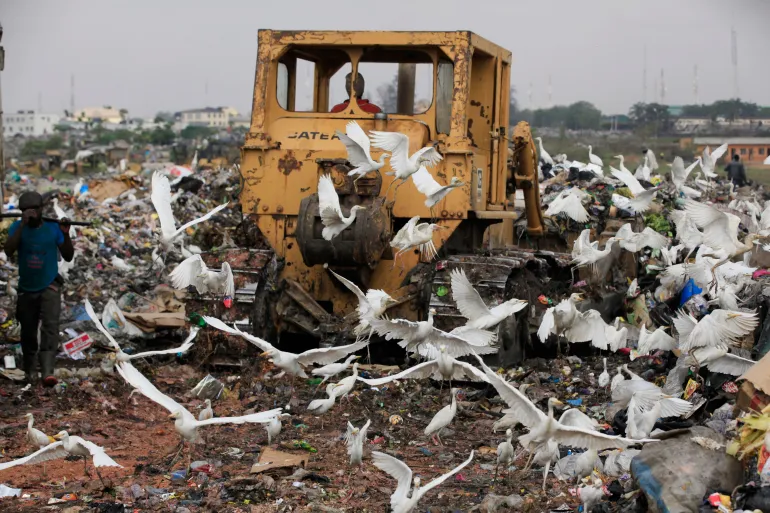
A man sorts out iron and plastic to sell while a bulldozer clears the garbage and birds surround it in a dump site in Lagos, Nigeria [File: Sunday Alamba/AP]
Health risks
The United Nations describes e-waste as any discarded device that uses a battery or plug and contains hazardous substances – like mercury – that can endanger both human health and the environment. Several of the toxic components commonly found in e-waste are included on the list of 10 chemicals of major public health concern maintained by the World Health Organization (WHO).
According to the WHO, used electrical and electronic equipment (EEE) presents a growing public health and environmental threat across Africa, with Nigeria at the centre of the trade.
“Much of the equipment shipped as used electronics is close to becoming waste,” said Rita Idehai, founder of Ecobarter, a Lagos-based environmental NGO, warning that devices imported and sold as affordable second-hand goods often fail shortly after arrival and quickly enter the waste stream.
The consequences are far-reaching. Many imported fridges and air conditioners, for instance, still contain CFC-based and HCFC-based refrigerants such as R-12 and R-22 – chemicals banned in Europe and the US for causing ozone depletion or being linked to cancer, miscarriages, neurological disorders, and long-term soil contamination. These gases live for 12 to 100 years, meaning leaking equipment adds to a multi-generational environmental burden.
After these imported items stop working or fall apart, informal recyclers then dismantle the electronics with their bare hands, Al Jazeera observed. In Kano, the recyclers inhale poisonous fumes and manage the heavy metals without protection. Their work earns them a meagre 3,500–14,000 naira ($2.50-$10) per week, they said, and the after-effects linger – including persistent coughing, chest pain, headaches, eye irritation, and breathing difficulties after long hours of burning cables and dismantling electronic devices.
The health crisis extends into Kano’s communities.
Among casual recyclers and residents who live close to e-waste dumps, many report symptoms that range from chronic headaches and skin irritation to breathing issues, miscarriages and neurological concerns, according to health surveys done by the International Journal of Environmental Research and Public Health. These ailments are consistent with longtime toxic exposure, the researchers said.
Recent field assessments conducted by Nigeria’s Federal University Dutse also stressed that in and around Kano state, where the Sabon Gari Market is located, there are rising levels of heavy metals in soil and drainage channels.
Dr Ushakuma Michael Anenga, a gynaecologist at the Benue State Teaching Hospital and second vice president of the Nigerian Medical Association, warned that toxic exposure from informal e-waste recycling poses grave health risks to communities in Kano.
“Exposure to heavy metals and refrigerant gases in e-waste causes extreme brief and long-term health issues, generally affecting the breathing and renal organs,” he told Al Jazeera.
“Common casual practices like exposed burning and dismantling result in direct, high-level exposure for workers and nearby residents. Children and pregnant girls are particularly inclined due to the fact that those toxicants can disrupt development or even skip from mother to unborn baby, [while] recyclers who work without defensive equipment face repeated, frequently irreversible damage.”
Old computer monitors discarded as electronic waste are pictured at a recycling facility in Lagos, Nigeria [File: Temilade Adelaja/Reuters]
Profits over protection
In Sabon Gari Market, second-hand electronics are advertised as less costly lifelines for households and poor business owners burdened by inflation.
Many customers say foreign-used home equipment appears sturdier and seems like better value for money than new imports from the developing world. Meanwhile, others are just looking for cheap options in difficult economic times.
“I usually go for second-hand or foreign-used electronics because brand-new ones are too expensive for me,” Umar Hussaini, who sells used electronics at the market, told Al Jazeera.
“Sometimes you can get them for half the price of new ones, and they look almost the same, so it feels like a good deal at the time.”
But the last refrigerator he bought stopped cooling after just three months. With no warranty or guarantee, the seller refused responsibility.
“For weeks, we couldn’t store food properly at home, and we ended up buying food daily, which was more expensive,” he said. “However, I have to buy another one again.”
For small business owners like Salisu Saidu, the losses can be even more devastating. He bought a used freezer for his shop, believing it had been serviced. Within weeks, it failed.
“I lost a lot of frozen food, which meant I lost money and customers,” he told Al Jazeera.
Around his neighbourhood, broken electronics are often dumped out in the street, sometimes emitting smoke or sparks.
“There’s also a lot of electronic waste piling up around,” he said, calling for tighter import controls, proper certification, and mandatory warranties to protect buyers from being sold what he described as “damaged goods disguised as fairly used”.
Umar Abdullahi’s second-hand electronics shop in Kano, Nigeria [Abdulwaheed Sofiullahi/Al Jazeera]
Bought as bargains, sold as burdens
At Sabon Gari Market, another vendor, Umar Abdullahi, is surrounded by imported refrigerators, air conditioners and washing machines stacked tightly together.
The products in his shop are advertised as “London use” or “Direct Belgium”, while he negotiates the sale of a double-door fridge for 120,000 naira ($87).
Abdullahi’s store is where Shammah returned after the refrigerator she bought failed. But he admits that much of what he sells to customers arrives unchecked.
“We buy them untested from suppliers in Europe, and we also sell them untested so we can make our profit,” he told Al Jazeera.
This despite the fact that international rules under the Basel Convention, as well as Nigerian environmental regulations, prohibit the shipment of material considered e-waste – with penalties including fines and jail terms.
Nwamaka Ejiofor, a spokesperson for Nigeria’s National Environmental Standards and Regulations Enforcement Agency (NESREA), said the country does not permit the import of e-waste. However, the entry of used electronics is allowed under regulated conditions.
“The importation of used electrical and electronic equipment is regulated and may be allowed only where such equipment meets prescribed conditions, including functionality and compliance requirements,” she told Al Jazeera.
“Nigeria applies a combination of regulatory, administrative and enforcement measures to ensure that imported used electronics comply with national law and the country’s international obligations,” she added, listing out measures including environmental regulations, cargo inspection and verifying that imported equipment is “functional”.
However, despite this, some traders find loopholes in the system, including declaring cargo they plan to sell as personal belongings or second-hand household goods to avoid scrutiny.
Although NESREA says enforcement has improved, critics say the steady flow of mediocre goods continues largely unchecked. Even dealers at Sabon Gari Market acknowledge that most appliances are sold “as is”, without certification or guarantees.
Baban Ladan Issa’s worker washes a second-hand fridge before selling it to a customer [Abdulwaheed Sofiullahi/Al Jazeera]
‘Loopholes’
Behind the second-hand electronics trade is a network of collectors and exporters who source discarded appliances across Europe.
Baban Ladan Issa, who ships used electronics from Ireland to Nigeria, said items are gathered from weekend markets, private homes that are replacing old gadgets, and contractors clearing out equipment from offices, hotels and hospitals.
“Some suppliers mix working and damaged goods together,” he told Al Jazeera, noting that while he tries to avoid faulty items, not all buyers do the same.
Once assembled, shipments worth millions of naira are sent to Lagos through ships then down to sellers in the market in Kano state, sometimes packed in containers or hidden inside vehicles to reduce inspection risks.
Shipping records seen by Al Jazeera showed consignments labelled as “personal effects”, a classification that can limit detailed checks at ports.
Chinwe Okafor, an environmental policy analyst based in Abuja, said the problem is systemic.
“Exporting nations regularly take advantage of loopholes by means of labelling nonfunctional e-waste as ‘second-hand goods’ or ‘for repair,’” she told Al Jazeera. “In some instances, research estimates that over 75 percent of what arrives in developing countries is truly junk.”
“This permits wealthy countries to keep away from highly-priced recycling at home while pushing unsafe materials into nations with weaker safeguards.”
Ibrahim Adamu, a programme officer with the NGO Ecobarter, added that mislabelling, poor inspection technology and corruption at ports make enforcement difficult.
“The highest profits are captured by exporters and brokers who arbitrage the gap between disposal costs in Europe or Asia and the strong demand for ‘tokunbo’ goods in Nigeria,” he said, using the local name for used imported electronics.
To forestall this, he said Nigeria “must reinforce border inspections” and implement a policy whereby producers and manufacturers bear financial responsibility. At the same time, “the international network has to adopt binding bans that [hold] manufacturers and exporters responsible”, Adamu said.
People shop at a market in Nigeria [File: Sodiq Adelakun/Reuters]
Little oversight, mounting risks
Although Nigeria has regulations governing the import of electrical and electronic equipment, enforcement gaps keep exposing markets like Kano’s Sabon Gari to ageing and near-end-of-life appliances, locals say.
Ibrahim Bello, a used electronics importer with a decade in the business, said many shipments that arrive from Europe are in less-than-ideal condition.
“Around 20 to 30 percent of the items we receive have issues when they arrive,” he told Al Jazeera. “Some are already damaged, while others stop working after a short time because they are old.
“That’s just part of the business.”
Retailer Chinedu Peter gave similar estimates. “From what I’ve experienced, maybe 40 percent of the electronics have some fault as they come,” he said, adding that environmental and protection checks don’t happen as they are meant to.
“Such a lot of items enter without special checks.”
Both men feel that clearer rules and certified testing systems will improve trust. But until then, thousands of ageing, unsuitable products will continue to flood Nigeria.
Shammah, back at Sabon Gari Market just weeks after her refrigerator broke, was once again searching through rows of stacked appliances, hoping her next purchase might last longer than the last.
“I don’t really trust these fairly used appliances again, but I still have to buy something because we need it at home,” she told Al Jazeera.
“This time I’m thinking … I can buy a new one from a proper shop, even if it takes longer, because I don’t want to lose my money again.”
Mexican President Claudia Sheinbaum praises services from Cuban doctors, who often work in underserved rural areas.
Published On 25 Mar 202625 Mar 2026
Mexican President Claudia Sheinbaum has confirmed that her country will continue receiving Cuban medical workers, as part of a longstanding programme meant to build goodwill between the island and other Latin American countries.
Her remarks on Wednesday come as the United States pressures Latin American countries to sever their ties to Cuba’s medical programme.
Recommended Stories
list of 3 itemsend of list
Sheinbaum, however, told reporters during a news conference that the agreement was a benefit to Mexico. Thousands of Cuban medical workers have deployed there since 2022 to work largely in poor, rural areas.
“We have a very good agreement that’s also been a great help to us. It’s a bilateral agreement that’s been very beneficial for Mexico,” said Sheinbaum.
“It’s hard to get Mexican doctors and specialists to go out to many rural areas where we need medical specialists, and the Cubans are willing to work there.”
In February, the US passed a law that opens the door to sanctions on countries that continue to participate in the programme.
It called for the US secretary of state to issue a report within 90 days about which countries continue to pay the government of Cuba for the “coerced and trafficked labour of Cuban medical professionals”.
The move comes amid a wider push to further isolate Cuba and topple the government in Havana, a longtime target of US ire. So far, countries including the Bahamas, Honduras, Guatemala, Jamaica and Guyana have ended their participation in the Cuban medical exchange programme.
Cuba has long depicted the decades-old programme as a means of signalling solidarity with other countries. It has also become an important source of foreign revenue for the island nation, which has been under a restrictive US economic embargo since 1960.
The administration of US President Donald Trump, however, has depicted the programme as akin to forced labour.
“Basically, it’s human trafficking,” Secretary of State Marco Rubio told reporters in February.
“I mean, they’re barely even being paid. Their freedom of movement is tightly restricted. And we want these countries to understand that’s what they’re participating in.”
Experts at the United Nations have also raised similar concerns, including about the confiscation of passports, which the Cuban government justifies as a means of preventing trained doctors from fleeing the country after their state-sponsored studies.
The pressure on the Cuban medical missions is part of a broader push under Trump’s second term to seek regime change on the island.
By threatening tariffs on Cuba’s trading partners, Trump has largely cut the island off from accessing the foreign oil necessary to power its electrical grid.
Trump has also said that he hopes to “take” Cuba and install a new government that will be more pliant to US demands.
The Mexican government has tried to balance its friendly relations with Cuba with the US’s demands.
In the absence of energy shipments, Sheinbaum’s government has sent vessels with humanitarian aid to the island.
NEW Found Glory guitarist Chad Gilbert has had surgery to remove three tumours in his brain after a tough battle with rare adrenal cancer.
The 45-year-old rocker went to A&E on February 20 after experiencing weakness in his leg that caused him to fall.
Sign up for the Showbiz newsletter
Thank you!
New Found Glory’s Chad Gilbert has had surgery to remove three brain tumoursCredit: Instagram / xchadballxThe guitarist was diagnosed with a rare adrenal cancer in 2021Credit: Instagram / xchadballx
It came three days after he struggled to control his left hand during a show in Nashville.
Taking to Instagram, Chad revealed how a CT scan showed three tumours in his brain, leading to emergency surgery to remove them.
The operation was a success and he felt improvements straight away.
He wrote on Instagram: “I regained function of my left hand immediately. My radiation oncologist described it like this: ‘this is not a fatal blow and not the end of your story, just the beginning of a new chapter.’
“My recovery has been bumpy at times but I’m feeling much better now and getting stronger by the day.”
Chad thanked those who had checked in on his wife Lisa Cimorelli and their daughter, four, over the past month.
He continued: “More stories to come when my brain is working well again. Love you all and am looking forward to sharing more music and fun with you as we come out of this.”
Pictures accompanying the post showed him in a hospital bed at various stages in his recovery and ended with a smiling picture of him doing an activity with shapes to help his cognitive function.
Emo veterans Hawthorne Heights wrote: “We love you Chad! Keep fighting. The world is a brighter place with your riffs and positivity.”
Dashboard Confessional commented: “I love you bud.”
Another post branded Chad the “strongest man on the planet!”
Musician Chad, who was previously had a short marriage to Paramore’s Hayley Williams, was first diagnosed with cancer in December 2021 after wife Lisa found him unconscious in bed.
He was rushed to hospital and doctors found a large adrenal gland tumor that had spread to his liver. The tumour was surgically removed along with half of his liver and gallbladder.
Though he was declared cancer-free the following month, it returned in his spine in August, leading him to have a six-hour surgery to remove the affected vertebrate and replace it with an artificial disc.
There was more disheartening news the following year after nodules were discovered in his lungs.
He went through intense rounds of chemotherapy while continuing to perform and release music with New Found Glory.
The band’s latest album, Listen Up!, was released the same day Chad experienced issues with his hand on stage.
Florida rockers New Found Glory released their debut album in 1999, but it was with their third record, Sticks and Stones, that they achieved stardom.
My Friends Over You became a huge hit and the band’s lyrics inspired the names of more recent groups like All Time Low and The Story So Far.
Their success continued into the early noughties with the album Catalyst, which peaked at number three in the US, and the single All Downhill from Here.
He is recovering well following his latest opCredit: Instagram / xchadballxChad is the main songwriter for the punk veteransCredit: GettyHe was previously married to Paramore’s Hayley WilliamsCredit: Alamy
IMPERIAL — Whenever the weather changes suddenly, or the skyline becomes shrouded in a windy haze, Fernanda Camarillo braces herself for an asthma attack.
Her condition has become more manageable, but the 27-year-old said it’s still scary when her chest tightens and she starts to wheeze. It was one of her first thoughts when she heard about plans to develop a massive data center next to her home in Imperial County, a farming community near the border of Mexico that struggles with poor air quality.
“A lot of people in the county are asthmatic,” she said, explaining that she worries the new center would add more pollution. “I’ve been anxious — so many of us are voicing our concerns.”
Data centers have existed for decades but are rapidly changing and expanding due to the worldwide boom in artificial intelligence, or AI as it’s known. States and communities nationwide havestarted pushing back, citing concerns that the projects could strain power grids, increase utility bills and have negative health and environmental impacts.
In California, state legislators are debating how to protect residents and natural resources without creating so much red tape that developers go elsewhere, taking their jobs and taxable earnings with them.
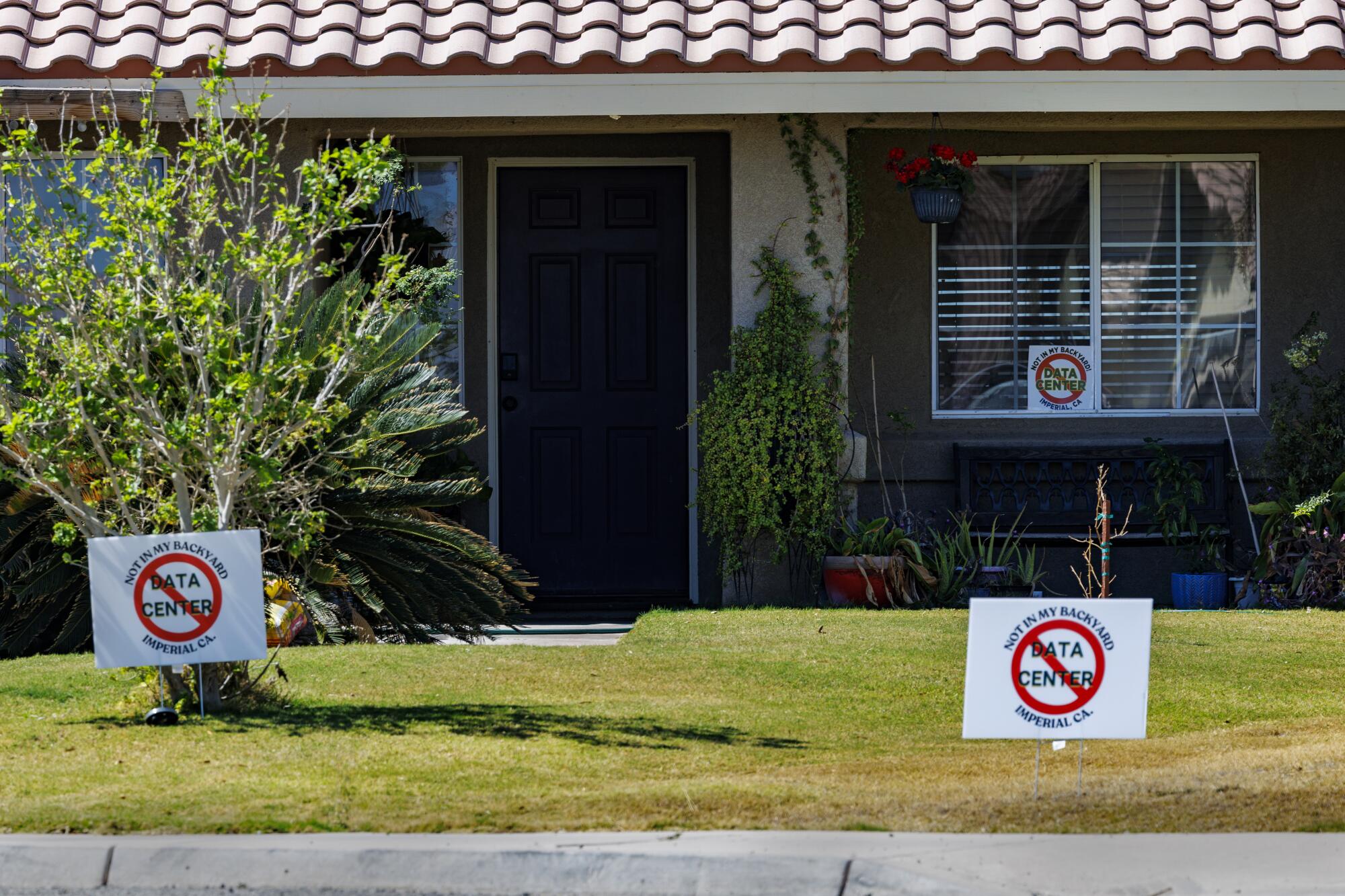
No Data Center signs are posted in the front yard of a home that is right behind the proposed site.
“We can be supportive of innovation and a technology that is needed but also protect our communities and our health and our environment,” said state Sen. Steve Padilla (D-San Diego). “We can do both at the same time.”
The California Legislature is considering bills to prohibit the projects from being exempted from the state’s stringent environmental law and to impose new tariffs on new major energy users that strain power supplies. Lawmakers also have proposed restrictions on new data centers, requiring companies to provide verifiable estimates on expected water and energy usage before they can be granted a business permit.
Imperial resident Fernanda Camarillo, who is an asthmatic, holds some of her medications.
Members of Congress also expressed concerns. Rep. Ro Khanna, speaking at a town hall about AI last month at Stanford University, said legislators must ensure data centers serve the communities that power them.
“We live in a new gilded age,” said Khanna (D-Fremont). “What kind of future are we going to build?”
::
Eric Masanet, a professor at UC Santa Barbara specializing in sustainability science for emerging technologies, described the facilities as the “brains” of the internet. The sprawling centers are filled with banks of specialized computers that process online shopping orders, stream movies, host websites, encode Zoom and other videoconferencing apps, store data and serve as switching stations for the digital world that’s now woven into daily life.
Data centers, particularly those that power AI, use significant amounts of water and energy. The facilities accounted for about 4.4% of the nation’s total electricity consumption in 2023, up from 1.9% in 2018, according toa report provided to Congress from the Lawrence Berkeley National Laboratory. The researchers projected that figure will reach 6.7% to 12% by 2028.
Many companies, including big tech giants like Meta, Google and Amazon, are making major investments in AI.
“We are building a lot more data centers faster than we ever did — and a new AI data center is 10 to 20, maybe 30 times, the size of the largest data centers we had before,” Masanet said.
The proposed site of the 950,00-square-foot data center is on a dusty parcel that is next to the Victoria Ranch housing community and adjacent to farmland in Imperial, Calif.
It’s unclear how many data centers are in the state. A California Energy Commission spokesperson told the Los Angeles Times it does not track this information. Data Center Map, a nongovernmental website that tracks data centers across the world, lists 289 facilities in California, with more than 4,000 nationwide.
The federal government has, so far, largely left it to states or localities to regulate data centers.
The facilities can generate significant revenue for local governments due to sales and property taxes.
But some new proposals are sparking a backlash. More than 200 community and environmental organizations, including a dozen from California, sent an open letter to Congress in December calling for a national moratorium on new data centers.
Robert Gould, a pathologist with San Francisco Bay Physicians for Social Responsibility, one of the organizations that signed the letter, explained data centers are causing a shift away from renewable energy and back toward fossil fuels because the facilities need a reliable and constant stream of power.
Cornell Universityresearchers last year estimated that AI growth could add 24 to 44 million metric tons of carbon dioxide to the atmosphere annually by 2030, unless steps are taken to change course.
Gould said fossil fuel emissions are associated with various cancers, an increase in hospitalizations for older adults due to respiratory conditions, and asthma attacks or stunted lung growth in children. Particulate matter from fossil fuel emissions is also linked to cardiovascular events and negative effects on maternal fetal health.
Gould’s organization has noticed an alarming trend.
“These are generally placed in communities that are the least able to defend themselves,” he said.
Farmworkers toil in the noon heat to pick vegetables in Imperial. Agriculture is an important part of the Imperial Valley economy.
::
The debate over data centers is heating up in the Imperial Valley, a rural desert region in southeastern California where a proposed center faces fierce opposition from residents.
The county in 2025 granted the project an exemption for the California Environmental Quality Act, known as CEQA. The landmark 56-year-old state law has been credited with helping to preserve California’s natural beauty and protecting communities from hazardous impacts of construction projects — but also blamed for stymieing construction.
Imperial Valley Computer Manufacturing, a California-based limited liability company that started two years ago, plans to develop a 950,000-square-foot facility in the county that’s designed for advanced artificial intelligence and machine learning operations. The company says it will use reclaimed wastewater and EPA-certified natural gas generators, and create 2,500 to 3,500 construction jobs and 100 to 200 permanent positions.
“We are committed to Imperial County and to creating lasting economic opportunity,” the company website states. “The project will generate $28.75 million in annual property tax revenue for local schools, fire departments, libraries, and essential services.”
The Imperial County Board of Supervisors is moving toward finalizing the proposal.
Farmland spreads out in front of the Imperial Valley Fair near a proposed data center in Imperial.
Sebastian Rucci, an attorney and chief executive officer of Imperial Valley Computer Manufacturing, said he commissioned multiple studies assessing the proposed center’s potential effect on issues like traffic or the environment that found no or minimal harms. He threatened to pull his proposal if a CEQA review was required.
“CEQA leaves you in an unknown territory — some of the environmental groups have used it for extortion, they sue, they have no basis for the suit but they delay you, and then they can squeeze money out of you for settling the lawsuit,” said Rucci.
The exemption, however, has alarmed residents, who have spoken up at county board meetings and launched a community organization, Not in My Backyard Imperial, to protest the data center and demand a CEQA review.
“It feels like it’s us against the county,” said Camarillo, adding that many feel the board has dismissed their questions and concerns.
None of the Imperial County Board of Supervisors responded to requests for comment.
Resident Fernanda Camarillo’s home is right behind the proposed site of the data center in Imperial.
The center would be a neighbor to Camarillo’s house in Victoria Ranch, a family-friendly area with beige stucco homes topped with terracotta tile roofs. She worries about noise, pollution and spiking utility bills. Power companies that have to upgrade grids to meet data centers’ energy demands sometimes seek to recoup that cost by hiking up rates for all consumers.
Camarillo, a substitute teacher, is also scared for her students. The air quality in Imperial Valley is already so poor that schools use a system of color-coded flags to signal whether it’s safe for children to go outside during gym or recess, she said.
“I think they see [the valley] as easy pickings because we are a low-income community and we have such a large population of Latinos here,” Camarillo said.
A quick drive around the neighborhood shows others share her concerns. Signs protesting the data center pop up throughout the community, displayed on front lawns or nestled into rocky garden beds.
Victoria Ranch was quiet and peaceful on a sunny Sunday in late February. Francisco Leal, a resident and lead organizer for NIMBY Imperial, said that’s a major part of its appeal.
The colorful dusk sky hovers over a Little League baseball game at Freddie White Park in Imperial. The debate over data centers is heating up in the Imperial Valley, a rural desert region in southeastern California.
Leal wants answers about everything from potential health hazards and impacts on the local water supply to whether the fire department is equipped to handle a large-scale electrical blaze. But without a CEQA review, he says residents are left to trust assurances from the developer or privately hired consultants.
Leal plans to sell his property if the project goes forward, but the thought makes him emotional.
“It’s not just a house; it’s a home,” he said. “This is the only home my kids have ever known and all of our family memories are here.”
Gina Snow, another resident, isn’t necessarily against bringing a data center to the county. But she wants the proposal to undergo a CEQA review.
“Clearly we understand that there is economic development and the potential for that to be positive for the county, but at what cost?” she said.
Daniela Flores, executive director of Imperial Valley Equity and Justice, a nonprofit that works for social and environmental equality, stands on the site of the proposed data center.
::
Daniela Flores, executive director of Imperial Valley Equity and Justice, a nonprofit that works for social and environmental equality, said the community has good reason to be wary. Various industries have come into the region over the years and made grand promises that never panned out.
“We became a sacrifice zone,” she said, adding industries use the area’s resources while ultimately doing little to permanently improve the lives of most residents.
Flores said the community continues to struggle with a range of problems, including poor air quality, high poverty rates, weak worker protections and crumbling infrastructure. She believes a data center could add new and potentially dangerous challenges.
The valley has long, brutal summers with temperatures that swell to 120 degrees. If the data center strains the grid and causes a lengthy blackout, or low-income residents have their power shut off because they can’t afford the rising bills, Flores fears the situation could quickly turn deadly.
The city of Imperial also has concerns. The city hasfiled a lawsuit calling on the county to halt the project, arguing it should not have received a CEQA exemption.
The controversy has drawn attention from Padilla, whose district includes Imperial Valley. Padilla has echoed residents’ calls for more transparency from the county and introduced Senate Bill 887, which would ban data centers from receiving exemptions from CEQA.
“I am not anti-data center or anti-artificial intelligence,” Padilla said. But, he added, we need to “find a way to do this right and make sure there is adequate review and understanding.”
A dusty haze settles over the city of Imperial at dusk near the site of a proposed data center.
Another measure from Padilla, Senate Bill 886, would direct the Public Utilities Commission to create an electrical corporation tariff to cover the cost of data center-related grid upgrades.
Other related legislation this year includes Assembly Bill 2619 from Assemblymember Diane Papan (D-San Mateo) that would require data center owners to provide an estimate about expected water usage and sources before applying for a business license, and Assembly Bill 1577, by Assemblymember Rebecca Bauer-Kahan (D-Orinda), which would require data center owners to submit monthly information to a state commission about water and fuel consumption and energy efficiency.
While lawmakers weigh new policies at the statehouse, Camarillo said she hopes the priority will be protecting communities.
“Innovation is important, but innovation for the sake of innovation has never really been something that hasn’t had negative impacts,” she said. “Think about human lives.”
Los Angeles County’s chief executive officer Fesia Davenport, who has been on medical leave since October, has announced that she will resign next month.
In a LinkedIn post, Davenport said she was leaving county service to “focus on my health and wellness.”
A notice to the Board of Supervisors provided to The Times Saturday said she had decided to step down April 16 “based primarily on hereditary and ongoing health issues initially uncovered late last year, the risks of which have become clearer based on more recent medical testing and consultation with my doctors.”
She said the “extraordinary amount of time and energy” required of the chief executive played into her decision.
“Although I originally assumed that I would be able to return to my post, I now know that I would be unable to do the job as it deserves to be done while also prioritizing my health,” she told the supervisors.
Supervisor Kathryn Barger issued a statement Saturday saying, “I’m disappointed by Fesia Davenport’s decision to step down. Her dedication and accomplishments over nearly three decades have left a lasting impact on Los Angeles County.”
Davenport, who was appointed to the county’s top job in 2021, received an undisclosed $2-million settlement last summer to compensate for damage to her “professional reputation” from Measure G, a voter-approved ballot measure that will soon eliminate her position.
In a July 8 letter, released by the county counsel in October through a public record request, Davenport said she sought $2 million in damages for “reputational harm, embarrassment, and physical, emotional and mental distress caused by the Measure G.”
Under Measure G, which voters approved in 2024, the county chief executive, who manages the county government and oversees its budget, will be elected by voters instead of appointed by the board. The elected county executive will be in place by 2028.
Measure G “has had, and will continue to have, an unprecedented impact on my professional reputation, health, career, income, and retirement,” Davenport wrote to county counsel Dawyn Harrison. She said it had “irrevocably changed my life, my professional career, economic outlook, and plans for the future.”
At the time the payout was disclosed, Davenport had begun a medical leave, saying at the time she expected to be back to work early this year.
A lengthy email to her staff, posted on LAist, which first disclosed her resignation, said the unspecified “health crisis” has affected three of her siblings and posed risks to her that “have become clearer based on more recent medical testing and consultation with my doctors.”
Her brother Raymond died in 2018 after “experiencing a sudden health crisis,” she said. Last year, two more of her sisters survived the same health crisis, but one will now require 24-hour care for the rest of her life, she said.
“Although I am not out of the woods yet, I am thankful to the Board for granting me the space to focus on my health and to arm myself with the knowledge I needed to make informed decisions,” she wrote.
The office of chief executive issued a statement Saturday saying chief operating officer Joe Nicchitta will continue serving as acting chief executive officer while Davenport remains on medical leave.
“We appreciate Fesia’s nearly three decades of service to Los Angeles County and all that she has accomplished on behalf of its residents and communities,” the statement said.
Davenport listed a number of accomplishments in her letter to the board, including setting up five new departments maintaining the county’s credit rating when other jurisdictions were being downgraded and “balancing the budget while developing a financing plan to compensate sexual assault victims — the largest settlement of its kind in American history.”
That payout has now come under scrutiny after a Times investigation found that some plaintiffs had been paid to join the class-action lawsuit.
Surrounded by countryside and quaint shops, spending the night in this historic crescent building felt like living out a life in a period drama manor
I stayed in the ultimate spa hotel with a rooftop pool and underground relaxation cave’
Pulling up to the hotel felt like I was stepping into the world of Bridgerton. It was impossible not to be immediately blown away by the sheer size of its Georgian masterpiece, which is the exact greeting I’d expect from a five-star hotel.
The Buxton Crescent Hotel sits at the very heart of the Derbyshire town. Really, it is the centrepiece of the place, and so it would be hard to imagine staying anywhere else when visiting for a weekend.
Buxton, as a spa town, rivals Bath and is famous for its natural and ancient spring waters that have been filtered through the Peak District’s limestone for 5,000 years. It’s these clean, drinkable, and consistently warm waters that provide mineral-rich and calming waters to the spa within the hotel.
These small but significant details are what make the Buxton Crescent hotel feel so swanky. To know I was staying within the walls of such a historic building certainly helped me live out my period drama dreams.
Room
After a very warm welcome and helpful valet service from the team, we were directed to our humble abode for the night, which was one of the Crescent Rooms with rear-facing views. The décor had a timeless feel to it that felt aged, but with class, generally the kind I’d expect for a hotel of this sort – but it was nothing mind-blowing.
Best Derbyshire holiday cottage deals
This article contains affiliate links, we will receive a commission on any sales we generate from it. Learn more
Derbyshire is known for its dramatic Peak District landscapes, historic market towns and stately country houses. Sykes Cottages has hundreds of places to stay, with prices from £32 per night.
It was clean, the bed was incredibly comfortable, and it had everything we needed for a simple night’s stay. Normally, the package we enjoyed – which included a night’s stay, spa access, dinner, and breakfast – would cost around £510 for this time of year.
A particularly noteworthy feature of the room was the shower, which, to be honest, was potentially the best I’ve ever had, with a huge overhead waterfall and amazing water pressure. I guess you’d expect nothing less from a town quite literally famous for its water and cleansing methods, and it certainly beats the half-hearted drip of a flimsy budget hotel bathroom.
Spa facilities
Buxton Crescent is part of the Champneys Spa empire, but it definitely didn’t feel like a chain. Instead, it offered an authentic spa experience, and one of luxury at that.
I was impressed by just how big the place was and kept stumbling upon different rooms, areas, underground, and on the roof – like the rest of the hotel, it is a bit of a maze.
There are a number of unique features that make this spa a standout in my eyes, the first blindingly obvious one – the epic rooftop pool. It’s rare to find an outdoor pool anywhere in Derbyshire, let alone one on the roof of an 18th-century building, and yet it certainly adds a wow factor to the place.
Even amid the thick fog and cold of June, its thermal waters and bubbling pools create a cool environment for a relaxing swim. It’s a shame the views aren’t much to write home about, considering Buxton is surrounded by beauty.
Adding to this sense of magic is the colour-illuminated relaxation pool in a dimly lit room. The thermal pool sits peacefully beneath an impressive stained-glass canopy that reflects onto the water and the original 1920s tiles lining the pool. I think it’s these standout elements combined that lend the hotel its five-star status.
I was lucky enough to experience one of the unique water-based treatments, which the hotel claims is not available anywhere else in the UK. Opting for the Signature Wave Balance on the Water Couch, I was going into this rather blindly.
The masseuse was friendly and made me feel incredibly comfortable as she used the waterbed’s rhythms to create movement beneath me and gently helped relax my muscles. Personally, I don’t think this treatment was for me, and I would have enjoyed a more intense massage over a relaxation one, not to mention the atmosphere outside of the room was a slight mood killer.
With it being a Saturday, a bit of busyness at the spa is expected. However, outside of the room, I could hear doors shutting, floorboards creaking, and people chatting, and it was hard to stay in my ‘waterbed cocoon’ with all that going on – there’s only so much tranquil music can drown out.
Restaurant
I am everyone’s least favourite type of person to dine with (vegetarian), so if a menu isn’t stacked with options, which they rarely are, I can be a bit of an awkward one. However, the veggie options at the hotel were drool-worthy and felt just as fancy as any other meat-based dish. Not to mention, the setting and service were arguably the most five-star aspects of this place.
As we entered the restaurant for our reservation, we immediately felt underdressed, as guests were quite literally suited and booted for their evening meal. The dimly lit restaurant, wine stands, and well-dressed waiters made the experience feel very fancy, adding to my sense of a regal stay.
I couldn’t help but find the way the space transformed in the morning quite humorous. While the furniture remains the same, the lights are up, people are helping themselves to food, and all of the same guests’ blazers are swapped for hoodies.
In my opinion, there’s only so fancy a breakfast can get in a hotel, when really, everyone just wants a full English. I was pleased to see both vegetarian and vegan options of this, but more importantly, alongside a menu of dishes, you could tuck into smoothies, fruits, yoghurts, pastries, the lot.
Whilst it did sort of feel like the shine had worn off by morning with coffee-stained menus and mugs, as far as hotel breakfasts go, I thought it was still up there with the best.
In the area
There’s no questioning how perfectly placed the Buxton Crescent Hotel is in respect of all that the town has to offer; it is in the centre of it all. So much so that I thought it felt as though the town was built around this very building.
Attached to the building is the Cavendish Arcade, which offers a range of independent shops perfect to mooch around. In fact, this building is actually where the town’s original hot baths were first housed.
Just a stone’s throw away from the hotel entrance is the high street, bursting with cafes, restaurants and shops, as well as other little roads leading you to more hidden independent spots. I’d certainly suggest a wander, as some of the best-looking foodie spots are slightly more tucked away from the Greggs and Café Nero of it all – shock.
For deeper exploration, Buxton acts as the ideal hub for hikers and cyclists keen to explore the Peak District National Park. Lud’s Church is one of the closest and most popular routes, full of dramatic views and a sense of mystery with its moss-covered gorges.
Meanwhile, a more challenging hike would take you to Dragon’s Back, a ridge walk near Buxton that showcases the jagged, rugged limestone cliffs of the peaks. Previously, I parked up in the village of Hollinsclough and walked from there, but there are other alternative starting points.
The Buxton Crescent Hotel is the ultimate romantic spa getaway in the Peak District, and that was evident by the number of couples surrounding us at dinner, in the spa, and on our hike. Clearly, we missed the memo all this time that Buxton is, in fact, the place to be for an idyllic romantic getaway.
Book it
Rooms at Champneys Buxton Crescent Hotel & Wellness Spa start from £185 including bed and breakfast. For general hotel bookings, please visit: buxtoncrescent.com and contact Email: info@buxtoncrescent.com Tel: +44 1298 808 999
Jeffrey Epstein urged Canadian-American media and real estate mogul Mortimer Zuckerman to relinquish control of his financial affairs over what he claimed was the magnate’s “potentially dangerous” cognitive impairment, according to files released by the United States Department of Justice.
While Epstein’s business ties with Zuckerman, now 88 years old, have been a matter of public record for over two decades, the files suggest that the late sex offender also served as a confidant with access to the most intimate details of the billionaire mogul’s personal life.
Recommended Stories
list of 4 itemsend of list
After a meeting with Zuckerman and the Norwegian diplomat Terje Rod-Larsen in October 2015, Epstein wrote an email urging the tycoon to enter a guardianship or conservatorship for his own protection.
Epstein told Zuckerman, the owner and publisher of US News & World Report, that the mogul had requested his help during their meeting several days earlier, but that he “might not remember”.
“Your friends including me are very concerned that your cognitive impairment has now reached a serious and potentially dangerous level. There is serious concern for your financail, emotional physical and psychological safety,” Epstein wrote, using his typically idiosyncratic approach to spelling, punctuation and grammar.
Epstein suggested that Zuckerman grant Rod-Larsen, Zuckerman’s nephews, and “anyone else you trust” authority to manage his affairs, warning that his “remarkable abilities” were no longer enough to protect him.
“I am aware that your condition makes you prone to suspicion but that being said, the future predictable decline will be an ever increasing danger,” Epstein wrote.
“Admittting you have a problem will take courage and determination.”
Zuckerman, who previously owned The Atlantic and the New York Daily News, appeared to take Epstein’s advice seriously, thanking him for his “thoughtfulness and friendship” and asking for recommendations for a lawyer with “experience in such matters”.
Jeffrey Epstein appears in a photograph taken for the New York state’s sex offender registry on March 28, 2017 [Handout/New York State Division of Criminal Justice Services via Reuters]
Zuckerman suggested the two men meet after he returned from an upcoming trip to San Francisco, but Epstein advised him to cancel the trip and said the mogul had told him about his travel plans on four separate occasions.
“I know you dont remember each time. . MORT , you need a Guardian,” Epstein wrote. “you should choose one now, while your judgment peeks through the haze. waiting too long. will mean most likely a court imposed solution. NOT FUN.”
Epstein also discussed Zuckerman’s health with his nephew, Eric Gertler, advising the relative to oversee the sale of the businessman’s stocks, art collection, helicopter and plane.
“my expertise is the financial . take any other suggestion as merely transmitting from others skilled in this terrible situation,” Epstein wrote to Gertler, who is the current executive chairman of US News & World Report, in one email.
It is not clear if Zuckerman followed Epstein’s advice to pass over control of his affairs.
Zuckerman announced that he would step down as chairman of Boston Properties, one of the largest real estate investment trusts in the US, about six months after his correspondence with Epstein.
Zuckerman did not cite any health concerns at the time and kept the title of chairman emeritus at the company, which he cofounded in 1970.
His philanthropic organisations – the Zuckerman Institute and Zuckerman STEM Leadership Program – and Gertler did not reply to Al Jazeera’s requests for comment.
Zuckerman’s relationship with Epstein, who died in 2019 while awaiting trial on sex trafficking charges, occasionally made headlines during the early 2000s, before Epstein’s 2008 conviction for soliciting a minor for prostitution.
In 2003, Zuckerman partnered with Epstein and several other prominent businessmen, including the disgraced Hollywood producer Harvey Weinstein, in an unsuccessful bid to buy New York Magazine.
The two men teamed up again the following year to invest $25m in the short-lived relaunch of the entertainment and gossip magazine Radar.
Investigative files released by the US Department of Justice in January showed that the late financier viewed Zuckerman as a client and close associate, as well as a business partner.
In 2013, Epstein drew up a $21m proposal to provide Zuckerman with “analysing, evaluating, planning and other services” related to the passing on of his estate, according to emails in the files.
It is unclear whether Zuckerman accepted Epstein’s proposal or otherwise employed him to manage his estate planning.
Epstein also pressured Zuckerman to alter coverage of his alleged sexual abuse of girls in the New York Daily News, suggesting a “proposed answer” to questions put to him by the newspaper in 2009. Zuckerman owned the New York Daily News at the time.
Fans flocked to the comments section to share their excitement as one said: “Yayy I love Dollywood!!”
Another person commented: “The girl next door who owns an amusement park. Because Dolly showed us, girls can do anything.”
Somebody else enthused: “Can’t wait to go back!!”
Dolly faced some health woes last yearCredit: AP
Yet another expressed: “The Queen of Tennessee, beautiful Dolly.”
While a fifth added: “Going in August – taking a family vacation and Dollywood is definitely on the itinerary.
This comes after Dolly sparked health concerns last fall when she canceled several performances.
At the beginning of fall in 2025, the Tennessee native announced she was forced to postpone her Las Vegas residency after dealing with a number of “health challenges.”
Dolly’s shows were scheduled for six dates in early December at The Colosseum at Caesars Palace.
Tim McGraw subsequently took her place and the rescheduled shows have been set for September 2026.
In her message to fans, Dolly explained that she couldn’t perform due to doctor’s orders and had to undergo “a few procedures.”
She previously took some time off to deal with her healthCredit: Getty
“He is telling me to slow down right now so I can be ready for more big adventures with all of you.
“I love you and thank you for understanding.”
She assured fans that she would be back on stage soon, writing, “And don’t worry about me quittin’ the business because God hasn’t said anything about stopping yet.
After taking some time off, she returned last month as she told her fans some exciting news.
Looking incredible while sitting in a colorful room, Dolly delivered the news that East Tennessee Children’s Hospital was officially becoming Dolly Parton Children’s Hospital.
In the video, she explained how she believed every child should grow up healthy and with a fair chance.
She then revealed the hospital’s name change before saying, “I can’t do it all myself,” and asking for people to get involved via her website.
Meanwhile, the caption of the video read: “A new chapter begins.
“East Tennessee Children’s Hospital is proud to share we are becoming Dolly Parton Children’s Hospital.
“Inspired by Dolly’s commitment to children, this transformation represents more than a name change, it’s a promise. A promise to bring hope, healing and world-class care to patients and families across our region.
“Together, we’re building a future where every child has the chance to grow, thrive and feel the comfort of compassionate care.
“The same dedicated team. The same trusted care. Now carrying a name that reflects the heart of our mission. Learn more at DollyChildrens.org.”
She’s opened up Dolly’s Children HospitalCredit: Instagram / dollychildrens
Gaza City, the Gaza Strip – Shortly before the call to sunset prayer, Islam Dardouna stretches her hand towards a pot hanging over a makeshift stove fashioned from a battered metal can, with scraps of paper and pieces of wood feeding the fire beneath it.
Then she pauses. She turns her face away from the rising tongues of smoke. Her face stained with a thin layer of soot and her clothes steeped in the lingering smell of fumes, she takes a deep breath but does not immediately lift the lid.
Recommended Stories
list of 3 itemsend of list
In her right hand, Dardouna holds an asthma inhaler as though it were a ladle or tongs. With her other hand, she tries to prepare food for her three children.
“I can no longer tolerate the fire at all,” the 34-year-old says in a strained voice as she raises the inhaler to her mouth.
“We heat water on it, cook on it … everything. It completely destroyed my health,” she said, pointing to her chest.
Islam Dardouna suffers from respiratory problems that have worsened significantly due to constant exposure to wood smoke, and relies regularly on asthma inhalers [Abdelhakim Abu Riash/ Al Jazeera]
Dardouna has been displaced from Jabalia in northern Gaza since the start of Israel’s genocidal war against Palestinians in the territory in October 2023.
She now lives with her husband – 37-year-old Muath Dardouna – and their children in Sheikh Ajleen, west of Gaza City.
A year and a half ago, their home was destroyed. Since then, the family has moved from place to place until they eventually settled in this camp alongside other displaced families.
Everything changed after the war began. But for Dardouna, having to cook daily over an open fire in the face of cooking gas and fuel ranks among the worst.
“Our entire life now is a struggle, searching for wood and things we never imagined we would need one day,” she says. “There is no cooking gas and no gas cylinders. We lost all of that during displacement.”
What makes the situation even harder is that she suffers from asthma and chronic chest allergies, conditions she says began during Israel’s 2008 war on Gaza when she inhaled the smoke of a phosphorus bomb that dropped on her house. Her situation improved over the years, but has dramatically worsened during the current war.
“I developed airway obstruction, and recently there were masses found in my lungs,” said Dardouna, who in January was hospitalised for six days after suffering from oxygen shortage.
“The doctors prescribed an oxygen cylinder for me,” she says, quietly. “But unfortunately, I cannot afford it.”
A prolonged shortage
Like so many others across Gaza, Dardouna is struggling amid a prolonged shortage of cooking gas and fuel that has persisted since the start of the war.
Supplies have remained severely limited even after a “ceasefire” came into effect in October that included provisions allowing the entry of fuel and essential goods into the territory.
However, the quantities that have entered since then remain far below the population’s actual needs, according to official sources in Gaza and United Nations agencies.
The UN Office for the Coordination of Humanitarian Affairs says the availability of cooking gas in Gaza remains “critically constrained”, with the limited quantities entering the territory covering less than three percent of what is required.
As a result, many families have been forced to rely on alternative and often hazardous cooking methods.
UN data indicates that about 54.5 percent of households rely on firewood for cooking, roughly 43 percent burn waste or plastic, and only around 1.5 percent are able to cook with gas.
Humanitarian groups warn that such unsafe alternatives endanger people’s health and the environment due to prolonged exposure to smoke and toxic fumes produced by burning plastic and other waste.
Amid these conditions, cooking over open fires made from wood, scrap materials or plastic has become a daily reality across displacement camps and neighbourhoods throughout Gaza.
The crisis has intensified during the Muslim holy month Ramadan, when families must prepare both suhoor meals before their daily fast and iftar meals afterwards.
Firewood has become expensive, requiring a daily budget. Lighting the fire before dawn is also often difficult due to the lack of lighting and unfavourable weather conditions, so the family often skips the pre-dawn meal entirely.
“Today, for example, it’s raining and windy. I couldn’t light the fire,” said Darduna’s husband, Muath, who is also helping out with the daily cooking.
“Even when we break our fast, we wish we could drink a cup of tea or coffee afterwards, but we can’t, because lighting the fire again is another struggle.”
A former psychosocial support worker for children, Muath says it pains him to see his children fasting without suhoor.
“Every detail of our lives is literally suffering,” he says. “Fetching water is suffering. Cooking is suffering. Even going to the bathroom is suffering. We are truly exhausted,” he added.
“Our lives are covered in soot,” Muath says, pointing to the black smoke stains left by the fire.
Soot and smoke stains left by wood fires cover the hands of Islam Dardouna and many other women forced to cook over open fires since the war on Gaza began in October 2023 [Abdelhakim Abu Riash/ Al Jazeera]
He describes gas as “one of our dreams”, recalling how “it felt like Eid day” when the family got a gas cylinder a few months ago. “But we don’t even have the stove to use it, and many families are like us,” he said.
“We are living on the edge of nothing. Displacement and war stripped us of everything,” he adds. “We are willing to live with the simplest rights in tents. But there is no heating, no gas, no lighting. It feels like we are living in open graves on Earth.”
Serious implications
In a statement on Wednesday, the General Petroleum Authority in Gaza warned of the “catastrophic and dangerous consequences of the continued halt in cooking gas supplies” to the territory, stressing that the crisis “directly affects the lives of more than two million residents” amid already dire humanitarian conditions.
The authority said Gaza had already been facing a shortfall of about 70 percent of its actual gas needs compared with the quantities that entered after the “ceasefire” announcement.
It added that the “complete suspension of gas supplies places the Gaza Strip before a looming disaster that threatens food and health security”, particularly during Ramadan.
The authority also said that preventing gas from entering the enclave constitutes a “clear violation of the ceasefire understandings”, calling on mediators and international actors to intervene urgently to ensure the regular flow of cooking gas into Gaza.
Across Gaza, many families now rely on ready-made meals from aid distributions and charity kitchens because of economic collapse and the difficulty of cooking.
“Even when food arrives ready hours before iftar,” Muath says, “heating it becomes another problem.”
The frustration of daily survival pushes Muath to the brink.
“As a father now, I cannot even provide the most basic things,” he says. “Imagine my son simply wants a cup of tea … even a little wind can stop me from making it.”
‘The fire suffocates you’
In a nearby tent, Amani Aed al-Bashleqi, 26, sits watching food being cooked over an open fire for iftar while her husband stirs the pot.
She said cooking on fire makes food taste “flavourless” – not because the taste changes, but because “exhaustion and suffering have become part of every bite”.
“We start cooking early so we can finish by iftar, and after breaking the fast, my husband and I are completely exhausted and covered in soot.”
At times, Amani Aed al-Bashleqi says she cannot boil water for her baby’s milk because lighting the fire is difficult and not always possible [Abdelhakim Abu Riash/ Al Jazeera]
Like Dardouna, al-Bashleqi says the smoke causes severe headaches and health problems.
“The fire suffocates you. All the women in the camp suffer health problems from cooking on fire,” she says. “But we have no choice.”
She has a seven-month-old baby, and her biggest worry is boiling water for his milk.
“Sometimes I boil water and keep it in a borrowed thermos, but I don’t always have one,” she says. “And sometimes when he wakes up at night, I mix the milk with water without boiling it, even though I know that’s not healthy. But what can I do?”
Nearby, Iman Junaid, 34, displaced from Jabalia to western Gaza City, sits with her husband Jihad, 36, in front of the fire preparing food.
Junaid blows on the flames while she pushes an empty plastic oil bottle under the fire.
Behind them, bags full of plastic bottles are piled up. The family collected them to fuel the fire because cooking gas has been unavailable for months.
A mother of six, Junaid says she knows the health dangers of burning plastic, but has “no other choice”.
Iman Junaid and her husband Jihad rely on empty plastic bottles to fuel their cooking fire because they cannot afford the rising price of firewood [Abdelhakim Abu Riash/Al Jazeera]
“My little daughter is one year old, and her chest always hurts because she inhales the smoke,” she says. “Our life is collecting and burning plastic and nylon.”
“With the price of wood rising, we now wish we could even find wood. Gas has become almost impossible … we’ve forgotten it.”
She said there were many promises that gas would enter Gaza after the “ceasefire”, but “nothing happened”.
For Dardounah, the solution is not simply bringing cooking gas into Gaza. “What we need is for life to become possible again,” she says.
“Let gas enter. Let goods enter at reasonable prices. Let there be basic necessities for a normal life.”
YOUTUBER Gabriella has revealed a heartbreaking health update, as she prepares to have a hysterectomy.
The social media star, who is just 31, revealed her news in a candid Instagram post.
Sign up for the Showbiz newsletter
Thank you!
YouTuber Gabriella has revealed the heartbreaking news she is preparing for a hysterectomy aged just 31Credit: Instagram/gabriellaThe social media star revealed she’s ‘not doing so well’Credit: Instagram/gabriellaGabriella shared her pain on InstagramCredit: Instagram/gabriella
The fashion vlogger, who first launched her channel in 2013, gave fans an update, revealing she had been put into early menopause.
Gabriella bravely opened up about how she was set to have a hysterectomy.
This type of surgery is very rare for a woman her age and involves removing her womb.
However, preparing for the operation has had some extreme side effects, which she has now shared with fans.
Taking to her latest Instagram Stories, Gabriella bravely penned: “Are you going through early menopause?!
“I was put on medication to induce the menopause before I have a hysterectomy as it helps some people’s endo symptoms – and it helps the team know what HRT to put me on after surgery based on how I reacted to the menopause med.
“I’ve actually been told to stop taking it 2 weeks before my op (which is now).
“So I’m having a really glamorous mix of menopause symptoms and withdrawal from the meds at the same time and it’s hell.”
The star also shared a selfie of her giving a thumbs down and she emotionally wrote over the snap: “Not doing so well over here.”
The influencer also revealed that her sleep had been badly affected by her symptoms.
The 12 warning signs of early menopause
Early menopause happens when a woman’s periods stop before the age of 45. It can happen naturally, or as a side effect of some treatments.
For most women, the menopause starts between the ages of 45 and 55.
The main symptom of early menopause is periods becoming infrequent or stopping altogether without any other reason (such as pregnancy).
Some women may also get other typical menopausal symptoms, including:
Hot flushes
Night sweats
Changing periods
Vaginal dryness and discomfort during sex
Difficulty sleeping
Low mood or anxiety
Headaches
Reduced sex drive
Problems with memory and concentration
Joint stiffness, aches and pains
Recurrent urinary tract infections
Reduced muscle mass
“Going into the menopause is all well and good until it gives you insane insomnia to the point where your Sultrahumanhg ring says your ideal bedtime is 5am!” she wrote.
Gabriella is best known for her fashion and make-up vlogs where she often shows off her huge hauls of goodies.
Over the last 13 years she has built up a huge following and has amassed nearly 600K fans on Instagram, and almost 1M on YouTube.
Gabriella got her first big break in 2014 when she teamed up with YouTuber OG Zoella, for a beauty haul collaboration.
Gabriella is a famous fashion vlogger with an army of fansCredit: Instagram/gabriella
The two then went on to become best friends before a fall out around ten years ago.
Speaking at the time, Gabriella addressed the feud in a lengthy video.
“Sometimes people just grow apart, that’s what happens,” she told fans.
“To be honest I’m quite upset about mine and Zoe’s friendship because we were so close at one point.
“So close. And I classed her as my absolute best friend. Part of the reason we’re not close now is probably my fault.”
The Influencer Insider – Get all the gossip on all your favourite online stars
Want to know more about the influencer who faked cancer? Read all about Brittany Miller and her sham career here.
We have all the inside gossip about Ladbaby mum’s incredible weight loss here.
And talking of weight loss, we know all about what is going on with B&M queen Becki Jones, which you can read up on here.
If health influencers are your thing, then read this on the man behind Tonic Health and his dubious claims here.
The World Health Organization has warned that “black rain” caused by Israeli strikes on Iran’s oil facilities could pose health risks, especially for children. Iranian authorities have advised residents stay indoors as fires and thick smoke worsen air quality.