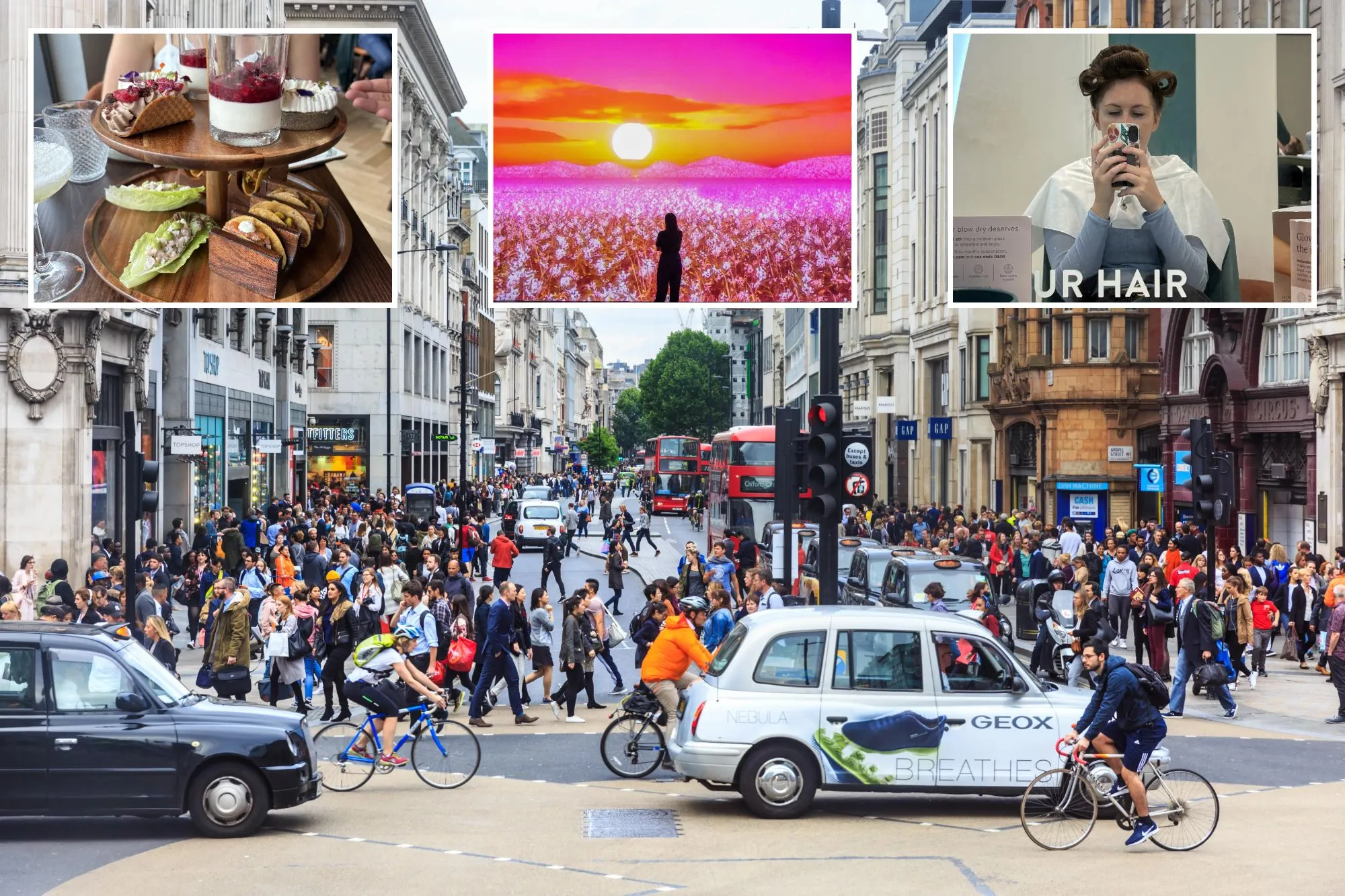
First, it was Barcelona, Venice and Dubrovnik. Now, Florence has joined the most overtouristed destinations in the world: its 365,000 inhabitants shared their city last year with 4.6 million visitors. The director of the city’s Accademia gallery – home to Michelangelo’s David – talked in 2024 about “hit and run” tourism, describing visitors “on a quick in-and-out mission to take selfies … trampling the city without contributing anything”. Local author Margherita Calderoni describes Via Camillo Cavour, a street leading to the Duomo, as a “rancid soup” of chain restaurants and “shops selling plastic trinkets from who knows where”.
Although steps are being taken – the city council has introduced a ban on new short-term lets and is promoting sights in lesser-known neighbourhoods – tackling overtourism is a challenge. And other Tuscan cities, such as Siena and San Gimignano, are suffering too. But beyond these honeypots, Italy’s fifth-largest region is full of glories, with not a takeaway chain or selfie stick in sight. Here are six of my favourites.
For architecture: Monteriggioni
To hit Monteriggioni during its medieval festival in July is to be transported to the middle ages: the whole town becomes a stage on which local re-enactors recreate 13th-century life, with artisans, entertainers, soldiers and musicians in the streets, and inns serving ancient recipes. Festival apart, this tiny town is remarkable for its intact architecture. It was built by the Republic of Siena around 1213 to ward off Florentine aggression, and it is still possible to walk around its 570 metres of wall, with two gates and 14 watchtowers. Inside there is a church, a museum and gardens once used to grow food in case of a siege. All cobbled streets and panoramic views, it feels intimate but rarely crowded. On the square, Il Tagliere Medievale is the place to people-watch over cured meats and cheese and a carafe of chianti. Stay at Il Piccolo Castello, doubles from €115 B&B
For idealists: Pienza
The hilltop town of Pienza. Photograph: Fani Kurti/Getty Images
Is there such a thing as an “ideal city”? In 1459, Pope Pius II rebuilt his birthplace, Corsignano, according to the scientific and humanist criteria architects and planners believed cities should fulfil, with harmoniously proportioned streets, buildings and fortifications. Naturally, he then renamed the town after himself. Pienza is tiny – about 2,000 inhabitants – and best explored on foot. The main square, Piazza Pio II, is a small space shared by the cathedral and the honey-coloured Piccolomini Palace, Pius’s summer residence. The three colonnaded loggias (covered walkways) facing the Piccolomini’s garden suggest the harmony architect Bernardo Rossellino was aiming for.Human harmony is evoked by street names Via dell’Amore and Via del Bacio (kiss): both lead to a walkway with panoramic views over the Val d’Orcia. Foodwise, Pienza is known for its pecorino cheese: try it atLa Terrazza del Chiostro, run by young chef Massimiliano Ingino. Stay at Agriturismo Casalpiano, doubles from €135 B&B
For Renaissance art: Arezzo
The Piazza del Duomo in Arezzo. Photograph: PK Photos/Getty Images
On a hill where eastern Tuscany rises to the Apennines, Arezzo is rich in history and art, but sees a fraction of Florence’s visitors. Many come for the monthly antiques fair on Piazza Grande, the sloping main square. The city’s treasure is the 15th-century artist Piero della Francesca’s Legend of the True Cross frescoes in San Francesco basilica, but I also love his serene Mary Magdalene in the cathedral up the road. From there, it’s a short walk across Passaggio del Prato park to the fortress built by the Medici family in 1540. Its ramparts offer great views over red roofs and rolling countryside. In pedestrianised Via Cavour, three friends recently took over a former corset shop and turned it into a deli selling filled focaccia, wine, chocolates and olive oil. Stay at La Corte del Re, doubles from €79 room-only
For history: Volterra
A Roman amphitheatre in Volterra. Photograph: Robert Harding/Alamy
Volterra was founded about 3,000 years ago as part of the Etruscan league of 12 cities. Its Guarnacci museum features hundreds of fantastically decorated funerary urns, but they’re outshone for me by an elongated male nude in bronze called Shadow of the Evening which, though believed to have been made in the third century BC, wouldn’t look out of place in a modern sculpture show and is said to have inspired Giacometti. A short walk away, the Porta all’Arco is an Etruscan gate still standing after 2,300 years. More recent monuments include a Roman amphitheatre and a Medici fortress now used as a prison. The town is also known for alabaster carving: check it out at the Ecomuseum, or buy at local cooperative Artieri Alabastro. In a picturesque alley, La Sosta del Priore (Prior’s Pitstop) offers sandwiches with fillings such as wild boar, melted pecorino and lampredotto (tripe). Stay at Villa Nencini, doubles from €65 B&B
For port city vibes: Livorno
The Quartiere Venezia in Livorno. Photograph: Roberto Nencini/Alamy
Tuscany has so many sights that its ancient port is often overlooked. Originally fortified by the Pisans, Livorno was ruled by Florence’s Medicis from the 1500s, and today’s multicultural vibe is thanks in part to that dynasty. Under Medici law, newcomers of any nationality or faith were encouraged to settle here, and a diverse population – Greeks, Armenians, Jews fleeing the Inquisition – helped Livorno thrive. Today, this politically leftish and greenish city is home to populations from Senegal and Morocco as well as eastern Europe.
Get a lungful of sea air at the checkerboard seaside promenade Terrazza Mascagni, then walk up to the Quartiere Venezia, Livorno’s Little Venice, with bridges, coloured houses and two Medici fortresses, Nuova and Vecchia. Other sights include San Francesco Cathedral and one of Italy’s biggest covered markets, the Parisian-style Vettovaglie. Livorno is known for its chickpea pancakes (torte di ceci), and Torteria Gagarin by the market sells them hot from a wood-fired oven to eat in a roll as a cinque e cinque sandwich. Stay at Dogana d’Acqua Rooms & Art, doubles from €75 room-only
For coastal charm: Porto Ercole
The harbour at Porto Ercole. Photograph: Stevan ZZ/Getty Images
A port since Roman times, this village on a promontory in the south of Tuscany was fought over in 1555 in a proxy war between Spain (supporting Florence) and France (Siena). Spain won and built the forts that still guard all approaches. Climb up to Forte Stella for views over the picturesque harbour and north to one of three causeways linking the promontory to the mainland. The walk into town passes the botanical garden. Farther north is the unassuming cemetery that is home to Caravaggio’s simple tomb, an odd finale to a life of brawls, murders, arrests and exile. Mystery surrounds the painter’s death, but he was said to be heading for Rome in the hope of papal forgiveness when he succumbed to “fever” – probably infection from a sword fight in Naples.
For a beach day, head out on the SP66 and take the signposted footpath just before the crossroads leading to Forte Stella. Sandy Spiaggia Lunga is mostly undeveloped, but in high summer there’s a bar with sunbeds to hire. Right on the harbour back in Porto Ercole, Grano offers top-quality sourdough pizzas by the slice. Stay at Alba sul Mare, doubles from €91 room-only
When she ran for mayor four years ago, Karen Bass said she wanted to regrow the Los Angeles Police Department to the 9,500-officer force it was before the ranks began to shrink. Now up for reelection — and facing a budget crunch — Bass says her plan has shifted.
The aim going forward, she told The Times in a recent interview, is to simply stop the department from getting smaller.
“My goal changed, unfortunately,” Bass said. “I do hope that one day we get to the expansion, but we are not there now.”
A Bass spokesperson said after the interview that the mayor remains committed to reaching the 9,500-officer benchmark in the long run, but did not provide a timeline for getting there.
On April 20, Bass will release her spending plan for the upcoming fiscal year, which starts on July 1. She and the City Council will spend the coming months working out how to balance the city’s books in a way that avoids deep cuts to other services and the layoffs of city employees. A projection by the city administrative officer estimates the city’s budget deficit to be “several hundred million.”
Bass said she had spent years addressing a years-old administrative bottleneck within the city’s personnel department, which runs the background process for police hires.
The efforts were targeted “at every level: at the top, as well as internal to the department,” said Bass. “At least the impediments that kept us from retaining recruits, to get them in the academy, that has changed.”
The mayor called the old hiring process “archaic,” and said similar issues exist with other city departments. At the LAPD, she said, “We expanded recruitment and had a record number of recruits, and then we couldn’t get them hired, so we had to revamp the hiring process.”
Despite attrition at the LAPD in recent years, crime has plummeted, with homicides in the city falling to levels not seen since the 1950s. Yet public safety remains an issue in the mayor’s race, where Bass faces a challenge from City Councilmember Nithya Raman.
A recent survey co-sponsored by The Times found that more than half of voters view Bass unfavorably in the race. The same poll found that 39% of Angelenos think the LAPD needs to increase in size, with 29% saying the department should stay the same size and 19% saying it should shrink.
Raman came out ahead of Bass in a recent poll that only identified candidates in the mayoral race by their platforms, but not their names, though other surveys that identified them by name showed Bass in the lead.
Raman has said that she believes the police force is the right size at around 8,700 officers. Bass’ onetime ally has argued the mayor has thrown too much money at the LAPD, an approach Raman claims has come at the expense of other basic services such as park maintenance and street paving.
Raman has accused the mayor of signing off on raises for police officers with a contract that has done little to make a dent in the department’s recruitment struggles and only made worse the city’s financial picture. She and other critics say that with the dwindling number of cops, officials need to start investing more in community-led efforts that prioritize prevention over punishment in order to further reduce crime.
Bass said she had embraced a crime-fighting strategy that balances traditional policing with a more public health-oriented approach, pointing out that she had opened an Office of Community Safety to support gang interventionists who help defuse neighborhood conflicts before they explode into violence. Her administration also spearheaded sending mental health teams or other unarmed responders to emergency calls that were once fielded by police.
It’s no accident, she said, that killings in some of the most crime-impacted neighborhoods had fallen by 27%. So far this year, police say that most crime categories are down compared to where they were at this point in 2025.
LAPD Chief Jim McDonnell has said that without addressing police staffing the city’s progress on crime is at risk, especially as L.A. gets set to host large-scale sporting events like the World Cup and the 2028 Olympics.
During his briefing to the Police Commission on Tuesday, McDonnell said roughly 8% of the department’s employees are unavailable to work because they are on sick leave or other work restrictions. McDonnell and other police officials have said staffing shortages are limiting the department’s ability to respond quickly to low-level crimes, leading to high officer burnout rates, and driving up overtime expenses.
Asked to assess McDonnell’s first year-and-half as the city’s top lawman, Bass issued a written statement that said she considered McDonnell a strong partner “lowering crime, hiring more officers, and reversing longstanding trends.”
She added: “I will always keep pushing every City leader to do better by the people of Los Angeles.”
Bass said she would continue working with the chief to “identify measures” to reduce the number of police shootings, particularly those involving people in crisis.
Such changes would go hand in hand with an overhaul of the department’s much-maligned disciplinary system, which has faced criticism from some corners for not meting out harsh enough punishments when officers shoot unarmed people. The union that represents the department’s rank-and-file members has long complained of a double standard that lets well-connected officers and senior leaders off the hook.
Bass said that based on her conversations with officers, “the internal part of the disciplinary system has gotten a little better.”
Broader reforms have also been under discussion, with the council weighing new limits on so-called police pretextual stops, in which officers use a minor violation as justification to pull someone over and then investigate whether a more serious crime has occurred. Bass said she is in favor of further changes to tighten LAPD policies.
A recently published report by Catalyst California, a group that advocates for racial justice, found that such stops have continued to disproportionately affect Black and Latino drivers, even as the LAPD has scaled back their use over the past decade.
“Certainly, when I was younger, I experienced pretextual stops, and they are terrifying,” Bass said, adding that she believed the department’s culture was already changing. “I will tell you that as many roll calls as I’ve been to, a lot of officers already feel like they can’t do pretextual [stops] anymore — so I think there’s been progress there, but clearly more, more to go.”
Times staff writers David Zahniser and Noah Goldberg contributed to this report.
IT MIGHT feel like we have been waiting forever for spring and now you can enjoy it by seeing lots of different sights in bloom.
National Trust sites and properties across the UK are home to an abundance of plants and trees.
Sign up for the Travel newsletter
Thank you!
There are tons of places to see blossom across the UK this spring, including National Trust propertiesCredit: Shutterstock EditorialAnglesey Abbey is less than six miles from Cambridge and features a country house that was built on the remains of a prioryCredit: AlamyThe house is surrounded by gardens, which is where you will find the blossomCredit: Alamy
And with that, there’s a lot of blossom to see.
Whether it be an apple or cherry tree, here are some of the top National Trust sites to see blossom this spring.
Acorn Bank, Cumbria
Acorn Bank is known for having an extensive herb collection as well as sprawling orchards and a working watermill.
And tucked behind its 17th-century walls, visitors will find the orchard with over 175 apple varieties.
From early May, many of the trees bloom with a soft pink-white blossom.
It costs £11 per adult and £5.50 per child to visit.
Anglesey Abbey, Cambridgeshire
Less than six miles outside of Cambridge, Anglesey Abbey features a country house that was built on the remains of a priory.
The house is surrounded by gardens, which is where you will find the blossom.
Back in 2021, Olympian Way was planted with cherry blossoms that bloom pink in March and April.
Visitors will also be able to find cherry blossom in the woodland and Rose Garden.
It costs from £19 per adult and £9.50 per child to visit.
Ardress House, County Armagh
Found in the ‘Orchard County’ of County Armagh, Ardress House features a 17th-century house with 18th-century interiors, as well as a traditional farmyard.
Each May, the property’s apple blossom appears and visitors can also head on a walk which encircles the farmhouse to see more blossom.
Attingham Park, Shropshire
Attingham Park is an 18th-century estate with a mansion and around 200 acres of parkland.
Blossom appears on the apricot trees each year in the Walled Garden from around mid-March, and then other trees follow, such as peach, pear and apple.
Admission to the house and gardens costs from £18 per adult and £9 per child.
Attingham Park in Shropshire has over 130 apple trees in totalCredit: PA:Empics SportBatemans used to be the home of Rudyard Kipling who wrote The Jungle BookCredit: Alamy
Bateman’s, Sussex
Bateman’s in Sussex is the family home of the writer of The Jungle Book, Rudyard Kipling, and was built in 1634.
Each year the orchard becomes alive with blossom from April to mid-May including apple trees and pear trees.
It costs £18 per adult and £9 per child to visit the estate.
Beningbrough, Yorkshire
At Beningbrough, visitors can explore a hall and gallery, eight-acre garden and even a wilderness play area.
And during the spring, the blossom emerges in the walled garden.
The blossom comes from many traditional and newly planted fruit trees.
It costs £16 per adult and £8 per child to visit Beningbrough.
At Beningbrough, visitors can explore a hall and gallery, eight-acre garden and even a wilderness play areaCredit: AlamyThe blossom at Beningbrough comes from many traditional and newly planted fruit treesCredit: Alamy
Blickling Estate, Norfolk
At Blickling Estate, visitors can see a Jacobean mansion which boasts a large collection of books as well as a 55-acre garden.
In the West Garden is where visitors will find magnolias blooming from March in shades of white and pink.
The orchard also features fruit trees which blossom.
It costs £18 per adult and £9 per child to visit.
Brockhampton, Herefordshire
Brockhampton estate features a medieval manor house and is home to the largest orchard in the National Trust, spanning more than 145 acres.
In the orchard, visitors will find prune damsons as well as apple varieties, all of which bloom between March and May.
There are also five interlocking ‘orchard rooms’ which have been designed to reflect the structure of an apple.
Admission to the entire estate costs £12 per adult and £6 per child.
Brockhampton estate features a medieval manor house and is home to the largest orchard in the National Trust, spanning more than 145 acresCredit: AlamyCalke Abbey has 50 varieties of rare and local apple treesCredit: Alamy
Calke Abbey, Derbyshire
At Calke Abbey, visitors can see a Baroque-style mansion that has peeling paintwork and abandoned rooms, as well as the physic garden and a sprawling estate.
In the garden, there are around 50 varieties of rare and local apple trees which means by May the garden is full of pink and white flowers.
At the beginning and end of the season, visitors can also enjoy Calke’s Festival of Blossom with a number of activities.
To visit the house, it costs £15 per adult and £7.50 per child and to visit the park and gardens it costs £8.50 and £4.25 per child.
Coleton Fishacre, Devon
Coleton Fishacre is a 1920s country retreat which also has a tropical garden.
In the garden, visitors can see apple and cherry blossom on a number of self-led trails.
As part of the Festival of Blossom, visitors can also write haiku or tanka poems using blossom poetry cards.
And there are guided mindful walks on March 31, April 13 and 29.
Coleton Fishacre costs £18 per adult and £9 per child to visit.
What’s it like to visit Coleton Fishacre?
TRAVEL Reporter Cyann Fielding has visited Coleton Fishacre and here’s what she thought:
Growing up I visited Coleton Fishacre several times and with each visit, I fell in love with it more.
The 1920s country house with a thatched roof sits on a hill overlooking the Devon coastline.
And inside the house, it is just as special with kitsch interiors that feel cosy.
Make sure to spend some time in the Library and the Saloon.
In the Library, you see tonnes of books with a huge painted map above the fireplace.
And then in the Saloon, there is a theatre-like atmosphere with lots of Art Deco features.
Coleton Fishacre features a subtropical garden with lots of blossomCredit: Alamy
Cotehele, Cornwall
Cotehele in Cornwall is a Tudor house with a mill, garden and estate.
On the estate, the orchard is the earliest to bloom with apple, cherry, plum and pear trees.
Across spring the estate also hosts a number of events including walks, music, creative workshops and community activities.
It costs £18 per adult and £9 per child to visit.
Just outside of Durham, you will find Crook Hall Gardens with a medieval hall and pretty gardensCredit: Alamy
Crook Hall Gardens, Durham
In the north of England, you can head to Crook Hall Gardens.
Here you will find a medieval hall with pretty gardens, just outside of Durham city.
In the orchard all the apple varieties bloom and as the season goes on, more species in the orchard flower.
It costs £10 per adult and £5 per child to visit the gardens.
Dunham Massey in Manchester is often noted as one of the best places to see blossom in Northern EnglandCredit: AlamyThere is also the Orangery, with small waterways and seasonal flowers to exploreCredit: Alamy
In the spring, cherry blossom blooms and is often noted as one of the best places in Northern England to see blossom.
There is also the Orangery, with small waterways and seasonal flowers to explore.
It costs £20 per adult to visit and £10 per child.
Dunster Castle and Watermill, Somerset
Dunster Castle doesn’t just feature a castle, but also a country home and subtropical gardens.
Throughout spring, blossom inspired decorations welcome visitors as well as there being a blossom themed display at the Stables Shop.
Families can also head on the ‘Bees and Blossoms Spotter Trail’ and toward the end of April, there will be a new willow sculpture by artist Woody Fox.
Outdoors, blossom will also appear in the subtropical and riverside gardens.
It costs £19 per adult and £9.50 per child to visit.
Dunster Castle doesn’t just feature a castle, but also a country home and subtropical gardensCredit: Alamy
Dyffryn Gardens, Vale of Glamorgan
At Dyffryn Gardens, visitors can see a number of small themed gardens that reflect different countries and styles, as well as a kitchen garden, arboretum, glasshouse and natural play areas.
During the spring, visitors can expect Dyffryn Gardens has a self-led Blossom Watch Walk through the estate and Edwardian garden rooms.
Visitors can grab a dedicated map which helps to show the highlights of the gardens.
It costs £14 per adult and £7 per child to visit.
Erddig Hall and Garden, Wrexham
Erddig Hall is a late 17th-century country house with an 18th-century Grade I listed walled garden.
Across the 1,200 acre estate there are meadows, lakes, ponds and rivers, to explore.
During the spring, Erddig has blossom across its walled garden, orchards and lime tree avenues.
Visitors can also see cherry, plum, pear and apple blossom appearing in stages across the garden’s fruit trees.
It costs £19 per adult and £9.50 per child to visit.
Felbrigg Estate is home to a 17th-century Hall with one of the largest collections in the National trustCredit: Alamy
Felbrigg Estate, Norfolk
Felbrigg Estate is home to a 17th-century Hall with one of the largest collections in the National Trust.
In the Walled Garden visitors can see blossom across fruit trees as well as historic varieties.
It costs £16 per adult and £8 per child to visit.
Gibside, Tyne and Wear
At Gibside – a Georgian landscape garden – visitors can explore pear, apple and apricot trees all blooming from March to May.
The Walled Garden is also colourful, with lots of pink blossom.
There are a number of events too including blossom bathing sessions, beekeeping demonstrations, pollinator counts, and creative workshops.
It costs £18 per adult and £9 per child to visit.
Greenway Mansion used to be the home of crime author Agatha ChristieCredit: Alamy
Greenway, Devon
Agatha Christie’s home in Devon is a great spot to explore the life of the crime writer as well as see blossom in spring.
Between March 21 and April 30, Greenway has its Festival of Blossom, with large magnolias blooming overhead, lots of fruit trees in bloom and wild hedgerow flowers appearing.
Admission to the whole property costs £18 per adult and £9 per child.
Gunby Estate, Hall and Gardens, Lincolnshire
Gunby Estate features an 18th-century country house with Victorian walled gardens near the Lincolnshire Wolds.
During the spring, visitors can expect to see the fruit trees in the walled gardens spring into bloom with different pastel pinks.
There is also a cherry walk which is great to visit in late April and pear blossom appears in the kitchen garden, alongside apple blossom in May.
Between March 29 and April 23, visitors can also catch some blossom indoors as the ‘Springtime Wonderland’ exhibition by Laura Andrew will be on.
And from April 13 to May 31, there is the Blossom Wellbeing Trail – a self-guided route to appreciate the sights, scents, and sounds of the season.
It costs £12 per adult and £6 per child to visit Gunby Estate.
At Hanbury Hall, there is an 18th-century house featuring original wall paintings by Sir James Thornhill as well as formal gardens.
The site is home to several species of blossom trees, including pear, apple, and cherry blossom, which all flower anytime from March to May.
Later in April and May, visitors can try out blossom bathing in the walled orchard, which has 56 varieties of heritage apple trees.
It costs £19 per adult and £9 per child to visit.
Ham House, London
Ham House is a Stuart house situated on the banks of the River Thames and boasts a unique collection of antiques and furniture.
The house even has its own cherry garden, with lavender and a 17th-century statue of Bacchus.
In the Outer Courtyard, lots of new blossom trees have been planted and even though they are young, more and more sprigs of colour are appearing each spring.
It costs £18 per adult and £9 per child to visit.
Hinton Ampner was rebuilt and today features a large house with a pretty gardenCredit: Alamy
Hinton Ampner, Hampshire
Following a fire in 1960, Hinton Ampner was rebuilt and today features a large house with a pretty garden.
During the spring blossom can be found across the orchard and wild garden.
And don’t miss the sweeping views of the Hampshire Downs.
It costs £18 per adult and £9 per child to visit.
At Killerton in Devon, visitors can head on a waymarked blossom trailCredit: Alamy
Killerton, Devon
Killerton is home to a Georgian house as well a chapel and historic garden and the gardens are one of the first to awaken in Devon according to the National Trust.
Visitors can head on a waymarked blossom route, which is around one-mile.
Along the way, they can read gardener’s notes that highlight the different blossoms.
It costs £18 per adult and £9 per child to visit.
Lyme, Manchester
Lyme in Manchester features a 600-year-old house with 1,400-acre grounds.
Visitors can explore ornamental cherry trees with soft pinks as well as creamy white blossoms.
In the Vicary Gibbs area of the garden, there’s a mindful walk where visitors can bathe beneath the Japanese Mt. Fuji cherry tree.
It costs £19 per adult to visit and £9.50 per child.
Visitors at Nostell in Yorkshire can explore a large Georgian house, landscaped gardens, parkland and stables courtyardCredit: Alamy
Nostell, Yorkshire
Nostell in Yorkshire boasts a large Georgian house, landscaped gardens, parkland and stables courtyard.
Visitors can see blossom across the Kitchen Garden, orchard and pleasure grounds with the season beginning in March.
There’s also a nice walk from the rose garden and orangery to the orchard’s heritage pear espalier.
In the pleasure grounds, make sure to look out for the magnolia with large flowers budding overhead.
It costs £14 per adult and £7 per child to visit.
Paycockes House and Garden, Essex
Paycockes House and Garden is a Tudor merchant’s house and in the gardens this spring, visitors can see blossom across the entire garden,
It costs £12 per adult and £6 per child to visit.
Sissinghurst in Kent has 1,100 fruit trees blooming each springCredit: Alamy
Sissinghurst, Kent
Sissinghurst is a castle with a world-renowned garden, where you will find 1,100 fruit trees blooming each spring.
The garden also has a particularly large blossom tree, known for its fluffy white flowers.
It costs from £20 per adult and £10 per child.
Waddesdon Manor, Buckinghamshire
Waddesdon Manor is a French Renaissance-style château, built by Baron Ferdinand de Rothschild, and it boasts Victorian-style gardens with statues and a wooded playground.
Between March 25 and April 12, visitors can head to Waddesdon’s Festival of Blossom which has fresh floral displays and a blossom trail inside the house.
In the gardens, visitors can see horse chestnut trees which have creamy-white or pink blossom in May.
It costs £27.50 per adult and £13 per child to visit.
Between March 25 and April 12, visitors can head to Waddesdon’s Festival of Blossom which has fresh floral displays and a blossom trail inside the houseCredit: Alamy
Wimpole Estate, Cambridgeshire
Wimpole Estate is home to a 17th-century mansion with Georgian interiors, a walled kitchen garden, and parkland.
Visitors heading to Wimpole’s orchard will see over 300 fruit trees which blossom between April and May.
Also in the Walled Garden are a number of cherry trees which have soft pink blossom.
It costs £21 per adult and £10.50 per child to visit.
What’s it like to visit Wimpole Estate?
TRAVEL ReporterAlice Penwill has visited Wimpole Estate and here’s what she thought:
One of my favourite National Trust spots that I visit throughout the year, in rain or shine is Wimpole Estate in Cambridgeshire.
It’s enormous, all spaced around its 17th-century hall and has a pretty garden which you can visit in the springtime.
But I love to explore the grounds (and it’s free of charge), you can walk for miles through cow fields, around the large ponds and up to the ruins in the folly – which if you’re a Slow Horses fan was used for filming in season one.
Afterwards you can duck into The Old Rectory to get a drink or something to eat, but what lots of visitors do, and myself included, is pack up a picnic and have it on the grass outside.
While the Europa League will continue to offer respite from an otherwise difficult season for Forest, the additional games present challenges.
Forest will take on Porto in the quarter-final on 9 and 16 April, welcome Aston Villa to the City Ground in between the two legs and then host Burnley the following weekend.
Winning games means positive momentum and that can only be a help when it comes to fighting to stay in the league.
But it also means more games and Pereira, who is set to take charge in his first European quarter-final, must find the balance between keeping his side in the top flight and managing the demands of competing in Europe.
“When we win it’s different,” Pereira said.
“The spirit is different, the energy is different and the boys deserve it because they are a fantastic group, very good players and with team spirit, character – we showed everything today.
“I don’t have any doubt that we have the quality and we will compete to achieve our targets.”
Yates added: “That winning feeling is special, you want to keep that momentum going.
“Momentum at this stage of the season is huge. We’re not going to get ahead of ourselves. Recover now, focus on Tottenham now and keep building, keep getting those wins.