Fed

I visited ‘fed up’ Canary Islands – I know why it’s on the ‘no travel’ list

The Canary Islands have been put on a ‘no go’ list for 2026, and even as a big fan of the beautiful archipelago, I can see why the surge in visitor numbers might be putting people off

It’s not often you see a warning against a holiday destination you’ve repeatedly visited, but this week, American travel guide producer Fodor released their annual ‘No List’, a guide to all the destinations they recommend against visiting in 2026.

Among the crowded cultural sites and areas of natural beauty being ruined by overtourism, there was a Spanish addition: the Canary Islands. Beloved by Brits thanks to a microclimate that has made them a major winter sun destination, with almost 18 million visitors last year, tourism is at the heart of the Canaries. This is one area that I never thought I’d see on a do-not-visit list.

Yes, the islands have had a fair share of problems and negative attention this year, from overtourism protests in the summer to reports of delays at airports due to new EU passport checks. But with warm weather, relatively inexpensive living costs, and natural beauty in abundance, will Brits really want to abandon the Canary Islands?

READ MORE: Warning to Brits as Canary Islands placed on ‘no travel’ listREAD MORE: I found a beautiful UK seaside town packed with independent shops — it’s perfect for winter

My most recent trip to the Canaries was in March of this year, when I visited Lanzarote. The weather in the UK was grim at the time, and Ryanair flights were cheap, so my travel companion and I decided it would be the perfect last-minute break to escape the gloom.

And it seems like many others had the same idea. Our flight was full, which surprised me at first, given that it was midweek in March. But of course, the Canaries are a year-round destination, so others were like us trying to escape the wintery weather. Arriving late in the evening, thankfully, the queues through the airport were quick.

My first indication that the island’s popularity had skyrocketed was the difficulty in booking a hotel and the corresponding rise in prices. Having visited at off-peak times in the past, there are usually plenty of hotels and apartments to choose from, even at the last minute. However, this time, most of the cheaper spots had booked up, leaving us with out-of-budget luxury accommodation or places with terrible reviews.

Luckily, we did get a good deal at a hotel called Caybeach Sun in Playa Blanca. It had mixed reviews, so I was nervous, but it actually turned out to be lovely. With a heated pool, decently sized apartments, and close proximity to the beach, it was a surprising hit at just over £60 a night.

The Canaries have recently seen a crackdown in holiday lettings, and while this was before I arrived, the changing regulations over the past year could have impacted the amount of choice on offer and the prices.

After dropping off our bags, we headed to Playa Blanca’s beachfront, which has lots of bars and restaurants. In the past, the number of places to eat meant that finding a table was easy, but even late at night, we found many restaurants full to capacity. The only places with seats were a couple of dodgy bars that had men outside practically trying to pull you in, which is never a good sign.

This was a common theme during our stay, whether we visited the town or the marina, everywhere seemed full. While it wasn’t quite the crowds you’d find in Venice or Santorini, it felt like the sort of crowds you’d usually only see in Spanish resorts in the summer. It was good to see people supporting the local restaurants and shops, but I could see how year-round crowds would be having an impact on islanders.

John Dale Beckley, founder of the sustainability platform CanaryGreen.org, told Fodors: “Residents have started protesting because they’re genuinely fed up. Traffic is one of the biggest issues. What used to be a 40-minute drive from the north can now take well over an hour each way. The government previously changed regulations that allowed residents to rent out their properties on Airbnb and Booking.com. This has driven up both rental prices and property values. Many young people now find it almost impossible to rent or buy a home.”

There have been reports of an increase in violent crime on the Canaries, and warnings that thefts get worse in the winter season, as organised gangs visit hotspots such as Tenerife, knowing it will be packed with visitors. The increases in rent caused by the tourist surge have also led to locals moving away from popular areas, reportedly leaving businesses struggling to recruit workers.

Of course, lots of people will point out that I’d chosen to go to a popular destination, so what could I expect? However, March is usually a quiet time on Lanzarote as the winter sun crowds are heavier in December and January, while the summer rush is still a long way off. If the island is this busy in March, I can imagine it becoming extremely crowded during the peak months.

READ MORE: Holiday chief slams huge ‘blow’ for Brits as UK tourism taxes set to be introducedREAD MORE: Flight attendant shares ‘genius’ method to sneak extra bag on board

So, should Brits avoid the Canaries? Personally, I’d think twice if you’re the sort of person who doesn’t like crowds and prefers a quieter break. There are many winter sun alternatives emerging as contenders to the Canaries, such as the Azores and Cape Verde. However, I did still have a great time in Lanzarote. I love its unique volcanic landscape, the beaches are wonderful, and I’ve never received a less than friendly welcome, so I’m very much in two minds about whether I’d go back in 2026.

Have a story you want to share? Email us at [email protected]

Source link

Bessent expects Trump to pick next Fed chair before Christmas

1 of 3 | U.S. Treasury Secretary Scott Bessent (pictured in the Rose Garden of the White House in Washington, D.C., on Tuesday) said President Donald Trump is likely to select the next chair of the Federal Reserve before Christmas. Photo by Bonnie Cash/UPI | License Photo

Nov. 25 (UPI) — Treasury Secretary Scott Bessent said Tuesday President Donald Trump is likely to select the next chair of the Federal Reserve before Christmas.

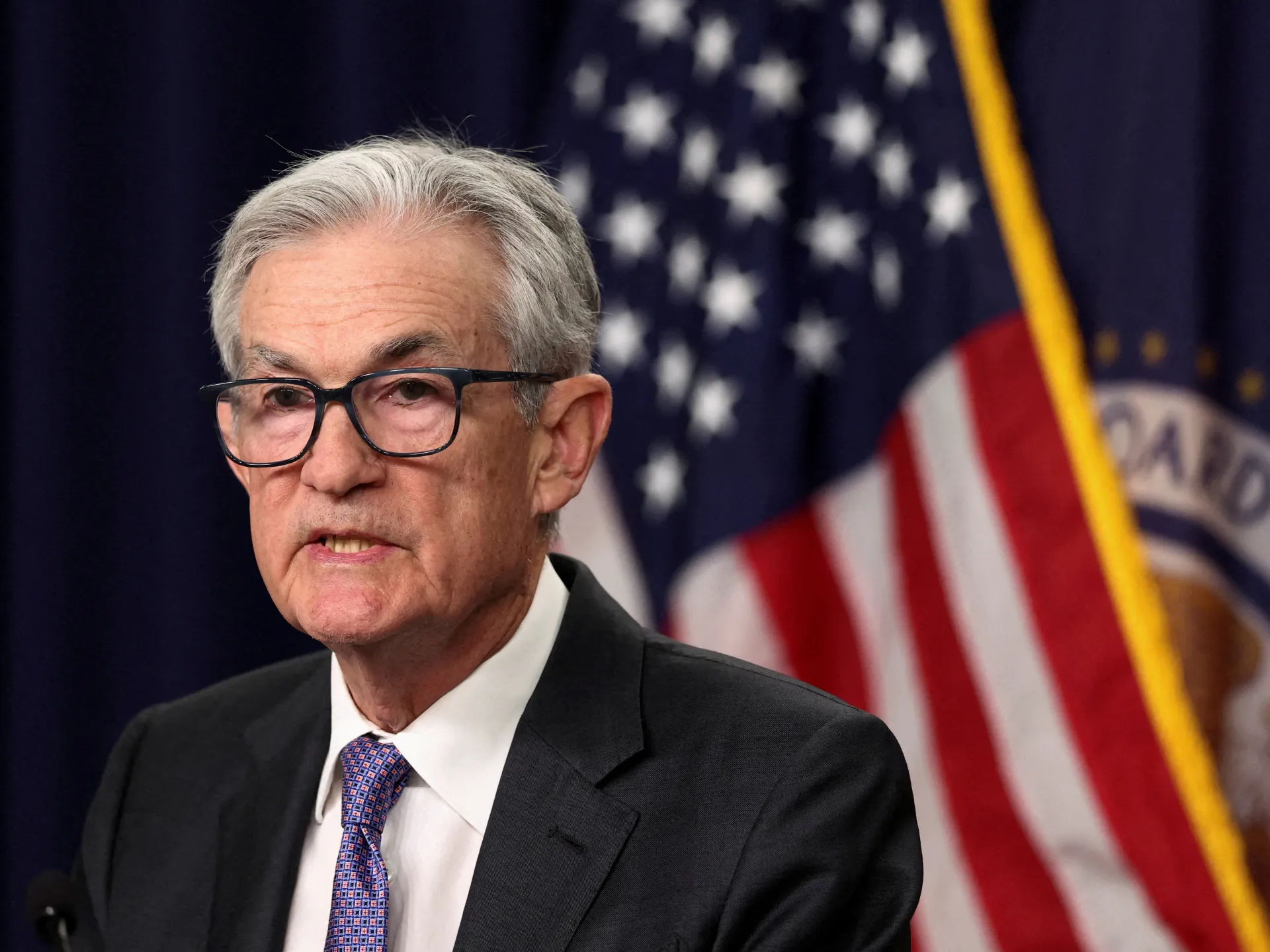
Bessent made the remarks in an interview on CNBC, where he offered an update on his work overseeing the search for a successor to Jerome Powell, the current chair whose term ends in May 2026. Trump has pressured Powell to lower interest rates, raising questions about the independence of the nation’s central bank.

In the interview, Bessent said he was seeking a simpler and more subtle role for the Fed, which plays a pivotal role in financial markets and the economy.

“I think we’ve got to kind of simplify things,” he said. “I think it’s time for the Fed just to move back into the background, like, it used to do, calm things down and work for the American people.”

Since returning to the White House, Trump has lobbed criticisms at Powell over his cautious approach to lowering interest rates after a period of high inflation. Trump, who first appointed Powell, has called him a “clown” and openly talked about wanting to fire him.

Inflation is currently at 3%, just shy of the Fed’s 2% target. But members of the Federal Open Market Committee, the bank’s primary monetary policy-setting body, were divided on whether to support rate cuts at its December meeting.

Further complicating the Fed’s work is news that the ​​Consumer Price Index report for October will not be available for its upcoming meeting. The monthly report presents a snapshot of consumer prices, but the recent government shutdown delayed its release.

Bessent said the list of candidates for Fed chair has been narrowed to five and work was progressing well. But he noted the final pick is up to Trump “whether it’s before the Christmas holidays or in the new year.”

Source link

Fed won’t get November CPI report before December meeting

Nov. 21 (UPI) — The Bureau of Labor Statistics said Friday it won’t deliver the October Consumer Price Index report, meaning the Federal Reserve won’t get the important data before it meets again Dec. 10 to decide on interest rates.

October’s CPI report was scheduled to come out on Nov. 7, but was canceled because of the government shutdown. The November report was scheduled for Dec. 10, but that’s been changed to Dec. 18, which will be too late for the Fed.

The BLS gathers information via visits, phone calls and surveys, which would have made it impossible during the shutdown and very difficult to get information retroactively.

The Bureau of Economic Analysis also said the Personal Consumption Expenditures Price Index “is to be rescheduled,” though no firm date has been announced, CNBC reported. That report is the main inflation forecasting tool that the Fed uses.

Minutes from the Fed’s October meeting show that the officials disagreed on whether to lower interest rates at the December meeting after it approved back-to-back reductions.

Each of the last two meetings ended with them lowering the rate by .25% to a now-3.7% to 4%.

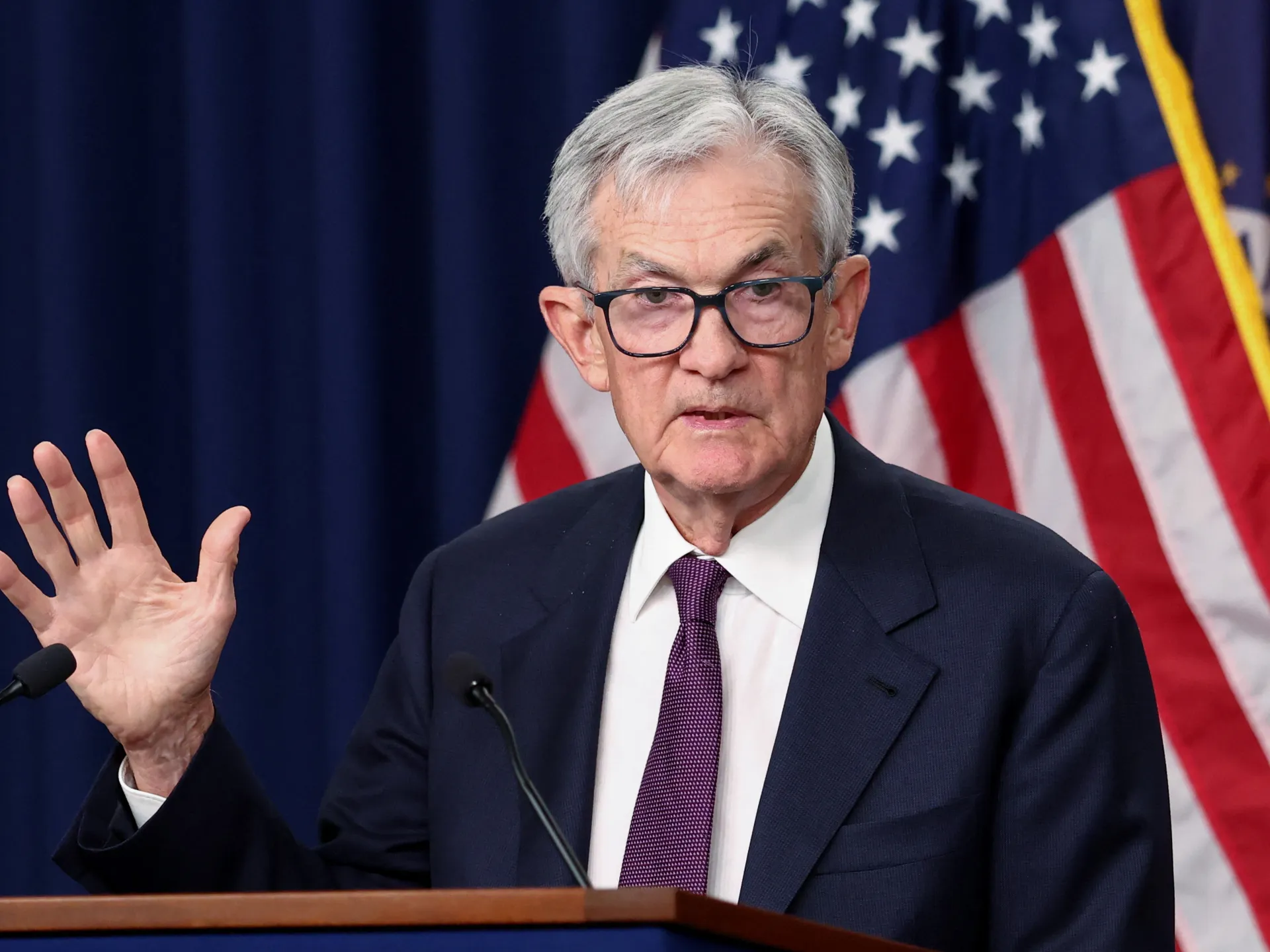
“This is a temporary state of affairs. And we’re going to do our jobs, we’re going to collect every scrap of data we can find, evaluate it, and think carefully about it,” CNBC reported Fed Chair Jerome Powell said after the October meeting.

“What do you do if you’re driving in the fog? You slow down. … There’s a possibility that it would make sense to be more cautious about moving.”

New York Fed President John Williams said Friday he thinks the central bank probably has “room for a further adjustment in the near term,” implying a potential cut.

Source link

US Fed Governor Cook offers detailed defence in mortgage fraud case | Business and Economy News

Cook’s lawyer says the criminal referrals against her ‘fail on even the most cursory look at the facts’.

United States Federal Reserve Governor Lisa Cook’s lawyer has offered the first detailed defence of mortgage applications that gave rise to President Donald Trump’s move to fire her, saying apparent discrepancies in loan documents were either accurate at the time or an “inadvertent notation” that couldn’t constitute fraud given other disclosures to her lenders.

Cook has denied wrongdoing, but until Monday, neither she nor her legal team had responded in any detail to the fraud accusations first made in August by Federal Housing Finance Agency (FHFA) Director William Pulte.

Recommended Stories

list of 4 itemsend of list

She has challenged her removal in court, and the US Supreme Court has for now blocked Trump’s firing attempt and will hear arguments in the case in January.

A Department of Justice spokesperson said the department “does not comment on current or prospective litigation, including matters that may be an investigation”.

In a letter to US Attorney General Pam Bondi seen by the Reuters news agency, Cook’s lawyer Abbe Lowell said the criminal referrals Pulte made against her “fail on even the most cursory look at the facts”.

The two separate criminal referrals Pulte made fail to establish any evidence that Cook intentionally deceived her lenders when she obtained mortgage loans for three properties in Michigan, Georgia and Massachusetts, the letter said.

Lowell also accused Pulte of selectively targeting Trump’s political enemies while ignoring similar allegations against Republican officials, The Wall Street Journal reported.

Lowell said other recent conduct by Pulte “undercut his criminal referrals concerning Governor Cook”. That behaviour includes the recent dismissal of the FHFA’s acting inspector general and several internal watchdogs at Fannie Mae, one of the mortgage-finance giants under FHFA control.

The letter also cited a recent article by Reuters that said the White House ousted FHFA acting Inspector General Joe Allen right after he tried to provide key discovery material to federal prosecutors in the Eastern District of Virginia who are pursuing an indictment against New York Attorney General Letitia James.

James was charged with bank fraud and lying to her lender also after Pulte made a referral to the Justice Department. She has pleaded not guilty, and she is seeking a dismissal of the case on multiple grounds, including vindictive and selective prosecution.

Cook’s case is being handled in part by Ed Martin, the Justice Department’s pardon attorney, whom Bondi named as a special assistant US attorney to assist with mortgage fraud probes into public figures.

The case is still being investigated, and no criminal charges have been brought. The department is also separately investigating Democratic California Senator Adam Schiff, also at Pulte’s request.

Source link

Dow Jones falls 800 points amid Fed rate cut doubts

Nov. 13 (UPI) — Doubts about a potential third Federal Reserve rate in December triggered an 800-point drop in the Dow Jones Industrial Average on Thursday after setting a record high a day earlier.

The Dow closed higher than 48,000 for the first time on Wednesday, but Investopedia reported a steep decline on Thursday amid concerns over the Federal Reserve rate.

The Dow reached a daily high or 48,211.83 during morning trading on Thursday but declined steadily afterward to a low of 47,431.43 and closed at 47,457.22, which is a drop of 797.60 and 1.65% for the day.

The Nasdaq and S&P 500 likewise posted downturns during the day’s trading, with the Nasdaq closing at 22,870.36, which is a decline of 536.10 and 2.29%.

The S&P 500 dropped by 113.43 and 1.66% when it closed at 6,737.49.

Analysts largely attributed the declines to concerns regarding the Federal Reserve and whether it will approve a third quarter-point rate reduction before the year’s end, according to CNBC.

In October, analysts placed a 95% confidence in a December rate cut, but confidence has declined to about 49% due to a lack of data because of the record 43-day federal government shutdown ended following President Donald Trump‘s signing of a funding measure on Wednesday.

The Federal Reserve Open Market Committee is scheduled to meet for two days on Dec. 9 and 10, but committee members have grown more doubtful of another 0.25% rate cut due to the effects of the government shutdown and the president’s often-changing tariff policies.

The current rate is between 3.75% and 4% after the Federal Reserve committee approved a 0.25% rate reduction on Oct. 29.

Source link