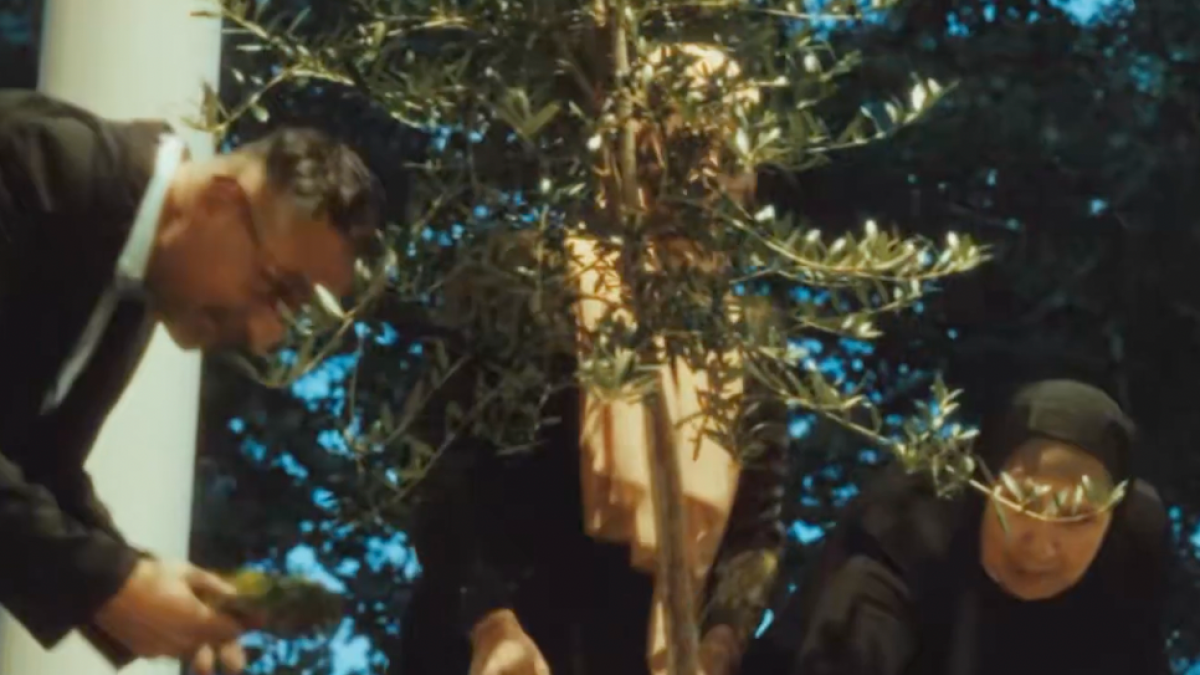
New York Mayor Zohran Mamdani posted a video of himself planting an olive tree alongside Palestinian families from Gaza, hours after Israeli Prime Minister Benjamin Netanyahu accused him of anti-Semitism in his speech at the UN General Assembly.
CENTER Parcs has become the first holiday operator to begin the roll out of new sensory libraries at all of its villages to cater for families with neurodivergent children.
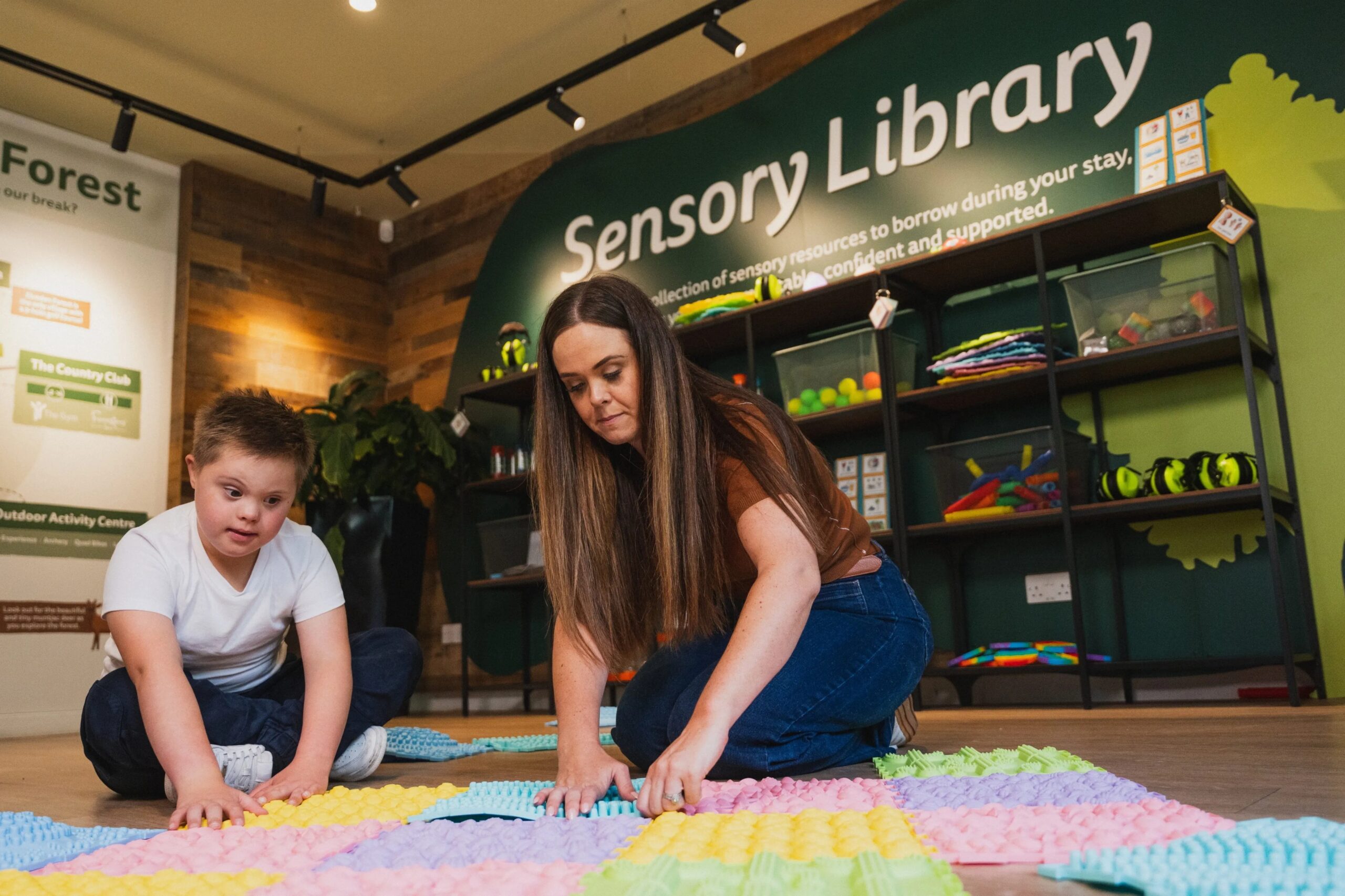
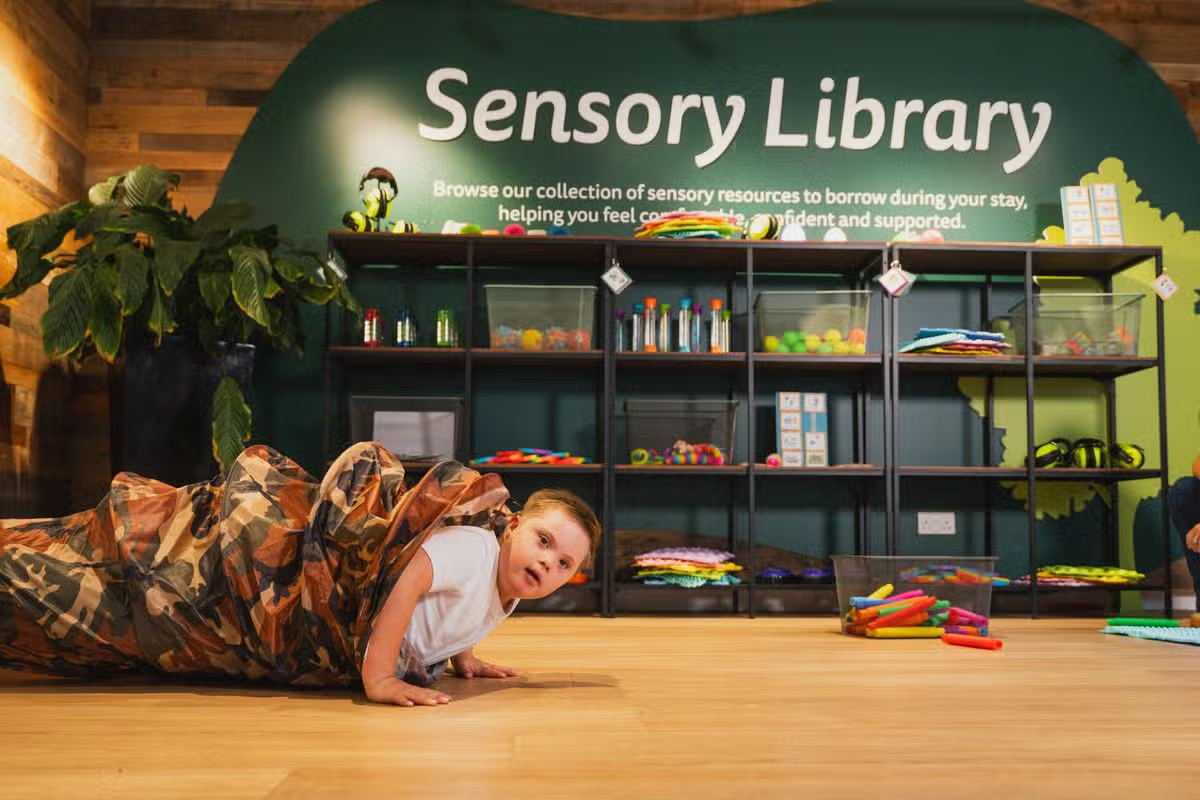
Collaborating with specialist SEN consultancy SENNIES, it has officially opened its sensory library at its Elveden Forest village, where families will be allowed to borrow items for free during their stay.
Center Parcs has become the first holiday operator to begin the roll out of new sensory librariesCredit: SWNSCollaborating with specialist SEN consultancy SENNIES, it has officially opened its sensory library at its Elveden Forest villageCredit: SWNS
Products such as noise-reducing ear defenders, wipe-clean boards, calming lights, fidget toys, feelings wheels, visual timers and pop tubes will be available for families to choose from.
The short break provider plans to roll out libraries at all of its villages by 2028.
Sign up for the Travel newsletter
Thank you!
It follows research of 500 parents and legal guardians of neurodivergent children and those with additional needs, which revealed 80 per cent take a destination’s ability to meet their child’s individual needs into account when deciding where to go.
A further 80 per cent said busy or crowded environments can be challenging for their child, with 75 per cent sometimes avoiding activities or facilities entirely because they prove overwhelming.
Georgia Sargeant, CEO and founder at SENNIES, speaking in partnership with Center Parcs, said: “No two neurodivergent children are the same, so there is no single adjustment that works for every family.
“What matters is choice, a considered range of options from sensory resources and communication aids through to support for self-regulation and co-regulation, so a family can pick what works for their child that day.
“This library turns families’ feedback into practical support and shows how holiday providers can respond meaningfully to changing needs.”
The decision to launch the library comes as 44 per cent of parents polled said many holiday providers don’t offer adequate provisions for their children.
With 70 per cent agreeing further support is needed for neurodivergent children and kids with additional needs.
It emerged 72 per cent of mums and dads bring sensory equipment or comfort items from home on every or most trips.
And 68 per cent said access to sensory and accessibility aids at their destination would improve the holiday experience for their child.
While a further 68 per cent also said if they could obtain a variety of sensory items to loan for the duration of their getaway, it would help their family feel more supported.
Department for Education figures show more than 1.8 million pupils in England now have special educational needs – this is an increase of 5.2 per cent in a year.
And it has seen NHS assessment waitlists reach more than 240,000.
While the Children’s Commissioner’s latest annual briefing found children’s referrals, involving suspected autism, rose 47 per cent in a single year.
And neurodevelopmental referrals increased by 24 per cent.
Richie Williams, village director at Center Parcs Elveden Forest, said: “The number of families looking for more thoughtful, practical support is growing.
“This pilot is the beginning of a journey, and we will listen closely to families using it and learn from their feedback as we consider what comes next and a future rollout to other villages.”
The family holiday park has become the first holiday operator to begin rolling out sensory libraries across all of its villages, offering free-to-borrow sensory aids for families with neurodivergent children
Elveden Forest is the first of the Center Parcs villages to have a sensory library(Image: Cameron Fillery)
Center Parcs has become the first holiday operator to begin the roll out of newsensory libraries across all of its villages, catering for families with neurodivergent children.
Working alongside specialist SEN consultancy SENNIES, the family resort has officially unveiled its sensory library at its Elveden Forest village, where families can borrow items free of charge during their stay. The short break provider intends to roll out the libraries across all of its villages by 2028.
Items such as noise-reducing ear defenders, wipe-clean boards, calming lights, fidget toys, feelings wheels, visual timers and pop tubes will be on offer for families to select from.
Georgia Sargeant, CEO and founder at SENNIES, speaking in partnership with Center Parcs, said: “No two neurodivergent children are the same, so there is no single adjustment that works for every family.
“What matters is choice, a considered range of options from sensory resources and communication aids through to support for self-regulation and co-regulation, so a family can pick what works for their child that day.
“This library turns families’ feedback into practical support and shows how holiday providers can respond meaningfully to changing needs.”
The decision to launch the library follows a survey of 500 parents and legal guardians of neurodivergent children and those with additional needs, which found that 44% believe many holiday providers fail to offer sufficient provisions for their children.
For 80%, busy or crowded environments can prove challenging for their child, while 75% sometimes avoid activities or facilities altogether because they are overwhelming.
Almost two thirds (68%) said that access to sensory and accessibility aids at their chosen destination would enhance the holiday experience for their child.
Similarly, 68% also indicated that if they could borrow sensory items for the duration of their break, it would help their family feel more supported. Currently, 72% of parents bring sensory equipment or comfort items from home on every or most trips.
Department for Education figures reveal that more than 1.8 million pupils in England now have special educational needs – an increase of 5.2% in a year. This has resulted in NHS assessment waiting lists reaching more than 240,000.
Meanwhile, the Children’s Commissioner’s latest annual briefing discovered that children’s referrals involving suspected autism rose 47% in a single year, while neurodevelopmental referrals increased by 24%.
Richie Williams, village director at Center Parcs Elveden Forest, said: “The number of families looking for more thoughtful, practical support is growing.
“This pilot is the beginning of a journey, and we will listen closely to families using it and learn from their feedback as we consider what comes next and a future rollout to other villages.”
WHAT’S better than an annual trip to the theme park? Several trips, of course.
If your family is a big fan of rollercoasters, there are some brilliant value annual passes for parks across the UK that offer HUGE savings for repeat trips.
The UK is home to loads of theme parks and family attractions – most of which have great annual pass offersCredit: Alamy
But which one should you go for? Instead of having to research them all yourself, we have gathered the annual pass prices for the most popular theme parks in the UK.
So here’s all the attraction passes you could get, and how many times you’d need to return to your favourite attractions to get your money’s worth.
Merlin Annual Pass
Starting off with probably the most famous annual pass in the UK, the Merlin Annual Pass gets you access to more than 20 attractions.
These include Alton Towers, Thorpe Park and Legoland Windsor, Cadbury World, Windsor Castle, Legoland Discovery Centres and much more.
An essential pass costs from £139 per year and allows members 339 days of access to Merlin’s top attractions.
For £239, you can get a Gold pass which also gets you free parking and 20 per cent off shopping and dining.
The Platinum Pass is then £299 per year, giving you all that plus four free bring a friend passes each year, one free fast track per visit and free Coke Freestyle cup & refills.
Tickets for Alton Towers alone start from £32 per person when booked in advance online, while Warwick Castle tickets cost from £25.38 online, so if you’re planning on doing several Merlin attractions each year there are big savings to be had.
To make the most of the £139 annual pass, you’d need to go to just four or five attractions across the entire year.
For example, if you booked Alton Towers (£32), Warwick Castle (£25.38), Thorpe Park (£32), Cadbury World (£18) and Legoland Windsor (£32) once each across the year, you’d make up the price of the pass.
Alton Towers
Alton Towers is the UK’s largest theme park and offers a whole host of exciting rides
You can stay onsite at the main Alton Towers Hotel, the CBeebies Land Hotel, Splash Landings Hotel, themed Woodland Lodges or at Stargazing Pods.
An annual pass costs £64, while day tickets start from £32 per person when booked in advance online,
You’d need to visit just twice across the year to get your money’s worth.
Thorpe Park
At Thorpe Park, you can head on the UK’s tallest and fastest rollercoasterCredit: Alamy
Surrey’s Thorpe Park is often considered the UK’s main thrill-seeker theme park.
The theme park itself sits on an island and has a number of record-breaking rides.
For example, you can head on Hyperia, which is the UK’s tallest and fastest rollercoaster, and in the autumn, the theme park is well-known for its Fright Nights.
The Thorpe Park Annual Pass costs £64 per person and allows you access to the park across 189 days over 12 months, as well as access to the Fright Nights.
Thorpe Park one-day tickets start at £32 per person when booked in advance online
Passes are only required for guests over 1.2metres tall.
Again, you’d need to visit just twice across the year to make the pass worthwhile.
Legoland
Legoland is the perfect family day out with younger kidsCredit: Supplied
Legoland Windsor is aimed at families with kids aged between two and 12 years old.
You’ll find miniature worlds made out of bricks and family-friendly coasters, plus plenty of Lego building opportunities.
The Legoland Annual Pass costs £64 per person and allows you access to the park across 236 days, over 12 months. Day tickets start from around £34 when booked online.
Passes are only required for guests 90cm and over, and after two visits you’d have made your money back.
Crealy
At Crealy, you can go on more than 60 rides and attractionsCredit: Alamy
Crealy theme park in Devon has a number of different annual passes.
The theme park is the largest in Devon with more than 60 rides and attractions including rollercoasters.
The cheapest is £99 per person, per year – which you can pay in one go or you can pay a £30 deposit, then £6.90 a month on direct debit for an annual pass (costing £112.80 total).
This annual pass gets you unlimited entry to the theme park, a 10 per cent discount across food and drink as well as in the shops and exclusive viewings of Crealy events.
The next level up is the Gold Pass at £120, which gets the same perks but you will get 15 per cent off food and drink, 30 per cent of entry for family or friends and 20 per cent off glamping and camping breaks at the park.
Get a Platinum Pass for £170 and you’ll get 20 per cent off food and drink, 50 per cent off entry for family and friends, 50 per cent off glamping and camping stay and even a free two-night camping break.
One-day tickets for Crealy Theme Park & Resort cost around £24 per person when you book online.
You’d therefore need to visit five times at least across the year to make the pass worthwhile.
Woodlands
Woodlands in Devon has a giant soft plat insideCredit: Alamy
Woodlands Theme Park, also in Devon, is home to massive indoor play areas including soft play, water coasters and a toboggan run.
There’s also a number of barns with farm animals in.
The annual pass, costing £110 per person over 1.1 metres and £86 for those under that height, includes unlimited free access to Woodlands Family Theme Park with outdoor rides, indoor soft play, an eight-acre zoo farm, and falconry.
You’ll also get 15 per cent off at the gift shop, 10 per cent off food and drink and 20 per cent off camping stays.
One-day tickets cost £29.75 for adults and kids over 110cm, and £21.95 for kids.
As an adult, you’d need to visit four times across the year to make the pass worthwhile, and the same amount of visits to make the kids pass worthwhile.
Drayton Manor
At Drayton Manor, you can head to a Viking-themed areaCredit: Alamy
Drayton Manor in Staffordshire is ideal for families with kids aged four to 12.
The rides are tamer, with a Thomas Land including Thomas the Tank Engine himself and a Viking-themed area with spinning and rocking rides like the Thor Zampa Disco.
Drayton Manor has three different passes.
The cheapest is the Silver Annual Pass, which costs £75 per person (£45 per child aged two to three-years old) or you can pay for annual pass monthly, costing £35 for the first month then £5 a month for 11 months (£90 total).
This pass gets you unlimited visits to the park, 10 per cent off food and drink as well as the shop, freemini golf, 10 per cent off hotel bed and breakfast, 20 tickets for £20 for family and friends and discounts on photos.
The £99 annual pass (£65 per child aged two to three-years old) gets you all of the above, but discounts are 20 per cent on food and drink and the shop.
And last but not least is the ultimate pass costing £249 per person over the age of three (under this age no pass is needed).
With this pass you get all of the above, but also unlimited visits to West Midlands Safari Park and Waterworld, as well as discounts at each of those attractions.
Drayton Manor one-day tickets start at £25.80 for visitors aged 12 and over, and £14 for children aged 2 to 12 when booked online.
You’d need to visit three times across the year to make the annual pass worthwhile (four times for under three-year-olds).
The Big Sheep
The Big Sheep in North Devon is home to farm experiences as well as ridesCredit: Alamy
The Big Sheep in North Devon has farm experiences as well as rides and live shows.
Season tickets for The Big Sheep cost £50 per person.
You then pay £1 each time you visit if you book online, or £2 at the door.
The pass includes a member’s day where you can bring a guest for free, discounts on events, a 10 per cent discount on food and drink, as well as a 10 per cent discount in the shop.
One-day tickets for the Big Sheep in North Devon start from £14.95 for adults and children over three feet tall when booked online.
You’d need to visit at least four times to make the annual pass worth it.
Gulliver’s World
Gulliver’s World has four sites across the UKCredit: Alamy
There are a number of Gulliver’s World theme parks across the UK including Warrington, Matlock Bath, Milton Keynes and near Sheffield.
Each park is slightly different, with themed zones and attractions aimed at kids under the age of 13.
The parks often host events too such as Fright Fiesta for Halloween and the winter Land of Lights lantern festival.
For £99, you can get a 12 month pass allowing unlimited entry to all Gulliver’s Theme Parks (Warrington, Matlock Bath, Milton Keynes & Rother Valley).
You’ll also get entry to Gulliver’s Dinosaur & Farm Park in Milton Keynes, plus discounts on short breaks.
One-day tickets for Gulliver’s World Theme Park Resort cost £28 when booked as an online advance ticket.
You’d need to visit four times across the year to make your money back on the pass.
Flamingo Land
Flamingo Land has a Peter Rabbit Adventure areaCredit: Alamy
Flamingo Land Resort in North Yorkshire spans across 375 acres and features a zoo as well as rides.
For example, there’s Velocity, the UK’s first motorbike launch coaster.
You can also head to a Peter Rabbit Adventure area, ideal for younger kids.
An annual pass costs £199 to Flamingo Land and gets you unlimited access year round to the theme park and zoo.
Flamingo Land one-day tickets start from £46 per person when booked in advance.
You’d need to visit five times to make your money back on the annual pass.
Pleasure Beach Resort
An annual pass to Pleasure Beach Resort in Blackpool gets you access to other destinations in EuropeCredit: Alamy
Pleasure Beach Resort in Blackpool sits right by the seafront and is more than 125 years old.
Inside the park, there are a range of attractions including thrill rollercoasters.
There’s also a Nickelodeon Land, which has themed rides including Wallace and Gromit Thrill-o-matic.
The Platinum Annual Pass at Blackpool Pleasure Beach costs £125 per person and gives you unlimited entry for a full year.
But what makes it even better is that, included in the price, you get free entry to seven theme parks across Europe, including Efteling, Europa Park, Liseberg, PortAventura World, Emerald Park, Tripsdrill and Isla Magica.
All you need to do is show the Pleasure Beach Resort Platinum Pass Card when you arrive.
You are allowed one free entry to each attraction per pass holder, per year.
Blackpool Pleasure Beach one-day tickets start from around £30 to £34 when booked in advance online.
You’d need to visit between four and five times to make your money back on the annual pass.
Paultons
Paultons Park is the official home of Peppa PigCredit: Alamy
Paultons Park in Hampshire is spread across 140 acres and is home to more than 70 rides and attractions, including the official home of Peppa Pig.
The theme park has a number of different annual passes, but the cheapest is the Essential Pass which costs £172.
With this pass you get unlimited off-peak visits over 12 months.
And at the end of the year, if you renew, it will set you back £153.
The Star Pass costs £225 and gets you unlimited off-peak visits including some weekends (renewal would cost £203.50).
The Premium Pass costs £290 and gets you unlimited access to the park at any time, as well as discounts on food and drink and in the shop (renewal would cost £262).
Paultons Park one-day tickets start from £46.75 per person when booked in advance, and kids under 1m are free, so paying visitors would need to go at least four times to make the annual pass worthwhile.
Pleasurewood Hills
Pleasurewood Hills in Suffolk boasts over 35 ridesCredit: Alamy
Pleasurewood Hills in Lowestoft, Suffolk, is home to more than 35 rides and attractions, as well as live shows.
The park’s main thrill ride is Wipeout, which boasts six inversions.
A Standard Season Pass for unlimited access all season, but with some blackout dates (dates where you cannot attend the park – usually during peak season) costs £79.
Alternatively, you can get a Premium Season Pass, which gets you unlimited visits all season as well as exclusive perks and discounts such as 50 per cent off entry for family and friends and free parking for £99.
One-day tickets for Pleasurewood Hills start from £16.41 per person when booked online.
You’d need to visit at least five times across the year to make the most of the £79 annual pass.
Chessington World of Adventures
Chessington World Of Adventures is only 12 miles from central LondonCredit: Alamy
Chessington World of Adventures, about 12 miles from central London, is home to more than 40 rides across a number of themed lands.
And next year, the park is set to open a new Minecraft World, which will be the world’s first Minecraft-themed land.
A Chessington Annual Pass allows visitors access to the park across 339 days, costing £64.
Passes are only needed for guests 90cm and over.
Chessington one-day tickets start from £32 online in advance.
Visit the park twice to make your money back on the annual pass.
Lightwater Valley
In North Yorkshire, Lightwater Valley Family Adventure Park is ideal for younger childrenCredit: Alamy
Lightwater Valley Family Adventure Park in North Yorkshire is ideal for families with younger children, with safari-styled areas, pirate-themed rides and classic fairground favourites.
A seasonal pass costs £89 and includes unlimited entry throughout the park’s open days, including special events and Bank Holidays.
One-day tickets for Lightwater Valley Family Adventure Park cost between £22.00 and £27.00 when booked online.
You’d need to visit between four and five times across the year to make the pass worth it.
M&D’s
M&D’s is Scotland’s largest theme parkCredit: Alamy
The park has more than 40 rides and attractions to explore, including rollercoasters and children’s adventures such as a sky trail and Scotland’s only indoor tropical rainforest.
A season pass to the theme park costs £75 and allows you unlimited access to the park when it is open.
You will also get other offers like discounts on food and drink and a day where you can bring a friend for free.
M&D’s Scotland’s Theme Park offers free entry with ride all day wristbands costing from £20.13.
The families of eight Ecuadorian fishermen who vanished at sea after reporting US surveillance are demanding answers. They believe the men could be victims of a US drone strike or detention.
The Channel 4 hit show returned to our TV screens on Friday (4 September) night, as the sofa watchers shared their hilarious reaction on the best and worst of this week’s TV. Long-running favourites Jenny and Lee, Pete and Sophie, Ellie and Izzi and the Malone family were all back as they welcomed viewers into living rooms yet again.
This time, they weren’t alone as fans of the BAFTA-winning series welcomed the show’s first cast member with Down’s syndrome as two new families joined the hit programme.
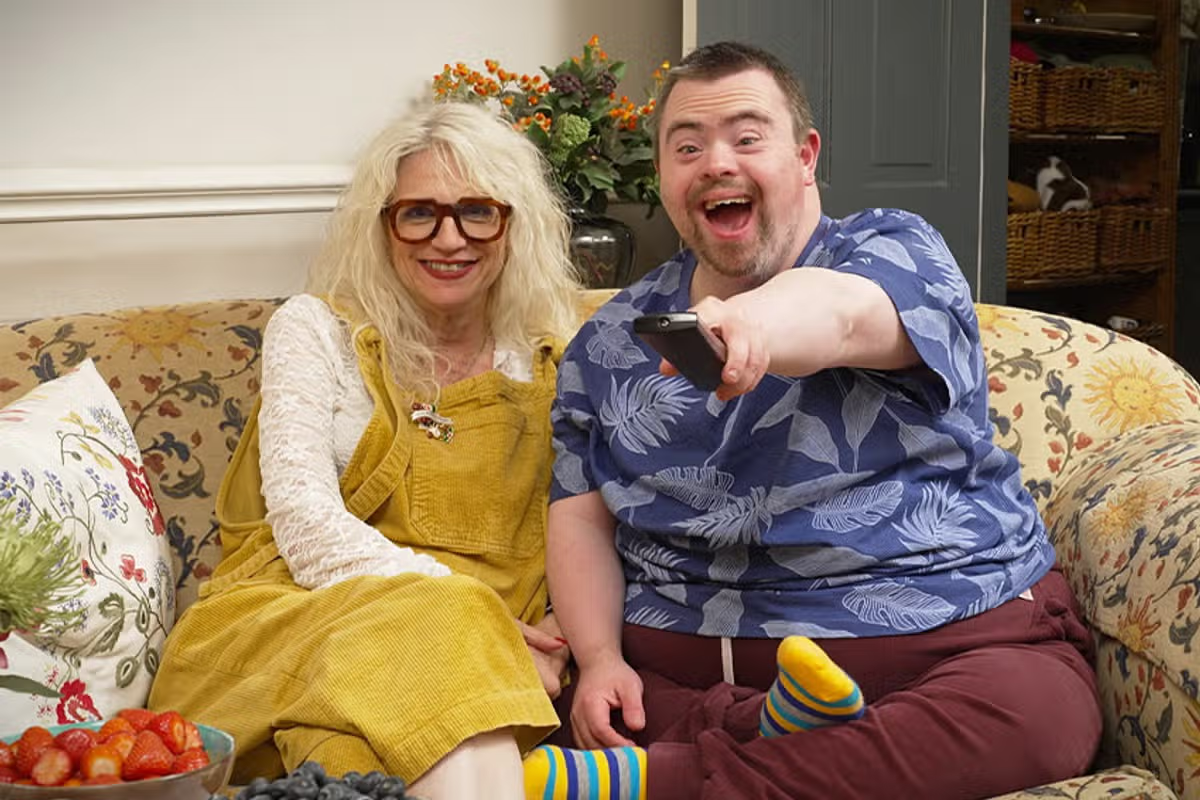
The newest additions include Newcastle brothers Steve and Mark, as well as Sandy and her TV fanatic son Max, who is the first person with Down’s syndrome to feature on the show. Opening up about joining the show, Max joked: “I’m much funnier than my mum, so that’s good.”
“I’m all about spreading the love and showing other learning-disabled people what we can achieve. And my mum is my greatest supporter,” he added.
Sandy called joining Gogglebox “total magic”, sharing: “To have people see the superstar, who is my son, and realise that a person with a learning disability can be smart, opinionated and hilarious is very important for me. My greatest joy is being his mum.”
Speaking about signing-up for the series Max further shared: “Friday nights with Gogglebox and wine has been a tradition in our house for years. It’s one of my favourite shows ever.
“So, it’s surreal that we’re going to be part of it, and it’ll be such a laugh doing this with my brother. He’s super funny and it’s a great excuse to hang out.”
Viewers watching at home have wasted no time sharing their reaction on social media to the newcomers and it’s clear they can’t get enough of mother and son duo, Max and Sandy.
One viewer wrote: “Go Max and Sandy! Lovely friends of mine, knocking it out of the #Gogglebox park.”
Another commented: “Really like Max #gogglebox.” A third said: “This was the first time I’ve ever instantly loved a new family on #gogglebox smiled from ear to ear with Max. How lovely. Not sure on the other new additions yet.”
Another said: “#gogglebox Loving Max and his mum! Brilliant!” Another fan commented: “Love Max and his mum. The new brothers are ok too. #gogglebox.”
One wrote: “Absolutely L-O-V-E Sandy and Max #Gogglebox.” Meanwhile another fan added: “Max and his mum are a good addition. They make me laugh in a good way.”
Families in Nepal hold symbolic funerals as rescuers search for survivors and bodies. At least 1,100 people have died and more than 3,900 are missing, including hundreds of workers in hydropower tunnels. Aid is arriving as rebuilding costs could reach $5 billion.
FIVE fantastic Spanish holiday resorts have topped a list of our favourite holiday destinations this summer.
Online travel giant LoveHolidays studied the reviews from thousands of customers who have travelled since the schools broke up.
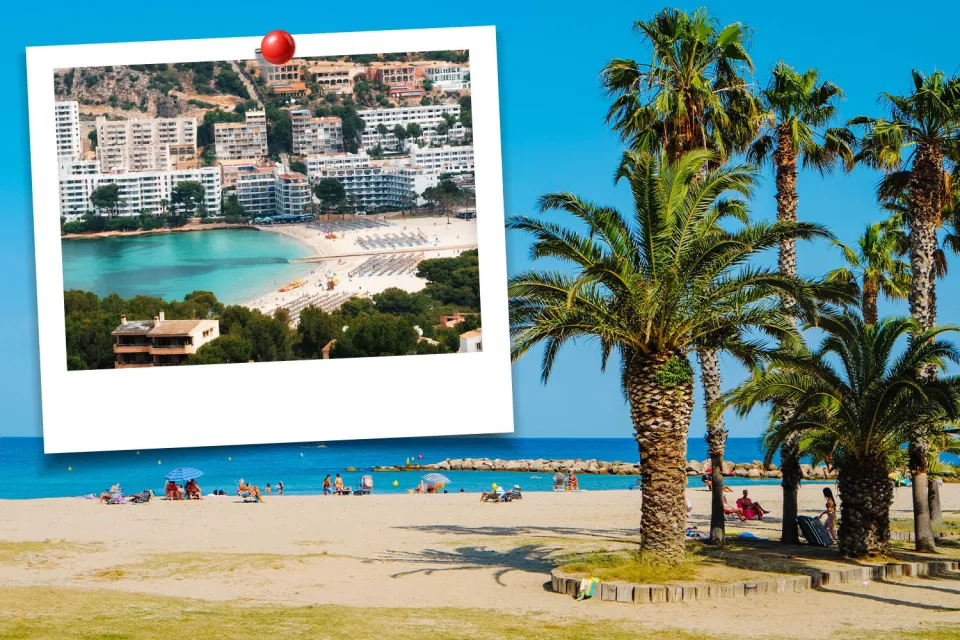
Cambrils in Costa Dorada came topCredit: AlamySanta Ponsa in MajorcaCredit: Getty
Families were asked to rate their hotels out of five across seven key criteria: holiday experience, location, service, value for money, cleanliness, facilities and food and drink.
“That’s why the customer reviews we’re now sharing on our hotel listings are so useful. They give people access to real-time feedback from other LoveHolidays travellers, making the all-important decisions of where to go and which hotel to pick that bit easier.”
Here, we’ve dug into the details as to why each destination scored so highly – and there’s a great deal for each one so you can try yourself this autumn.
Cambrils, Costa Dorada
This former fishing village has a strong reputation for seafood and Catalan cuisine so it’s no surprise it scored well for food and drink, earning an average of 4.53 from guests.
Families were also impressed with the location of hotels in the area, with a score of 4.76, and service, at 4.63.
Seven nights’ B&B at the 3* H10 Cambrils Playa is from £279pp including flights from Luton on October 17.
Santa Ponsa, Majorca
Families gave hotels in the town 4.51 and scored the destination high for holiday experience (4.61) and location (4.78) thanks to its sheltered bay, walkable seafront and easy access to Palma.
Seven nights’ self-catering at the 3* Residence Mallorca Portofino by Pierre et Vacances is from £179pp including Stansted flights on October 15.
Puerto del Carmen, Lanzarote
The resort’s mix of beaches, marina and seafront restaurants scored highly at 4.41 with hotels in the town rated well on location (4.56), holiday experience (4.53) and service (4.51).
Seven nights’ self-catering at the 3* Hyde Park Lane is from £219pp including flights from Southend on December 2.
Puerto Rico, Gran Canaria
With an overall score of 4.40, hotels here stood out for food and drink, earning the highest score at 4.75, reflecting its growing reputation for quality dining.
Seven nights’ self-catering at the 3* Holiday Club Puerto Calma is from £189pp including Stansted flights on September 16.
Fuengirola, Costa del Sol
Fuengirola scored 4.34 and hotels were rated well across the board, with strong numbers for holiday experience (4.34), cleanliness (4.60) and location (4.46).
Seven nights’ room-only at the 3* Ilunion Miramar is from £179p including flights from Luton on October 27.
Prices may not include luggage or transfers. See loveholidays.com.
At a Kathmandu hospital, families peer at lists of those who are critical, dead — or have been released.
Published On 28 Aug 202628 Aug 2026
Kathmandu/Nuwakot/Trishuli, Nepal – Loknath Chaulagain is looking for his 23-year-old nephew Sudarshan at Tribhuvan University Teaching Hospital in Kathmandu, Nepal’s capital.
A bus conductor, Sudarshan was waiting at the checkpoint in Timure, a town bordering Tibet, when the flash flood that devastated parts of Nepal and Tibet struck on Wednesday. His family says a phone call went through to his number at 9:54am local time – after the flash flood struck the border region – but Sudarshan did not pick up the call. Since then, his phone has been unreachable.
The family has been searching for him – near where the floods struck, and now in Kathmandu’s hospitals, where some survivors have been brought. But so far, they’ve had no luck.
They’re not alone. Thousands of families in Nepal are still stranded in the no-man’s land between hope and fear: hopes of an impossible miracle and worst fears of losing someone they love.
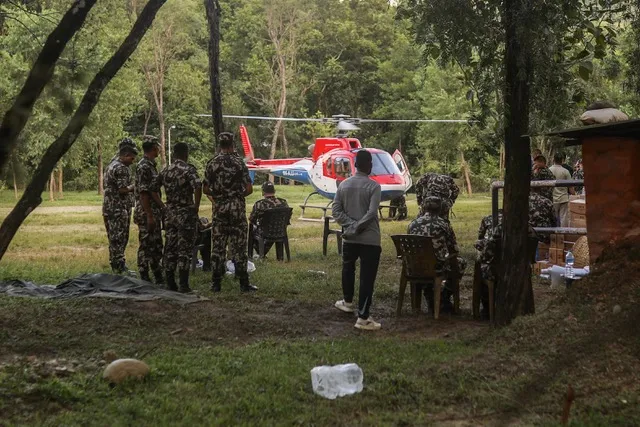
An army camp in Nuwakut, Nepal, where helicopters are being used for rescue efforts [Mohammad Meherban/Al Jazeera]
Two days after the flash flood swept away much of what lay in its path along the Bhotekoshi River in the northern Himalayan region bordering Tibet, the full scale of devastation is yet to be ascertained in Nepal. The death toll is on the rise, with nearly 500 bodies recovered. The missing toll is well over 1,000 and is expected to rise further.
The wall of water with ice and mud that surged downstream with fury on August 26 caused maximum damage to Timure, Rasuwagadhi and Syabrubesi in the higher Rasuwa region nearer to Tibetan border checkpoints.
Downstream, it washed away buildings, electric poles, bridges, markets, homes and vehicles that stood in its path in Trishuli and Nuwakot regions.
The usually buzzing Trishuli market is today covered in mud, sludge and debris. Locals, including many Indians who have made the area their home for many years, beg and plead with relief workers to take them to their destroyed homes in earthmovers to retrieve whatever may be left of their belongings.
Trishuli market, covered in sludge, in Trishuli, Nepal [Mohammad Meherban/Al Jazeera]
Helicopters whirred nonstop on Wednesday and Thursday in these areas, trying to rescue those trapped under the rubble or washed away and stranded in dangerous situations. Those rescued with lighter injuries are being treated at the army camp helipad medical unit, while those with grievous injuries are being airlifted to bigger facilities in Kathmandu.
At the Tribhuvan University Teaching Hospital, people come by and plaster posters on walls with photographs and contact details of missing friends and family. Other hospital pillars bear lists of those who have been admitted or are in critical condition – or those who have been killed: five-year-old Ishara Tamang in paediatric surgery; 30-year-old Tej Bhadur Tamang in the ICU; 25-year-old male Kusal Magar, listed as dead. Multiple pairs of concerned eyes gaze intensely at these lists, hoping to find their loved ones there.
Among them is Sohan, a young man who does not want to speak to journalists on camera. He is searching for his 42-year-old father, Gyan Bahadur Rana Magar. “Three days on, we are searching and still trying to find him,” he says. His father went with Indian tourists as a guide to Rasuwa, the border district with Tibet that is one of the worst affected.
When the lists on pillars offer no answers, people searching for their loved ones head to the mortuary where photographs of some of the recovered bodies have been glued to the gates. Many bodies were found dismembered; some were missing limbs. When someone finds a hint of familiarity, they inform security officials, who let them in after some identification check to take a look at the body.
Dressed in a red saree and blouse, and wearing a red pothe necklace – a traditional glass-bead necklace worn by married women in Nepal – Lal Kumari is desperately looking for her husband, Arjun Shreshtha. A tourist van driver in his late 40s, he was swept away by the flood in Rasuwa district. Kumari has three children, including a married daughter and a grandchild, and her only question is: Could her husband, miraculously, still be alive?
Lal Kumari, one of thousands still searching for loved ones, is looking for her husband, Arjun Shreshtha, a tourist van driver missing since the floods [Mohammad Meherban/Al Jazeera]










![Trishuli market, covered in sludge, in Trishuli, Nepal [Mohammad Meherban/Al Jazeera]](https://i0.wp.com/www.aljazeera.com/wp-content/uploads/2026/08/Trishuli-market-1787926143.jpeg?w=640&ssl=1)
