expected

‘We’re cycling around the world – one country wasn’t what we expected at all’

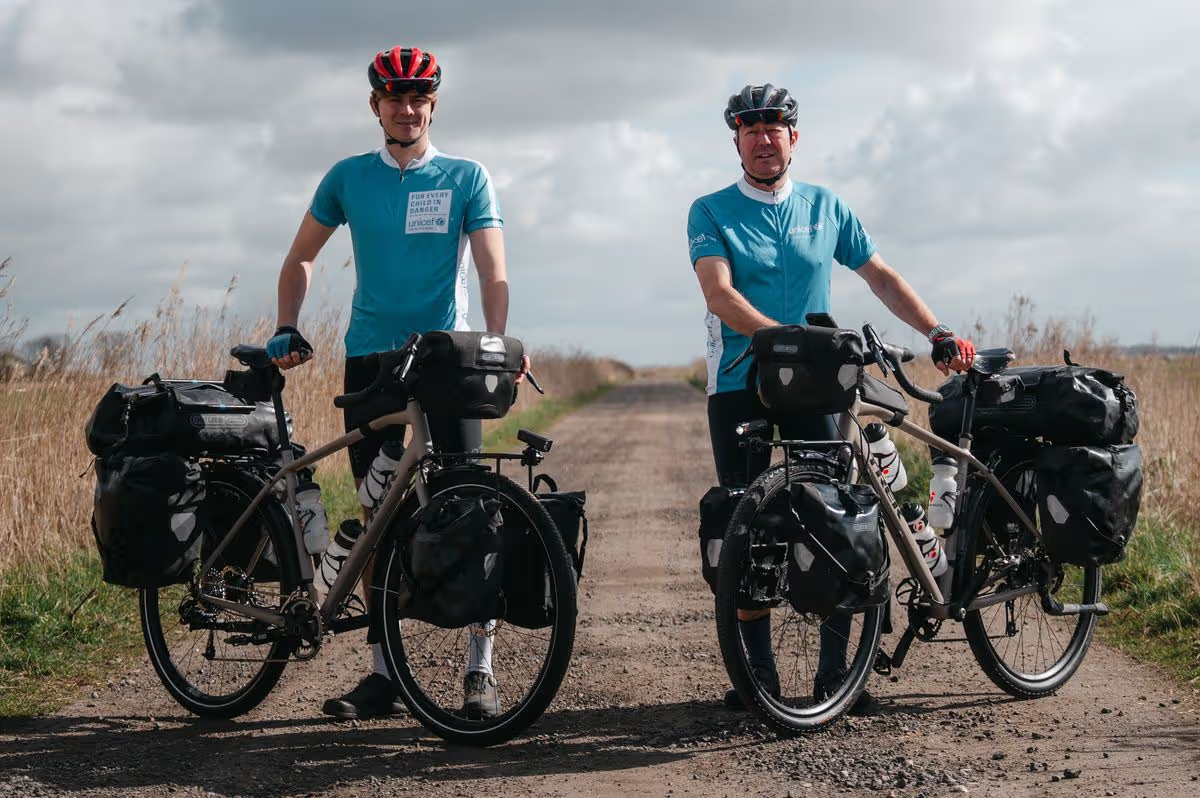
It’s not every day you get to cycle around the world with your family, but for father and son, George and Josh Kohler, that’s exactly what they’ve been doing for more than a year

A father and son are cycling around the planet for 400 days, travelling through more than 25 countries, and amid the gruelling hill climbs, there’s one destination that stands out from them all.

George, 57, and his son, Josh Kohler, 23, from Norfolk, have been cycling around the world on an epic adventure for over a year. In their mission to ‘Pedal the Planet’, the father-and-son duo have visited some of the most spectacular destinations around the globe and cycled through more than 25 countries, with diverse landscapes of barren deserts to rugged mountains and terraced rice fields.

Since the pair set off from their hometown of Norfolk on 29 March last year, they’ve clocked up thousands of miles, which is expected to reach 30,000 kilometres by the end, and have raised more than £30,000 for charity. By the time they finish their remarkable journey next month, George and Josh will have spent almost 400 days cycling around the world, and ascended a whopping 180,000 metres – the equivalent of 20 Mount Everests!

READ MORE: ‘I made new life for myself in Spain but there’s 1 thing you aren’t warned about’READ MORE: Fairytale Cotswolds village with charming cottages is regularly named one of UK’s best

They’re currently on track to secure three Guinness World Records titles: ‘Fastest father and son to circumnavigate the world on bicycles’, ‘Furthest distance cycled by a father and son’, and ‘Most countries cycled through by a father and son’. As they near the end of their extraordinary journey, with just weeks to go, George and Josh spoke exclusively to The Mirror, having just finished their South America leg.

While taking a break from cycling in Rio, George, who has his own chimney-sweeping business, said: “There’s been so much we’ve been through, in terms of hardship, challenge, pressure and times when we’ve been pretty much on our knees with things that have happened over the course of the journey.

“But on the flip side, we’ve recovered from that every time, we’ve helped each other through it and the highs that have come from it… the mutual support and respect we have for each other. The amazing people we’ve met, the incredible journey we’ve gone through, the fantastic scenery, and the whole thing has been so awesome to be a part of, and the realisation that it is coming to an end, it’s quite daunting.”

Some of their notable highlights while pedalling around the world for around 7-8 hours a day include crossing the remote Nullarbor Plain in Australia and visiting Iguazu Falls in South America to admire more than 200 waterfalls. One day, they also woke up in Cappadocia, Turkey, to hundreds of hot-air balloons drifting overhead. Yet, there was one destination they hailed as their favourite, and it was far from what they had expected.

The father-and-son duo quickly agreed that China has been by far the best destination they had visited during their lengthy expedition. “We didn’t want to leave,” Josh, a videographer and content creator, explained. “We spent two months cycling through there. We arrived with no expectations, but when we got there, it was completely different to what we had expected. It was incredible. Every day, there was so much going on, so much to see. It’s a completely different culture, the food and scenery was incredible, and the people were really friendly.”

George added: “Little snippets from China include being able to walk on the western side of the Great Wall in this incredible scenery, to witnessing the Hani rice terraces, the largest in the world – it was like overlooking the Grand Canyon but made of rice, it was just insane.”

However, their quest around the globe has been far from straightforward, with the pair battling punishing headwinds, scorching desert heat, gruelling mountain passes and isolated roads along the way. And when it comes down to the country that has been the biggest challenge, they both quickly agreed it was Brazil due to its “very hilly” terrain.

Although Josh added: “South America as a whole, they don’t have a cycling culture or infrastructure, so there’s no back road or anything, so we’re on the highway, and especially in Argentina, there’s no hard shoulder, so we’re on the same lane as the trucks. Mentally, we were always having to be aware of what was going on around us, and going off the road when a truck was coming was quite draining. And then it was around 35 to 40 degrees during the day, it was hot, and very remote.”

George added that Australia was “up there” with the most taxing parts, due to the “size of the country”. He explained: “Until you’ve experienced it, it’s just a figure on a map, but going through a 12,00km stretch of treeless desert with maybe half a dozen or so road houses on the way and beyond that is nothing, absolutely nothing. And it’s hot, it’s dusty, and just goes on forever.”

Now, Josh and George have just a few weeks left in their whopping journey around the world and hope to break three Guinness World Records, which will be revealed only once they’ve officially completed their 400-day venture. The last leg saw them fly from Rio to Lisbon on Monday, 6 April, and they are now pedalling through Portugal, Spain, and France for around three weeks, before returning to their hometown of Norfolk on 2 May.

With the end in sight, it’s a bittersweet moment for the duo as they reflect on their epic adventure together, and both confess to feeling “emotional”. “This has been our way of life for the last year, and there will be a lot of changes happening,” Josh said.

Reflecting on how it’s impacted their relationship, Josh added: “We always knew as a whole, this journey was going to be a physical and mental challenge, but I don’t think we were prepared for the emotional challenge that comes with this, especially as father and son.

“Spending this much time with anyone, you’re going to clash, but especially when it’s your dad. You do get on each other’s nerves every now and then, but it’s learning our boundaries and how we make it work in the best way possible for our relationship. How that’s evolved has definitely been a challenge, but the results have been amazing. The bonds we’ve formed and strengthened have just made this whole thing incredible.”

Aside from creating unforgettable memories together, Josh and George have raised more than £30,000 for UNICEF. They’ve also raised money for Bicycle Links, a bike company in Norwich that supports “people with the provision of refurbished bikes where they can’t otherwise afford them, and who also provide mental health support for people through their workshops.”

You can follow more of their journey on their social media accounts @joshpkohler and @georgemkohler, or donate to their JustGiving page.

Do you have a travel story to share? Email webtravel@reachplc.com
Source link

‘Harry Potter’ show has serious security, expected racist backlash

The “Harry Potter” team did not need a divination expert to know its cast would encounter some “unpleasant and aggressive behavior.”

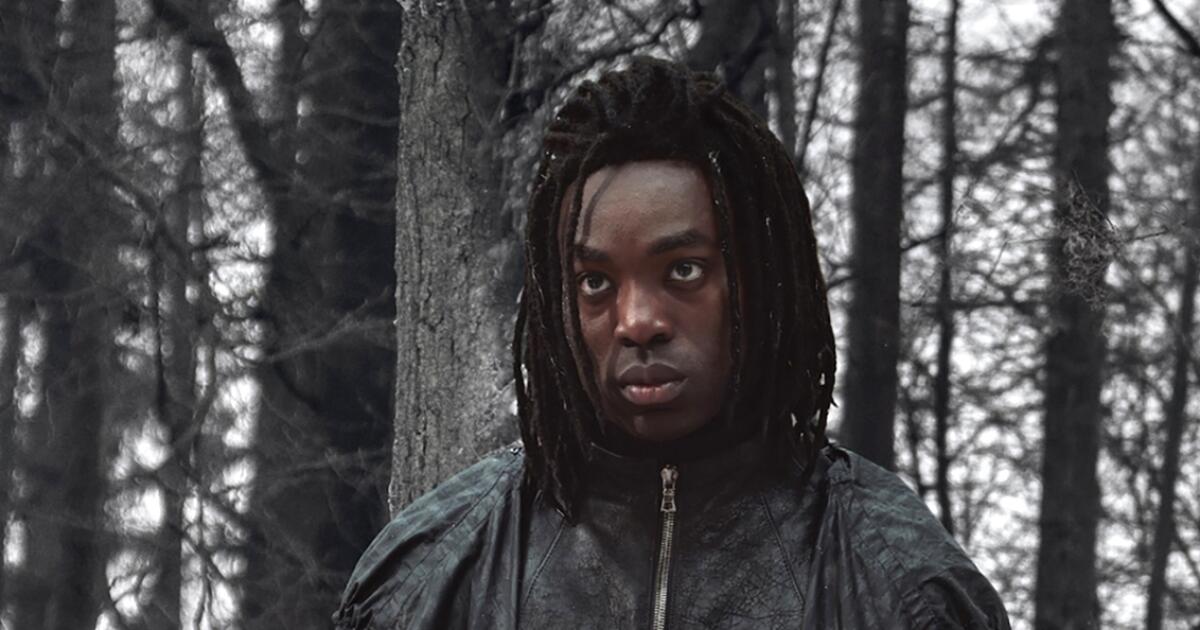
HBO boss Casey Bloys told multiple outlets this week that the network had taken precautions anticipating the vitriol the “Harry Potter and the Philosopher’s Stone” actors would face. Ghanian-English actor Paapa Essiedu recently spoke out about the racist abuse and death threats he has received since the announcement that he had been cast as potions professor Severus Snape.

“With all actors on any kind of big IP shows — and this is obviously one of those where you’ve got, you know, passionate fans, people with a lot of opinions — it can get scary in places,” Bloys told Variety in an interview published Tuesday. “So for any show like that, we anticipated it and tried to have training, you know, best practices in terms of social media and how to handle it. And obviously we’ve got a serious security team.”

Essiedu, who is portraying the enigmatic but ultimately heroic Hogwarts professor first brought to life by Alan Rickman in the original “Harry Potter” films, has opened up about the racist abuse he has received from those who believe a Black man should not be playing the fictional wizard.

“I’ve been told, ‘Quit or I’ll murder you,’” he said in an interview with the Times of London. “The reality is that if I look at Instagram, I will see somebody saying, ‘I’m going to come to your house and kill you.’”

“[N]obody should have to encounter this for doing their job … And I’d be lying if I said it doesn’t affect me emotionally,” Essiedu added.

This is not the first time that fans of J.K. Rowling’s Wizarding World novels expressed outrage over the casting of a Black actor in an adaptation. There was a similar outcry in 2016 when Noma Dumezweni was cast to play Hermione Granger in the original London production of “Harry Potter and the Cursed Child.”

It’s also not a situation unique to “Harry Potter.” Racist vitriol has been hurled toward actors in other genre franchises, including fantasy shows such as “House of the Dragon” and “The Lord of the Rings: The Rings of Power,” as well as those involved in “Star Wars” and the Marvel Cinematic Universe.

Bloys also told Deadline in an interview published Wednesday that they had “anticipated there would be a lot of interest in all of [the actors], and interest can tip over into more unpleasant and aggressive behavior.”

“We talked to them about what to expect, what to expect on social media and how we handle it, but any kind of security that’s needed is an unfortunate aspect of doing IP shows,” he said. “We just try to be mindful and monitor it.”

Essiedu also told the Times of London that “the [racist] abuse fuels” him.

“[It] makes me more passionate about making this character my own, because I think of how I felt as a kid,” he said. “I would imagine myself at Hogwarts on broomsticks, and the idea that a kid like me can see themselves represented in that world? That’s motivation to not be intimidated by someone saying they’d rather I died instead of doing work I’m going to be really proud of.”

Source link

More than 3,000 No Kings events expected across globe Saturday

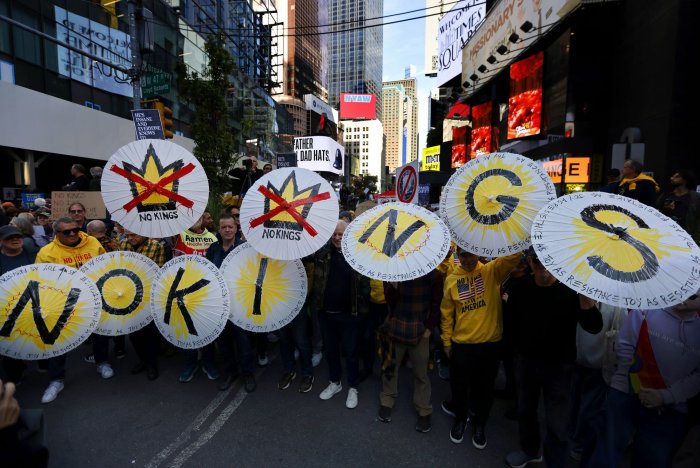
Thousands of protesters against the Trump administration policies rallied as part of the nationwide No Kings protest in front of City Hall in downtown Orlando, Fla., on October 18. No Kings organizers expect even more people to turn out for protests Saturday. File Photo by Chris Chew/UPI | License Photo

March 28 (UPI) — Thousands of cities across the United States — and internationally — were set to hold a series of so-called No Kings events Saturday to protest the President Donald Trump‘s policies.

The organization, which formed in response to the Trump presidency, said it expects Saturday to “be the biggest protest in U.S. history.” There are more than 3,000 demonstrations planned, including some in Canada, Mexico, Iceland, Kenya and Ecuador.

Saturday marks the third No Kings protest held since the start of Trump’s second term. More than 5 million people took part in the first protest on June 14, Trump’s birthday, and the second in October drew about 7 million people, The Hill reported.

Among the Trump actions the No Kings organization opposes are the increased immigration actions, what it describes as threats to “overtake elections,” and gutting the Affordable Care Act, environmental protections and education resources.

The group has also recently opposed Trump’s actions in Iran, launching attacks on the Gulf nation without congressional approval, a consequence of which has been skyrocketing oil prices, The Guardian reported.

“Find your local No Kings event to make it clear that America rejects the regime’s brutality at home and abroad,” the organization said on its website.

Protesters gather in Times Square for the “No Kings” demonstration and march down Seventh Avenue in New York City on October 18th, 2025. Photo by Peter Foley/UPI | License Photo

Source link

WNBA CBA expected to raise pay for other women’s sports leagues

After 17 months, the WNBA has agreed to terms on a new collective bargaining agreement and players will be paid more than in any other professional American women’s sports league.

It is the latest in a trend of increasing equity for women athletes.

  • In 2022, the U.S. women’s soccer team won a $24-million settlement with U.S. Soccer after players disputed making significantly less than the less successful men’s team.
  • Then the Professional Women’s Hockey League was born in 2023 following many players defecting from the National Women’s Hockey League to form the Professional Women’s Hockey Players Assn., then merging with the Premier Hockey Federation until a historic bargaining agreement.
  • The National Women’s Soccer League announced a new CBA in the summer of 2024 that included giving players agency on where they are traded and abolishing expansion and collegiate drafts.

That momentum put considerable pressure on WNBA negotiations. Could the players set a new benchmark for future contract negotiations across women’s pro sports leagues?

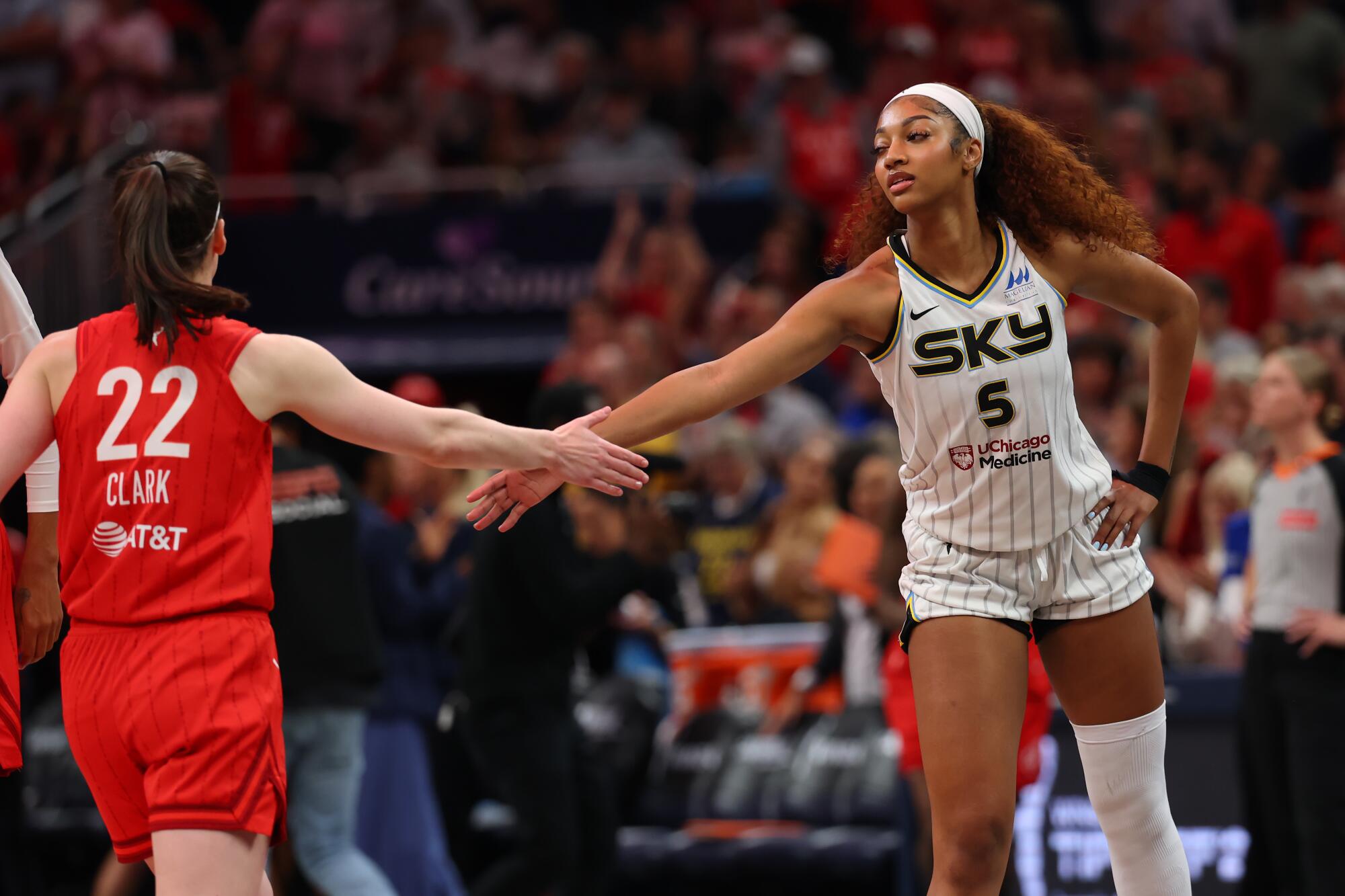
The Sky's Angel Reese and the Fever's Caitlin Clark shake hands before a game at Gainbridge Fieldhouse on May 17.

The Sky’s Angel Reese and the Fever’s Caitlin Clark shake hands before a game at Gainbridge Fieldhouse on May 17.

(Gregory Shamus / Getty Images)

The WNBA’s CBA was a flashpoint because of the boom in popularity in supporting women’s sports, with players such as Caitlin Clark and Angel Reese becoming household names. Last season, the WNBA made enough revenue to trigger revenue-sharing for the first time and this season marks the start the league’s new 11-year, $2.2-billion media rights deal.

Unlike in the NBA, where players get around 50% of the league’s revenue before expenses, the WNBA’s first revenue-sharing kicked in only after the league hit a benchmark determined by a formula of revenue targets, which had been difficult to achieve since the start of the deal was the 2020 COVID season played in front of empty stands.

The WNBA broke its single-season attendance record in 2025. As league interest grew, so did the tension between the league and the players’ union.

Many viewed this negotiating cycle as an opportunity to pounce on the increased visibility, and in a lot of ways, the union did. Players are going to be paid significantly more and they got a win in revenue sharing, earning 20% of the league’s revenue before expenses — a big jump from the previous 9% share.

The average player salary before revenue-share payments will be around $584,000.

But was it as much as they should have gotten?

Tamika Tremaglio, former NBPA executive director and advisor to the WNBPA during the 2020 CBA negotiations, said observers were less concerned about the start of training camps looming on April 19 and more focused on whether negotiations would end with a stable deal that would hold for the length of the agreement as market conditions evolve. Increased salaries are always celebrated, but both sides agreeing to a new revenue sharing model was a consequential step forward for players.

“The real story is the revenue share,” Tremaglio said. “At the end of the day, that’s what is going to drive the future.”

The fallout from the new deal will take months or years to fully understand. Free agents will be able to begin signing with teams in April, and since 80% of the players are eligible for free agency, there will be higher figures being floated around than ever.

A'ja Wilson and her Las Vegas Aces teammates celebrate while holding the 2025 WNBA championship trophy.

A’ja Wilson and her Las Vegas Aces teammates celebrate while holding the 2025 WNBA championship trophy.

(Chris Coduto / Getty Images)

That might affect what talent comes to the league, too.

“More European players might come into the league,” a WNBA team consultant not authorized to speak about the league publicly told The Times. “Now that the money is better, that might knock out several college players in the draft.”

There are some WNBA-level players who have stayed in Europe due to restrictive prioritization rules that force players to participate in all WNBA practices and games even if they conflicted with international league obligations. Many WNBA players compete in international leagues during the offseason and prefer the option to keep playing in lucrative foreign leagues if there is an overlap with the WNBA season.

While the new rules for international play in the WNBA CBA are not yet clear, compensation changes could open the door for more players to choose to prioritize the league.

The general consensus among people operating within the WNBA is relief that a deal is in place.

“It’s huge,” one player agent told The Times. “They made big strides. This is important for women’s basketball.

Sparks players Dearica Hamby, Rickea Jackson, Azura Stevens, Kelsey Plum and Julie Allemand talk during a game.

Sparks players Dearica Hamby, Rickea Jackson, Azura Stevens, Kelsey Plum and Julie Allemand talk during a game against the New York Liberty at Crypto.com Arena on Aug. 12.

(Katelyn Mulcahy / Getty Images)

“Anytime both sides don’t get everything they want,” the agent added, “that’s a good deal.”

That agent also noted that this CBA will set the precedent for the next negotiations to continue to raise the revenue-sharing if the league continues to make more money.

Under the new CBA, the 20% revenue-sharing is tied to the league’s gross revenue, a significantly different number than the net revenue, which is calculated after all expenses are taken into account. The players were fighting for a percentage of the gross revenue, even if it is a smaller percentage than the net revenue the league offered because it is guaranteed.

The NBA first reached 53% of gross revenue in their CBA in 1983 and has stayed around that number ever since.

“If it was net, you’d have all these other expenses and you sort of lose control of the actual expenses,” Tremaglio said. “You have no control from the perspective of where the players are. But now, you don’t even have to go look at the minutia of auditing every single expense line item. That’s what makes such a difference.”

More details around the CBA, including player housing, expansion draft format and roster spots, will become clearer as the deal reaches ratification.

For now, even if 20% revenue sharing is less than the 40% the players first proposed, the deal represents a significant, stable increase in player compensation.

“This will impact women’s sport globally, not just the game of basketball,” Tremaglio said. “This will impact everything, soccer, everything.”

Source link