Eurovision

Ireland’s national broadcaster will boycott 2027 Eurovision Song Contest over Israel’s participation

Ireland will boycott the Eurovision Song Contest for a second year over Israel’s participation, the country’s national broadcaster said Thursday.

RTÉ said it will not send an act to the 2027 competition in Bulgaria and will not broadcast the show because of the “appalling and ongoing loss of lives in Gaza and the humanitarian crisis there which continues to put the lives of so many civilians at risk.”

Ireland was one of five countries — along with the Netherlands, Iceland, Slovenia and Spain — to skip Eurovision this year to protest Israel’s inclusion in the pan-continental music contest.

Eurovision Director Martin Green said organizers regretted RTÉ’s decision but “fully respect” it.

“All broadcasters decide on an annual basis to participate in the following year’s contest. We will remain in dialogue with RTÉ and hope to welcome them back to the contest in the future,” Green said.

Dutch broadcaster AVROTROS announced last month it will also boycott next year, calling Eurovision a “platform for division.”

“AVROTROS will not participate in the Eurovision Song Contest in 2027 because the event can no longer be considered neutral, with a participating country still involved in a large-scale military conflict,” it said.

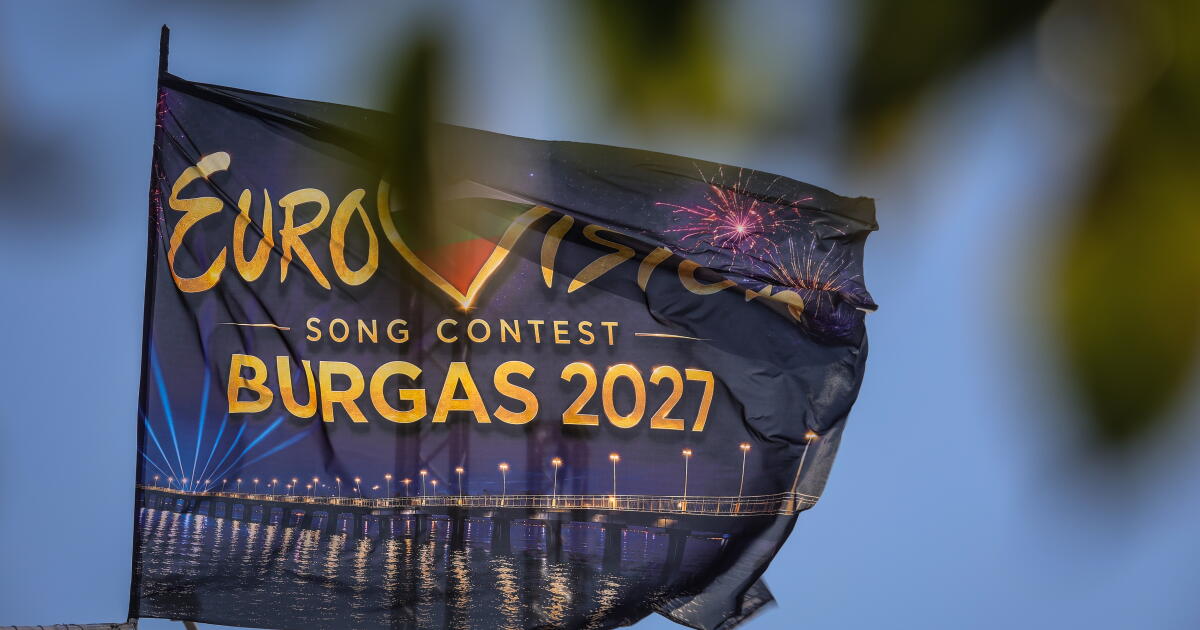
Next year’s competition is due to take place in Bulgaria’s Black Sea resort of Burgas in May, after Bulgarian singer Dara won the 2026 event with her infectious party anthem “Bangaranga.”

The contest was founded in 1956, in part to help unite a shattered continent after World War II. It pits acts from dozens of countries against one another for the continent’s musical crown.

Israel has taken part in Eurovision since 1973, one of a few non-European countries to compete. But calls for Israel to be kicked out have swelled over the conduct of Prime Minister Benjamin Netanyahu’s government in the Hamas-Israel war in Gaza.

The 2024 Eurovision contest in Malmo, Sweden, the 2025 in Basel, Switzerland and this year’s contest in Vienna saw pro-Palestinian protests and heightened security.

Source link

Ireland boycotts Eurovision for second year over Israel’s inclusion | Israel-Palestine conflict News

Public broadcaster RTE says the country’s participation cannot be justified amid ‘appalling and ongoing loss of lives in Gaza’.

Ireland has become the second country, after the Netherlands, to announce a boycott of next year’s Eurovision Song Contest over Israel’s participation.

Irish public broadcaster RTE said in a statement on Thursday that the country’s participation could not be justified “given the appalling and ongoing loss of lives in Gaza” and that the humanitarian crisis in the enclave “continues to put the lives of so many civilians at risk”.

Recommended Stories

list of 3 itemsend of list

RTE, which manages Ireland’s selection and participation in Eurovision, added that it remained “deeply concerned by the continued denial of independent access [for] international journalists to the territory”.

The decision marks the second consecutive year that Ireland will neither participate in nor broadcast the competition, which is the world’s most popular television music show.

Earlier this month, Eurovision organisers said they were excluding any country involved in an armed conflict from hosting the competition.

However, the Dutch public broadcaster Avrotros said the exclusion of countries in conflict was not “sufficient”.

Avrotros announced last month that it was withdrawing from the 2027 competition.

It said Eurovision could “no longer be considered neutral” given Israel’s participation in “a large-scale military conflict” in Gaza.

Both Ireland and the Netherlands were among five countries that withdrew from Eurovision 2026 in Vienna earlier this year. Spain, Slovenia and Iceland also decided not to participate.

Eurovision Director Martin Green said on Thurday that organisers “fully respect” Ireland’s decision and that they “will be missed”.

“The Eurovision Song Contest is at its best when broadcasters and their artists from different countries come together to share music, celebrate creativity and create connections between audiences,” Green said.

“That power to bring people together is at the heart of what makes the Contest so special, and is even more important now in an increasingly difficult and divided world.”

The 2026 show, which Bulgaria won, attracted 132 million viewers, 34 million fewer than its 2025 edition.

Thousands of protesters gathered outside the venue in the Austrian capital during the final in mid-May to oppose Israel’s participation.

The European Broadcasting Union organises the annual music competition. It has faced accusations of applying a double standard for refusing to exclude Israel, despite banning Russia following its invasion of Ukraine in 2022.

Source link