Ethiopia

Ethiopia is not being ‘dragged into war’ | Opinions

The recent opinion article by senior Ethiopian officials Redwan Hussein and Getachew Reda, published on Al Jazeera English’s website, attempts to portray Ethiopia as an innocent victim being reluctantly “dragged” into conflict by external actors. In doing so, the piece seeks to absolve the ruling Prosperity Party of responsibility for Ethiopia’s mounting domestic crises.

More dangerously, this narrative serves as a diplomatic smoke screen designed to normalise the unprovoked hostility, state-sponsored inflammatory rhetoric and aggressive military mobilisations that the Ethiopian government has directed towards Eritrea since late 2023.

By trying to reframe contemporary internal tensions as the direct product of external overreach or unresolved past grievances, the current Ethiopian security discourse represents a profound and dangerous inversion of reality. It distorts the true drivers of instability in the region to shield the federal authorities from international scrutiny.

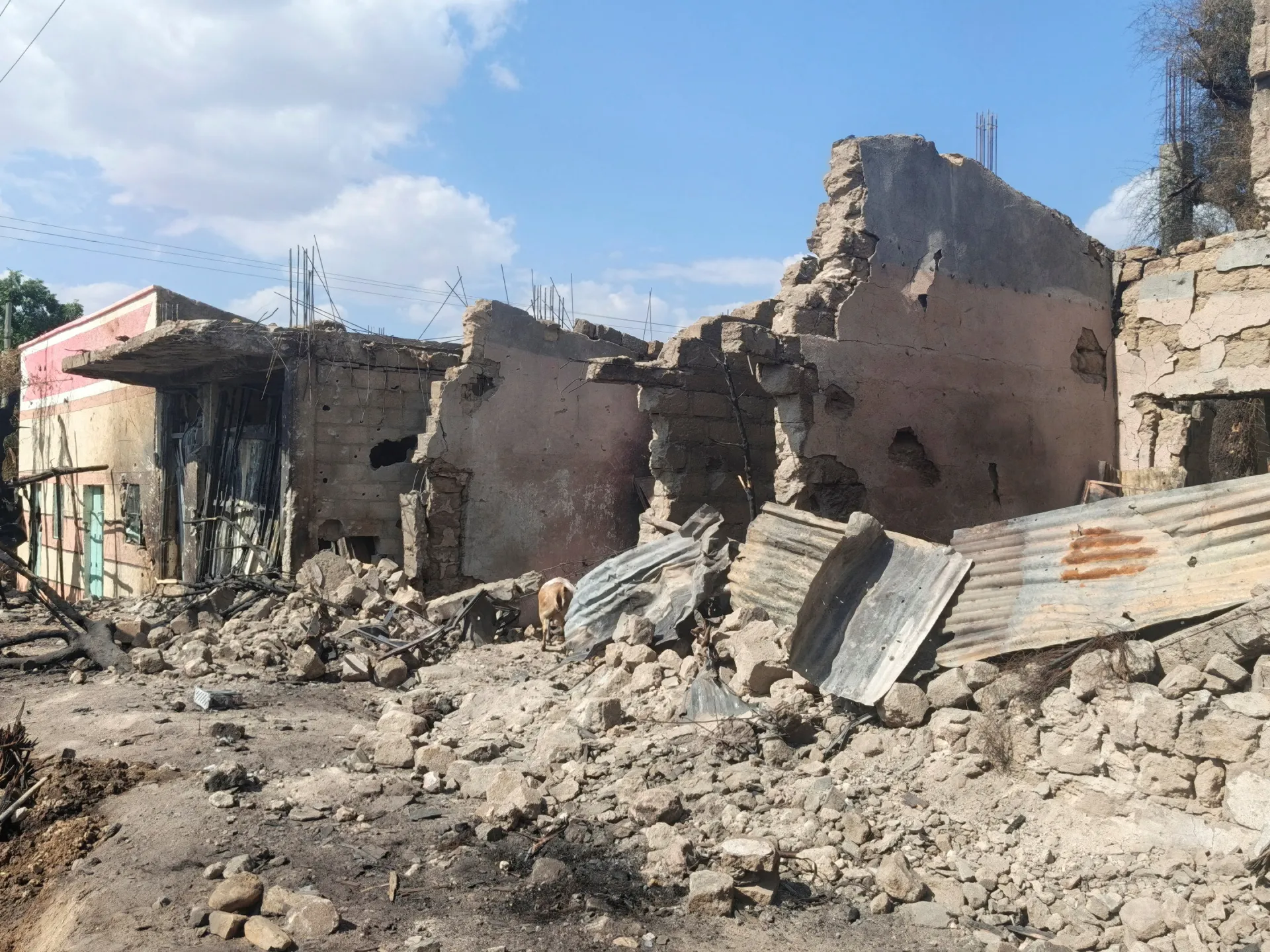
The catastrophic war that engulfed northern Ethiopia for two years, from the initial outbreak of hostilities on November 4, 2020, until the signing of the cessation of hostilities agreement on November 2, 2022, did not arise from regional external manipulation or cross-border instigation. It was the product of Ethiopia’s long-standing internal ethnic cleavages and institutionalised political polarisation, rather than any external machinations.

The historical record confirms that Eritrea did not instigate this conflict, nor did it harbour expansionist designs on sovereign Ethiopian territory. Instead, Eritrea was reluctantly drawn into an imposed war at the explicit request and formal invitation of the Ethiopian federal government and for cogent reasons of self-defence.

Indeed, the broader objectives of the war agenda explicitly included and targeted the sovereignty and territorial integrity of Eritrea from its very inception. This reality is not a matter of speculative interpretation; it is an unalterable component of the public record.

Getachew’s own extensive public statements and numerous real-time posts under his official X handle during those tragic years easily validate that the targeting of Eritrea was a deliberate, premeditated strategy by regional forces rather than an accidental byproduct of a domestic policing action.

Following the formal cessation of hostilities, the political and military leadership of the Prosperity Party, extending from Prime Minister Abiy Ahmed downward, profusely and publicly expressed their profound gratitude to Eritrea. These acknowledgements were made through official statements, parliamentary discussions, state media and remarks by senior military officials. For Redwan and senior Prosperity Party officials to now retroactively frame Eritrea as an inherent antagonist or a constant spoiler of domestic peace runs completely counter to these explicit, recorded admissions.

This tendency towards revisionism is further illustrated by the highly romanticised anecdotes propagated by Getachew and Redwan regarding the tense environment during the Pretoria peace talks. Both officials have concocted a heavily theatrical and entirely fictitious story concerning the alleged consternation of their South African hosts, who supposedly feared that “the negotiating teams from the two warring Ethiopian parties might get into a fistfight in the middle of the conference hall if not continuously shepherded to steer clear of one another”.

According to this manufactured narrative, the hosts were then stunned to witness a “cordial tone”. This narrative of sudden, miraculous reconciliation between bitter enemies serves a specific propaganda purpose: it portrays the Pretoria Agreement as a spontaneous triumph of domestic unity over external division.

However, this narrative ignores the reality that months before the formal talks in South Africa, confidential contacts had already taken place in Djibouti and the Seychelles under the sponsorship of external mediators. As later acknowledged by Getachew himself, the warring parties had already established channels of communication while the war was still raging.

Under the deliberate prodding of elements within the Prosperity Party, the two teams explored options to join forces and redirect their combined military capacities towards a war of aggression against Eritrea. In their contorted views, a sovereign and stable Eritrea constituted the ultimate threat to their respective political futures.

When the Permanent Cessation of Hostilities Agreement was finally signed, it was fundamentally understood as a peace pact between internal warring sides within Ethiopia. It is, and remains, an Ethiopian affair, purely and exclusively. Its provisions concerned domestic constitutional arrangements, the disarmament of armed groups, and the restoration of federal authority.

Eritrea’s position regarding Pretoria has remained consistent and principled. It supports any genuine effort that promotes peace, stability, and predictability in Ethiopia and the wider region. A peaceful, stable, and united Ethiopia that respects the sovereignty of its neighbours is in the strategic interest of every state in the Horn of Africa. Eritrea possesses neither the political appetite nor the strategic interest to scuttle an agreement between competing Ethiopian political forces. A peaceful, unified, and stable Ethiopia that respects its neighbours is in the vital national security interest of every state in the region.

Against this backdrop, the current propaganda campaigns and transparent disinformation efforts, as epitomised by the recent opinion article, are systematically designed to re-package an unprovoked agenda of conflict and hostility that Addis Ababa has unleashed against Eritrea since December 2023.

During this period, the Prosperity Party abruptly shifted its state rhetoric, launching a manufactured campaign centred on what it termed “sovereign access to the sea”. To build legitimacy for this legally untenable and historically flawed narrative, the ruling party has systematically mobilised a vast, state-backed apparatus. Instructors, researchers, media figures, cultural icons and academic lecturers, both Ethiopian nationals and co-opted foreign commentators, have been aggressively deployed across international forums, television networks and digital platforms to push this warped sovereign access narrative.

This coordinated campaign seeks to normalise the idea that colonial boundaries in the Horn of Africa are negotiable in order to attempt to challenge inviolable principles of sovereignty and territorial integrity that have long underpinned regional stability.

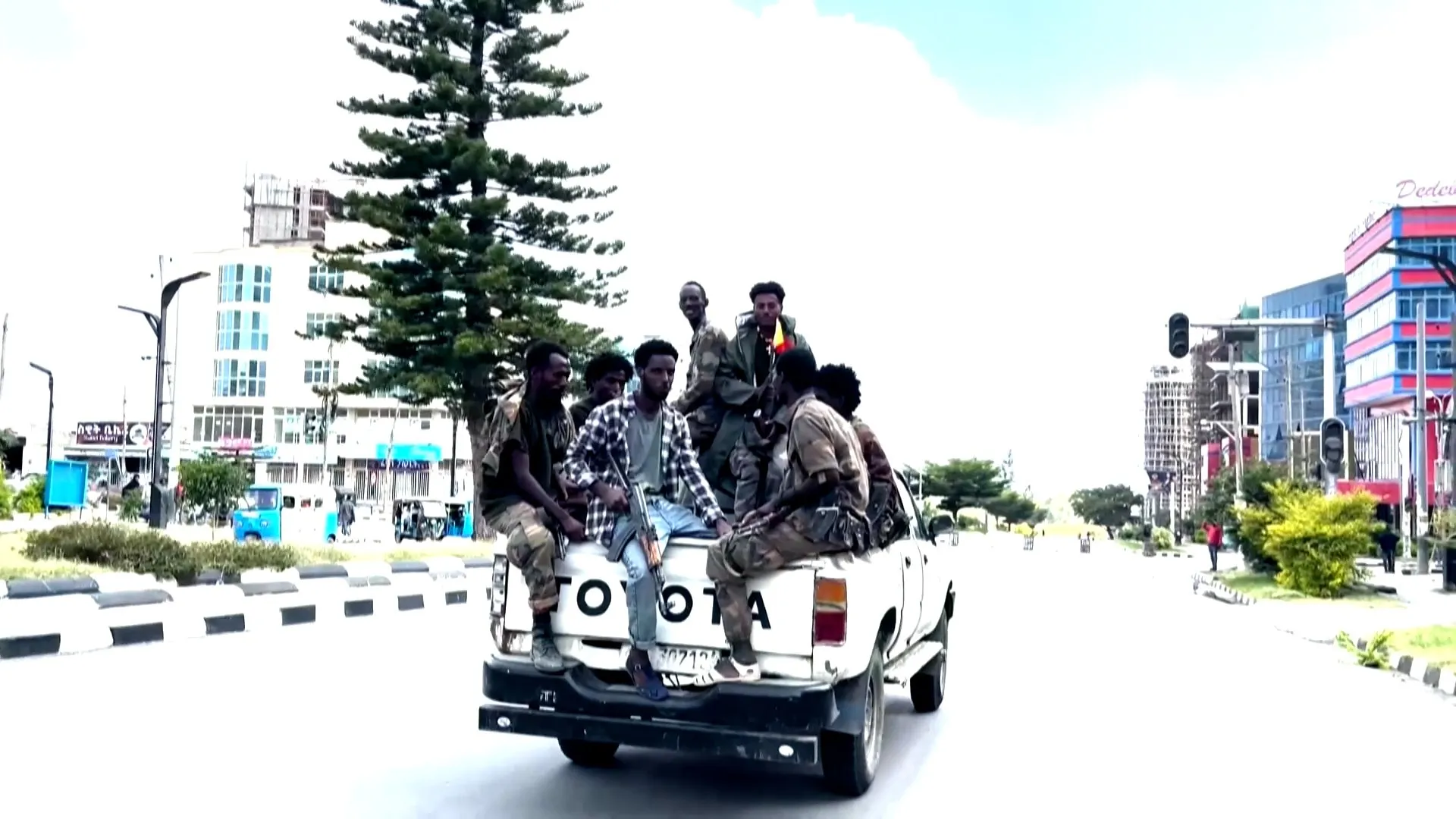
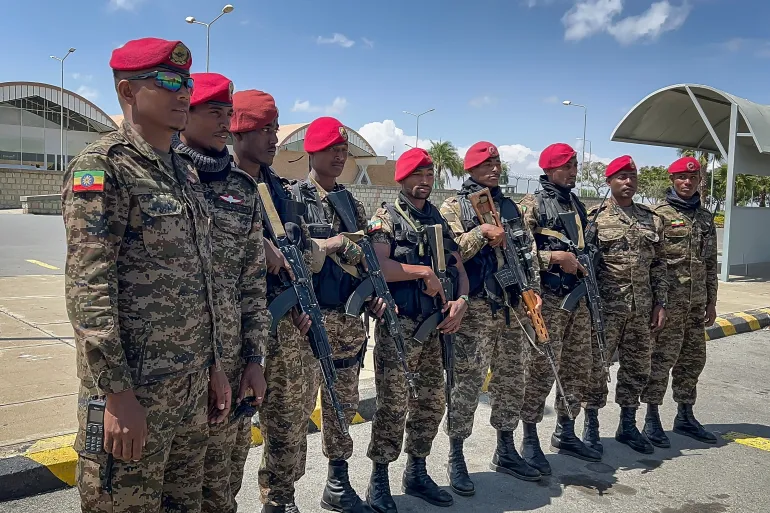
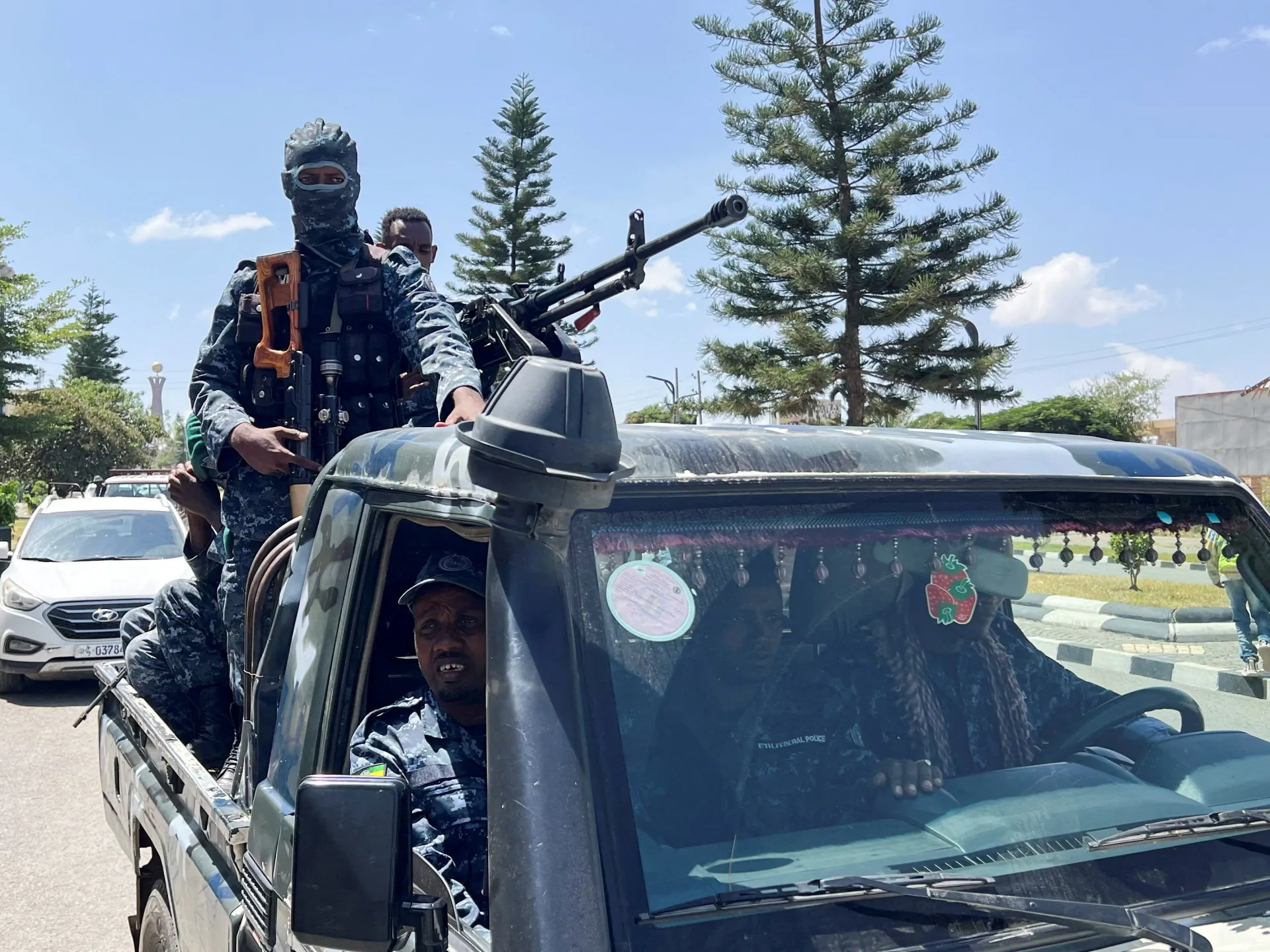
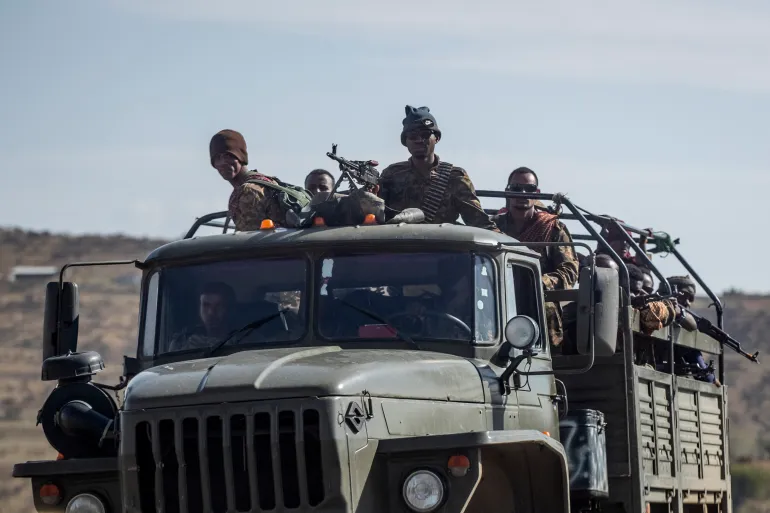
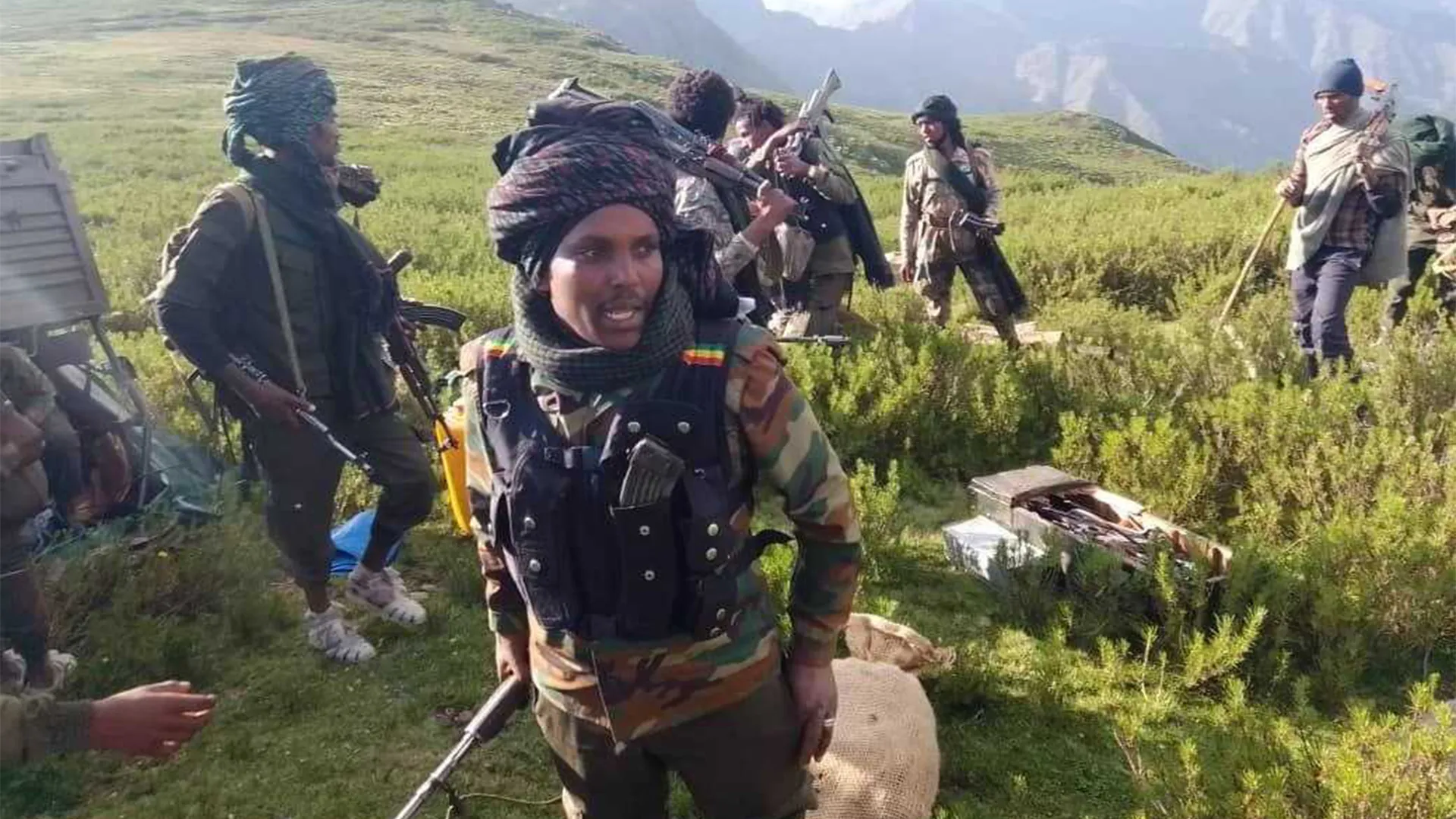
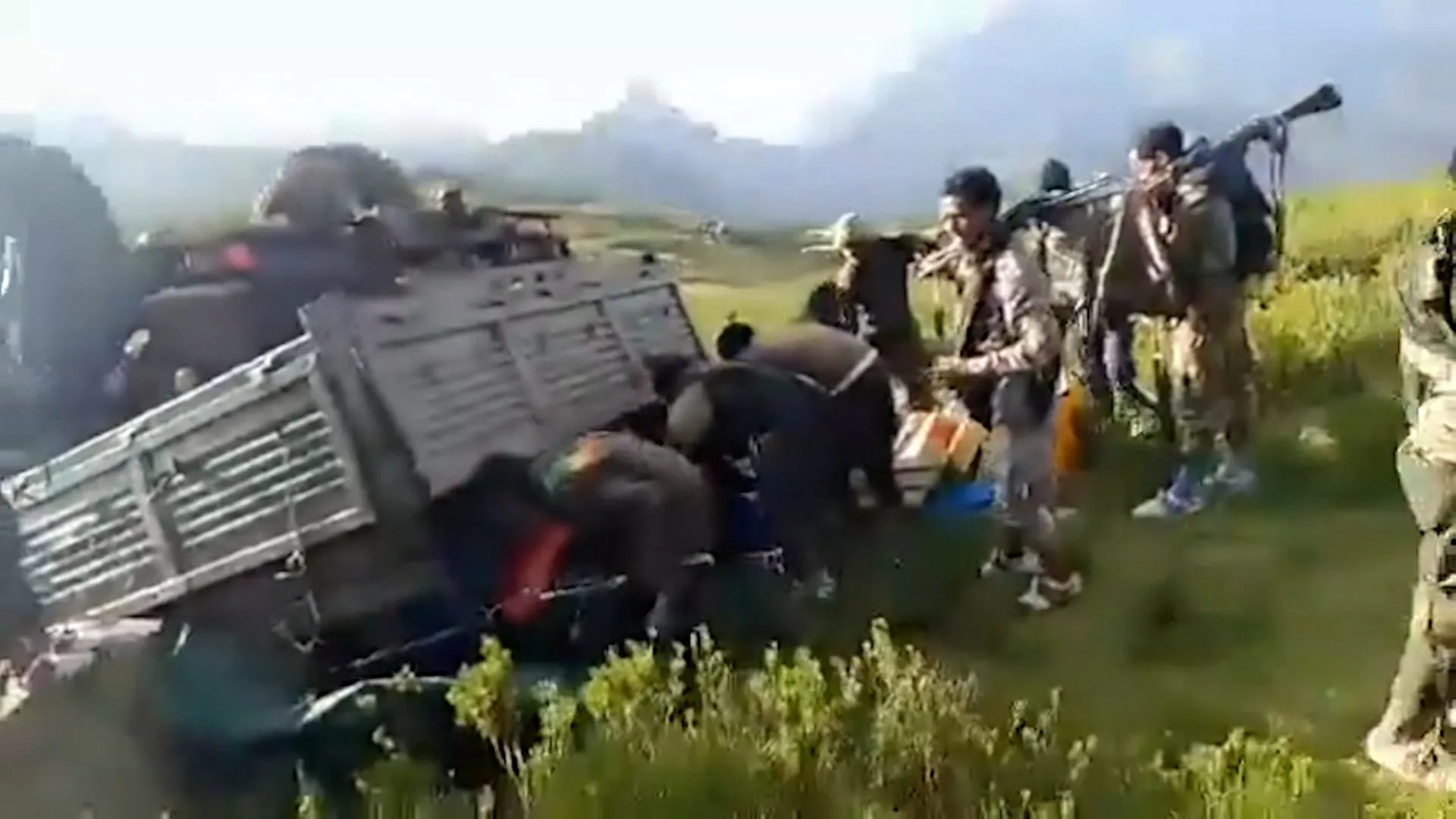
This aggressive rhetoric has not been confined to speeches and opinion pieces. In a direct attempt to pull Eritrea into a militarised conflict, the ruling party has massed substantial military formations, heavy artillery, and mechanised divisions in close proximity to the Eritrean border.

This pattern of behaviour is directly mirrored along the northern frontier, where provocative pronouncements are accompanied by unremitting sabre-rattling regarding the acquisition of Assab and other Eritrean coastal lands through negotiations if possible, and by force if necessary.

The broader pattern extends beyond Eritrea. Ethiopia’s recent foreign policy conduct has increasingly generated tensions with several neighbouring states. The Memorandum of Understanding signed with Somaliland, which sought access to coastal territory without the consent of Somalia’s central government, triggered a major diplomatic crisis and raised serious questions regarding respect for established principles of sovereignty and territorial integrity.

Similarly, Ethiopia has repeatedly pursued interventionist policies in neighbouring conflicts in the quest for short-term geopolitical objectives. Whether in Somalia, Sudan or elsewhere, Addis Ababa’s reckless regional agenda of expansionism has contributed significantly to regional mistrust and destabilisation.

Thus, the narrative that Ethiopia is an involuntary victim being dragged back into war by external forces ignores the reality of the ruling party actively moving military assets, signing illegal treaties and threatening the borders of sovereign states. This explicitly coercive stance directly undermines the foundational principles of peaceful coexistence and good neighbourliness that are essential for the Horn’s stability.

Ultimately, peace in the Horn of Africa cannot be bargained away to appease the shifting calculations of a restless neighbour. The path forward demands an immediate end to the reckless sabre-rattling in pursuit of illicit “sovereign maritime access”, the unconditional cessation of cross-border proxy alignments, and a return to the foundational principles of non-interference and territorial integrity.

Until the international community confronts the true internal drivers of Addis Ababa’s aggressive posture rather than entertaining its manufactured grievances, the region will remain perilously vulnerable to dangerous miscalculation. Eritrea stands firm in its resolve, anchored in legal permanence and historical facts. Those who look to externalise their domestic ruin through regional destabilisation will find that Eritrea’s sovereignty is neither negotiable nor penetrable, and that lasting security can only be achieved when boundaries are respected and international law is upheld without exception.

The views expressed in this article are the author’s own and do not necessarily reflect Al Jazeera’s editorial policy.

Source link

What’s at stake in Ethiopia’s elections? | Elections News

Ethiopia’s governing party is seeking to cement its grip on power amid a fragmented electorate.

Millions of Ethiopians are heading to the polls for general elections on June 1.

The governing party of Prime Minister Abiy Ahmed, who has consolidated power since he took office in 2018, says it is confident of victory.

Recommended Stories

list of 3 itemsend of list

Abiy’s government has faced years of turmoil and conflict. Despite that, it is portraying the vote as the next step on the path towards what it calls genuine democracy.

Critics and the opposition, however, argue that is unlikely because of Ethiopia’s ethnic and regional divisions. Some opposition parties have been excluded and violence is preventing voting in dozens of constituencies.

So, will the vote hold any significance?

Presenter: Mohammed Jamjoom

Guests:

Samuel Getachew – Journalist and commentator specialising in Ethiopian politics and security

Martin Plaut – Senior research fellow at King’s College London

Bizuneh Yimenu – Lecturer in comparative politics at Queen’s University Belfast who specialises in federalism.

Source link

Ethiopia’s election: Parties, coalitions and candidates explained | News

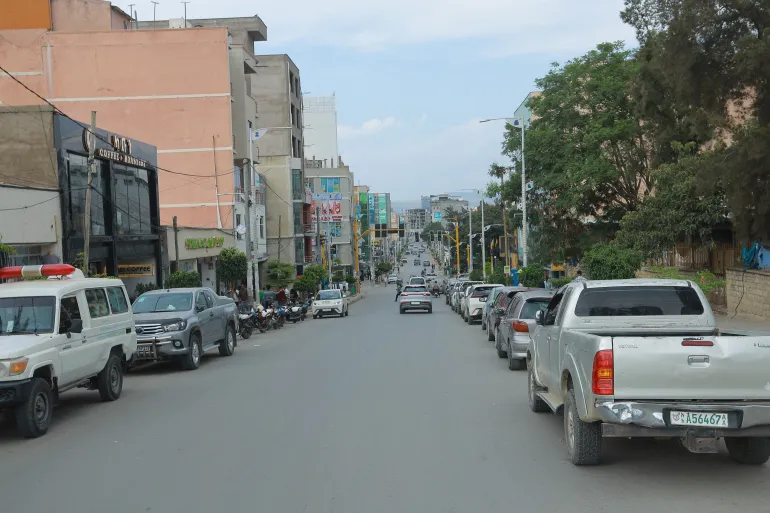
Addis Ababa, Ethiopia – Ethiopians vote on Monday in a general election to choose members of parliament, who will in turn select the next prime minister. The National Election Board of Ethiopia (NEBE) said 47 political parties and more than 10,900 candidates are in the race, including 2,198 for the federal parliament, 8,736 for regional and city councils and 73 independents.

More than 50 million voters are registered, with official voter registration figures showing women account for around half of the electorate. Young Ethiopians make up a large share of the population, with a median age of about 19 years, according to United Nations population estimates, giving them a substantial presence in the country’s electorate.

The contest brings together ruling, opposition, regional and independent politicians under Ethiopia’s federal parliamentary system, where the government is formed through a parliamentary majority and MPs select the prime minister.

Here is a closer look at the main political parties, coalitions and independent candidates.

Prosperity Party (PP)

The Prosperity Party is the ruling political party in Ethiopia, led by Prime Minister Abiy Ahmed. It was formed in 2019 following the merger of several regional parties that previously made up the Ethiopian People’s Revolutionary Democratic Front (EPRDF). The party holds a majority in the House of Peoples’ Representatives following the 2021 general election.

According to the Prosperity Party programme and public statements, it emphasises national unity, economic reform and state-led development within Ethiopia’s federal system.

The party is fielding candidates for seats in the House of Peoples’ Representatives and regional councils across almost all federal and regional constituencies under Ethiopia’s parliamentary system.

National Movement of Amhara (NAMA)

The National Movement of Amhara is a regional political party operating mainly in Ethiopia’s Amhara region. It is led by Belete Molla and participates in Ethiopia’s federal parliamentary elections through constituency-based contests.

According to party statements, NAMA focuses on political representation, security concerns and cultural and regional rights of the Amhara population within Ethiopia’s federal system.

The party is fielding candidates primarily within the Amhara region for federal and regional council seats under Ethiopia’s electoral framework.

Ethiopian Citizens for Social Justice (EZEMA)

The Ethiopian Citizens for Social Justice is a national political party led by Berhanu Nega. Formed in 2019, it has participated in national elections since 2021 and operates across multiple regions.

According to party statements and its leadership, EZEMA promotes liberal democratic governance, the rule of law, market-oriented reforms and broader national unity.

For this vote, the party is contesting seats in both the House of Peoples’ Representatives and regional councils across multiple federal and regional constituencies.

Peace for Ethiopia coalition

The Peace for Ethiopia coalition is an alliance of smaller regional parties, including the Agew National Council, Gamo Democratic Party, Gambella Peoples’ Freedom Movement, Kaffa Green Party, and Tigray Democratic Cooperation.

According to coalition statements, the alliance brings together member parties to improve coordination and representation of diverse regional interests within Ethiopia’s federal system.

The coalition coordinates candidate lists across its member parties while allowing each to retain separate regional identities. Members are contesting seats in both federal and regional councils.

Regional and ethnic-based parties

Regional parties contest seats across Ethiopia’s federal system, including in Oromia, Somali, Tigray and southern regions. They operate within their respective states and are registered with NEBE to field candidates in federal and regional constituencies.

According to their public positions, these parties generally focus on regional governance, local autonomy, and development priorities specific to their constituencies.

They participate in the House of Peoples’ Representatives and regional councils under Ethiopia’s parliamentary electoral system.

Independent candidates

A total of 73 independent candidates are registered to contest seats in the 2026 elections.

According to political observers, independent candidates tend to focus on local governance issues and constituency-level concerns rather than formal party platforms or national ideological positions.

They are running for both federal and regional council positions under Ethiopia’s constituency-based parliamentary system.

Electoral stakes

The election will determine the composition of Ethiopia’s federal government and which party or coalition controls parliament. Elected MPs will select the prime minister, who then forms the federal government.

The results will shape the distribution of power between federal and regional authorities under Ethiopia’s constitutional system. The vote is part of the country’s regular parliamentary electoral cycle under the 1995 constitution.

The allocation of seats in the House of Peoples’ Representatives will determine legislative authority at the federal level.

The election is being held under Ethiopia’s federal parliamentary system, in which executive power is derived from a parliamentary majority.

Political environment

The National Election Board of Ethiopia oversees the administration of voting and candidate registration across all regions. Polling arrangements have been established nationwide under Ethiopia’s electoral framework.

Voting will take place in constituencies across urban and rural areas in all federal member states.

Electoral procedures are implemented under national electoral law, which defines the responsibilities of federal and regional election authorities.

NEBE is responsible for coordinating polling operations, voter registration, and ballot administration across constituencies.

Youth and voter engagement

NEBE reports that more than 50 million people are registered to vote in the election.

Young people make up a large share of the population, with a median age of about 19 years, according to UN population estimates.

Registered voters include both first-time and returning voters participating in federal and regional elections across the country.

Voting is conducted under Ethiopia’s legal framework for universal adult suffrage, which grants citizens aged 18 and above the right to vote.

Women voters and participation

According to NEBE voter registration figures, women account for around half of registered voters.

They are eligible to vote and contest seats at both federal and regional levels under Ethiopia’s electoral law, and female candidates are participating across multiple regions.

Both sexes are subject to the same voter registration and candidacy requirements under Ethiopia’s electoral framework.

Female candidates are contesting seats in both federal and regional races across the country.

Source link