



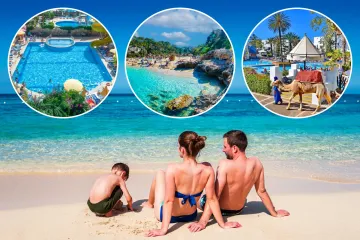



Have fun with the family or unwind your mind with TUI deals for March and April

Feel the sand beneath your toes with a last-minute holiday(Image: TUI)
Getting away for a beach break in March or April is a great way to enjoy sunny skies and mild temperatures before the summer crowds arrive, as well as ditch the British rain. It’s the perfect time to relax on golden sands, explore charming coastal towns and soak up the early-season Mediterranean vibes.
As one of the UK’s best-known holiday companies, TUI uses Gatwick to offer direct flights to some of Europe’s best resorts, making it ideal for a spring break. Right now, TUI is offering couples the chance to save up to £250 on selected holidays, departing from Gatwick Airport in March and April.
This offer applies to 7-, 10-, 11- and 14-night stays in 2026, making it the perfect time for an early-season getaway. Even before the first flourish of summer, beach breaks in Lanzarote, Turkey and Portugal offer the perfect mix of sun, sand, and family-friendly fun.
READ MORE:
From stunning coastal locations with pools and entertainment to panoramic Portuguese views and spa treatments, we’ve picked just three of our favourites from TUI that can be booked today.
TUI BLUE Flamingo Beach, Lanzarote
Perched on the sun-drenched coastline of Playa Blanca, Lanzarote, TUI BLUE Flamingo Beach sits just steps from soft sands and calm, turquoise waters, ideal for safe swimming. Designed to look like a charming whitewashed Canarian village, a scenic seafront promenade connects the resort to Rubicon Marina and the town centre with stunning Atlantic views.
The resort is perfect for families, offering multiple pools, a splash park and professional childcare and teen hangouts. Dining is varied, from international buffets to local specialities, while fitness classes and evening entertainment ensure a lively mix of relaxation and fun under the Lanzarote sun.
For the best value break at Flamingo Beach, sunseekers looking to getaway after Easter can enjoy a 7-night break for £642.42* per person. Departing on April 13, this price is based on two people sharing on an all-inclusive basis and includes a whopping £1082.16* discount. Alternatively, a 14-night stay departing on April 14 is also available for the higher price of £1619*.
One visitor left a five-star review on TripAdvisor that said: “This hotel is excellent for families with children 0-10. The location is perfect, right next to Flamingo Beach. The children enjoyed the main pool, where activities took place, and the quiet pool, which was heated. The apartments were clean and spacious with a bedroom and lounge/kitchen”
Another added: “Great Location. Our room was very quiet. Our rate included an excellent breakfast so good value for money.”
A different guest, however, agreed that the location is “brilliant”, but they also felt “let down by amenities not being open. Pool snack bar, pool bar in another area closed. And only one evening bar with no other areas to sit.”
A returning guest highly recommends the Flamingo Beach resort, saying: “Best Place. The location is fantastic, near lovely beach, rooms are fine and clean and the staff are so friendly, the area is very clean and not too much noise. We been coming here nearly every year, the last 25 years. This is where we feel like home.”
Lanzarote is always popular with holidaymakers and there are plenty of deals to choose from. One the Beach is offering a 7-night stay at the five-star Iberostar Selection Lanzarote Park with prices from £1605*, a saving of £425. An upscale all-inclusive resort, guests love the location just a little further along the bay.
For sunseekers on a budget, a last-minute break at the Blue Sea Costa Bastian in Costa Teguise is available for £519* per person through Love Holidays. With flights from Gatwick, accommodation and breakfast included, the hotel is surrounded by beautiful Canary gardens and offers magnificent views over the Atlantic Ocean.
Blue Bay Platinum, Marmaris, Turkey
Blue Bay Platinum in Marmaris blends modern style with central convenience, just 70 meters from the beach with its own private sandy stretch and clear waters. The lively local area, including shops, bars, the marina and old town, is all within easy walking distance.
The resort offers four outdoor pools, including waterslides and a dedicated adult “chill pool,” plus a full-service spa for ultimate indulgence. Guests can enjoy international and local dining, sunset cocktails and stylish ocean-themed rooms with live music and shows, creating the perfect vibrant Mediterranean getaway.
Offering excellent value for money, a seven-night stay at this contemporary hotel in a central location could cost as little as £418* per person. Departing on Wednesday, April 18, the deal includes flights and accommodation on an all-inclusive basis.
With hundreds of five-star reviews on TripAdvisor, one visitor called it a “Stunning, luxury stay”, adding: “Blue Bay Platinum Hotel in Marmaris was absolutely exceptional from start to finish. The hotel itself is beautiful – modern, stylish, and perfectly maintained with a luxurious atmosphere throughout. Room was very comfortable and always clean. Will definitely stay here again.”
Another added: “Booked again for April this year. This will be our 10th visit to Marmaris. We have stayed at the supposedly other top hotels nearby. None of them beat the Blue Bay for overall experience.”
While one visitor did note that they felt uncomfortable at the resort due to the “expectation that tips should be given,” another loved it, saying: “It’s a very nice place to stay. I like this hotel and especially the relaxing swimming pool. There is a great bar.”
Turkey appeals to Brits with its mix of sunny beaches, rich history, delicious cuisine and excellent value for money. Another favourite Marmaris resort for upscale holidaymakers is the five-star Green Nature Diamond Hotel that sits within easy striking distance of the beach.
With a wide range of facilities and comfortable accommodation, this luxurious hotel can be booked through Love Holidays for a seven-night stay in April from £429* per person. Elsewhere, the nearby Prime Beach Hotel has pools with waterslides and a private stretch of beach with prices starting from £490* per person on April 2.
Longevity Health & Wellness Hotel, Portugal
Perched on a hillside with panoramic views over Alvor Bay and the Atlantic, the Longevity Health & Wellness Hotel is a state-of-the-art retreat in the charming village of Alvor. Guests are perfectly placed to enjoy golden beaches, scenic boardwalks and nearby world-class golf courses, all while staying in a serene, high-tech sanctuary.
The hotel is a pioneer in wellness, featuring a rooftop infinity pool and a world-class spa and wellness centre. With sunrise yoga, detox treatments, and healthy Mediterranean cuisine at the rooftop Pure Cafe, every detail is designed for ultimate relaxation and rejuvenation.
While the thought of complete rest and relaxation may be priceless, a stay at the Longevity Resort is worth every penny. For a 10-night stay, departing on March 23, prices start from £891.12* per person, on a bed and breakfast basis. Shorter stays are also available with a seven-night break costing £663* departing on the same day.
Guests who have already found their zen with a stay at the Longevity Health & Wellness Hotel have shared their experiences online. One said: “Absolutely superb place for relaxing stay, very modern, clean, quiet location with 5 mins drive to local beaches and town of Alvor… Fantastic breakfast with great choice. Access to spa facilities included. Would definitely recommend.”
Another added: “A lovely, relaxing stay in a beautiful hotel. We came back feeling revitalised. The cleanliness and the staff at the hotel were everything.”
While one less impressed visitor said: “The restaurant is very expensive for portions,” another was far more impressed exclaiming: “This hotel is truly exceptional, I cannot say enough about this wonderful place only that we cannot wait to return.”
Alternatively, the Falesia Hotel is a sophisticated adults-only retreat in Albufeira, offering elegant rooms, a full-service spa, and both indoor and outdoor pools. Perfectly positioned for relaxation, it sits just a short walk from pristine beaches and the Pine Cliffs Golf Course, and prices for a seven-night stay start from £439 with Love Holidays.
For those who want a family holiday, Portugal is a perfect location for this too. Offering waterslides, a kids club, a water park and plenty of entertainment, the Jupiter Albufeira Hotel has something for everyone. Located in the popular resort of Albufeira, prices start from £630* per person, departing on April 21.
Find out more about deals on spring holidays with TUI as well as the full T&Cs here.