
- General Electric (GE) announced on Friday that it was awarded a maximum $319.5M contract modification to exercise an option for J85 engine supplies.
- The option covers a two-year, four-month period, with work expected to be completed by December 31, 2028.
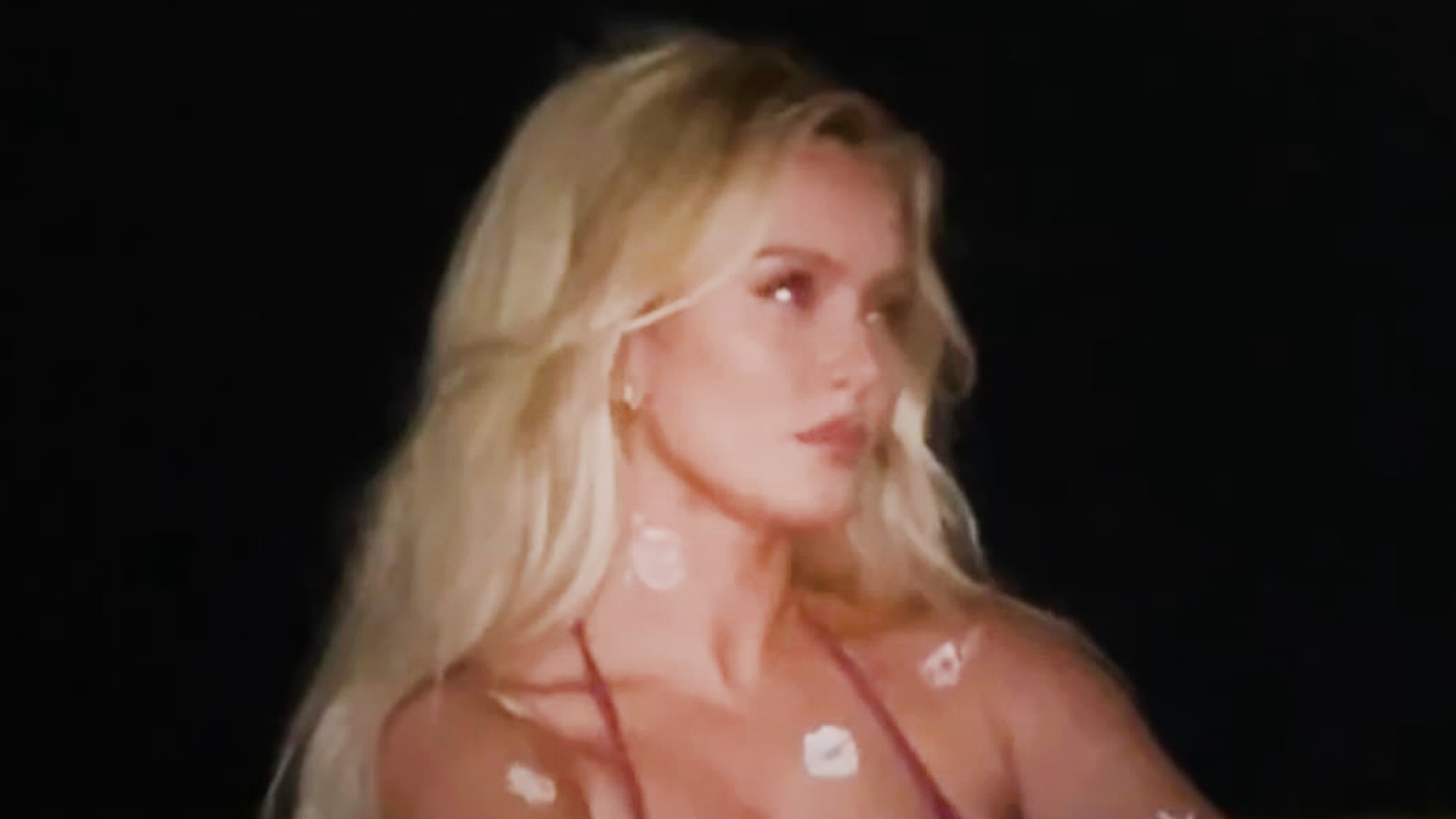
Zara Larsson looks out of this world in an electric purple bikini for extraterrestrial-themed beach photoshoot

POP star Zara Larsson has made waves rocking a purple bikini on Instagram in a striking, nighttime photoshoot.
The Swedish singer, 28, can be seen posing on a beach, bathed in dark lighting with dramatic flash photography and an E.T vibe.
The blonde bombshell can be seen wearing a tiny metallic purple string bikini paired with her long blonde hair down with decorative glowing star stickers scattered across her skin.
The visual highlights several dynamic poses, including standing centered within a mesmerising circular swirl pattern carved into the sand, crouching low to the ground and striking side-profile silhouettes.
Injecting a touch of humour into the artistic drop, the post also features a playful product shot of a water bottle sitting upright in the middle of the sand ripples.
The post quickly drew hundreds of thousands of likes and a flood of enthusiastic comments from fans praising her look.
Fans commented: “God is a woman.”
A second playfully wrote: “She can just do that with the sand btw.”
A third added: “BODY WAS SCULPTED FROM THE GODS.”
Zara recently addressed the White House social media team’s use of her song Midnight Sun in a TikTok video featuring Immigration and Customs Enforcement (ICE) operations captioned ‘Never ending deportations’.
Most read in Entertainment
In a response shared on TikTok, Larsson expressed her sadness and heavy heart regarding the situation.
She shared a message directed at the creators of the video and wrote: “I wish I could talk to you, and I wish I could help you remember that you and I, we aren’t that different at all.
“And we’re not that different from the people in the video, either.
“The biggest difference between us is that we were dealt a different hand in life.”
The singer continued: “I consider myself so lucky with the life that I’ve been dealt.
“The fact that I’m born in Sweden, I’ve had an education and I’ve had all these opportunities just sort of laid out in front of me.
“I can travel and get to do all these amazing things. That’s luck.
“There are people out there who are not that lucky, and they want to have a better life for their families or for themselves and their children.
“I just don’t understand how it could be the worst thing in the world to be an undocumented immigrant.”
Larsson continued: “This video is so dehumanizing. These people in the video are real people.
“It’s so crazy how everything is so meme-ified, especially ‘Midnight Sun,’ which is about feeling connected to nature, the universe and people, essentially.
“And this just creates this massive divide between people. I just don’t get it. It’s so f***ing uncool… You guys are such f***ing losers, like it’s crazy.”