Eisenkot

Eisenkot open to Netanyahu joining Israel’s next government | Israel Election 2026 News

Israel’s president officially tasks the opposition leader with forming a new government.

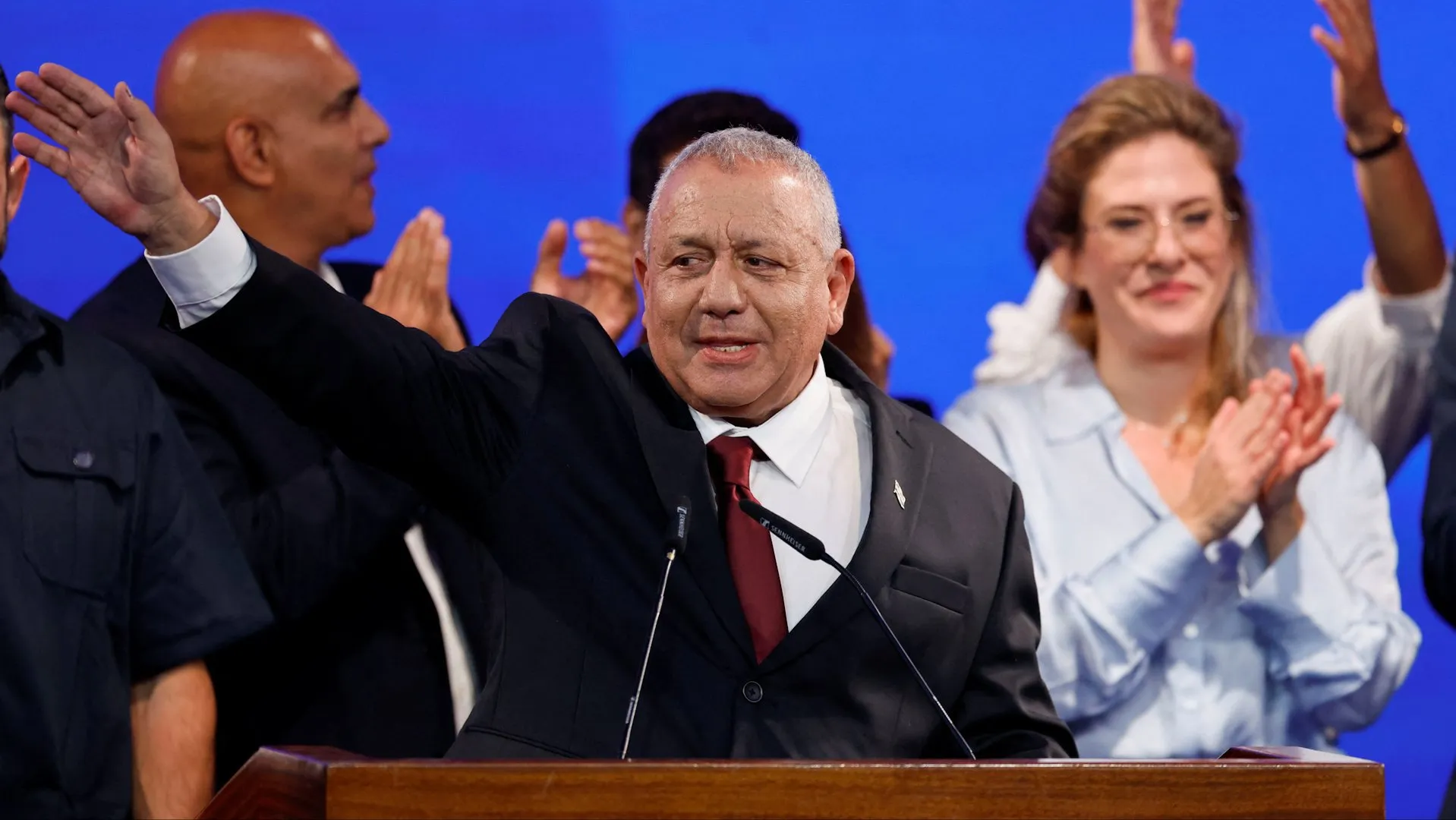
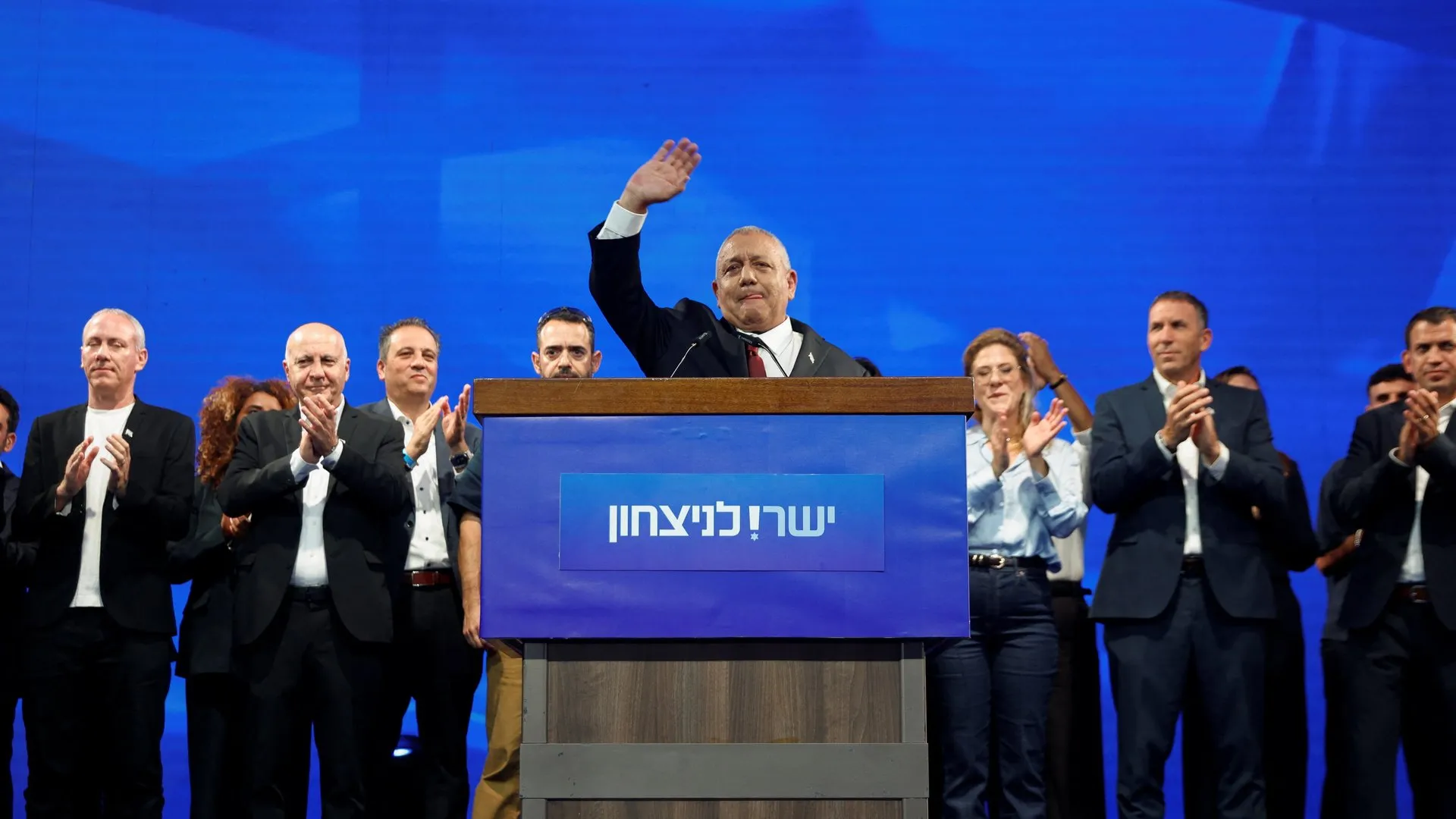
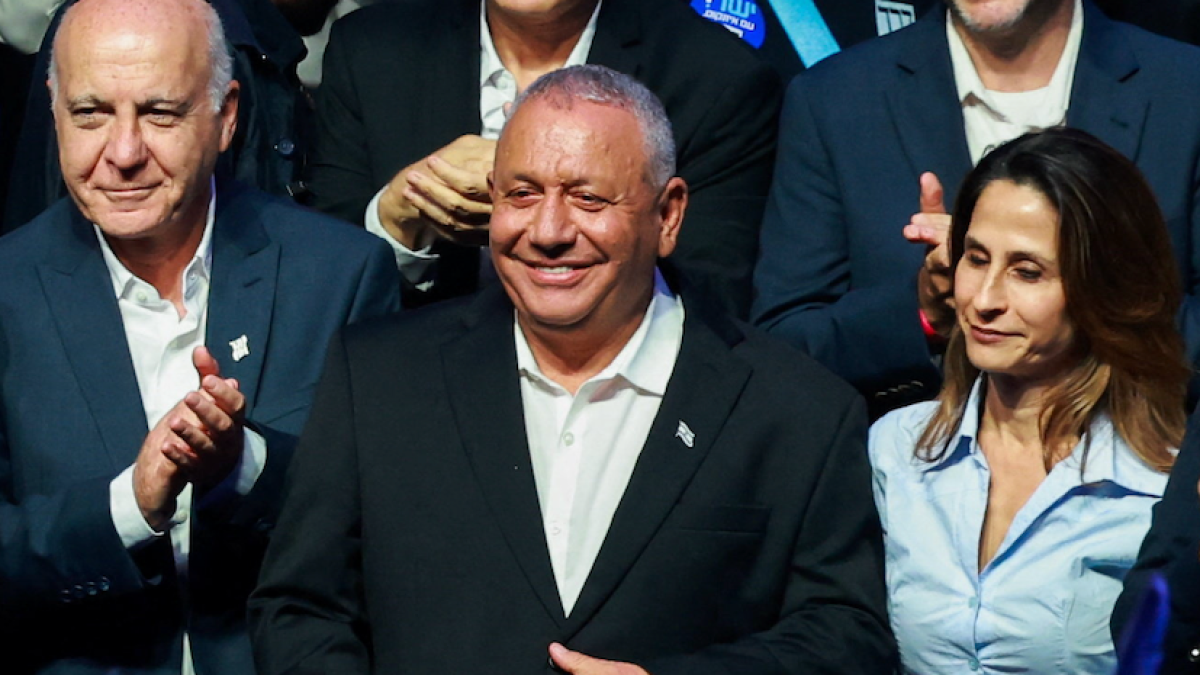
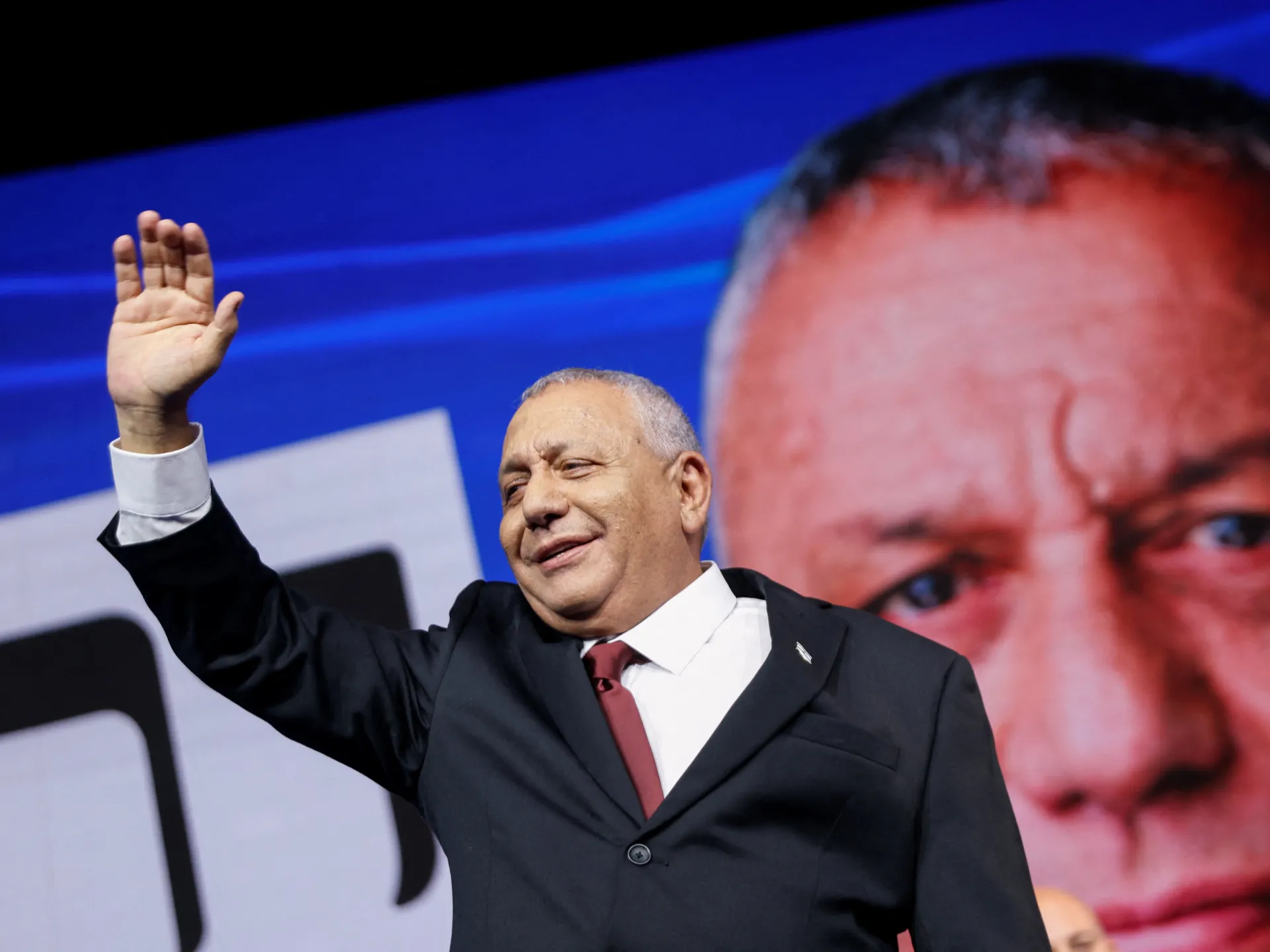
Israel’s opposition leader Gadi Eisenkot, the man officially tasked by President Isaac Herzog with trying to form the country’s next government, has said that he was open to including Prime Minister Benjamin Netanyahu in his coalition lineup.

In a speech at Sunday’s ceremony in Herzog’s office in Jerusalem, Eisenkot suggested Netanyahu’s far-right Finance Minister Bezalel Smotrich was also welcome to join.

Recommended Stories

list of 4 itemsend of list

“If members of Likud and the Religious Zionist Party truly believe this is a time for unity, as they told the president, I cannot conceive of any reason why they would not support a government under my leadership and the principles I have presented,” Eisenkot said.

Eisenkot, who ran as Netanyahu’s main rival, has six weeks to form a new government. At the ceremony, Eisenkot said he will act in the interests of the public and represent all parts of Israeli society.

Herzog, meanwhile, warned that the country faced uncertainties after the November 3 midterm elections in the United States, which brought victories for several political figures critical of Israel and the US’s military support.

“The State of Israel needs a stable government,” Herzog said, pointing to the “new political reality” in the US.

Eisenkot led Israel’s military from 2015 to 2019 and sat as an observer in Netanyahu’s war cabinet for the first eight months of Israel’s genocidal war on Gaza, which began in October 2023.

Despite this, Arab-led parties endorsed Eisenkot for the mandate to replace Netanyahu.

In Israel’s October 27 elections, Eisenkot’s four-party alliance won 48 seats, while Netanyahu’s right-wing and religious bloc secured 53, leaving both short of the 61 needed for a parliamentary majority. Arab-led parties, representing Palestinian citizens of Israel, won a record 19 seats.

Eisenkot has ruled out forming a government with the Arab-led parties, which would give him a 67-seat bloc. Winning over the two ultra-Orthodox parties, United Torah Judaism and Shas, would give him exactly 61 seats.

He could also form a government with fewer than 61 seats if he wins a parliamentary confidence vote.

“Netanyahu still has time to derail Gadi Eisenkot’s efforts to form a government and sabotage attempts to gain a vote of confidence,” said Al Jazeera’s Nour Odeh, reporting from Ramallah, in the occupied West Bank.

“In the meantime, he remains caretaker prime minister. If Eisenkot fails, Netanyahu would be the natural second in line to be tasked with forming a government. And if he fails, elections would then be called, and that would still allow Netanyahu to remain as caretaker.

“Many of Netanyahu’s critics say that is his aim. The big question in Israeli politics now is: does the opposition really want to get rid of Netanyahu? Or is the opposition to Palestinian Israelis in mainstream politics so strong that they’re willing to risk keeping Netanyahu in power by going back to the ballot box?”

Source link

Jerusalem Daily: Eisenkot picked over Netanyahu to form government | Jerusalem

Israel’s president picks Gadi Eisenkot to form the next government, passing over Benjamin Netanyahu after inconclusive elections. In Gaza, the first winter storm flooded 70,000 tents sheltering displaced Palestinians.

Al Jazeera’s Nour Hegazy has the latest.

Source link

Israel’s president picks Eisenkot over Netanyahu to form next government | Israel Election 2026 News

Israel’s President Isaac Herzog has tasked Gadi Eisenkot with forming the country’s next government, passing over the former army chief’s rival, Benjamin Netanyahu.

Herzog told Eisenkot of his decision on Saturday evening and will formally hand him the mandate at a ceremony on Sunday, the president’s spokesperson said.

Recommended Stories

list of 3 itemsend of list

Herzog held consultations with political parties this week to decide who he would appoint to form a government after neither side secured a majority in the October 27 general election.

Some 67 lawmakers, including from Arab-led parties, endorsed Eisenkot, leader of the Yashar party, to form the next government, while only 46 backed Netanyahu, the current prime minister.

Eisenkot will have 28 days – with a possible 14-day extension – to build a coalition of at least 61 of the Knesset’s 120 seats, the minimum threshold for a government.

In the October election, Eisenkot’s four-party alliance won 48 seats, while Netanyahu’s right-wing and religious bloc secured 53, leaving both short of the 61 needed for a parliamentary majority. Arab-led parties, representing Palestinian citizens of Israel, won a record 19 seats.

Eisenkot has ruled out forming a government with the Arab-led parties, which would give him a 67-seat bloc. Winning over the two ultra-Orthodox parties, United Torah Judaism and Shas, would give him exactly 61 seats.

He could also form a government with fewer than 61 seats if he wins a parliamentary confidence vote.

Al Jazeera’s Nour Odeh, reporting from Ramallah in the occupied West Bank on Herzog’s decision, said the president “took the predictable route” in selecting Eisenkot, as he had the highest number of recommendations.

“The hard work will begin now for Eisenkot to put together a government that can pass a vote of confidence at the Knesset that: one, will not break too many of the promises he made on the campaign trail; and two, that can survive the opposition of the right-wing bloc led by Netanyahu,” Odeh said.

If Eisenkot fails to form a government within the allotted time, Herzog will nominate another candidate. If the second nominee fails, a parliament majority can back a third candidate, who will be granted a final 14 days.

If, once again, no government is formed, a new election will be called within 90 days, with Netanyahu staying on as a caretaker prime minister.

United against Netanyahu government

Eisenkot led Israel’s military from 2015 to 2019 and sat as an observer in Netanyahu’s war cabinet for the first eight months of Israel’s genocidal war on Gaza, which began in October 2023.

Ahmad Tibi, a senior member of the Joint List – a coalition of Arab-led parties that holds 11 seats – told Al Jazeera on Saturday that Herzog’s decision was “expected”.

“We were concerned that the president would move towards a national unity government,” he said, referring to a proposed power-sharing agreement between Eisenkot and Netanyahu.

Instead, Arab-led parties endorsed Eisenkot for the mandate, granting him a “considerable margin”.

Tibi said he believes Eisenkot is headed for a minority government “with external support from the Arab parties”.

While this would not be a “dream government” for Arab-led parties, Tibi prioritised bringing down “the government of Netanyahu, [Itamar] Ben-Gvir and [Bezalel] Smotrich”.

Hours before Herzog’s decision, Netanyahu had warned that a government formed by the opposition bloc with support from Arab-led parties would lead to Israel’s collapse.

“Such a government, dependent on Islamists, will dismantle the state of Israel from within, as is happening in European countries, and far worse than that,” Netanyahu said in a prerecorded video speech, echoing the language of far-right politicians who falsely claim parts of Europe have come under Islamic law.

Netanyahu “described us as supporters of terrorists and terrorism”, Tibi said. “My response to him is this: Netanyahu is the biggest terrorist in Israel and the region, and the foremost supporter of terrorism, particularly Jewish terrorism in the West Bank and the Palestinian territories.”

Al Jazeera’s Odeh noted that although Eisenkot has expressly said he does not wish to form a government with Arab-led parties, “they both share quite compelling reasons to get rid of Netanyahu”.

Source link

Eisenkot chosen over Netanyahu to form Israel’s next government | Israel Election 2026

Israel’s president had asked opposition leader Gadi Eisenkot to form the next government over his rival Prime Minister Benjamin Netanyahu. Al Jazeera’s Nour Odeh explains how opposition to Netanyahu brought different political parties together.

Source link

Israel president asks opposition leader Eisenkot to form government

Israel’s president says he will task opposition leader Gadi Eisenkot with forming a new coalition government.

Isaac Herzog has been holding talks with political parties after neither Eisenkot’s bloc nor that of Prime Minister Benjamin Netanyahu secured a majority in Israel’s parliament, known as the Knesset, following last week’s election.

Eisenkot will now have 28 days to try to form a new administration, with the potential for a 14-day extension.

“Now is the time to form a national emergency government. I will do everything to ensure we are worthy,” the former military chief wrote on X.

No political party in Israel has ever won an outright majority, meaning all governments have been coalitions.

Netanyahu’s right-wing Likud party and its far-right and ultra-Orthodox Jewish allies won 53 seats in the 120-seat Knesset, while Eisenkot’s centrist Yashar party and three other Jewish opposition parties in his bloc won 48.

Two Arab-led alliances, the United Arab List and the Joint List, together won an unprecedented 19 seats following a surge in turnout among Arab voters.

That positions them as potential kingmakers. However, all but one of the Jewish parties pledged before the polls not to work with them to form a government.

Herzog said that, after consulting all parties during the week, he would give Eisenkot the first chance to form a government.

A statement from the president’s office said he had informed both Eisenkot and Netanyahu of the decision.

Following consultations with delegations from the incoming Knesset members, Eisenkot received 67 recommendations for the premiership and Netanyahu 46, the statement said.

The president has broad discretion to pick someone they believe has the best chance of building a coalition and does not have to choose the leader of the party with the most seats.

Source link

Netanyahu or Eisenkot? Can you form Israel’s next coalition government? | Israel Election 2026 News

Israel has only ever been governed by coalitions. Can you put one together that reaches 61 of the Knesset’s 120 seats?

Israelis voted on October 27, but there appears to be no clear winner.

The next government, like every government in Israel’s history, will have to be a coalition.

The question now is who can secure at least 61 of the Knesset’s 120 seats to form a government and become Israel’s next prime minister.

Al Jazeera has built an interactive tool that lets you test different combinations of parties. Start with any of the four exit polls or enter your own seat numbers. Then add parties until your coalition reaches 61 seats. You can add an entire bloc at once or select parties individually.

Who is ahead?

Initial counting by the Central Elections Committee put Likud ahead as the largest single party, with 27 seats.

Netanyahu’s bloc was projected to win 54 seats, against 50 for Eisenkot’s.

Four exit polls published on election night showed how close the race is.

Kan 11 and Channel 13 put Benjamin Netanyahu’s bloc and Gadi Eisenkot’s opposition bloc level at 51 seats each. Channel 12 gave Netanyahu 52 seats to Eisenkot’s 49, while Channel 15 was most favourable to the incumbent, projecting 55 seats for Netanyahu’s bloc against 49 for the opposition.

How many seats are needed?

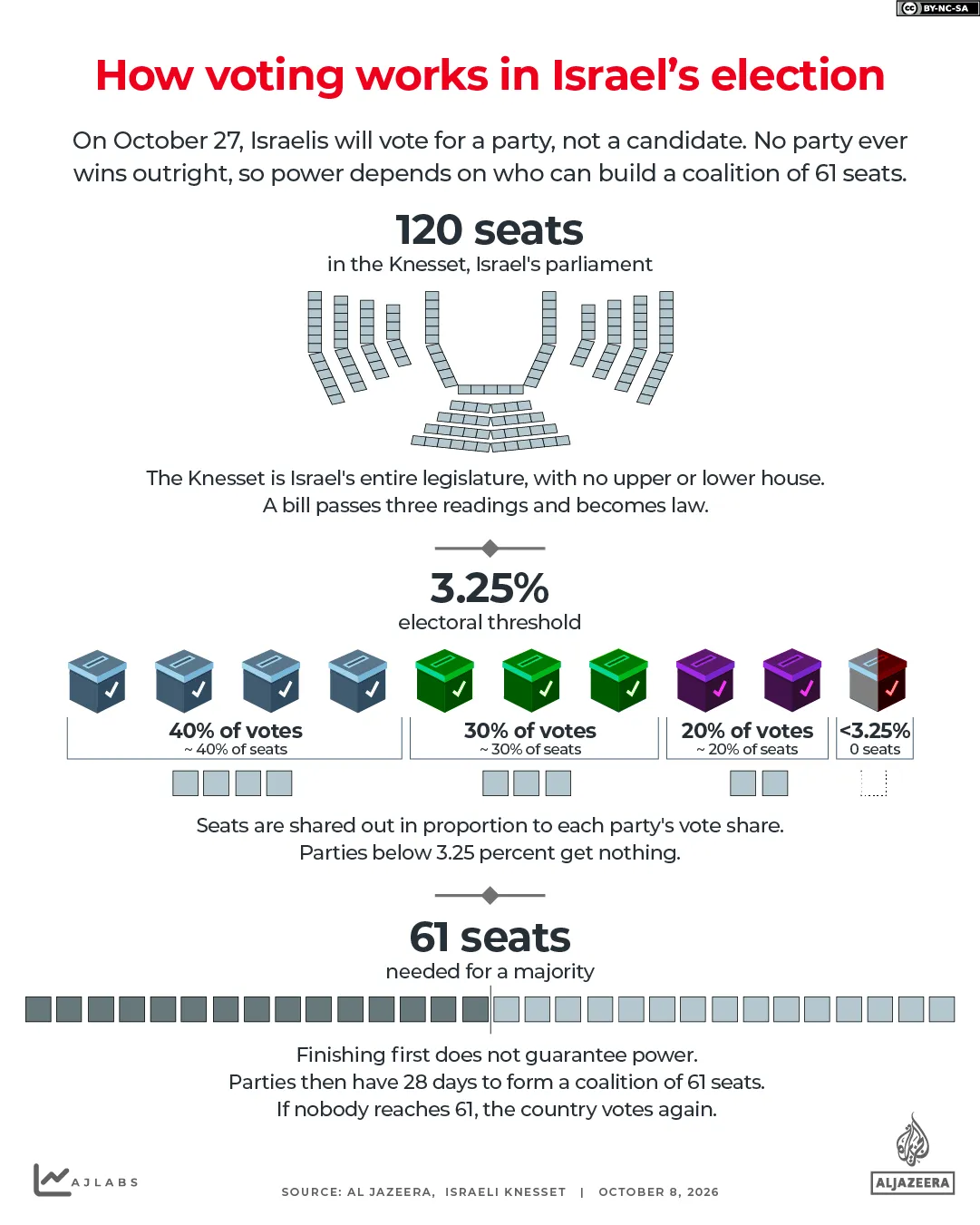
Israel’s parliament, the Knesset, has 120 seats. Parties win seats in proportion to their share of the national vote, provided they clear the 3.25 percent threshold to enter parliament.

A government needs the support of at least 61 politicians to secure a majority.

Neither of the main blocs has reached that number in the exit polls or the initial count. The next step is to find enough parties willing to join forces to make up the difference.

INTERACTIVE - Israel elections 2026 - how voting works-1791465325
(Al Jazeera)

Why is forming a government so difficult?

The Arab-led parties Ra’am and the Joint List could hold the balance of power, with exit polls putting their combined support at between 16 and 19 seats.

But the political obstacles are considerable. Netanyahu has described a coalition with Arab parties as “shameful”, while leading figures in the Jewish-led opposition have also ruled out governing with them.

That leaves potential coalitions that may work on paper but face serious political barriers.

INTERACTIVE - Where Israel's parties stand left right 2026-1793092368
(Al Jazeera)

Which parties belong to each bloc?

Netanyahu’s bloc spans Likud, the ultra-Orthodox parties Shas and United Torah Judaism, and the far-right parties Religious Zionism, led by Bezalel Smotrich, and Otzma Yehudit, led by Itamar Ben-Gvir.

INTERACTIVE - Netanyahu profile card 77 Israel elections-1793181475

Eisenkot’s opposition bloc includes his Yashar party, the Together list associated with former prime ministers Naftali Bennett and Yair Lapid, Avigdor Liberman’s Yisrael Beytenu and Yair Golan’s Democrats.

INTERACTIVE - Israel elections 2026 - Gadi Eisenkot-1792427447

What happens next?

Once the results are certified, the president gives the mandate to the member of the Knesset considered most likely to assemble a majority.

That politician has 28 days to form a government, with a possible extension of up to 14 days. If they fail, another lawmaker can be given a chance. If no one can form a government, Israel may have to hold another election, as it did repeatedly between 2019 and 2022.

INTERACTIVE - Israel elections 2026 - history of elections-1791465321
(Al Jazeera)

Netanyahu, Israel’s longest-serving prime minister, with 19 years in office across three stints, remains caretaker prime minister while coalition negotiations unfold. He is also standing trial on corruption charges, which he denies.

Official results are due on November 4. Negotiations to form a government could take considerably longer.

Source link

Israel’s Eisenkot says country voted for change | Israel Election 2026

Israeli opposition leader Gadi Eisenkot says millions of Israelis voted for change, tired of Benjamin Netanyahu’s ‘lies’. In his first public comment after polls closed, Eisenkot warned rival Netanyahu not to use Israel’s security to ‘serve his political interests’.

Source link

Netanyahu, Eisenkot camps clash over Israel election projections | Israel Election 2026 News

Despite narrower exit poll figures, opposition leaders insisted the result was a defeat for Netanyahu’s government.

Israeli political leaders have traded sharp reactions to exit poll projections showing no clear winner between the country’s main political blocs.

Updated figures broadcast by Israel’s Channel 13 showed Prime Minister Benjamin Netanyahu’s Likud-led coalition tied at 51 seats with the opposition bloc led by challenger Gadi Eisenkot in the 120-seat Knesset.

Recommended Stories

list of 3 itemsend of list

Despite narrower exit poll figures, opposition leaders insisted the result was a defeat for the government.

Eisenkot, head of the Yashar party and a former military chief of staff, told supporters after voting closed that the initial projections showed a “complete lack of confidence in Netanyahu and the October 7 government”, according to the AFP news agency.

“Don’t let anyone confuse you: the Netanyahu bloc has suffered a crushing defeat,” opposition leader Yair Lapid said in a statement. “This is a total collapse and the public has told them to go home.”

Under the updated figures, unaligned Arab parties were expected to hold 18 seats, leaving both major camps 10 seats short of the 61 required for an absolute majority.

Supporters at Eisenkot’s watch party in Tel Aviv cheered projections as voter turnout reached 77.7 percent, according to the Central Elections Committee.

Yashar party leader Gadi Eisenkot and his wife Hannah cast their ballots at a polling station in Herzliya on October 27, 2026, on the day of Israel's legislative election. A deeply divided Israel headed to the polls for the first time since Hamas's October 7, 2023 attack, with voters delivering their verdict on veteran prime minister and the country's rightward drift. (Photo by Jack GUEZ / AFP)
Yashar party leader Gadi Eisenkot and his wife Hannah cast their ballots at a polling station in Herzliya on October 27, 2026 [Jack Guez/AFP]

However, senior figures in Netanyahu’s camp pushed back against opposition declarations, saying the final results could shift the balance.

Gideon Saar, Israel’s foreign minister and a key Netanyahu ally, dismissed opposition statements as “premature”, writing on social media that Likud remained the largest single party in parliament.

Meanwhile, leaders of Arab political factions highlighted their potential role in upcoming coalition negotiations.

“We will transform the mandate we received into a new reality in the country,” Mansour Abbas, leader of the United Arab List (Ra’am), told reporters.

At the Joint List alliance headquarters in Nazareth, candidate Faten Gattas told supporters that high participation among Palestinian citizens of Israel aimed to block the return of Netanyahu’s nationalist coalition.

“We refuse the occupation and racism, and we will remain here,” Gattas said, according to the Reuters news agency.

With neither camp reaching a governing majority, political analysts suggested smaller parties would be key deciders as formal coalition talks begin in the coming days.

Source link

Netanyahu rival Eisenkot holds final rally before Israeli election | Benjamin Netanyahu

Gadi Eisenkot, Benjamin Netanyahu’s rival in Israel’s upcoming election, held his final campaign rally on Sunday, declaring: “Netanyahu must go home.” The former military chief has positioned himself as a moderate alternative to Netanyahu in Israel’s first national election since the October 7 attacks.

Source link