Prosecutors face criticism for dropping appeals in major political cases

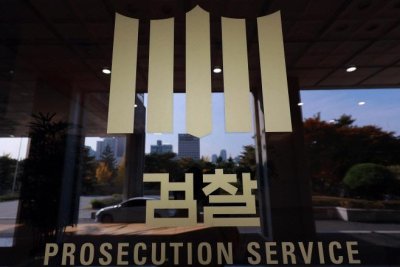
The prosecution service building in Seoul is seen in this file photo. Photo by Asia Today
March 4 (Asia Today) — South Korea’s prosecution service is facing criticism from legal experts after abandoning appeals in several major cases, including those involving President Lee Jae-myung and figures from the ruling party.
Legal analysts say the trend raises concerns about the erosion of prosecutorial independence amid pressure from the government and political circles.
Prosecutors declined to appeal the first-instance ruling in the Daejang-dong development corruption case involving President Lee in November last year. Reports later suggested that senior leadership at the Supreme Prosecutors’ Office overruled recommendations from the investigation and trial teams to pursue an appeal.
The decision also effectively halted efforts to recover approximately 780 billion won ($585 million) in alleged illicit profits from developers linked to the Daejang-dong project.
Prosecutors also chose not to appeal a similar case involving alleged corruption in the Wirye new town development project.
Appeal decisions have also drawn attention in other politically sensitive cases.
In the first-trial verdict related to the 2020 West Sea shooting of a South Korean fisheries official, prosecutors filed what observers described as a “partial appeal” against former National Security Office Director Seo Hoon and former Coast Guard Commissioner Kim Hong-hee.
In a separate case involving allegations of illegal political funding tied to former Democratic Party leader Song Young-gil, prosecutors did not file an appeal to the Supreme Court even after the appellate court overturned the earlier ruling and issued an acquittal.
Prosecutors also declined to appeal rulings involving current and former Democratic Party lawmakers connected to a National Assembly fast-track legislation dispute. Officials said the decision was based on a judgment that further appeals would have “limited practical benefit.” Prosecutors likewise did not appeal convictions involving lawmakers from the opposition People Power Party in the same case.
Under South Korean law, prosecutors are required to perform their duties independently. However, some legal experts argue that recent decisions suggest political pressure may be influencing prosecutorial discretion.
President Lee previously criticized prosecutors during a cabinet meeting in September last year, saying prosecutors sometimes file indictments even when cases lack legal grounds and pursue appeals after acquittals to avoid responsibility.
Lee also ordered an internal inspection after prosecutors staged a collective walkout during the trial of former Gyeonggi Province Vice Governor Lee Hwa-young.
Following those developments, lawmakers from the ruling party introduced legislation to revise disciplinary procedures for prosecutors and pushed for amendments to the Criminal Act aimed at punishing judges and prosecutors who intentionally distort legal interpretation or misjudge facts during investigations or trials.
The ruling party has also formed a parliamentary group advocating for the withdrawal of charges against President Lee and for a national investigation into what they claim were politically motivated indictments.
Cha Jin-ah, a professor at Korea University Law School, said prosecutors appear increasingly reluctant to challenge the administration.
“Prosecutors who might once have pursued investigations or maintained indictments against the government with conviction are now watching the political climate,” Cha said. “This risks subordinating prosecutorial decisions to political power.”
— Reported by Asia Today; translated by UPI
© Asia Today. Unauthorized reproduction or redistribution prohibited.
Original Korean report: https://www.asiatoday.co.kr/kn/view.php?key=20260304010000994