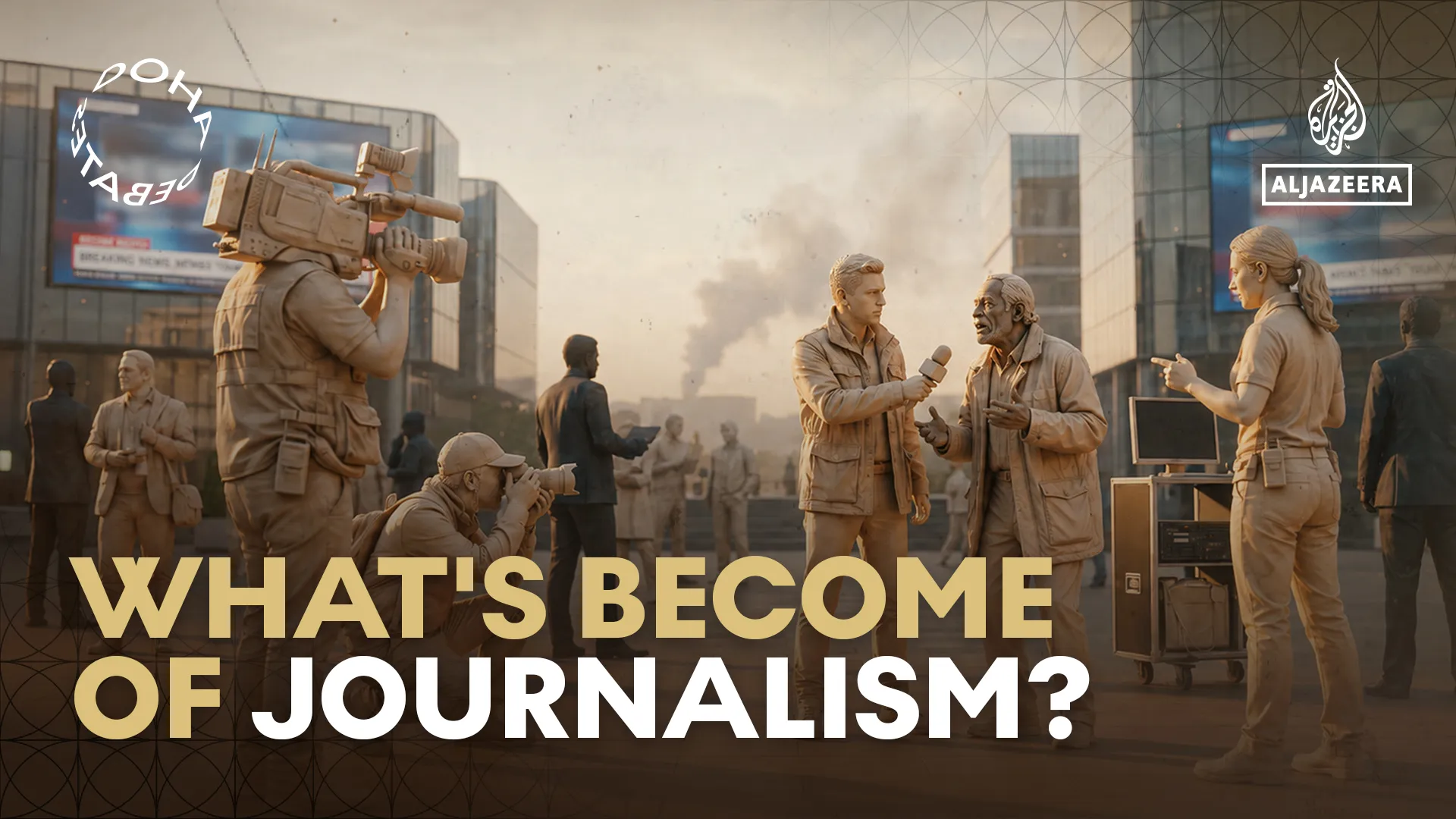
Doha Debates: Should We Trust the News?
Is today’s news built to serve the truth?
Source link
Is today’s news built to serve the truth?
Source link
People are adopting pets over having babies, making the pet care industry grow. But why are people having fewer babies? Al Jazeera’s Yasmeen ElTahan explains.

Published On 6 Oct 20266 Oct 2026
Share
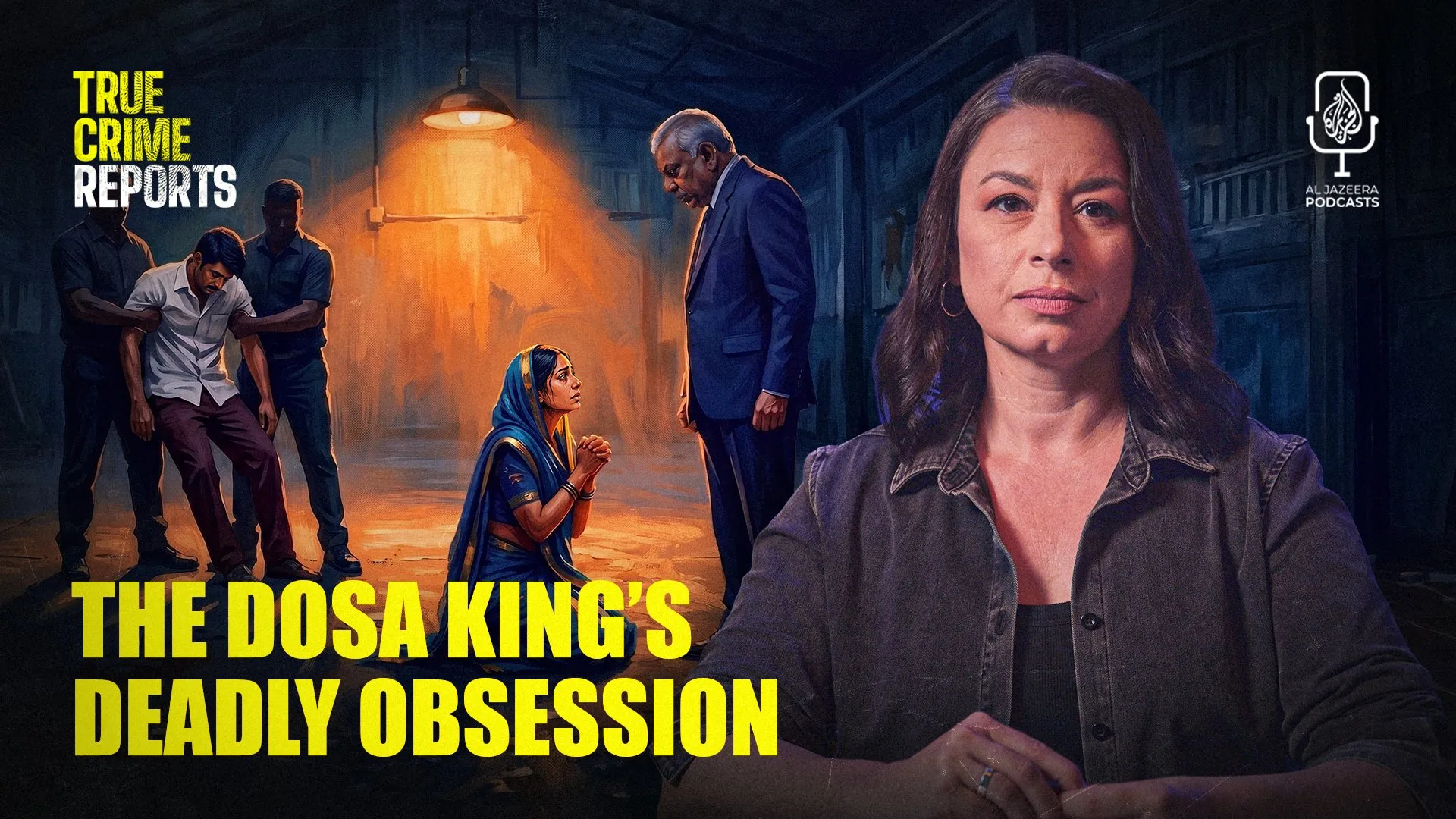
The Dosa King built an empire. After a woman rejects him, her husband is found dead – and the pursuit of justice begins.
The Dosa King built a restaurant empire worth millions. But when a young woman rejects him, he threatens her marriage. Soon after, her husband is found dead. For nearly two decades, he fights to escape justice. Can his wealth and power protect him? Find out in Season 2 of True Crime Reports, an Al Jazeera Originals Production.
The illustrations in this video were created by artists aided by AI-powered software.
In this episode:
Episode credits:
True Crime Reports is an Al Jazeera Originals Production. Our host is Halla Mohieddeen. This episode was written by Ryan Gaffney. The Head of Podcasts is Jo de Frias. The EP of Podcasts is Alexandra Locke. Our Executive Producer is Ney Alvarez. Our Senior Producer is Fahrinisa Campana, Leo Danczak is our producer and Catherine Nouhan is our Assistant Producer. The Production Coordinator is Ashley McCarry. Fact-checking by Catherine Nouhan, Zaina Badr and Chiara Brambilla. The Senior Script Editor is Dan Hawaleshka. Our Post-Production Supervisor is Nacho Corbella. Our Video Editor is Nacho Corbella. Osama Alsaadi is our AI Animator. Alan Leer is the Supervising Sound Editor. The Sound Designer is Lizzy Andrews. Music composition by Tom Biddle. Adam Abou-Gad is our Engagement Producer.
Connect with us:
Published On 27 Sep 202627 Sep 2026
Share
Some graduates are paying thousands just to look employed. And parents are spending up to $50,000 on career coaches. Why is the entry level job market so broken? Al Jazeera’s Yasmeen ElTahan explains.
Published On 22 Sep 202622 Sep 2026
Share
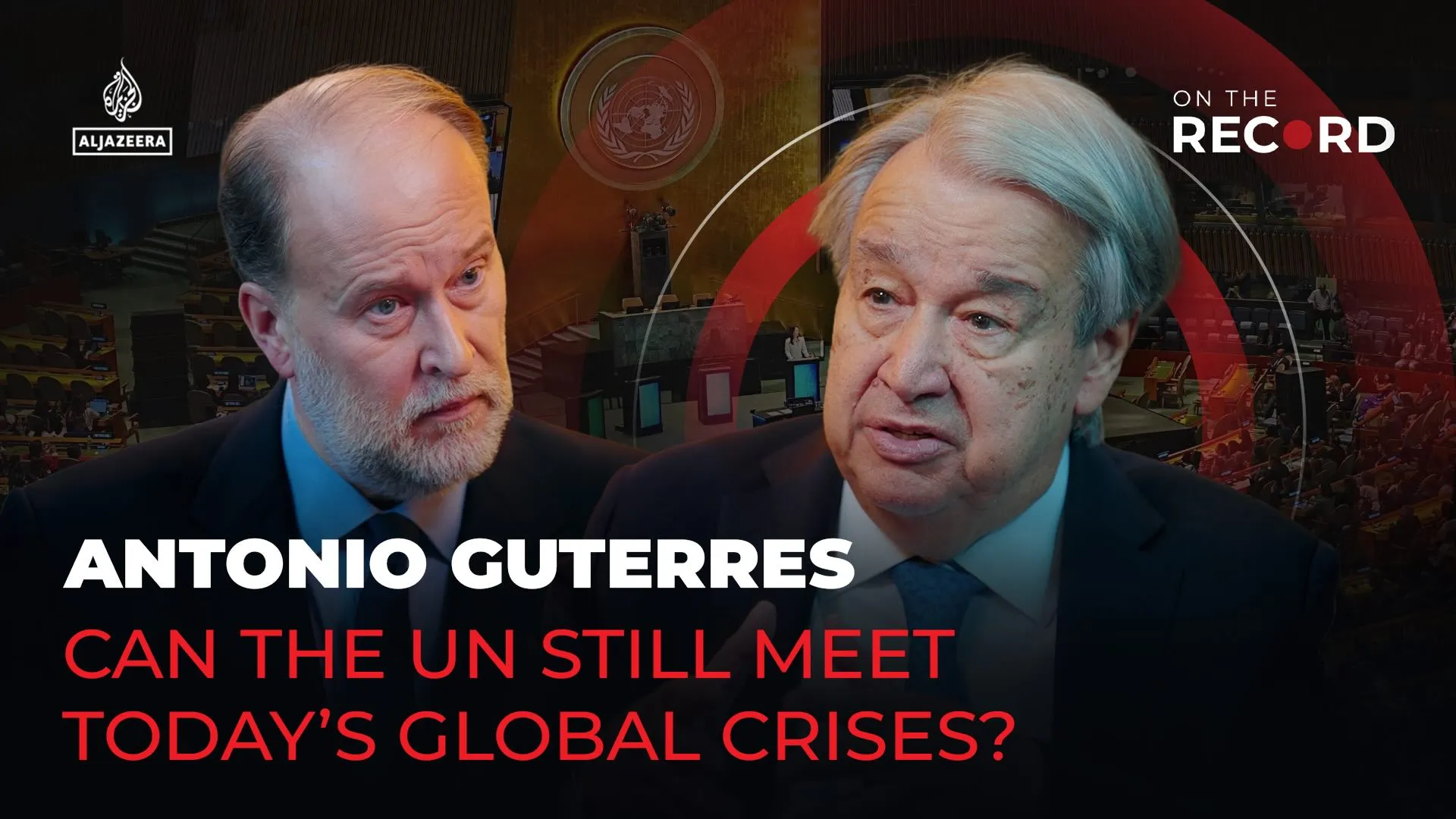
In this episode of On the Record, Al Jazeera’s James Bays sits down with United Nations Secretary-General Antonio Guterres, ahead of his final UN General Assembly before stepping down in December 2026. They discuss the situation in the Middle East and its global consequences, whether the UN is still relevant in addressing today’s challenges and why Guterres believes the UN Security Council must be reformed.
Published On 21 Sep 202621 Sep 2026
Share
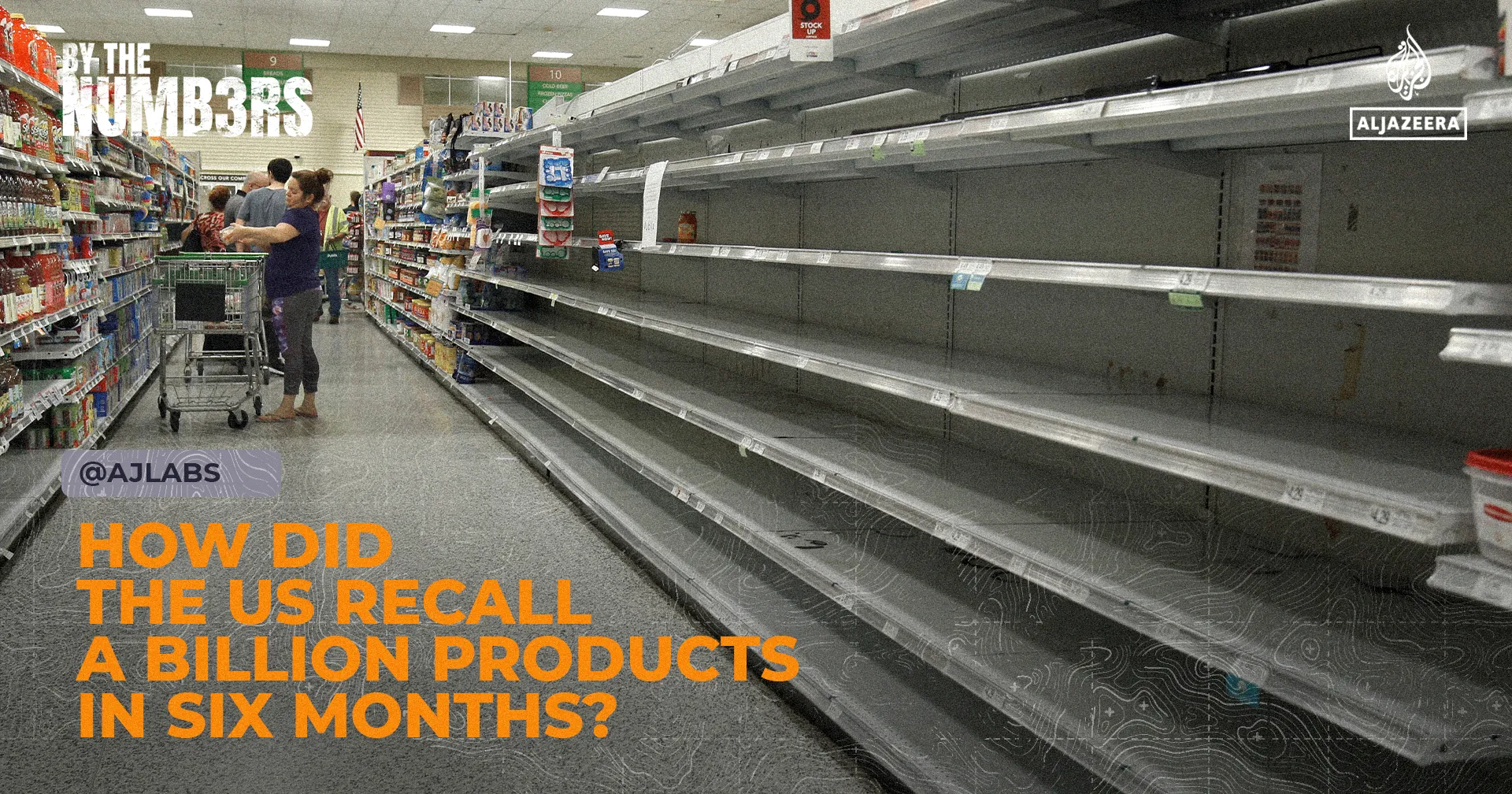
The US recalled a billion products off the market in just six months.
Source link