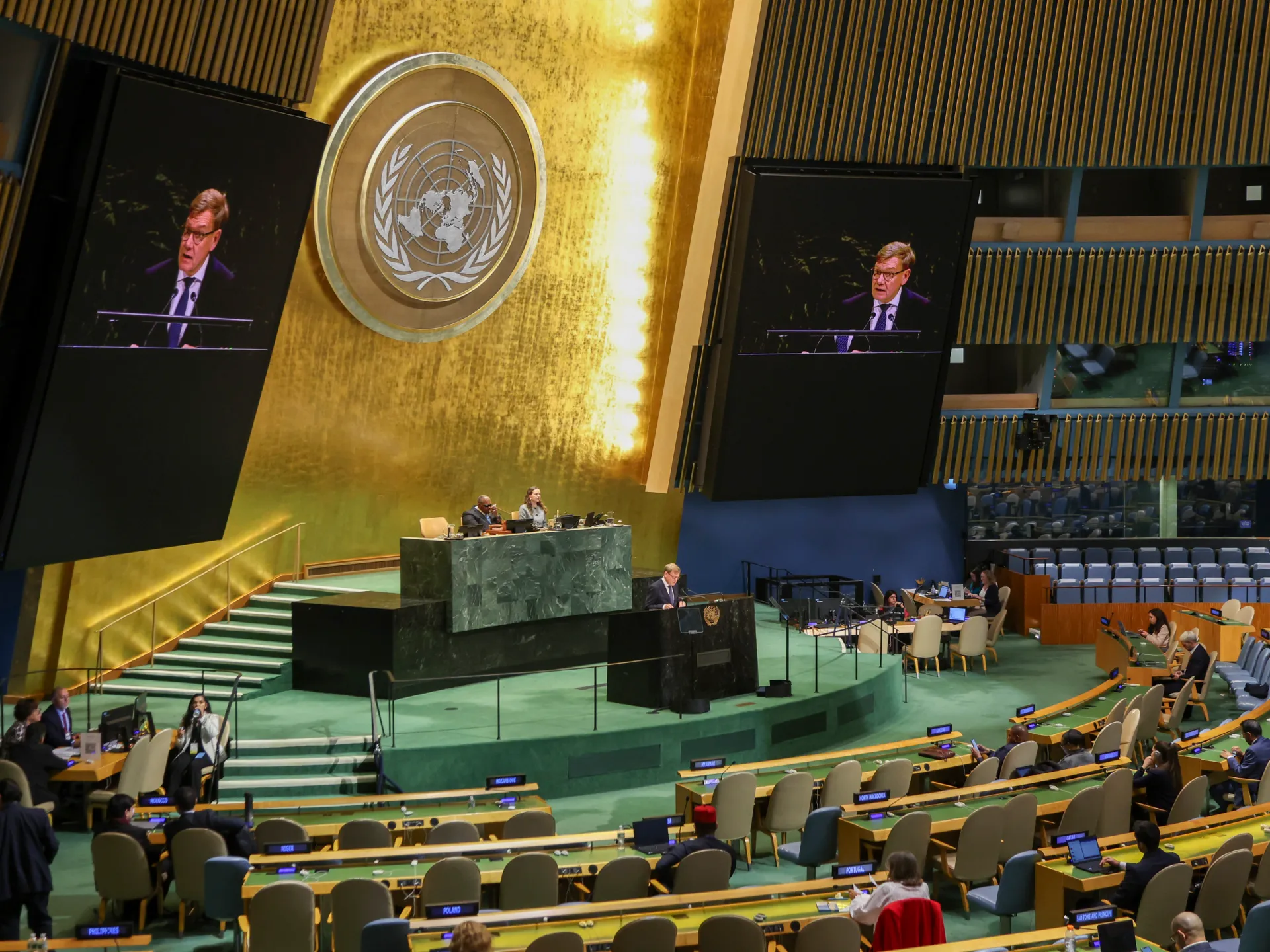
Polls indicate Brazil’s presidential candidates are neck and neck before Sunday’s voting.
Published On 24 Oct 202624 Oct 2026
Brazilian President Luiz Inacio Lula da Silva and his right-wing rival Flavio Bolsonaro have focused on policy proposals in the final debate before their presidential run-off.
The candidates questioned each other on Friday, two days before the election, about Brazil’s economy, infrastructure and regional development.
Recommended Stories
list of 3 itemsend of list
Lula challenged his rival’s plan to take a “chainsaw” to public spending in a manner similar to that of Argentina’s libertarian president, Javier Milei.
“I’ll have the same job here [as Milei in Argentina] because you’re leaving the country bankrupt,” Bolsonaro responded.
Bolsonaro, son of former right-wing President Jair Bolsonaro, accused the incumbent of allowing organised crime to expand, driving families into debt and not addressing the higher cost of living.
“He doesn’t know what hunger is,” Brazil’s first working-class president said of Bolsonaro, who responded, “Why are things so expensive?”
Lula questioned the senator’s experience, saying, “He doesn’t know Brazil.”
His challenger doubled down on presenting himself as a capable candidate who represented change for the country.
Supporters of President Luiz Inacio Lula da Silva follow the televised debate between him and Flavio Bolsonaro before the run-off [Juan Barreto/AFP]
Tense moments
Friday’s debate in Rio de Janeiro, which was broadcast on TV Globo, was notably more diplomatic than their initial face-off on Sunday but also saw its share of personal attacks and tense moments.
Bolsonaro called Lula “Nine Fingers”, a pejorative nickname used by many of his supporters that references an accident the Brazilian president suffered during his time as a metalworker. The 80-year-old leader demanded an apology, which Bolsonaro gave him.
Lula in response called Bolsonaro a vigilante, referring to allegations that his rival has ties to paramilitary groups in Rio de Janeiro. Bolsonaro said he would classify those groups as “narcoterrorists”.
The third tense exchange was between Bolsonaro and the mother of a five-year-old who was killed in a shootout that involved a policeman who had the presidential candidate as his lawyer. Bolsonaro said he doesn’t believe his client was guilty.
Bolsonaro finished first in the initial round of voting on October 4 with 47 percent of the vote to Lula’s 45 percent.
A Datafolha institute survey published on Thursday suggested the pair are now tied with 50 percent support each, compared with Bolsonaro’s four-point lead in polls published two weeks ago.
Both candidates are expected to join supporters in the streets of Rio de Janeiro and Sao Paulo in their last campaign effort before Sunday’s run-off.
Brazil’s President Luiz Inacio Lula da Silva and right-wing Senator Flavio Bolsonaro fired off a barrage of personal attacks during their first debate a week before a tight presidential run-off.
In a chaotic exchange on Sunday, the two men called each other “liar” multiple times, accused each other of corruption, dragged up various scandals, and clashed on issues from public security to healthcare.
Recommended Stories
list of 3 itemsend of list
Lula said Bolsonaro was “a habitual liar” and a “thug”, and physically distanced himself on stage from the candidate he called a “militiaman”, alluding to his alleged ties to Rio de Janeiro’s paramilitary groups.
Bolsonaro, who led the first-round election with 47 percent to Lula’s 45 percent, said it was better to keep Lula at a distance “because my wallet could be stolen”.
Throughout the debate, Bolsonaro, 45, the son of former President Jair Bolsonaro, paced behind Lula, shaking his head, smirking and scoffing as his adversary spoke.
The 80-year-old Lula, who is seeking a fourth term, demanded an explanation regarding a corruption investigation involving the older Bolsonaro, a question his opponent dodged.
The younger Bolsonaro responded by calling Lula a “clown”, and then parried by bringing up a potential corruption case involving one of the president’s sons.
Jair Bolsonaro has been under house arrest while serving a 27-year sentence connected to efforts to overturn the 2022 election, which he lost to Lula.
Cost of living, public spending in focus
Flavio Bolsonaro hammered away at the top concerns of Brazilians, such as the cost of living and crime, and accused Lula of “reckless spending” to get re-elected, referring to various social measures the president has announced during the campaign.
Lula countered by asking Bolsonaro about his plans to emulate the drastic public spending cuts implemented by Argentina’s right-wing president, Javier Milei.
Bolsonaro dodged the question throughout the debate and pivoted to different topics.
When his father’s handling of the COVID-19 pandemic came up, Bolsonaro admitted that this “wasn’t an area where we saw the best results during Bolsonaro’s presidency. I’ll offer a mea culpa here.”
Lula also sought to portray his opponent as out of touch with poor Brazilians, saying Bolsonaro had never used the country’s public healthcare system or taken a bus.
“My opponent only knows about buses from books. He has never even stepped foot on one. He has no idea what the world of work is like,” Lula said.
Voters show their colours
Ahead of Sunday’s debate, supporters of each candidate gathered en masse in public to show their allegiance.
Pro-Bolsonaro crowds wearing Brazil’s national colours of yellow, green and blue packed Paulista Avenue in Sao Paulo’s financial centre, where the candidate addressed the crowd.
Lula supporters wearing red, symbolic of his Workers’ Party, filled Brasilia’s plaza of government buildings, while students backing the president protested against Bolsonaro in Rio de Janeiro.
“We need the current government to remain in power. If another government comes in, we’re, excuse my language, screwed,” said Lula supporter Sonia Maria at the Brasilia rally.
“I don’t like bandits. Out with Lula!” said Bolsonaro backer Vera de Sousa in Sao Paulo.
Also on Sunday, Brazil’s federal police asked the country’s Supreme Court to open an investigation into Bolsonaro over a money laundering accusation involving a lawyer close to him.
The presidential candidate is already under investigation for his links to Daniel Vorcaro, a disgraced former banker who financed a movie about Jair Bolsonaro’s life.
Lula spent 580 days in prison in 2018 and 2019 on a corruption conviction that was later annulled over flaws in the investigation and legal proceedings.
Polls suggest a close race for the October 25 run-off, with Flavio Bolsonaro holding a slight advantage after finishing nearly 2 percentage points ahead of Lula in the first round on October 4.
Both candidates hope to engage the 33 million voters who stayed home in the first round, equal to about one in five eligible voters.
Sunday’s debate was the first between Lula and Bolsonaro after the candidates both declined previous opportunities. A second debate is scheduled for October 23, just ahead of the runoff.
With three weeks left to go until election day and polls showing her on the brink of losing, Los Angeles Mayor Karen Bass has begun to channel the Sun King himself, Louis XIV:
L’État, c’est moi.
Gaslighting voters by insisting the political establishment that has left Los Angeles a mess and that she personifies is worth keeping in office for four more years is her only hope for victory. It’s a wild strategy that reached a crescendo during Tuesday night’s debate, as Bass kept bringing up the fact that L.A.’s ancien régime just doesn’t like her democratic socialist opponent, Nithya Raman.
“Your colleagues have a very difficult time working with you,” Bass snapped at one point, later claiming that Raman’s constituents don’t care for her even though the council member won reelection two years ago. The mayor twice bragged that immigrant rights groups support her; twice referenced Imelda Padilla, the moderate San Fernando Valley council member whose internet dragging of Raman has been out of the Burn Book from “Mean Girls”; and described her opponent as “not ready for prime time.”
Well, the way the mayor’s term has gone in the last couple of years, if it was a prime-time TV show, it might be called “Breaking Bad 2.” And it wouldn’t exactly be a hit.
If it were, two-thirds of Angelenos wouldn’t have decided to vote for anyone but Bass in the primary.
Bass arguably won the debate Tuesday night, but it felt like the technical “victory” — and that’s probably the wrong word — of a politician who is simply more polished. The mayor really needed a knockout punch, and that she did not achieve.
Instead, she in effect told voters that the last four years of disasters, inefficiencies and ineptitude are still a better option than taking a chance on the City Hall equivalent of the classroom dork.
Yet people are so angry at Bass and what she represents that a democratic socialist has a great shot at becoming L.A.’s next mayor — an unthinkable prospect even last year, with no one to blame but the ruling class that has left this great city hobbled, cynical and at the point of giving up.
So the establishment doesn’t like Raman: So what? And: Boo-hoo.
Casting Raman as a political leper while asserting that Bass represents stability and good times ahead isn’t the winning strategy that Bass and Raman’s critics think it is. It’s really just a sad coda for Bass.
She’s been a good soldier for L.A., someone who has participated in nearly every progressive movement to pass through Southern California since volunteering for Robert F. Kennedy’s presidential campaign as a teenager nearly 60 years ago. Even as Bass embarked on a 22-year political career that has seen stops in Sacramento, Washington and City Hall, the native Angeleno always successfully depicted herself as a political outsider.
Because she was:a Black woman in a realm not meant for people like her. She was someone who co-founded a pioneering nonprofit in the crucible of a changing South L.A. in the 1990s and always seemed to land on the right side of history until becoming mayor in 2022.
Sadly, Bass didn’t turn out to be the visionary L.A. desperately needed.
Mayor Karen Bass, left, sits for Tuesday’s debate with Councilmember Nithya Raman, right. Between them are NBC4 reporter Conan Nolan, NBC4 News anchor Colleen Williams and Telemundo 52 anchor Alejandra Ortiz.
(Eric Thayer / Los Angeles Times)
Like so many baby boomers, Bass eventually became The Man without realizing it. Today, she not only stands as the figurehead of the city’s liberal potentates, but she’s also calling on them to rally around one of their own — and they have responded in kind. Democratic politicians, bureaucrats and labor leaders, once rabble-rousers like Bass who nowadays seem to exist mostly to keep their sinecure, have labored mightily to convince unbelieving voters that Bass deserves another shot.
That’s always been the marvel of L.A.’s political establishment. It can take someone like Bass, once considered so radical that her days visiting communist Cuba in the 1970s torpedoed her chances of becoming then-presidential candidate Joe Biden’s running mate in 2020, and transform her into an anodyne incumbent. It can make democratic socialists like Councilmembers Eunisses Hernandez, Ysabel Jurado and Hugo Soto-Martínez — people who explicitly ran to take on a sclerotic City Hall — full-throated Bass supporters who have refused to support one of their own in Raman.
Raman was also becoming part of L.A.’s political chosen ones, to the point she initially endorsed Bass. But she now embraces her turn as the machine’s biggest sellout — whether it’s a true change of heart or a chameleonic self-serving measure, as critics maintain, remains to be seen. It was Raman who said at the end of the debate, “When the mayor is confronted with issues, she blames the system. With your support, we can actually change the system” — catnip to enough Angelenos that Raman seems to be at the cusp of victory and a monumental upset.
After the debate, NBC reporter Robert Kovacic interviewed elected officials to let them hype up Bass or Raman. The latter’s proxy was City Controller Kenneth Mejia, another person loathed by L.A.’s political know-it-alls because he keeps bucking the establishment. Mejia gushed about how Raman “destroyed” Bass with the enthusiasm of a Swiftie.
Bass’ supporters were Councilmember Monica Rodriguez and Assemblymember Rick Chavez Zbur, both of whom gravely parroted their candidate’s warnings about just how dangerous a Raman mayoralty would be. Chavez Zbur reduced Raman’s not-bad performance to a “host of complaints” — ironic, because most of Bass’ night was spent bashing Raman instead of offering much of anything positive.
Rodriguez, meanwhile, told Kovacic that voters shouldn’t choose Raman because “we can’t afford that level of indecisive leadership.”
I rolled my eyes when Rodriguez — whose office declined a chance for her to sit down with me to talk up why Latinos should support Bass — said that.
She’s part of the fabled eastern San Fernando Valley Latino political machine, another group of former gatecrashers who assumed the trappings and stylings of the old guard once they assumed power. Rodriguez long blasted Bass with the same venom she reserved for Raman until the latter mounted her challenge — but now that Rodriguez’s power is under threat, she’s all of a sudden decided to become Bass’ ride-or-die?
Moves like that remind me of another French monarch, Louis XV. “After me, the deluge,” he is supposed to have said, a warning of what would happen once his reign ended.
If Bass’ vow to rule the same as before represents a decisive leader, more and more Angelenos seem to be saying, give us the Raman flood.
Besides, nobody ever said, nor ever put on a campaign sticker, “The establishment? It’s cool!”
In the Los Angeles mayoral debate Tuesday night, I was reminded of two things.
First, as I’ve said before, it’s no surprise that roughly one-third of likely voters remain undecided with less than three weeks to go until election day.
Second, there is one key difference between the two candidates: We know who Mayor Karen Bass is, but we don’t yet know who Councilmember Nithya Raman is, even though she’s been leading in most polls.
Those two points are connected. I think a majority of voters want a change at City Hall because of the marginal progress on homelessness, the erosion of basic services and the bad decisions before and after the Palisades disaster, among a host of other issues.
But they’re not sure what they’d be getting in Raman.
Why not?
If you haven’t already seen the story a few days ago by The Times’ longtime City Hall reporting ace, Dave Zahniser, you need to check it out right here.
The headline neatly sums it up:
“L.A. mayoral candidate Nithya Raman has strong opinions. But they often change.”
Raman has flip-flopped so many times, it’s as if she’s having a political identity crisis, which is not a great selling point for a candidate.
She endorsed Bass, an ally, for reelection and then abruptly and surprisingly announced that she was running against her.
She rose to power as a darling of the Democratic Socialists of America and vowed to defund the police, only to later support an LAPD budget increase.
She embraced the so-called mansion tax, then said it needed an overhaul.
She supported and helped fund Bass’ signature homelessness initiative, Inside Safe, and now has turned against it.
“That’s the real wild card,” said Sara Sadhwani, assistant professor of politics at Pomona College. “She has flip-flopped so extensively on policy that it’s unclear which version of her values we would get.”
Look, it’s not uncommon for a candidate of the left, or the right, to move toward the center to broaden support. And there’s nothing wrong with learning on the job and evolving. It’s all too rare, in fact.
The problem for Raman is that in somersaulting around on core issues, she’s alienating some of the people she would need as allies in order to be an effective mayor.
They might come around, because in the city’s shared system of power, there are times when the City Council and mayor need to paddle in the same direction in order to get anywhere. But among the 15 City Council members, 13 have endorsed Bass, and that support includes even the DSA wing of the council.
I like the idea of a rebel as L.A. mayor, but the job is hard enough with City Council allies. Without them, Raman could be cooked. And it’s not as if she’d have an easy time winning support for much of anything from the powerful public employee unions and traditional business interests, which are for the most part aligned with Bass, for better and for worse.
Both candidates had their moments in the debate, although I gave the edge to Bass. During The Times’ live chat, I said I think L.A. really needs a leadership change, and I think Raman did not prove that she’s the answer.
It’s probably the second-most important political job in the state, in one of the great cities of the world, and along with the ducking and punching, I wanted more love, more poetry, more unbridled passion and a contagious sense of possibility.
And please, all you Spencer Pratt toadies, don’t send me your whiny little notes about how he was the guy all along. Identifying some of the obvious problems is easy enough. (I do it all the time.) Having a plan is another matter, and that’s why I never ran for mayor, and why Pratt faded out of the picture.
So what next, as the final three weeks of the campaign play out?
If I were Raman, who is 45, I’d go heavy on touting the work she’s done on eviction protections and capping rent hikes, because nailing down younger voters could give her the keys to the throne. On homelessness, she knows the issue better than most, has detailed what’s wrong with the Bass program, has made headway in her own district, and has laid out a plan to speed up progress and efficiency citywide.
But her best argument is that City Hall and the entrenched political establishment need a major shake-up, because the machine is now a jalopy.
“We cannot afford another four years of decline, of mismanagement, of excuses,” Raman said in the debate.
As for Bass, 73, you can’t count her out just yet because she’s a fighter, and she’s better at campaigning than at being mayor. She also is likely to benefit from the fact that older voters — who are most likely to go to the polls — favor her by a huge margin.
“You are not ready for prime time,” Bass told her former ally during the debate, and Bass also hammered Raman for taking “different positions on different days of the week.”
In 2005, Mayor Jim Hahn became the first L.A. mayor to lose a reelection bid in more than three decades, falling to Antonio Villaraigosa. It was a rout, at 58% for Villaraigosa to 41% for Hahn.
I don’t see a rout this time.
The question for Los Angeles is this:
Have you had enough of the mayor you know, and are you ready to roll the dice on someone you don’t?
Karen Bass and Nithya Raman faced off Tuesday night in a debate hosted by NBC4 and Telemundo52 in Universal City. It was the L.A. mayoral candidates’ last head-to-head before the Nov. 3 election.
Times columnists Lorraine Ali, Gustavo Arellano and Steve Lopez weigh in on the highlights and lowlights.
Arellano: Raman had the line of the night at the very beginning, channeling — of all politicians — Ronald Reagan, one of the last people you’d think of as an Angeleno, even though he absolutely was.
“Are you better off than you were four years ago?” she asked while looking directly into the camera.
For the vast majority of L.A. residents, the answer is a resounding no.
Up until tonight, Raman has done a good job of communicating a message of hope and change, while Bass, as the incumbent, has repeatedly tripped on her record over the biblically bad four years of her first term.
But I didn’t hear that Raman tonight — partly because Bass made her play defense, from her first answer to her closing statement.
The mayor won the debate, if we’re judging by forensics. She rarely looked down at her notepad, unlike Raman. It’s something I’ve never noticed about Raman before — either a new nervous tic, or an indication that the city councilmember can’t seem to speak with conviction, which has been a frequent critique against her.
Bass’ barrages got to Raman more than a few times, leading her to talk over the NBC and Telemundo moderators or even shush them. A whining Raman is not a good Raman, which her advisors need to drill into her sooner rather than later.
But Raman’s answers never meandered and weren’t too elliptical, even when she was pressed by the able moderators. Since she’s ahead in most reputable polls, Raman’s job for the night was not failing — and she cleared that low, low hurdle.
Bass, meanwhile, needed to deliver a knockout punch. Instead, as a politico friend who cares for neither candidate texted me after the debate, she won one round. There are only so many more rounds before Election Day for her to catch up — and Bass can’t rely on just winning on points anymore, especially with an opponent who’s now running like she’s ahead.
During closing remarks, Raman hearkened back to her Reagan shout-out, stating, “We cannot afford another four years of decline, of mismanagement, of excuses.” She then pivoted to her positivity message, smiling while proclaiming, “We can be joyful and ambitious again.” The more she sticks to that upbeat vibe, the better she comes off to a voter base tired of the doom and gloom that has fallen over L.A. under Bass.
Bass, meanwhile, came off as funereal, beginning with, “It has been the honor of a lifetime to serve in the city that I was born and raised.” That’s how you start a retirement announcement, not another four-year term. Let’s see what the voters say on Election Day.
Incumbent Karen Bass during a mayoral debate against City Councilmember Nithya Raman Tuesday night.
(Eric Thayer/Los Angeles Times)
City Councilmember Nithya Raman during Tuesday night’s debate against Mayor Karen Bass.
(Eric Thayer/Los Angeles Times)
Lopez: After watching the debate, I don’t think this thing is over.
Yes, Raman has been ahead in polling, and Bass is saddled with high negativity ratings, the baggage of the Palisades fire and the continued challenge of homelessness.
But this debate could have been a knockout punch for Raman, and instead, I think Bass won the night, not just by touting her achievements and responding sharply to criticism, but by seeming to have a better command of the moment.
My colleague Lorraine Ali made a good point — how many people were actually watching this debate? Probably not many, so it’s not like this one-hour back-and-forth tips the scale.
But as has been noted, a huge percentage of likely voters remain undecided. Maybe that’s because they’re not in love with either candidate. Or maybe they’re ready to move on from Bass but aren’t sure about who Raman really is. If they watched tonight, looking for an answer, I’m not sure they got one.
Raman came into elected office as a darling of the Democratic Socialists of America and was a high-profile member of that wing on the City Council. But even the council’s DSA members didn’t endorse her bid for mayor. In fact, Bass has gotten support from 13 of the 15 council members.
So how will Raman build a coalition in a city where mayoral power is shared with the council, and matters like homelessness are the joint responsibility of the city and the county, and any progress is stymied without strong mayoral relationships in Sacramento and D.C.?
It’s possible that the council will come around to her if she’s elected, because just as the mayor needs the council to get much done, the council needs the mayor.
But I’d like to know more about who Raman is and why she’s flip-flopped so much (on support for the LAPD, on the mansion tax, on the Inside Safe homeless initiative, etc., etc.), as my colleague David Zahniser reported just the other day.
Learning and evolving can be a good thing. But voters need to know who Raman is, what her vision is for the city and how she expects to lead.
I didn’t get that in this debate. Bass, whose first term works against her as much as for her, is still hanging on and hanging in.
It may come down to whether older voters, who are likely to favor Bass, turn out in greater numbers than younger voters, who are likely to favor Raman.
But from where I sit, it ain’t over. Except maybe for the Dodgers.
Ali: Raman was ahead in the polls headed into tonight’s mayoral debate, so her job wasn’t quite as hard as Bass’, who is fighting for her political life. Raman just needed to knock the mayor off balance — then keep her there for an hour. But that didn’t happen.
Bass came off composed, confident and in command of the conversation, while Raman appeared less sure of herself, frequently looking down to check her notes while defending her work on key concerns such as homelessness (until recently, she was chair of the city’s housing and homelessness committee) and attacking Bass for leaving the city “leaderless” during crises such as the Palisades and Lineage fires.
The overall tone of the debate was less heated than when the two candidates met in August to battle it out sans Spencer Pratt, the former reality TV personality and Republican contender who lost in the primary.
But there were moments Tuesday when the women’s history as colleagues — and onetime allies — informed their attacks on one another.
Bass said Raman was “not ready for prime time” and that she had a “contemptuous” relationship with her constituents. Raman continually pointed out that Bass had failed to remedy L.A.’s homelessness crisis, and did so from the perspective of someone who had worked closely with the mayor.
There’s still a question around how many folks actually watched the debate, and if the candidates’ points will resonate in subsequent clips or memes. Neither contender has the charm or spark of, say, New York Mayor Zohran Mamdani, and as vapid as it may sound, charisma matters.
Three weeks out from the election and there still isn’t a lot of excitement over the mayoral choices on the ballot. This debate didn’t help that cause, or juice the race.
Lucky for Bass, she has the presence of a leader, and that gave her the edge over Raman tonight. But was anyone watching beyond my fellow columnists Gustavo Arellano and Steve Lopez?
Times columnists Gustavo Arellano, Steve Lopez and Lorraine Ali are chatting about Tuesday night’s Los Angeles mayoral debate between Mayor Karen Bass and Councilmember Nithya Raman. Follow along in real time:
Ali: The stakes are high for both contenders, yet I wonder how many Angelenos will be watching.
It’s surprising the number of otherwise politically aware folks who had no idea the debate was taking place tonight until I mentioned it. Then they were irked to find it airing on network TV: “Who still has cable?!” Apparently, venturing onto Telemundo or NBC’s live feed is a bridge too far. But it shouldn’t be.
Raman is still a mystery to many, even though she’s polling ahead. Tonight, she needs to definitively show who she is beyond The Candidate Who Is Not Karen Bass. Bass has to defend her record, of course, but also contend with the electorate’s insatiable need for change — even if they know very little about what that change may bring.
As for the rest of us? Tune in! The future of L.A. requires your attention.
Lopez: Picking up on Gustavo’s framing of the debate as Round 3, we’re talking about two pugilists who used to fight for the same club, more or less, and now enter the ring looking to take each other out. So it’s personal, and could indeed get nasty.
Raman’s job in the debate is a little easier, in some ways. Though I don’t put much stock in polls, she’s ahead on points by virtue of Bass’ high negative rating alone. And yet, think of the pressure on Raman to seal the deal.
If the challenger doesn’t prevail tonight and go on to win the election next month, she could be setting herself up for a lonely political future, having alienated more than a few former allies in her quest to evict the mayor from City Hall.
For Bass, the stakes are just as high. A 21-year political career is on the line.
I hope that along with the punches and counter-punches, we get some inspiration, too, and a workable game plan for making a great but troubled city a better place to call home, even if the Dodgers end up breaking our hearts.
Arellano: Will the Third Bass-Raman debate be a classic — or a dud?
Ali-Frazier. Morales-Barrera. Liddell-Couture. Trilogies are hallowed in the worlds of boxing and mixed-martial arts as case studies of evenly matched rivals to wallop each other in the first two matches, creating the setting for a final showdown and chance at eternal bragging rights — and usually, a title.
Will tonight’s bout between L.A. mayoral candidates Karen Bass and Nithya Raman, scheduled to air at 7 p.m. on KNBC, rise to those rarified levels?
The makings of a classic are there. Bass was the wily incumbent during her primary face-off with Raman who let fellow mayoral candidate Spencer Pratt land most of the attacks against their shared opponent. That left Raman uttering loopy word salads when she wasn’t crying conspiracy between the two. But the council member nevertheless made it into the general election against Bass, and dominated their second debate, hosted in August by the Sherman Oaks Homeowners Assn.
All of a sudden, Bass was a staggering champion lunging at a revived Raman, who swung and stung and ducked the way only a hungry up-and-comer can.
The two go into their rubber match each promoting polls that they claim show voters back them, while letting proxies launch attack ads that promise to get uglier and more ubiquitous as Election Day nears. Expect Bass at tonight’s debate to try and assert her dominance early with equal part offense against Raman and defense of her record. Expect Raman, whom City Hall opponents have long trashed as conflict-averse, to focus on a message of possibility and positivity while holding her ground and striking back — and hard — when necessary.
Will tonight cement the Bass-Raman trilogy as an electoral classic — or end it on a deflating note? One thing’s for sure: the two need to leave everything on the debate stage if either wants to win and get that much closer to become L.A.’s Madam Mayor.
ATLANTA — Not long ago, Georgia gubernatorial nominee Rick Jackson eagerly compared himself to his fellow billionaire in the Oval Office. He promised to be Donald Trump “with a Southern tone.” And sharing a summer rally stage, Jackson pointed at the president and declared, “I’m going to be this man’s favorite governor.”
On the debate stage this week with his Democratic opponent, however, Jackson discussed Trump only when Keisha Lance Bottoms brought him up. And he assured his audience that he’d “stand up to anybody.”
Jackson is not alone in his recalibration: Republican nominees for Senate, the U.S. House and governor’s offices across the country are sidestepping President Trump or openly distancing themselves as they debate before Election Day.
Those tactics, not unlike Republicans scrubbing Trump from their campaign websites, are the latest signs of how much Trump’s standing has fallen because of voters’ frustration with inflation, the Iran war and other matters. And the dynamics highlight the perilous options many Republicans face as they try to stitch together winning coalitions that go beyond Trump’s core supporters.
“Republicans right now are facing a voter turnout problem” in their own party, said GOP pollster Paul Shumaker, and must win “unaffiliated voters” who care most about the economy.
“You have to have something significant to change this narrative,” Shumaker said. But, he explained, that means “a significant victory in Iran” and seismic economic improvements — not something any Republican midterm candidate can force from behind a debate podium.
There’s a Trump tightrope on Iran, tariffs and rhetoric
Some Republicans are taking specific positions at odds with the president.
Michigan Senate candidate Mike Rogers said in his debate Thursday with Democrat Abdul El-Sayed that he’d urged the White House privately to reach a trade deal with Canada and end the president’s tariffs. Canada is Michigan’s largest trading partner, as it is for many Great Lakes and Midwestern states.
Days before, Rogers unveiled a new ad in which he said, “We know that Canada is not our enemy. We need to end the tariff war — now.”
That’s a noticeable departure from Rogers’ earlier, less specific statements praising Trump’s “America First” economic agenda while saying tariffs are not a “one-size-fits-all” solution.
Another Michigan Republican, Rep. Tom Barrett, already had bucked the president by voting for a war powers resolution intended to assert congressional authority over military actions in Iran. But debating Democrat Will Lawrence in their central Michigan district, Barrett added a criticism of Trump’s rhetoric Monday in Nebraska, where he floated the possibility of Iran attacking San Diego and Los Angeles.
The president mentioned those cities as part of his argument that higher gas prices because of his Iran war are a “small price to pay” to keep the country safe. But Democrats seized on the remarks, some insisting that Trump was calling for Iran to attack U.S. cities.
Barrett was asked whether Trump’s words were acceptable. Given the opportunity to echo the White House explanation that Trump was offhandedly mentioning a worst-case scenario he was trying to prevent, Barrett offered no defense.
“Nope,” he said flatly.
Many Republicans prefer a more generalized stiff arm
Reflecting the complex electoral balance, most Republicans have attempted to separate themselves without naming any firm difference with the president.
Running for a promotion to the Senate, Iowa U.S. Rep. Ashley Hinson tried in her debate Wednesday against Democrat Josh Turek to reconcile her earlier promises to be a Trump ally in Congress’s upper chamber. She said it would be “really easy” to keep her word and still be bipartisan — a buzz word she’s already been featuring in her campaign.
“I’ll be President Donald Trump’s ally when it is important for Iowa, but I will push back on him — he knows this, because I talk to him regularly — on things that are wrong for our state,” she said. “That’s true no matter who’s in the White House. That’s true no matter who is governing and who has the gavel.”
That’s the same path Jackson took in Georgia, as he pivoted away from Trump by embracing outgoing Georgia Gov. Brian Kemp, a Republican who has clashed with the president, starting with Trump’s false claims that he won Georgia in the 2020 presidential election.
“I will stand up to anybody, just like Brian Kemp has done,” Jackson said.
Another Republican House member, Mike Lawler of New York, made a point of name-checking a Democratic colleague, New Jersey’s Josh Gottheimer, and discussing bills they’d work on together. It was part of his argument that he’s able to challenge Trump and the party line.
“When I agree with the president I say it. When I disagree with the president, I say it,” he said in his closing remarks.
Hinson, meanwhile, referenced bills she’s worked on in the House that have been signed into law by both President Joe Biden and Trump.
But she also avoided criticizing Trump when asked about the president sending Affordable Care Act rebate checks to some Americans and promising a $5,000 bonus after the midterm elections if Republicans retain control of the House and Senate.
She said she “cares very deeply” about making sure Congress maintains the power of the purse and thinks it’s important to “live better within our means.”
Democrats pounce on either approach
Regardless of the Republican efforts, Democrats have continued peppering them with attacks and retorts about Trump. The most heated moments came when Democrat Cait Conley repeatedly said Lawler always voted with Trump.
“No matter how many times you say 100% of the time,” the congressman answered, “it’s provably false.”
When Rogers conceded in his back-and-forth with El-Sayed that the administration “probably” made errors in its mass deportation strategy, the Democrat answered swiftly.
“He said it was probably not right. I mean, it’s definitely not right,” El-Sayed said. “They killed two people.”
And while Georgia’s Jackson seemed uncomfortable talking about Trump, Bottoms was more than happy to mention him.
“I’m not running to be his favorite governor,” she said. “I’m running to work on behalf of people like you.” ___ Associated Press reporters Joey Cappelletti in Washington; Hannah Fingerhut in Des Moines, Iowa; and Jill Colvin in New York contributed to this report.
The leading candidates in Michigan’s heated Senate race have faced off in their first televised debate, with less than a month remaining before the United States midterm elections.
Thursday’s hour-long debate was a microcosm of how tense the toss-up race has become.
Recommended Stories
list of 3 itemsend of list
Democratic nominee Abdul El-Sayed, formerly the health director for Wayne County, repeatedly sought to paint his Republican adversary Mike Rogers as a yacht-owning millionaire out of touch with ordinary voters.
For his part, Rogers, a former member of the US House of Representatives, lobbed accusations at El-Sayed that he was soft on “terrorism” and had foreign sympathies.
The Michigan-born El-Sayed has repeatedly faced Islamophobic attacks while on the campaign trail, with Republican President Donald Trump labelling him an “extremist, terrorist sympathizer” whose history “goes back to the days of the Jihad”. If elected, El-Sayed would be the first Muslim member of the US Senate.
The two candidates spent much of their hour onstage together speaking over one another, as they exchanged pointed barbs.
“He can’t condemn a terrorist act that happened on our soil in the state of Michigan. He can’t bring himself to condemn –,” Rogers began, referencing a March attack on a synagogue.
“I did condemn it,” El-Sayed said, jumping in. “No, you did not,” Rogers replied, with El-Sayed quickly responding, “You make stuff up. You make stuff up.”
The Senate race in Michigan is considered key to the battle for control of the US Senate. Democrats are seeking to flip both chambers of Congress, but shifting control of the Senate will be a tougher prospect, given that only a third of its 100 seats are on the November 3 ballot.
Host Rick Albin at times struggled to keep the debate on track, as tensions rose.
“We’ve got dozens of questions we want to get to. You can’t litigate all of these with 14 different rebuttals, so please work with me,” Albin told the two candidates at one point.
Here are the key takeaways from the evening’s debate.
Republican nominee Mike Rogers, right, speaks during a televised debate with Democratic nominee Abdul El-Sayed [Paul Sancya/Pool via AP Photo]
Rogers insinuates El-Sayed family ties to ‘terrorism watch list’
The ferocity of the debate was underscored by the high volume of ad hominem attacks the candidates deployed against each other.
But Rogers repeatedly pushed a series of attacks that seemed to centre on El-Sayed’s identity as a Muslim.
In response to a question about healthcare, Rogers said that El-Sayed has “taken money from individuals on his campaign who openly support Hamas, Hezbollah, al-Qaeda”.
Later, when asked about his position on surveillance by Flock cameras, Rogers argued that such technology has helped catch people suspected of terrorism. He then implied that El-Sayed’s concerns about the cameras were suggestive.
“Why would that bother you?” Rogers asked El-Sayed. “Well, if you have somebody in your family that might be on the terrorism watch list …”
El-Sayed interjected, seeming to dare Rogers to continue his thought.
“Are you going to go ahead and say that I’m a – go ahead and say it,” El-Sayed said. “You’ve been tiptoeing about it the whole time. Just say it. Just say it. Go ahead and say it.”
Muslim and Arab candidates in the US have frequently been subjected to Islamophobic attacks on the campaign trail, accusing them of support for “terrorism” and Islamic fundamentalism.
Republican Mike Rogers insinuated El-Sayed may have family on the ‘terrorism watch list’ [Paul Sancya/Pool via AP Photo]
Both sides agree on ending the Iran war
There were issues, however, on which both candidates found a measure of common ground.
Both Rogers and El-Sayed agreed the US-Israeli war against Iran should end, but they had opposite views on Washington’s relationship with Israel and its role in the conflict.
High gasoline prices and inflation, El-Sayed said, were directly caused by the Iran war, and he blamed the Trump administration for Iran’s decision to shut down the Strait of Hormuz, a critical trade route.
“This is what happens when you start wars you never should be fighting,” El-Sayed said. “We literally taught the Iranian regime that they have a choke on the Strait of Hormuz, and now we’re living in that reality.”
Rogers agreed that “we need [the war] to come to an end”, but he also justified the conflict, saying that Iran’s uranium enrichment programme had been “set back twenty years”, echoing a frequent White House talking point.
The Trump administration has argued that the war was necessary to prevent Iran from creating a nuclear weapon, a goal Tehran has long denied.
Rogers’s position led El-Sayed to accuse him of “cheerleading” for the war and the Trump administration.
Democratic nominee Abdul El-Sayed pushed for an end to unconditional support for Israel [Paul Sancya/Pool via AP Photo]
Rogers backs continued Israel aid, El-Sayed calls for end
As part of the debate about US foreign policy, the candidates were also pressed on their positions about the US alliance with Israel.
The country is considered the largest overall recipient of US aid since World War II. From the start of Israel’s genocidal war on Gaza in October 2023 through September 2025, experts estimate that Israel received nearly $21.7bn in military aid.
El-Sayed has openly called for ending aid to Israel, and he has repeatedly denounced the conflict in Gaza as a genocide, in line with evaluations from United Nations experts and human rights watchdogs.
During the debate, he indicated he preferred US taxpayer dollars to be spent on domestic concerns like education and healthcare, rather than Israeli aid.
“He wants unconditional support for a foreign government,” El-Sayed said of Rogers. “I want unconditional support for kids in our schools, unconditional support for our healthcare, childcare.”
He also blamed Israel for the US military action in Iran. “I don’t want to be pushed into war by Israel, and I don’t want to be in war with Iran,” El-Sayed said.
Rogers, meanwhile, has joined most of his fellow Republicans in continuing to support aid for Israel. He argued that the country had “the right to defend itself in a very difficult neighbourhood”.
“Is there anything Israel could do that would lose your support?” the debate host asked.
“Listen, if they’re talking about using nuclear weapons, they would definitely lose my support,” Rogers replied.
Abdul El-Sayed, right, and Mike Rogers shake hands prior to their debate [Paul Sancya/Pool via AP Photo]
Another hot-button issue during the debate was Trump’s crackdown on immigration.
The Republican leader has pledged to carry out the largest mass deportation effort in US history, and his campaign has spurred human rights concerns.
When asked how they would approach the crackdown, both Rogers and El-Sayed agreed on tempering the militarised nature of the campaign.
In several cities, including Minneapolis, Minnesota, immigration authorities have been accused of racial profiling and using excessive force against immigrants and protesters, as well as violating their rights to due process.
Multiple fatal shootings have occurred during immigration enforcement operations, including the deaths of Renee Good and Alex Pretti in January.
Rogers indicated he would not have supported such confrontational operations, but he repeated a Trump claim that the raids were taking dangerous criminals off the streets.
“I think the public efforts in Minnesota were probably not appropriate,” Rogers said. “You always want to go in quiet, get the bad guy, get out of the neighbourhood for less problems. So that, to me, was something that they could have done differently.”
He later claimed that, under Trump, the country had seen “the largest decrease in murders ever recorded”.
El-Sayed, meanwhile, has previously voiced support for abolishing Immigration and Customs Enforcement (ICE), a key agency in Trump’s deportation campaign. He defended that stance on the debate stage.
“ICE right now is not about immigration enforcement. ICE is about terrorising our streets,” he said.
Mike Rogers speaks to reporters in the spin room after the debate on October 8, 2026 [Jim Vondruska/Reuters]
Candidates debate Canada trade war and tariffs
Donald Trump’s trade war with Canada, felt acutely in neighbouring Michigan, was another key topic of conversation.
El-Sayed depicted Rogers as an uncritical backer of Trump and his tariffs and tied him to past free trade deals such as the North American Free Trade Agreement (NAFTA), which paved the way for companies to shift manufacturing facilities out of the US – though Rogers did not enter Congress until 2001, eight years after NAFTA passed.
“You did that, man. That was your policy. NAFTA, that was your policy,” said El-Sayed.
Rogers sought to distance himself from the current trade war but expressed support for a deal with Canada that would loosen some of Ottawa’s tariffs on US goods.
“I would like to see the deal made,” said Rogers, adding that high Canadian tariffs for US goods “should be eliminated”.
Both candidates tried to strike a balance between criticism of the economic fallout of the trade war and qualifying their support for more selective tariffs, favoured by some industries and labour unions as a means of protecting domestic jobs.
Thousands of protestors honor Maricarmen Abascal’s life, while tributes within parliament spark debate.
Published On 9 Oct 20269 Oct 2026
Thousands of Spaniards protested outside Spain’s parliament after the death of Maria del Carmen Abascal, the 87-year-old woman whose eviction ignited nationwide protests and sparked a snap general election.
Meanwhile, tributes to Abascal were debated within the legislature as lawmakers accused each other of exploiting the case ahead of the election.
Recommended Stories
list of 3 itemsend of list
Maricarmen Abascal died on Wednesday after being hospitalised for severe anxiety and exhaustion since her eviction on a stretcher from her Madrid home on September 23.
While in the hospital, she reached a deal to return to her home but died before she could return. No cause of death has been announced.
‘Killing someone’
“They killed her through heartbreak,” Diana, a demonstrator, told Al Jazeera. “Taking an 87-year-old woman out of her home after she had lived in the same house for 70 years, that is killing someone.”
Diana joined thousands of protesters outside Spain’s parliament.
Outside Abascal’s building, mourners left flowers, candles, handwritten notes and children’s drawings.
“They’re not deaths; they’re murders,” protesters chanted as they walked from a protest camp in the central Puerta del Sol square to Abascal’s former home on Thursday.
Tributes in Spain’s legislature
Protests over home shortages and surging rents following her eviction prompted Socialist Prime Minister Pedro Sanchez to call a snap general election for November 29 after parliament failed to pass emergency housing measures.
Tributes to Abascal in the Madrid region’s legislature caused arguments as lawmakers accused each other of exploiting the case ahead of the election.
Alberto Nunez Feijoo, leader of the conservative opposition People’s Party (PP), accused Sanchez and the Socialists of trying to exploit the housing crisis for political gain ahead of the election.
“We will not allow this attempt to manipulate the emotions of the Spanish people; all of this has happened during their eight years in government. It won’t fly,” Feijoo said.
The PP, which holds absolute majorities in the Madrid regional and local assemblies, refused to observe a minute of silence in her honour. Instead, hard-left deputies staged one outside City Hall and gave Abascal a 60-second standing ovation during a tense debate in the regional assembly, while PP lawmakers remained seated with folded arms.
Left-leaning parties criticised conservatives for rejecting legislation in parliament aimed at curbing soaring rental prices.
Support for housing intervention
A survey carried out in June and published by state pollster CIS on Thursday found that 76.3 percent of Spaniards supported intervention in the market to guarantee access to housing, while 79 percent believed the right to housing should take precedence over treating homes as a market commodity.
Ombudsman Angel Gabilondo said addressing the housing crisis would require greater commitment from all levels of government.
He said his office was preparing a housing report and reiterated proposals to expand public housing, restrict tourist rentals, increase rent assistance and strengthen protections against evictions for vulnerable households.
California Republican gubernatorial candidate Steve Hilton dove deep into his housing platform and lobbed a few attacks at his Democratic opponent, Xavier Becerra, during a town hall with Los Angeles news outlets Tuesday.
Hilton also pointed to some disagreements with President Trump, providing daylight between himself and a president who remains deeply unpopular in California, during the event hosted and livestreamed by the Los Angeles Times and LAist.
Democratic Gov. Gavin Newsom’s final term ends in early January, providing California voters the opportunity to select a new governor at a time of conflict between the state and the Trump administration over environmental policies, immigration, healthcare and other pressing issues.
Ballots already have started to arrive in California voters’ mailboxes ahead of the Nov. 3 election.
Here are the top takeaways from the discussion with Hilton:
Walking the tightrope on Trump
Republicans running for statewide office already have an uphill battle because of California’s heavily Democratic electorate. It’s an acute challenge this year, campaign experts say, because many Democratic voters are itching to help their party regain control of Congress and neutralize Trump’s agenda.
Trump endorsed Hilton in April, which helped the former Fox News host pull ahead of his GOP rival, Riverside Sheriff Chad Bianco, and secure the second-place spot in the primary election, behind Becerra.
On the campaign trail, Hilton has remained supportive of Trump and said Democratic policies, not the war in Iran, are to blame for high prices.
The Republican said those differences are rooted in his strong support for states’ rights.
“The broader point I want to make, and you can track this back to the commentary and what I’ve written over the years, is I’m a strong believer in decentralizing power,” he said. “I think there’s far too much involvement of the federal government in our affairs in California, and I’m going to be a very strong advocate for bringing those powers back in all sorts of ways.”
Gas prices, taxes and housing permits
Hilton described California’s cost of living as “a nightmare” and a major contributor to residents and businesses moving out of the state.
He laid out an affordability plan, which he refers to as “Califordable,” that he would prioritize if elected governor. His plan includes:
Ending income taxes for Californians who earn $150,000 or less.
Slashing oil industry regulations and clean energy mandates for utility companies to achieve $3 gas and lower electric bills.
Ushering in a new construction boom of single-family homes, including by developing 10 new cities around the state, and capping government fees on newly constructed houses.
He blames the state’s affordability woes on Democrats, who have controlled the state legislative seats and held every elected statewide office since 2009.
“It’s not just that it’s time for some change in California, it’s time for balance. It’s time to try something different after 16 years of doing it the same way,” he said.
Republican gubernatorial candidate Steve Hilton said he does have some policy differences with President Trump during a town hall at the Los Angeles Times Building on Tuesday in El Segundo.
(Ronaldo Bolanos/Los Angeles Times)
Hilton said he would stop enforcing laws requiring communities to meet housing production goals and instead focus on building in undeveloped areas of the state that want new homes.
“We’ve got this attitude that the only place you can build is inside what’s currently developed, and that’s motivated by a desire to stop traffic and sprawl and all these things. But the consequence of that is that you end up finding [it] almost impossible to build anything” because of permitting battles and lawsuits, he said. “My plan is to open that up so that we build outwards, not just upwards, increasing the amount of space we use for housing.”
How he would pay for it all
Hilton said that Newsom and Democratic lawmakers have gotten accustomed to spending big and that he wants to return California’s state budget to its pre-pandemic size.
Earlier this year Newsom signed a budget just shy of $352 billion. His first budget as governor, in 2019, clocked in at nearly $215 billion.
The growth occurred during a time “when around 2 million people on net have moved out of the state,” Hilton said. “So we’re spending twice as much for a big reduction in population and worse results.”
He said he could offset the tax cuts by ending funding for high-speed rail, trimming state agencies by 5% and cracking down on Medicaid fraud. Together, he estimates those cuts would save about $25 billion annually. He has also promised to end state-funded healthcare for undocumented immigrants and to hollow out agencies that regulate the state’s air quality and coastlines.
Another round of attacks on Becerra
While he largely stayed focused on policy, Hilton criticized Becerra’s record as U.S. Health and Human Services secretary and dinged him for skipping the town hall.
“Looking forward to perhaps one day having another chance to sit down with my competitor in this race, Xavier Becerra. We’ve had one debate. He promised that there would be debates, plural. Not to be today. But hopefully we can have that conversation because Californians deserve a conversation about the future of our state,” he said during his opening remarks.
On Monday, Hilton attacked Becerra for having “pulled out” of the debate, though the Democratic candidate never agreed to attend a debate proposed by The Times and LAist. Becerra’s spokesperson said the campaign declined the invitation because of a full campaign schedule.
In the weeks following the June primary election, Becerra made himself scarce on the campaign trail and attended few public events. In August, he told reporters there would be multiple debates. He and Hilton faced off last week in an hourlong debate on CNN but no other debates have been announced.
Offshore wind projects “grotesque,” Hilton says
At a time when the Trump administration has systematically dismantled climate and environmental policies, Hilton took care to cast himself as an environmentalist who is concerned about climate change.
He criticized many of the policies favored by Democrats, however, as a “very one-dimensional way of thinking” and offered a more business-friendly approach to addressing climate change:
Planting 3 billion trees and restoring wetlands.
Expanding the use of climate-friendly geothermal energy near places such as the Salton Sea and Sonoma and Modoc counties.
Expanding oil production in California, which he said reduces the need to import foreign oil on tanker ships that spew carbon emissions.
“So that’s a way of reducing carbon emissions that doesn’t burden working people and small businesses with the highest energy costs in the country. We’ve got to get the balance right,” Hilton said.
Hilton aligns with Trump’s vehement opposition to offshore wind projects, a potential source of abundant renewable energy. This year, the Trump administration announced deals to pay wind project developers billions to abandon U.S. wind leases off the coasts of California, North Carolina, New York and New Jersey.
“I think offshore wind is an absolute abomination. I mean, you look at beautiful Morro Bay or Humboldt up in the northern part of our state,” Hilton said. “The industrialization of our coastline that offshore wind would create, I think, is just grotesque, and I’m dead against it.”
Working across the aisle
When asked how he would work with a Democratic majority in the state Legislature, Hilton said he has experience doing it — as an advisor to former United Kingdom Prime Minister David Cameron, he shared an office with a member of the opposite party.
“We worked together very well. Didn’t agree on everything,” he said. “That would be my attitude. I’m very open. I’m not tribal. I’m not particularly partisan. I’m a pragmatic, problem-solving kind of person, and I’m looking forward to working with the Legislature.”
He said he would press the Legislature to cut spending and “the endless number of bills that they pass every year. … But I want to work together to reduce costs for Californians.”
Hilton also found alignment with Democrats who ran in the gubernatorial primary, including former Orange County Rep. Katie Porter, San José Mayor Matt Mahan and former Los Angeles Mayor Antonio Villaraigosa.
“Katie Porter in the primary … actually endorsed my tax plan. Matt Mahan and I agree on a lot of things to help” cut costs and speed up housing constriction, he said. “Antonio Villaraigosa, we agreed on a lot of things to do with energy policy. So I think there are Democrats who we’ll be able to work with to get consensus on some of the things that we need to get done.”
There are so many ethical dilemmas in high school sports that earning a teaching credential or gaining life experiences from participating in sports won’t always provide a clear path on how to proceed.
And when you bring in rules and regulations set forth by the California Interscholastic Federation, the state’s governing body for high school sports, everyone has an opinion or complaint — especially when there is a perception of inconsistency in how punishment for a rule violation is assessed.
It really comes down to how coaches hold themselves accountable and what a principal believes in supporting. For example, some principals have dismissed coaches for using profanity. Others do nothing.
Here are some of the ethical questions administrators, coaches, parents and players now face:
If cheating is wrong, how come so many cheat?
Should a player who transfers and has superior talent immediately get to start over a player who has been in the program for three years busting his butt?
How do you figure out when it’s OK to share playing time at quarterback if you have two good players or even three?
When is it OK for a parent to ask about their son‘s or daughter’s playing time, if ever?
How important is winning games compared to team grade-point average?
What is the most appropriate punishment for showing up late to practice?
What is a legitimate excuse for missing practice?
When should a coach allow players to wear whatever shoes they want compared to having one universal shoe and color?
Why are coaches allowed to use profanity but players can’t?
Why can’t coaches welcome multi-sport athletes instead of seething when they have to miss an offseason game?
Should benching a player for receiving a technical foul be automatic?
Should a player be immediately removed for committing a personal foul in football?
How much consideration should be given to the parent with money versus the parent with no money?
How much acting is required to pull off a pregame or halftime speech to inspire your players?
How can you teach teamwork and unselfishness for the team but lay low and suddenly go silent when the top player doesn’t follow the example away from the team?
When a parent offers to become an assistant coach, what instructions and guidelines must be imposed to prevent other parents complaining about “daddy ball?”
When is yelling at an official ever appropriate?
When is the margin of victory too large?
Why is it OK to recruit players, then complain when someone else recruits your players?
For years, baseball coaches have broken rules by holding batting practice before playoff games, resulting in teams forfeiting and coaches learning ignorance of a rule is no excuse. That leads to how can a coach receive only a two-game suspension from his district for playing three ineligible players during an out-of-state football game while claiming he didn’t know the ineligible players couldn’t play outside of California when he’s been coaching for more more than 10 years?
Any coach who says “I don’t want to know” where a transfer lives to escape accountability might want to start realizing an entire program can go down when they abdicate responsibility.
Finally, many claim whatever they are doing “is for the kids,” but when is it time for an adult to enter the room and explain the end doesn’t justify the means?
As someone who has seen virtually every kind of behavior, both good and bad, during 50 years of covering high school sports, I can say I don’t have all the answers to many of the questions posed. But when it comes to education-based high school sports. everyone has a responsibility to follow high ethical standards so that maybe a little bit might rub off on their players and help them navigate their future real-life decisions from a position of strength and confidence.
Brazilian president and opposition candidate snub the final debate ahead of the presidential election.
Published On 2 Oct 20262 Oct 2026
Brazilian President Luiz Inacio Lula da Silva and his main opponent Flavio Bolsonaro have snubbed a chance at a final debate ahead of the first round of the presidential election on Sunday, while police ruled out a bomb threat outside the country’s Supreme Court.
Lula, instead of taking part in the debate, opted to appear on a popular podcast with millions of YouTube subscribers while his rival Bolsonaro accused the electoral court of “censorship” as a reason for his withdrawal.
Recommended Stories
list of 3 itemsend of list
Bolsonaro, son of the former Brazilian President Jair Bolsonaro, said during a live broadcast on Thursday on his social media channels that his decision not to participate in the debate was due to “censorship imposed by the electoral court”.
The right-wing candidate was referring to a decision that barred the debate broadcaster from keeping President Lula’s empty seat on stage.
The debate organised by TV Globo, the country’s most popular broadcaster, was set for Thursday and offered a final opportunity for the two presidential frontrunners to face off before polls open.
TV Globo said in a statement that the debate was cancelled because two rulings, one from the country’s electoral court and the other from the Supreme Court, had created “legal uncertainty” about the event.
Lula, 80, will face off against Bolsonaro in a first-round vote on Sunday, with polls giving him a slight advantage.
The pair are neck and neck in projections for a potential runoff on October 25, however.
Bomb scare
On the same day of the cancelled debate, Brazilian police ruled out a bomb threat outside the Supreme Court.
A suspect who “tried to jump the court’s fences” and “threw a backpack on top of a bus stop” had been arrested, the court said in a statement.
Authorities examined the backpack, which ultimately contained “only personal belongings,” military police spokesperson Raphael Broocke told AFP.
The suspect will remain in custody while the investigation continues, he added.
Brazilian police and firefighters inspect the area of a possible bomb in a backpack outside the Supreme Court headquarters in Brasilia on October 1, 2026 [AFP]
The Supreme Court has been criticised by the political right, notably for the 2025 conviction of ex-leader Jair Bolsonaro over a coup plot.
It has also become embroiled in a fraud scandal that has dominated the final weeks of the presidential campaign.
The California I grew up in had its pluses and minuses, just like the state I’m living in now.
But consider this:
In 1974, I wrote a check for a semester of college.
The fee was $98.
That was the cost of registration, by the way. Tuition for in-state residents was free at San José State University and other public universities in California. The state’s leaders believed subsidized higher education would serve the greater good and seed economic growth.
Two years after graduating, I was working as a sportswriter for a small Bay Area newspaper. My spouse was a drug store clerk. Together we made less than $20,000 a year.
And we bought a brand-new house, 45 minutes east of Oakland, for just under $50,000.
In a thousand ways, we’re living in a different California today. Tuition and fees for a semester on a Cal State campus now run about $4,500, and the average mid-tier home costs about $775,000 in some places and far more in others, which is out of reach for nearly 80% of working people.
So as I watched the gubernatorial debate Wednesday night between the two men who want to lead us into the future, I was wondering which California is better in terms of hope, opportunity and livability?
The one I was born in during the postwar boom, or the one we’re living in now?
There’s no easy answer. The California of my youth was more affordable, but it was no utopian dreamscape. Housing discrimination and segregation were deep-seated, and the Los Angeles sky was the color of swamp water.
In the last half of the 20th century, California went on to become a global leader in technology, aerospace, the arts and healthcare, and its investment in public education helped build an economic superpower. Even the air got cleaned up, to a degree.
But for all of California’s riches and unrivaled natural beauty, it’s fair to say things are out of whack at the moment. How is it that the world’s fourth-largest economy also has the nation’s highest poverty rate?
There’s a flotilla of yachts, but millions of have-nots, and enough homeless people to fill stadiums. If we’re so progressive, and swimming in more venture capital than the rest of the nation combined, why are the masses crippled by a housing shortage and the high cost of living, and why did we build a soaring higher education model while letting our once exalted K-12 system sink in national rankings?
If California weren’t so lopsidedly blue, Republican candidate Steve Hilton might get a little more traction with a campaign built around the idea that there’s an easy explanation for the state’s misery of problems: Democrats have been in charge for years, they’ve mucked things up, and Xavier Becerra is yet another textbook California liberal who will stay the course.
“It’s impossible for regular working people to live in this state anymore,” Hilton charged during the debate, calling out over-regulation, the high cost of living, the housing shortage and a homelessness problem that “shames” our state. “And all you’re offering,” Hilton continued, “is more of the same, backed by the same corrupt machine in Sacramento.”
Becerra, meanwhile, kept handcuffing Hilton to President Trump, a good move, given that the president has helped launch an idiotic war, gummed up the economy, and seen his favorability plummet.
Hilton is not entirely off base, although there’s no evidence he has plausible solutions.
What he doesn’t tell you is that other states have their own problems, many of which have more to do with global economic forces — and President Trump’s war-mongering and tariff tirades — than with public policy decisions at the state level.
When I was a lad, my father drove a milk truck, and then a bread truck, and then he sold candy and tobacco for a wholesale distributor based in Oakland, near the Coliseum, where he’d take me to A’s games but save a few bucks by parking next to the railroad tracks a half-mile away from the parking lot.
His jobs were mostly unionized. Unions were plentiful in the private sector back then. My family saved up for a house while we lived in an apartment, and then I paid next to nothing for a college degree.
The boldness of that idea — a free education at an elite university, with a lofty if unfulfilled goal of equal access for all — is still a testament to California’s long-ago grand ambition, even if Gov. Ronald Reagan eventually ended free tuition.
In her new book, “California Dreams: The Making and Remaking of the University of California,” Miriam Pawel references a quote from UC Berkeley alum Joan Didion, who called the system “the most coherent expression of the California possibility.”
The staircase I climbed was the essence of what USC professor Natalia Molina called “the infrastructure” of upward mobility. In her immigrant family, her grandmother established an Echo Park restaurant that Molina wrote a book about — “A Place at the Nayarit” — and her mother ran the bar there after attending bartending school.
Molina went to UCLA, and is now both a MacArthur Foundation fellow (the “genius” grant) and a Guggenheim fellow.
“There’s not that same path for upward mobility,” Molina said. “But there sure seems to be a path for downward mobility.”
That brings me back to the economy, and lessons I learned in 2018, when I spent several weeks in and around Telfair Elementary School in Pacoima, looking into why nearly a quarter of the students were homeless.
The answer? Several once-bustling manufacturing and aerospace companies in the area had shut down. The new economy was fast food and big box stores. Pay dropped; housing prices spiked. It was a snapshot of a changing world — one we haven’t yet adapted to.
Modern politics is not built to foster long-term thinking about such challenges, said longtime political strategist Darry Sragow.
“What are the dreams, what are the aspirations, where do you want to go?” said Sragow, who doesn’t know the answers but would like to at least hear the questions. “I keep looking for somebody who will do that.”
Agoura Hills resident and attorney Dan Douglass, 80, who detests President Trump and isn’t a fan of Hilton, told me that as a moderate Republican, he feels like “a man without a party.” But he is not without an answer to California’s housing problem.
“They’ve made it too complicated to build anything,” Douglass said. “Too many permits. Too much time to build.”
“California must reduce regulatory costs that fall disproportionately on low- and middle-income residents,” Trachtman wrote in a recent four-part analysis.
“The state has “long led the nation in regulations promoting safety, sustainability, and quality,” he went on. “These policies can produce strong benefits. But they can also drive up the cost of essentials — costs that hit the poor hardest. This amounts to regressively funded progressivism.”
California was, and is, a work in progress, richly endowed and deeply flawed. Fixing complicated problems isn’t easy, but what I’d like to see from the next governor is more of the striving, imagination and sense of collective purpose that made California great.
There’s no way and no reason to go back to the state of my youth, but Trachtman had a thought about where to go next.
“In some ways we can use the past as a model,” he told me. “But in other ways we need to be more innovative and think about charting a path forward.”
Toward the most coherent expression of the California possibility.
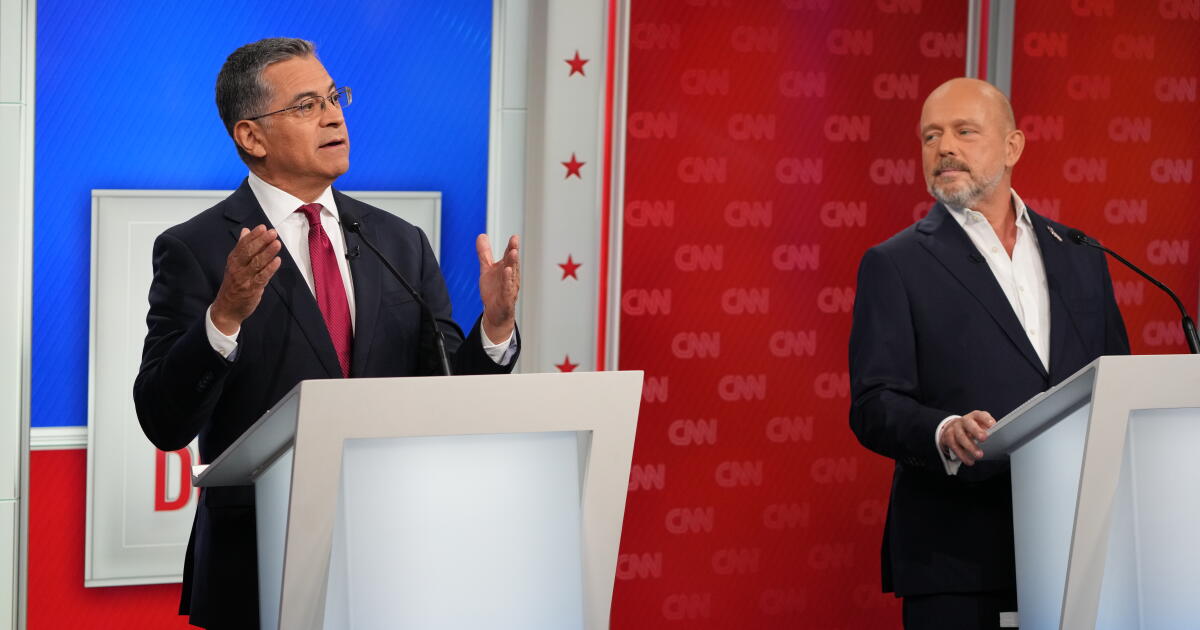
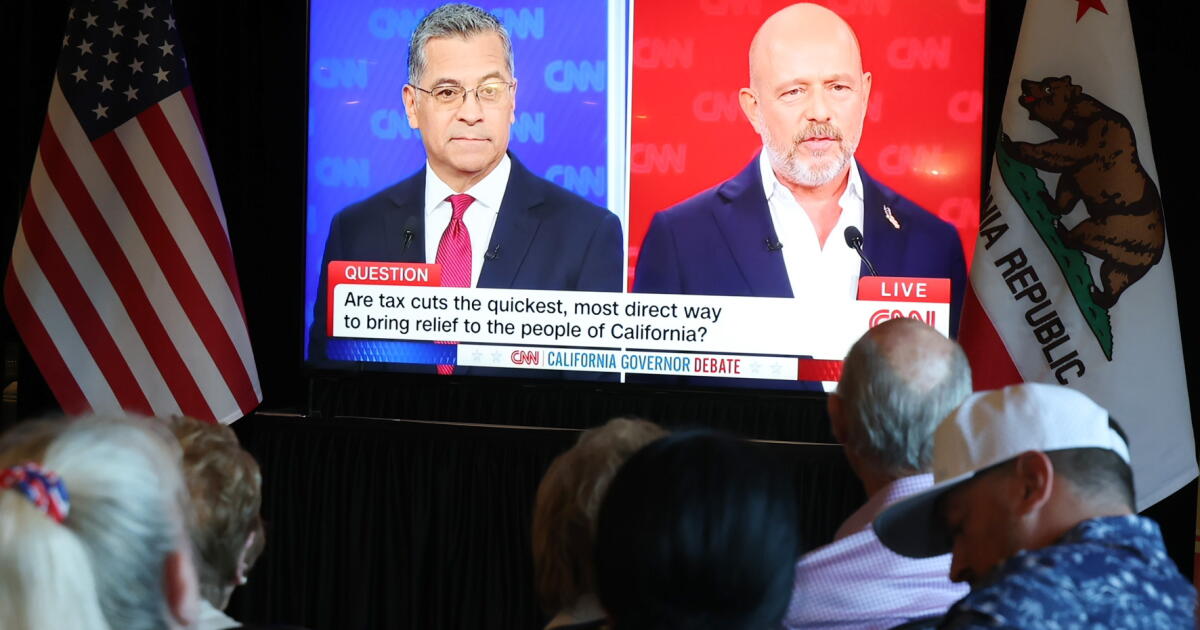
The two candidates to become California’s next governor painted vastly different portraits of the state they want to lead during a televised CNN debate Wednesday night — though they both agreed the state faces tremendous challenges.
Democrat Xavier Becerra, leading in polls, cast the state as an economic engine and a critical bulwark against the disastrous economic policies and creeping authoritarianism of the Trump administration, but also a victim of Trump policies, including tariffs and the war in Iran, that have made life less affordable and the nation less safe.
Becerra said he would work hard to help struggling Californians — including by cutting red tape on housing and regulating AI to ensure it doesn’t destroy jobs — while his challenger, Republican Steve Hilton, would harm them further by backing President Trump’s agenda at every turn.
Hilton, endorsed by Trump, blamed the state’s most entrenched ills on years of Democratic governance, awash in unnecessary state bureaucracy and regulation that have made it wildly unaffordable, and wrongly obsessed with fighting the president instead of bringing down costs and fixing related local issues like homelessness.
Hilton said he would help struggling Californians by cutting taxes, cutting the cost of building new housing, eliminating fraud and bringing common sense back to state policy-making.
Both candidates came out of the gate on offense, and at times it got intensely personal, particularly on immigration — with Becerra accusing Hilton of welcoming white immigrants into the country while rejecting Latino immigrants, and Hilton accusing Becerra of handing migrant children over to sex and labor traffickers during his time as U.S. Health and Human Services secretary.
With ballots soon arriving in voters’ mailboxes and the Nov. 3 midterm election rapidly approaching, the hour-long debate — moderated by CNN anchors Jake Tapper and Dana Bash in Burbank and aired live by the national news network — provided the public with its latest look at two candidates vastly different both in politics and campaign style.
Becerra, a former Congress member from Los Angeles, California attorney general and Health secretary under President Biden, surged past a slate of other Democrats to win the June primary after onetime front runner Rep. Eric Swalwell dropped out of the race amid sexual assault allegations. Hilton placed second after Republican voters and others coalesced behind his message to shake up Sacramento — earning him the right to face off against Becerra in November.
Hilton, a former British political aide, former Fox News host and Silicon Valley entrepreneur, has been crisscrossing the state looking for votes anywhere he can find them — an uphill battle given registered Democrats outnumber Republicans by a nearly 2-to-1 margin, and opposition to Trump is widespread in the state and growing even among Republican voters.
A poll this month by the UC Berkeley Institute of Governmental Studies and co-sponsored by the Los Angeles Times found 58% of likely voters surveyed said they support Becerra, compared with 33% who back Hilton — a slight increase to Becerra’s lead compared with an August IGS poll. California voters identified the high cost of living as their top concern, but that was followed closely by opposition to the Trump administration.
Becerra has taken a less visible approach to campaigning, with critics accusing him of intentionally keeping a low profile in an effort to cruise to victory in a state that hasn’t elected a Republican to statewide office in two decades.
“I just want to say thank you to CNN for bringing Xavier out of hiding,” Hilton said at the beginning of Wednesday’s face-off. “He’s barely been seen in public since the primary four months ago; it’s very important we have this debate.”
During the debate, both candidates seemed prepared to focus on the lack of affordability — namely by blaming the other’s political party for it. But they also discussed artificial intelligence and data centers, immigration policy and, of course, Trump.
Tackling gas prices, high cost of living
California has some of the highest housing and energy costs in the nation, and affordability tops the list of concerns for likely voters. It also was the first issue the candidates debated.
Hilton has made the cost of living a central theme of his campaign, with a plan he calls “Califordable” to cut gas prices and end income taxes on earnings up to $150,000. He blamed California’s high costs on Democrats, who have controlled the Legislature and statewide offices for more than 15 years. Hilton says he can lower costs by slashing onerous state regulations on businesses.
Hilton said the “quickest way to get more money in people’s pockets is for the government to take less out” and to reduce regulations to allow more housing to be built — including in “10 new cities” he said he would help build in the state.
Becerra has blamed higher prices on Trump’s tariffs and the war against Iran. In response to attacks from the U.S. and Israel, Iran has for months choked off a major oil trade route, sending global gas prices soaring — to a national average of $4.48 per gallon this month.
Becerra said Hilton’s plan to end income taxes would amount to a massive tax cut for “billionaires and millionaires” that would take money from schools, healthcare and other critical services. “The math doesn’t add up to what he’s talking about. He’s going to have to take it out of somewhere. It will come out of our schools,” Becerra said.
Becerra said he would bring down costs for people by cutting red tape, including on housing, and fighting the Trump administration — which he said is the real driver of cost increases. He also said he has helped create millions of jobs during his career.
Agree but disagree on AI and data centers
Hilton and Becerra both support regulations for data centers and artificial intelligence companies, a sign of growing bipartisan pushback seen across the country.
Hilton said he wants California to take a leading role in regulating AI, given much of the industry is located in the state, and expressed concern about losing AI jobs to other states such as Texas and Arizona. Hilton questioned whether Becerra would have the political courage to rein in the industry, saying his campaign has received funding from it.
When Bash asked Hilton if those companies should be able to “self-police,” as Trump has suggested, Hilton said, “We’ll have to see.” He also said he appreciates the effort by Trump to get assurances from AI companies on safety during a recent summit, and he would work to make sure that those promises are upheld.
Becerra derided Trump’s deal as a meaningless “pinky promise” that does not guarantee a safe path forward. He said he would lead efforts to reach real and meaningful regulations but also work directly with local communities on what they want.
“If someone wants to come in and build a data center that creates more jobs in the community, adds more energy to our grid, and it actually protects and adds more water capacity, then let’s talk,” he said. “But it has to be good for the community.”
Sharp attacks on immigration
Becerra has faced bipartisan criticism of how Health and Human Services cared for the influx of unaccompanied immigrant children during the pandemic.
Hilton has hammered Becerra on it, and at the debate accused him of sending “thousands of young children directly into the clutches of child sex and labor traffickers.”
Becerra was attacked by Democratic rivals in the gubernatorial primary in the aftermath of a Pulitzer Prize-winning series in the New York Times, including an article that said thousands of migrant children who entered the United States between 2021 and 2023 worked in slaughterhouses, factories and other dangerous jobs that violated child labor laws. The investigation also alleged that tens of thousands of the children Becerra’s agency released couldn’t be found because he relaxed screening of relatives and sponsors.
Becerra repeatedly has said that despite a lack of congressional funding for licensed-care facilities dismantled by the Trump administration, his staff worked hard to vet the people who the children would be placed with.
At the debate, he called Hilton’s claims “Trump talking points.” He also said more needs to be done to ensure children aren’t separated from their immigrant parents.
Becerra also has slammed the Trump administration for its mass deportation program and immigration crackdown, which has sent immigration enforcement agents into cities across the country, including Los Angeles.
Hilton said he would work to “lower the temperature” in the immigration debate and “prioritize the removal of dangerous criminals,” which he said is not occurring in California because Democrats are playing “politics” with the Trump administration.
Becerra, the son of immigrants, said California welcomed Hilton as an immigrant, and Hilton “welcomed ICE mercenaries” into California in return. He also accused Hilton of welcoming immigrants that look like Hilton, who is white, while working to remove immigrants who look like Becerra, who is Latino.
“I have fought all my life to make life better for immigrants, to represent them well, to defend them, to let them grow and build like my parents. But here’s the problem I have with your policies: You seem to welcome immigrants who look like you, but deport immigrants who look like me,” Becerra said.
Hilton called that “disgraceful.”
Trump, Trump and more Trump
Hilton repeatedly has praised Trump and his policies and consolidated support among California Republicans after Trump endorsed him before the June primary. But Trump’s endorsement could be an albatross in the Nov. 3 election, given his low approval ratings — particularly in California.
Becerra repeatedly hammered Hilton as a Trump acolyte, so much so that Hilton said that it was Becerra’s only attack line, and that Becerra “takes no responsibility” for Democratic policies that have harmed California for years.
“All you ever say is Trump, Trump, Trump, and that’s nothing but an insult to every Californian who is desperate for something to change in this state, and all you’re offering is more of the same,” Hilton said.
Becerra countered that Hilton embraced Trump during the primary.
“Your words, Trump, Trump, Trump. Because he is your supporter,” Becerra said. “You chased his endorsement.”
Where they stand on billionaire’s tax, schools and other quick hits
Proposition 40, the billionaires tax: Both Becerra and Hilton oppose the controversial wealth tax proposal on the ballot that would enact a one-time 5% levy on billionaires’ assets to largely replace $100 billion in federal healthcare funding cuts to California.
Proposition 39, voter ID: Hilton expressed support for the ballot measure, which would require voters to present ID at the polls or write a special pin on their mail-in ballot. Becerra, who opposes the measure, claimed the initiative is part of an effort by Trump and his supporters to interfere in elections.
Improving schools: Fewer than half of third-grade students read at grade level. Hilton said it’s a “catastrophe” that exemplifies Democratic failure in the state. Becerra conceded that the school system is not “well coordinated” but supports transitional kindergarten, a new pre-K grade created by Gov. Gavin Newsom.
Democrat Xavier Becerra and Republican Steve Hilton debated for 60 minutes Wednesday night on a soundstage in Burbank. Times columnists Gustavo Arellano, Anita Chabria and Mark Z. Barabak watched the gubernatorial match-up and weigh in.
Arellano: Steve Hilton came in with next to no chance of becoming the next California governor, but maybe if he focused on touting the feel-good messages he’s been spouting since launching his campaign in front of the Huntington Beach Pier earlier this year — Make California Gold Again! Califordable! I’m a Legal Immigrant with a British Accent! — he might’ve convinced at least a few voters to go with him.
Instead, Hilton debated like someone already preparing to launch a podcast or beg for his old Fox News job back after he gets walloped. When your solution for solving California’s housing crisis is building 10 new cities, you’re not running for California governor — you’re angling for an influencer job with the Irvine Co.
He whined and grumbled and grinned and quoted someone calling Becerra a “bitch ass,” which would’ve been a funny dig if he wasn’t running to run the greatest state on Earth. Hilton is charming in person, in the way all British people inevitably, initially come off as to Americans, and he has traveled to every California county — and especially to Latino-majority cities. He should’ve shared some of the many stories of hardship that I’m assuming he’s heard over the last year.
Nope! Instead, Hilton attacked Becerra again and again — why? California is a super-blue state, Latino Trump supporters notwithstanding, so Hilton should’ve tried to at least offer a reason for voters to choose him instead of saying — not completely inaccurately — that the problems Californians deal with are the fault of Democrats.
But blaming the other side only gets you so far — just ask Democrats how it worked out with them in 2024.
“We’ve got to try something different,” Hilton said in his concluding remarks. Californians agree — and his name is Xavier Becerra, who last I heard isn’t Gavin Newsom, no matter how much the California GOP is trying to convince people otherwise.
Becerra, meanwhile, didn’t offer much in terms of vision, mostly because he played defense most of the evening. But he didn’t have a major flub, except maybe raising a CNN coffee cup a few too many times. Why, Becerra sometimes even smiled — proof that he’s not some Chicano automaton. He hasn’t agreed to any more debates with Hilton — but after this blowout, Becerra should take the both of them on the road to make Hilton the next John Cox.
Chabria: Becerra came out as more of a fighter than we’ve seen before, even in the earlier Democratic debates. He held his own against Hilton, who is a skilled orator and attacker with a pointed wit and slick accent. But please, for the love of God, Hilton, button that shirt. This is not a casino.
Becerra was the clear winner, and to be honest, Hilton — usually a nimble pugilist — came across flat too much of the time. Maybe he’s already signed his Fox contract, as Gustavo suggests.
But Becerra also failed to lay out any kind of vision for the future of California. He did a good job of fending off Hilton’s attacks, but never told us what a vote for him will bring to the average Californian. There was some talk about housing, about protecting health insurance, but no big picture of what the California Dream of the future is and how we deliver it for the next generation.
I walked away from this debate certain that Hilton hadn’t gained a single voter, and equally certain Becerra hadn’t lost one. But also certain that Californians are rightfully disenchanted with this political moment because it offers little for the people who are voting. Becerra is going to ghost-coast into leading the most powerful state in the nation, and none of us will know what that will mean or why we should care one way or another.
Yes, there is a strong Legislature that will certainly keep the next governor focused on Democratic priorities. But what Becerra stands for remains a mystery that only the next four years will reveal. Let’s hope it has to do with our collective well-being.
Becerra exited the stage a little over an hour later, still the overwhelming favorite to become California’s next governor.
As the Democratic nominee in a state where Democrats enjoy big numerical, structural and political advantages — and have for decades — Becerra needed only to show up at CNN’s Burbank studio, field some questions alongside Hilton and avoid a Bidenesque disaster. (Even that might not have mattered.)
It was an exceedingly low bar, and one Becerra easily surmounted.
He was authoritative, crisp and kept on the offense most of the night, which raises the question of why his campaign handlers have been sheltering him up to now. Yes, it did get a bit repetitive when the Democrat’s response to so many questions amounted to: Trump, Trump, Trump! But that’s hardly surprising in a state where the president is about as popular as $6-a-gallon gas and $10-a-pound hamburger.
What was surprising was Hilton’s failure to do more to unshackle himself from the ball-and-chain sitting in the White House.
He allowed a smidgen of daylight here and there, but not enough to doff the MAGA mantle Becerra has draped around him. If anything, Hilton yoked himself even closer to Trump, sounding at times like his wacky Health secretary, Robert F. Kennedy Jr,. as he talked about vaccines — Hilton said he was for them, but also favored more parental discretion — and re-litigated masking and other pandemic policies from the Biden administration.
Hilton’s most effective moments came when he asked why unhappy California voters should expect anything different if they keep electing Democrats. Not an unreasonable question. Trump Lite, however, doesn’t seem like the remedy most are looking for.
Little to nothing seems likely to change as a result of Wednesday night’s encounter. Still, it was important to give California voters an opportunity to take the measure of the two gubernatorial hopefuls side by side and hear — in something more than a 30-second commercial — how they would lead the state.
It’s far more probable than not Becerra will be the candidate voters choose on Nov. 3. But for those who don’t like Becerra’s vision, his record, Democratic affiliation or, heck, his glasses or salt-and-pepper hair, Hilton offered an alternative — albeit more of a grouchy one than the happy warrior who’s appeared on the campaign trail.
Hilton gave it his best shot. Becerra ably deflected him.
But don’t worry, Golden State voters — Times columnists Gustavo Arellano, Mark Z. Barabak and Anita Chabria are watching every minute, every second, really, to bring you the zingers, gaffes and hopefully maybe even some insights.
*
Chabria: Let me start things off by saying my hope is that Hilton will push Becerra into specifics around issues including affordability, what we’re going to do about the coming Medicaid cliff, housing and education. California has been focused on raising up our most vulnerable and struggling residents for years — which is important.
But the middle class is suffering now, too, in all those areas. Hilton is right that the status quo isn’t working. That’s going to be a challenge for Becerra when he gets into office (and honestly, he could vacation in Hawaii until November and still get elected), so I’ll be looking for answers on how he plans to lift all boats.
Barabak: There will be much critiquing to come, so let me start by paying both gentleman a compliment.
Hilton has been campaigning hard, as though he has more than the merest speck of a chance of pulling an epic upset and somehow prevailing. Good for him!
And Becerra, who’s made himself exceedingly scarce, is stepping up and debating, as he should. And he’s not being cute about it, insisting on, say, a midnight appearance on local cable TV in Alturas. So props for that.
Arellano: I’m hoping that Becerra will once again channel his inner cholo, as I urged him to during the primary.
The Tío Xavier persona that Becerra supporters have trotted out — a kind, chuckling sage — isn’t what California needs right now. Becerra knows that the most loved uncles in Latino households aren’t the safe, boring ones but the ones who risked it all: the ones who came into this country without papers, who pulled themselves up by their bootstraps so that their kids could drive hybrids, and who proudly warble “El Rey” during the mariachi portion of the latest family wedding instead of sit quietly at the table.
We need the loco uncle, Xavier, not the fresa — uppity — one.
And I’m hoping Hilton will rebuke Donald Trump. I know, I know: there’s a better chance of England winning the FIFA World Cup than that ever happening.
But if there’s an iota of hope for the British expat to beat Becerra, it can only happen by him showing Californians that he’s willing to stand up to the loathed president instead of cozying up to him.
Otherwise, as a famous Brit once sang backed by sinuous xylophones, “Baby, baby, baby, you’re out of time.”
Insights
L.A. Times Insights delivers AI-generated analysis on Voices content to offer all points of view. Insights does not appear on any news articles.
The following AI-generated content is powered by Perplexity. The Los Angeles Times editorial staff does not create or edit the content.
Ideas expressed in the piece
Chabria argues that the debate should press Becerra for concrete plans on affordability, the coming Medicaid funding cliff, housing and education. In particular, the piece says California’s middle class is struggling and that the status quo is not working, leaving Becerra with a challenge if elected.
Barabak welcomes both candidates’ participation: Hilton, for campaigning energetically despite his long odds, and Becerra, for agreeing to a televised debate rather than avoiding the encounter.
Arellano contends that Becerra should project a more forceful, less cautious persona, drawing on the immigrant and working-class experience of Latino families. The column also argues that Hilton would need to show independence from President Trump to make a stronger case to California voters.
Different views on the topic
A contrasting case for Hilton’s candidacy is that California needs a sharp break from current policies. Hilton has proposed eliminating state income taxes on the first $150,000 of earnings and says he would offset the lost revenue with budget cuts; he has also blamed climate policies and regulations for high fuel costs.[3][1]
Becerra’s record of public proposals complicates the article’s portrayal of a candidate who has made a campaign out of saying little: his platform calls for expanding housing construction, streamlining approvals and addressing utility and insurance costs. At the same time, his healthcare proposals have been described as broad rather than detailed, lending weight to calls for greater specificity.[4][2][3]
The candidates also offer different approaches to affordability. Hilton has promised to unwind policies he blames for high costs, while Becerra says the state should maintain environmental standards as it works to lower costs and stabilize fuel supply.[3][1]
The 81st United Nations General Assembly (UNGA) concluded on Monday with artificial intelligence (AI), the Israel-Palestine conflict and the US-Israel war on Iran dominating world leaders’ addresses during the general debate.
UN Secretary-General Antonio Guterres, in his final address before his term ends, warned that the future of the world would be shaped by four tests: AI, climate change, wars and inequality.
Recommended Stories
list of 3 itemsend of list
“Across all four tests, the decisive issue is power. Power over force, money, energy, technology, rules and the future. That is why the UN Charter – and the work of the United Nations – matter more than ever,” Guterres said.
Speeches ranged from calls to reform the UN to appeals for upholding international law, as the global body has been undermined by the unilateral foreign policy pushed by United States President Donald Trump.
Here are the biggest takeaways from this year’s summit:
Palestine
The situation in Palestine was a key issue among members amid Israel’s ongoing genocidal war on Gaza despite the so-called “ceasefire” and escalating settler pogroms in the occupied West Bank.
France, Canada, Iraq, the United Kingdom and others called for Palestinian sovereignty during their speeches.
“What credibility do we have if we continue to remain inactive in the face of Gaza,” French President Emmanuel Macron said in his address.
“Some boast of a supposed peace, but this peace hasn’t reopened humanitarian routes for a single second,” he said, adding: “Must we stand by and watch this spectacle that shames us all?”
Macron, British Prime Minister Andy Burnham, his Canadian counterpart Mark Carney and Saudi Foreign Minister Prince Faisal bin Farhan Al Saud chaired a meeting at the UNGA on Palestinian statehood, which is being actively undermined by Israel. Israeli Prime Minister Benjamin Netanyahu’s government has accelerated construction of illegal settlements and provided impunity to settlers in the occupied territory.
At the same time, the US-led Board of Peace unveiled a 66-project reconstruction blueprint with proposed funding of $2.4bn for the Gaza Strip on the sidelines of the UNGA.
However, the board’s plan excludes the UN agency for Palestinian refugees (UNRWA), saying it has no role in the future of Gaza. The decision was described by Palestinian political analyst and playwright Ahmed Najar to Al Jazeera as aligned with Israeli efforts to “marginalise and ultimately dismantle the agency, removing it not only from Gaza’s present but from its future”.
Dozens of delegates left the hall in protest as Netanyahu delivered his speech, in which he declared that Israeli forces would continue fighting against Hamas and Iran.
Trump defends military action on Venezuela, Iran
In his address, Trump emphasised that while others spoke of peace, he “made peace”.
Trump defended his actions in abducting the then-Venezuelan President Nicolas Maduro in January and said, since his military operation, hundreds of political prisoners had been freed in the South American country and that Caracas had signed the largest oil deal in history last month, covering “65 billion barrels of oil, which will benefit both Venezuela and the United States enormously and help drive down the cost of energy all over the world”.
“It was perhaps the biggest deal ever made. To the victor belong the spoils – you’ve all heard that,” Trump boasted.
Trump reiterated that he would never allow Tehran to have nuclear weapons and that the 12-day war in July 2025 had “obliterated their nuclear programme beneath mountains of rubble” as the ongoing US-Israel war on Iran had sunk “159 ships of their navy” to the bottom of the sea.
“I have a big decision to make – will a deal be made with Iran that lets them rebuild and create a far greater country than it ever was before … or do I annihilate the Islamic Republic and do it quickly, never giving them a chance to kill and destroy people and countries again,” he said, adding: “I believe we make a deal right after the elections.”
Popular Iranian officials
During sideline talks and one-on-one meetings, Iranian officials were in demand.
In his speech to delegates, President Masoud Pezeshkian emphasised that Iran had only “defended ourselves” amid attacks on his country and killings of Supreme Leader Ayatollah Ali Khamenei, scientists and children.
“We are not terrorists, our innocent people have been the targets of cowardly attacks and aggressions imposed upon our country,” he said.
Pezeshkian added Iran would not accept that peaceful nuclear technology is held exclusively in the hands of a few countries.
“We will not bow our head and give up the right that is inherently ours,” he said.
Meanwhile, on the sidelines of the summit, Foreign Minister Abbas Araghchi met his counterparts from India, Qatar, Turkiye, Pakistan, Ukraine and other countries.
He also met US Special Envoy Steve Witkoff and Trump’s son-in-law Jared Kushner in a four-hour meeting mediated by Qatar.
AI dominance
World leaders used their time at the podium to call for a global approach to using AI as interest in the technology grows, but fears that it could escalate if unchecked are also growing.
In his address, Finnish President Alexander Stubb said AI was the “most consequential technology in the history of mankind”.
“It will impact science, the economy, politics, security, and the very essence of our humanity. Humans can and should be in the driver’s seat. We have a choice: we can compete, cooperate or slow down. For me, cooperation is the best way forward,” he said.
While discussions are moving away from a good-versus-bad dichotomy, officials disagreed on approaches.
While Guterres and the European Union called for safety standards and international rules, Trump said AI innovation should not be constrained by international regulation, adding that the US should control its AI sector.
Xi skips the UNGA
Chinese President Xi Jinping skipped the UNGA despite being in the US for a summit with Trump. He sent Vice President Han Zheng to attend.
Xi rarely attends the UNGA. He had sent Premier Li Qiang in his place last year. In 2024, Foreign Minister Wang Yi attended the annual gathering.
Without mentioning Iran in his address, Han reiterated Beijing’s position that “sovereignty and security of countries in the Middle East, including the Gulf, should be respected”.
“China calls for advancing the governance of the West Bank and the post-conflict reconstruction of Gaza in accordance with the principle of the Palestinians governing Palestine. It also calls for bringing the Palestinian question back onto the right track of the two-state solution at an early date,” he said.
Han also called for a “people-centred approach and develop AI for the positive and for good, narrow the digital divide, and promote development that is universally beneficial”.


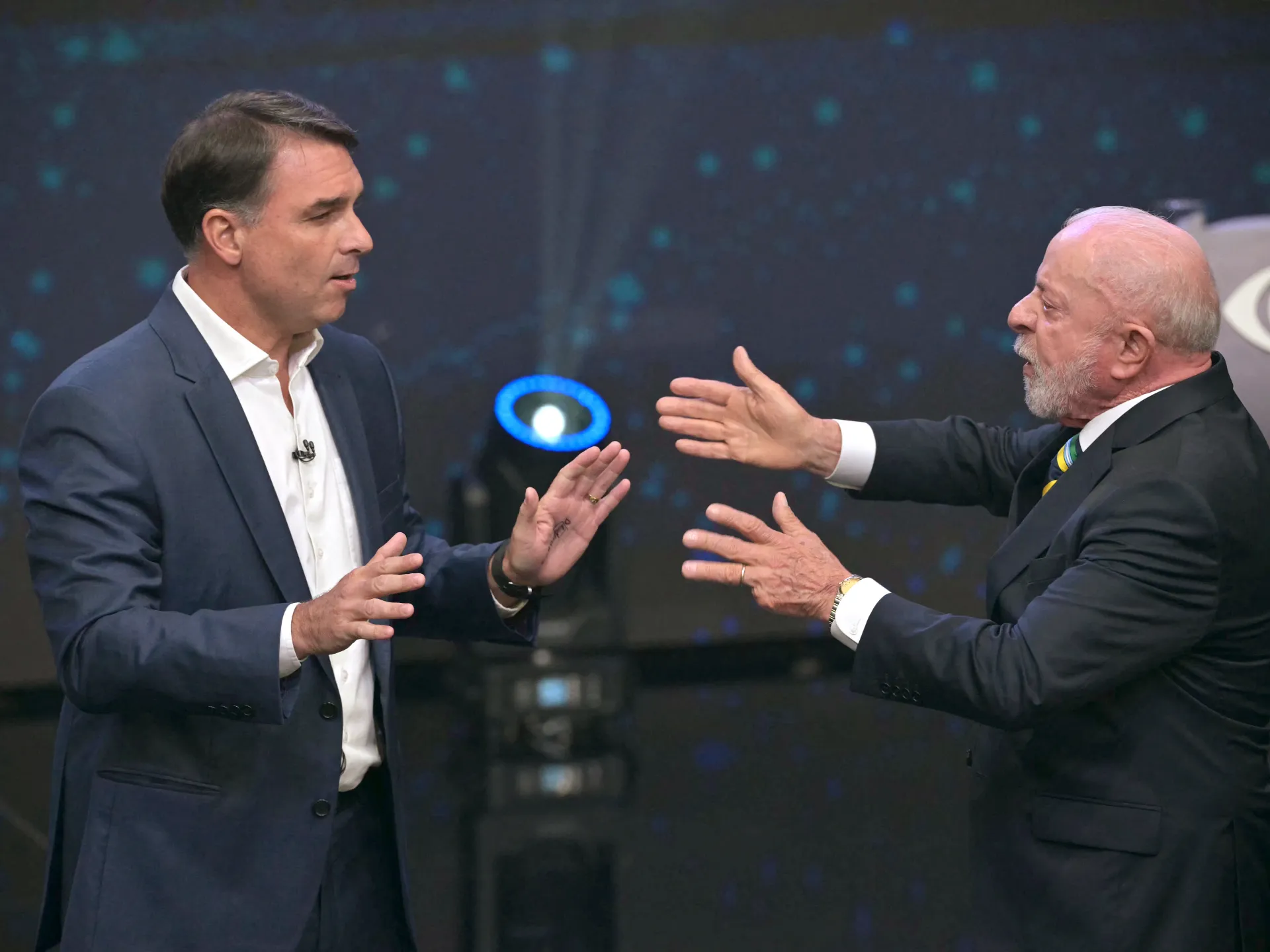
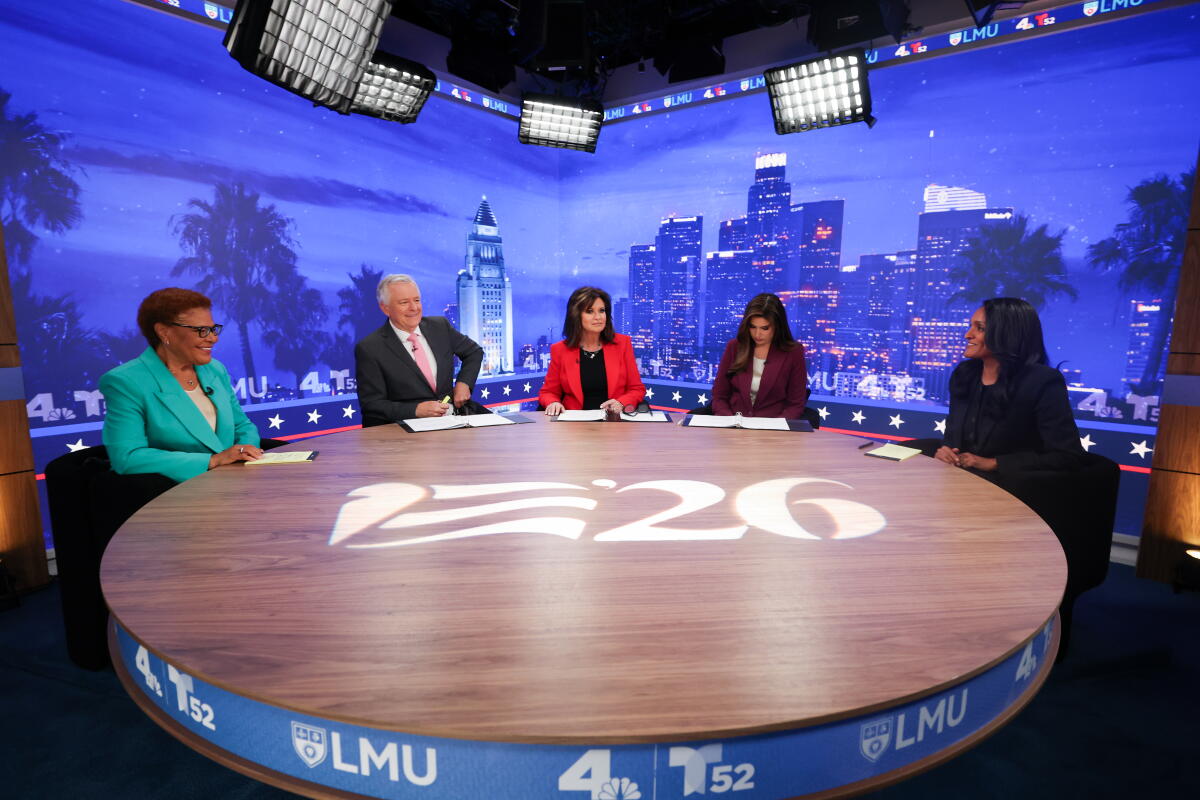

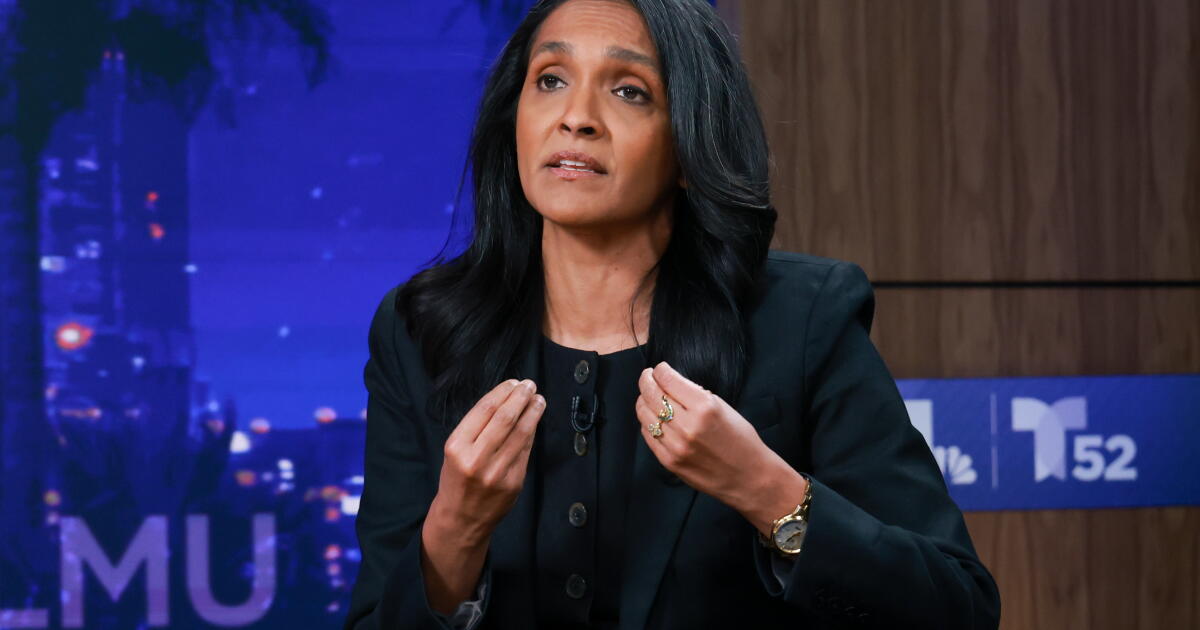
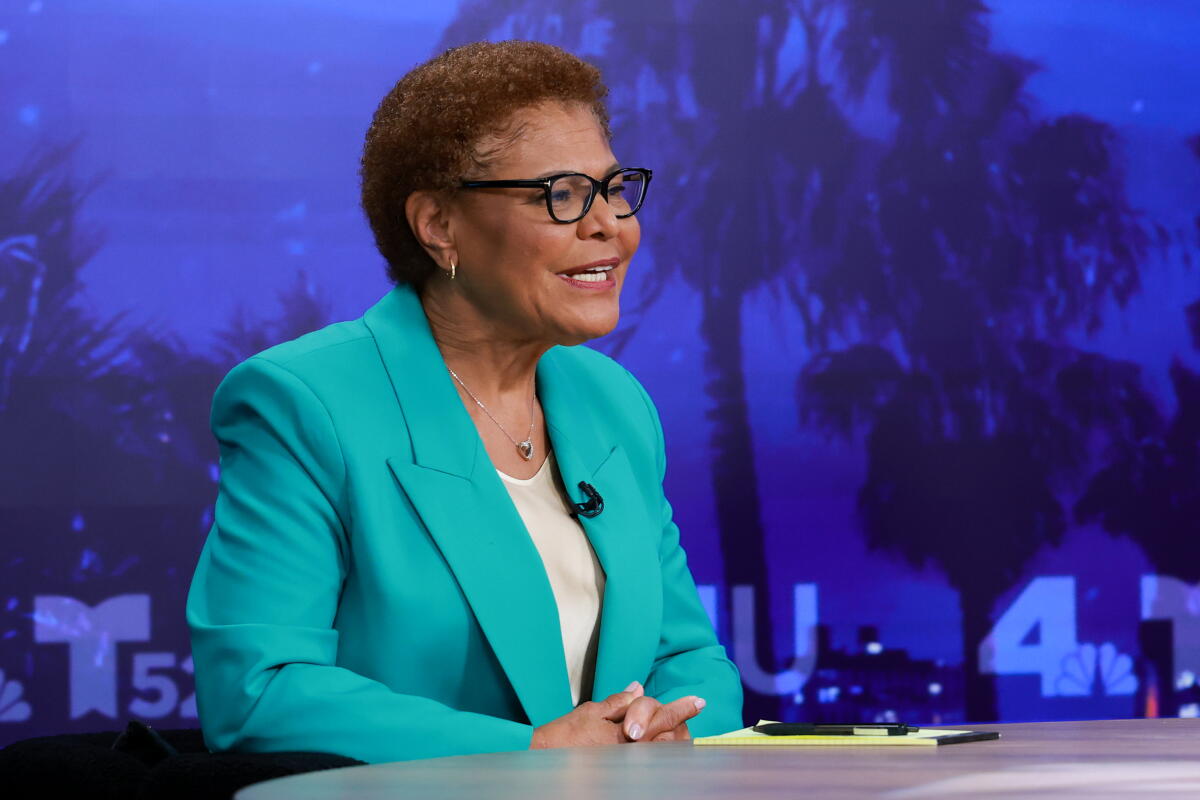


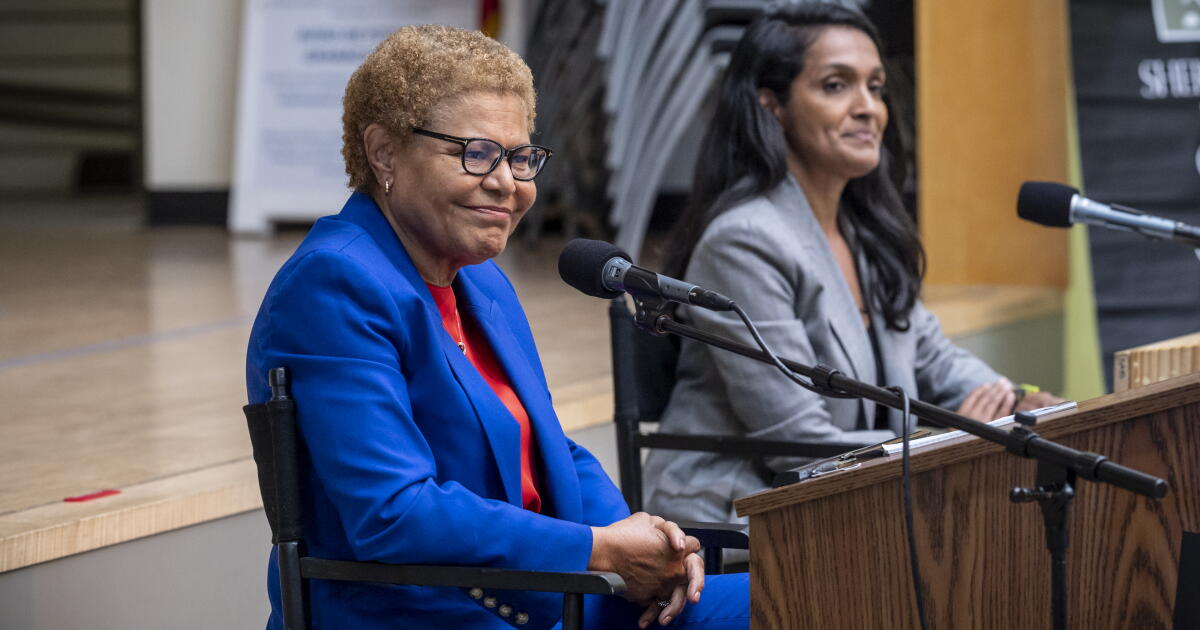
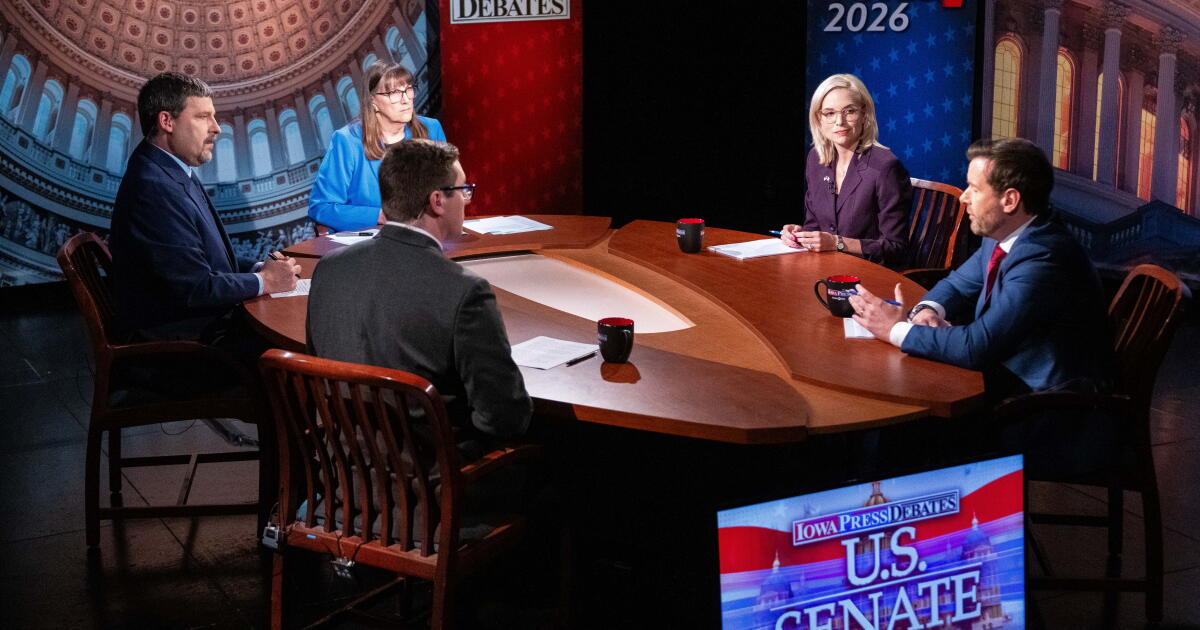
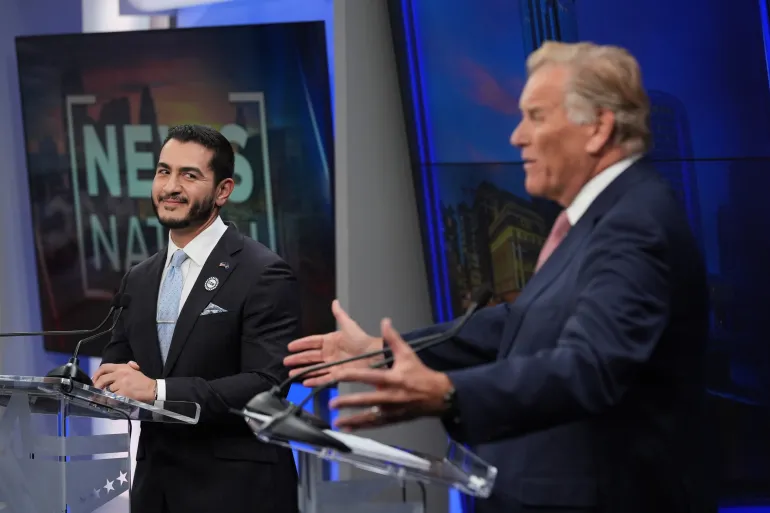


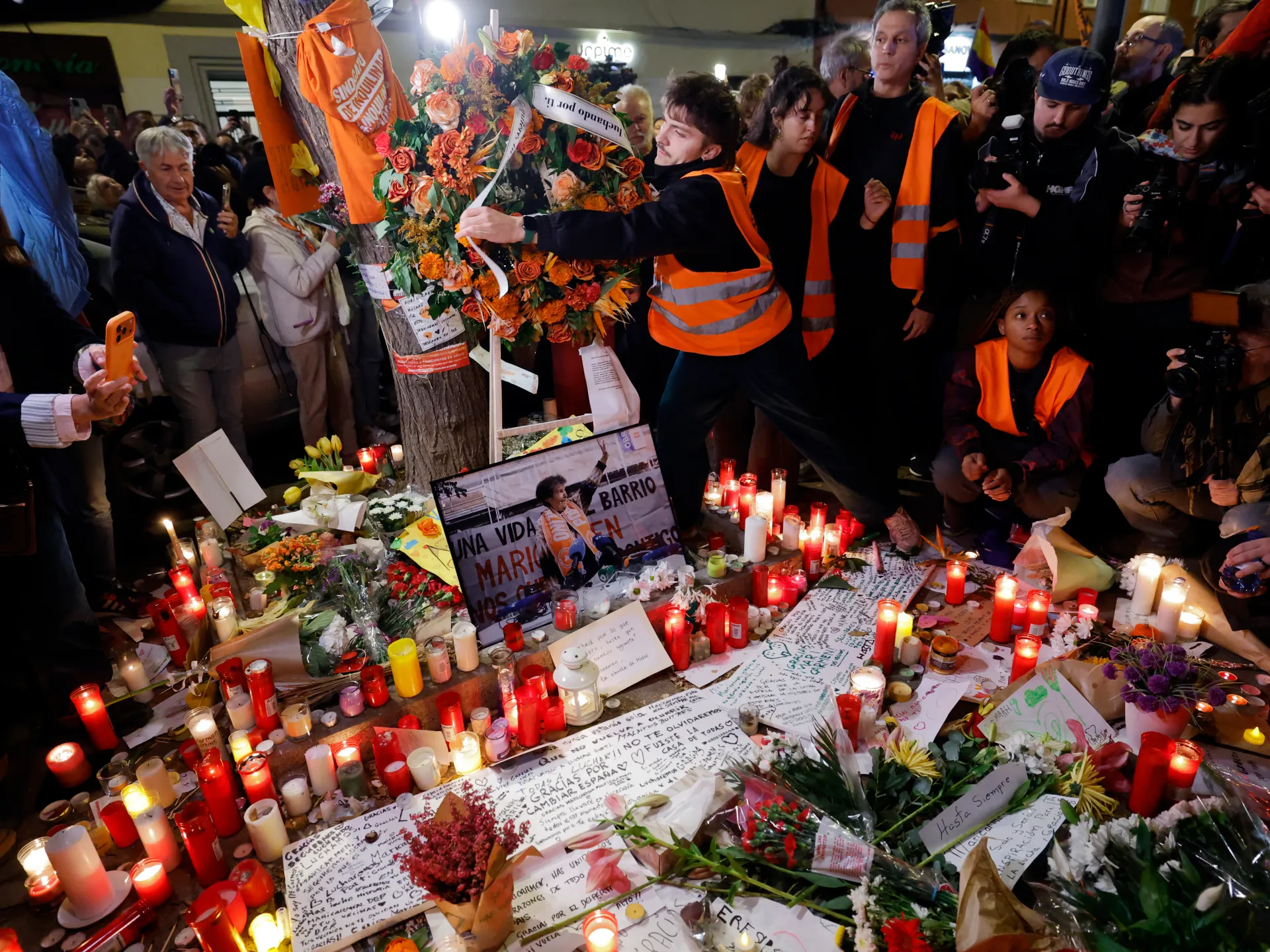
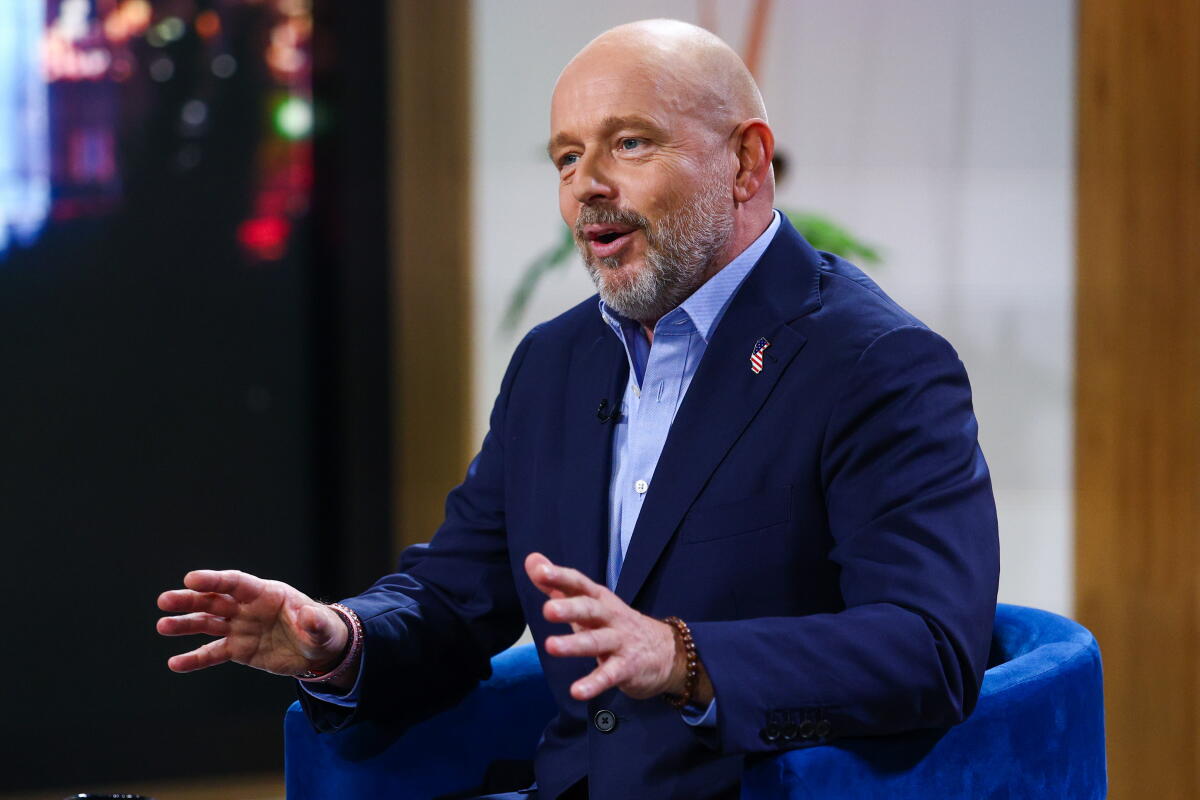



![Brazilian police and firefighters inspect the area of a possible bomb in a backpack outside the Supreme Court headquarters in Brasilia on October 1, 2026 [AFP]](https://i0.wp.com/occasionaldigest.com/wp-content/uploads/2026/10/afp_6abf3303edf8-1790915331.jpg?w=640&ssl=1)