ChronoScale (CHRN) announced on Thursday that it signed an expansion with an existing AI infrastructure customer and a separate agreement with a new customer.
Combined with existing contracts, the deals now support a $1B annualized revenue run rate by Q3 2027.
Mayor Karen Bass called the training that LAPD officers receive for handling mental health calls “woefully inadequate” and ordered an outside review of the department’s policies Thursday, saying recent shootings highlight continued shortcomings in how police deal with people in crisis.
Bass is particularly concerned by the relative lack of specialized intervention training for patrol officers who respond to the vast majority of service calls. While the SWAT team and other units receive such training, it is not standard across the Los Angeles Police Department.
“After the academy, they have spot training that is essentially videos that are played at roll calls,” Bass said in an interview week with The Times.
The mayor’s directive comes as she’s locked in a reelection fight with progressive challenger Nithya Raman, who, like Bass, has criticized the LAPD over shootings of mentally ill people.
“The ability of the city to respond to someone’s pleas for help is incredibly important in ensuring that we maintain the trust of the public,” Raman recently told The Times. “And right now, there is no alternative system besides LAPD to respond to many of the calls that are coming into 911 besides, of course, Fire Department calls.”
Polling by the UC Berkeley Institute of Governmental Studies, co-sponsored by The Times, shows Raman is favored by 39% of likely L.A. voters, compared to 28% support for Bass — with 33% still undecided.
LAPD officers have fired their weapons at people 16 times this year — down from 34 shootings in 2025, but recent incidents have highlighted how officers continue to turn to their guns when confronting individuals with mental illnesses. In years past, department statistics showed at least a third of all police shootings involved someone with obvious signs of emotional distress.
Bass was particularly disturbed by a July 29 incident in the Olympic patrol area in which police fatally shot a man who approached them with an aluminum bat.
Body-camera video captured officers approaching 33-year-old Alejandro Garcia as he was walking through traffic on Normandie Avenue underneath the 10 Freeway overpass. Officers ordered him to drop the bat, although it’s unclear whether he heard them. While Garcia could be seen holding the bat with both hands, the footage appeared to contradict an early LAPD account suggesting he swung at them.
The shooting could have been avoided if “the officers were trained differently or better,” Bass said, noting that one of the officers had been on the job for roughly five months.
The LAPD has yet to identify the officer or officers who opened fire.
Bass said it would have been appropriate for the department to deploy a unit that sends a social worker out with officers when responding to calls involving a person in crisis.
“You knew before that he had a bat and he was going around smashing cars,” she said.
About a week later, two officers shot and killed Canas Zimran, 44, in Boyle Heights after, department officials say, he approached officers with what was later determined to be a tree trimmer.
The shootings occurred despite policies that prioritize deescalation techniques and the use of “less-lethal” alternatives, such as bean bag rounds meant to subdue people without resorting to firearms.
Bass said the killings reflect, in part, a broader failure of the mental health system to get people the care they need. Also of concern, the mayor said, was the lack of training for officers on how to distinguish between symptoms caused by mental illness, physical and cognitive disabilities and drugs such as phencyclidine, or PCP, which seems to be having a resurgence on city streets.
Bass said her review would be a top-down evaluation that also scrutinizes the roles of dispatchers, supervisors and others involved in responding to reports of people behaving erratically.
She said the audit will examine calls from the last five years involving people with “with known histories of mental or behavioral health conditions” in which police officers avoided using force. The goal, Bass said, is to “identify common themes or best practices that successfully de-escalated the incident or allowed officers to gain compliance.”
Bass added that it’s also important to consider the needs of LAPD officers and ensure they “receive appropriate assistance” to cope with stress. She was struck by the willingness of younger officers to openly talk about the mental toll of the job, recalling a recent visit to a roll call in which an officer described feeling a lack of support after being involved in an on-duty shooting.
LAPD officials have said the department has made numerous changes in recent years to curb police shootings, including adopting deescalation training focused on slowing down volatile situations, particularly those involving people who may be mentally ill. Still, the agency’s critics pack police commission meetings each week to argue for removing police from such calls, saying that officers are too quick to fire on people — particularly those wielding knives.
Although the city has experimented with programs that send specialists to help deescalate such encounters, LAPD policy still requires armed patrol officers to clear a scene of any potential threats beforehand.
Bass said she always has been a proponent of approaches that don’t involve police, some of which are employed by her Office of Community Safety. But she said stabbings and other incidents that pose an immediate danger to the public still require a police response.
Beyond looking at how to avoid police shootings, Bass’ directive calls for further assessment of the department’s training for handling people who’ve been booked into jails and detention facilities, including how they are restrained and transferred to medical facilities.
Bass wanted to ensure the review was done by an outside body, hinting at her frustration with the inaction of department leaders and the police commission on addressing the issue.
AS the days get shorter and the temperature drops, there’s nothing like a relaxing autumn staycation to break up the long wait until Christmas.
But finding a weekend away that doesn’t cost a fortune can be a challenge – especially with the summer holidays having already taken a chunk out of our bank accounts.
From murder mystery weekends to rural spa retreats, these are our favourite Wowcher autumn breaksCredit: Wowcher
Wowcher has just slashed the prices on a huge range of autumn mini breaks, with UK holiday deals starting from £34.50 per person.
From Peak District spa breaks, to 18th-century manor houses, to staying inside a full-on castle, here’s our top pick of affordable Wowcher staycations this autumn.
Sign up for the Travel newsletter
Thank you!
Halloween murder mystery break for 2 – £78pp
Pick from a range of hotels across the UK for the murder mystery break dealCredit: Wowcher
Is there anything more perfect for spooky season than a Halloween-themed murder mystery break?
This offer includes an overnight hotel stay with breakfast, a three-course dinner, and of course, a fully immersive story where you’re part of the action.
The murder mystery breaks take place all over the UK, and you can pick from hotels in London, Norfolk, the Midlands, Scotland, Yorkshire and more.
The Halloween Murder Mystery break deal is on sale for £78pp, saving 29% off full-price.
Book a Halloween murder mystery break for 2 for £78pp
4* Peak District Countryside Spa Stay for 2 – £89
The cosy Three Horseshoes Inn has stylish rooms inside and a glam spa attachedCredit: Wowcher
An overnight escape with breakfast, spa access, and the stunning Peaks on your doorstep. What’s not to love?
Stay overnight at the Three Horseshoes Country Inn & Spa, a cosy, traditional red-brick hotel which hides modern and stylish rooms inside.
The on-site Mill Wheel Spa has a unique stone bath for a healing soak, plus mud chambers, a sauna and treatments such as bespoke facials catered to your skin type.
A stay here with Wowcher costs £89 for two people, working out to £44.50 each.
Book a 4* Peak District Countryside Spa Stay for 2 for £89
Castle stay with breakfast and dining experience – £129
Save up to 51% on this medieval-style castle break in CheshireCredit: Wowcher
Bag a fairytale-like autumn break with this stay in a medieval-style castle surrounded by misty woodlands.
Peckforton Castle in Cheshire is a Grade I-listed Victorian country house designed to look exactly like a castle, containing 48 unique bedrooms and two restaurants.
Peckforton has plenty of history hidden within its walls for you to explore. It was built in the mid 19th century for a wealthy family, and has its own dry moat, towers, gatehouse and a porthcullis.
This stay costs £129 for two and includes dinner, bed and breakfast, and saves you up to 51% when compared to booking direct.
Book a castle stay with breakfast plus a dining experience for £129
Gulliver’s Resort stay and play package – £169 (£42.25pp)
Gulliver’s Resorts are putting on children’s events for Halloween including a Spooky Dance PartyCredit: Alamy
Join in the fun of the ‘Fright Fiesta’ at Gulliver’s this October with a short break at Gulliver’s Warrington.
The festival-style event sees a street parade take to the theme park, as well as costume character meet and greets and a ‘Spooky Dance Party’.
Families can also hop aboard the Trick or Treat train that chugs around the park, or enter a spooky Ghost House full of live action scares.
The deal includes an overnight stay at the park for up to four people, plus park entry on your arrival day for £169 (£42.25pp).
Book a Gulliver’s Resort stay and play package for £169 (£42.25pp)
North Wales retreat for two with Prosecco – £69
This stay at The Hanmer Arms in North Wales only costs £34.50ppCredit: Not known, clear with picture desk
This mini break at Welsh countryside inn The Hanmer Arms comes with breakfast and Prosecco, making for a cosy overnight retreat.
This hotel is in Hanmer, North Wales, a quiet and pretty village with a medieval church and a vast glacial lake nearby.
The hotel itself is a 19th century Georgian inn and pub, serving local ales and generous portions at the Sunday carvery.
The offer costs £69 for two, working out at £34.50pp and saving you 45% off booking direct.
Book an overnight stay for two with Prosecco at The Hanmer Arms for £69
Shropshire manor house spa break for two – £99
This package includes an overnight stay, dinner, breakfast and use of the spa for under £50ppCredit: Wowcher
This Shropshire spa break deal is on sale for £99, which is the lowest rate this break has ever reached on Wowcher.
With this deal, you and a loved one can sit down to a fancy dinner, make use of the hotel spa facilities, retire up to a cosy room and come back downstairs for a Full English breakfast in the morning.
The 4* Albrighton Hall Hotel & Spa is an 18th-century manor with 15 acres of gardens, so you’ll have plenty of landscaped grounds to roam during your stay.
This overnight spa hotel break costs £99 for two people, working out to £49.50pp.
Book a Shropshire manor house spa break for two for £99
IF you’re itching for your next getaway but don’t want to break the bank, we’ve found the travel hack for you.
Travelzoo scours the internet for the best value holiday deals and piles them all into one place – and Sun readers can unlock these bargains instantly for £1.
Unlock an all inclusive Croatia holiday for £258ppCredit: Alamy
Sign up to Travelzoo for £1 (30 day trial)
A Travelzoo membership usually costs £30 for the year, but right now you can try it out for 30 days for £1.
Once you’re signed up, you’ll have access to hundreds of affordable package holidays across the UK, Europe, Asia, the Caribbean and beyond.
Sign up for the Travel newsletter
Thank you!
We’ve rounded up our favourite Travelzoo deals, including UK staycations from £79 and all inclusive holidays from £151pp.
Snowdonia break – £79
Stay in the pretty village of Betws-y-Coed in the Snowdonia National ParkCredit: Getty
Save 49% on a Snowdonia staycation with this mini break in Betws-y-Coed, a pretty mountain village at the base of Eryri.
Stay in a Stables Lodge Room and wake up to a traditional Welsh breakfast, with the waterfalls and hiking trails of Gwydyr Forest on your doorstep.
You can bag an overnight break for two for £79 (which saves you 49% compared to booking direct) or upgrade to a two night stay for £149.
Athens break with Acropolis tour – £299
This Athens holiday deal includes an Acropolis, Parthenon & Acropolis Museum guided tourCredit: Alamy
Save £182 on a trip to Athens plus enjoy an Acropolis tour with this Greek package holiday.
This four-night trip includes flights, transfers and a stay with breakfast in a deluxe, fountain view room at the posh Athens Tiare by Mage Hotel.
Four nights gives you plenty of time to wander the city’s ruins, outdoor markets, sip cocktails on its rooftop bars and pack in your Acropolis, Parthenon & Acropolis Museum guided tour.
Sign up to Travelzoo for £1 (30 day trial)
All inclusive Marrakech – £151
Bag an all inclusive holiday to Marrakech, where temperatures still sit at 30C in the autumn monthsCredit: Getty
This deal is for a three night stay at the 4* Aqua Mirage Club & Aqua Par on an all inclusive basis, so get ready for that buffet and those endless cocktails.
On-site you’ll find tennis courts and a football field to work up an appetite, plus three pools and a daily shuttle bus into central Marrakech for exploring.
With temperatures still hitting 30°C in September and October, it’s the ideal option for a slice of sunshine as the weather gets chilly.
2 night Victorian seaside break in Devon – £169
Visit Devon’s “Little Switzerland” with a stay in LyntonCredit: Alamy
Take a trip to “Little Switzerland” in North Devon, so-named due to its gorges, deep valleys and dramatic cliffs that will mentally transport you to the Swiss Alps.
Hop on the Lynton & Lynmouth Cliff Railway to ride the highest and steepest water-powered railway in the world, or watch wild goats climb at the Valley of Rocks.
This deal includes a two night stay at The Crown Hotel in Lynton, arestored 17th-century inn, plus a delicious hot breakfast and £25pp credit for dinner.
Sign up to Travelzoo for £1 (30 day trial)
All inclusive Croatia – £258
Explore the pretty village of Slano, Croatia for £258ppCredit: Alamy
This all inclusive Croatia break includes your flights plus a five-night stay in a sea view room at Hotel Osmine for £258pp, which shaves off up to 57% off full-price.
This hotel sits in the sleepy fishing village of Slano, a village centred around a sweeping crescent bay of sparkling water backed by lush emerald green pines.
When you’re not wandering the pretty village, try out archery, kayaking or surfing back at the hotel, then sit down to a Mediterranean meal in the hotel restaurant and sit back to enjoy the evening entertainment
Istanbul, three nights and flights – £129
Visit Istanbul for £129 with this deal bundling in your flights and accommodationCredit: Alamy
Bag flights and three nights in Istanbul for £129 with this deal, and tick off the only city in the world that sits between two continents: Asia and Europe.
Stay at the Ramada Encore By Wyndham Istanbul Kartal Hotel, a modern, four-star hotel with a gym, clean and comfortable rooms and a sleek lounge to chill out in.
Here you’re close to Aydos Castle and Hill, where castle ruins weave through thick forests, and the Kartal Municipality Story Museum, where you’ll find whimsical statues and models from local legends.
Sign up to Travelzoo for £1 (30 day trial)
More Travelzoo deals
Here are more foreign holiday deals available to Travelzoo members:
LOOKING to bag a bargain at sea? Now is THE time to embark on a booking.
The UK’s annual CLIA Cruise Week runs until Sunday and there are great deals to be had.
Now is THE time to embark on a booking and bag a bargain at seaCredit: �Christopher Ison.https://christopherison.photoshelter.com/contactExplora Journeys’ Explora II departs for Malta from Barcelona on March 14, 2027, with 30 per cent discounts on offer
After a record 2.54million Brits headed up the gangway in 2025, it is time to join the party.
Nigel Thompson shares his pick of the offers to book now.
Sign up for the Travel newsletter
Thank you!
EASTERN CARIBBEAN – 14 nights from £1,349pp
JET away from selected UK airports on November 13 to join P&O’s newest ship Arvia in Barbados for a round-trip visiting Martinique, Saint Kitts, Tortola (British Virgin Islands), St Maarten, Antigua, Saint Lucia and Grenada.
Includes transfers and gratuities — and on applicable Select Price bookings up to December 17, get extra on-board spending up to £350 per cabin.
PORTUGAL, MOROCCO & MEDITERRANEAN – Seven nights from £449pp
Visit València and the city’s Plaza Redonda (centre)Credit: Getty
SAVE £111pp on a winter warmer itinerary on Celestyal Discovery, sailing from Lisbon (overnight) to Tarragona (for Barcelona) via Tangier, Valencia, Majorca and Sete.
Soft drinks, wifi and gratuities are included, although flights cost extra. Departs on December 12.
FRANCE, SPAIN & PORTUGAL – 14 nights from £1,115pp
It’s adults-only on the Ambassador Cruise Line’s Ambition which sails a no-fly Easter trip from Tilbury, EssexCredit: Ambassador PR
ADULTS-only Ambassador Cruise Line’s Ambition sails a no-fly Easter trip from Tilbury, Essex, on March 24, 2027 visiting Honfleur, Le Verdon (for Bordeaux), Vigo (for Santiago de Compostela), Cadiz, Malaga, Lisbon and Leixoes (for Porto).
Use code CLIA10 during Cruise Week to get ten per cent off, with up to £400 on-board credit per cabin also on offer.
BOUTIQUE brand Explora Journeys’ Explora II departs for Malta from Barcelona on March 14, 2027, with 30 per cent discounts on offer.
Visit La Spezia (for Pisa/Florence), Civitavecchia (for Rome), Naples and Sicily (Syracuse), with passengers enjoying benefits such as nine culinary experiences, in-suite dining, unlimited drinks, wifi, spa access, wellness activities and gratuities.
The Tauber at the scenic medieval village of Wertheim in Bavaria, GermanyCredit: Getty
IT is never too early to start thinking about Christmas — and you can get a festive fix on a four-night sailing aboard Viva Cruises’ Tiara, departing on a round trip from Frankfurt on December 14.
The itinerary ticks off Wertheim, Wurzburg and Miltenberg and comes with a £100 flight credit offer, selected premium drinks, one complimentary high tea, welcome bottle of prosecco, wifi and gratuities.
MEDITERRANEAN & PORTUGAL – Nine nights from £2,515pp
Take in the stunning views from a typical terrace in LisbonCredit: Getty
GOT cash to splash? Grab a half-price luxury voyage on adults-only Oceania Sirena, sailing on January 4, 2027 from Civitavecchia (Rome) to Lisbon via Livorno (for Pisa/Florence), Genoa, Nice, Marseille, Barcelona, Alicante, Motril (for Granada), Cadiz and Lisbon.
The deal includes a balcony cabin, speciality dining, gratuities, wifi and either wine and beer by the glass or shore excursion credit.
RIVER RHINE AND DUTCH WATERWAYS – Seven nights from £1,299pp
Cologne Cathedral with Hohenzollern BridgeCredit: Getty
SAVE up to £750pp on an all-inclusive voyage from Rotterdam (overnight) to Mainz, Germany, aboard Saga River Cruises’ Spirit of the Rhine, departing on October 26, 2027.
En route, it visits Zaandam and Arnhem in the Netherlands and Germany’s Cologne and Rudesheim.
Bonus extras include flights, nationwide return chauffeur service to the UK airport, transfers, excursions, wifi and gratuities.
France will push back against a European Commission plan to fast-track ratification of trade agreements by circulating only English-language versions during talks with EU governments and lawmakers, skipping translation into the bloc’s 24 official languages, according to several sources.
ADVERTISEMENT
ADVERTISEMENT
The slow ratification of the contentious EU–Mercosur trade deal has frustrated the Commission, which wants to accelerate negotiations and bring deals into force more quickly as it seeks new markets amid rising geopolitical tensions.
Translating the agreements into every official EU language can take months due to the legal scrubbing required before the ratification process begins.
The EU executive has confirmed to Euronews that trade chief Maroš Šefčovič told EU trade ministers in February that the trade deal with India concludedon 27 January could serve as a test case for using English as the main language during ratification.
“We lost almost €300 billion by not having the Mercosur agreement in place since 2021, if it comes to the GDP, and more than €200 billion in export opportunities,” Šefčovič told journalists after meeting ministers on 20 February, adding that once negotiations end it can take up to 2.5 years before businesses can operate in partner countries.
“In today’s world, we cannot simply lose the time,” he said.
Šefčovič said the Commission would ensure the agreements are translated into all 24 official EU languages once published in the Official Journal, i.e. after ratification. He added the proposal was backed by at least seven member states at the meeting, though not all countries had time to speak.
French sources who spoke to Euronews were insistent that Paris would vigorously oppose the move to English-only agreements if necessary.
“As a matter of principle, we defend the use of all the languages of the Union, and in particular French, which is one of the EU’s working languages,” one official told Euronews.
‘Transparency, precision and understanding’
Language policy in the bloc’s institutions remains politically sensitive for countries such as France, whose language has declined sharply over the past decades as English massively dominates daily work in the European Union institutions – despite French, German and English being the three official working languages.
“Switching entirely to English raises a legal and democratic issue, and the Commission is well aware of it,” another French official told Euronews.
On its website, the European Commission says linguistic diversity is essential and that the EU promotes multilingualism in its institutional work.
The bloc once even had a commissioner dedicated to multilingualism, though the portfolio was gradually merged with others and eventually disappeared.
“I have the impression that in some cases the Commission seizes the opportunity to push the idea that English has a superior status, and that the other official languages are translation languages that can come later,” Michele Gazzola, expert in language policy, said.
He added that relying only on English during ratification could pose problems for members of the European Parliament, and even more so if national parliaments are involved.
“It’s a matter of transparency, precision and understanding.”
France will push back against a European Commission plan to fast-track ratification of trade agreements by circulating only English-language versions during talks with EU governments and lawmakers, skipping translation into the bloc’s 24 official languages, according to several sources.
ADVERTISEMENT
ADVERTISEMENT
The slow ratification of the contentious EU–Mercosur trade deal has frustrated the Commission, which wants to accelerate negotiations and bring deals into force more quickly as it seeks new markets amid rising geopolitical tensions.
Translating the agreements into every official EU language can take months due to the legal scrubbing required before the ratification process begins.
The EU executive has confirmed to Euronews that trade chief Maroš Šefčovič told EU trade ministers in February that the trade deal with India concludedon 27 January could serve as a test case for using English as the main language during ratification.
“We lost almost €300 billion by not having the Mercosur agreement in place since 2021, if it comes to the GDP, and more than €200 billion in export opportunities,” Šefčovič told journalists after meeting ministers on 20 February, adding that once negotiations end it can take up to 2.5 years before businesses can operate in partner countries.
“In today’s world, we cannot simply lose the time,” he said.
Šefčovič said the Commission would ensure the agreements are translated into all 24 official EU languages once published in the Official Journal, i.e. after ratification. He added the proposal was backed by at least seven member states at the meeting, though not all countries had time to speak.
French sources who spoke to Euronews were insistent that Paris would vigorously oppose the move to English-only agreements if necessary.
“As a matter of principle, we defend the use of all the languages of the Union, and in particular French, which is one of the EU’s working languages,” one official told Euronews.
‘Transparency, precision and understanding’
Language policy in the bloc’s institutions remains politically sensitive for countries such as France, whose language has declined sharply over the past decades as English massively dominates daily work in the European Union institutions – despite French, German and English being the three official working languages.
“Switching entirely to English raises a legal and democratic issue, and the Commission is well aware of it,” another French official told Euronews.
On its website, the European Commission says linguistic diversity is essential and that the EU promotes multilingualism in its institutional work.
The bloc once even had a commissioner dedicated to multilingualism, though the portfolio was gradually merged with others and eventually disappeared.
“I have the impression that in some cases the Commission seizes the opportunity to push the idea that English has a superior status, and that the other official languages are translation languages that can come later,” Michele Gazzola, expert in language policy, said.
He added that relying only on English during ratification could pose problems for members of the European Parliament, and even more so if national parliaments are involved.
“It’s a matter of transparency, precision and understanding.”
Travelzoo members can unlock super cheap holidays in the UK. Europe and beyondCredit: Getty
Sign up to Travelzoo for £1 (30 day trial)
Travelzoo is a money-saving club where members can bag super cheap holiday deals both abroad and in the UK.
We’ve found UK breaks from £89pp, Portugal holidays from £127pp, and even an incredible 11-night River Nile cruise and hotel package for £549pp.
Sign up for the Travel newsletter
Thank you!
Plus there’s extra benefits for members like free airport lounge access if your flight is delayed, so you can enjoy free food and drink and have somewhere comfy to sit.
Here’s some of the best bargains members can grab, which include a luxurious Italian island stay and an all inclusive break to the Canaries.
Bag a two night stay in Amsterdam for £137ppCredit: Getty
Tick off an Amsterdam city break with this two night stay in the Dutch capital.
The deal includes return flights plus a stay at the Chasse Boutique Hotel, which puts you within walking distance of the sprawling Vondelpark, Amsterdam‘s largest park.
You’re also close to Foodhallen, where you can grab lunch from 20 different street food stalls including gourmet hot dogs and tasty dim sum.
A 10-minute bike ride will take you to Jordaan, a pretty, narrow street neighbourhood packed with boutique shops and canalside cafes.
Sign up to Travelzoo for £1 (30 day trial)
11 Night Nile cruise & beach stay – £549pp
Stop off at the Avenue Of The Sphinxes on your Nile cruiseCredit: Getty
If you tot up your flights, cruise, hotel, plus food and drink for this stay, it works out to less than £50pp per night – which is incredible value for a River Nile break.
This package combines an all inclusive four night stay at the Royal Lagoons Resort with a seven night MS Royal Adventure Cruise, with all of your transfers and meals included.
The Royal Lagoons Resort & Aqua Park is a spectacular hotel in Hurghada with four pools, its own waterpark, a spa and a private beach.
And the scenic Nile cruise itself has stops at places like Luxor, home to the Avenue of Sphinxes, and Edfu, a collection of temples covered in hieroglyphics.
Sign up to Travelzoo for £1 (30 day trial)
Porto – £127pp
Book a stay in Porto for three nights for £127pp with this Travelzoo dealCredit: Getty
Enjoy three nights in a swanky hotel plus return flights to Porto for £127pp with this bargain city break deal.
Swap the grey UK weather for Porto‘s sun-drenched cobbled streets, where riverside wine bars offer glasses of Vino Verde for as little as €3.
The package includes a stay at the HF Tuela Porto, which is close to the pretty Palacio de Cristal gardens, where you’ll find manicured gardens, fountains and wandering peacocks.
Plus the flexibility of Travelzoo deals means you can travel as soon as next weekend, or book ahead for next year.
Sign up to Travelzoo for £1 (30 day trial)
Italian island escape – £499pp
Visit the island of Ischia for its pretty pastel buildings and bubbling hot springsCredit: Getty
If you fancy visiting an Italian island with postcard-perfect, colourful towns, lush landscaped and even bubbling hot springs, look no further than Ischia.
This deal includes flights. transfers, and a five night, half board stay at the Hotel La Pergola & Villa Flavio Thermal Resort.
You’ll receive a cheeky welcome drink on arrival, before checking into the traditional, coral-coloured hotel and taking a dip in its hot spring baths.
You even get a half-day tour in Lacco Amen, an elegant coastal town, plus a Limoncello tasting session.
Sign up to Travelzoo for £1 (30 day trial)
Scandinavian tour – £499pp
Soak up the colourful houses of Copenhagen on this Scandinavian three country breakCredit: Getty
Visit Sweden, Norway and Denmark on this combined Scandinavian sightseeing trip.
You’ll start by flying to Copenhagen, where you’ll spend two nights at the stylish Copenhagen Island hotel, where you can head out to explore the pastel-coloured houses that line the waterfront.
Next you’ll hop on an overnight cruise from Copenhagen to Oslo, before spending two nights at the Scandic Helsfyr hotel.
Spend your days here taking in the views of the city from the rooftop of the striking Oslo Opera House, or tour the medieval Akershus Fortress for a dose of history.
Then you’ll hop on a short flight from Oslo to Stockholm, where you’ll stay at the boujee Hotel Gio, BW Signature Collection hotel, a 10-minute walk from the royal Haga Park and the massive Brunnsviken Lake.
After enjoying a Stockholm archipelago cruise tour with a hot drink, you’ll be headed back to the UK having ticked off three countries.
Sign up to Travelzoo for £1 (30 day trial)
Tenerife – £499pp
This £1 travel club unlocks SERIOUSLY cheap holiday deals abroad from £137Credit: Travelzoo
This deal bags you flights plus an all inclusive seven night stay in Puerto de la Cruz, with airport transfers included.
Stay in the four-star Fergus Puerto de la Cruz, a hotel surrounded by suptropical gardens that feels like an island oasis.
The hotel sits on a hilltop overlooking the coastal town, plus there’s three outdoor pools to pick from with fantastic volcanic views.
Your all inclusive break includes a huge buffest restaurant with live show cooking stations, plus plenty of bars to grab a drink, including the lounge bar which comes alive in the evenings with live entertainment.
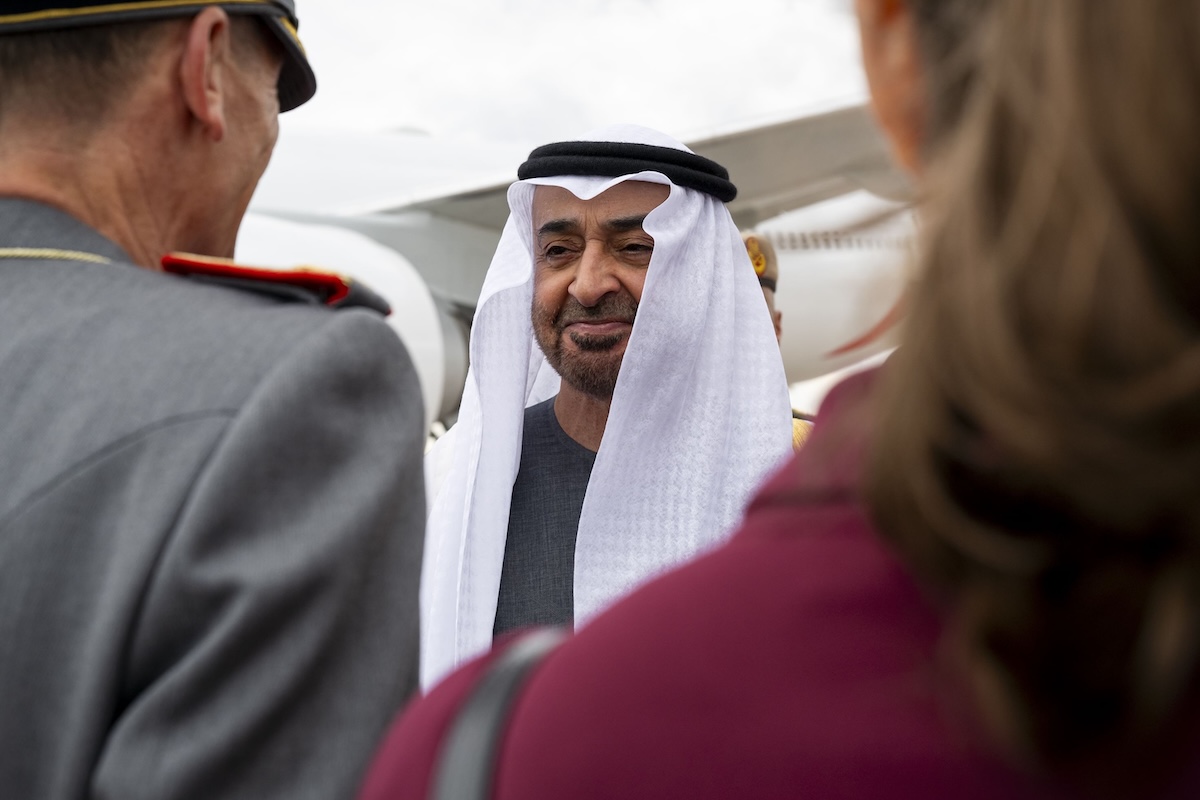
BERLIN: The leader of the United Arab Emirates began a state visit to Germany on Thursday, during which deals worth billions of euros will be signed in sectors including energy and technology, Emirati diplomats said.
Berlin rolled out the red carpet for Sheikh Mohamed bin Zayed Al-Nahyan, who was received with military honors by President Frank-Walter Steinmeier and was later to meet Chancellor Friedrich Merz.
Security was tight for the visit, with Berlin cordoning off flag-lined streets and deploying large numbers of police.
“Over the course of this visit, the UAE and Germany will make a number of key announcements and multibillion-euro agreements across investment, business, technology, AI and energy,” senior UAE diplomat Lana Nusseibeh said at a briefing ahead of the visit.
The visit comes as the US war against Iran has roiled the Gulf region, with US President Donald Trump’s erratic diplomacy unsettling many midsize powers and leading them to diversify their strategic and economic partnerships.
Merz visited the Gulf region in February, shortly before the US-Israeli war started against Iran. He said then that “we need such partnerships more than ever at a time when major powers are increasingly dominating politics”.
The UAE is Germany’s largest trading partner in the Gulf, with bilateral trade topping $15 billion last year, and many big German companies have a presence there including BMW, Siemens, ThyssenKrupp and rail operator Deutsche Bahn.
The UAE meanwhile has made major investments in Germany, including in the chemical industry and offshore wind power.
During Merz’s visit in February, German energy giant RWE and Abu Dhabi’s national oil company ADNOC signed a memorandum of understanding on LNG imports over the next decade.
Gulf countries have also long bought defense equipment from Germany and have shown interest in start-ups that make drones to bolster NATO’s deterrence efforts against Russia.
Germany, the largest EU economy, supports talks towards a European Union free trade deal with the Emirates.
The group Human Rights Watch called on German leaders during the visit to “publicly call out the United Arab Emirates’ human rights record and its role in regional conflicts”.
No joint press conference was scheduled with Merz and Sheikh Mohamed.
LOVEHOLIDAYS have tens of thousands of last minute breaks up for grabs, and they’re going for fabulously cheap prices.
We found sunny, week-long holidays in places like Spain, the Canary Islands, Tunisia and Morocco for less than £500pp.
Stay at the glamorous, all inclusive Servatur Riosol in Puerto Rico, Gran Canaria for £499ppCredit: Trip Advisor/Servatur Riosol ManagementBag an all inclusive week away on Spain’s sunny Costa Brava from £299ppCredit: Getty
Click here to browse all Loveholidays last minute hols.
We’ve hunted down the best all inclusive deals from this mega list, where you can whisk the entire family away on a package holiday from only £289pp – here’s our top picks.
Sign up for the Travel newsletter
Thank you!
Costa Brava, Spain – £299pp
If you’re after a super affordable, all inclusive fly and flop holiday, look no further than the Ibersol Sorra d’Or hotel.
Here you’ve got everything you need in a sunny Spanish holiday, from a kids club, pool games and live music to keep the family entertained.
Make use of the pretty yellow loungers surrounding the outdoor swimming pool, or step outside the front door and cross the promenade to reach a stretch of golden sand.
Head out into Malgrat de Mar to dip into dozens of local tapas bars, British-style pubs, souvenir shops, and the town’s weekly street market.
Book a 7 night all inclusive Spain holiday from £299pp (or click here to browse all Costa Brava holidays)
Tunisia – £369pp
Stay at El Mouradi Palace in Port el Kantaoui, Tunisia on an all inclusive basis from £369ppCredit: Trip Advisor/El Mouradi Palace Management
The five-star El Mouradi Palace is a grand resort sitting directly on the white sands of Port el Kantaoui, Tunisia.
The hotel boasts a massive, 900-square-metre outdoor pool that feels like a lagoon, complete with a separate children’s section.
If you prefer the sea, you can step straight out onto a private stretch of white sand equipped with free sun loungers, beach umbrellas, and a beach bar. There’s also a heated indoor pool for cooler months.
Dining centres around the massive main buffet restaurant whic serves up everything from traditional Tunisian specialties and grilled meats to fresh sushi.
Book a 7 night all inclusive Tunisia holiday from £369pp (or click here to browse all Tunisia holidays)
Fuerteventura – £489pp
SBH Maxorata Resort is a sprawling beachfront resort in Jandia, FuerteventuraCredit: Trip Advisor/SBH Maxorata Resort Management
The SBH Maxorata Resort is a massive, four-star family hotel perched on the sun-drenched southern tip of Fuerteventura.
If you’re looking for that Caribbean-style white sand and turquoise water – without the long-haul flight or premium price tag, Jandia is exactly where you want to be.
With four pools, a splash park, a spa, evening music and cabaret, a massive buffet restaurant, pool and snack bars plus two a la carte restaurants – can you ask for much more from an all inclusive?
Rooms have had a recent refurb, with modern designs, huge TVs and private balconies – plus there’s family rooms with a separate bedroom and living area.
Book a 7 night all inclusive Fuerteventura holiday from £489pp (or click here to browse all Fuerteventura holidays)
Agadir, Morocco – £289pp
Book an all inclusive holiday to Agadir from as little as £289pp with LoveholidaysCredit: Carribean Hotel
The Caribbean Village Agador is a sprawling, action-packed resort that feels like its own mini town.
Designed like a traditional Moorish village with low-rise buildings and winding pathways, here you’ll weave through lush gardens to find four pools, tennis courts and even an open-air amphitheatre.
By night, the resort comes alive with dance, comedy, and live music shows, plus there’s plenty of poolside bars and outdoor lounge areas to enjoy those all inclusive drinks.
This hotel is just a short walk from Agadir’s lively beachfront promenade packed with cafes and bars, plus you’re only a quick taxi ride away from the Souk El Had – a massive market stocked with spices and souvenirs.
Book a 7 night all inclusive Agadir holiday from £289pp (or click here to browse all Morocco holidays)
Tenerife – £379pp
Be Live Adults Only Tenerife is in the vibrant, party-led resort of Puerto de la CruzCredit: Trip Advisor/Be Live Adults Only Tenerife Management
If you’re looking for an adults-only option, Be Live Adults Only Tenerife is a sleek, four-star spot sitting right in the heart of Puerto de la Cruz.
This chic getaway trades busy splash parks for chilled-out pool days and sweeping views of the Atlantic and Mount Teide.
After a day of sunbathing, sit down to dinner in the buffet restaurant with show cooking displays and plenty of cuisines to pick from, before winding down by watching the sunset with an all inclusive cocktail.
When you want to head out, you’re only minutes away from the volcanic sands of Playa Jardin and the massive Lago Martianez saltwater pool complex.
Book a 7 night all inclusive Tenerife holiday from £379pp (or click here to browse all Tenerife holidays)
Gran Canaria – £499pp
Sit by the infinity pool at Servatur Riosol, or take the funicular lift down to Puerto Rico beachCredit: Trip Advisor/Servatur Riosol Management
Servatur Riosol is a brilliant, budget-friendly base in Gran Canaria‘s sunny Puerto Rico.
Built into the cliffside, this scenic resort offers to swimming pools with sweeping views over the sea. There’s also a kids splash area, plus an adults-only zone with underwater loungers and a private bar.
Rooms here come with kitchenettes stocked with microwaves, hobs and toasters – but the most you’ll need to use is the kettle for the odd cup of tea with your all inclusive package.
There is a funicular lift to take you down to Puerto Rico beach, and the bustling souvenir shops of the Europa Shopping Centre are a short walk away.
Book a 7 night all inclusive Gran Canaria holiday from £499pp (or click here to browse all Gran Canaria holidays)
If the Ber months are your favourite, then enjoy them with an autumnal staycation. These holiday parks will be offering lots of themed fun in October and beyond including Halloween celebrations
This article contains affiliate links, we will receive a commission on any sales we generate from it. Learn more
Butlin’s will have themed Halloween shows(Image: Butlin’s)
While parents have only just waved the kids back to school, we all know how quickly October half term sneaks up on us, and if you’re looking to book a staycation, now is the time.
Holiday parks across the UK will be offering special October half-term breaks, including themed activities and entertainment, so here’s a breakdown of what some of the major brands will be doing for the spookiest month.
Butlin’s – from £205
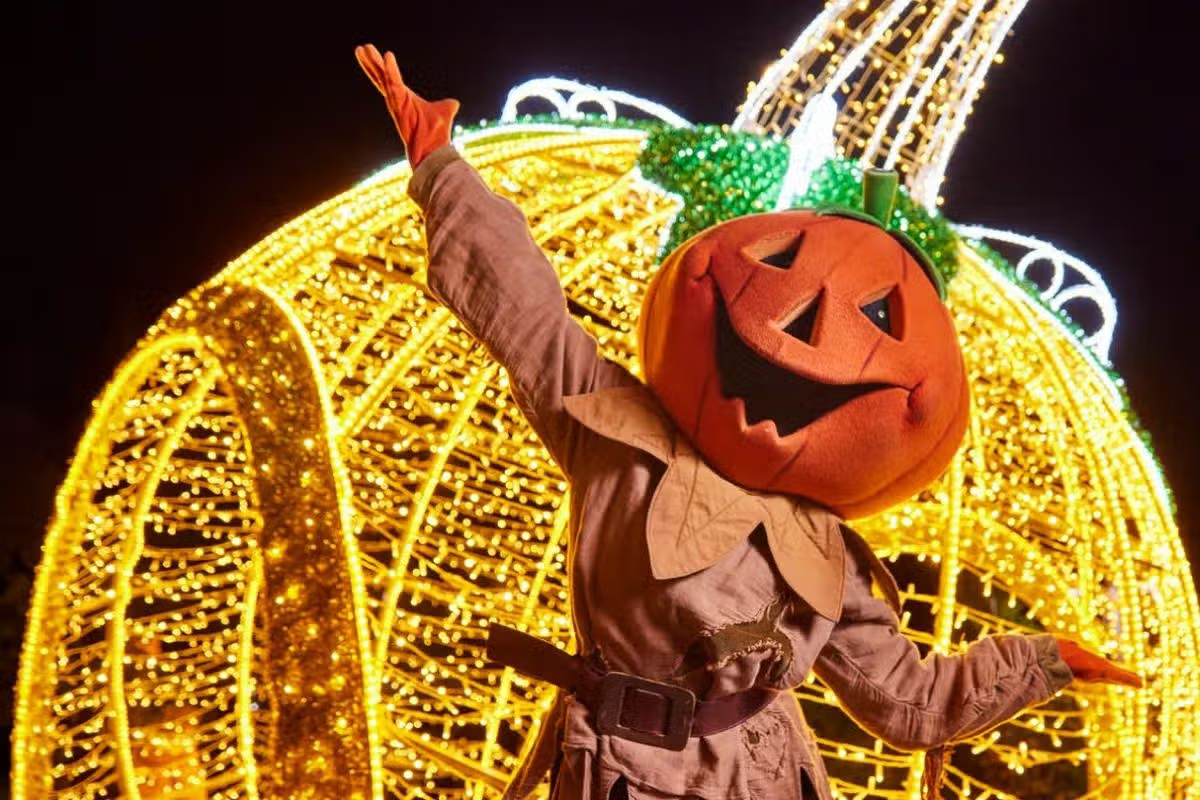
Butlin’s will be offering a range of Spooktober breaks midweek through October and during half term, which kick off with a welcome party that’s “full of Halloween hits and spooky surprises”. Its fairgrounds are being turned into Scaregrounds, with fog machines, atmospheric lights, and lots of scary monsters lurking in dark corners, while some rides will operate after dark for extra thrills.
The evening entertainment, usually known as Nights at Reds, will become Frights at Reds, billed as: “Think spine-tingling singalongs, killer party dances, ghoulish games, DJ sets that’ll raise the dead, and our brand-new Eerily Silent Disco.” There will also be daytime activities, and of course, you get access to Butlin’s waterparks and all the other fun things you’d expect from its breaks.
Haven is offering a range of Halloween breaks across its parks for October 2026, including half-term dates, with parks offering a variety of spooky entertainment and activities, depending on location and date.
You can enjoy a Halloween Parade at selected parks, and the usual Haven entertainment with a cute autumn edge, such as a Halloween version of the Seaside Squad Let’s Dance show. Once you’ve booked your break, you can add extras such as pumpkin carving, Halloween Make a Bear, or themed slime workshops.
Center Parcs’ lodges are the perfect backdrop for an autumn break, and its parks will also be offering a range of Halloween activities for those visiting during half term. Parents can book their kids into a Halloween Bash, a party that includes games and crafts, or fun sessions such as broomstick making.
You can also enjoy the crisp autumn weather with a forest stroll, or enjoy the parks’ playgrounds, and of course, there’s the subtropical swimming paradises, which are always popular with families visiting Center Parcs.
Parkdean will be running Halloween activities in 59 of its parks from October 2 to November 1, promising “live entertainment and thrilling activities”. Depending on the date you visit and the park, you could enjoy a Creepy Disco, watch a Halloween-themed show, Disturbia, or take part in a kid-friendly ghost walk.
Kids can take part in pumpkin crafts, Halloween-themed slime workshops, sand art, or pottery, and some parks will host a Monster Ball with competitions, fancy-dress, live performances, and more.