US president has said that he will use tariffs to bring down costly pharmaceutical drugs, but the impact remains uncertain.
Published On 2 Apr 20262 Apr 2026
United States President Donald Trump has signed an executive order that could slap long-threatened tariffs of up to 100 percent on some patented drugs if pharmaceutical companies don’t reach deals with his administration in the coming months.
Under Thursday’s executive order, companies that have signed a “most favoured nation” pricing deal and are actively building facilities in the US will have a zero-percent tariff.
Recommended Stories
list of 3 itemsend of list
For those that don’t have a pricing deal but are building such projects in the US, a 20 percent tariff will apply, but it will increase to 100 percent in four years.
A senior administration official told reporters on a press call that companies still have months to negotiate before the 100 percent tariffs kick in. Bigger companies will have 120 days, and 180 days are offered for everyone else.
The official, speaking on condition of anonymity to preview the executive order before it was issued, did not identify any companies or drugs that were in jeopardy of getting hit with the increased tariffs.
But the source noted the administration had already reached 17 pricing deals with major drugmakers, 13 of which have signed.
In Thursday’s executive order, Trump wrote that he deemed the tariffs necessary “to address the threatened impairment of the national security posed by imports of pharmaceuticals and pharmaceutical ingredients”.
The order arrived on the first anniversary of Trump’s so-called Liberation Day, when the president unveiled sweeping new import taxes on nearly every country in the world, sending the stock market reeling. Those “Liberation Day” tariffs were among the duties the Supreme Court overturned in February.
Critics, pharmaceutical leaders and medical groups warned of the consequences the new tariffs could bring.
Stephen J Ubl, the CEO of the pharmaceutical company trade group PhRMA, said taxes “on cutting-edge medicines will increase costs and could jeopardize billions in US investments”.
He pointed to America’s already large footprint in biopharmaceutical manufacturing and noted medicines sourced from other countries “overwhelmingly come from reliable US allies”.
Trump has launched a barrage of new import taxes on US trading partners since the start of his second term and repeatedly pledged sky-high levies on foreign-made drugs.
But the administration has also used the threat of new levies to strike deals with major companies — like Pfizer, Eli Lilly and Bristol Myers Squibb — over the last year, with promises of lower prices for new drugs.
Beyond company-specific rates, a handful of countries have reached trade frameworks with the US to further cap tariffs on drugs sent to the US.
The European Union, Japan, Korea and Switzerland will see a 15 percent US tariff on patented pharmaceuticals, matching previously agreed rates for most goods.
Meanwhile, the United Kingdom will get 10 percent, which Thursday’s order noted would “then reduce to zero” under future trade agreements.
The UK previously said it secured a zero-percent tariff rate for all British medicines exported to the US for at least three years.
1 of 2 | Shoppers crowd the cooking oil section at an E-Mart store in Seoul as daily necessities are sold at half price during the 2026 Landers Shopping Festa. Photo by Asia Today
April 1 (Asia Today) — Large crowds gathered at discount stores across Seoul on Tuesday as consumers rushed to take advantage of steep price cuts, highlighting growing pressure from persistent inflation.
At an E-Mart store in Seoul’s Yongsan district, shoppers lined up before opening, with many heading straight to discounted meat and fresh produce sections as doors opened.
“Prices are so high these days. If not for chances like this, when else would I buy?” said a woman in her 60s, who said she arrived 30 minutes early to secure discounted items.
E-Mart launched its largest discount event of the first half of the year, running through April 12, offering up to 50% discounts on groceries and household essentials. The campaign involves affiliates across Shinsegae Group, including department stores, online platforms and shopping malls.
Fresh food items drew the biggest crowds. Pork belly and pork shoulder were sold at 1,490 won ($1.10) per 100 grams with membership discounts, while whole watermelons were priced at 11,900 won (about $8.80) for the day. Discounted Korean beef also attracted heavy demand, with some shoppers buying multiple packages.
Store employees said traffic during promotional events can be more than triple normal levels, as customers stock up on essentials.
In contrast, snack aisles were relatively quiet, reflecting a shift in consumer behavior toward necessities such as eggs, cooking oil and other basic goods. Analysts say prolonged inflation has led households to prioritize essential spending over discretionary purchases.
The retailer said it prepared its largest-ever promotion focused on everyday items, including discounts on detergents, diapers, batteries and processed foods when purchased in bulk. A special promotion also offers select products for 1,000 won (about $0.70).
The event, first launched in 2021, has grown rapidly, surpassing 1.3 trillion won (about $960 million) in sales last year. Shinsegae Group aims to expand it into a major national shopping festival comparable to global events such as Black Friday in the United States and Singles’ Day in China.
Company officials said this year’s extended promotion period and expanded product lineup are expected to drive record sales.
The surge in turnout underscores how rising prices are reshaping consumer behavior, with discount events becoming key opportunities for households to manage everyday expenses.
Kyiv has sought to leverage its expertise in downing Russian drones to help Gulf nations.
Published On 28 Mar 202628 Mar 2026
Qatar and Ukraine have signed a defence agreement seeking joint expertise on countering threats from missiles and drones, according to Qatar’s Ministry of Defence, as Iran continues attacking its Gulf neighbours.
The agreement was made on Saturday during Ukrainian President Volodymyr Zelenskyy’s visit to Doha, following his stop in the UAE earlier in the day.
Recommended Stories
list of 4 itemsend of list
Earlier on Saturday, Zelenskyy said Ukraine and the United Arab Emirates had also agreed to cooperate on defence, a day after signing a deal with Saudi Arabia during his visit to the kingdom on Thursday.
Kyiv has sought to leverage its expertise in downing Russian drones to help Gulf nations and has deployed anti-drone experts to the three countries Zelenskyy visited during his diplomatic tour.
Tehran insists it is targeting only US assets in the Gulf in retaliation for the US-Israeli war on Iran, but the assaults have upset relations as Gulf nations say civilians are being put at risk.
During the Ukrainian leader’s visit to Doha on Saturday, Deputy Prime Minister and Minister of State for Defence Affairs Sheikh Saoud bin Abdulrahman bin Hassan Al Thani met Ukraine’s Secretary of the National Security and Defence Council (NSDC) Rustem Umerov, and Chief of Staff of the Armed Forces of Ukraine Andrii Hnatov.
“The agreement includes collaboration in technological fields, development of joint investments and the exchange of expertise in countering missiles and unmanned aerial systems,” Qatar’s Defence Ministry said in a statement during Zelenskyy’s visit.
The officials discussed the latest security developments. The defence agreement was signed by Qatari Armed Forces Lieutenant General Jassim bin Mohammed Al Mannai, and on the Ukrainian side by Hnatov, in the presence of the other officials.
“Ukraine is offering a cheap way of countering Iranian drones. Ukraine has been doing that for the past three and a half years because Russia has been firing Shahed drones since September 2023 at least, and it’s been downing them nearly every day,” said Al Jazeera’s Dmitry Medvedenko, reporting from Doha.
“The Gulf has been using Patriot and THAAD missiles primarily so far to down Iranian missiles and drones. Each Patriot missile costs almost $4m, while Ukraine is offering its expertise in downing drones for about $2,000 each.”
Decade-long cooperation
Ukraine has become one of the world’s leading producers of sophisticated, battlefield-proven drone interceptors as Russia has been attacking Kyiv with hundreds of thousands of Iranian drones since the start of its full-scale invasion of the neighbouring country in 2022.
On March 18, Zelenskyy said 201 anti-drone experts had been deployed to the Middle East.
Kyiv has proposed swapping its interceptors for the vastly more expensive air-defence missiles that Gulf countries are using to down Iranian drones. Kyiv says it needs more of them to fend off near-daily Russian missile attacks.
“What we can assume is that Ukraine is primarily interested in funding,” said Medvedenko.
He said that the US-Israeli war on Iran is “costing so many Patriot missiles”, which concerns Ukraine as its stocks will decline.
The Patriots are “a much better solution” for countering Russia’s ballistic missiles, he said.
While the Commission hailed the Australia agreement as a new geostrategic win, EU farmers continue to express deep discontent stemming from the Mercosur deal.
In practice, the backlash around the agreement with Argentina, Brazil, Paraguay and Uruguay has done little to shift the Commission’s dual approach in its negotiating line. On the one hand, the commission kept making concessions on entry-level or mid-range farm goods such as beef, while on the other hand, it pushed for market access for high value-added exports —like wine, Geographical Indications (GI) and cars— with mixed results.
“The EU has all the assets to be an agri-food power,” Luc Vernet, from the export-focused brussels think tank Farm Europe, told Euronews, adding: “We should develop a broader strategy beyond high value-added products, covering all sectors and all levels of quality, because the European model delivers exceptional quality not just in luxury products.”
Yet the opposition to the Latin America deal — which triggered a legal challenge suspending its ratification — crystallised among EU farmers over fears of unfair competition from meat imports.
The Mercosur agreement granted quotas of 99,000 tonnes of beef per year, 25,000 tonnes of pork and 188,000 tonnes of poultry. Despite conditions added to new quotas in the Australia deal, EU farmers complain of imports piling up across successive agreements.
Concessions made on beef
Over eight years of talks with Canberra—the world’s second-largest beef exporter—Australia pushed hard for greater access for beef and sheep meat. Tensions intensified in 2023, when negotiations broke down after the EU rejected Australia’s demand for 40,000 tonnes of beef per year, offering no more than 30,000 tonnes instead.
The final deal agreed Tuesday allows 30,600 tonnes of beef annually into the EU. For sheep and goat meat, Brussels accepted a 25,000-tonne duty-free quota, while sugar was limited to 35,000 tonnes of raw cane for refining and rice to 8,500 tonnes a year.
However, perhaps drawing lessons from Mercosur, Brussels imposed multiple conditions on the quotas. Beef imports, which will have to be from grass-fed cattle, will be phased in over 10 years, sheep meat over 7 years, and rice over 5 years. Sugar will also be subject to certification under a private sustainability scheme.
Safeguard clauses, allowing both sides to react to market disruption, will apply for seven years – but are extended for sensitive farm goods : 15 years for beef, 12 for sheep and 10 for rice.
But a farmers’ representative told Euronews there were serious doubts about the effectiveness of the safeguard mechanisms: “Our experience in general with safeguards is that they are extremely difficult to activate because the burden of the proof is on us, farmers.”
The offensive agenda of the Commission
By contrast, agriculture was far less contentious in the India negotiations, where New Delhi itself resisted opening its market due to domestic farm sensitivities, particularly in dairy. EU sensitive products were largely excluded.
But wine featured prominently on Brussels’ offensive agenda, with Indian tariffs cut from 150% to 20% for premium wines and 30% for mid-range products over seven years. Tariffs for cars will also fall from 110% to 10% but under a quota of 250,000 vehicles a year after a decade – by which point Chinese manufacturers have great chances to have strengthened their position.
In negotiations with Australia, the EU again sought greater access for its wine but encountered strong opposition from domestic producers. In the end, the deal protects more than 1,600 EU wine GIs, plus over 50 new ones from 12 member states.
On Prosecco, Australian producers will still be allowed to use the term domestically to designate a grey grape variety, provided it is linked to Australian GI, with Canberra agreeing to stop exporting such wines after 10 years.
The EU also secured protection for 165 agri-food GIs and 231 spirit drink GIs. But it failed to remove Australia’s luxury car tax, securing instead preferential treatment for EU electric vehicles. But Brussels won improved access to critical raw materials – a key EU demand, that may have lead to more concessions on meat.
OUR Queen of the £9.50 Holiday is back to answer your burning questions – ahead of the launch of THOUSANDS more cheap breaks going on sale.
This time, she’s giving her tips for holidaying with teenagers, top things to do, and how to go away for cheap during the school holidays.
Sign up for the Travel newsletter
Thank you!
Queen of Hols from £9.50 Tracy Kennedy owns a Facebook group with 200,000+ followersCredit: Paul Tonge
Tracy Kennedy is an expert on Hols from £9.50, having taken Sun holidays for the past 30 years.
This week, Sun reader Julie Dale has been awarded best question of the week, which means she’s been selected to win a £100 Amazon voucher. Congratulations, Julie!
Hols from £9.50 are set to be restocked this Tuesday, with thousands of new holidays AND new holiday parks – and you can get priority access with Sun Club.
If you fancy signing up to Sun Club to access the £9.50 Hols deals early, head tothesun.co.uk/club and join for £1.99 a monthor £12 for a year.
Once you’re a member, go to the Sun Club Offers huband find the Hols From £9.50 page.
Follow the link from the offers page, and you can book your break from midnight on Tuesday, March 31.
What are some great UK parks that can even keep teenagers entertained?
Glenn Jones
Going away with teenagers, you’ll want something with plenty of activities to keep them entertained.
I’d say Billing Aquadrome is perfect for families of all ages, there’s especially loads to do for the older kids, too.
There’s outside entertainment in the evenings, and they have outdoor cinema screenings.
There’s also a giant inflatable course on the water that teens love to jump off to burn off some energy, and pool and snooker tables to hang out around.
Plus you can take the younger ones to the ball pit or slime making when the teenagers are busy exploring.
Seal Bay is another great choice, there’s loads there for the older teenagers.
Billing Aquadrome holiday park has a giant inflatable obstacle courseCredit: Instagram/willowlakewaterpark
They’ve got a really cool machine called a Wave Rider, which is like a surf simulator. It looks like a big bouncy slide with water gushing down it, very good for teenagers!
But if your teenagers are anything like mine, they won’t always want loads of sporty things to do.
My teenage daughter has had enough of arcades these days, she really likes going out on walks and exploring – she’s getting a bit like me now!
We love visiting castles and cathedrals, Hastings is great for that.
Teenagers do like dining out, though! So make sure to research the food options.
Parkdean have a good selection of foods, like Papa John’s pizza and fried chicken shacks.
And Seal Bay has a lovely outdoor seating area where you can have Greek gyros, burritos and ice cream. Teenagers love takeaways!
Would you opt for a £9.50 holiday over booking through the company direct?
Jamie Tebboth
You are often going to get your holiday for a cheaper price booking through £9.50 holidays.
Especially if you’re visiting as a family of four, as you can get a family holiday for only £38.
Looking at direct company sites on the same dates, it can be almost twice the price.
If you book through £9.50 holidays, that same holiday can be miles cheaper – even if you add on entertainment passes.
I always check on the actual company website to see how much I’m saving. I’ve saved £51 on a stay at Unity Beach, £112 at Solway and £211 on a trip to Bognor Regis.
For a family of four, the cheapest break you can get is a £38 holiday out of season (£9.50 each). If you add passes on, for say £10 a person, that’s still under £100!
My stay at Riverside in Bognor Regis and Parkdean Ty Mawr were both only £38. We’re not bothered about the extra entertainment passes, and its free linen there as well. If you’re not fussed in adding on the extras, it’s not going to get cheaper than that.
Seal Bay was the most popular holiday park booked with Hols from £9.50 in 2025Credit: Seal Bay
What are your top tips to get the best deals in the school holidays?
Julie Dale
The Midnight Service – be online as soon as that code comes! Just make sure you’ve joined Sun Club to get instant access after midnight. They go like wildfire!
There’s going to be new availability with this holiday restock, so if you haven’t booked yet, you can still get a holiday this year booked.
It can also definitely be cheaper to go away during school holidays and half term breaks that aren’t in the six-week summer holiday.
I’ve been away in the October holidays and it was much cheaper than the prices in the hotter months.
And if you want a really good deal, you should check if the school half term dates are different in the places you want to go to.
Quite a few people I know plan their holidays around the kids breaking up earlier in the destination they want to go to.
You then get a holiday that’s technically in the school holidays, for a really cheap price. I know someone who got a holiday for £14.50 per person during her children’s half term dates, and she had a great time.
What is a town in the UK you think that everybody should visit?
Elisabete Fortes
I’d say Glastonbury. It’s more than just the music festival. In fact, they have lots of other mini festivals and events throughout the year. We visited during the Medieval Fayre.
When I first went to Glastonbury, I was wowed. The streets are like a real life Diagon Alley from Harry Potter.
There’s Glastonbury Tor, Chalice Well and loads of other things to do. And Glastonbury has plenty of history, too, with Glastonbury Abbey and the links to King Arthur.
The nearest £9.50 holiday site will be Unity in Brean. It’s actually one of the most popular holiday parks I know of.
It’s got its own fair, a massive swimming pool, indoor and outdoor entertainment, plus a fantastic beach. And it’s close to Brean Down, with nature walks and a historical fort.
Tracy recommends a stay at Unity Beach to enjoy a day-trip out to GlastonburyCredit: Unity HolidaysUpgrade your accommodation at some Hols from £9.50 parks and have an outdoor hot tubCredit: st ives bay beach resort
Can you pay extra to upgrade your accommodation?
Emma Wright
Yes you can! Sometimes when you book, you can upgrade and choose the grade of your caravan.
The upgrade options tend to have really good amenities. When we stayed at The Lakes in Rookley, we stayed in a three-bedroom cottage with its own back garden and washing line. It was absolutely stunning.
It makes for a really luxurious experience, especially if you’re going as a big group or for a special occassion.
But I’ve never had a bad experience in any of the caravans, even staying in the cheap ones.
All the ways to book a holiday from £9.50
There are five routes to book our Hols From £9.50
Book online: Simply collectcodewords printed in The Sun paper up until Wednesday, April 1. Then enter them at thesun.co.uk/holidays to unlock booking from April 1.
Book with Sun Club: Join Sun Club at thesun.co.uk/club for £1.99 per month or £12 for the year. Go to the Sun Club Offers hub and click through to the Hols from £9.50 page. You do not need to collect any codewords or Sun Savers codes. Booking opens for Sun Club members onTuesday, March 31.
Book with Sun Savers: Download the Sun Savers app or register at sunsavers.co.uk. Then go to the ‘Offers’ section of Sun Savers and click ‘Start Collecting’ on the ‘Hols From £9.50’ page. Collect TWO Sun Savers codes from those printed at the bottom of the Sun Savers page in the newspaper up until April 1. Then enter or scan the codes on Sun Savers to unlock booking.
Book by post: Collect TWO of the codewords printed in The Sun each day up until Wednesday, April 1. Cut the codeword out and send it back with the booking form – found in paper onApril 1 or online at thesun.co.uk/holidays.
Book with The Sun Digital Newspaper: Sign up to The Sun Digital Newspaper at thesun.co.uk/newspaper. Then download the Sun Savers app or sign up at sunsavers.co.uk, log in to Sun Savers with your Sun account details (the same email and password you use for your Digital Newspaper) and enjoy automatic access to Hols, without the need to collect Sun Savers codes daily. Booking opens onApril 1.
THE Sun’s travel team are sharing the holiday destinations they’ll be heading to this summer to help you find the best deals to get away for less.
To do this, we have rounded up our absolute favourite spots for summer 2026, including family-friendly holiday parks, sunny Spanish resorts and the very best in cruises.
Bodrum in Turkey offers luxury-feel beach holidays for affordable pricesCredit: Getty
Whether you’re hunting for a cheap UK break or a dreamy island retreat, we’ve got your travel inspiration for 2026 sorted.
From Skegness to Seoul, here’s where the Sun Travel team recommend – and are actually heading to – as the weather hots up.
Caroline McGuire, Head of Travel – Digital
UK holiday – Butlin’s, Skegness
I am ashamed to say that in my nine years as a travel editor at The Sun, I’ve not yet made it to Butlin’s.
Well, not after this summer. I’m heading to their Skegness resort with a school mum and our kids, in the seaside holiday park’s 90th birthday year.
I’m not sure who is more excited – the adults or the kids.
My parents were camping-in-France-type people, so I never did any of the UK holiday parks growing up.
But now I have a kid of my own, the idea of free fairground rides, water slides and TV-quality evening entertainment is deeply appealing.
I’m particularly looking forward to the Masked Singer Live, and my son is very excited about the Maximum Pro Wrestling.
Plus, we’ve got the all-inclusive drinks package, which means we can sip on a cold wine and natter while the children tire themselves out with all the activities.
Given we’ve got the dining package too, it’ll be interesting to see quite how much we can see, do and eat in a 3-night break, without spending any extra money.
They’ve got 3-night breaks in May half term from £188 and the school summer holidays from £207.
Butlin’s in Skegness is an affordable option for the summer holidays, with breaks from £207Credit: Butlins SkegnessUK holiday park Butlin’s will be celebrating its 75th birthday in 2026Credit: Butlins Skegness
Medium haul break – Bodrum, Turkey
I’ve managed to visit a new part of Turkey each year since Covid ended, ranging from Istanbul and Izmir to the Turquoise Coast, and this year I’m ticking Bodrum off the list.
Turkey is one of my favourite countries to visit with my seven-year-old.
For a start, the food is so kid-friendly that eating out is a dream. Halloumi, olives, flatbreads, hummus, baklava… what’s not to love?
Plus, they’ve really nailed the all-inclusive hotel experience.
This year, we’re staying at the Titanic Luxury Collection Bodrum – a five-star property on the Pina Peninsula with 11 restaurants and its own white-sand beach.
Week-long, all-inclusive stays at this five-star resort start from £910pp with On the Beach.
Short haul break – Eurocamp: Les Prairies De La Mer Resort, France
Kate Moss, Elton John, Beyonce and Leonardo DiCaprio all love St Tropez, and it’s about to become even better-known soon, as the next White Lotus TV show is being filmed there.
But just 15 minutes down the road is Les Prairies De La Mer Resort – one of Eurocamp’s top holiday parks that they rate as five stars.
But when we fancy a bit of the A-List lifestyle, it’s super easy and cheap to get to either St Tropez or St Maxime
Forget Club 55 and superyachts, here it’s all about the park’s own beachfront cafe, mini golf and the two pools.
Oh, and an early morning walk to the on-site supermarket for freshly baked croissants.
But when we fancy a bit of the A-List lifestyle, it’s super easy and cheap to get to either St Tropez or St Maxime.
They’ve got 7-night breaks in May half term from £1,707 and school summer holidays from £2,349.
Alice Penwill, Travel Reporter
British seaside – Suffolk, UK
As much as I love going abroad, sometimes you can’t beat a British summer.
I’ll be visiting Suffolk later this year to explore its seaside towns and hopefully enjoy some sunshine along the way too.
I’ll head to Aldeburgh first to see its colourful homes and stretching shingle beach.
I’ll try a Noon Tart too – it’s a local delicacy, essentially it’s a savoury pastry made from smoked haddock, smoked cheddar cheese, cream, eggs, and mustard in a flaky pastry.
Half an hour away from Aldeburgh is Framlingham Castle, which was Ed Sheeran’s inspiration for his song ‘Castle on the Hill’.
Neighbouring seaside towns include Thopeness and I might even stop by my favourite place along the Suffolk coast, Southwold.
I’ve been going to Southwold for years, playing games at the arcades, crabbing off the pier and popping into its independent shops along the high street.
I’ll be staying at The Brudenell Hotel, which sits on the seafront of Aldeburgh, and offers rooms from £137 per night.
Aldeburgh in Suffolk is home to grand pastel houses and a stretch of pebbled beachCredit: Alamy
Short haul sunshine – Menorca, Spain
Lots of Brits head to the Spanish islands during the summer – and I hope to be one of them, although I’m going to one that has fewer crowds.
The island of Menorca, next to the well-known Majorca, welcomes much fewer tourists each year, making it an ideal place to relax – it’s even been called “Ibiza’s chilled-out sister”.
It’s easy to navigate too, as it’s much smaller, so it has short airport transfers, and is generally cheaper.
I’ve got my eye on Cala Macarella, a beach on the south of the island with white cliffs and turquoise waters.
Another spot that I’ve been told about is Cova d’en Xoroi, which is a bar that’s built into caves on the cliffs.
During the day, it’s a chilled bar, and in the evening, it holds sunset sessions with live music.
To make it easier, the likes of TUI and Jet2 organise package holidays.
You can book a 7-night room-only break at Menorca’s Colina Village from £262.26pp with TUI.
The Spanish island of Menorca has been dubbed “Ibiza’s chilled-out sister”Credit: Alamy
English adventure – Jurassic Coast, UK
In my 28 years of living in the UK, I’ve never taken a stroll along the Jurassic Coast, which is why I intend to head there this summer for a weekend away (at least).
Chesil Beach near Weymouth is the longest in the UK, stretching for 18 miles from West Bay to the Isle of Portland.
And I hope to walk the beach and stop by The Cove House Inn on the north of the Isle of Portland, which was named as one of the best beachside boozers last year by Big 7 Travel.
Lots of visitors compliment the views from the pub, which sits on the promenade, and some have even spotted dolphins and whales in the water there too.
Of course, the famous Durdle Door is another stop high up on my list, as is Kimmeridge Bay.
Premier Inn’s Weymouth hotel offers spacious, comfy rooms from just £57 per night.
Chesil Beach is the UK’s longest, stretching for over 18 miles along the Jurassic CoastCredit: Alamy
Lisa Minot – Head of Travel
Short haul success – Malaga, Spain
I’m heading to the southern Spanish gem of Malaga in early June for a long weekend.
The city ticks all the boxes when it comes to an easy-to-reach, reliably sunny destination that can combine a quick cultural hit with fabulous food and a captivating coastline.
And travelling in early June, hopefully, will mean fewer crowds while still benefiting from warm sunshine.
I’ll be ticking off big hitters like the Picasso Museum and the 11th-century Alcazaba palace, but also on the agenda will be some serious relaxation.
I’m staying 20 minutes from the city centre at the Higueron Hotel, Curio Collection by Hilton, set between the Mediterranean and the Mijas mountains.
Its rooftop pool and terraces will be perfect for sunbathing and cocktail sipping, and there’s a spa and superb sports facilities for some proper me-time too.
The glamorous hotel offers breaks from £184 per night, but its budget-friendly little sister, the Hilton Garden Inn Malaga, also makes for a fantastic stay from £95 per night.
The Sun’s Head of Travel Lisa Minot is choosing to spend a long weekend in sunny MalagaCredit: Alamy
French fancy – Bormes Les Mimosas, Cote d’Azur
It will come as no surprise to those who know me that, yet again, my priority this summer will be spending time with family and friends at my own caravan in the South of France.
I’ve visited Camp du Domaine in Bormes les Mimosas almost every year for the last 50 years, and this summer will be no different.
The site tumbles down pine-clad hills to its own gorgeous sandy beach, and days will be spent relaxing on those soft sands, swimming in the warm waters and cooking up a storm with the purchases bought in local markets, from fresh fish to ripe Provencale tomatoes and of course, the odd rose!
Set between Toulon and St Tropez, it’s a great site for those who have their own van or camper, but there are bungalows for rent too.
Another good bet nearby is the Eurocamp sites in Grimaldi and Frejus.
A basic pitch at Camp du Domaine starts from £28.50 per night, with options for one-bedroom bungalows starting from £60 per night. See campdudomaine.com.
The Sun’s Head of Travel Lisa Minot visits Bormes Les Mimosas every single yearCredit: Alamy
Long haul leave – Seoul, South Korea
I’m making my first trip to the current global capital of cool, Seoul, as Virgin Atlantic launch new direct services.
With all things K-culture from the massive success of K-pop to the likes of Squid Game and BTS, the city promises an irresistible blend of ancient palaces, surprising green spaces and intoxicating 24/7 high-tech culture.
Of course, top of the list will be visiting Olive Young, Korea’s biggest beauty store for skincare essentials.
But I’ll also find time to wander and window-shop in the wealthy neighbourhood of Gangnam, famously mocked in original K-pop star PSY’s signature tune.
And then there’s the exciting food scene – from spicy street food to Korean barbecue, I can’t wait to indulge!
Virgin Atlantic flights to Seoul start from £757 return.
Once you’re in Seoul, there are plenty of budget-friendly accommodation options.
A night at the glitzy Moxy Seoul Insadong starts from £100 per room, whilst backpackers love the H HOSTEL Itaewon (from £23) with its social rooftop bar.
Long-haul airline Virgin Atlantic are launching flights to Seoul, South Korea in 2026Credit: AlamyLes Prairies De La Mer Resort is in Grimaud, France – close to celeb hotspot St TropezCredit: Eurocamp
Jenna Stevens – Travel Reporter
British break – Cley next the Sea, Norfolk
I’m lucky enough to say that heading back home for me is like going on holiday.
North Norfolk is brimming with picturesque seaside towns and quaint fishing villages, so many that I’m yet to set foot in them all, despite growing up there.
This summer I’ll be heading east along the coastline to Cley next the Sea, a charming coastal village known for its seal trips, pretty marshland and its Grade II-listed windmill facing the sea.
Overnight stays are best taken in cosy pubs with rooms, which are abundant in the area
I’m looking forward to getting stuck into harvesting fresh samphire from the shores, then washing off my wellies and heading out to local restaurants to sample the seafood.
Cley is also home to quaint pottery shops and art galleries with work from local artists. Plus, the coastal walking routes are perfect for twitchers who want to spot species like marsh harriers and bitterns.
Overnight stays are best taken in cosy pubs with rooms, which are abundant in the area.
This makes evenings effortlessly easy, as you only have to head upstairs to retire after spending the night sipping Norfolk ales and chatting with locals.
Although if you want something truly special, you can choose to stay inside Cley Windmill itself.
Inside the mill, there’s a unique circular sitting room, decorated with antique furniture and an open fire, plus a dining room dating back to 1713.
Pair this with upper-floor bedrooms looking over the marshes, and you’ve got yourself a truly unforgettable staycation.
B&B stays at Cley Windmill start from £184 per night.
Or if you prefer a more rustic stay, you can go lakeside glamping close to Cley Marshes Visitor Centre from just £40 per night.
Cley next the Sea in Norfolk is ideal for a peaceful UK countryside retreatCredit: Getty
Euro city-break – Barcelona, Spain
Despite being one of Spain’s number one fans, I’ve somehow never made it to buzzy Barcelona.
I’m looking forward to heading there this summer to soak up the coastal city’s high-energy feel, whether its by boat trip, bicycle or bar-hopping.
This year marks Gaudi’s centenary: the anniversary of 100 years since the death of the famous architect.
To celebrate, the streets of Barcelona will be alive with various street celebrations, concerts and exhibitions taking place throughout the year.
Plus, the construction on the Sagrada Familia is set to wrap up in 2026, and with the completion of a spire back in February, the church building officially became the tallest in the world.
To add to the celebrations, Barcelona has been named the World Capital of Architecture this year.
Not only is there the impressive Sagrada Familia to admire, but I’m looking forward to ticking off Casa Milà and Casa Batlló, too.
Throw in some Spanish wine tasting and plans to eat my body weight in jamon and patatas bravas, and it’s fair to say I’m excited to finally experience Barcelona this summer.
City breaks to Barcelona are a very affordable option if you’re looking for a weekend away in Europe. TUI offer a 2-night stay in June at Hotel Acta Voraport hotel from just £266pp, and that’s with return flights included!
Barcelona has been crowned the World Capital of Architecture for 2026Credit: Alamy
Southern Europe scorcher – Quinta do Lago, The Algarve, Portugal
The Algarve has long been a popular destination for Brits seeking sunshine, and I’m excited to head to the sporty resort of Quinta do Lago to catch some rays myself.
If you’re a fan of golfing with gorgeous coastal views, it doesn’t get much better than Quinta do Lago.
The North, South and Laranjal golf courses are renowned for their manicured, championship-grade greens.
In fact, the South golf course at Quinta do Lago has hosted the Portuguese Open no fewer than eight times.
Plus, the sporty adults’ playground offers more than just golf, too.
Whether you’re into pilates, padel or Portuguese cuisine, there’s something for everyone.
I’m very much looking forward to rewarding myself for the workouts with a frozen cocktail and lazing out on the golden sands of Quinta do Lago beach.
A top hotel on the resort that balances stylishness and affordability is The Magnolia Hotel, which offers rooms from £138 per night.
Jenna Stevens, Travel Reporter
Quinta do Lago in the Algarve is a top destination for sports fans and fitness tourismCredit: Quinta do Lago
Cyann Fielding, Travel Reporter
Train trip – Disneyland Paris
A theme park is a great option for a weekend away, and that is exactly what I am planning with Disneyland Paris.
By the end of March, Disneyland Paris will have opened its newest land: World of Frozen.
Now, I may be 25, but nothing excites me more than seeing Olaf come to life, waddling around and making his cute chuckles.
The new land is meant to look just like the Arendelle Kingdom as well, so I am excited to feel as if I am stepping into the movie itself.
One of Disneyland Paris’ biggest appeals is its proximity to the UK and the ease of travel there.
I will take the Eurostar from London St Pancras, which alleviates the stress often felt when travelling through an airport.
By making this trip a weekend break, I don’t have to take any annual leave, so it is a win-win.
You can book a 3-night stay at the Staycity Aparthotels Marne La Vallee from just £229pp on Loveholidays – it’s only seven minutes from the attraction, and it has its own outdoor pool to cool off in, too.
Travel reporter Cyann Fielding is excited to meet Olaf at Disneyland Paris’ World of FrozenCredit: AFP
Atlantic adventure – The Bay Area, California, USA
I’m no newbie when it comes to California, having visited San Francisco twice, Yosemite and Los Angeles.
But I stand by the fact that the American state is one of the most exciting and diverse places to explore.
This summer, I will focus on the Bay Area, which comprises regions bordering San Francisco Bay, San Pablo Bay and Suisun Bay.
The different regions include Alameda, Contra Costa, Marin, Napa, San Mateo, Santa Clara, Solano, Sonoma, and San Francisco.
For this trip, I will focus on Marin — home to one of America’s 10 National Seashores — and Santa Clara, where you will find Silicon Valley and San Jose.
When people think of California, they often imagine LA and San Francisco, perhaps with chic surfer dudes.
However, this trip will focus on exploring the hidden parts of the Bay Area, including the location where George Lucas created Star Wars and Indiana Jones.
You can bag return flights to San Francisco from just £444 on Skyscanner, the cheapest deals are often found flying with SWISS airline.
California’s Bay Area is made of multiple regions including San Francisco and SonomaCredit: Alamy
Scottish summer – Glasgow, Scotland
Over the past few years, I have visited several destinations in Scotland and have to admit, they are to date some of the best places I have travelled to across the entire globe.
Scotland’s landscape is like nowhere else, and its cities are full of fascinating history and architecture.
That’s why this summer I will be heading to Glasgow. I haven’t visited before, so I am super excited to see how it compares to Edinburgh.
Glasgow Cathedral and Botanic Gardens are definitely at the top of my list of places to check out.
What is even better about this trip is that train operator Lumo has just launched a route from London to Glasgow – so no extra luggage costs for me!
Glasgow is full of affordable accommodation options, such as the ever-reliable easyHotel Glasgow City Centre from just £43 per night.
Travel Reporter Cyann Fielding is looking forward to visiting Glasgow this yearCredit: Alamy
Kara Godfrey, Deputy Travel Editor
Medium haul trip – Marrakech, Morocco
Despite being known for its affordable flights, easyJet has recently launched its new Luxury Collection holiday offerings.
So I’ll be trying it out for myself on a trip to Morocco, spending a few days in Marrakech.
I haven’t been to the city since 2018, and even then, it was on a budget, so I am excited to see the fancier side of it with a stay at the famous La Mamounia.
However, that won’t stop me from trying to hunt out a bargain in the souks, in the form of pretty kitchen bowls and candle holders.
And with 3 hr 40-minute flights and 25C weather in April? Sign me up!
You can fly to Marrakech from London from just £19.99 each way with easyJet.
Marrakech is under four hours’ flight from the UK and full of vibrant streets to exploreCredit: Alamy
Long haul adventure – East coast of Thailand
Twenty-one-year-old Kara’s biggest adventure was travelling to Asia, her first stop being a month exploring the popular Thai islands.
I’m as surprised as you are that, 12 years later, I have yet to return to the beautiful country.
So this summer, I have made it my mission to explore the parts that I forgot about as a budget traveller.
This time, I will be heading to the east coast, forgoing Bangkok and Chiang Mai for the nightlife of Pattaya.
Not only that, but my trip will also take me to Koh Chang, right by the Cambodia border.
Said to be less crowded and like going back to Thailand decades ago – I’ll be gorging on £1 Pad Thai and cheap Singha beers.
There’s plenty of luxurious hotels for affordable prices in Thailand, especially in Pattaya. Easy Planet Pattaya offers rooms from just £15 per night!
Deputy Travel Editor Kara Godfrey will explore Thailand’s less-crowded east coastCredit: Getty
Eurotrip – Bilbao, Spain
My love of a Spanish city was only further proven last year, after falling for both Seville and Madrid after spending a long weekend in each.
So this year I’m taking myself to Bilbao for a long weekend.
It is one of the closest Spanish cities to the UK – flights are just 1hr45 – and TUI has recently launched new city break packages too.
Great tapas will be on the menu, with some of the finest in Spain, as well as soaking up some culture at the famous Guggenheim Museum.
You can visit Bilbao with TUI for a 3-night city break staying at the Occidental Bilbao from just £280pp, including return flights.
Kara Godfrey, Deputy Travel Editor
Sophie Swietochowski, Assistant Travel Editor
Holiday at sea – Oceania Allura Cruise
I experienced Oceania’s glamorous Allura when she first debuted in the Med last year.
I loved her sleek cocktail bars and quality restaurants so much that I’m considering returning for a voyage in the coming months – only this time it’ll be for longer.
This summer, the 1,200-passenger vessel will be cruising between the Greek isles, sun-drenched shores of Croatia and bustling port cities in Turkey.
And with the temperatures likely to sizzle in the low 30s, there’ll be plenty of opportunity to take advantage of its sun decks.
Either flopped on one of the huge daybeds with an icy margarita, by the main pool or – my personal favourite spot – in the mellow spa at the back of the ship where you can watch the engines carve a foamy path in the sea.
In the evening, I’ll be making a beeline for Jacques, Oceania’s famous French restaurant that dishes up classics of beef tartare and wobbly cheese souffles.
I’ll be washing it down with a good bottle of red, obviously – just as the French would – before following it up with a dirty martini in Martinis.
I’ll take mine with Grey Goose, please.
A Greek island tour on Oceania’s Allura starts from £1,979 per guest for a 7-day voyage.
The most affordable Oceania cruise currently is a 7-day voyage from Rome to Barcelona, from £942 per guest.
Assistant Travel Editor Sophie Swietochowski was impressed by Oceania’s Allura cruise shipCredit: Oceana Cruises
American adventure – New York, USA
I could never tire of New York City. The Big Apple is a destination that will welcome you with open arms, whatever the weather – and one that feels endlessly full of possibilities.
I’ve returned almost every year for the past five years, and each time, I’ve experienced something new.
Things move at a fast pace, and museums, restaurants and attractions are opening on a weekly basis, making this city a revolving door of fun.
Sadly, many experiences here will burn a hole in your wallet, but there are ways of cutting back on spending.
Oyster happy hours are top on my list for summer, where participating restaurants serve up the fishy, and normally rather pricey, snack for around $1 a pop.
I’ll be scouring discount site Today Tix (todaytix.com) for bargain, last-minute tickets to Broadway shows.
And as for exploring? Some of the best activities in NYC are free.
Who can resist a stroll around Central Park? This lush, green space is so vast that it took me an hour to find my way out and back onto the urban streets on my first visit.
There are also free museum days, while trips to famous department stores like Macy’s needn’t cost you a penny.
That is, unless you fall in love with a stylish handbag or pair of shoes…
On the Beach offer week-long trips to New York, including return flights and a stay at a hotel in in Times Square, from £1,085pp.
New York has plenty of free activities and outdoor areas to be enjoyed in the summertimeCredit: Alamy
British break – Salcombe, Devon, UK
I’m already counting down the days until I return to the South West coast of England.
Cornwall is my usual haunt, and I know its windswept coastlines, sandy bays and rugged walking trails like the back of my hand.
So, I’m mixing things up a little this summer and moving a fraction to the east, where a gorgeous holiday home in Devon’s Salcombe is awaiting my arrival.
The scenery will be familiar, but – note to self – it’s cream first, then jam, on this side of the border.
On top of jaw-dropping views, Salcombe promises scenic adventures on the water.
The destination is a renowned sailing hotspot, hosting various dinghy races throughout the summer.
Boats can be hired for private excursions with or without a skipper, depending on your experience and knowledge.
The harbour town is also home to a rather charming gin distillery, which hosts tours and tasting sessions from £50pp.
Don’t fancy gin? There’s rum, too.
You can book a stay at The Sloop Inn, a charming 14th-century seaside pub with rooms, from just £88 per night.
Assistant Travel Editor Sophie Swietochowski’s choice of staycation is Devon’s SalcombeCredit: Getty
EGYPT has seen a fall in tourism due to the ongoing Iran conflict – despite it not being affected.
In response, tour operators are dropping prices of all-inclusive holidays – with some savings racking up to over £2,000.
Sign up for the Travel newsletter
Thank you!
The price of holidays to Egypt has dropped as Brits avoid goingCredit: AlamyTUI’s Coral Sea Water World has its own waterpark and savings of over £2,000Credit: TUI
Due to the ongoing conflict in the Middle East, Brits have been avoiding travelling to the surrounding countries, including Egypt.
Last week, On The Beach confirmed that they had experienced a drop in demand for popular holiday destinations including Egypt as well as Greece, Turkey and Cyprus.
Despite this, its airspace remains open and the travel advice to popular tourist spots along the Red Sea coastline hasn’t differed from the being safe for travel.
What has changed, is that the price of all-inclusive holidays has plunged.
An all-inclusive break at the Xperience St. George Homestay, in the coastal neighbourhood of Hadaba in Sharm El Sheikh, starts from £424 per person.
This includes flights from LiverpoolJohn Lennon Airport on May 11 and the return journey on May 28, 2026.
A TUI holiday has dropped by nearly 70 per cent, with a three-night all-inclusive stay next month at Sindbad Club just £347pp – down from £1017pp.
Or a family of four can have an all-inclusive stay across seven-nights at the Coral Sea Water World in Sharm El Sheikh for just £1,576 – or £525.46 per person (and down 60 per cent).
The trip with TUI from April 22 to April 29, 2026 is all-inclusive and includes return flights from Manchester Airport.
Brits unsure about booking holidays should remember that the package holidays are ATOL-protected – so if they get cancelled, you get all your money back.
What is the current travel advice to Egypt?
Keep up to date with the FCDO travel advice to Egypt on Gov.UK – here’s the latest…
FCDO advises against travel to these parts of Egypt;
Egypt-Libya border
North Sinai
Northern part of South Sinai
Eastern part of Ismailiyah Governorate
Hala’ib Triangle and Bir Tawil Trapezoid
Western Desert
FCDO advises against all but essential travel to the area west of the Nile Valley and Nile Delta regions, except for:
Luxor, Qina, Aswan, Abu Simbel and the Valley of the Kings
the Faiyum Governorate
the coastal areas between the Nile Delta and Marsa Matruh
the Marsa Matruh-Siwa road
the oasis town of Siwa
the Giza Governorate north-east of the Bahariya Oasis
the White Desert and Black Desert
the oasis towns of Bahariya, Farafra, Dakhla (Mut) and Kharga
the following roads and the desert area between them and the Nile valley:
the road between Giza and Farafra and within 50km either side of this road (but FCDO advises against all but essential travel on the road between Bahariya and Siwa)
the road between Farafra, Dakhla (Mut) and Kharga
the road between Kharga and Baris
the road between Baris and Luxor
It also warns of potential regional risks that “could lead to travel disruption and other unanticipated impacts”.
The FCDO advises British nationals to “take sensible precautions, considering their own individual circumstances”.
The Xperience St. George Homestay has deals from £424ppCredit: easyjet Holidays The price of all-inclusive holidays to spots in Egypt have plummetedCredit: Alamy
Our favourite Egypt holiday deals
If you click on a link in this box, we will earn affiliate revenue.
New Badawia Resort, Sharm el Sheikh
This hotel in popular resort Sharm el Sheikh has a large outdoor pool, waterpark and its own private beach area to cool off from the Egyptian sun. There’s traditional evening entertainment to bring the kids along to, and plenty to do in the local area like snorkelling and dipping into local bars and restaurants
With five swimming pools, six bars and six restaurants, you won’t get bored of this sprawling resort. The resort sits in the town centre of Makadi Bay, with plenty of dining and shopping options on your doorstep. The best part? Makadi Water World is just minutes from the hotel, famed for its 50 water slides and wave pool – and guests staying here get free entry.
The 4-star Jaz Grand Marsa has its own private beach with a coral reef, as well as five pools, three of which have sea views. The spacious grounds feature gardens and water fountains, plus tennis courts.
This all-inclusive resort is built for families, with a huge entertainment programme and an on-site waterpark with 18 slides. You can expect a buffet that’s anything but repetitive, as the theme and food line-up change daily. If you can bring yourself to leave the all-inclusive waterpark-come-resort, there’s the King Tut Museum, plus the Red Sea is world-famous for snorkelling.
SCREEN star Sydney Sweeney is rolling in dollar frills — after her new lingerie line helped to quadruple her fortune.
The American actress is now worth $40million, up from $10million just two years ago.
Sign up for the Showbiz newsletter
Thank you!
Sydney Sweeney’s fortune has soared to $40million after her lingerie line helped quadruple her wealthCredit: Instagram/SyrnSydney models underwear from her Syrn brandSydney’s Seductress line launches next week after her original designs sold out in the US
The news came as Sydney, 28, showed off a range of sexy pink and white underwear from her Syrn brand.
The Seductress line launches next week after her original designs sold out in the US.
Sydney launched the business on the back of becoming one of Hollywood’s most in-demand stars.
She was worth some $10million in 2024 thanks to roles in black comedyThe White Lotus, teen drama Euphoria and the rom-com movie Anyone But You.
Lucrative deals with Armani Beauty, Ford and Samsung followed — while controversial adverts for clothing brand American Eagle saw sales shoot up, along with Sydney’s profile and potential earnings.
Last year she raked in $7.5millon for her role in hit psychological thriller The Housemaid.
Sydney launched Syrn in January in a bid to take on fellow celebs Rihanna and Kim Kardashian — who have become billionaires through their clothing brands Savage x Fenty and Skims.
The star’s racy photo shoots have seen her criticised for not being a “girl’s girl”. But hitting back, Sydney said: “People will say, ‘Oh, she’s doing this for guys’.
“I’m like, ‘What’s more ‘girl’s girl’ than owning your body and doing it for yourself?’.”
The star in her controversial advert for clothing brand American EagleCredit: American EagleLast year, Sydney raked in $7.5millon for her role in hit psychological thriller The Housemaid
TURKEY has urged tourists that the country is still safe to visit, after seeing a slight drop in tourism.
The country has not been part of the Iran crisis, and the majority of Turkey – including the tourist resorts – remain safe to travel.
Sign up for the Travel newsletter
Thank you!
Turkey officials are urging the country is still safe to travelCredit: GettyPlaces like Antalya, Istanbul and Bodrum have no travel warnings in placeCredit: Getty
Despite this, On The Beach confirmed that they had experienced a drop in demand for destinations like Turkey.
But tourism authorities in Turkey have since confirmed that tourism is “still normal” across the country, which welcomed more than 4.2million Brits last year.
The Ministry of Culture and Tourism of the Republic of Türkiye has teamed up with Türkiye’s Tourism Promotion and Development Agency (TGA) to reassure tourists.
They confirmed that “holidays to Turkey are operating as usual, and nothing has changed”.
They added: “Every resort, hotel, excursion and experience is operating as booked – and there have been no closures, disruptions or government-issued restrictions on tourism activity anywhere in the country.”
Not only that but they said “no Turkish airport has been subject to closure, restriction or rerouting due to regional events”.
This includes the popular airports of Istanbul, Antalya Bodrum and Izmir.
And there are some super cheap Turkey holidays on sale right now.
You could spend a week all-inclusive at a Turkish holiday resort for just £199 each, which includes your seven night stay, return flights and your food and drink.
The cheap deal is staying at Ares Dream Hotel in Antalya, according to loveholidays.
Or spend a month for nearly half the cost than the average rent in the UK (£1,368), with a 28-night, all-inclusive stay from £619pp.
Even the summer holidays have cheap deals with seven nights at Hotel Linda in Kas from £469pp in August.
The current UK Foreign Office advice is that all of Turkey is safe to travel to, excluding the border with Syria.
Other bits of travel advice is to always carry around some form of photo ID such as a passport when travelling in Turkey.
Smoking is also banned on all public transport, as well as at bars, restaurants and cafes.
It’s not just Turkey that has seen a drop in tourism due to Iran, despite being safe to visit.
Egypt is seeing a drop in numbers, as well as Cyprus following an RAF base attack.
Breaks at the DWO Sirius -Adults Only start from £249 per person in MayCredit: UnknownThe hotel has an outdoor swimming pool with plenty of sun loungersCredit: loveholidays
The most affordable, but still with everything you need for a sunshine filled break, is at the DWO Sirius -Adults Only hotel on the Costa Brava in Spain.
The hotel has 161 rooms all decked out with modern amenities and air conditioning – which you might need in May as average temperatures can be as high as 24C.
Take a dip in the outdoor freshwater swimmingpool or relax on one of the sunloungers.
There’s a sun terrace too, restaurant, cafe, poolside snack bar, as well as an on-site gym – it’ll be quiet too as only guests age 16 and over are allowed.
The Spanish resort is a popular destination near PortAventura World, a theme park with over 40 attractions and huge rollercoasters.
It’s also close to sandy beaches likePlatja de Llevant, and the scenicCamí de Rondacoastal walk.
The hotel itself has rooms with air con, a TV, minibar and private bathroom.
It also has an outdoor swimming pool, restaurant, two bars along with evening entertainment and shows.
One visitor wrote: “Such lovely staff, food and hotel and we would go back again and didn’t want to leave.”
With loveholidays you can take a seven night break from May 2, 2026 from £269 per person.
This includes breakfast and return flights from London Stansted with Ryanair.
The four-star Hotel Best Punta Dorada is Salou on the Costa Dorada coastlineCredit: loveholidaysThe Gara Suites Golf & Spa has over 400 rooms and three outdoor poolsCredit: loveholidays
Or if you fancy jetting off to Tenerife, head to the Gara Suites Golf & Spa in Playa de las Americas.
In May, Tenerife temperatures can reach highs of 30C with around 10 hours of sunshine each day.
The Gara Suites Golf & Spa is a big resort with over 400 rooms as well as three outdoor pools and plenty of dining options.
It’s a top spot for families as it has a smaller pool especially for children, as well as a kids’ club and playground.
For golfing fans, there’s also a golf course short walk away – and the famous Siam Park waterpark is just a three-minutes drive away.
A seven night stay from May 14, 2026 starts from £339 per person – this includes breakfast and flights departing from London Stansted with Ryanair.
The Samos Hotel in Magaluf has a palm-tree shaped swimming poolCredit: Unknown
Another seven-night stay from £339 per person is available to book at the Samos Hotel in Magaluf.
The four-star Samos Hotel is right next to the beach and has a palm-tree-shaped lagoon pool.
It has 444 rooms spread across nine floors – some of which have sea views.
Inside there’s a spa with a small indoor pool, sauna, Jacuzzi and a range of spa treatments.
During the evening, there’s a full-on entertainment programme from shows to live music, bingo and karaoke.
The beach is an eight-minute walk away where there are lots of bars and restaurants.
You can eat at the hotel too as it has multiple bars, and restaurants that serve up classic Spanish food as well as international options too.
Majorca’s capital, Palma, is reachable within half an hour by car.
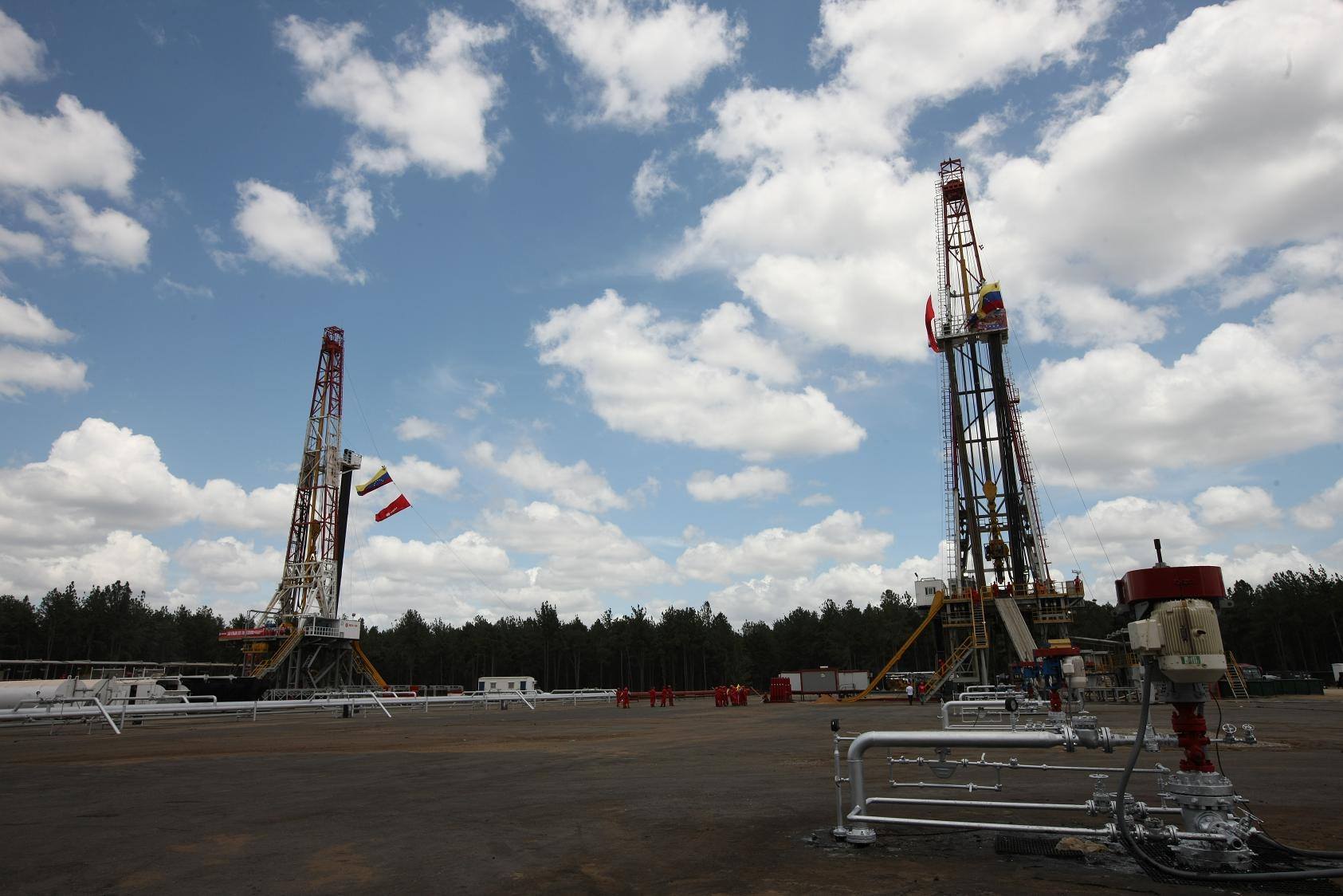
The Punta de Mata division produced over 400,000 bpd in the 2000s. (PDVSA)
Caracas, March 11, 2026 (venezuelanalysis.com) – Energy conglomerates Chevron and Shell are reportedly securing major oil deals in Venezuela following the recent pro-business reform of the country’s Hydrocarbon Law.
According to Reuters, joint venture Petropiar, where Chevron holds a minority stake, will expand its operations into the Ayacucho 8 bloc of Venezuela’s Orinoco Oil Belt.
Venezuelan state oil company PDVSA completed exploration and appraisal of the 510 square-kilometer area located south of Petropiar’s current operations, but its development has been limited. Under the agreement, Chevron looks to significantly expand its extra-heavy crude output from the Orinoco Oil Belt, which holds three-quarters of Venezuela’s oil reserves.
Chevron is reportedly looking to secure reduced royalties and taxes under the recently reformed Hydrocarbon Law in order to launch operations in the new area. Petropiar currently produces 90,000 barrels per day (bpd) of upgraded Hamaca crude. PDVSA’s joint ventures with Chevron have a total present output of around 250,000 bpd.
In January, Venezuela’s National Assembly approved a legislative overhaul that significantly improved conditions and benefits for private corporations in the oil and natural gas sector. Royalty and income tax levies, previously set at 30 and 50 percent, respectively, can now be slashed at the Venezuelan executive’s discretion.
In addition, joint venture minority partners can directly manage crude operations and sales, while legal disputes can be taken to international arbitration instances. Furthermore, PDVSA can also lease out projects to private operators in exchange for a percentage of the oil output.
Under the latter model, Shell is reportedly set to take over operations in PDVSA’s Punta de Mata division in eastern Monagas state, one of the most historically productive and profitable regions for Venezuela’s oil industry. The division produced over 400,000 bpd of light and medium crude grades in the 2000s but recent production was around 90,000 bpd.
The London-based multinational, which had a strong presence in the Venezuelan energy sector throughout the twentieth century, is likewise interested in capturing and processing natural gas that is currently flared in oil extraction processes.
Shell is additionally set to lead the Dragon offshore natural gas project alongside Trinidad and Tobago’s National Gas Corporation (NGC) in Venezuelan waters. The Nicolás Maduro government had suspended all joint initiatives with Trinidad due to its administration’s support for Washington’s Caribbean military buildup and threats against Venezuela last year.
Since the January 3 US military strikes and kidnapping of President Maduro, the acting Venezuelan authorities led by Delcy Rodríguez have fast-tracked a diplomatic rapprochement with the Trump administration while also vowing to “adapt” legislation to attract foreign investment. Following the hydrocarbon reform, a new mining law has also been preliminarily approved by the Venezuelan parliament.
US Energy Secretary Chris Wright and Interior Secretary Doug Burgum have visited Venezuela in recent weeks and hailed the investment opportunities in oil and minerals for US conglomerates.
Since January, the Trump administration has taken control of Venezuelan oil exports, with crude shipments handled by commodity traders Vitol and Trafigura and proceeds deposited in accounts run by the US Treasury. US authorities so far have only returned US $500 million, out of a reported $2 billion agreement, to the Caribbean nation.
The White House has also issued a number of licenses in an effort to boost US involvement in the Venezuelan energy sector, including limited waivers to export inputs and technology. In addition, Washington has allowed several corporations to negotiate agreements with Caracas while mandating that contracts be subject to US jurisdiction and that all royalty, tax and dividend payments be made to US Treasury-run accounts.
Alongside Chevron and Shell, the other companies with early access to the Venezuelan energy sector are BP, Eni, Maurel & Prom, and Repsol. The latter two held meetings with Rodríguez in February to discuss investment opportunities, while ExxonMobil has announced plans to send a delegation to the country in the coming weeks.
Venezuela’s oil production rebounded in February, with OPEC secondary sources registering an output of 903,000 bpd, up from 823,000 bpd in January. A US naval blockade since December had forced PDVSA to cut back production before exports began to flow again under Washington’s control. The oil sector remains under US financial sanctions.
For its part, PDVSA reported a February output of 1.02 million bpd, up from 924,000 bpd the prior month. The direct and secondary measurements have differed over time due to disagreements over the inclusion of natural gas liquids and condensates.
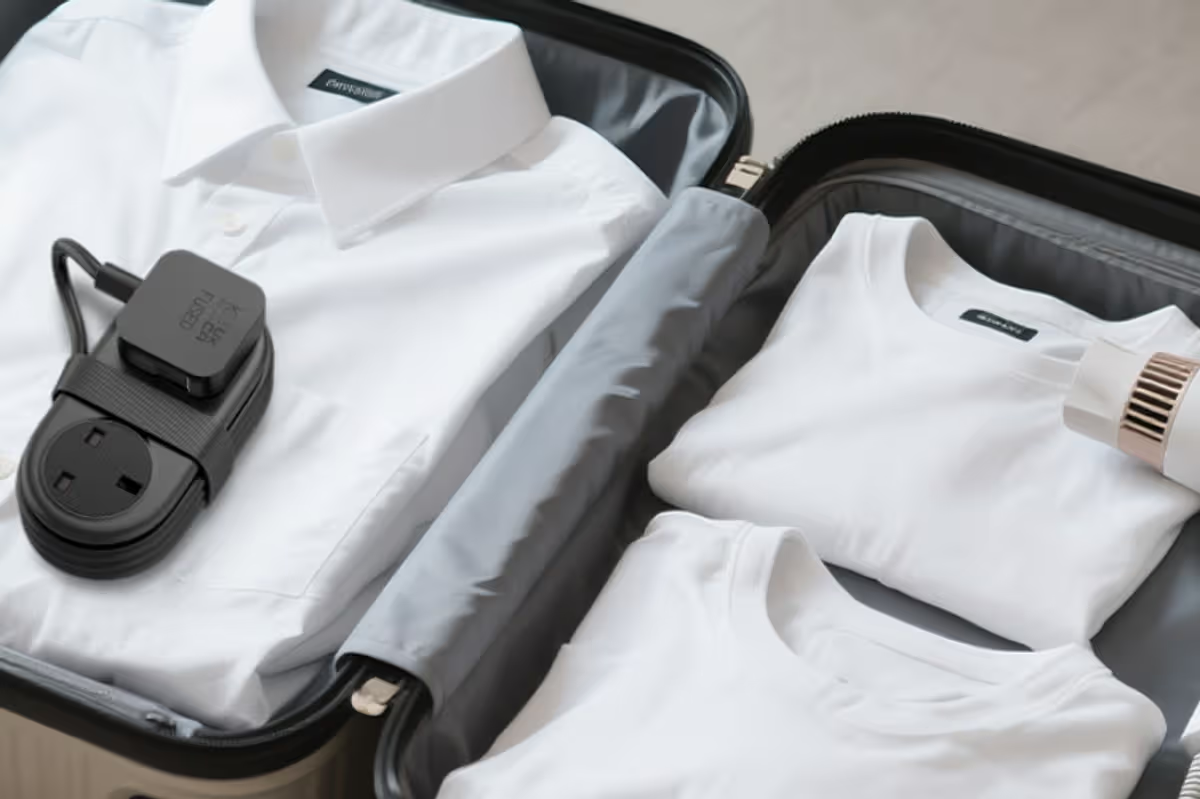
The ORICO small power strip is smaller than a mobile phone and features a wrap-around design that can fit into any package suitcase
This article contains affiliate links, we will receive a commission on any sales we generate from it. Learn more
The travel plug is perfect for hotels, using on trains, or in busy cafes without taking up multiple sockets(Image: Amazon)
For anyone who regularly travels, be it for work or pleasure, they’ll know the familiar frustration of arriving at a hotel room to discover there are barely any plug sockets – and the ones that do exist are often hidden behind beds, miles away from a mirror or in awkward corners. With most people now travelling with multiple devices, from phones and smartwatches to tablets, cameras and laptops, an extension cable has become a travel essential, and we’ve found one on offer for under £15.
For a limited time, the ORICO Travel Extension Lead has been reduced from £21.99 to £14.99 in the Amazon spring sale. Designed specifically with travel in mind, the small power strip is roughly the size of a smartphone and features a wrap-around cable so it packs neatly into a suitcase or hand luggage without taking up valuable space.
Despite its compact design, it still manages to offer plenty of charging options. The device includes two traditional plug sockets alongside two USB-A ports and a USB-C port, allowing travellers to power up to five gadgets at once. That means you can charge your phone, laptop, camera and other devices from a single wall socket without needing multiple adapters, especially if travelling abroad.
READ MORE:
One feature shoppers have praised is how flat it is, meaning it can fit into tighter spaces than traditional plugs. The staggered socket layout also prevents one plug from blocking another, making it easier to use every available port.
Safety features have also been built into the design, including protection against overheating, overcharging and short circuits, while the extension cord itself uses thick copper wiring designed to handle higher currents. The casing is also flame-retardant, adding an extra layer of reassurance when charging multiple devices overnight.
ORICO small power strip is smaller than a mobile phone and features a wrap-around design that can fit into any package suitcase.
For travellers looking for alternatives, there are a few other compact charging solutions worth considering. The Anker Tower Extension Lead is another popular option, offering a similar combination of standard plug and USB ports. However, this is more expensive at £29.99.
Meanwhile, the Belkin 8-Outlet Surge Protector Power Strip is £39.99 down from £44.99, with room for 12 plugs plus 2 USB-C ports – though no USB-A ports on this particular design.
Shoppers who have already bought the ORICO extension lead say it’s become a go-to travel accessory thanks to its size and practicality. One reviewer said: “Great travel pack! Comes with a really handy tie to keep the wires nice and neat. Two USB ports and two plugs, really good to charge all your devices on the move.”
Another wrote: “Very convenient and compact! I love how this wraps up perfectly for travel or for my work bag. I have had no issues with it, and all the ports work well. I use this to charge my MacBook Pro.”
Of course, not every experience has been perfect. One reviewer said their extension lead stopped working after several trips, though they added that the company rectified the issue. They said: “Bought it in July for travel use but stopped working in November after about four trips. Update: After posting my review, the company reached out and offered a refund or replacement.”
One said it was ‘brilliant for packing for holiday’, adding: “Took up little space. Had USB ports for all devices.”
Another shopper commented: “ It’s the best for travelling. My kids travel and I bought one for each of them. It also makes a good gift. Something people don’t think about but need. Most people have multiple devices to plug in and having one power strip is awesome! It is also the perfect size.”
Whether it’s the train station, airport, holiday home or busy cafe, this nifty extension cable has become essential for many who need plenty of power on the go, without needing to sit right next to a socket. Shoppers can find the deal here.