“The US government has deported more than 500,000 people from the USA in 2025, more than six times as many people than will watch the World Cup final in the MetLife Stadium”, said Amnesty’s head of economic and social justice Steve Cockburn.
“…It’s a deeply troubling time in the US, which will certainly extend to fans who want to take part in World Cup celebrations.”
Last month, the acting head of US Immigration and Customs Enforcement (ICE) said that the agency is “a key part of the overall security apparatus for the World Cup”, vowing it was “dedicated to ensuring that everyone that visits the facilities will have a safe and secure event”.
Earlier this year, ICE agents shot and killed two American citizens as part of US president Donald Trump’s immigration crackdown in Minneapolis.
Trump has sent federal agents, as well as the National Guard, to major US cities over the past year to make good on his campaign promise to crack down on illegal immigration. They have been met with protests and legal challenges in Democrat-led cities like Portland, Los Angeles and Chicago.
“Despite the astounding numbers of arrests and deportations, neither Fifa nor the US authorities have provided any guarantees that fans and local communities will be safe from ethnic and racial profiling, indiscriminate raids, or unlawful detention and deportation,” said Cockburn.
“Only four of the 16 host cities have so far published their human rights plans, and none of those that have done so to date say anything about protection from abusive immigration enforcement.
“This World Cup is no longer the ‘medium risk’ tournament that Fifa once judged it to be – whether it is to protect people from ICE, guarantee the right to protest or prevent homelessness, urgent action is needed to make sure the reality of this World Cup matches its original promise.”
Amnesty says that ICE and other agencies “pose a chilling threat to people living in the US, those traveling to see a game, and players themselves”.
It added: “Fans face intrusive surveillance, with proposals to force visitors to make their social media accounts available for vetting, and screening for “anti-Americanism”.
In January, fan group Football Supporters Europe (FSE) told BBC Sport it was “extremely concerned by the ongoing militarisation of police forces in the US” before the World Cup”.
At the time, Fifa said the safety and security of fans and participants was its “top priority”, adding it works closely with local authorities “to plan, co-ordinate and deliver comprehensive security measures for the tournament”.
The White House’s World Cup Task Force said that the tournament will be “the largest, safest, and most welcoming sporting event in history” and that it was working to deliver an event “that highlights America’s hospitality, commitment to security, and spirit of excellence”. It promised that fans “can look forward to a smooth, secure, and truly unforgettable tournament”.
And the campaign group also claims that in Canada, a growing housing crisis has “raised fears that people experiencing homelessness will again be displaced and pushed further to the margins”.
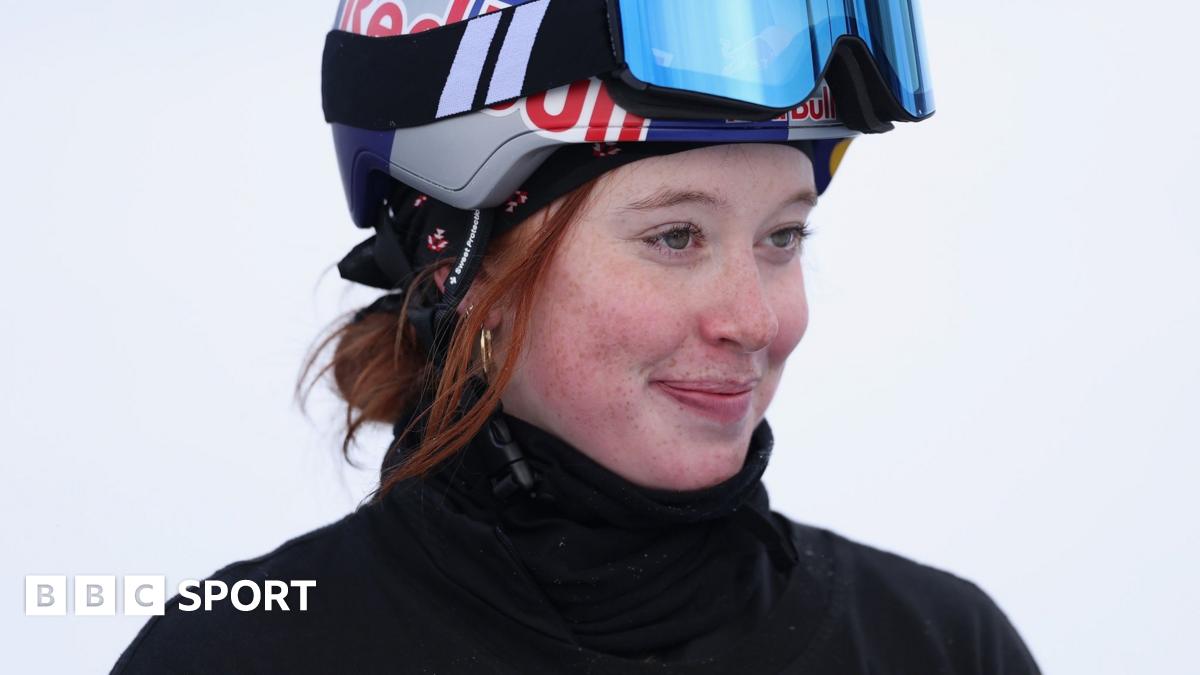
Kirsty Muir has become the first British woman to win World Cup titles in both freeski slopestyle and overall park and pipe.
The 21-year-old Scot finished second on Saturday, behind home skier Sarah Hofflin, in the final slopestyle event of the 2025-26 season in Silvaplana, Switzerland.
Muir’s score of 75.54, behind 35-year-old Olympic bronze medallist Hofflin (80.07), was enough for her to claim a third consecutive podium, following wins in Aspen and Tignes.
It pushed her season score to 280 points to clinch the first slopestyle Crystal Globe of her career, by 69 points from Canada’s Elena Gaskell.
Muir also finished third in the big air season standings, on 219 points, giving her a combined total of 470 in the overall competition – which includes slopestyle, big air and halfpipe – to beat nearest challenger, Canada’s Naomi Urness, by 78 points.
After coming so close to a medal, the X Games champion told BBC Sport after the Olympics that it just motivated her to go on and achieve more in the sport.
“I am really excited to go and try and learn some new tricks. I am excited to see where I can push myself and where I can push the sport,” she said.
“For the next two years I will go and do everything that I would like to do and forget about the Olympics, and then when it comes round to qualification again I will get stuck in.”
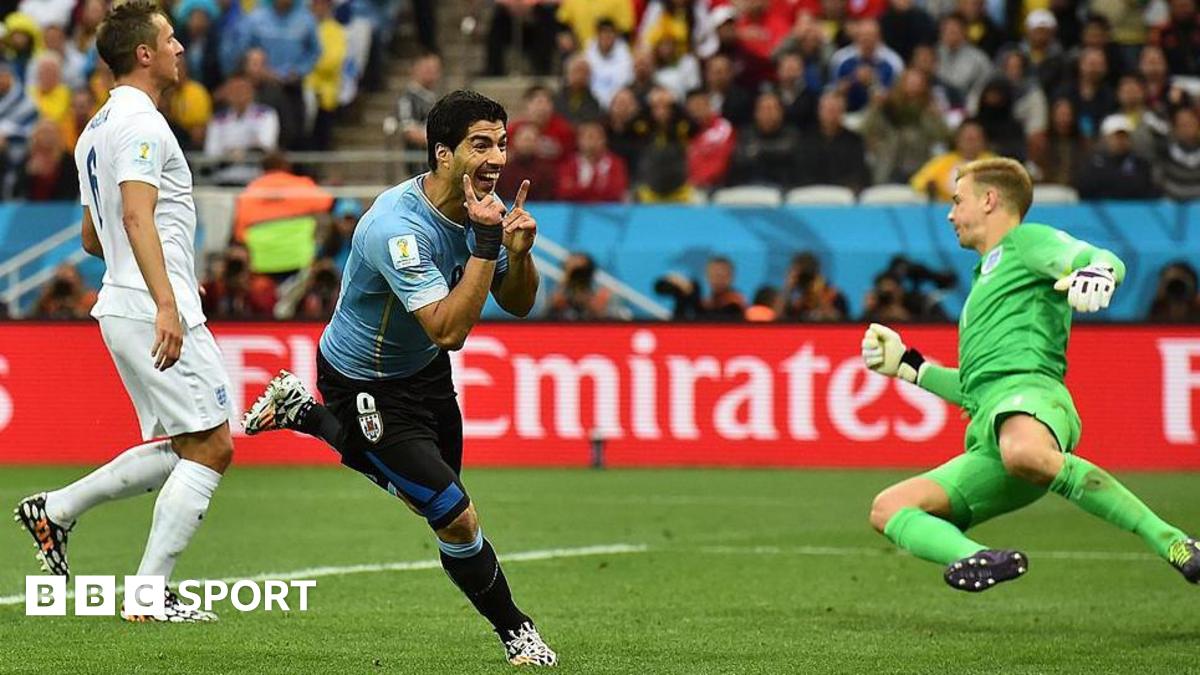
England take on Uruguay in a friendly on Friday and to mark the match we’re looking back to the last time the two played each other at the 2014 World Cup.
Luis Suarez starred in the Group D encounter, helping Uruguay to a 2-1 win which, after other results went against England, essentially knocked Roy Hodgson’s side out of the tournament.
It’s not a game England fans remember too fondly, but can you pick out the players who started the match? We’ve given you their positions and clubs at the time as a clue.
Italy beat Northern Ireland 2-0 to boost their bid to reach a men’s World Cup for the first time since 2014, as Bosnia and Herzegovina, Sweden, Poland, Turkiye, Kosovo, the Czech Republic and Denmark also won their European playoff semifinals.
Four-time champions Italy, who lost out in the playoffs for the 2018 and 2022 editions, travel to Bosnia on Tuesday for the final, knowing a win will send them to June and July’s tournament in Canada, Mexico, and the United States.
Recommended Stories
list of 4 itemsend of list
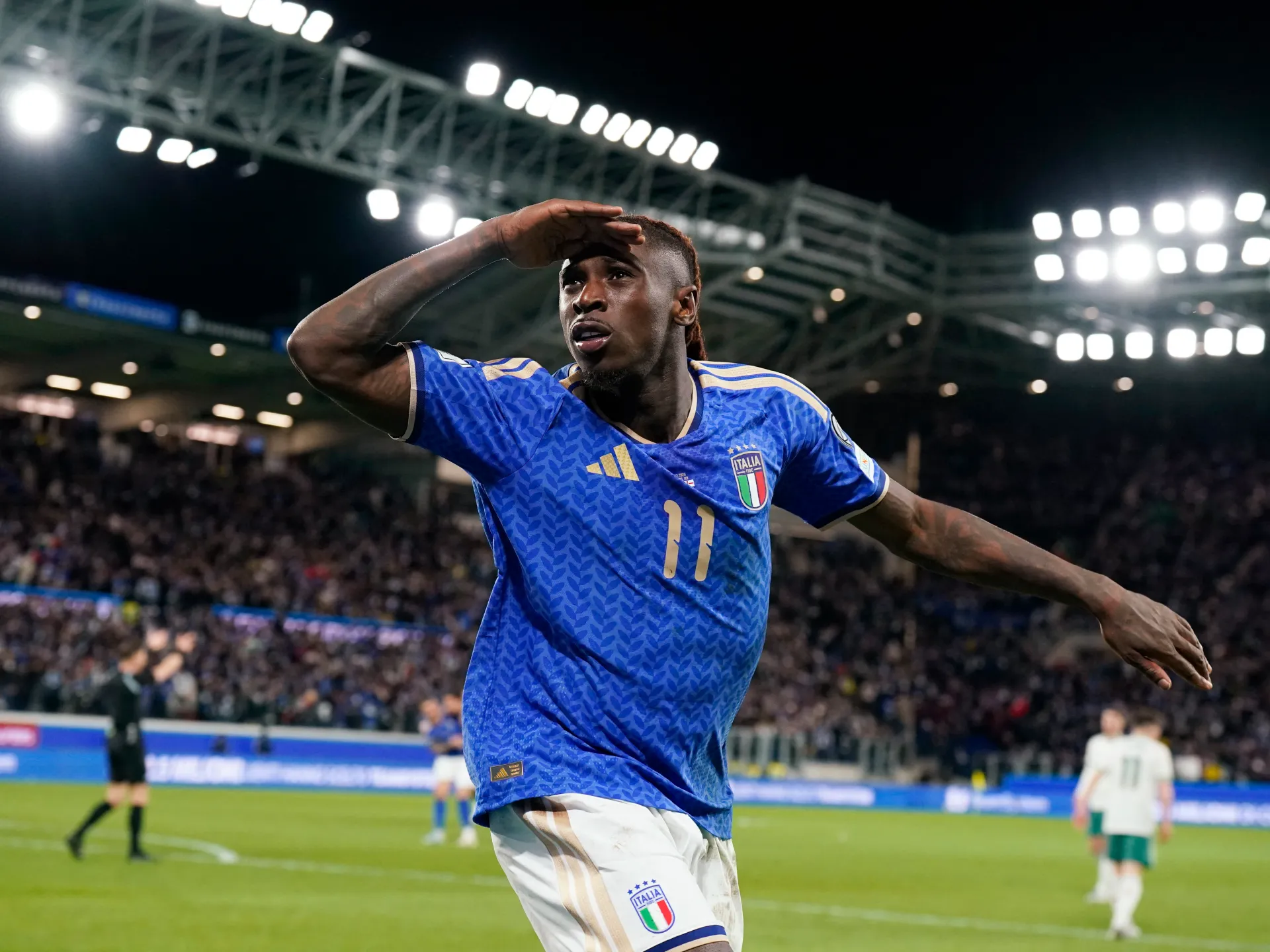
Sandro Tonali blasted in superbly from the edge of the box in the second half of a nervous one-off semifinal in Bergamo on Thursday before Moise Kean made the game safe.
“We made life a bit difficult for ourselves, but in the second half we found our rhythm,” Italy coach and 2006 champion Gennaro Gattuso said. “Now we’re going to play this final. We know it’s difficult. The tension we feel will be felt by our opponents, too.”
Bosnia overcame Wales on penalties in Cardiff following a 1-1 draw after extra time.
Daniel James used his pace to score early in the second period for the hosts, and Karl Darlow then made a wonder save from an Ermedin Demirovic header. Edin Dzeko, 40, levelled late on in normal time.
Darlow saved again from Demirovic in the shootout, but Brennan Johnson and Neco Williams both missed.
Kosovo have never reached a World Cup, but are through to Tuesday’s playoff final at home to Turkiye after winning a wild game in Slovakia 4-3.
The Kosovans twice wiped out a deficit, and Kreshnik Hajrizi’s goal on 72 minutes proved the difference.
Ferdi Kadioglu’s second-half goal put Turkiye through after a tight 1-0 home win over Romania.
Kadioglu calmly netted on 53 minutes after Arda Guler’s magical assist at Besiktas’s stadium in Istanbul.
Romania’s 80-year-old coach Mircea Lucescu, who counts Turkiye among his former jobs, was left to rue Nicolae Stanciu hitting the post as the Tricolours missed the World Cup for the seventh straight edition.
Turkiye, third in 2002, have not reached a men’s World Cup since.
Viktor Gykeres bagged a hat-trick in Sweden’s 3-1 win over Ukraine in Valencia. Ukraine have not played at home since the Russian full-scale invasion more than four years ago, and miss out on another World Cup.
Graham Potter’s Swedes next take on Poland, who came from behind to defeat Albania 2-1 in Warsaw.
Arbr Hoxha pounced 42 minutes after Jan Bednarek’s mistake as Albania dreamed of moving closer to a first World Cup appearance. But record Poland scorer Robert Lewandowski equalised, and Piotr Zielinski won it in style with a goal from distance.
Gustav Isaksen scored twice in two minutes to help Denmark thump North Macedonia 4-0 and set up a meeting away to the Czech Republic, who needed penalties to get past Ireland in Prague.
Troy Parrott, the hero as the Irish made the playoffs at the end of November’s group stage, netted the opener from the spot, and an own goal summed up the poor Czech defence.
But the hosts pulled one back through Patrik Schick’s penalty and Ladislav Krejci’s late header to make it 2-2, prompted by a cagey extra time, with the Czechs prevailing in a shootout.
This year’s tournament, in North America in June and July, will feature an expanded 48 teams, meaning more nations have a chance to qualify.
Twelve European countries have already gotten through by winning their groups. The playoffs are made up of second-placed teams and sides who did well in the previous Nations League.
Bolivia beat Suriname, Jamaica edge New Caledonia to reach playoff finals
In FIFA’s intercontinental playoff games on Thursday, Bolivia rallied to beat Suriname 2-1 to qualify for the final qualifying playoff against Iraq.
Liam Van Gelderen put Suriname ahead in the 48th minute, but Moises Paniagua tied the score at the 72nd, and Miguel Terceros had the winning goal on a penalty kick in the 79th minute for the Bolivians, who are aiming for their second World Cup appearance.
The Bolivians have only previously played in the 1994 World Cup in the US. Suriname were looking to qualify for the first time.
Bolivia will play Iraq next Tuesday in Monterrey, with the winner qualifying for Group I with France, Norway and Senegal.
Elsewhere on Thursday, a first-half goal by Wrexham striker Bailey Cadamarteri gave Jamaica a 1-0 victory over New Caledonia and a place in the international playoff final against the Democratic Republic of the Congo (DRC).
The Reggae Boyz have only one World Cup appearance, at France in 1998. New Caledonia, from Oceania, saw their chance to advance to a first World Cup end.
Jamaica will face DRC next Tuesday at Akron Stadium in Guadalajara. DRC qualified for the playoff by defeating Nigeria in an African playoff.
The winner in Guadalajara will play in Group K in the tournament along with Colombia, Portugal and Uzbekistan.
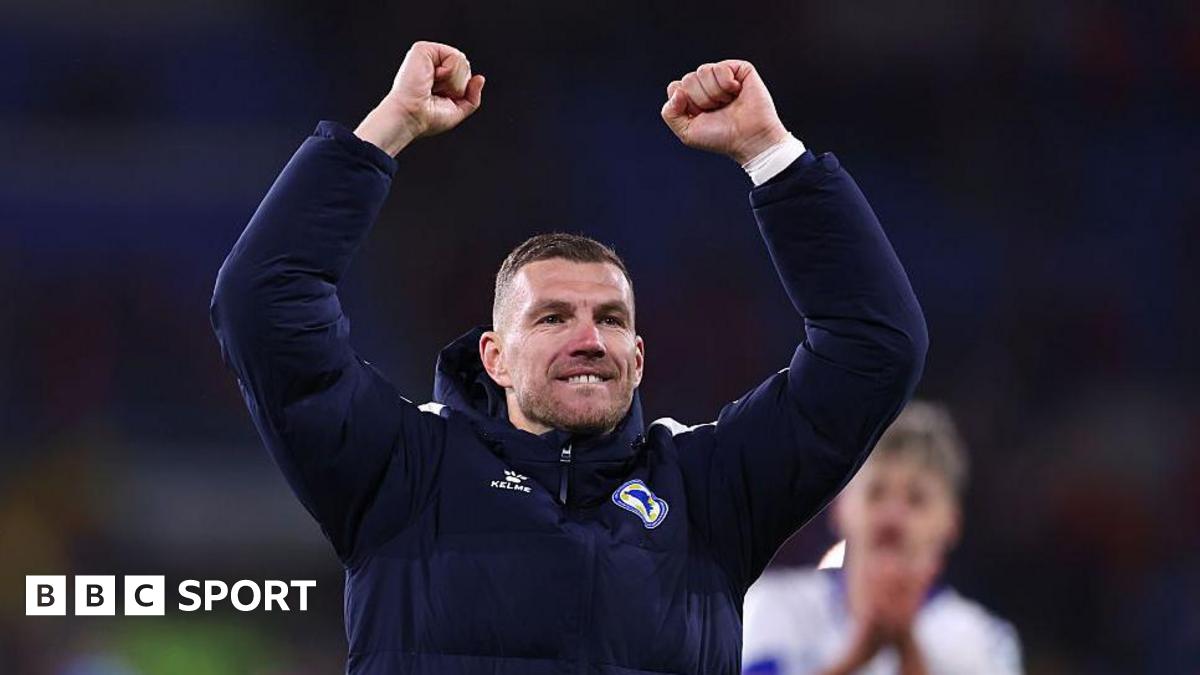
Dzeko has been a crucial player for his country since his international debut in 2007, and has 73 goals in 147 appearances – scoring every year for the past two decades.
Until as recently as last year he was still reaching double figures for goals at club level.
Last summer, he returned to Serie A to sign for Fiorentina and, at the time, dismissed suggestions he was slowing down with age.
“Age doesn’t matter, I’m not a write-off yet,” he said.
“Behind all this is the work that a 39-year-old has to do, even more than others. I feel good, we’re working hard, and this will bring us satisfaction later.”
That move did not quite work out and Dzeko soon found himself out of favour at the club, having failed to score in 11 Serie A games.
But a switch to Schalke in Bundesliga 2 in January has reinvigorated him – possibly at just the right time as the World Cup approaches – and he has scored six goals in eight games for the German side.
On what the future holds for him, Dzeko said recently: “I’ll listen to my body in the summer but at the moment, I still feel very good, and I still score goals.”
But if he does help his country qualify for the World Cup, it is very likely that conversation with his body will be delayed a little longer.
France beat Brazil 2-1 in a friendly in the United States, in what was a potential dress rehearsal for World Cup 2026 final.
Published On 26 Mar 202626 Mar 2026
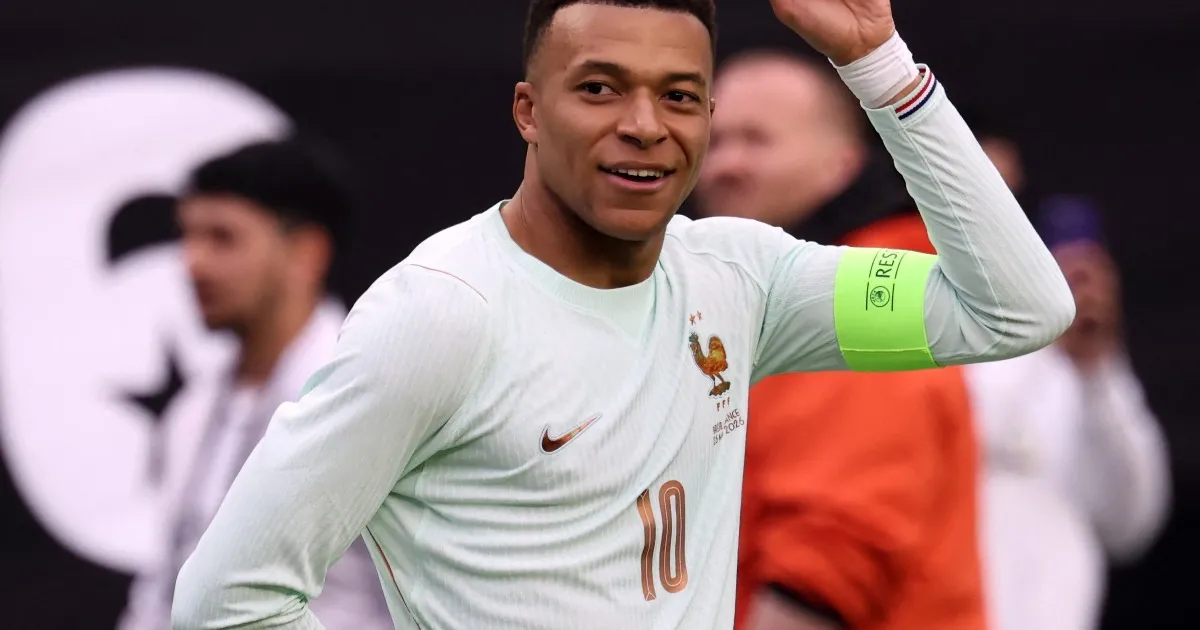
France forward Kylian Mbappe showed no ill effects of his left knee injury when he broke free for a goal to give France an early lead on its way to a 2-1 victory over Brazil in a World Cup tuneup between two of the world’s top teams.
With a crowd of 66,215 heavily favouring Brazil, Mbappe and Hugo Ekitike gave France a 2-0 lead on Thursday on the same pitch where they will play their final group stage game of this summer’s World Cup, against Norway and Erling Haaland. Bremer cut the deficit to 2-1 in the 78th minute.
Recommended Stories
list of 4 itemsend of list
The friendly went off without any evident hiccups despite the simmering feud between the town of Foxborough and World Cup organisers over almost $8m in security costs. The sides reached an agreement two weeks ago in which the organising committee promised to make the payment in advance, and the town approved the necessary entertainment licence.
That was expected to be the last remaining obstacle to the world’s biggest sporting event arriving in this 20,000-person suburb tucked between Boston and Providence, Rhode Island, that swells to three times its size for New England Patriots games. To accommodate FIFA requirements, a grass field has replaced the artificial turf that had been used for the NFL’s Patriots and the New England Revolution of Major League Soccer.
The crowd was the second-largest to watch a football match at Gillette Stadium, behind only a 2007 friendly between Brazil and Mexico. It was speckled with fans in Brazilian yellow kits, with just a few French flags waving to celebrate Mbappe’s goal. (The media dining room was more neutral, with madeleines, macarons and eclairs alongside Brazilian brigadeiro, pudim and mousse de maracuja.)
Also in the house were Coach Joe Mazzulla and players from the NBA’s Boston Celtics, with forward Jayson Tatum taking part in the pregame coin toss alongside Massachusetts Governor Maura Healey.
A former Paris Saint-Germain and current Real Madrid star, Mbappe sprained his left knee in December but played through January before missing almost a month. He was used as a substitute in Real Madrid’s last two matches but started on Thursday.
Mbappe said on Monday that his injury was “truly behind me”. (Reports that said the team examined the wrong knee were false, Mbappe said at a news conference in Foxborough on Wednesday.)
And he showed it in the 32nd minute when Ousmane Dembele delivered a through ball that left no one between Mbappe and the goalkeeper. The 2018 World Cup champion and 2022 Golden Boot winner tapped it ahead once before chipping it over the keeper to make it 1-0.
France took a 2-0 lead in the 65th minute when Ekitike, Liverpool’s top scorer this season, converted on a pass from Michael Olise in the penalty area. Mbappe left for a substitute immediately afterwards.
After France’s Dayot Upamecano was sent off in the 55th minute for taking down a player with a clear path to the goal, a card that was upgraded from yellow to red on video review, Brazil cut the deficit to 2-1 when Bremer redirected a cross from Luiz Henrique past France keeper Mike Maignan.
The game also featured a mid-half “cooling break” that enabled players to rest and hydrate – even though the temperature in early spring New England was in the mid-60s (15 degrees Celsius).
After a heatwave during last year’s Club World Cup, FIFA announced that all games in the 2026 World Cup would include the break, regardless of the temperature on the pitch.
Should France and Brazil both win their groups at the World Cup, then the first time they can meet at the tournament will be in the final itself.
Iran will play two friendly matches in Turkiye as they prepare for the FIFA World Cup in the US, Canada and Mexico.
Published On 26 Mar 202626 Mar 2026
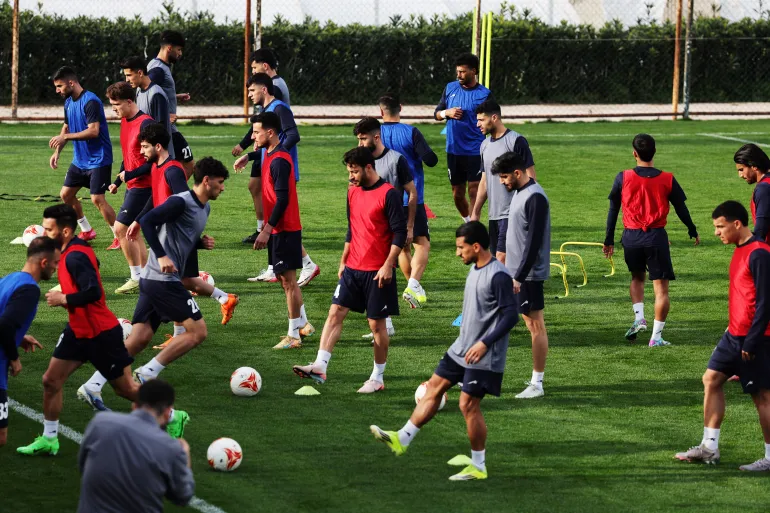
Iran’s men’s football team have been training in southern Turkiye as they prepare for two upcoming friendly matches before the FIFA World Cup, where the squad are likely to attract heightened attention against the backdrop of the United States-Israel war on Iran.
Team Melli held a training session in Belek, a resort area near the Mediterranean city of Antalya, with tightly restricted media access as officials said they wanted to avoid distractions before the matches described as critical to their World Cup preparations.
Recommended Stories
list of 3 itemsend of list
Iran’s football federation is in discussions with world governing body FIFA about moving its World Cup matches to Mexico from the US due to concerns over player safety, federation President Mehdi Taj said last week.
Iran’s camp has largely sought to keep a low public profile as the team builds towards the World Cup, where they are expected to face intense political and media scrutiny.
In Belek, no interviews with players or coaches were made available, and a team media representative said the squad were focused entirely on their immediate competitive programme.
Iran will play two matches in Antalya, against Nigeria on Friday and Costa Rica on Tuesday.
Iran’s football team trained at the Huseyin Aygun Football Center in Antalya, Turkiye [Umit Bektas/Reuters]
The friendlies were originally scheduled to take place in Jordan, but were moved to Turkiye following the outbreak of the war on Iran.
The players appeared relaxed during the session in sunny conditions, with staff and players at times chatting and joking.
Among those present was forward Mehdi Taremi, who has been in the spotlight in recent days after swapping shirts with an Israeli opponent while playing for his club Olympiacos in Greece.
Striker Sardar Azmoun was omitted from the squad after posting a picture on his Instagram feed of a meeting with Dubai’s ruler Mohammed bin Rashid Al Maktoum.
Iranian media reported that Azmoun, who has scored 57 goals in 91 internationals, had been expelled from the national team for a perceived act of disloyalty to the government.
Scotland assistant coach Steven Naismith hailed Curtis’ drive to move out on loan and not be content with being a squad player at Rangers.
“This desire, this instinctive nature to get chances,” Naismith added on BBC Sportscene when analysing the youngster’s weekend goal.
“He’s got a bit of pace, he’s direct, he commits defenders – these are all things that have caught the eye.”
Former Celtic and Hibernian midfielder Scott Allan added on the BBC’s Scottish Football Podcast: “When we don’t have Gannon-Doak, we don’t have someone who can really travel with the ball. Curtis does have that.
“Yes, he’s still developing and doesn’t always have that final ball, but that can be worked on. We aren’t blessed with a lot of pace, especially in the attacking areas.
“You have to have pace in those areas, especially when at times we’ll be forced back and when we’re then trying to get up the pitch. Players with pace can be the difference.”
The final qualification spots for the FIFA World Cup 2026 are about to be sealed via UEFA and intercontinental playoffs.
Published On 24 Mar 202624 Mar 2026
With the FIFA World Cup 2026 kicking off on June 11, the final spots that are still up for grabs are being fiercely fought by nations in qualifiers around the globe.
The last governing body to complete their continental playoff route is UEFA, with four European spots still up for grabs at the showpiece event.
Recommended Stories
list of 4 itemsend of list
Thereafter, FIFA’s Play-Off Tournament – an intercontinental competition – will provide the last-chance saloon for two more of the best non-qualified finishers from the other continental processes around the globe.
Al Jazeera Sport takes a look at UEFA’s final continental playoff path as that draws to a close.
Which UEFA teams are still in with a chance of World Cup qualification?
There will be more European teams than from any other continent at the World Cup: 16.
There are still 16 European teams, meanwhile, vying for the final four of the UEFA qualifying positions for the World Cup:
Italy, Northern Ireland, Wales, Bosnia and Herzegovina, Ukraine, Sweden, Poland, Albania, Slovakia, Kosovo, Turkiye, Romania, Denmark, North Macedonia, Czechia and the Republic of Ireland
Which UEFA teams have already qualified for the World Cup?
The 12 European teams that have already qualified for the World Cup are:
Germany, Switzerland, Scotland, France, Spain, Portugal, the Netherlands, Austria, Norway, Belgium, England, and Croatia
What is the pathway to the World Cup for the remaining UEFA teams?
The remaining teams are divided into four paths. Only the winner of each path will qualify:
Path A:
Italy vs Northern Ireland and Wales vs Bosnia and Herzegovina The winner of this path joins World Cup Group B (with Canada, Qatar, and Switzerland).
Path B:
Ukraine vs Sweden and Poland vs Albania The winner of this path joins World Cup Group F (with the Netherlands, Japan, and Tunisia).
Path C:
Slovakia vs Kosovo and Turkiye vs Romania The winner of this path joins World Cup Group D (with USA, Paraguay, and Australia).
Path D:
Denmark vs North Macedonia and Czechia vs Republic of Ireland The winner of this path joins World Cup Group A (with Mexico, South Africa, and South Korea).
When are the first set of UEFA playoffs for World Cup qualification?
The first round of pathway matches will be played by the 16 remaining teams on March 27, and are single-leg semifinals.
When are the second set of UEFA playoffs for World Cup qualification?
The second round of pathway matches will be played on March 31, with the four winners of each pathway final progressing to the FIFA World Cup 2026. These matches will also be played over a single leg.
How have the UEFA qualifiers reached this stage?
The four final UEFA qualifying places are being decided by the teams that were the 12 runners-up from the group qualifying stage and four based on performances in the UEFA Nations League.
How were the home teams decided for the UEFA playoffs?
The highest-ranked teams are hosting the semifinals. The hosts of the finals were determined by a draw.
Pressure on Italy as playoff hopefuls eye 2026 World Cup
There is no doubt that Italy are the biggest name not amongst those nations that have already qualified.
The four-time champions are seeking to avoid the ignominy of missing out on a World Cup for a third consecutive time.
The spotlight has been on the Italian domestic league, Serie A, for falling behind the other leagues on the continent with their clubs struggling to compete in European competitions.
There will be no greater evidence of Italian football’s fall from grace, however, than the failure to reach the finals.
“It’s undeniable that there’s nervousness,” coach Gennaro Gattuso said. “Only someone without blood running through their veins wouldn’t feel it.”
Will there be any more qualifiers for the World Cup after UEFA’s?
Yes. There is a different format for the intercontinental playoffs, which FIFA simply calls the Play-Off Tournament.
Two teams will advance from a field of six.
The lineup of teams was comprised of two nations from CONCACAF (Jamaica, Suriname) and one each from Asia (Iraq), Africa (DR Congo), South America (Bolivia) and Oceania (New Caledonia).
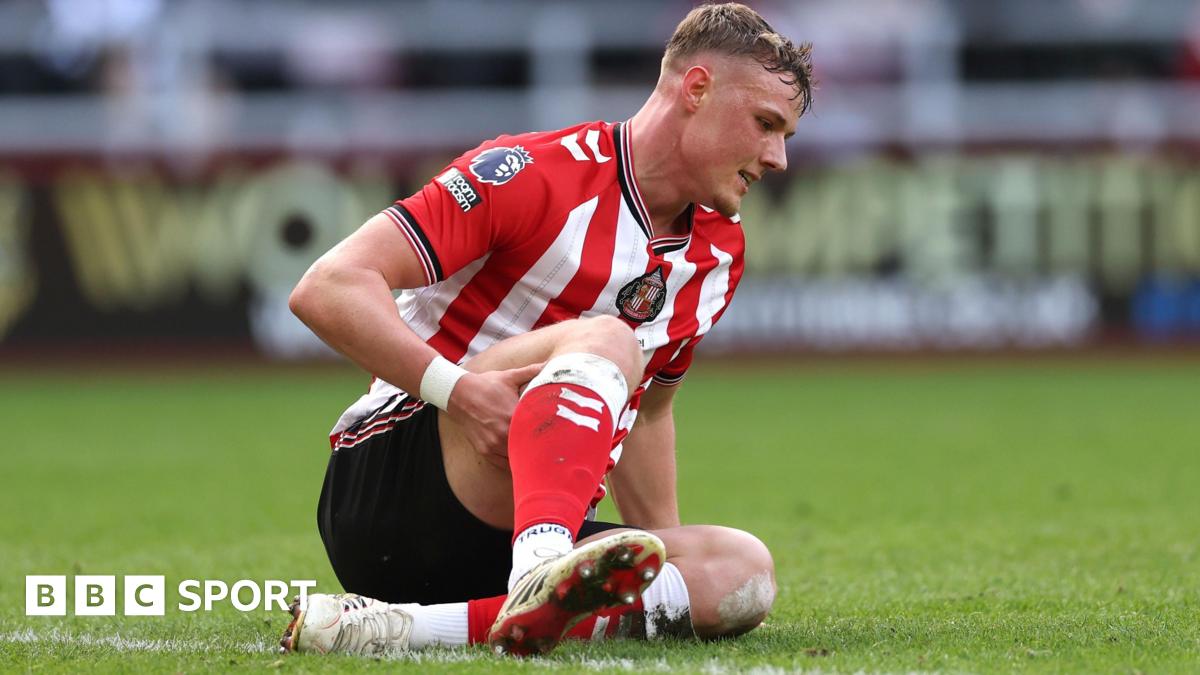
There’s no way of sugar coating it – losing Dan Ballard is a massive blow to Northern Ireland’s hopes of reaching a first World Cup in 40 years.
The Sunderland defender has been integral to the progress of Michael O’Neill’s young side and he has an impact in both boxes.
While he has always been a physical presence, his composure on the ball has also improved from playing Premier League football this season.
Excluding Kieran Morrison, who has only played in the cup competitions for Liverpool, losing two of his four Premier League players is awful luck for O’Neill, after Conor Bradley was sidelined with a knee injury in January.
Thankfully for NI, Ruairi McConville, who was also an injury doubt when the squad was announced, has played two sets of 90 minutes for Norwich City in the past week.
He will be an option for stepping in for Ballard and has impressed in his short international career to date, as will Oxford United’s Ciaron Brown and Bolton’s Eoin Toal.
The first 45 minutes was the epitome of two teams cancelling each other out – but once the second half began the landscape was set for City’s win.
They were the more progressive, aggressive side. Their attacking intent started to overwhelm Arsenal, the pressure became impossible to resist. Smoother on the ball and more cohesive than an Arsenal side based on organisation, the traffic only flowed one way.
Arrizabalaga already had Arsenal’s nerves on edge with an injudicious dash from goal which resulted in a yellow card for a panicked foul on Jeremy Doku.
Much, much worse was to come for Arsenal and their goalkeeper.
It remains six years since Arteta won his one and only trophy as Arsenal manager, and the way in which his team went into their shell here will be a concern that he must hope is not repeated as the pressure mounts in the closing weeks of the season.
Former Manchester City goalkeeper Joe Hart told BBC Sport: “Manchester City played to win. I think that’s what they’re bred to do over ten, 15 years. I think now they’re very much bred to win. I think they’ve been really disappointed with the FA Cup final at the end of last season [when they lost to Crystal Palace].
“A lot will be read into it putting a marker down or whatever, but I don’t think so. I think it was just about Manchester City winning trophies, which is what they’ve done so regularly recently – and this is another big one.
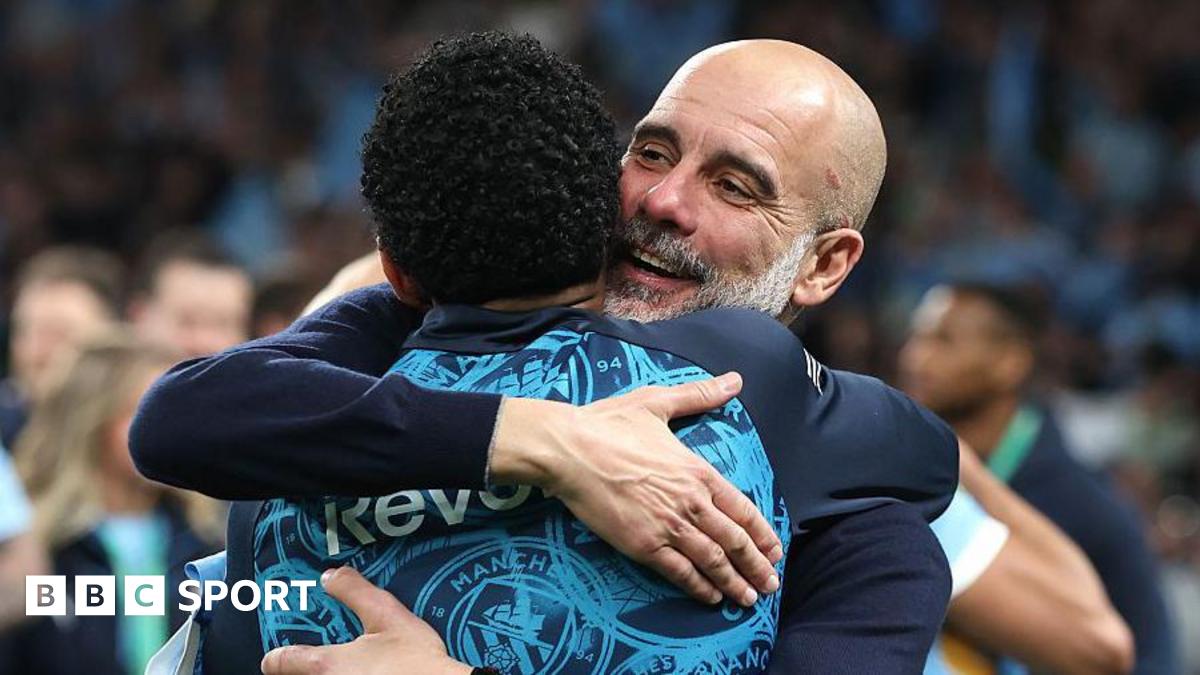
“It is also a huge day for Pep Guardiola, who’s won everything, but now stands alone in terms of managers winning the League Cup. He’s won it five times, going one clear of Sir Alex Ferguson. How much of a testament is that to his ability, his special touch and what he’s done over the years with Manchester City?”
Arteta is braced for the battle to recover from this setback and focus on three trophies, saying: “We had eight amazing months with this team. Today is a disappointment. We need to use that fire in the belly for the next two months to have an incredible season.”
He told BBC Radio 5 Live: “It’s painful, especially for our players and supporters, because we really wanted to lift that trophy. It was two very different halves, especially the first half when I think we were better than them and had the best two chances of the game.
“We didn’t capitalise on that. Credit to them for what they have done. A really sad day.”
He must hope it is the last sad day of what has been an outstanding season so far – for Guardiola, he will hope City’s win, and the manner in which it was achieved, will play on Arsenal’s nerves.
Bayern Munich striker Harry Kane is enjoying an incredible season, having scored 47 goals in all competitions for the German side, and will lead the line for England in North America.
The question is who acts as his deputy?
Dominic Calvert-Lewin was the joint top-scoring English player alongside Danny Welbeck on 10 goals before the latter got his double and he has been called up to Tuchel’s squad.
The Leeds striker had an impressive run of form with seven goals in six games towards the end of 2025 but went into Saturday’s game against Brentford on the back of one goal in his previous eight games.
Tottenham striker Dominic Solanke was also called up but he has just three Premier League goals this season and is working his way back from a long injury lay-off.
Both have the profile to replace Kane but don’t have the form that Welbeck finds himself in.
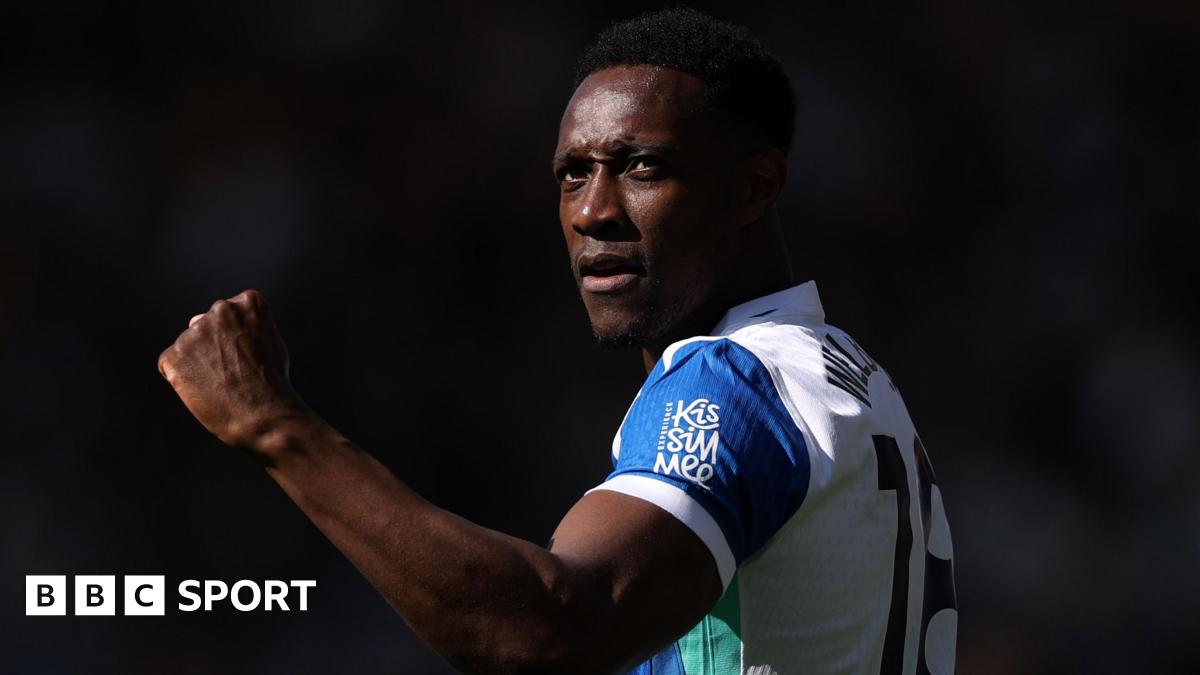
“Welbeck is very unfortunate not to get the call-up,” Rooney added. “He’s 35 years of age but is showing no signs of slowing down.
“I think it was probably between him and [Dominic] Calvert-Lewin so he’s just missed out – but he’s having a fantastic season.”
Match of the day pundit Alan Shearer added:“He can count himself really unlucky he’s not in the squad considering the form he is in and the number of goals.
“Solanke has got three goals, Calvert-Lewin has got two in the last 12. I think he’s really unlucky not to be in that 35-man squad.”
Despite his omission, Hurzeler believes Tuchel will make the right call when it comes to naming his England World Cup squad.
“England have a really good German coach and he will make the right decisions,” he said.
He said it is vital to judge Welbeck on his importance “beside the pitch” and in creating “group togetherness”, adding: “That can be crucial for a World Cup.”
Japan edges tournament hosts Australia 1-0 in the Women’s Asian Cup final to claim third title in four editions.
Published On 21 Mar 202621 Mar 2026
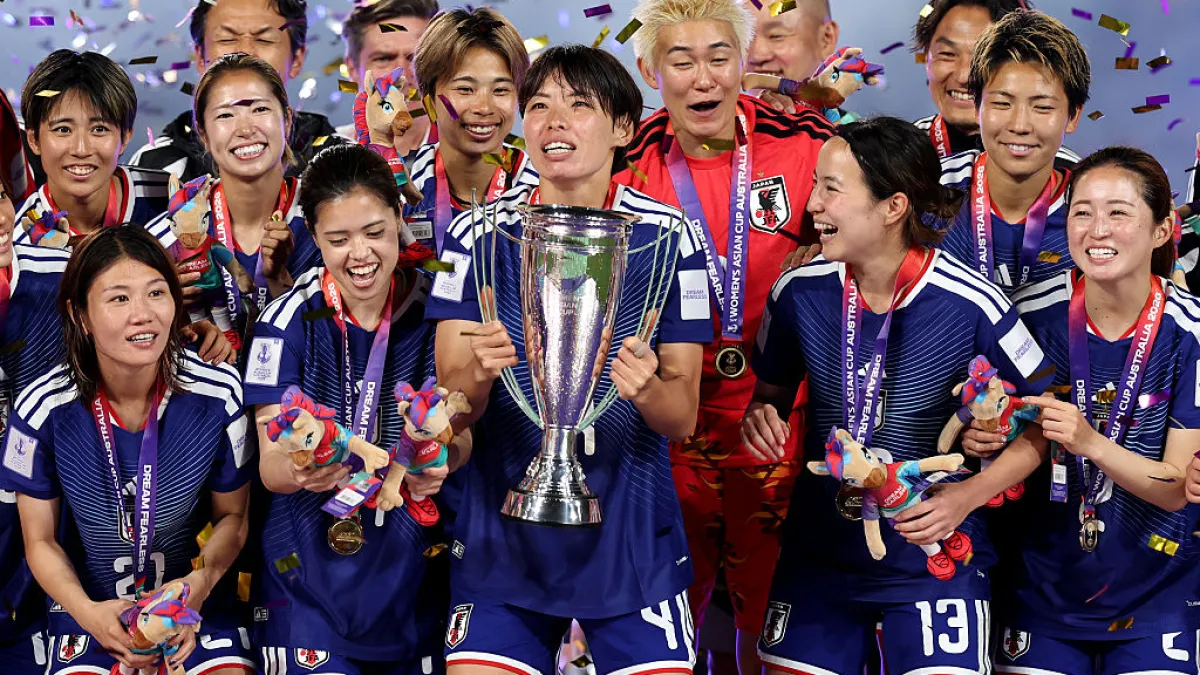
Maika Hamano scored the only goal as a formidable Japan battled past Australia to clinch a third Women’s Asian Cup title in front of a record-breaking 74,357 fans in Sydney.
The Tottenham star hit a stunning long-range strike in the 17th minute at Stadium Australia to break Australian hearts and add to their continental crowns from 2014 and 2018.
Recommended Stories
list of 4 itemsend of list
Those finals were also against Australia and ended 1-0.
The edge-of-the-seat decider culminated a landmark tournament with more than 350,000 fans through the turnstiles, reinforcing the growth in popularity of the women’s game.
This was about six times as many as the previous tournament record set in 2010 in China, with the final setting a new attendance record for a single game in tournament history.
The Asian Cup doubled as qualifying for the World Cup in Brazil next year, with Australia, Japan, South Korea, China, North Korea and the Philippines all punching their tickets.
The Japanese team, stacked with English-based players, was invincible in their run to the final, fluid across the park, and defending well, steamrolling everyone in front of them.
While Australia proved a much tougher test, nothing could stop them as they accumulated 29 goals and conceded just one through their six tournament games to reinforce their status as Asia’s number one team.
Japan named an unchanged lineup from their 4-1 semifinal thumping of South Korea.
Australia made one change to the team that beat defending champions China 2-1 in the last four with Wini Heatley preferred in central defence to Clare Hunt.
The hosts were composed at the start, looking to dictate the game, and Caitlin Foord should have scored on 11 minutes when Mary Fowler threaded a pass through inside the box.
But the unmarked Arsenal striker sent her shot straight into the arms of Japan keeper Ayaka Yamashita to miss a golden opportunity.
It proved costly with Japan breaking the deadlock six minutes later when Tottenham midfielder Hamano collected the ball outside the penalty area and unleashed a 25-yard rocket that found the top corner.
Foord had another chance when she pounced on a sloppy clearance from Yamashita, but failed to find the target from a tight angle, then scuffed another wide just before the break.
Japan were always a threat, and West Ham’s Riko Ueki went close twice in as many minutes soon after the restart.
With the game on a knife-edge, Australia threw everything they had at Japan in a desperate attempt to find an equaliser as the crowd noise reached fever pitch.
Alanna Kennedy almost pulled off a late equaliser in the 88th minute, but despite intense pressure, Japan were rock solid and absorbed the threat to cling on for the win.
Intelligence briefings have warned of the potential for extremists and criminals to target the FIFA World Cup 2026 at a time when hundreds of millions of dollars of approved security funds have been delayed, causing United States preparations to fall behind.
The previously unreported briefings from US federal and state officials and FIFA, the international federation overseeing the World Cup, outlined the risk of extremist attacks, including attacks on transportation infrastructure and civil unrest related to President Donald Trump’s immigration crackdown.
Recommended Stories
list of 4 itemsend of list
The football World Cup, one of the globe’s biggest sporting events, will be held in June and July this year across three countries – the United States, Canada and Mexico.
While security at such events is always intense, US law enforcement officials have been on especially heightened alert since the start of the US-Israeli war on Iran, and have raised concerns over retaliatory threats.
Officials working to prepare for the World Cup in the US have increasingly sounded alarms in recent weeks over a stalled $625m in federal security grants for the event that were part of a Republican-backed spending bill passed in July 2025.
The Federal Emergency Management Agency, tasked with distributing the money, said in November that it was expecting to allocate the funds no later than January 30.
Following inquiries by Reuters this month after officials and organisers complained that they had still received nothing, FEMA announced on Wednesday that it had awarded the grants, saying the money would “bolster security preparations”.
With the first matches kicking off in Mexico on June 11 and then the US and Canada the next day, states and cities hosting the events are deep into planning, including how to safeguard from possible attacks. The delayed funding and threat warnings have compounded an already complex process, multiple officials involved told Reuters.
The grant money distribution process normally takes months, and efforts to buy technology and equipment can take even longer, according to Mike Sena, president of the National Fusion Center Association, which represents a network of 80 information centres across the US that facilitate federal, state and local intelligence sharing.
“It will be extremely tight,” he said.
A December 2025 intelligence report from New Jersey looking at potential threats to matches in the state – which will include the final – flagged recent domestic attacks, disrupted terror plots and a proliferation of extremist propaganda. The report also noted the possibility of spontaneous gatherings related to tensions between countries.
Another intelligence report, dated September 2025, described an online post appearing to encourage attacks on railroad infrastructure during the World Cup that said there were “plenty of opportunities for us to knock it off the tracks” and highlighted matches on the West Coast of the US and Canada. The documents were obtained through open records requests by the transparency nonprofit Property of the People.
Delayed funding risks lead to growing concerns, while ICE worries mount
Democrats have blamed outgoing US Department of Homeland Security Secretary Kristi Noem for delaying the release of the money. Under Noem’s leadership, the DHS also withheld hundreds of millions of dollars in homeland security funds last year from a dozen Democratic-led states and Washington, DC, while pressing them to increase immigration enforcement.
In response to a request for comment, White House spokesman Davis Ingle faulted Democrats for the delayed funding, citing disagreements over immigration enforcement tactics.
“The president is focused on making this the greatest World Cup ever while ensuring it is the safest and most secure in history,” Ingle said in a statement. “The Democrats need to stop playing games.”
Trump’s immigration crackdown has already cast a pall over the event and raised concerns about the presence of US Immigration and Customs Enforcement officers. Since Trump took office in January 2025, masked immigration agents have rounded up suspected immigration offenders in US cities and detained some tourists at airports.
That has coincided with a Trump-era dropoff in overall international visitors, according to US Commerce Department data. Early signs have, however, indicated still strong appetite for flight bookings and ticket sales for the tournament.
In a FIFA weekly intelligence briefing dated January 28, analysts warned that anti-ICE activism in US cities in response to immigration enforcement could lower the barriers “to hostile actions by lone actors or extremist elements”.
Trump has also placed full or partial travel bans on nationals of more than three dozen countries, including Iran, which is in talks with FIFA to move its matches to Mexico due to its current conflict with the United States. Three other countries whose fans face Trump travel bans – Haiti, Ivory Coast and Senegal – have also qualified for the tournament.
Security concerns extend to FIFA World Cup 2026 fan events
Several World Cup and state officials have said “FIFA Fan Festival” events are of particular concern. The events allow large numbers of people to watch matches together on open-air screens.
A Fan Festival event that had been planned in Liberty State Park in Jersey City for the duration of the tournament was cancelled unexpectedly last month and replaced with smaller gatherings.
New Jersey Governor Mikie Sherrill said at the time that many smaller events would allow more people in the area to enjoy the experience. Security concerns also factored in the decision, a person familiar with the planning said.
US Representative Nellie Pou, a Democrat representing a district in New Jersey that includes MetLife Stadium, one of the sites where games will be played, said that each of the World Cup’s 104 matches would be equivalent to a Super Bowl.
“Local government, local law enforcement, will certainly have their hands full,” Pou said. “They need every single dollar that they are eligible to receive, and they need it now.”
Who: Japan vs Australia What: AFC Women’s Asian Cup final Where: Stadium Australia, Sydney When: Saturday at 8pm (09:00 GMT) How to follow: We’ll have all the build-up on Al Jazeera Sport from 06:30 GMT in advance of our live text commentary stream.
Two and a half years after their Women’s World Cup dream on home soil ended in heartbreak, Australia return to the same piece of turf in search of redemption.
Recommended Stories
list of 4 itemsend of list
The ghosts of the past may still linger, but Saturday’s final offers the Matildas’ golden generation something more: the chance to rewrite their story and lift a first major trophy in front of their own fans.
With eyes on a second continental title, Australia will face heavyweights and two-time champions Japan in a blockbuster Women’s Asian Cup final at Sydney’s Stadium Australia, the same venue on which the Matildas were stunned 3-1 by eventual runners-up England in the 2023 World Cup semifinals.
While many consider Australia favourites to lift the trophy this weekend, history tells a different story. The Matildas have lost both previous continental finals against Japan, leaving the hosts hoping the third time will be the charm.
Al Jazeera Sport takes a closer look at the final and what to expect from both teams:
How did Australia and Japan reach the final?
Both Australia and Japan have enjoyed an unbeaten route to the final, with the Aussies finishing second in Group A and Japan topping Group C.
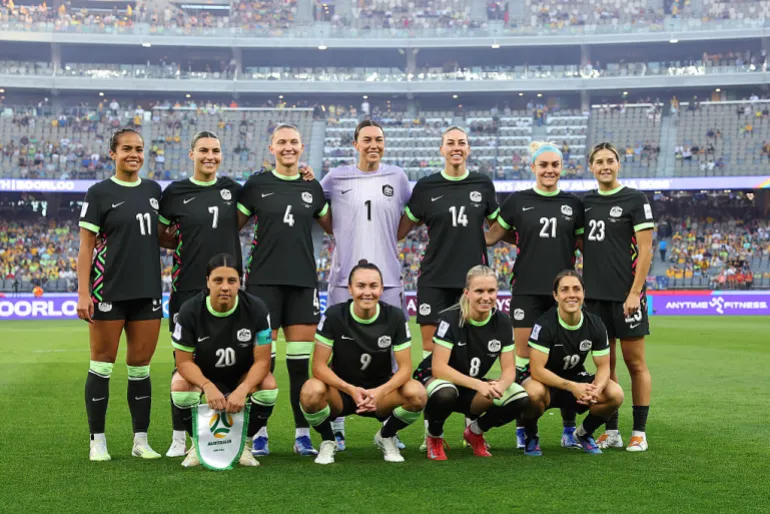
Australia, 15th in the FIFA world rankings, opened their campaign with a 1-0 win over the Philippines before thrashing Iran 4-0, but had to fight for a 3-3 draw with South Korea in the final group game.
The knockouts saw Australia overcome North Korea 2-1 in the quarterfinals before they were tested brutally by record nine-time champions China in the semifinals, which they won 2-1.
The Matildas are aiming for their second Asian Cup triumph, but first since 2010 [Paul Kane/Getty Images]
In contrast, World No 6 Japan, the highest-ranked team in the tournament, were dominant from the get-go, beating Taiwan 2-0 to start their campaign. That was followed by an 11-0 rout of India and a 4-0 mauling of Vietnam, as the Nadeshiko sailed into the knockouts with a perfect record and a clean sheet.
In the quarterfinals, they swept past the Philippines 7-0 before downing South Korea 4-1 in the semifinals, reminding fans of why they are the most dangerous side in this tournament.
How many times have Australia and Japan faced each other?
Australia and Japan are familiar foes, having faced off 30 times. The defining clashes came in the 2014 and 2018 editions of the Women’s Asian Cup, when Japan beat Australia 1-0 both times in the final of those tournaments.
Saturday’s match is also the first time Australia have been in the final since losing the 2018 edition.
Australia and Japan last met a little over a year ago at the SheBelieves Cup in the United States. Japan beat the Aussies 4-0 en route to winning the title.
Japan defender Moeka Minami, wearing the #3 jersey, was among the scorers when Japan beat Australia 4-0 in a SheBelieves Cup clash in February 2025 [Michael Wyke/AP Photo]
How many Asian Cups have Australia and Japan won?
Australia have won the Women’s Asian Cup once – their only major title – at the 2010 edition in China, where the Matildas defeated North Korea 5-4 on penalties. Current captain Sam Kerr, then 16 years old, scored the opening goal in that final.
Japan have won the Asian Cup twice, in 2014 and 2018, while they ended runners-up four times (1986, 1991, 1995, 2001).
Japan are also the only Asian team to have won the Women’s World Cup, beating the United States on penalties in the 2011 edition in Germany.
Japan players lift the 2018 Asian Cup after beating Australia in the final in Jordan [File: Raad Adayleh/AP Photo]
What’s the prize money for the winner?
Along with continental bragging rights, the champions will receive a cheque for $1.8m – the same prize money from 2022, which is lower than any other confederation’s equivalent tournament besides Oceania.
In comparison, the winner at the 2023 men’s Asian Cup took home a prize purse of $14.8 million.
Kerr shines for Australia, Ueki leads the way for Japan
Sidelined for two years by an ACL injury, Australia captain Kerr arrived at the 2026 tournament with questions surrounding her fitness and saddled with a heavy burden to restore pride in the Matildas.
Now with four goals in five matches, including a sublime winner in Tuesday’s semifinal, the 32-year-old striker has silenced all doubts and carried her team back into the national spotlight.
“I know I can be one of the best players in the world, and I am showing that at this tournament,” the Chelsea striker said of her recent form.
Sam Kerr’s sublime second-half strike guided Australia to the final [File: Paul Kane/Getty Images]
Along with Kerr, central midfielder Alanna Kennedy has been a goal-scoring machine for the ‘Tillies’, netting five goals in as many matches to sit second on the top-scorers list, while Caitlin Foord has been a key playmaker with three assists.
But the tournament’s spotlight has been captured by Japan’s Riko Ueki, whose six goals in four matches – including a stunning hat-trick off the bench against India – lead the charts.
The striker, often a vital presence in Japan’s front three, poses a headache to the opposition, alongside winger Kiko Seike, who has four goals in four games.
Japan coach says Matildas are ‘massive favourites’
Japan coach Nils Nielsen insists Australia will be “massive favourites” in the final, but his team’s near-flawless progress to the title match suggests otherwise.
Japan’s attacking force has scored a whopping 28 goals in five games, while their solid backline has conceded just one, against South Korea in the semifinals.
The Nadeshiko will have a partisan crowd at the 83,500-capacity Stadium Australia to deal with, and Greenlander Nielsen put the pressure on the Kerr-led Australia by calling the frontrunners.
Japan’s Riko Ueki, right, is the tournament’s top scorer [File: Rick Rycroft/AP Photo]
“The Matildas really have an amazing team; they have adapted to whatever is coming their way,” Nielsen said. “They have a great coach … He hasn’t been here long, and he’s already made so many nice transforms.
“When they play in front of a crowd like this, Australia are big favourites, massive favourites for the final.”
Meanwhile, Australia’s head coach Joe Montemurro believes his side can do better than what they showcased against China in the gruelling semifinal.
“We’re going to have to be better,” he told Australia’s Network 10. “There’s a resilience that we have in our psyche. We need to be better with the ball; we need to be smarter and control tempo.”
Kerr dreams of second Asian Cup triumph
Considered one of Australia’s greatest athletes, Kerr is the only player from the current squad who was also part of the 2010 Asian Cup-winning squad.
But she has never lifted any silverware with the current crop of players, many of whom have been alongside her in the team for more than a decade.
“It would honestly mean everything,” Kerr said of winning the title with them. “We’ve talked about it for ages. This is a dream of ours, and these girls are like family to me.”
Predicted Australia starting lineup
Matildas head coach Montemurro could pick defender Winonah Heatley ahead of Clare Hunt.
Mackenzie Arnold (goalkeeper); Ellie Carpenter, Winonah Heatley, Steph Catley, Kaitlyn Torpey; Kyra Cooney-Cross, Alanna Kennedy, Katrina Gorry; Mary Fowler, Sam Kerr, Caitlin Foord
Predicted Japan starting lineup
Japan head coach Nielsen could stick to the same lineup from the last game.
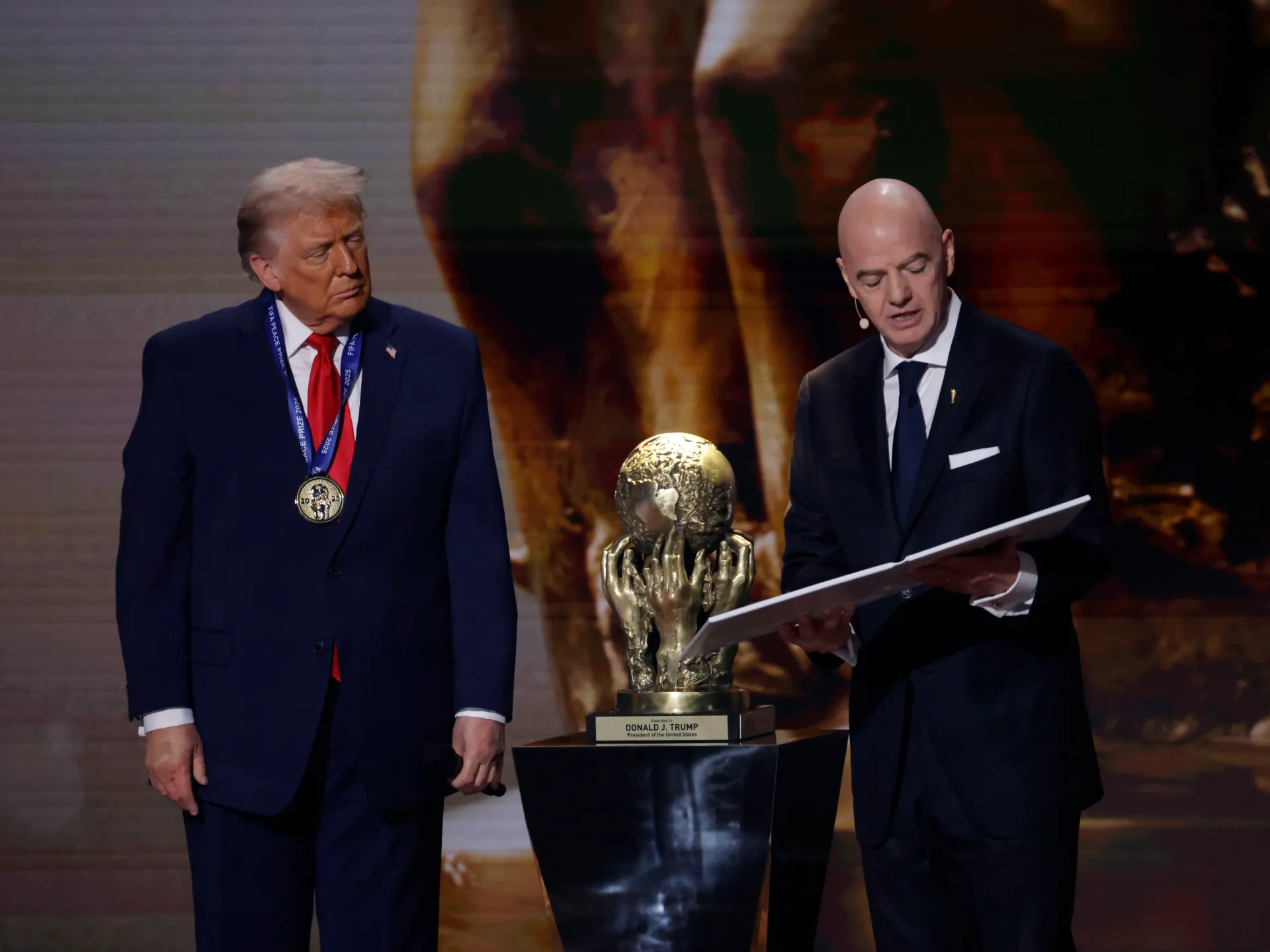
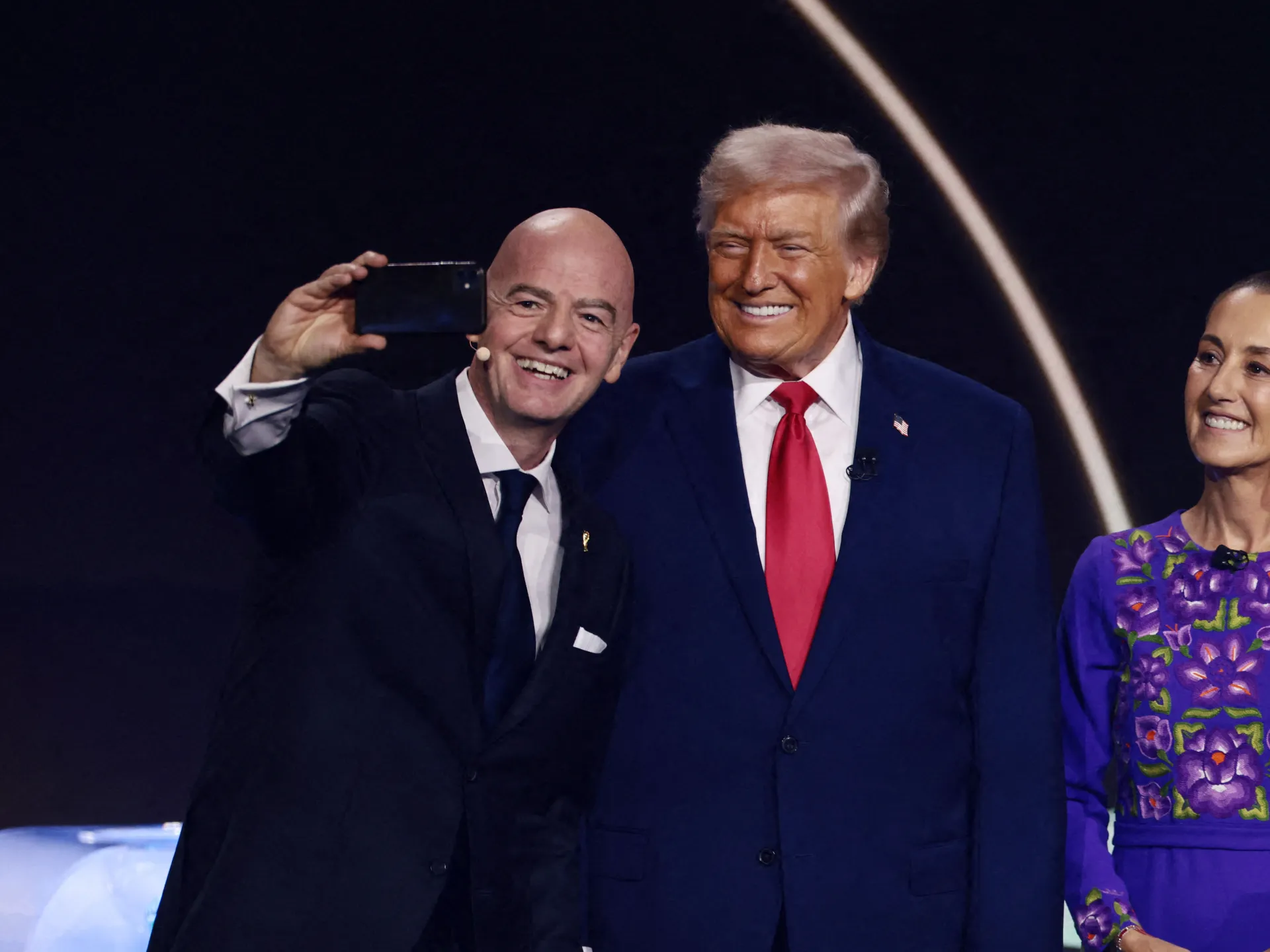
Months after awarding the “FIFA Peace Prize” to Donald Trump, FIFA President Gianni Infantino said his organisation “can certainly not solve geopolitical conflicts.”
Iran’s national football team returned to their war-torn nation after several of the players sought asylum in Australia.
Published On 20 Mar 202620 Mar 2026
Iranian authorities on Thursday gave the national women’s football team a hero’s welcome after their return from Australia, where some had made and then withdrawn asylum claims, amid accusations Iran had pressured their families.
Six players and one backroom staff member who travelled to Australia for the Women’s Asian Cup sought asylum earlier this month after they prompted criticism from hardliners in Iran for failing to sing the national anthem before their first match.
Recommended Stories
list of 4 itemsend of list
Five of them later changed their minds and returned home along with the rest of the team, including captain Zahra Ghanbari, with their fate prompting international concern amid the US-Israel war on Iran.
Activists have accused Iranian authorities of pressuring the women’s families, including summoning their parents for interrogation, while Tehran has alleged that Australia sought to force the athletes to defect.
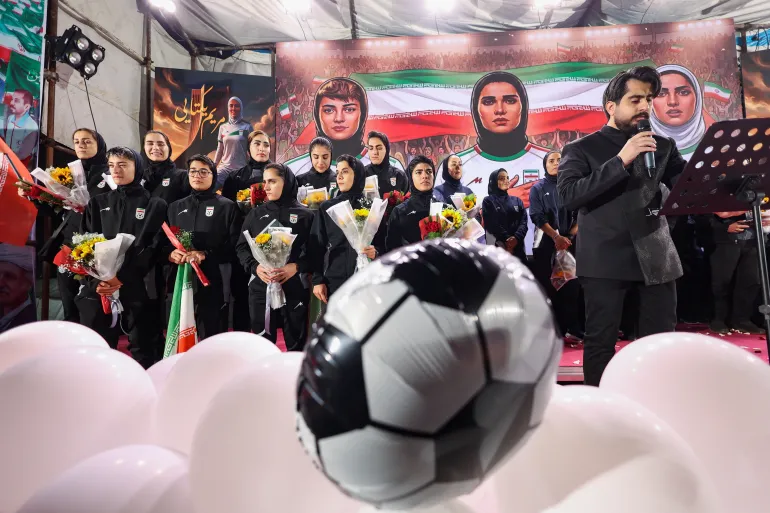
Several thousand people, many holding Iranian flags, turned out for the welcome ceremony on Thursday evening in Valiasr Square in central Tehran, where other pro-government rallies have taken place in recent weeks, state TV images showed.
“My Choice. My Homeland,” read a slogan on a giant billboard on the square that showed the players in their national kit and mandatory hijabs saluting the Iranian flag.
Flanked by team members, Iranian football federation President Mehdi Taj said on stage, “What is certain is that these athletes are loyal to the homeland, flag, leader and revolution.”
Iranian government spokeswoman Fatemeh Mohajerani, one of the most high-profile women in Iranian politics, told the team members: “All Iranians were waiting for you; welcome to Iran.”
Members of Iran’s women’s national football team in Tehran on March 19 [Alaa Al Marjani/Reuters]
‘Threatening their families’
As onlookers cheered the players, giant AI-generated images of the women were projected on a screen showing them pledging loyalty to the Iranian flag against a background of Iranian national landmarks.
Two squad members have remained in Australia, but the remainder of the team, including the five other women who initially applied for asylum, arrived in Iran on Wednesday after a long journey home via Malaysia, Oman and Turkiye.
Activists have accused Iranian authorities of pressuring these five women into changing their minds through intelligence agents putting pressure on their families at home.
“The regime in Iran started threatening their families and basically took their families hostage. Because of that, they were forced to withdraw their asylum and go back to Iran,” Shiva Amini, a former Iranian national football player, who now lives in exile and campaigns on women’s rights, wrote on social media.
But Farideh Shojaei, an Iranian football official who travelled to Australia, said the players had been offered “houses, cars, money, promises of contracts with professional clubs, as well as humanitarian visas”.
“Fortunately, the members of our team valued their national identity above all else and turned these offers down,” she told Iranian media.
Before their opening game, the Iranian team fell silent as the national anthem played, although they later sang it in subsequent matches. An Iranian state TV presenter branded the players “wartime traitors”.
A central feature of the welcome ceremony in Tehran was singing the national anthem of the Islamic Republic, with players and officials joining in.
Members of Iran’s women’s football team arrive by bus at the Gurbulak border crossing on the Turkish-Iranian border on March 18, 2026 [Ali Ihsan Ozturk/AFP]
When governing body offficials the Africa Cup of Nations title to Morocco, overturning Senegal’s victory two months after the chaotic final, football fans were stunned.
While Moroccan fans took to the streets to celebrate their team’s belated success, the decision by the Confederation of African Football (CAF) was met with disbelief in Senegal, with fans and authorities calling the decision “unjust”.
Senegal’s government on Wednesday said it will pursue “all appropriate legal avenues” to overturn the decision and called for an international investigation into “suspected corruption” within African football’s governing body.
The Senegal Football Federation (FSF) then announced on Thursday that it had instructed lawyers, apparently carrying through its threat to take the matter to the Court of Arbitration for Sport (CAS). Such a move could lead to a yearlong legal battle before a ruling.
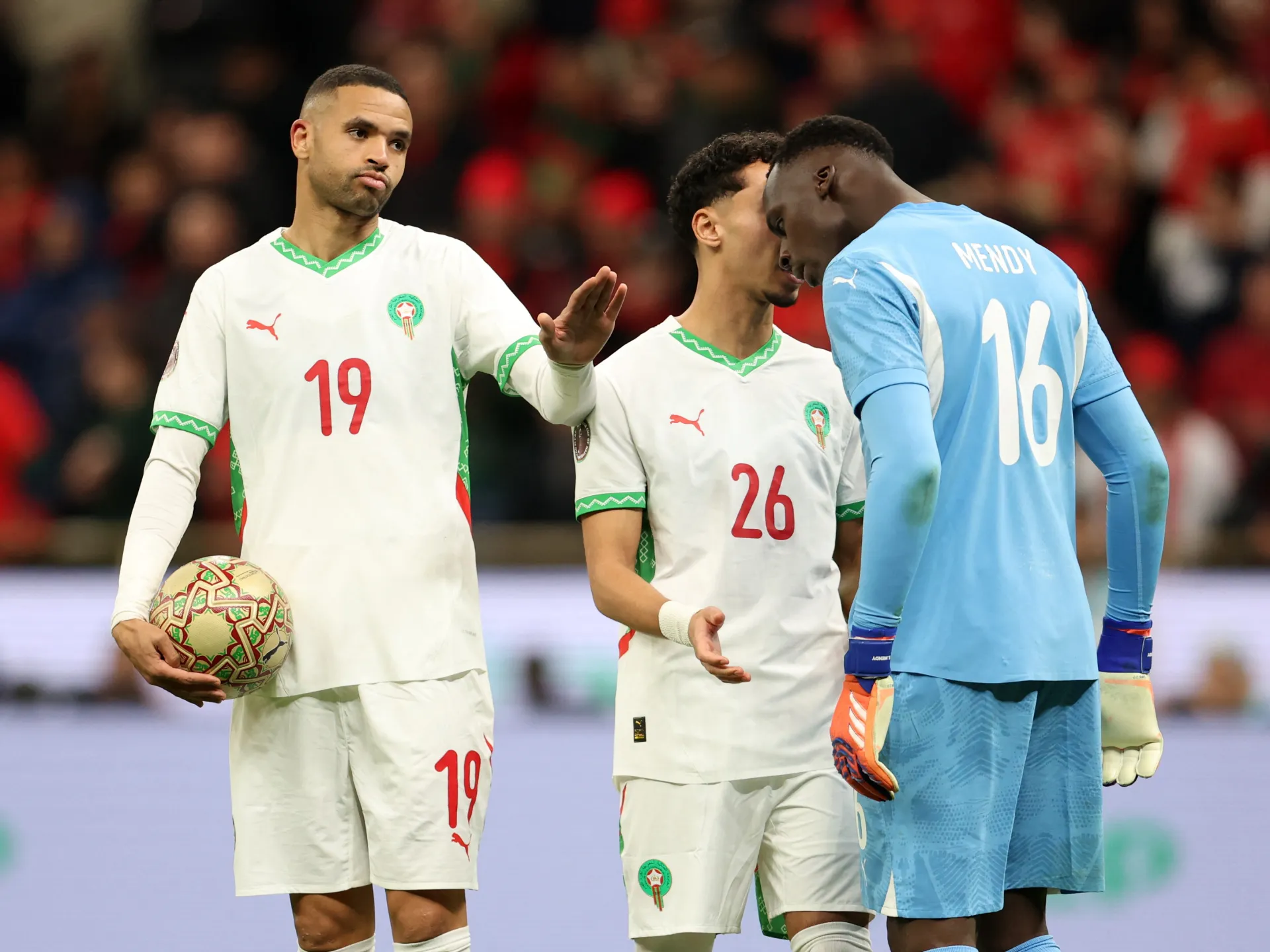
CAF’s appeals board on Tuesday ruled that Senegal forfeited the final by leaving the field of play without the referee’s authorisation, and it awarded Morocco a default 3-0 win.
The game was delayed for 14 minutes as most of the Senegalese players and staff returned to their dressing room, while Senegal fans battled stewards behind one of the goals in protest against a controversial penalty call for Morocco after Senegal had a goal ruled out.
Morocco and Senegal have long shared close ties built on religion, trade and culture. Tijaniyyah, a Sufi Muslim order, is widely followed in both countries. Moroccan banks and companies heavily invest in Senegal’s finance and agriculture sectors. Cultural exchanges include student programs, migration and joint festivals.
But the tensions surrounding the final and CAF’s appeals court decision to overturn Senegal’s victory have put a strain on the relationship between the two countries.
Last month, 18 Senegal fans who were arrested on charges of hooliganism at the final were given prison terms of up to a year by a Moroccan court. The Senegalese government has expressed solidarity with the Senegalese supporters.
Seydina Issa Laye Diop, president of the Senegalese national team’s fan group called “12th Gainde”, told The Associated Press on Thursday that the incidents should not damage the relationship between Senegal and Morocco.
“However, there are limits: if this continues, it could somewhat affect the pride of the Senegalese people,” Diop said. “If the goal is to preserve friendship, then it must be nurtured. Small gestures can have a big impact. These are things we can move past, especially since, during the trial, no solid argument has justified the continued detention of these supporters.”
Mariama Ndeye, a student in Senegal’s capital Dakar, said the decision has negatively affected her view of Moroccans.
“When everything goes well, they call us their brothers. But when things don’t go their way, they start being nasty,” Ndeye said.
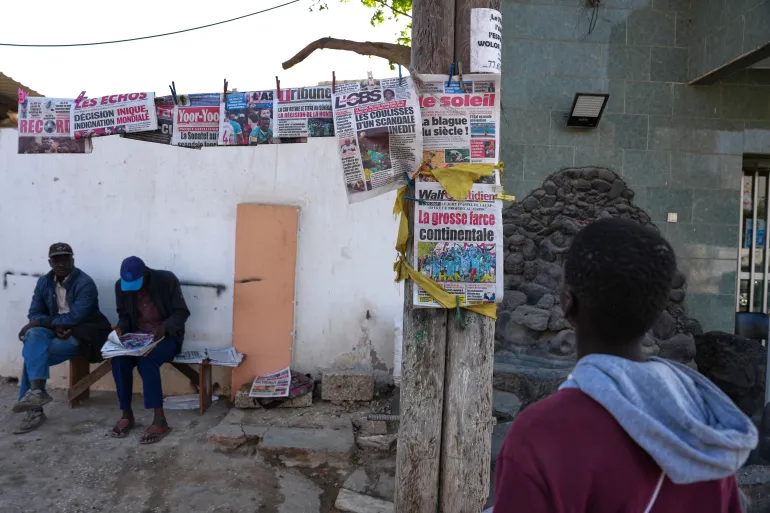
The newspapers reporting the fallout from CAF’s AFCON decision are seen on display in Dakar, Senegal [Misper Apawu/AP]
Politics and sport are rarely separated as Senegal and Morocco find out
On Wednesday, Morocco’s embassy in Dakar called on Moroccans in Senegal to “demonstrate restraint, vigilance, and a sense of responsibility.”
“It is important to recall that, in all circumstances, it is only a match, the outcome of which should never justify any form of escalation or excessive remarks between brotherly peoples,” the embassy said.
While the dispute has remained centred around the football match, bad feelings have spread more generally.
In Casablanca, home appliances business owner Ismail Fnani said he felt like other African countries were rooting against Morocco during the final.
“Honestly, my views toward Senegalese and sub-Saharan Africans changed after this,” he said. “We used to feel sympathy and help them because they were migrants who had struggled to get here. Where there was once sympathy and compassion, now I will treat them as they have treated us.”
Mohamed el-Arabi, who works in a grocery shop in Casablanca, said he did not celebrate the decision awarding Morocco the title.
“We would have preferred it to stay with Senegal because it doesn’t feel right otherwise,” El Arabi said.
“People here have started hating Senegalese. They no longer provide them with help. We used to be like brothers, especially since they are Muslims like us, but that is no longer the case,” he added.
The Senegalese government’s allegation of “suspected corruption” at CAF followed anger at perceived favouritism towards Morocco, which is a 2030 World Cup co-host and has invested heavily to become a football superpower.
On Wednesday, CAF President Patrice Motsepe defended the body against perceptions of favouritism towards Morocco.
“Not a single country in Africa will be treated in a manner that is more preferential, or more advantageous, or more favourable than any other country on the African continent,” Motsepe said in a video published on the CAF website.
People have been panning Tottenham boss Igor Tudor but they will look upon him in a different light if his side win this game.
Maybe he just needs to identify the opposition’s threat a little bit better than he does opposing managers – that clip of him mistaking someone else for Arne Slot at Anfield last week did make me chuckle.
Nottingham Forest‘s issue is that they don’t score enough goals, and that lack of attacking threat might just cost them here.
I know I keep mentioning it, but Forest manager Vitor Pereira has still not won a Premier League game all season, after 12 attempts with Wolves and Forest.
I don’t think he will win this week, either, although this is going to be an extremely tight game.
Spurs’ first aim will be to avoid any calamities like their red card against Crystal Palace in their previous home league game.
They have a few injuries, but they still have a fair bit of quality in their team.
Tottenham also have a bit of positivity and momentum after Wednesday’s home win over Atletico Madrid, even though it wasn’t enough to turn around their Champions League tie. Now they need to build on that.
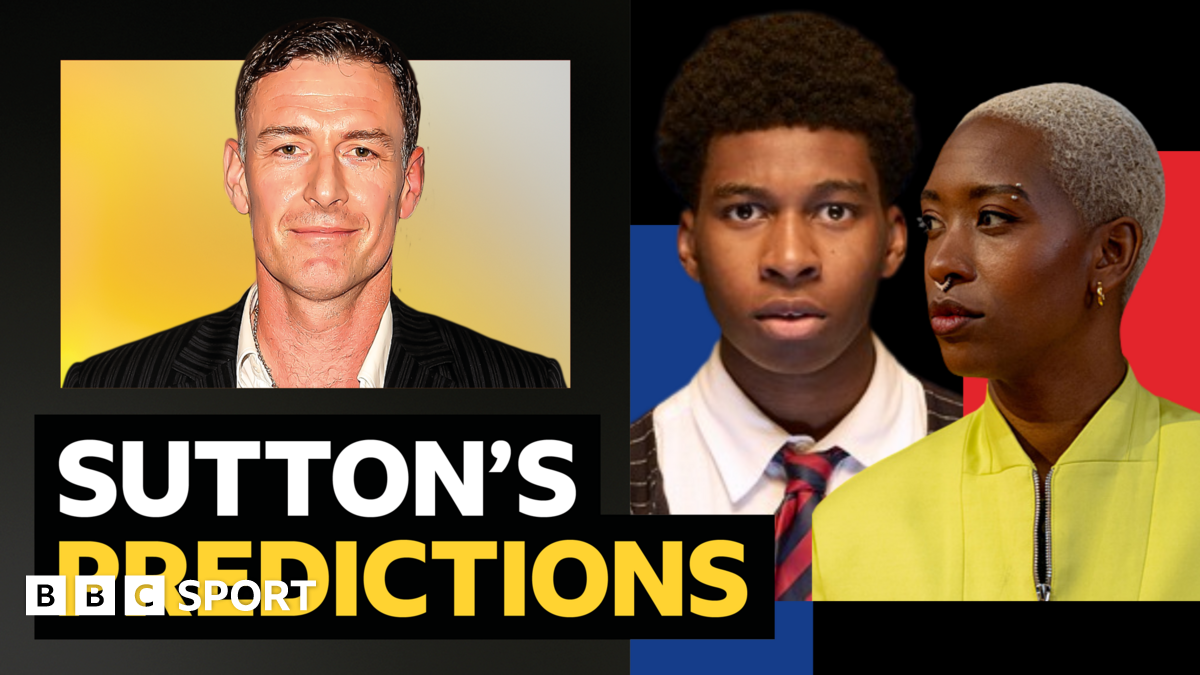
Sutton’s prediction: 1-0
Amari’s prediction: If we play like we did against Liverpool and we get some players back from injury too, then we can do this. Forest have got some good players but we just need to get a result, it doesn’t matter how. 3-2
Amari on why he supports Spurs, and his favourite players: It’s down to my dad – every single person on my dad’s side is a Spurs fan. When I was kid, my heroes were Gareth Bale and then Dele Alli – when he first came to us, he was incredible.
Amari on whether Spurs will stay up or not? It’s been such a frustrating time because I don’t know what’s been going wrong. We can say it’s because of injuries but every team has those. We have been missing lots of players, but we still have a good squad.
I’ve been stressed about it before, but I am not stressed about it right now. If we are still in this situation with three games left then it is different, we might be going down. Now? I do believe we can get out of this.
Genesis’ prediction: I am going to give you a strange one here – I think Forest will surprise people. 1-3
The football federation of Morocco says it welcomes the CAF Appeal Board decision to award it the 2025 AFCON title.
Published On 19 Mar 202619 Mar 2026
The Royal Moroccan Football Federation (FRMF) has commended the decision to award its country the 2025 Africa Cup of Nations (AFCON) title, which was stripped from Senegal.
The FRMF “welcomes the decision, which reaffirms the primacy of competition regulations and reinforces the conditions necessary for the proper conduct of international tournaments”, the federation said in a statement on Thursday.
Recommended Stories
list of 4 itemsend of list
The Confederation of African Football (CAF) had announced on Tuesday that its Appeal Board had awarded the tournament to Morocco, the defeated finalists, on January 18.
The final, which Senegal won 1-0 in extra time, was delayed for 14 minutes when the Senegalese players and staff returned to the dressing room in protest against the awarding of an injury-time penalty to Morocco in the second half.
When play eventually resumed, Moroccan striker Brahim Diaz missed the kick with Senegal going on to win the game thanks to Pape Gueye’s stunning strike.
“From the outset, following the incidents that led to the interruption of the match, the FRMF maintained a clear and consistent position: the strict application of the governing regulations. The Federation’s approach was solely guided by this principle,” the FRMF statement read.
“Following its appeal, CAF has now confirmed that the applicable regulations were not properly enforced.”
Morocco appealed to CAF to overturn the result immediately after the final, which descended into chaos during and after the protest, and led to a pitch invasion, which resulted in 18 Senegalese fans being handed prison sentences.
The initial appeal was rejected, and the Appeal Board decision came exactly two months after the final was completed.
“Throughout the process, the FRMF acted in full compliance with all relevant legal and procedural frameworks, with a constant focus on upholding its rights and preserving the integrity of the competition,” it said in the statement.
“This decision provides clarity on the applicable framework and strengthens the consistency and credibility of international competitions, particularly within African football.”
The Senegal Football Federation (FSF) immediately responded to CAF’s ruling by saying it would take its own appeal to the Court of Arbitration for Sport.
Such a process could take as long as a year to reach a final decision.
Senegal’s government on Wednesday went on to allege corruption following the decision and called for an independent international investigation into the matter.