The Afghan man had fled the Taliban for refuge in upstate New York when U.S. immigration authorities ordered him deported to Uganda. The Cuban woman was working at a Texas Chick-fil-A when she was arrested after a minor traffic accident and told she was being sent to Ecuador.
There’s the Mauritanian man living in Michigan told he’d have to go to Uganda, the Venezuelan mother in Ohio told she’d be sent to Ecuador and the Bolivians, Ecuadorians and so many others across the country ordered sent to Honduras.
They are among more than 13,000 immigrants who were living legally in the U.S., waiting for rulings on asylum claims, when they suddenly faced so-called third-country deportation orders, destined for countries where most had no ties, according to the nonprofit group Mobile Pathways, which pushes for transparency in immigration proceedings.
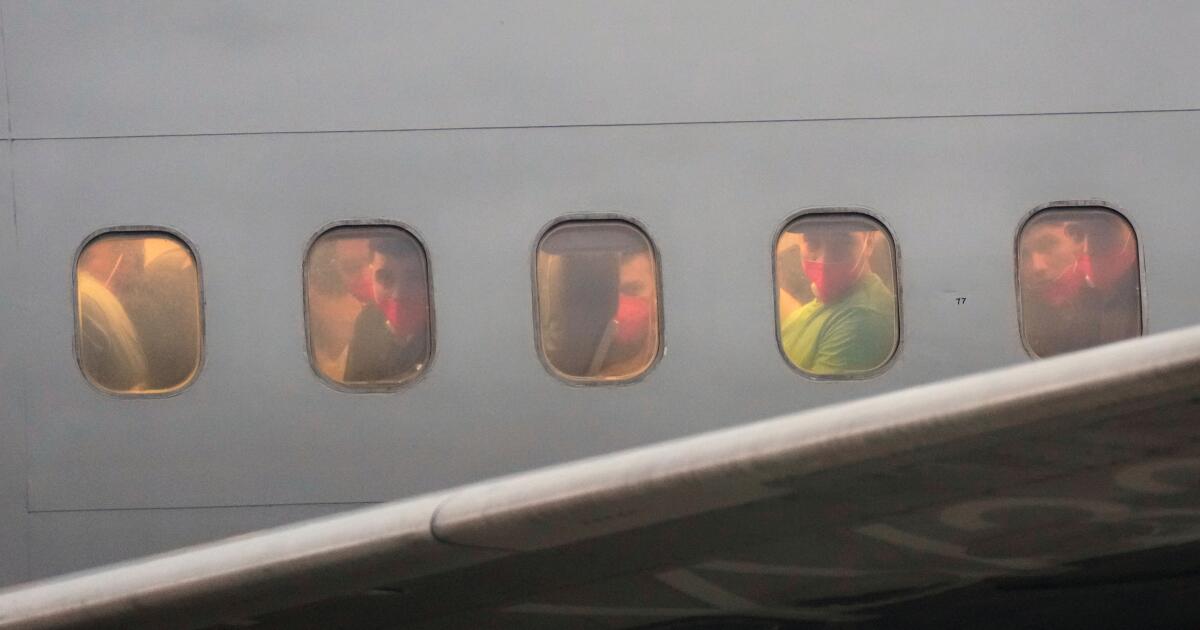
Yet few have been deported, even as the White House pushes for ever more immigrant expulsions. Thanks to unexplained changes in U.S. policy, many are now mired in immigration limbo, unable to argue their asylum claims in court and unsure if they’ll be shackled and put on a deportation flight to a country they’ve never seen.
Some are in detention, though it’s unclear how many. All have lost permission to work legally, a right most had while pursuing their asylum claims, compounding the worry and dread that has rippled through immigrant communities.
And that may be the point.
“This administration’s goal is to instill fear into people. That’s the primary thing,” said Cassandra Charles, a senior staff attorney with the National Immigration Law Center, which has been fighting the Trump administration’s mass deportation agenda. The fear of being deported to an unknown country could, advocates believe, drive migrants to abandon their immigration cases and decide to return to their home countries.
Things may be changing.
In mid-March, top Immigration and Customs Enforcement legal officials told field attorneys with the Department of Homeland Security in an email to stop filing new motions for third-country deportations tied to asylum cases. The email, which has been seen by the Associated Press, did not give a reason. It has not been publicly released, and Homeland Security did not respond to requests to explain if the halt was permanent.
But the earlier deportation cases? Those are continuing.
An asylum seeker says she’s in panic over possibly being sent to a country she doesn’t know
In 2024, a Guatemalan woman who says she had been held captive and repeatedly sexually assaulted by members of a powerful gang arrived with her 4-year-old daughter at the U.S.-Mexico border and asked for asylum. She later discovered she was pregnant with another child, conceived during a rape.
In December, she sat in a San Francisco immigration courtroom and listened as an ICE attorney sought to have her deported.
The ICE attorney didn’t ask the judge that she be sent back to Guatemala. Instead, the attorney said, the woman from the Indigenous Guatemalan highlands would go to one of three countries: Ecuador, Honduras or across the globe to Uganda.
Until that moment, she’d never heard of Ecuador or Uganda.
“When I arrived in this country, I was filled with hope again and I thanked God for being alive,” the woman said after the hearing, her eyes filling with tears. “When I think about having to go to those other countries, I panic because I hear they are violent and dangerous.” She spoke on condition of anonymity, fearing reprisal from U.S. immigration authorities or the Guatemalan gang network.
There have been more than 13,000 removal orders for asylum seekers
ICE attorneys, the de facto prosecutors in immigration courts, were first instructed last summer to file motions known as “pretermissions” that end migrants’ asylum claims and allow them to be deported.
“They’re not saying the person doesn’t have a claim,” said Sarah Mehta, who tracks immigration issues at the American Civil Liberties Union. “They’re just saying, ‘We’re kicking this case completely out of court and we’re going to send that person to another country.’”
The pace of deportation orders picked up in October after a ruling from the Justice Department’s Board of Immigration Appeals, which sets legal precedent inside the byzantine immigration court system.
The ruling from the three judges — two appointed by former Atty. Gen. Pam Bondi and the third a holdover from the first Trump administration — cleared the way for migrants seeking asylum to be removed to any third country where the U.S. State Department determines they won’t face persecution or torture.
After the ruling, the government aggressively expanded the practice of ending asylum claims.
More than 13,000 migrants have been ordered deported to so-called “safe third countries” after their asylum cases were canceled, according to data from San Francisco-based Mobile Pathways. More than half the orders were for Honduras, Ecuador or Uganda, with the rest scattered among nearly three dozen other countries.
Deported migrants are free, at least theoretically, to pursue asylum and stay in those third countries, even if some have barely functioning asylum systems.
Deportations have been far more complicated than the government expected
Immigration authorities have released little information about the third-country agreements, known as Asylum Cooperative Agreements, or the deportees, and it’s unclear exactly how many have been deported to third countries as part of asylum removals.
According to Third Country Deportation Watch, a tracker run by the groups Refugees International and Human Rights First, fewer than 100 of them are thought to have been deported.
In a statement, Homeland Security called the agreements “lawful bilateral arrangements that allow illegal aliens seeking asylum in the United States to pursue protection in a partner country that has agreed to fairly adjudicate their claims.”
“DHS is using every lawful tool available to address the backlog and abuse of the asylum system,” said the statement, which was attributed only to a spokesperson. There are roughly 2 million backlogged asylum cases in the immigration system.
But deportations clearly turned out to be far more complicated than the government expected, restricted by a variety of legal challenges, the scope of the international agreements and a limited number of airplanes.
Mobile Pathways data, for example, shows that thousands of people have been ordered deported to Honduras — despite a diplomatic agreement that allows the country to take a total of just 10 such deportees per month for 24 months. Dozens of people ordered to Honduras in recent months did not speak Spanish as their primary language, but were native speakers of English, Uzbek and French, among other languages.
And while hundreds of asylum-seeking migrants have been ordered sent to Uganda, a top Ugandan official said none have arrived. U.S. authorities may be “doing a cost analysis” and trying to avoid dispatching flights with only a few people on board, Okello Oryem, the Ugandan minister of state for foreign affairs, told the Associated Press.
“You can’t be doing one, two people” at a time,” Oryem said. “Planeloads — that is the most effective way.”
Many immigration lawyers suspect that the March email ordering a halt in new asylum pretermissions could indicate a shift toward other forms of third-country deportations.
“Right now they haven’t been able to remove that many people,” said the ACLU’s Mehta. “I do think that will change.”
“They’re in a hiring spree right now. They will have more planes. If they get more agreements, they’ll be able to send more people to more countries.”
Sullivan writes for the Associated Press. AP reporters Garance Burke in San Francisco, Joshua Goodman in Miami, Rodney Muhumuza in Kampala, Uganda, Marlon González in Tegucigalpa, Honduras, and Molly A. Wallace in Chicago contributed to this report.
Serious food poisoning cases for UK tourists at popular travel hotspots revealed
People eating abroad are being told to take precautions after a study showed the places most likely to get food poisoning(Image: Getty)
All UK travellers and tourists planning a trip abroad have been issued a warning by health officials after a new study showed high levels of food poisoning hitting some popular resourts. A study from Cambridge University found 13 destinations in particular having higher odds of people contracting serious food poisoning such as Shigellosis, Salmonellosis, and Giardiasis.
The Foreign Office-backed Travel Health Pro website this week issued an alert warning people to take precautions, especially when travelling to popular destinations outside the EU – although some hotspots there were flagged up in the report too.
Travel Health Pro said: “All UK travellers and tourists planning a trip abroad are reminded to follow good food and water hygiene advice. This study shows that visiting countries outside of the EU, and to high-risk areas which had low water, sanitation and hygiene scores, increases the risk of infections that can cause stomach upset, like diarrhoea or vomiting.
Between 1 July and 15 October 2023, a rise in stomach bugs was reported in travellers returning to England from popular holiday destinations, including Egypt, Mexico, Tunisia and Turkey. Many of these travellers stayed in all-inclusive tourist resorts. The study also suggests the true number of infections is likely to be higher, as it only counted cases diagnosed in travellers after they returned home.”
Destinations where high levels of food poisoning were detected in UK tourists are:
Egypt
Mexico
Tunisia
Turkey
Jamaica
Dominican Republic
Cape Verde
Morocco
India
Pakistan
Thailand,
Greece
Spain
The study said: ”Thirteen destinations were associated with higher odds of becoming a case, of which the highest odds were reported for Egypt, Mexico, Tunisia, and Turkey, with the odds of illness in travellers to Egypt 23 times higher than those visiting France.
“For those travelling to low-risk destinations, eating undercooked meat or fish, eating meat or fish purchased from local restaurants and airports, drinking purified water, and swallowing water from environmental water sources (rivers, lakes, sea, and swimming pools) were all found to be associated with higher odds of illness. In high-risk destinations, eating foods consumed on trips or excursions, swallowing water from environmental sources, drinking fruit juice or smoothies, and eating foods from hotel buffets were all associated with higher odds of being a case.”
Travel health pro this week urged people to take these steps:
Practice good food and water hygiene at all times, even in high-end, all-inclusive resorts.
Wash your hands often, including before eating or preparing food, after using the toilet, after changing nappies and before and after sex.
Eat recently prepared food that is fully cooked and served piping hot.
Where there is no clean water supply, drink only bottled or boiled tap water (this includes brushing your teeth).
Always avoid ice in your drinks.
Avoid fresh fruit that you have not peeled yourself and salads not washed with bottled or boiled water.
Avoid swallowing water from ponds, lakes and untreated swimming pools.
If you become ill abroad:
Drink plenty of ‘safe’ fluids, such as bottled water, or tap water that has been boiled and cooled, and use oral rehydration solutions so that you do not become dehydrated.
Get early medical advice if you are at greater risk of complications from gastrointestinal infections, this includes babies/young children, older adults, pregnant women and people who are immunosuppressed or have ongoing health conditions.
Seek medical help if symptoms (such as diarrhoea and vomiting) last more than a few days or are not improving.
Wash contaminated clothes or bedding on a hot wash and clean toilets, taps and door handles regularly.
Avoid using swimming pools if you have a stomach bug. Take children on regular toilet breaks and check nappies often. If you have been told you have cryptosporidium do not use a swimming pool for 2 weeks after your diarrhoea has stopped.
This handy map tool allows you to calculate the percentage of the world you’ve seen by selecting all the countries you’ve visited.
Travellers admit they compare how many countries they’ve visited with other people(Image: Getty Images)
Ever wondered how much of the world you’ve really seen? Use this handy tool to find out. By selecting all the different countries you’ve ever visited, it’ll work out a percentage of the world you’ve managed to explore and how many continents you’ve covered. It’ll also tell you how your stats compare against other travellers, and will show your footprint on the globe.
A poll of 2,000 travellers revealed 43% enjoy comparing the number of destinations they’ve visited abroad with others. Reasons for mentioning their ‘country count’ include wanting to impress others with their worldliness and sense of adventure, get others to think ‘that’s more than me’ or to see them as someone ‘loaded’ with money.
Of those who mention their country count, more than four in 10 (44%) will casually raise the subject in general holiday chatter, while 38% will jump at the chance to name a nation they’ve visited the second someone else mentions it.
It also emerged 34% of travellers consider their list of countries visited ‘as a bit of a badge of honour’ and a fifth feel ‘quietly superior’ to those who have been to fewer nations.
A spokesperson from travel insurance specialist Staysure, which commissioned the research and tailors policies for people with health conditions, said: “Travelling abroad is exciting and the memories made with friends and family can last forever.
“So, it’s not surprising people love talking about where they’ve been and comparing the number of countries they’ve visited. Sharing experiences is something we all love to do and it’s great to be able to inspire others to visit somewhere new.
One in 10 attempt to sound better travelled than they really are by counting countries they visited as a child in their list. And some go as far as including an airport layover or counting a day trip as a full visit. But four in ten described other people discussing how well-travelled they are as ‘annoying’.
Find out how much of the world you’ve actually seen with this new tool
New Zealand (24%), Japan (23%) and Australia (18%) were at the top of respondents’ wish lists, along with Iceland, Sweden and Switzerland. While Canada was nearly twice as popular as a future destination than the United States (17% versus 8%).
The average traveller has been to seven countries by the time they’re 30 – this number nearly doubles to 15 by the time they reach the age of 60. However, it also emerged 56% of those polled wish they were better travelled.
On average, respondents said their travel peaked at age 34, while 44% admitted their trips abroad have generally decreased as they’ve gotten older.
Four in 10 consider it important that their list of countries visited keeps growing, with those with a set goal aiming to tick off 30 individual countries. To do this, 56% would consider a multi-destination holiday such as a cruise.
Staysure’s spokesperson added: “Our customers often share where they’ve been and where they’re planning to go next.
“It’s good to know people are dreaming big and want to keep ticking off their dream destinations. Although technically correct to do so, would you include a layover in your country list if you’d not set foot outside the airport?
“Wherever people choose to travel, having the right cover and financial protection in place helps them keep ticking countries off their list making the whole experience more enjoyable and worry-free.”
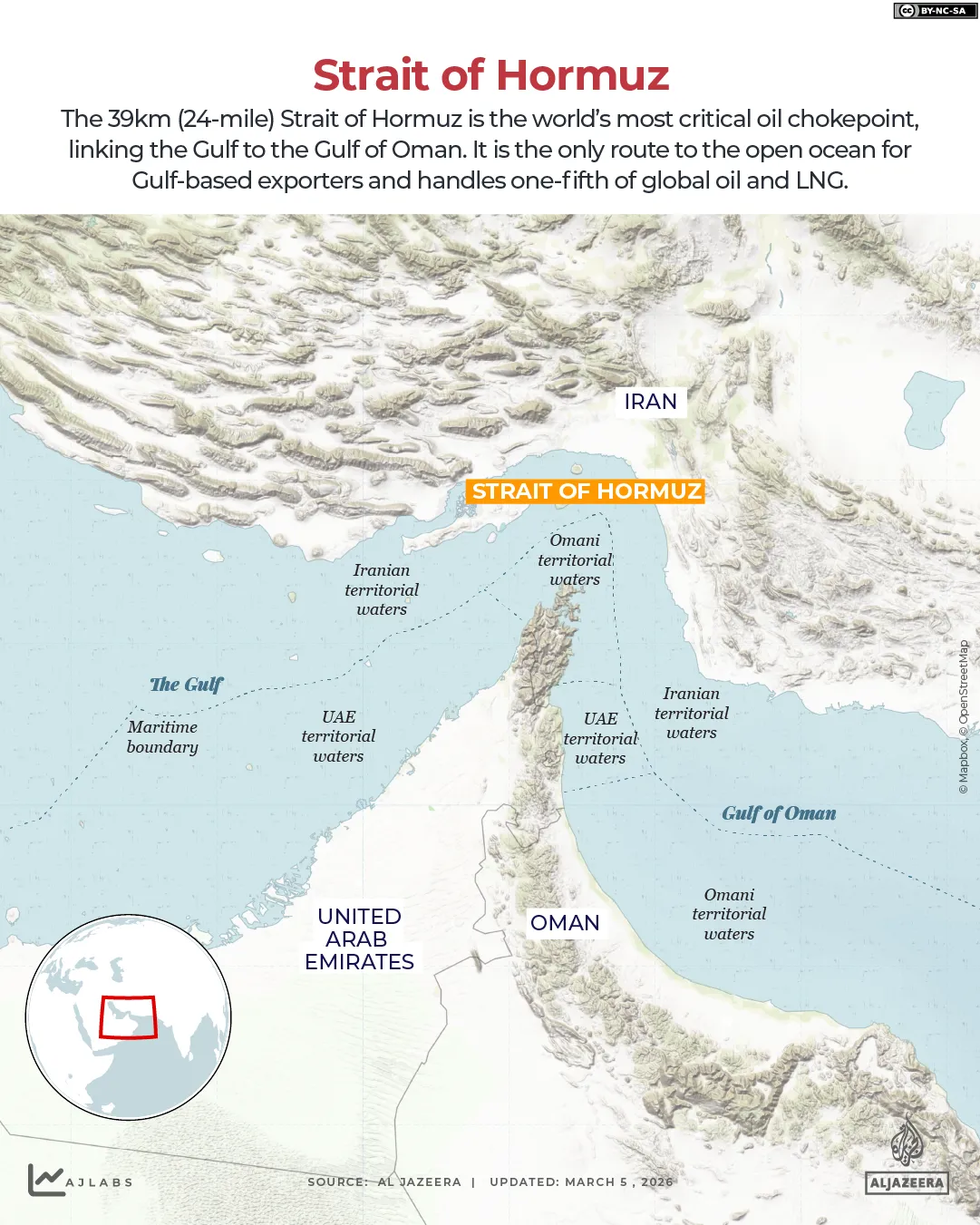
Iran’s paralysis of the Strait of Hormuz has led to major disruption in global oil and gas supply and many countries have begun tapping into their strategic oil reserves to evade an economic crisis.
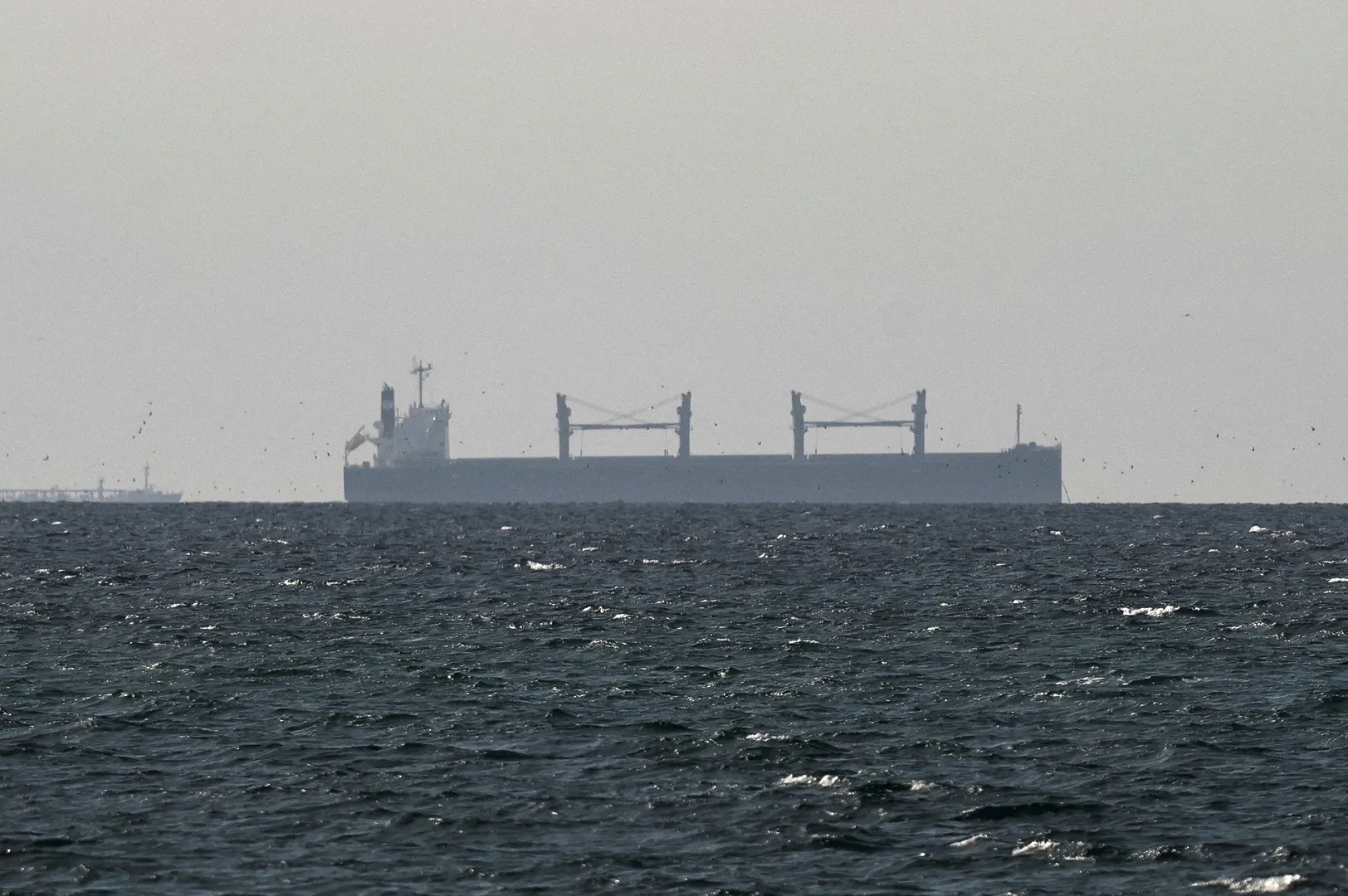
Since the US-Israeli war on Iran began on February 28, Tehran, whose territorial waters extend into the Strait, has blocked the passage of vessels carrying 20 percent of the world’s oil and liquified natural gas (LNG) from the Gulf to the rest of the world. The strait is the only waterway to open ocean available for Gulf oil and gas producers.
Recommended Stories
list of 3 itemsend of list
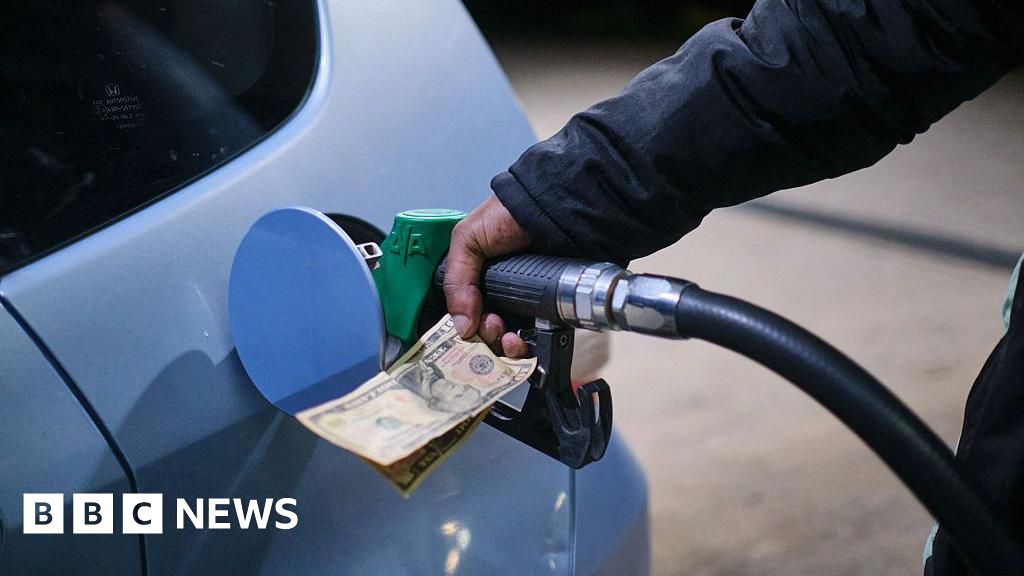
Last week, the price of Brent crude topped $100 a barrel compared to the pre-war price of around $65.
The United States Trump administration has tried and failed to re-open the strait. First, it called on Western nations to send warships to help escort shipping through the strait – an option all have declined or failed to respond to. Then, on Sunday, Trump gave Iran 48 hours to reopen the strait or face US attacks on its power plants.
However, on Sunday, Iran said it would hit back at power plants in Israel and those in the region supplying electricity to US military assets. And, on Monday, Iran said it would completely shut the Strait of Hormuz if US attacks on its energy infrastructure continue.
Following Iranian attacks on energy infrastructure across the Gulf over the past three weeks, countries including Saudi Arabia, UAE, Iraq and Kuwait have also cut their oil output, raising further concerns about global oil and gas supply.
On Monday, Trump appeared to backtrack on his Hormuz ultimatum when he ordered all US strikes on power plants in Iran to be paused for five days and claimed the US was holding talks with Iran. Iran has denied this.
In the face of chaos, on March 11, the 32 member countries of the International Energy Agency (IEA) agreed to release 400 million barrels of oil from their strategic emergency reserves – the largest stock draw in the agency’s history. It is far higher than the 2022 release of 182 million barrels of oil by the group’s members after Russia invaded Ukraine.
What are strategic oil reserves and which countries hold them?
What is a strategic oil reserve?
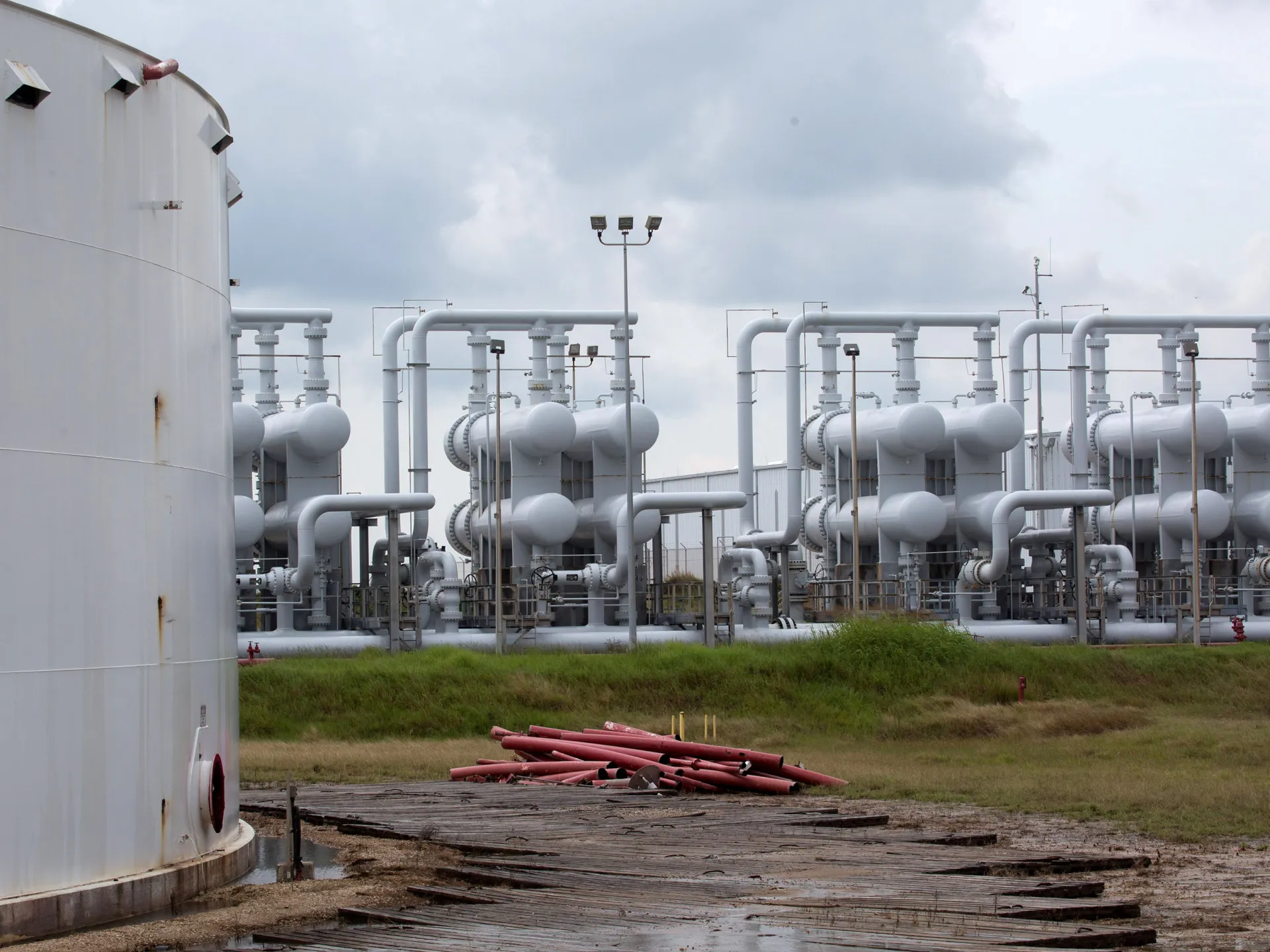
A strategic oil reserve or strategic petroleum reserve (SPR) is an emergency stockpile of crude oil which is held by the government of a country in government facilities.
This oil reserve can be drawn on in cases of emergencies like wars and economic crises. Governments generally buy the oil through agreements with private companies in order to keep their reserves filled.
According to the IEA, its members currently hold more than 1.2 billion barrels of these public emergency oil stocks with a further 600 million barrels of industry stocks held by private organisations but under government mandate to be available to supplement public needs.
Other reserves are also held by non IEA members like China.
Which countries have strategic oil reserves? Can they withstand the war in Iran?
China
Beijing is not an IEA member, but holds the world’s largest strategic oil reserve.
According to China’s Ministry of Ecology and Environment, Beijing “started a state strategic oil reserve base programme in 2004 as a way to offset oil supply risks and reduce the impact of fluctuating energy prices worldwide on China’s domestic market for refined oil”.
“The bases are designed to maintain strategic oil reserves of an equivalent to 30 days of imports, or about 10 million tonnes,” according to a 2007 report from Chinese state news agency Xinhua.
These strategic oil reserves are primarily located along China’s eastern and southern coastal regions such as Shandong, Zhejiang and Hainan.
China does not officially publish information about its crude inventories so it is not clear how much oil the country has in reserve. However, according to energy analytics firm Vortexa, in 2025, “China’s onshore crude inventories (excluding underground storage) continued to rise… reaching a record 1.13 billion barrels by year-end”.
According to data from Kpler, China bought more than 80 percent of Iran’s shipped oil in 2025. As the war in Iran escalates, therefore, Chinese companies such as refiner Sinopec have begun pushing for permission to use oil from the country’s reserves according to a Reuters report on Monday.
“We basically won’t buy Iranian oil, this is pretty clear,” Sinopec President Zhao Dong told a company results briefing in March, according to Reuters.
“We believe the government is closely monitoring crude oil and refined fuel inventories and market situations, and will advance policies at the appropriate time to support refinery productions,” he added.
US
Of the IEA members, the US holds one of the largest strategic oil reserves with 415 million barrels of oil. The stores are maintained by the US Department of Energy. It has confirmed that it will release 172 million barrels of oil from its SPR over this year as its contribution to coordinated efforts with the IEA.
On Friday, the Trump’s administration announced that it has already lent 45.2 million barrels of crude from the SPR to oil companies.
The US created its SPR in 1975 after an Arab oil embargo triggered a spike in gasoline prices which badly affected the US economy.
The reserves are located near big US refining or petrochemical centres, and as much as 4.4 million barrels of oil can be shipped globally per day.
The SPR currently covers roughly 200 days of net crude imports, according to a Reuters news agency calculation.
US presidents have tapped into the stockpile to calm oil markets during war or when hurricanes have hit oil infrastructure along the US Gulf of Mexico.
In March 2024, US President Joe Biden announced oil would be released from the reserve to ease pressure from oil price spikes following Russia’s invasion of Ukraine in February 2022 and amid subsequent sanctions imposed on Russian oil by the US and its allies.
Japan
An IEA member, Japan also has one of the world’s largest strategic oil reserves.
According to Japanese media Nikkei Asia, at the end of 2025, the country held about 470 million barrels of in emergency reserves which is enough to meet 254 days of domestic consumption. Out of this amount, 146 days worth of oil are government-owned, 101 days are owned by the private sector, and the remainder is jointly stored by oil-producing countries.
Japan set up its national oil reserve system in 1978 to prevent future economic disruptions following the global oil crisis in 1973. That oil crisis heightened Japan’s vulnerability and dependence on oil from abroad. The country remains one of the world’s largest oil importers, relying on fossil fuels from overseas for about 80 percent of its energy needs.
Japan’s reserves are primarily located in 10 coastal national stockholding bases with major storage sites in the Shibushi base in Kagoshima in southern Japan.
On March 16, Japan announced that it had begun releasing oil from its emergency reserves amid the global energy crisis sparked by the effective closure of the Strait of Hormuz.
Japanese Prime Minister Sanae Takaichi told journalists the country would unilaterally release 80 million barrels of oil from stockpiles amid supply concerns.
UK
As of February 26, according to the UK Department of Energy Security and Net Zero, the UK holds about 38 million barrels of crude oil and 30 million barrels of refined products, as strategic reserves. The reserves are thought to be able to last around 90 days.
The country established its reserves in 1974 following the oil crisis of the 1970s and also to meet its IEA obligations. Members of the organisation are required to maintain at least 90 days of net imports in reserve.
The UK’s strategic reserves are largely held by private oil companies, but are regulated by the government. Milford Haven in South Wales and Humber in northeast England are key locations of reserves.
The country is among the 32 IEA nations releasing oil from its reserve to address the oil crisis amid the war in Iran. The UK government will be contributing 13.5 million barrels as a part of the release.
EU
EU member nations including Germany, France, Spain and Italy, all IEA members, also hold strategic oil reserves.
Germany has 110 million barrels of crude oil and 67 million barrels of finished petroleum products which are held by the government and can be released in a matter of days, according to Germany’s economy ministry.
France reported about 120 million barrels’ worth of crude and finished products in reserve at the end of 2024, the most recent data publicly available. About 97 million barrels of that is held by SAGESS, a government-mandated entity, with a breakdown of about 30 percent crude oil, 50 percent gasoil, 9 percent gasoline, 7.8 percent jet fuel and some heating oil. Another 39 million barrels are held by the country’s oil operators.
On March 16, Spain approved the release of around 11.5 million barrels of oil reserves over 90 days to counter supply shortages caused by the effective closure of the Strait of Hormuz, Energy Minister Sara Aagesen told reporters. This is the country’s contribution to the IEA release. The country has around 150 million barrels of crude oil reserves in total.
Italy, by law, was holding about 76 million barrels of reserves, representing 90 days of Italy’s average net oil imports, in 2024.
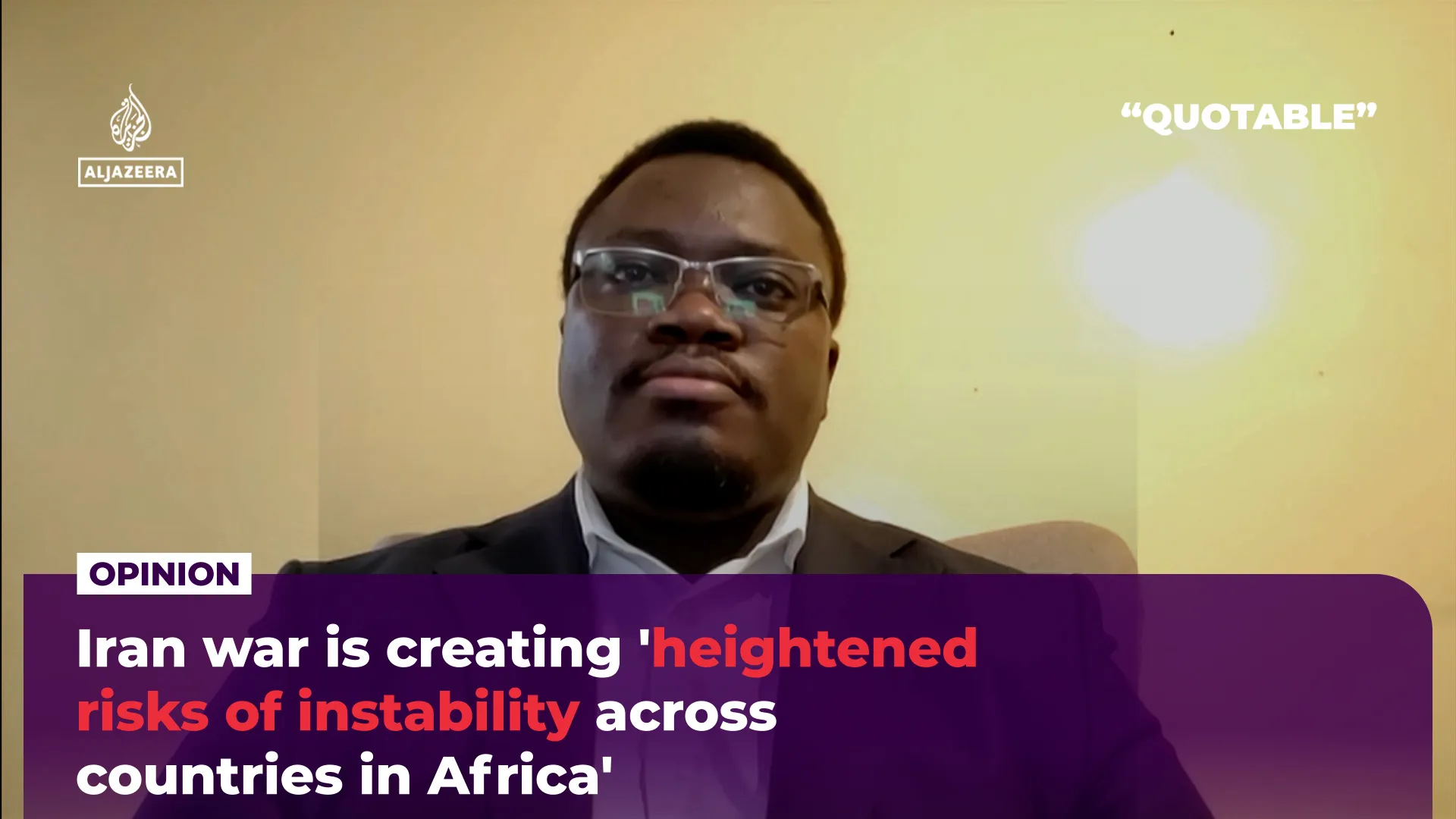
‘These are countries that face drought, food or economic difficulties that compound this crisis much farther.’
David Owiro, founder of the African Development Think Tanks, says that African countries are particularly vulnerable to the economic consequences of the US-Israeli war on Iran.
The Foreign Office has issued a new warning on travel to a country where 400,000 Brits a year travel
Steffan Rhys Deputy Content Hub Director
02:26, 21 Mar 2026
The Foreign Office has issued a new warning on travel to a country popular with hundreds of thousands of British tourists(Image: THEGIFT777 via Getty Images)
The UK Foreign Office regularly updates its guidance on destinations that are unsafe for British citizens to visit. Currently, there are 69 countries to which some form of warning applies.
Generally, the Foreign Office splits its warnings into three categories:
The Foreign Office advises against all travel to a country: this is its highest warning level
The Foreign Office advises against all travel to parts of a country.
The Foreign Office advises against all but essential travel to a country or parts of a country.
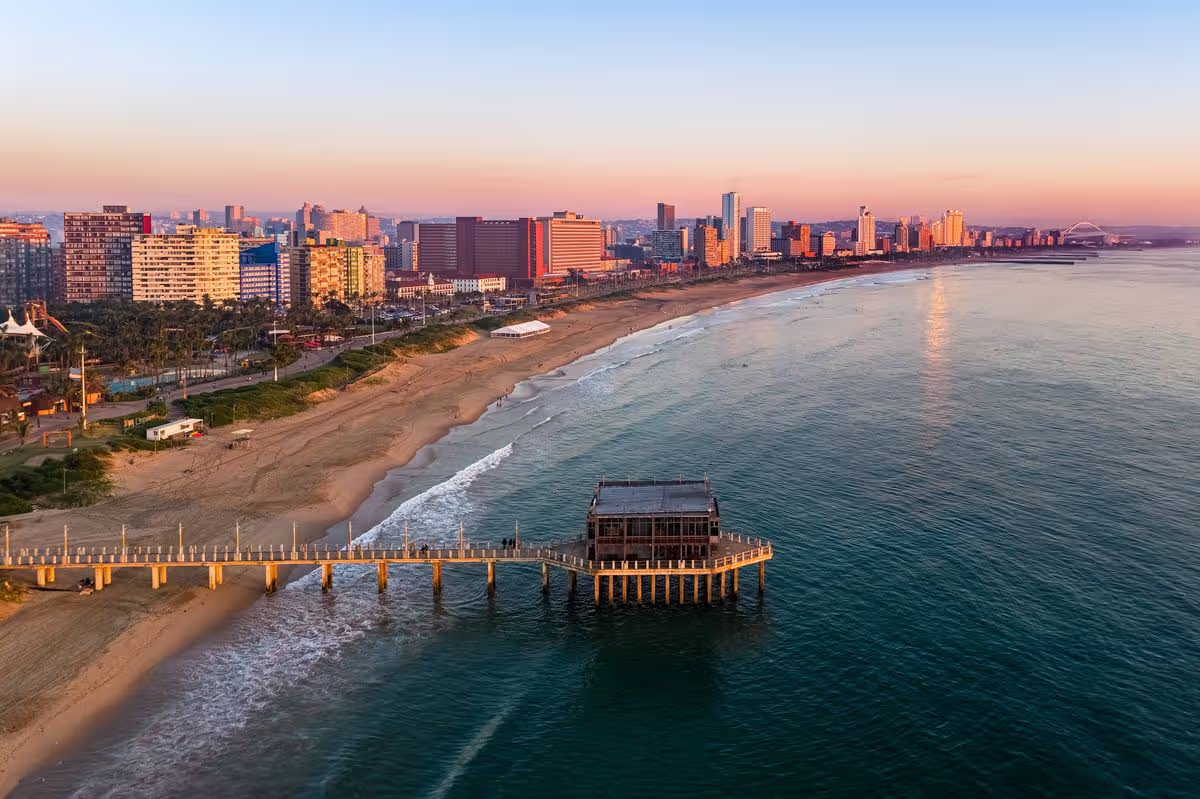
And it has this week revised its travel guidance for a country to which approximately 400,000 Brits travel annually, with a particular warning on a world-famous tourist hotspot. The Foreign Office has updated information on fraud and scams, nightlife and dating, driving rules and pedestrian safety and Table Mountain National Park in South Africa. It says:
Terrorists are likely to try to carry out attacks in South Africa, which could be indiscriminate and target public spaces and places visited by foreigners.
There are regular protests and demonstrations in South Africa which can turn violent at short notice.
There is a high crime rate in South Africa, with incidents including violent muggings, snatching jewellery and valuables, carjacking, ‘smash and grab’ attacks on vehicles, house robbery, rape and sexual assault and murder. It says “most violent crimes occur in townships located on the outskirts of major cities” and that “There have been recent attacks and violent crime on secondary roads to and from Cape Town airport”.
Scammers target people using taxi apps in major cities and you should make sure you use an internationally recognised service.
The risk of kidnap is increasing throughout South Africa and that “criminals generally kidnap people for financial gain”.
Card skimming and confidence scams are widespread, crime around ATMs and money exchanges is common.
Criminals use dating apps to rob, rape or sexually assault victims.
There have been recent violent attacks and muggings against hikers and foreign tourists in Table Mountain National Park.
However, it is important to note that the Foreign Office does not warn against travel to South Africa or any parts of South Africa and it is not one of the 69 countries listed below, reports the Liverpool Echo.
Countries where the Foreign Office recommends against all travel
Afghanistan, where British nationals face an elevated risk of detention.
Belarus, where “you face a significant risk of arrest if you have at any time engaged in any activity now considered illegal by the Belarusian regime”.
Burkina Faso, owing to “the threat of terrorist attacks and terrorist kidnap, and the unstable political situation in the country”.
Haiti, owing to a volatile security situation.
Iran, because of the ongoing Iran War. The FCDO warns: “If you are a British national already in Iran, either resident or visitor, carefully consider your presence there and the risks you take by staying. British and British-Iranian dual nationals are at significant risk of arrest, questioning or detention. Having a British passport or connections to the UK can be reason enough for the Iranian authorities to detain you.”
Iraq, due to recent escalation in regional conflict. The FCDO warns: “There is significant risk of further escalation, and events are fast-moving and unpredictable.”
Israel, due to the escalation in conflict in the region which poses significant security risks and has led to travel disruption.
Mali, owing to unpredictable security conditions.
Niger, owing to the increase in reported terrorist and criminal kidnappings of foreign nationals.
Palestine, owing to the ongoing conflict between Israel and Hamas.
Russia, owing to a heightened risk of British nationals being detained in Russia and the dangers and threats stemming from its continued invasion of Ukraine.
South Sudan, owing to the danger of armed conflict and criminal activity.
Syria, owing to uncertain security circumstances and the risk of terrorist incidents.
Yemen, owing to the devastation caused by an ongoing civil war and humanitarian catastrophes.
Countries to which the Foreign Office advises against all travel to certain areas
The 36 countries to which the Foreign Office advises against all travel to certain areas are:
Algeria: FCDO advises against travel to within 30km of Algeria’s borders with Libya, Mauritania, Mali, Niger and Tunisia.
Armenia: FCDO advises against all travel to within 5km of the entire eastern border between Armenia and Azerbaijan, owing to tensions between the two countries Azerbaijan: The FCDO advises against all travel within 5km of the border with Armenia.
Benin: The FCDO advises against all travel to border regions near Niger and Burkina Faso.
Burundi: The FCDO advises against all travel to a region where there is a rebel group and the risk of possible armed incursions from the Democratic Republic of the Congo (DRC).
Cameroon: The FCDO advises against travel to borders with Nigeria, Chad and the CAR.
Central African Republic: The FCDO advises against all travel to the entirety of the Central African Republic, excluding the capital, Bangui.
Chad: The FCDO advises against all travel to the northern provinces of Chad, among other regions.
Congo: The FCDO advises against all travel within 50km of the Republic of Congo-Central African Republic border.
Côte d’Ivoire: The FCDO advises against all travel within 40km of the borders with Burkina Faso and Mali.
Democratic Republic of the Congo: The FCDO advises against all travel within 50km of most of its northern and eastern border.
Djibouti: The FCDO advises against all travel to the Djibouti-Eritrea border.
Egypt: The FCDO advises against all travel within 20km of the Egypt-Libya border and the border with Israel and Gaza.
Eritrea: The FCDO advises against all travel within 25km of all of Eritrea’s land borders.
Ethiopia: The FCDO advises against all travel to anywhere near borders with Eritrea, Somalia, South Sudan, Kenya and Somalia.
Georgia: FCDO recommends against all travel to the Russian occupied territories of South Ossetia and Abkhazia.
India: FCDO recommends against all travel within 10km of the India-Pakistan border and the Union Territory of Jammu and Kashmir.
Indonesia: FCDO recommends against all travel to a number of volcanoes in Indonesia.
Jordan: FCDO recommends against all travel to within 3km of the border with Syria.
Kenya: FCDO recommends against all travel to the Kenya-Somalia border and northern parts of the east coast.
Lebanon: FCDO recommends against all travel to the vast majority of Lebanon.
Libya: FCDO recommends against all travel to Libya except for the cities of Benghazi and Misrata.
Mauritania: FCDO recommends against all travel to the eastern half of the country.
Moldova: FCDO recommends against all travel to Transnistria, a region bordering Ukraine.
Myanmar (Burma): FCDO recommends against all travel to most of Myanmar.
Nigeria: FCDO recommends against all travel to large parts of north-west and north-east Nigeria.
Pakistan: FCDO recommends against all travel to within 10 miles of the border between Pakistan and Afghanistan and some other areas.
Philippines: FCDO recommends against all travel to western and central Mindanao and the Sulu archipelago.
Saudi Arabia: FCDO recommends against all travel to within 10km of the border with Yemen.
Somalia: FCDO recommends against all travel to the vast majority of Somalia.
Sudan: FCDO recommends against all travel to the vast majority of Sudan Togo: The FCDO advises against all travel within 30km of the border with Burkina Faso.
Tunisia: The FCDO advises against all travel to parts of its border with Libya and Algeria.
Turkey: The FCDO advises against all travel within 10km of the border with Syria. There are no warnings relating to the rest of the country.
Ukraine: The FCDO advises against all travel to the vast majority of Ukraine.
Venezuela: The FCDO advises against all travel within 80km (50 miles) of the border with Colombia, within 40km (25 miles) of the border with Brazil and within 40km (25 miles) of the border with Guyana as well as some central areas.
Countries to which the Foreign Office advises against all but essential travel
The 19 countries to which the FCDO advises against all but essential travel are as follows. The warnings could include either the whole country or part of a country.
Cambodia: FCDO advises against all but essential travel to within 20km from the land border with Thailand.
Colombia: FCDO advises against all but essential travel to several parts of Colombia including the borders with Venezuela, Panama and Ecuador, and central Colombia.
Cuba: FCDO advises against all but essential travel to Cuba.
Ecuador: FCDO advises against all but essential travel to several parts of Ecuador, where a 30-day state of emergency was renewed on February 28 due to internal disturbance and armed violence.
Ghana: FCDO advises against all but essential travel to the Upper East region of Ghana.
Guatemala: FCDO advises against all but essential travel to within 5km of the Mexican border from the Pacific Coast up to and including the Gracias a Dios crossing, as well as to to the towns of Santa Ana Huista, San Antonio Huista and La Democracia.
Kosovo: FCDO advises against all but essential travel to a section of northern Kosovo.
Kuwait: FCDO advises against all but essential travel to Kuwait because of the escalating conflict in the Middle East.
Laos: FCDO advises against all but essential travel to Xaisomboun Province, where there are intermittent attacks on infrastructure and armed clashes with anti-government groups.
Malaysia: FCDO advises against all but essential travel to all islands and dive sites off the coast of eastern Sabah from Sandakan to Tawau, including Lankayan Island, due to the threat of kidnapping.
Mexico: FCDO advises against all but essential travel to multiple cities and regions in Mexico because of escalating violence due to conflict between drug cartels and government forces.
North Korea: FCDO advises against all but essential travel to North Korea, because “the level of tension on the Korean Peninsula remains high” even if “daily life in the capital city, Pyongyang, may appear calm”.
Papua New Guinea: FCDO advises against all but essential travel to certain provinces due to the high risk of tribal fighting.
Peru: FCDO advises against all but essential travel to areas near the border Colombia and elsewhere. There is a state of emergency in Peru.
Qatar: FCDO advises against all but essential travel to Qatar because of the conflict in the Middle East.
Rwanda: FCDO advises against all but essential travel to a section of the border with the Democratic Republic of Congo (DRC).
Tanzania: FCDO advises against all but essential travel to a section of the Tanzanian border with Mozambique, due to attacks by groups linked with Islamic extremism.
Thailand: FCDO advises against all but essential travel to parts of the south near the Thailand-Malaysia border and all but essential travel to within 20km of the land border with Cambodia.
United Arab Emirates: FCDO advises against all but essential travel to the UAE, which includes Dubai and Abu Dhabi, because of the conflict in the Middle East.
A MAN has revealed how he managed to visit two countries in two days for under £100 – and was back in time for work the next morning.
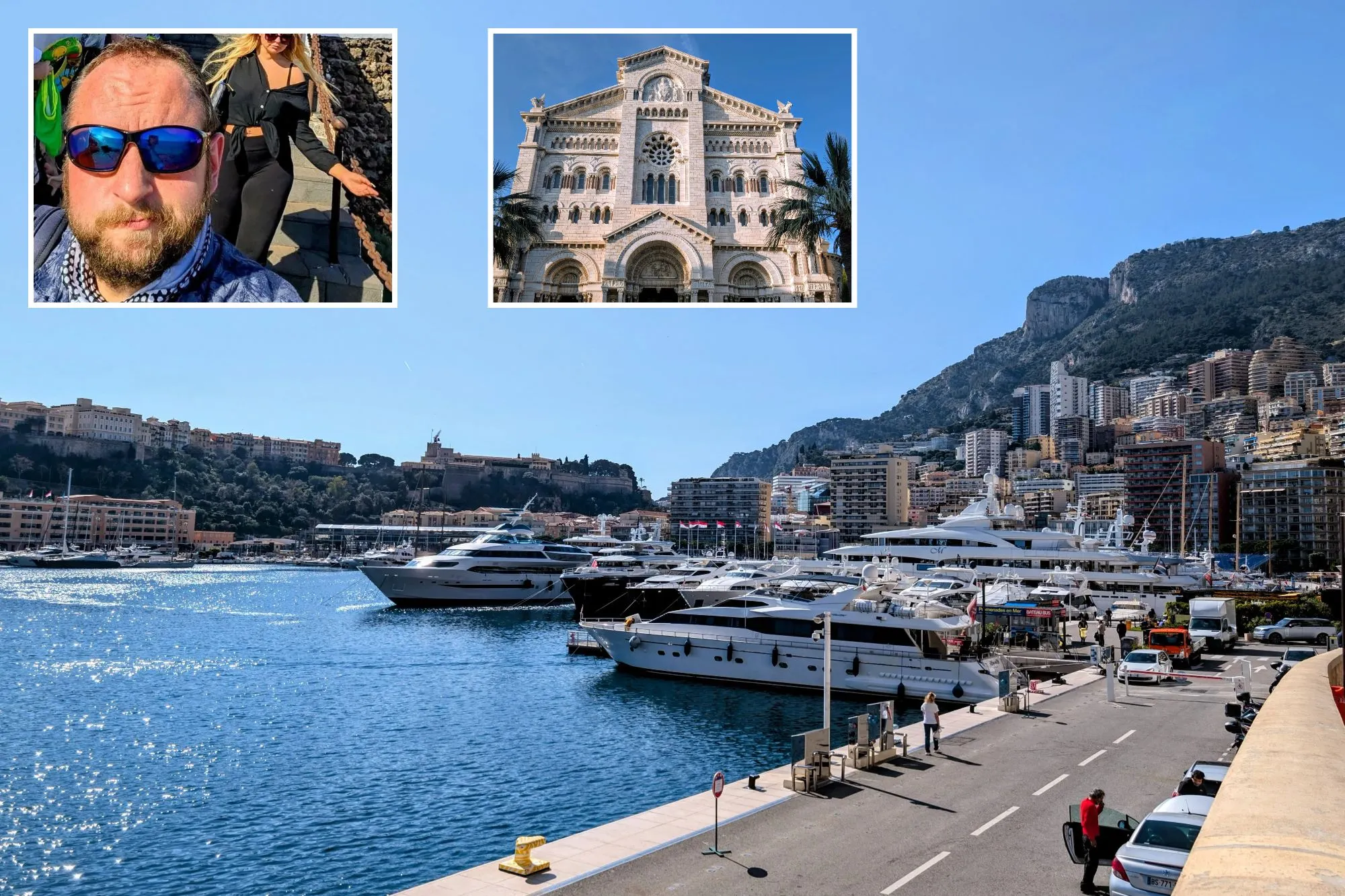
Aleksander Sikora, 41, wanted to visit both Nice and Monaco on his two days off.
Sign up for the Travel newsletter
Thank you!
Aleksander Sikora managed to visit two countries in one trip for under £100Credit: SWNSHe spent his first day exploring Monaco before going to NiceCredit: SWNSHe made sure to visit the free attractions to keep costs downCredit: SWNS
The dad-of-two, who lives in Farnham, Surrey, bought easyJet return flights from Gatwick to Nice for just £48 which departed on Friday, March 13, and returned the next day.
His pre-trip costs included £13 parking, and be paid £19 for a hostel in Nice before departing as well.
After arriving in Nice, he went straight to Monaco by train (£6) to explore the sights of the famous ‘microstate’ – known for its beautiful buildings and wealth.
He visited the area around Monte Carlo’s casino and saw the Promenade des Champions – golden footprints of award-winning footballers.
Aleksander said: “I went to The Cathedral of Our Lady Immaculate, which was free to enter, and I went to the Prince‘s Palace of Monaco on the hill.”
Aleksander fuelled up throughout the day on a packed lunch be brought with him, although did splash out on some pizza from a local market stall.
He got a train back to Nice – squeezing in a visit to the Notre-Dame de Nice in the dark – where he slept and then had breakfast at the hostel the following morning.
The £19-a-night cost amazingly even included a breakfast of croissants, baguettes and coffee for the bargain price.
Aleksander said: “I am from Poland and somehow one of the other men in the hostel was too.
“Another of the men from the hostel suggested to go to the Russian Orthodox Cathedral so the next day that was what I did.”
Entry was free there too, so he explored after stocking up with more snacks and drinks from a local supermarket.
He walked up to the Colline du Chateau, which offers panoramic views of Nice, and took in the sights.
Aleksander then visited a museum to get some more history of Nice, before a gentle walk back to the airport.
He said: “That was another six miles or so, but I just looked around the streets, chilled out and relaxed.
“I put my headphones in, and just thought about nothing, enjoying my break from work.”
After spending his second day exploring Nice, he got back to the airport to catch his 9pm flight back to Gatwick – and was in bed by 11:30pm, ready for work the next day.
He said it was the best way to see as place – as long as you don’t mind a lot of walkingCredit: SWNSHis hostel even included breakfastCredit: SWNS
Aleksander, a retail employee trainer, said: “I saw a lot of historical things, if you like that kind of history it’s great.
“I studied history for three years, it’s a passion of mine and there is lots to discover.
“I walked around 30 miles in two days, but I don’t mind. I just relaxed and enjoyed it.”
And the entire trip cost around £100 thanks to Aleksander’s savvy travelling methods and bringing his own food.
He added: “The main beauty of the trip was the architecture, all the different cultures.
“You can’t compare them but every place is unique, and you can find beauty everywhere.
Full cost of Aleksander’s trip
Return flight ticket – £48
Car park Gatwick – £13
Night in Nice with breakfast – £19
Train from Nice to Monaco – £6
Train from Monaco to Nice – £5
Half a pizza in Monaco – £3.50
Croissant & Coffee in Nice – £3
Supermarket water and snacks – £2
= £99.50
He was back in time for work the next dayCredit: SWNS
The FCDO has issued numerous warnings and advice for British citizens planning to travel to, or already in, affected countries. The latest was issued earlier this afternoon and covers 31 countries
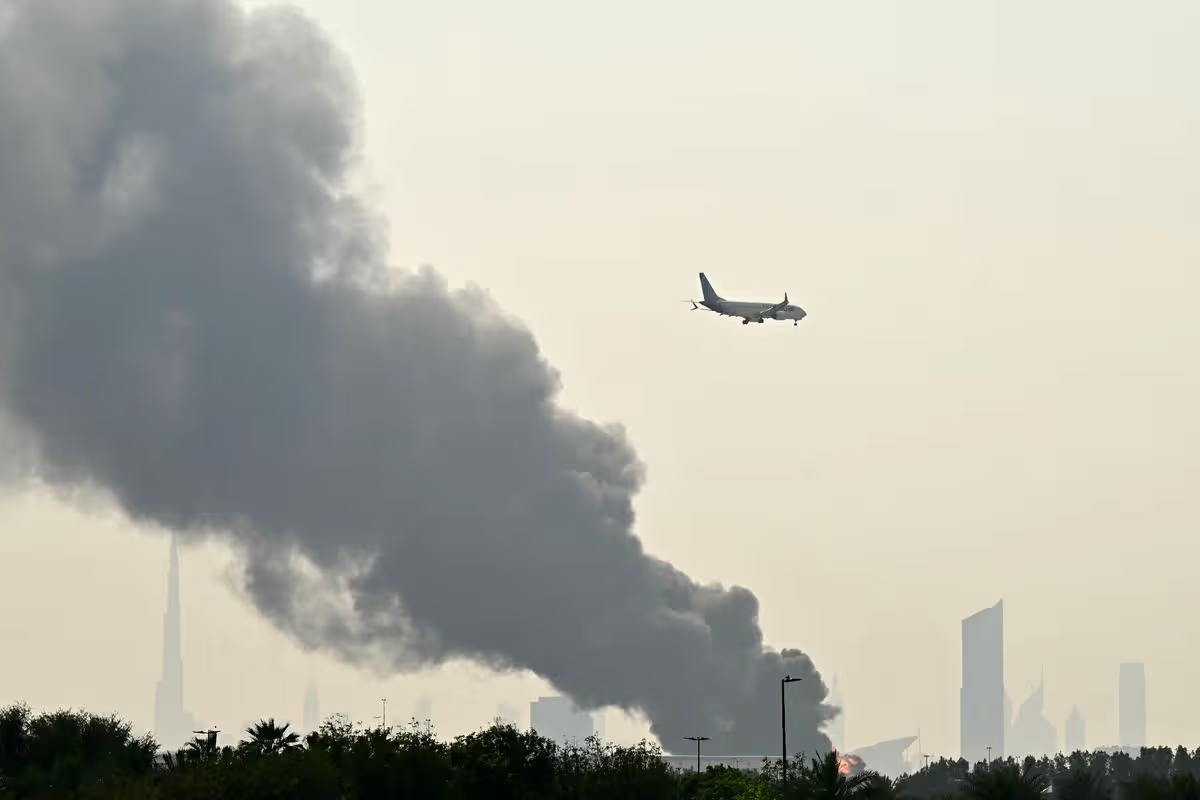
Israeli and US strikes on Iran over the past three weeks triggered a response that has grounded thousands of flights, killed more than 2,000 people and caused flight paths and ship routes to be shut down.
The FCDO has issued numerous warnings and advice for British citizens planning to travel to, or already in, affected countries. The latest was issued earlier this afternoon and covers 31 countries.
“Escalation in the Middle East has caused widespread travel disruption, including airspace closures, delayed and cancelled flights. Your travel plans may be affected, even if your destination is not in the Middle East,” the advice reads.
The FCDO advises that before travelling, UK passport holders:
check travel advice for any countries or territories you are transiting through
check for the latest updates from your airline or tour operator before travelling
review your travel insurance policy for coverage before you travel
monitor local and international media for the latest information and sign up for travel advice email alerts
Countries with updated advice
Singapore
Vietnam
Phillipinnes
Tuvalu
Laos
Thailand
Uzbekistan
New Zealand
Bangladesh
Australia
Indonesia
Brunei
Japan
Georgia
Tajikistan
Nepal
Maldives
Fiji
Malaysia
India
Papa New Guinea
Cambodia
South Korea
Samoa
Solomon
Tonga
Nauru
Vanutu
Marshall Islands
Kiribati
Sri Lanka
More than 1,300 people in Iran have been killed during the war. Israeli strikes against the Iranian-backed Hezbollah militant group in Lebanon have displaced more than 1 million people — roughly 20% of the population — according to the Lebanese government, which says more than 1,000 people have been killed. Israel says it has killed more than 500 Hezbollah militants.
In Israel, 15 people have been killed by Iranian missile fire. Four people were also killed in the occupied West Bank overnight by an Iranian missile strike, according to officials. At least 13 U.S. military members have been killed.
Iran announced the execution of three men detained in January’s nationwide protests, the first such sentences known to have been carried out, the judiciary’s Mizan news agency reported.
Today, three weeks since the war began, Iran intensified its attacks on oil and natural gas facilities around the Gulf.
The strikes, in retaliation for an Israeli attack on a key Iranian gas field, sent fuel prices soaring and risked drawing Iran’s Arab neighbors directly into the conflict. Tehran’s targeting of energy production further stressed global supplies already under pressure because of Iran’s stranglehold on the Strait of Hormuz, a strategic waterway through which a fifth of the world’s oil is transported.
Since the U.S. and Israel launched the war on Feb. 28, Iran’s top leaders have been killed in airstrikes and the country’s military capabilities have been severely degraded. Still, Iran — now led by the son of the supreme leader killed in the war’s opening salvo — remains capable of missile and drone attacks rattling its Gulf Arab neighbors and a global economy dependent on the energy they produce.
WASHINGTON — The State Department says it is adding 12 countries to an expanding list of nations whose citizens must post bonds of up to $15,000 to apply for U.S. visas.
Effective April 2, passport holders from Cambodia, Ethiopia, Georgia, Grenada, Lesotho, Mauritius, Mongolia, Mozambique, Nicaragua, Papua New Guinea, Seychelles and Tunisia will be required to pay the bond, which is refunded if the visa application is denied or, if granted, the person adheres to the terms of the visa.
After April 2, there will be 50 countries whose citizens are subject to the requirement, which was rolled out by the Trump administration last year as it cracked down on visa overstays and more broadly moved to curtail illegal migration.
Under the program, visa applicants from designated countries, many of which are in Africa, that have high overstay rates, have to post bonds of $5,000, $10,000 or $15,000 depending on their circumstances and the discretion of the consular officer processing the application.
“The visa bond program has already proven effective at drastically reducing the number of visa recipients who overstay their visas and illegally remain in the United States,” the department said, adding that almost 97% of the nearly 1,000 people to have posted the bond had not overstayed their visa.
The Foreign Office has updated travel advice for countries including UAE and Pakistan over the weekend, with 69 nations now carrying various levels of travel warnings
Steffan Rhys Deputy Content Hub Director and Ellen Jenne Senior U35 Spare Time Writer
07:25, 18 Mar 2026
The Foreign Office has updated travel advice for countries including UAE and Pakistan over the weekend, with 69 nations now carrying various levels of travel warnings(Image: Chalabala via Getty Images)
The UK Foreign Office has recently updated travel advice for countries including the United Arab Emirates (UAE) and Pakistan over the weekend. The Foreign Office (officially known as the UK Foreign, Commonwealth and Development Office (FCDO)) regularly updates travel guidance for the nation’s citizens and states that “with commercial flights resuming to the UK from United Arab Emirates (UAE), we are pausing our ‘register your interest in flights from UAE’ scheme”.
However, the UAE is still among the countries that the UK Government advises people should only travel to if essential. It is one of 69 countries with a travel warning attached to it for UK citizens, reports the Liverpool Echo.
Typically, the Foreign Office categorises its warnings into three classifications:
The Foreign Office advises against all travel to a country: this is its highest warning level
The Foreign Office advises against all travel to parts of a country.
The Foreign Office advises against all but essential travel to a country or parts of a country.
Countries where the Foreign Office recommends against all travel
Afghanistan, where British nationals face an elevated risk of detention.
Belarus, where “you face a significant risk of arrest if you have at any time engaged in any activity now considered illegal by the Belarusian regime”.
Burkina Faso, owing to “the threat of terrorist attacks and terrorist kidnap, and the unstable political situation in the country”.
Haiti, owing to a volatile security situation.
Iran, because of the ongoing Iran War. The FCDO warns: “If you are a British national already in Iran, either resident or visitor, carefully consider your presence there and the risks you take by staying. British and British-Iranian dual nationals are at significant risk of arrest, questioning or detention. Having a British passport or connections to the UK can be reason enough for the Iranian authorities to detain you.”
Iraq, due to recent escalation in regional conflict. The FCDO warns: “There is significant risk of further escalation, and events are fast-moving and unpredictable.”
Israel, due to the escalation in conflict in the region which poses significant security risks and has led to travel disruption.
Mali, owing to unpredictable security conditions.
Niger, owing to the increase in reported terrorist and criminal kidnappings of foreign nationals.
Palestine, owing to the ongoing conflict between Israel and Hamas.
Russia, owing to a heightened risk of British nationals being detained in Russia and the dangers and threats stemming from its continued invasion of Ukraine.
South Sudan, owing to the danger of armed conflict and criminal activity.
Syria, owing to uncertain security circumstances and the risk of terrorist incidents.
Yemen, owing to the devastation caused by an ongoing civil war and humanitarian catastrophes.
Countries to which the Foreign Office advises against all travel to certain areas
The 36 countries to which the Foreign Office advises against all travel to certain areas are:
Algeria: FCDO advises against travel to within 30km of Algeria’s borders with Libya, Mauritania, Mali, Niger and Tunisia.
Armenia: FCDO advises against all travel to within 5km of the entire eastern border between Armenia and Azerbaijan, owing to tensions between the two countries Azerbaijan: The FCDO advises against all travel within 5km of the border with Armenia.
Benin: The FCDO advises against all travel to border regions near Niger and Burkina Faso.
Burundi: The FCDO advises against all travel to a region where there is a rebel group and the risk of possible armed incursions from the Democratic Republic of the Congo (DRC).
Cameroon: The FCDO advises against travel to borders with Nigeria, Chad and the CAR.
Central African Republic: The FCDO advises against all travel to the entirety of the Central African Republic, excluding the capital, Bangui.
Chad: The FCDO advises against all travel to the northern provinces of Chad, among other regions.
Congo: The FCDO advises against all travel within 50km of the Republic of Congo-Central African Republic border.
Côte d’Ivoire: The FCDO advises against all travel within 40km of the borders with Burkina Faso and Mali.
Democratic Republic of the Congo: The FCDO advises against all travel within 50km of most of its northern and eastern border.
Djibouti: The FCDO advises against all travel to the Djibouti-Eritrea border.
Egypt: The FCDO advises against all travel within 20km of the Egypt-Libya border and the border with Israel and Gaza.
Eritrea: The FCDO advises against all travel within 25km of all of Eritrea’s land borders.
Ethiopia: The FCDO advises against all travel to anywhere near borders with Eritrea, Somalia, South Sudan, Kenya and Somalia.
Georgia: FCDO recommends against all travel to the Russian occupied territories of South Ossetia and Abkhazia.
India: FCDO recommends against all travel within 10km of the India-Pakistan border and the Union Territory of Jammu and Kashmir.
Indonesia: FCDO recommends against all travel to a number of volcanoes in Indonesia.
Jordan: FCDO recommends against all travel to within 3km of the border with Syria.
Kenya: FCDO recommends against all travel to the Kenya-Somalia border and northern parts of the east coast.
Lebanon: FCDO recommends against all travel to the vast majority of Lebanon.
Libya: FCDO recommends against all travel to Libya except for the cities of Benghazi and Misrata.
Mauritania: FCDO recommends against all travel to the eastern half of the country.
Moldova: FCDO recommends against all travel to Transnistria, a region bordering Ukraine.
Myanmar (Burma): FCDO recommends against all travel to most of Myanmar.
Nigeria: FCDO recommends against all travel to large parts of north-west and north-east Nigeria.
Pakistan: FCDO recommends against all travel to within 10 miles of the border between Pakistan and Afghanistan and some other areas.
Philippines: FCDO recommends against all travel to western and central Mindanao and the Sulu archipelago.
Saudi Arabia: FCDO recommends against all travel to within 10km of the border with Yemen.
Somalia: FCDO recommends against all travel to the vast majority of Somalia.
Sudan: FCDO recommends against all travel to the vast majority of Sudan Togo: The FCDO advises against all travel within 30km of the border with Burkina Faso.
Tunisia: The FCDO advises against all travel to parts of its border with Libya and Algeria.
Turkey: The FCDO advises against all travel within 10km of the border with Syria.
Ukraine: The FCDO advises against all travel to the vast majority of Ukraine.
Venezuela: The FCDO advises against all travel within 80km (50 miles) of the border with Colombia, within 40km (25 miles) of the border with Brazil and within 40km (25 miles) of the border with Guyana as well as some central areas.
Countries to which the Foreign Office advises against all but essential travel
The 19 nations to which the FCDO recommends against all but essential travel are listed below. The advisories may apply to either the entire country or specific regions within a country.
Cambodia: FCDO advises against all but essential travel to within 20km from the land border with Thailand.
Colombia: FCDO advises against all but essential travel to several parts of Colombia including the borders with Venezuela, Panama and Ecuador, and central Colombia.
Cuba: FCDO advises against all but essential travel to Cuba.
Ecuador: FCDO advises against all but essential travel to several parts of Ecuador, where a 30-day state of emergency was renewed on February 28 due to internal disturbance and armed violence.
Ghana: FCDO advises against all but essential travel to the Upper East region of Ghana.
Guatemala: FCDO advises against all but essential travel to within 5km of the Mexican border from the Pacific Coast up to and including the Gracias a Dios crossing, as well as to to the towns of Santa Ana Huista, San Antonio Huista and La Democracia.
Kosovo: FCDO advises against all but essential travel to a section of northern Kosovo.
Kuwait: FCDO advises against all but essential travel to Kuwait because of the escalating conflict in the Middle East.
Laos: FCDO advises against all but essential travel to Xaisomboun Province, where there are intermittent attacks on infrastructure and armed clashes with anti-government groups.
Malaysia: FCDO advises against all but essential travel to all islands and dive sites off the coast of eastern Sabah from Sandakan to Tawau, including Lankayan Island, due to the threat of kidnapping.
Mexico: FCDO advises against all but essential travel to multiple cities and regions in Mexico because of escalating violence due to conflict between drug cartels and government forces.
North Korea: FCDO advises against all but essential travel to North Korea, because “the level of tension on the Korean Peninsula remains high” even if “daily life in the capital city, Pyongyang, may appear calm”.
Papua New Guinea: FCDO advises against all but essential travel to certain provinces due to the high risk of tribal fighting.
Peru: FCDO advises against all but essential travel to areas near the border Colombia and elsewhere. There is a state of emergency in Peru.
Qatar: FCDO advises against all but essential travel to Qatar because of the conflict in the Middle East.
Rwanda: FCDO advises against all but essential travel to a section of the border with the Democratic Republic of Congo (DRC).
Tanzania: FCDO advises against all but essential travel to a section of the Tanzanian border with Mozambique, due to attacks by groups linked with Islamic extremism.
Thailand: FCDO advises against all but essential travel to parts of the south near the Thailand-Malaysia border and all but essential travel to within 20km of the land border with Cambodia.
United Arab Emirates: FCDO advises against all but essential travel to the UAE, which includes Dubai and Abu Dhabi, because of the conflict in the Middle East.
Several Gulf energy producers have declared force majeure on oil and gas shipments after disruptions to shipping through the Strait of Hormuz due to the US-Israeli war on Iran. Al Jazeera’s Alma Milisic explains what the legal term means and how it could affect global energy markets.
March 14 (UPI) — President Donald Trump on Saturday said that a coalition of nations affected by Iran choking off the Strait of Hormuz will send warships to open it back up.
Trump said that although the United States and Israel have “destroyed 100% of Iran’s military capability” in its war in Iran, its attempt to close the strait — by attacking ships and possibly laying mines along the shipping route — is affecting global trade.
Iran started to limit traffic in the strait since the war started two weeks ago and on Thursday, Iran’s new supreme leader, Mojaba Khamenei, said it would remain closed as a tactic to pressure the United States and Israel to end their attacks on the country.
The Strait of Hormuz is a significant global trading route, and sees roughly 20% of the global oil and fuel supply pass through it every day.
“Many countries, especially those who are affected by Iran’s attempted closure of the Hormuz Strait, will be sending War Ships, in conjunction with the United States of America, to keep the Strait open and safe,” Trump said in a post on Truth Social, Axios and The Guardian reported.
“Hopefully China, France, Japan, South Korea, the UK, and others, that are affected by this artificial constraint, will send Ships to the area so that the Hormuz Strait will no longer be a threat by a Nation that has been totally decapitated,” Trump said.
On Friday, several news organizations confirmed with the Department of Defense that the USS Tripoli, an amphibious assault ship that was operating in the Philippine Sea, is headed to the Middle East.
The Tripoli brings with it 2,500 Marines of the 31st Marine Expeditionary Group, along with 2,500 more sailors, after U.S. Central Command requested additional military options for the conflict.
The 31st MEU can conduct ground operations, which the Trump administration has not ruled out in Iran, but Joint Chiefs of Staff Chair Gen. Dan Caines told reporters at a press conference that the Pentagon plans to go after Iran’s mine-laying capability and its ability to attack commercial vessels.
An Iranian man raises a portrait of new supreme leader Mojtaba Khamenei during a rally on Revolution Street in Tehran on March 9, 2026. Photo by Hossein Esmaeili/UPI | License Photo
The Foreign, Commonwealth and Development Office (FCDO) has been refreshing its travel advice for nations across the globe amid ongoing conflict in the Middle East, continuing to wreak havoc on international movement.
Beyond severely disrupting travel plans, the ongoing crisis is set to have far-reaching consequences for inflation, interest rates and commodity markets. British citizens have already been airlifted from Oman, the United Arab Emirates, and neighbouring regions, with Whitehall organising charter flights to repatriate nationals safely.
Those most at risk will receive priority booking on these evacuation flights, with the Foreign Office pledging to reach out to anyone who has registered their whereabouts in the affected zone, reports the Liverpool Echo.
In its guidance covering numerous Middle Eastern nations, the Foreign Office said: “Regional escalation poses significant security risks and has led to travel disruption. Stay away from areas around security or military facilities. Follow the instructions of the local authorities and monitor local and international media for the latest information.”
The advice went on: “If local authorities advise you to take shelter, stay indoors or move to the nearest safe building immediately. The greatest risk is from falling debris caused by intercepts, and you are safest inside a secure structure.
“Choose an interior stairwell or a room with as few external walls or windows as possible for additional protection.”
Political strife, natural calamities and safety issues are among the factors leading the UK Foreign Office to advise Brits against travelling to certain locations.
Afghanistan
Travel to Afghanistan is strongly discouraged. The security climate is unpredictable, with previous tensions between Afghanistan and Pakistan resulting in violent skirmishes in border areas.
Travelling across Afghanistan poses extreme risks, and several border crossings are currently closed.
The likelihood of British nationals being detained in Afghanistan is significantly high. If you’re a Brit and find yourself detained in Afghanistan, you could be looking at a lengthy prison sentence spanning months or even years.
The FCDO’s capacity to assist you is severely restricted, and in-person support in Afghanistan is not feasible.
Belarus
The FCDO strongly advises against all travel to Belarus. If you’ve ever participated in activities now deemed illegal by the Belarusian regime, you run a substantial risk of arrest.
There’s also a minor risk that direct conflict related to the war in Ukraine could spill over into Belarus.
In the unlikely event of conflict breaking out, the FCDO’s ability to aid British nationals will be drastically limited. Ignoring advice from the FCDO could invalidate your travel insurance.
Burkina Faso
The FCDO advises against all travel to Burkina Faso due to the threat of terrorist attacks and kidnappings, coupled with the country’s unstable political situation.
There is no British Embassy in Burkina Faso and all consular support is provided from the British Embassy in Accra, Ghana. They cannot provide in-person assistance.
If there is serious violence, unrest or a deterioration in the security situation, it could be difficult to leave safely.
Haiti
The FCDO advises against all travel to Haiti owing to the unstable security situation. There are currently no British consular officials in Haiti and its ability to provide consular assistance is severely limited and cannot be delivered in person in Haiti.
If you choose to travel to or remain in Haiti against FCDO advice, attempt to avoid all crowds and public events, and take appropriate security precautions.
Iran
The FCDO advises against all travel to Iran. If you are a British national already in Iran, either resident or visitor, the Foreign Office said: “carefully consider your presence there and the risks you take by staying”.
British and British-Iranian dual nationals face significant risk of arrest, questioning or detention. Possessing a British passport or links to the UK can be reason enough for the Iranian authorities to detain you.
Iraq
The FCDO advises against all travel to Federal Iraq and the Kurdistan Region of Iraq. This is due to recent escalation in regional conflict.
There is significant risk of further escalation, and events are fast-moving and unpredictable. The Foreign Office said: “Regional escalation poses significant security risks and has led to travel disruption. The border crossing from Iraq into Kuwait is closed.
“British nationals wishing to cross into Kuwait must contact the British Embassy in Kuwait 24 hours in advance. The British Embassy will share names and passport details with the Ministry of Foreign Affairs who will determine entry.”
Israel
The FCDO advises against all travel to Israel and Palestine: “Regional escalation poses significant security risks and has led to travel disruption. Stay away from areas around security or military facilities.”
Britons should inform the UK government of their presence in Israel, and register if they’re in the region for ongoing updates. You should adhere to instructions from local authorities and keep abreast of local and international media for the most current information.
Mali
The FCDO advises against all travel to Mali in its entirety owing to volatile security conditions. If you’re currently in Mali, you should depart “immediately” via commercial flight if you deem it safe to do so.
“The international airport in Bamako is open, and commercial flights are available. Do not try to leave Mali by overland routes to neighbouring countries as this is too dangerous. This is due to terrorist attacks along national highways.”
There remains a significant threat of abduction and criminal behaviour throughout Mali, including within the capital city of Bamako.
The Foreign Office warned: “If you choose to remain in Mali, you do so at your own risk. You should have a personal emergency plan that does not rely on the UK government.”
Niger
The FCDO advises against all travel to Niger. Officials said: “This is due to the rise of reported terrorist and criminal kidnappings of foreign nationals which have taken place this year in Niger. There is an ongoing risk of terrorist attacks throughout Niger including in the capital, Niamey.”
Support for British nationals is extremely limited in Niger. Assistance is delivered remotely from the British Deputy High Commission in Lagos.
Face-to-face help is unavailable. Should serious violence, civil unrest or a worsening security situation occur, departing safely could prove challenging.
Palestine
The FCDO advises against all travel to Israel and Palestine. UK citizens currently in the region should inform the Government of their whereabouts in Palestine and register their presence to receive ongoing updates.
Should you determine it’s safe to proceed and intend to use commercial departure options, verify the latest information from your airline or tour operator, alongside guidance from local authorities and the status of border crossings prior to travelling.
The Foreign Office cautioned: “The situation could escalate quickly and poses significant risks. Regional tensions may cause international borders (air and land) to close.”
Russia
The FCDO warns against all travel to Russia owing to the dangers and threats stemming from its ongoing invasion of Ukraine, including security incidents such as drone strikes and Russian air defence operations, a shortage of flights back to the UK, and restricted capacity for the UK government to offer assistance.
The Foreign Office said: “There is an increased risk of British nationals being detained in Russia, including if the Russian authorities suspect you of engaging in or supporting activities against Russian law, even if activities took place outside Russia.”
South Sudan
The FCDO warns against all travel to South Sudan due to the threat of armed violence and criminal activity.
“The political and security situation remains unpredictable. Political tensions are high and the security situation across the country could deteriorate rapidly and unpredictably.
“If the unstable security situation deteriorates, routes into and out of South Sudan may be blocked. Juba airport may close or be inaccessible. Flights may be cancelled at short notice.”
Syria
The FCDO warns against all travel to Syria owing to volatile security conditions and the risk of terrorist attacks. Consular support is unavailable from the British government within Syria.
The FCDO may learn of assistance offered by other organisations which can be shared with British nationals. Should you require help, contact the FCDO in London on +44 (0)20 7008 5000.
Yemen
The FCDO warns against all travel to Yemen in its entirety owing to unpredictable security conditions. The guidance states: “If you’re in Yemen, you should leave immediately.”
Assistance for British nationals is extremely restricted in Yemen. The British Embassy in Sana’a has suspended operations, with all diplomatic and consular personnel evacuated.
The UK government is unable to assist British citizens departing Yemen. No evacuation arrangements are currently in place.
Should you decide to stay in Yemen, you ought to keep movement around the country and within urban areas to a minimum, stay informed about changes in the local security landscape and observe other safety measures.
Gulf countries, including Qatar, Bahrain and Kuwait, have declared force majeure on gas exports following the United States-Israel war on Iran, now in its third week, and the disruptions to shipping through the Strait of Hormuz, as Tehran has retaliated across the region, targeting US assets.
QatarEnergy was among the first to halt production, shutting down gas liquefaction on March 2 and sending ripples through global energy markets. Kuwait Petroleum Corporation and Bahrain’s Bapco Energies followed days later, while India invoked emergency measures to redirect gas supplies to priority sectors.
Oil prices also soared to more $100 a barrel as war intensified and uncertainty grew over energy shipments through one of the world’s most critical maritime chokepoints.
Here’s what we know about force majeure and what Gulf countries invoking it means for global oil and gas markets.
What is force majeure?
Force majeure, from the French meaning “superior force”, is a clause in contracts that allows a party to be excused from its obligations when an event beyond its control prevents performance.
This legal move can allow a party to suspend its obligations temporarily, be released from them partially or fully, or adjust them to reflect the new circumstances.
Why are Gulf countries invoking force majeure?
Companies in Qatar, Kuwait and Bahrain have invoked it following severe disruptions to shipping through the Strait of Hormuz caused by US-Israeli military strikes against Iran that started on February 28.
Following these attacks, a commander in Iran’s Islamic Revolutionary Guard Corps (IRGC) said on March 2 that the Strait of Hormuz was closed and warned that any vessel attempting to pass through would be attacked, a statement echoed by Iran’s new supreme leader, Mojtaba Khamenei, on Thursday.
As a result, Gulf companies started invoking force majeure, in order “to avoid paying damages or other financial penalties under their contracts”, Ilias Bantekas, a professor of transnational law at Hamad bin Khalifa University in Qatar, told Al Jazeera.
“These companies are most likely unable to fulfil their obligations, for example, to deliver shipments of oil and gas to other countries, or for shippers to transport them across the Arabian Gulf,” he said.
Does war automatically qualify as force majeure?
No. For war to qualify as force majeure, it must either be covered by the contract or actually prevent one or both parties from performing their obligations.
Companies and states typically include force majeure clauses that define which events qualify, meaning that when force majeure is invoked, the parties rely on provisions they previously agreed upon.
“War can always be foreseen, but perhaps not at the level at which it is being waged right now,” Bantekas said, adding that under general contract provisions, ships carrying goods are usually expected to find another route, “even if it is more costly to them”.
“What we could never have foreseen is that the Strait of Hormuz could be closed to shipping altogether, even if Iran were attacked in the brutal way it is now. I think that, on its own, could be sufficient to constitute a force majeure event,” he said.
“However, only a court would have the authority to make a definitive determination as to whether this kind of war, under these particular circumstances, amounts to force majeure,” he added.
Will LNG and oil markets be affected?
Yes. QatarEnergy’s declaration of force majeure alone has already significantly disrupted the global LNG market, as Qatar accounts for nearly 20% of global supply.
Gas prices soared immediately following the country’s halt of gas production, and global gas markets are expected to experience shortages for weeks, if not longer.
“The lack of visibility over the likely duration of force majeure, and of the broader military conflict, is injecting extreme uncertainty into global oil, gas and LNG prices,” Seb Kennedy, global gas and LNG analyst, told Al Jazeera.
“Prices will necessarily keep rising as volumes are withheld from the market, until price pain triggers demand destruction in price-sensitive areas of the economy,” he noted.
Which other countries have invoked force majeure?
On Tuesday, India invoked force majeure to redirect gas supplies from non-priority sectors to key users after disruptions to liquefied natural gas shipments through the Strait of Hormuz, according to a government notification.
But India’s measures are a “domestic demand-management response”, Kennedy said, as its government is relocating its limited gas supplies internally “to protect critical sectors such as households, small businesses, power generation and city gas distribution”.
(Al Jazeera)
Kennedy said the move reflects the difficult choices facing LNG-dependent economies, where governments may prioritise households and power generation over industrial users.
This prioritisation of LNG for domestic use “highlights the tough choices facing LNG-dependent countries”, he noted.
Aside from India, Omani trading house OQ also declared force majeure to a customer in Bangladesh after the Qatari supply was halted.
How will this affect US and European markets?
US LNG exporters are likely to benefit from the disruption. Analysis by Energy Flux estimates that US LNG exporters could generate about $4bn in windfall profits in the first month of the disruption alone.
If the situation persists, “US LNG windfall profits could reach $33bn above the pre-Iran average within four months. Over eight months, that figure rises to $108bn,” says Kennedy.
(Al Jazeera)
These gains largely come at the expense of European consumers, Kennedy notes, as Europe is the main destination for US LNG and remains heavily reliant on those supplies to refill gas storage and ensure winter supply security.
European stock markets fell last week, while the region’s natural gas prices rose sharply again.
What does this mean for Asian markets?
Major Asian economies such as India, China and South Korea rely heavily on imported LNG.
On the other hand, Southeast Asia alone has significant fossil fuel resources, but the region still depends heavily on imported oil and gas, much of which is transported through the Strait of Hormuz.
“Wealthier buyers such as Japan and South Korea can generally outbid others to secure cargoes during periods of extreme scarcity,” Kennedy said, noting that price-sensitive importers, especially in South and Southeast Asia, tend to be “forced out of the market” whenever prices soar, “leading to demand destruction, fuel switching, or industrial curtailment”.
“In that sense, the crisis does not hit all LNG importers equally: It becomes a contest of balance sheets as much as a question of physical supply.”
Can force majeure be challenged?
If a force majeure clause is written in the contract, then it stands because the parties have consented to it.
Contrary to that, if it has not been written in the contract, then any unforeseen event would potentially be open to legal challenge, and it becomes a matter of convincing the courts that the event could never have been foreseen and that it makes obligations on one of the parties impossible to perform.
“However, in the present circumstances, the stronger parties – the ones waiting for deliveries of oil and gas elsewhere in the world – may actually be harming themselves if they refuse to accept force majeure,” Bantekas said.
“Doing business with Gulf countries could become more difficult in the future, and premiums would likely rise significantly. So, I do not think they will be taking these matters to court,” he noted.
The UN Security Council has passed a resolution put forward by Gulf Cooperation Council members calling on Iran to halt its attacks on Gulf countries. The measure was adopted with 13 votes in favour and two abstentions, while no member states voted against it.
The executive director of the International Energy Agency Fatih Birol said he is glad to see IEA’s 32 member countries unanimously agree to release 400 million barrels of oil from its emergency stockpile.. File Photo by Ole Berg-Rusten/EPA-EFE
March 11 (UPI) — The International Energy Agency agreed to take emergency action and release 400 million barrels of oil into the market, the coalition announced Wednesday.
The 32 members of the IEA unanimously agreed to tap into their emergency reserves in response to the strain on the oil market from the war in Iran.
“The oil market challenges we are facing are unprecedented in scale, therefore I am very glad that IEA member countries have responded with an emergency collective action of unprecedented size,” Fatih Birol, IEA executive director, said in a statement.
“Oil markets are global so the response to major disruptions needs to be global too. Energy security is the founding mandate of the IEA, and I am pleased that IEA members are showing strong solidarity in taking decisive action together.”
The IEA said oil will be released to the market “over a timeframe that is appropriate to the national circumstances of each member country.”
The release of emergency reserves is the sixth in the coalition’s history since being founded in 1974.
Japanese Prime Minister Sanae Takaichi said Wednesday that Japan plans to begin releasing oil from its stockpile possibly next week. Japan is an IEA member.
Oil prices soared after the United States and Israel launched military operations against Iran. Iran has threatened vessels traveling through the Strait of Hormuz, a critical route in the oil trade, in response.
About 25% of the world’s seaborne oil is transported through the Strait of Hormuz.
The IEA has an emergency stockpile of more than 1.2 billion barrels of oil, There are 600 million additional barrels obligated by member governments.
Sen. Markwayne Mullin, R-Okla., speaks to the press outside the U.S. Capitol on Thursday. Earlier today, President Donald Trump announced Mullin would replace Kristi Noem as Secretary of the Department of Homeland Security. Photo by Bonnie Cash/UPI | License Photo
Motorists around the globe are already feeling the impact of the United States and Israel’s war on Iran, with fuel prices sharply rising since the war began.
In the US, a gallon of regular petrol that averaged $2.94 in February now costs $3.58, marking a 20 percent increase, according to data from AAA Fuel Prices, a retail fuel price tracker from the American Automobile Association (AAA).
While each US state sets its own petrol prices, several states have surpassed $4 per gallon, with California exceeding $5 per gallon, the highest level it has been in more than two years.
Which countries have the sharpest petrol price increases?
According to data analysed from Global Petrol Prices, a data platform that tracks and publishes retail energy prices across approximately 150 countries, at least 85 countries have reported increases in petrol prices following the initial attacks on Iran by the US and Israel on February 28. Some nations announce price changes only at the end of each month, so higher prices are expected for many others in April.
Vietnam recorded the highest petrol price increase of nearly 50 percent, rising from $0.75 per litre of 95-octane on February 23 to $1.13 on March 9. Laos follows with a 33 percent increase, then Cambodia at 19 percent, Australia at 18 percent, and the US at 17 percent.
The table below shows the countries that have increased petrol prices at the pumps.
Asian countries pay the biggest price
Asia is disproportionately dependent on the Strait of Hormuz for the delivery of its oil and gas, which has been effectively closed since the start of the war. The strait joins the Gulf – also referred to as the Persian Gulf and the Arabian Gulf – to the Gulf of Oman and is the only passage for the region’s oil producers to the open ocean.
Japan and South Korea are among the most vulnerable, importing 95 percent and 70 percent of their oil from the Gulf, respectively.
Both East Asian nations have enacted emergency measures to stabilise their energy markets. On March 8, Japan instructed its oil reserve sites to prepare for a potential release of strategic reserves. The next day, South Korea introduced a maximum price cap on petrol and diesel for the first time in 30 years.
In South Asia, the impact of the war is more severe than in East Asia because countries like Pakistan and Bangladesh have much thinner financial buffers and smaller strategic reserves.
In an attempt to conserve energy, Bangladesh‘s government has ordered all public and private universities to close immediately. In Pakistan, government offices will now operate a four-day workweek, while schools have closed, and a 50 percent work-from-home policy has been enacted to save fuel.
In Europe, the Group of Seven finance ministers convened an emergency meeting to discuss rising prices, with French President Emmanuel Macron raising the possibility of releasing 20-30 percent of emergency strategic reserves to ease the pressure on consumers.
How high oil costs drive up the price of food
Oil prices and food prices move in lockstep, with energy prices affecting every stage of the food supply chain, from the fertilisers used in the fields to the trucks that carry food from field to supermarket shelf.
Rising oil prices also directly affect shipping and the cost of transport.
“The lifeblood of the global economy is transport,” economist David McWilliams told Al Jazeera. “It’s getting stuff from A to B – it’s a logistics problem, a supply chain problem, and ultimately transportation is the energy of the global economy.”
Fears of stagflation – increasing inflation and rising unemployment, which major oil shocks have historically summoned – are rising. Economists point to the crises of 1973, 1978 and 2008 as evidence that every significant spike in oil prices has been followed, in some form, by global recession.
In lower-income countries, where populations spend a far greater share of their income on food and import large quantities of grain and fertiliser, rising oil prices could rapidly translate into food shortages.
What products are made from oil and gas?
Oil and gas are used for far more than just fuel. They are raw materials for thousands of everyday products.
Plastics, including water bottles, food packaging, phone casings and medical syringes, are all derived from crude oil.
Crude oil is also the hidden ingredient in synthetic fabrics such as polyester, nylon and acrylic, which are used to make everything from sportswear to carpets. It also underpins the cosmetics industry, as it is used to make products such as petroleum jelly (Vaseline), lipsticks and concealers.
Household items also rely on oil-based ingredients, with laundry detergents, dishwashing liquids, and paints all derived from petroleum products.
The global food supply is essentially built on natural gas in the form of fertilisers, used to enhance crop yields and ensure that food production can meet demand.
Mohammed bin Abdulaziz al-Khulaifi also says Qatar and Oman cannot act as mediators while under attack.
Published On 11 Mar 202611 Mar 2026
Share
Qatar’s minister of state for foreign affairs has called for a de-escalation in hostilities across the Middle East and urged Iran and the US to return to the negotiation table for a mediated solution.
Speaking to Al Jazeera in an exclusive interview, Mohammed bin Abdulaziz al-Khulaifi said that Iran’s attacks on its regional neighbours bring “benefit for no one”.
Recommended Stories
list of 4 itemsend of list
Iran has responded to a nearly two-week-long bombardment campaign from the United States and Israel by firing missiles and drones at its neighbours in the Gulf region and beyond, causing casualties, damaging critical infrastructure and severely disrupting the region’s energy-driven economy.
Al-Khulaifi said Qatar remains “extremely worried” about the wider range of attacks, including against civilian infrastructure.
“It’s unfortunate where we are standing right now,” the minister said.
“We also believe that there is no pathway to a sustainable and long-lasting solution other than returning to the negotiation table,” he told Al Jazeera.
Qatar condemns in the “strongest terms, the unjustified and outrageous attacks on the state of Qatar that directly impact its own sovereignty”, he said.
Doha will continue to take “every possible and legal measure to defend and practise its exercise of self-defence against this aggression”, he added.
Al-Khulaifi said the conflict demands a “global solution” to ensure that the Gulf’s energy supply chain keeps moving through the Strait of Hormuz, where global traffic has been severely disrupted by the conflict.
Ensuring freedom of movement through the waterway is “very critical,” he noted.
It is notable, Al-Khulaifi pointed out, that Iran has targeted countries such as Qatar and Oman, which had previously served as regional mediators and tried to “build bridges between Iran and the West”.
Neither country can play that role as long as the attacks continue, he said.
“We will not be able to fulfil that role under attack, and that’s something the Iranians need to understand.”
Qatari Prime Minister Mohammed bin Abdulrahman Al Thani tried to convey those points during a phone call with Tehran several days ago, the foreign minister said, when he urged Iran to cease attacks on its neighbours.
“The regional countries are not an enemy of Iran, and the Iranians are not understanding that idea,” Al-Khulaifi told Al Jazeera.
Doha also remains in contact with officials in the US and has encouraged US President Donald Trump to cease hostilities, he said.
“Our line of communication is always open with our colleagues in the United States, and we keep encouraging and supporting the pathway of peace and resolving conflicts through peaceful means.
“We really hope that the parties can find that pathway, end military operations, and return to the negotiation table.”
The voyage departs from Barcelona in November 2027 and will take guests to the most remote destinations
World’s longest cruise where guests are at sea for years launching in 2027(Image: Villa Vie Residences)
One of the longest continuous cruises on the planet is Villa Vie Residences’ World Uncharted voyage, which is due to set sail in 2027. Passengers aboard the Villa Vie Residences will explore more than 100 countries across five continents over 301 days.
The extraordinary cruise will transport guests to some of the most isolated destinations, from the Amazon to Antarctica, the Panama Canal and Greenland. The 301-day journey, with prices starting from approximately £27,000 or $119 (£90) per day, will depart from Barcelona, Spain, in November 2027 and conclude in London in 2028.
World Uncharted will take holidaymakers “from Europe’s grand capitals to the icy frontiers of Antarctica, the wild beauty of the Amazon to the serene villages of Northern Europe”.
Kathy Villalba, CEO of Villa Vie Residences, said: “In our eighth month of sailing with full-time Residents, we’re proud to introduce our boldest adventure yet. World Uncharted embodies how far we’ve come-and just how far we’re going.”
Passengers can remain on board for up to five years, or buy a cabin and make it their “forever” home, as the company provides a “3.5-year continuous world journey, repeating,” reports the Express.
Accommodation includes complimentary weekly cleaning and laundry service, and each villa is tailored for long-term life at sea, with storage solutions such as wardrobes and cabinets. The cruise also boasts refined restaurants, a spa, theatre, fitness centre, pickleball courts, a business centre and even a medical centre with experienced healthcare professionals.
Villa Vie Residence provides holidaymakers with the chance to transform it into a lifelong adventure by purchasing a villa at sea with five-year ownership.
The firm explained: “You will enjoy your own villa for an extended chapter of exploration, comfort, and community. It’s a refined way to embrace a global lifestyle with every detail taken care of. The Villa Vie Ownership program presents an affordable opportunity – starting at only $129,999 (£97,772). Rent or sell your villa at any time.
“ogether, our pathways meet you where you are: Ownership for full-time living on board the ship, Golden Passport with age-advantage pricing for lifetime residency, Month-to-Month with Rent-to-Own for flexible stays, and Home Suite Home, limited side-by-side villas for extra space and comfort.”
Iran’s President Masoud Pezeshkian has apologised for attacking neighbouring countries, in a pre-recorded address released on state television. Within minutes of the statement’s release, an explosion was heard over Doha, as attacks on Gulf nations continue.