EUROPE is full of amazing destinations, but sometimes going to the top spots means battling hoards of crowds and forking out lots of cash.
It doesn’t have to be this way though.
Rough Guides has found some top spots for swapping busier destinationsCredit: Getty
Instead of heading to somewhere everyone else is going, there are some great alternatives where you will be free from throngs of selfie-stick welding tourists and overpriced restaurants.
A direct flight to La Rochelle from the UK takes just over an hour, with flights costing from £16.99 per way.
Swap Prague for Ljubljana
Ljubljana, Slovenia is dubbed “one of Europe’s most relaxed metropolises” by Rough GuidesCredit: Alamy
Dubbed “one of Europe’s most relaxed metropolises” by Rough Guides, Ljubljana is a smaller city to Prague but has no crowds.
Instead of battling shoulder-to-shoulder with other tourists for a glimpse of Charles Bridge in Prague, you can head to Ljubljana’s Triple Bridge before heading to a cosy cafe.
You’ll get the same cobblestones, castle views and cheap beer in Slovenia‘s capital compared to Prague, but with the added benefit of some of Europe’s cleanest air.
It is also a great city for art fans, with a number of museums and street art. It takes about two hours to fly from the UK to Ljubljana, with flights costing from £32 a way.
Swap Munich for Stuttgart
In Stuttgart, you can visit Wilhelma which is Europe’s largest zoological and botanical gardenCredit: Alamy
Those heading to Munich often head to the beer halls.
But just two hours away via train, Stuttgart has lively wine taverns as well as Cannstatter Volksfest – a 17-day annual folk festival considered to be the world’s second largest beer festival after Munich’s Oktoberfest.
And if you feel like you are missing out on the BMW museum in Munich, you can head to not one, but two car museums in Stuttgart – the Mercedes-Benz and Porsche museums.
Make sure to also visit Wilhelma which is Europe’s largest zoological and botanical garden, with a number of vineyards nearby.
Similar to Munich, the city also has a vibrant central hub called Schlossplatz, where you will find the New Palace as well as loads of shops to explore.
It takes under two hours to fly from the UK to Stuttgart, with flights costing from £44 a way.
Swap Santorini for Aland Islands
The Aland Islands in Finland are made up of 6,700 islandsCredit: Alamy
Santorini is a dream destination for many of us, but with so many people heading to the destination each year, it feels a little more like another spot overwhelmed with tourists.
Instead, head to the sunniest spot in Northern Europe – the Aland Islands.
While technically part of Finland , the region is made up of 6,700 autonomous islands.
With white sand beaches just like you’d expect on Greek islands, the islands offer the ideal holiday for getting away from crowds but still getting beach days and scenic spots – but also with a cheaper price tag.
To make it even better, there are saunas and steam rooms across the islands to venture into.
And if you like to keep active, there are a ton of activities to explore including kayaking, hiking and climbing.
The capital of the islands is Mariehamn, which has wooden houses as well as the moated Kastelholm Castle.
To get to the islands, you’ll need to book a stopover flight to Mariehamn, which from the UK costs from £92 per way.
Swap the Algarve for Comporta
Comporta is dubbed the ‘Hamptons of Portugal’Credit: Alamy
If you want the golden beaches of the Algarve but want to miss the bustling resorts, head to the ‘Hamptons of Portugal‘ – Comporta – which is a village on Alentejo’s Sado estuary.
Comporta is made up of seven small villages, mostly full of small fishermen’s cabanas.
Beaches are backed by pine forests and cosy tavernas where you can pick up a beer for as little as €1.50 (£1.29).
It is also a protected nature reserve with sand dunes and rice paddy fields home to flamingos and wild dolphins.
But unlike the Algarve, the pace of life is slower here and you won’t find bars full of rowdy people.
To get to Comporta, you’ll need to fly to Lisbon which costs from as little as £18 per way and then you’ll need to drive around an hour and 20 minutes to Comporta.
Swap Corfu for Ksamil
Ksamil is only 1.2-miles from CorfuCredit: Alamy
Corfu might immediately come to mind when you think of glistening turquoise waters and pristine sand beaches, but you’ll also get this in Ksamil.
Known as the Albanian Riviera, Ksamil has an abundance of pretty beaches that lack the crowds found in Corfu.
Just 1.2 miles from Corfu, you’ll get similar weather as well as a number of small islands that you can even swim to.
The destination also has history to discover including public baths that date back further than the ancient Greek period.
Ksamil also lacks the bustling clubs of Corfu, so ideal for a more relaxing break – plus it is as much as 50 per cent cheaper than a holiday in Corfu.
The best way to get to Ksamil is by flying into Corfu which costs from £15 per way, and then it’s a two-hour drive to Ksamil.
Swap Capri for Procida
Procida is often dubbed Capri’s smaller and quieter cousinCredit: Alamy
Often considered Capri’s smaller and quieter cousin, the tiny island of Procida sits off the coast of Naples and can easily be explored in its entirety without the crowds of Capri.
On the island’s cliffs you’ll find hidden medieval towns and fishing villages, such as Marina di Corricella, which is completely car free and has brightly coloured houses.
Another spot to visit in Procida is Terra Murata, which is the oldest walled village in the region and sits on the island’s highest point.
And don’t worry, you won’t miss out on beaches either with dark volcanic sand spots with crystal clear waters.
There are rules in place that also stop Procida from becoming overdeveloped, so instead of expensive, flashy hotels you can stay in a fisherman’s cottage.
The best way to get to Procida is by flying to Naples costing from £16 per way, and then hopping on a ferry for an hour.
Swap Stockholm for Malmo
In Malmo, the food scene is thriving and there are a number of craft breweriesCredit: Alamy
Instead of heading to Stockholm when in Sweden, visit the country’s third-largest city – Malmo – where you’ll find hidden squares and pretty beaches.
The city is much-loved for its food including meatballs, falafel and ramen.
You can also head to a number of coffee spots and craft breweries.
Much like Stockholm, the food scene is thriving – but you’ll get cheaper prices and less crowds.
You can also tie it in with a visit to Copenhagen in Denmark, which you can easily reach with a 30-minute train ride.
Flights to Malmo take under two hours and cost as little as £21 per way.
Swap Mykonos for Pelion Peninsula
The Pelion Peninsula is fill of hidden villages with stone mansionsCredit: Alamy
Sitting east from the Greek mainland, you’ll find the Pelion Peninsula – a vibrant region with an abundance of nature and hiking spots.
Instead of ferry loads of people heading to the beach, you’ll find quiet coves devoid of sunbeds.
You could even head to Damouchari, which was where Mamma Mia! was filmed.
Key villages to visit on the Peninsula include Makrinista with amazing views of the region, the mountainous village of Tsagarada and Millies, a traditional settlement.
And for a fraction of the cost of a Mykonos villa, you can stay in a historic stone mansion in some of these villages.
The best way to get to the Pelion Peninsula is by flying to Thessaloniki costing from £26 a way, and then driving three hours to the Peninsula.
Swap Copenhagen for Aarhus
Aarhus – which is Denmark’s second city – is dubbed the ‘City of Smiles’Credit: Alamy
When people think of heading to Denmark, the first choice is often Copenhagen but the country’s second city is on the up.
Aarhus – also dubbed the ‘City of Smiles’ – is known for its cobblestone streets and medieval feel.
Throughout the city you can see half-timbered houses as well as head to the Old Town Museum, which is the world’s first open-air museum dedicated to urban history and culture.
Crowned European Museum of the Year 2026, you can explore 75 historic buildings that have been relocated from 20 different Danish towns.
For more history, head to Denmark’s largest cathedral dating back to the 12th century and home to the largest collection of medieval frescoes in the country.
Accommodation and food in the city will set you back less than in Copenhagen while direct flights to Aarhus take under two hours and cost from £16 per way.
FORGET garden centres, DIY jobs and lazy weekends at home – a growing number of Brits are flying to European cities for just a few hours before heading home the very same day.
Called “extreme day tripping,” the new trend is thanks to cheap return flights costing less than a meal out.
Sign up for the Travel newsletter
Thank you!
More Brits than ever are going on extreme day trips to Europe – including Emily Benham (pictured)Lisa Houston raved about how easy they are too
These adventurous travellers manage to squeeze in croissants in Paris, canal cruises in Amsterdam and pizza in Milan without booking a hotel room.
Lisa Houston, from Edinburgh, caught the extreme day trip bug after taking her son to Paris in January.
“My son had recently split up from his girlfriend and I wanted to give him something completely different to look forward to,” she said.
“He hadn’t been abroad since he was seven, so I surprised him with a day trip to Paris.
“We saw Les Invalides: Napoleon’s Tomb, sailed down the Seine, ate croissants in a little Parisian cafe and stood gazing at the Eiffel Tower. He absolutely loved it.”
The pair flew out at 7am and returned home the same evening.
“The flights were about £100 each, but you can often get them much cheaper,” Lisa said. “It was enough time to enjoy the city without feeling rushed.”
The trip sparked a love for Lisa and has since ticked off Amsterdam, Copenhagen, Milan and Dublin, with Barcelona, Paris and Poland still to come later this year.
One of her biggest bargains was Copenhagen, where she managed to secure return flights for just £34.
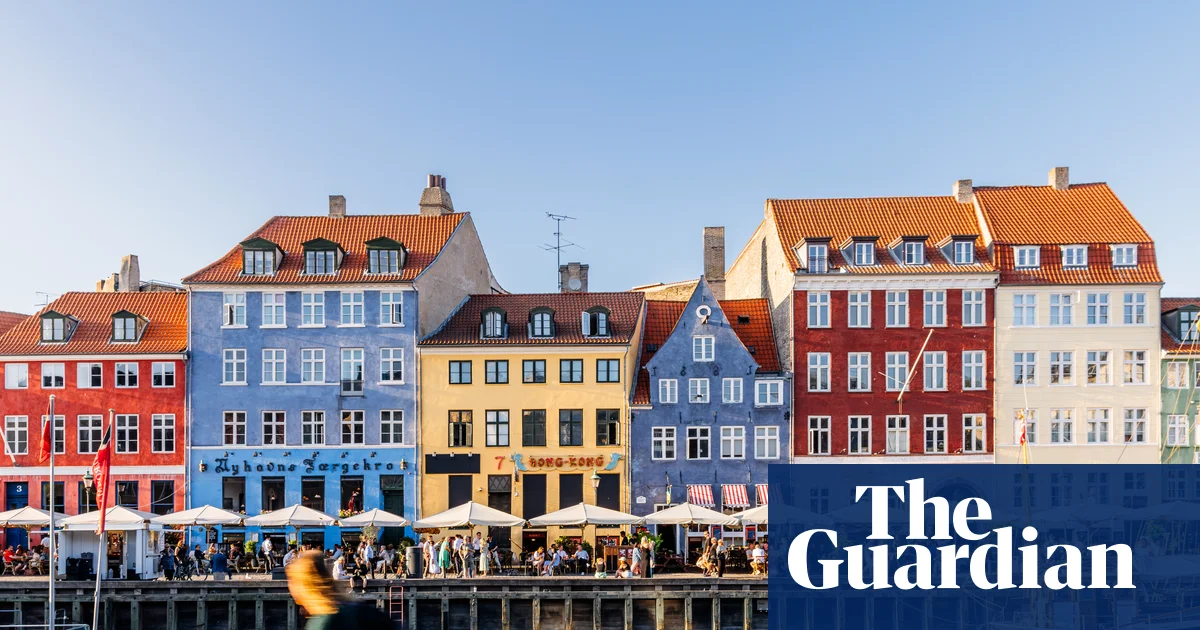
After spotting photos of the colourful waterfront district of Nyhavn on Instagram, Lisa booked the trip and spent the day exploring the Danish capital.
Places like Copenhagen often have cheap flights and easy-to-navigate streetsCredit: Alamy
“By lunchtime I was sitting outside a cafe with Nyhavn behind me,” she said.
Despite the early starts – often leaving home before 3am to catch the first flight – Lisa insists it’s worth every minute.
“I treat the whole day as the adventure, not just being in the destination,” she said.
Like other Extreme Day Trippers, Lisa gets some inspiration from a Facebook Group of like-minded people but said the appeal fitting in holidays around busy schedules.
“I’ve got a busy job, a granddaughter living with me, elderly parents and caring responsibilities,” she said.
“Sometimes I just need a day that’s all about me. Telling people that I’m ‘off to Paris to have lunch’ is my vibe these days.”
She estimates most of her trips cost around £150 in total, including flights, food and attractions.
“I think it’s brilliant value for money – in a couple of hours you’re somewhere you’ve never been before, seeing things you’ve only dreamed of. That’s priceless.”
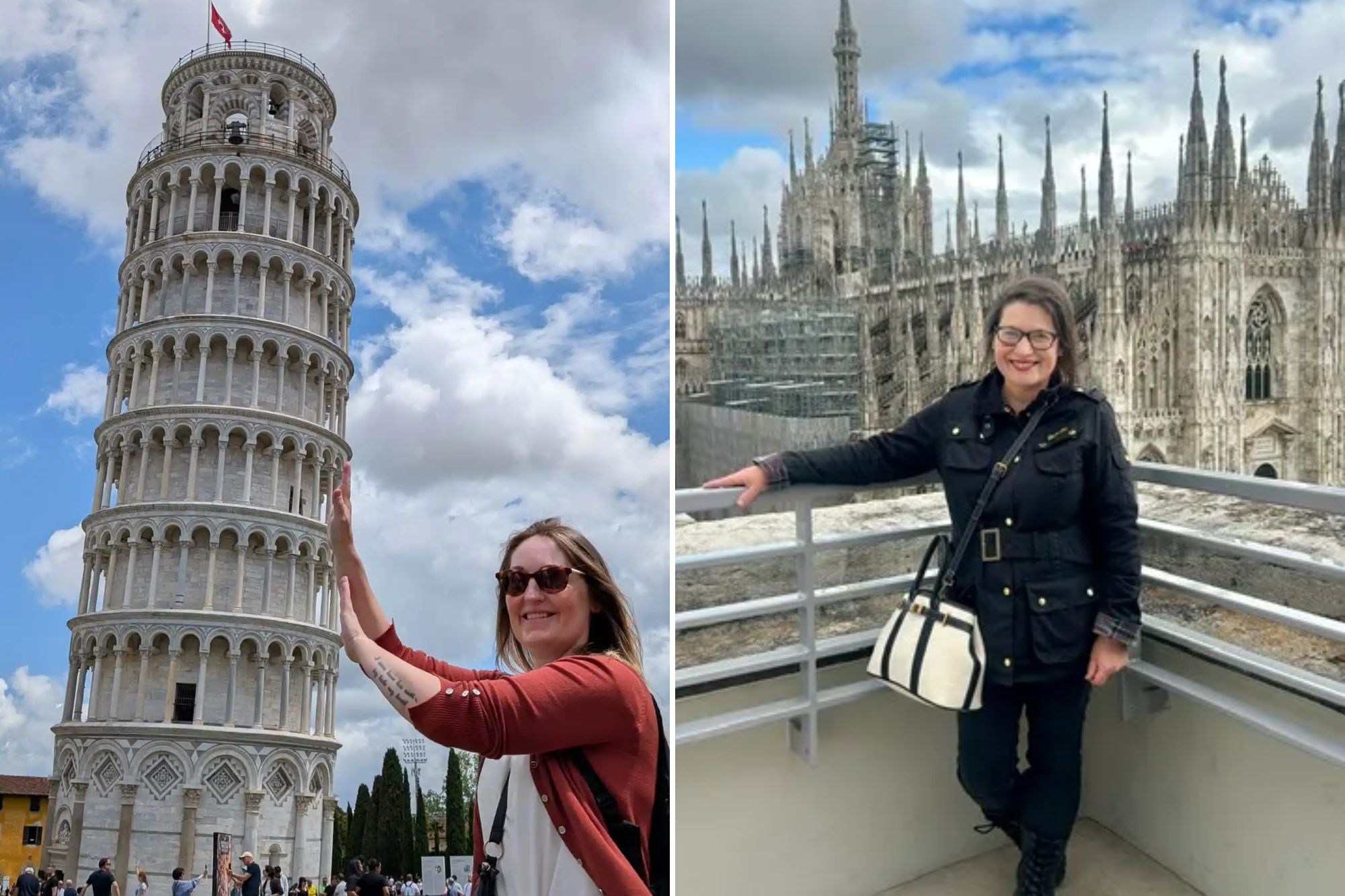
“We left home at 4am and arrived in Pisa at 11am,” she said.
Cassie Goodfellow said you can fit in more than you think in a day
“Our flights were £125 each – I would have preferred them to be £75 or under as I think part of the fun is keeping it as cheap as possible but my daughter chose the destination and it was worth it.”
“A highlight was seeing the Leaning Tower for the first time. It was breath-taking.”
The pair spent eight hours exploring the city, visiting the cathedral, eating pizza and wandering the back streets before heading home that evening.
“It was my first extreme day trip and I’ve already booked another one to Frankfurt with my brother and sister,” she said.
For Cassie Goodfellow, from Bathgate, an extreme day trip was the perfect way to celebrate turning 40.
After spotting inspiration online, she booked a return flight to Copenhagen and spent 12 hours exploring the city solo.
Even places like Pisa can be done for the dayCredit: Alamy
“Most people thought I was a bit crazy,” she admitted.
“They couldn’t understand why I’d travel abroad for just a day or the fact I was doing it solo, But the memories and experience made it worthwhile.”
Flights cost just £63 return, while her total spend for the day came to around £160.
“The highlight was wandering Copenhagen’s beautiful streets and landmarks,” she said.
“I was surprised by how much I managed to fit into one day.”
Looking back, she says it was one of the best things she has ever done.
“There’s something exciting about proving you can have a meaningful travel experience in a single day,” she said.
It was praised for both its stability and security, citing its “old-fashioned sense of security”.
It explained: “Young children walk to school unaccompanied by their parents, huge events take place every week without major disorder, and crime rates are consistently low.
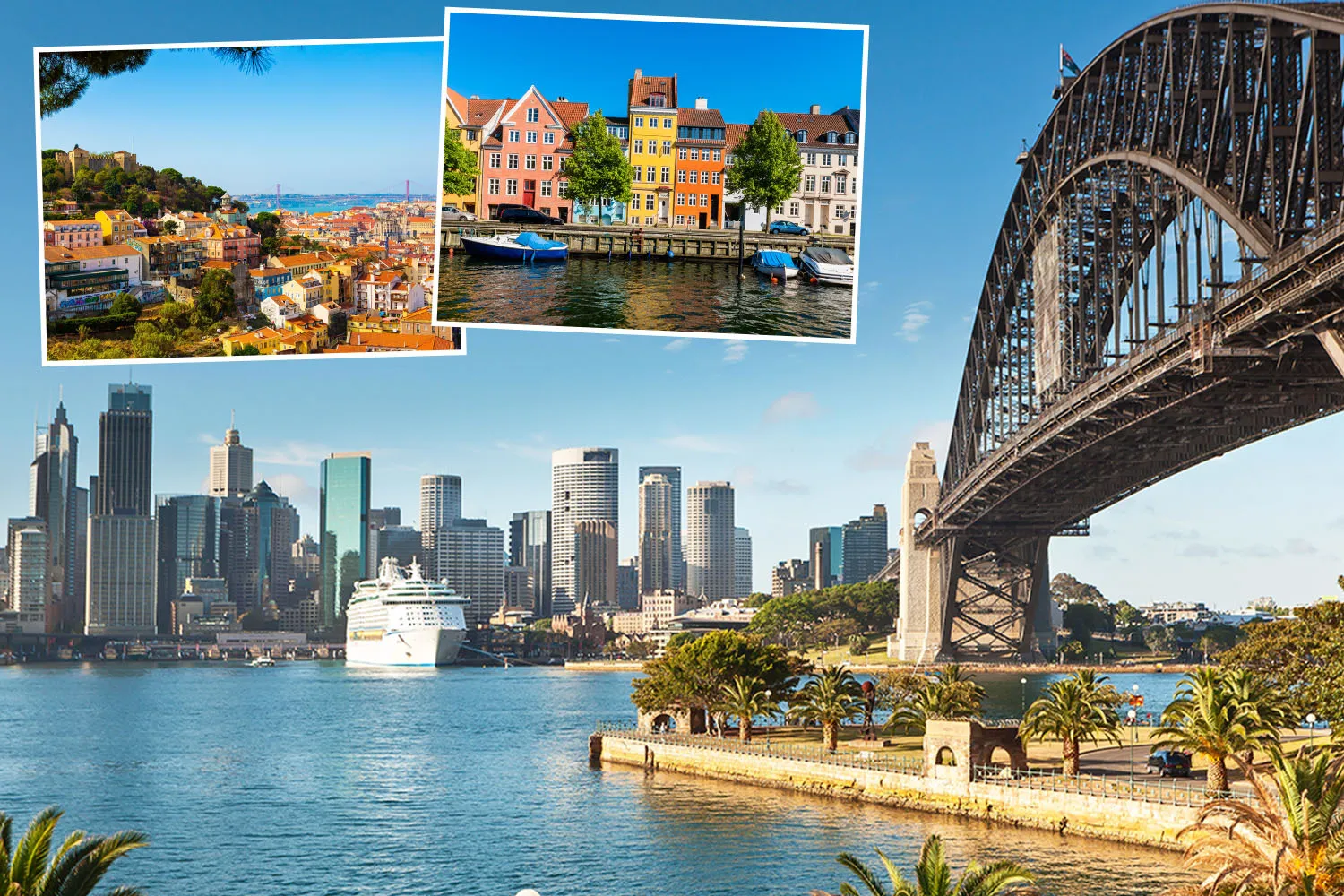
Tokyo came in first, with its safety highly praisedCredit: AlamyLisbon’s strong sense of community put it into third placeCredit: Alamy
“Tokyo should celebrate being such a well-mannered metropolis but its exemplary conduct is never taken for granted.”
However, a number of European cities made the top 20 list.
In second place was Copenhagen, citing its “booming restaurant and sauna scene” as well as its low crime rate and urban cycling schemes.
This was followed by Lisbon in third place, for it’s great public transport and local communities.
Sydney was one of the few outside of Europe to make the top 20Credit: Alamy
Lisbon has even become one of the top expat destinations in the world.
Coming in fourth was Vienna, followed by Sydney in 5th.
Other European entries to make the top 10 include Zurich (6th), Madrid (7th), Paris (8th), Munich (9th) and Oslo (10th).
Stockholm, Barcelona, Milan, Amsterdam and Helsinki all snuck into the top 20.
It has to be Københavns Bageri; they upgrade beloved Danish classics using the best ingredients. The cardamom buns are second to none, but the “potato cake” – that’s a choux bun filled with vanilla custard and topped with a cocoa-dusted marzipan disc to resemble a potato – might be my favourite. MF
For bread, go to Tír Bakery in the morning and stand in line – they sell out every day, but their bread is the best. For croissants, go to Bageriet B and sit outside and enjoy a good filter coffee. TH
Tempting pastries at Juno the Bakery. Photograph: Juno the Bakery
Hands down, Juno the Bakery. Founded by pastry chef Emil Glaser, the space was designed so you can see the bakers at work. What makes it special is the level of technique and consistency; they’re known for their cardamom buns, which are buttery, fragrant … perfect, and their sourdough and croissants are flawless. I usually order a cardamom bun, perhaps a pistachio croissant (if it’s available), and a sourdough roll with comté. Then I sit with a coffee and watch the production. KB
My go-to right now is Albatross & Venner in Torvehallerne. We have our original taqueria nearby, so I love walking over to grab a quick pastry – usually the spandauer – before work. I love that they’re baking every day in this tiny space, serving pastries that are often still warm from the oven. Insider tip: they sell fresh baguettes, which is rare in the city. RS
Coffee
Det Vide Hus on Gothersgade, Copenhagen. Photograph: Boaz Rottem/Alamy
Det Vide Hus in the heart of Copenhagen is a hidden gemmuch loved by locals, and it’s a favourite breakfast spot among Copenhagen chefs. Everything from seasonal pastries to the decadent ice-cream bars are made in house. MF
I am a bit of a traditionalist when it comes to coffee; I never understood why filter coffee became a pour-over, so I go to one of Original Coffee’s places and order traditional beans. For an independent place, go to Enghave Kaffe for some Danish hygge – the coffee is really good, as is the BMO (bun with cheese and butter). TH
Copenhagen is incredibly lucky when it comes to coffee. If I’m near Sanchez restaurant, I’ll go to Prolog Coffee Bar in the Meatpacking District because the coffee is always excellent, the team are lovely, and the atmosphere feels relaxed but focused. If I’m looking to sit and have a pour-over moment, I love April Coffee. RS
Breakfast
Classic … coffee and pastry at Andersen & Maillard. Photograph: PR Image/Andersen & Maillard
Apotek 57, located inside the Frama store, is one of the prettiest eateries in Copenhagen. Chef-owner Chiara’s Italian roots are at the heart of her food, with an emphasis on seasonal vegetables, fragrant herbs and a generous drizzle of olive oil. Try the porridge with apple, thyme and Piedmont hazelnuts. MF
Cycle to Nordhavn and start at Andersen & Maillard. Get a BMO, coffee and pastry – a classic Danish breakfast – then cycle to nearby Skudehavnen, where you’ll find small fishing huts, boatsheds and a harbour. It’s a pocket from the past; find a tranquil spot at one of the piers, have your breakfast and dip your toes in the water. TH
Atelier September is an effortless meeting point between design, creativity and good food. I love the breakfast selection: eggs, avocado, vegetarian dishes – all delicious. There’s an energy; you feel connected to the city’s cultural pulse simply by sitting there. KB
I don’t typically go out for breakfast, but if I do, I love Amator, where they specialise in omelettes served with slices of bread and wonderful sides. The menu is small, but they’re dedicated to making everything the best it can be, which I always appreciate. Get the omelette with chilli, and always end with a lemon tart. RS
Cheap eats
Relaxed and with genuinely good food … Slurp. Photograph: Tim Lusher
There are so many great choices, but nothing beats soaking up the sun with a wedge of Diamond Slice pizza and a glass of wine. Even pineapple haters succumb to the Canadiana with fermented pineapple, ham and pickled jalapeños. MF
It’s hard to decide what I love most, books or food, but it is heaven when they go together. Brøg Litteraturbar has a great selection of both Danish and English titles, and a nice small cafe where they do an excellent lunch for a fair price. I get the tart or soup of the day, and this is hygge and full of love. TH
One of my favourite spots for a laid-back weekday meal is Slurp. Its ramen is exactly the kind of comfort I crave when I don’t feel like cooking: pure flavour and thoughtful but unfussy toppings. I’d recommend the house pork bone broth with chashu, spring onions and a soft‑boiled egg, or go for the miso‑based bowl for something a little lighter. It’s the sort of place I’d take my family for something quick and easy – relaxed and with genuinely good food. KB
I highly recommend Poulette and their spicy fried chicken sandwich. They’ve been around for some years now and are always consistent: very tasty, deeply comforting, and extremely filling and affordable. The sandwiches are made with their own spicy blend, the chicken is marinated in-house, and the crust somehow stays crisp. I also love that there’s nothing quite like it in Copenhagen. To elevate things beyond a quick meal, grab a glass of wine next door at Pompette and enjoy it outside. RS
Splurge meals
When I feel like spoiling myself, one of the best places is the newly renovated Krogs Fiskerestaurant overlooking the canals at the old fish market. It uses classic French techniques with the best local seafood and seasonal produce to make the most delicious food. The menu changes often but if you see anything with beurre blanc and four types of roe, choose that! MF
A local classic … Rhubarb and seaweed at Krogs Fiskerestaurant. Photograph: PR Image/Krogs Fiskerestaurant
Mikkel Mårbjerg is one of a few chefs that represent modern Danish cooking – they call VIE in Nordhavn a modern inn. He gets his produce from his daughter’s regenerative farm, and you feel his love of vegetables. They cook cabbage like only a few do, served with langostino and bisque, and their potato bread with löjrom and creme fraiche is a must. If sandart (a local freshwater fish) is in season, please try it, and then finish with the almond cake and ice-cream – it’s divine. TH
For fine dining, it has to be Geranium. There’s a clarity and precision in every dish that’s hard to find elsewhere. Located on the eighth floor of Parken Stadium, overlooking Fælledparken, it holds three Michelin stars and is an experience from start to finish. The concept centres on a plant‑forward tasting menu, and the attention to detail is extraordinary. The pacing, the wine pairings, the service – everything is perfectly in sync. The bread course, with whipped butter and seasonal oils, and its signature raw scallop dish, have stayed with me. KB
I would definitely go to Akmē; it’s not necessarily three-star Michelin expensive, but it feels like a splurge (in the best way). I love that you simply go with the menu and let the team cook – there’s a real sense of trust in the experience. The food feels creative, and the hospitality is warm and genuine. Lately, it has become one of my favourite places for a special occasion, or even just to go to feel inspired. RS
One of the best dinner spots in “the meat town” is fishy. Kødbyens Fiskebar, which sits under a fresco of a bull at the entrance to the old meat market, serves incredibly pretty dishes in this buzzy but unpolished food quarter: brill with a deep blush of rhubarb, topped with samphire and chive blossoms; bright orange roe crowned with scarlet nasturtium petals, to heap on a seaweed waffle; prawns in a buttermilk sauce marbled with emerald herb oil. It all looks exquisite and it’s not a hearty menu, although you could go for, say, the mussels steamed in a cream-laden cider.
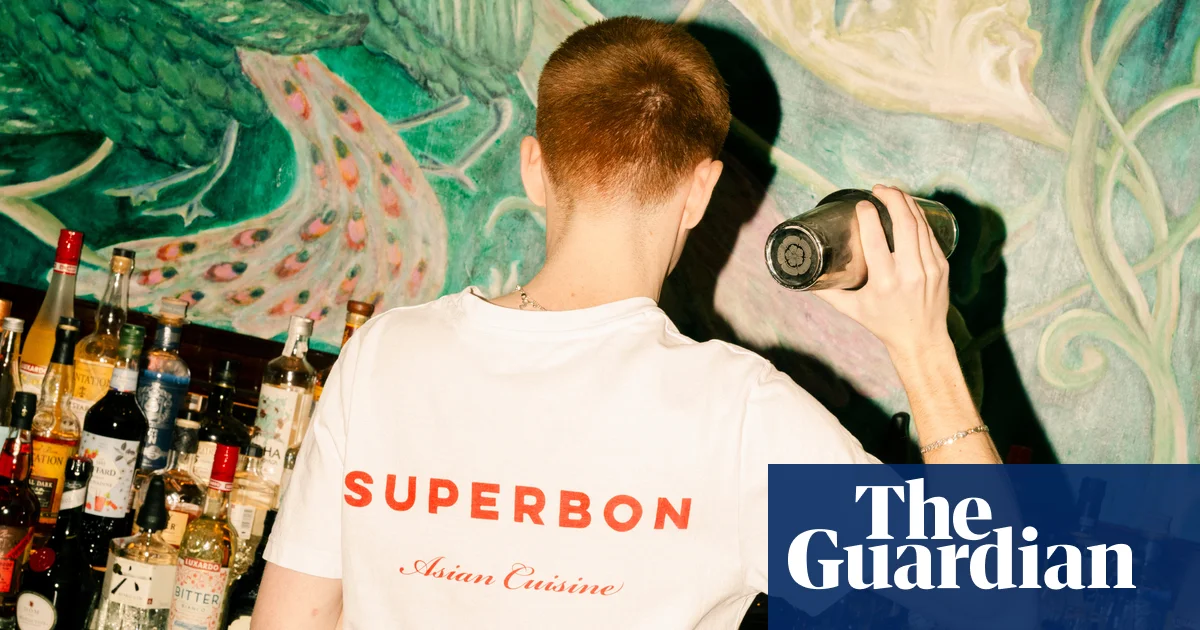
Dolly Parton once said: “It takes a lot of time and money to look this cheap.” The nearby Superbon has only been around a few years but has the vibe of a generations-old family business, with its seemingly random but carefully curated 1970s velvet-and-chrome decor and 80s video games arcade on the way to the bathroom. The menu is Asian, delicious and affordable by Copenhagen standards – pork gyoza, soft-shell crab, lychee salad, bao with hoisin duck and pickled daikon, huge chicken leg with green sambal. Afterwards, go for an ice-cream at Ismagieret – the menu changes but you might try the amarena cherry or the marzipan with pistachio ganache. Young visitors could end their evening in one of the packed bars but you could also start your day with a cheese roll or a cardamom croissant at Hart Bageri, one of the bakery’s eight branches in the city. Opposite is Prolog Coffee, which has a range of speciality beans from Peru, Colombia and Kenya, and a small selection of Juno pastries, saving you from the social influenza of the queue at their Østerbro shop. TL
Cocktails
There are many great cocktail bars in Copenhagen, but none like Geoffrey Canilao’s crazy, cosy bar, Balderdash. The motto is: “Keep it hygge.” The Blonde Ambition with gin, elderflower, cardamom and bergamot is a forever favourite. MF
K-bar was one of the first places to take cocktails seriously in Copenhagen, and I’ve been coming here since it opened. I like to go there early for a classic negroni – there’s beautiful outside seating in the summer with a view to the old town. For a wine bar, I like Ancestrale, which is organic certified. I go here for a glass of red wine and cheese with hazelnuts and brown butter – one of its classics. TH
I go to Tadaima to dream as much as I do to buy pieces for my ever-growing collection of kitchenware. From porcelain egg cups to sculptural shelving systems, everything is carefully curated with a Japanese/Scandinavian minimalist aesthetic. It also has pieces from one of my favourite craftsmen/artists, the Danish glass blower Nina Nørgaard. MF
The best kitchen shop I know is Kunst og Køkkentøj in the centre of Copenhagen. Competent staff, a great cookbook selection, a specially made baking tin for rye bread, knives, baking equipment, and the best large tweezer I know. They wrap everything in brown paper, and you feel special when you leave the shop. TH
I like to visit Frama for homeware; I’m really drawn to the balance between warmth and simplicity in its designs. And I especially appreciate a lot of its soaps and scents. Frama is also associated with a number of restaurants and cafes that they have designed, so it’s always interesting to see how they curate spaces and atmospheres that feel calm and lived in. RS
I didn’t realise I was a fussy eater until I left Denmark. During 12 years of living Danishly, with regular trips to the capital, I just … liked most things. Danes specialise in high-quality, organic produce, eaten as close to its natural state as possible. Denmark has very specific, diverse climatic conditions, making seasonal eating a science. Forget root vegetables in autumn and strawberries in summer – we’re talking micro seasons, week to week, with cabbage, kale, apples, potatoes, berries and rye a speciality. None are around for long, but when they are, they’re fabulous – and the seasonal Nordic diet has been proven to be as healthy as the renowned Mediterranean diet and better for the planet. No wonder Copenhageners look so smug.
But the city’s food scene hasn’t always been so good. Many who grew up in the 1970s and 1980s report being reared on canned food and frozen vegetables, with pork and potatoes, smørrebrød (open sandwiches) or junk food making up much of the offerings. (You’re never far from a pølservogn, or “hot dog wagon”, in Copenhagen – doling out bright red wieners baked in their own bready prophylactic.)
New wave … Kødbyens Fiskebar sits in the heart of the Meatpacking District. Photograph: Kødbyens Fiskebar
The capital’s culinary offerings finally got a facelift when Copenhagen was made European capital of culture in 1996. Then came Noma. Chefs René Redzepi and Claus Meyer turned a former warehouse in Christianshavn into a restaurant in 2003, named after a combination of the Danish words nordisk (Nordic) and mad (food). Noma eschewed the Mediterranean bias in fine dining at the time in favour of homegrown Danish produce. The following year, they brought together fellow chefs to develop a set of principles to help Nordic food move forward. Just as Dogme ’95 took things back to basics in film, the New Nordic Kitchen Symposium vowed to focus on the raw materials of cooking – using local, often foraged, seasonal produce.
After an 18-hour-long workshop, chefs formulated the New Nordic Kitchen manifesto. It’s outline: to express “purity, freshness, simplicity and ethics” by prioritising “ingredients and produce whose characteristics are particularly excellent in our climates”, and helping to “promote Nordic products and producers”. And it worked – encouraging everyone to up their game and influencing chefs globally. Copenhagen began hoarding Michelin stars (30 at last count), but in the kitchen, pressure built. Redzepi acknowledged as far back as 2015 that he had been a bully who “yelled and pushed people”, then in March this year he resigned from Noma amid allegations of physical and verbal abuse.
Noma alumni … Propaganda is run by former Noma chef Youra Kim. Photograph: Giulia Fontana/Propaganda, Copenhagen
What made Redzepi’s fall so spectacular was that it collided with Noma’s image as a progressive, sustainably driven, Danish restaurant. There’s no doubt that Noma helped normalise ideas of seasonality, foraging and ingredient-led storytelling in fine dining (sometimes it was more of a Ted Talk than a meal), but innovation can’t come at the cost of accountability. There’s hope that Redzepi will act as a cautionary tale for other chefs contemplating how to run their kitchens – with Noma alumni now heading up dozens of restaurants in the city, from Propaganda (run by Youra Kim, former chef), to Kødbyens Fiskebare (Anders Selmer, former restaurant manager) and the ubiquitous Bæst (Christian Puglisi, former sous chef).
Today, there’s still an emphasis on quality and attention to detail – from ingredients to cutlery, crockery and even candlesticks. Service culture has improved (you might get a smile now) and restaurants book weeks in advance, so it pays to plan ahead. Eating out in Copenhagen isn’t cheap, mind, but every bakery allowed to thrive in the city will have affordable options. And there’s nothing like biting into some dense, buttered rye topped with whatever’s in season as the sun bounces off the water that slices the city (hard recommend: Aamanns). .
Copenhagen is more relaxed than other capitals and more human in scale, dominated by four- to six-storey buildings, and biking Vikings outnumbering cars in the city. With hyper-local menus, climate-conscious cooking and a devotion to detail, it is still, in the words of Danny Kaye, “wonderful”.
Travelling to Copenhagen – what to do when you’re not eating
Imposing … Copenhagen’s iconic city hall. Photograph: arcady_31/Getty Images/iStockphoto
Where to stay
Steps from food market Torvehallerne, stylish Kong Arthur Hotel prides itself on offering a local feel with morning saunas and a social running club for guests. Double rooms start at £202 per night, two-night minimum stay. In Nordhavn, the newly opened Hotel Frihaven has 28 rooms and is well located for a morning swim. Double rooms start at £170. For a budget option, Next House, close to the foodie-orientated Meatpacking District in Vesterbro, has compact double rooms from £138.
Things to do
A forager’s delight … the beach at Amager. Photograph: Heini Kettunen/Alamy
If you don’t fancy going on a packed tourist-boat trip to see the city, take a bike ride or walk around the Harbour Circle Route instead, via some of the best Danish architecture and numerous swimming spots.
Speaking of swimming, the city’s floating pools are free for everyone – and something of a local obsession. Islands Brygge Harbour Bath has the largest and most central pool.
If you needed more incentive, the CopenPay initiative rewards visitors who participate in climate-friendly activities. Arrive by bike or metro, help with some gardening or bring a water bottle: all earn rewards such as drinks, free tours or a coffee.
If you want to bump into a Danish chef in the wild, try foraging in the Amager Strand area. The app VildeMad introduces the edible Danish landscape and has foraging guides to follow.
Copenhagen has a vibrant vintage shopping scene. Elmegade in Nørrebro is a great place to start. If you’re in the city on a Sunday, look out for flea markets. It’s a tradition to set up impromptu markets across the city, selling anything from vintage furniture to clothes.
Stop by Alma in Frederiksberg for a spot of supermarket tourism. The independent grocer is on a par with Waitrose and stocks specially produced chocolate from Michelin-starred restaurant Alchemist on its shelves.
Have you even been to Copenhagen if you don’t return with a biscuit tin? For the best iteration of the souvenir, head to Juno the Bakery, where they sell buttery cookies in chic containers. And yes, you can repurpose the tin for a sewing kit afterwards.
Places to see
Haunting … Cisternerne in Frederiksberg Park. Photograph: Design Pics Inc/Alamy
Amusement park Tivoli Gardens dates back to 1843 and is a classic day out with family-friendly attractions, thrill rides, arcades and parading peacocks in its lush gardens. Restaurants are – surprisingly – outstanding, including a pop-up that hosts some of the country’s most acclaimed chefs.
Copenhagen’s art scene is particularly exciting this year. At Arken, scrapwood artist Thomas Dambo’s first major exhibition Garbage Man displays his enormous and charming trolls, while at Cisternerne, Marina Abramović’s Seven Deaths offers a haunting experience.
The Coastal Route train line is a lovely trip once you’ve had your fill of wandering historic streets and hygge in the city. Take it to the Louisiana Museum of Modern Art or continue to Helsingør, home to the castle where Shakespeare set Hamlet
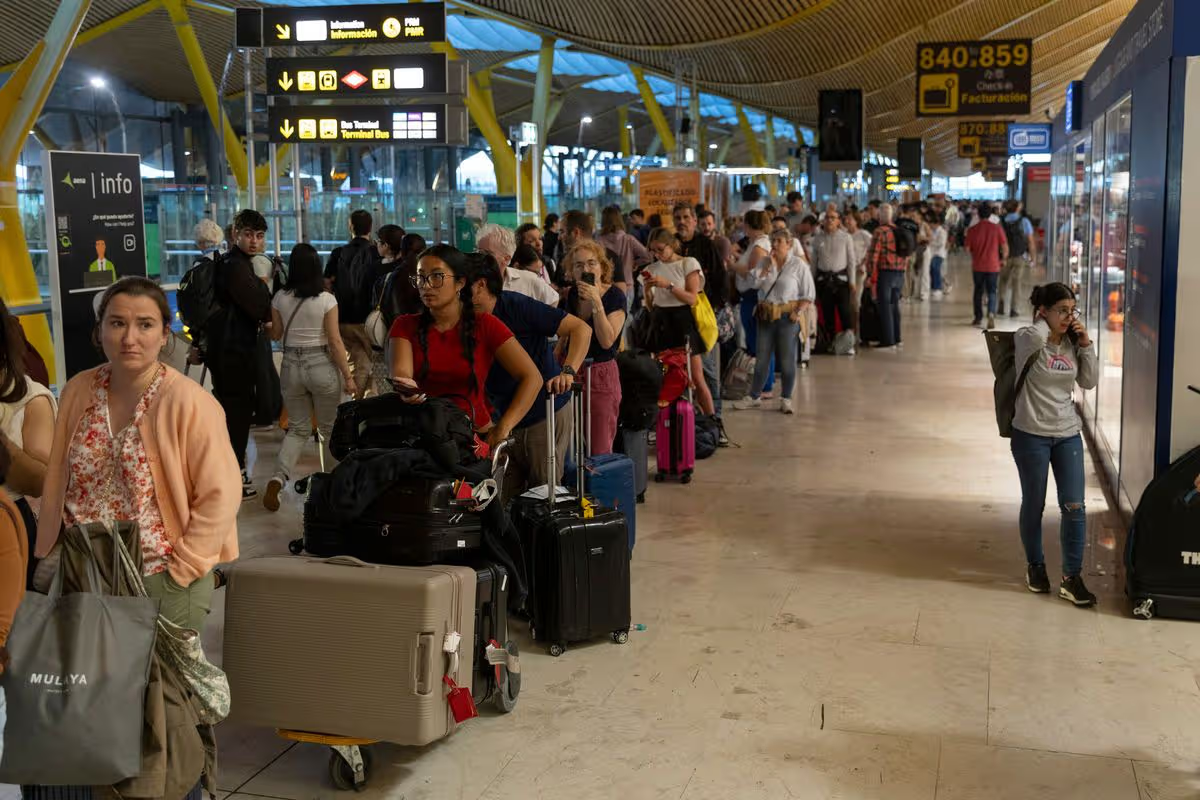
The new EU Entry/Exit System (ESS) was fully implemented on Friday 10, April, with significant travel disruptions happening as a result. Holidaymakers have found themselves in long queues lasting hours as they try to pass through the digital border system.
It has even left some missing their flights and having their holidays in tatters. The EES has replaced manual passport stamping and requires all Brits travelling to the Schengen area to “create a digital record” and register their biometric details, including fingerprints and a photograph.
As delays continue at European airports, there have been mounting worries about how it will affect travel during the summer holidays, which is famously one of the busiest periods to fly.
Travel expert Simon Calder says there has been “a litany” of people stuck in queues at Dover for hours or even missing their flights home due to delays.
He described the system as a “Euro shambles” before being pressed on where in Europe is the worst impacted by the new process. Simon named Milan Malpensa, Lisbon, Paris Charles de Gaulle, Frankfurt and Copenhagen as the airports with the “worst” delays.
Simon said on The Travel Expert podcast: “From what I have experienced, and certainly one of them is Milan Malpensa. The fingerprint stuff took an hour, and I was the first one off the EasyJet plane from Gatwick.
“Then, I went through the other terminal to check out and it took 45 minutes that time but they wanted those fingerprints again, which is absolutely not in the rules.”
He added: “I have heard terrible stories from Lisbon, other places frequently mentioned, Paris Charles de Gaulle and Frankfurt. Both of them are huge hubs where you have got a lot of people flying from various regional airports across the UK into Paris and Frankfurt to connect.
“That’s okay if you are going intercontinental but if you are trying to connect to somewhere in Europe it is awful.”
Simon explained he had a friend travel to Frankfurt last weekend, who experienced 90 minute queues.
A friend was there last weekend and it took 90 mins, connection could be toast. Simon went on to name Copenhagen as also experiencing bad delays.
Co-host Greg Dickinson said: “This was a rare instance where the Foreign Office said you may encounter long queues in or out of the airport.”
Despite the issues, Simon was optimistic about the future of travel this summer. When asked if he thinks there will be more delays this summer, he said: “I would hope we might see a bit less.”
‘Worst’ European airports for ESS delays
Milan Malpensa
Lisbon Airport, also known as Humberto Delgado Airport