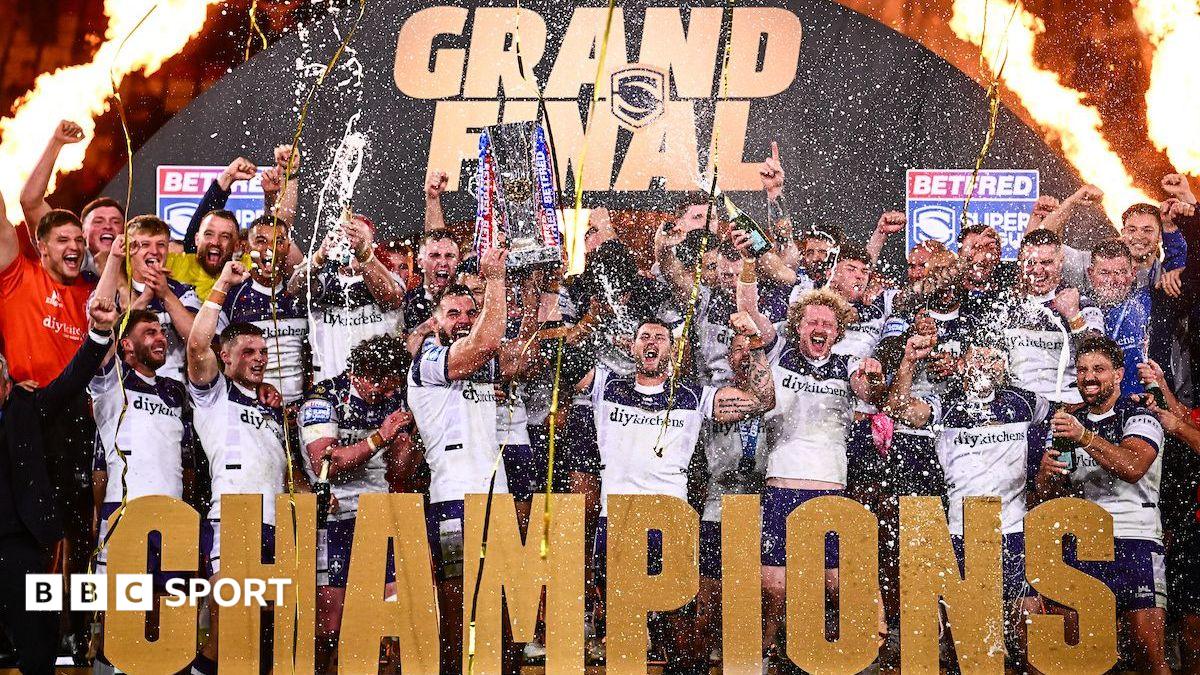
Wakefield have matched 2025 champions Hull KR’s record grading score of 17.85 from 12 months ago, to continue their rise on and off the field under Matt Ellis’ ownership. In the same rankings last year they were eighth with a mark of 15.47, only just above the threshold for Category A status.
“Wakefield Trinity’s rise to the top of the 2026 club grading rankings is a fascinating story for rugby league, and a strong example of how sustained progress on and off the field can be recognised through the grading framework,” said RFL chief executive Ian Nolan.
“Their achievement sits alongside encouraging movement across the sport, from growing attendances and digital audiences to continued improvements in facilities and community delivery.”
Leeds Rhinos remain second, although their score of 17.03 is slightly lower than they achieved in the 2025 rankings.
Warrington Wolves have jumped from sixth to third on the back of a much stronger season which culminated in reaching the Grand Final at Old Trafford, only to lose to Wakefield.
It is fourth place again for Wigan, who won both the Challenge Cup and the League Leaders’ shield, just above Hull KR and Leigh Leopards. St Helens drop from third to seventh after a season in which they missed out on the play-offs for the first time in the Super League era.
Castleford Tigers complete the Category A clubs as they have risen from 11th in 2025 to eighth and move into the top-tier section despite finishing 13th in Super League.
Catalans Dragons and Hull FC are ninth and 10th, but both have fallen from an A to a B grade. Then come Bradford Bulls and Huddersfield Giants, with Toulouse Olympique and York Knights, occupying 13th and 14th, albeit with higher scores than last year.
However, only six of the 14 Super League clubs have scored higher than they did 12 months ago.
But there was a significant gap to the teams outside. York’s score of 13.24 was comfortably higher than the next best, Barrow with 9.85, while London only achieved 9.77, which was down on their mark of 11.65 from last year.
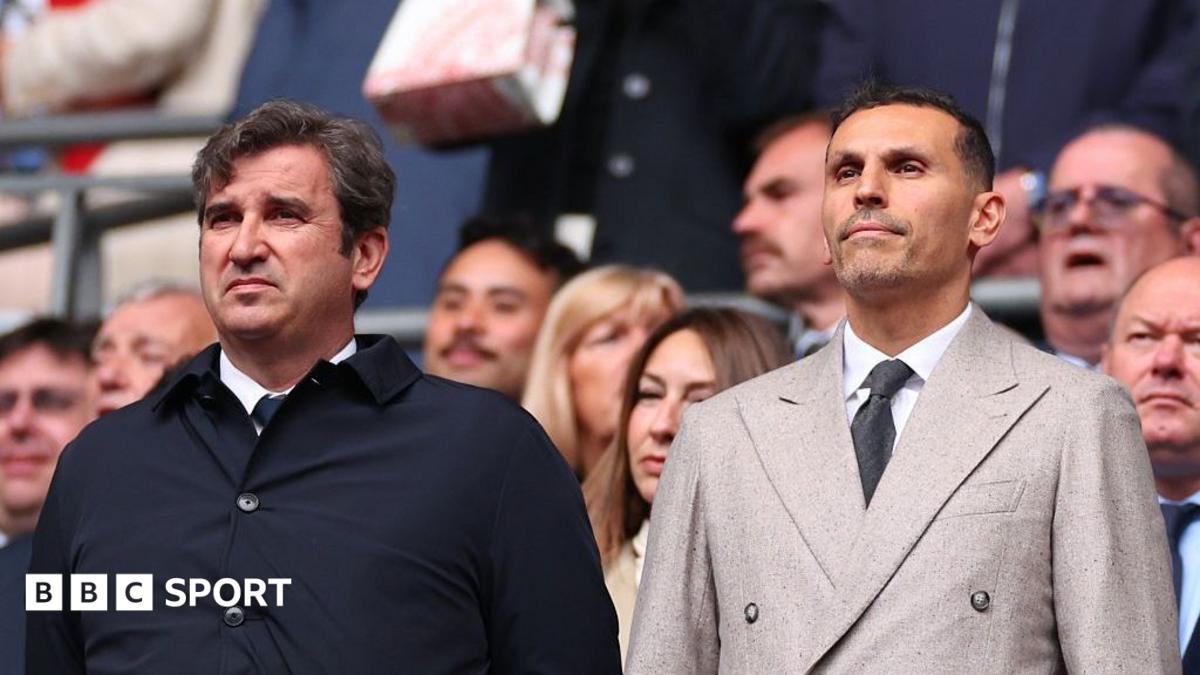
A number of Premier League clubs want Manchester City to be hit with both “retrospective punishments” and sanctions for the future for their mass financial rule-breaking, sources have told BBC Sport.
An independent commission found City guilty of all charges relating to breaches of the Premier League’s financial regulations between the 2009-10 and 2017-18 seasons.
However, there is said to be a consensus among a group of top-flight club executives that if City’s appeal is unsuccessful, the sanctions should make reparations for the period when they broke the rules, while also limiting their powers in future.
There is also a feeling from at least four Premier League boardrooms that a “one-hit” points deduction resulting in relegation to the Championship would be an insufficient punishment given the severity of City’s wrongdoing.
There is understood to be nuance in exactly what clubs consider a fitting penalty for the eight-time Premier League champions, who were found guilty of all serious financial rule breaches in a damning verdict by an independent commission.
One senior club source said City should be stripped of their titles, and added there was “no great rush” among clubs to push for the redistribution of trophies, but rather to take honours away and leave them vacant.
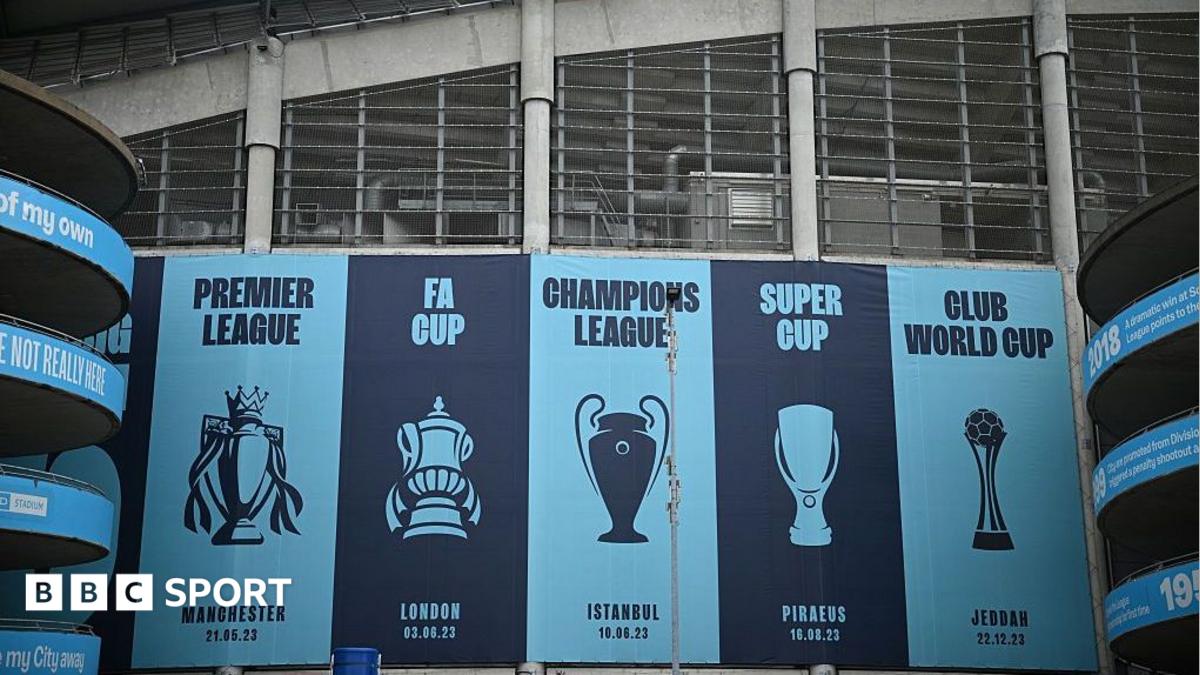
The source warned the credibility of the Premier League would be lost if City were allowed to keep the eight major trophies they won during the period they have been found guilty.
However, in a sign of a range of opinions across the league, BBC Sport was previously told there was little appetite among other clubs for City to be stripped of titles.
Regarding the timescale for sanctions in the future, there is a concern among club executives that a sanction applied just to one season would merely provide City with a “bump in the road” given the likelihood of them returning to the Premier League at the first time of asking.
A number of Premier League figures therefore believe any points deduction should be split over multiple seasons, while there is also a sense that transfer bans that stretch over a number of windows would also significantly hinder City’s ability to regain their top-flight status as quickly as possible.
Manchester City‘s spending power unquestionably changed the world football transfer market – their willingness to pay higher fees and wages meant prices rose for everybody else too.
And once the world knows that a club has a wedge of cash burning a hole in its pocket courtesy of City, it can be difficult to spend it.
Asking prices may rise, and having an influx of money is no guarantee of it being well spent.
For many of the teams to whom City paid the most during this time, the money did not work out particularly beneficially.
Let’s take a look at some of the more interesting cases.
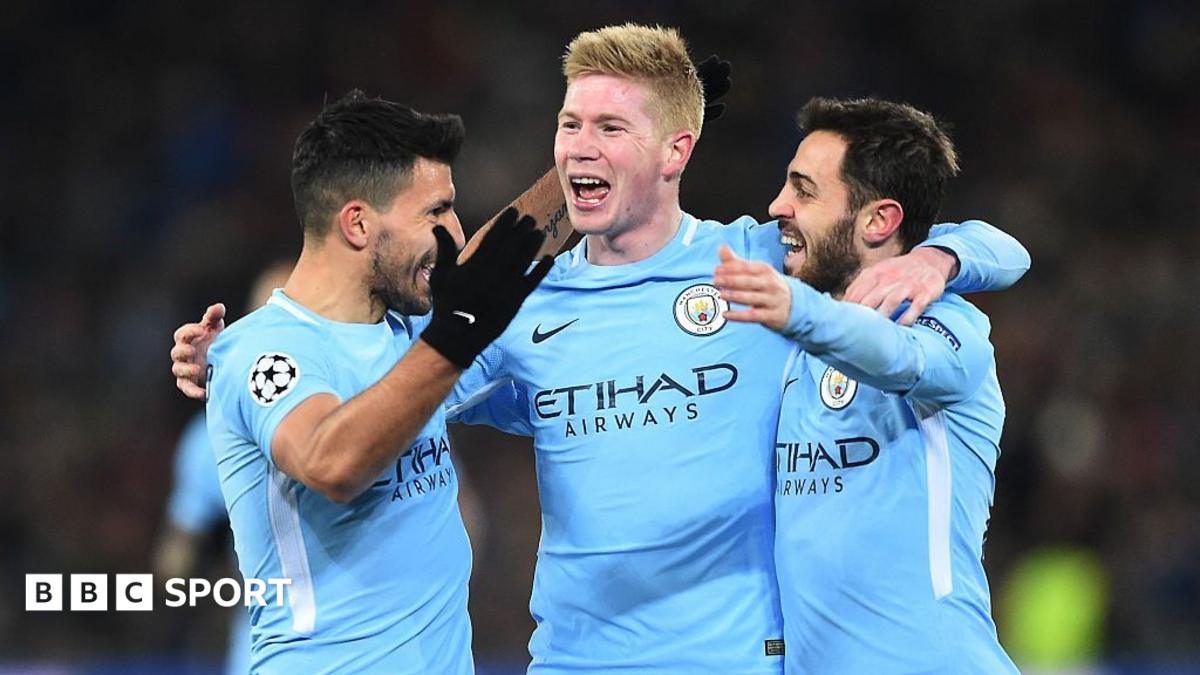
First up, Wolfsburg. They immediately signed winger Julian Draxler for about half the fee received for Kevin de Bruyne in 2016, as well as others including veteran defender Dante.
Having lost De Bruyne, they dropped from second to eighth in the Bundesliga before narrowly avoiding relegation in the subsequent two seasons.
And things did not go particularly well for second highest-ranked club Monaco either.
The most direct players they signed following the sales of Benjamin Mendy and Bernardo Silva in the same summer to Manchester City – Terence Kongolo and Keita Balde – did not work out in the long run, and the team went from winning Ligue 1 and reaching the Champions League semi-finals to almost being relegated within two years.
The club City purchased most players from in the 2009-18 period – Arsenal (four) – did not mount a serious Premier League title challenge during that time.
Some clubs who did not receive payments from City could also argue that the spending of money from their “inflated” accounts compromised their chances.
For example, Manchester City paid very similar totals to Benfica and Porto during the era, but nothing to Sporting, the club which makes up the big three in Portugal.
Sporting did not win a title between 2009 and 2018. There are many reasons for that, but could one of them be the fact that their direct rivals received money from City that would perhaps not have been on offer had they followed football’s financial rules?
Meanwhile, City club sponsor Etihad Airways said it is considering legal action against the Premier League.
In a statement issued on Wednesday, the United Arab Emirates-based airline said it “categorically rejects any finding, conclusion or implication that suggests the airline has ever been involved in improper commercial arrangements”.
It added: “The Premier League’s public communication of the commission’s findings, following a period of selective leaks and reporting, has further created damaging implications for Etihad despite the airline not being named in the redacted published findings.”
Etihad, City’s main sponsor since 2009, also said it was given no opportunity to engage in a process that now reflects “adversely on the airline”.
The statement added: “Etihad is deeply concerned by the way this matter has been communicated publicly.
“The lack of clarity and transparency, together with the selective disclosure of information, has created damaging implications for Etihad despite the airline not being named in the published decision.
“The Premier League must take responsibility for the consequences of the way in which these findings have been presented.
“Etihad will seek the relevant legal counsel on the options and recourse available to protect its interests.”
The Premier League declined to comment when contacted by BBC Sport.
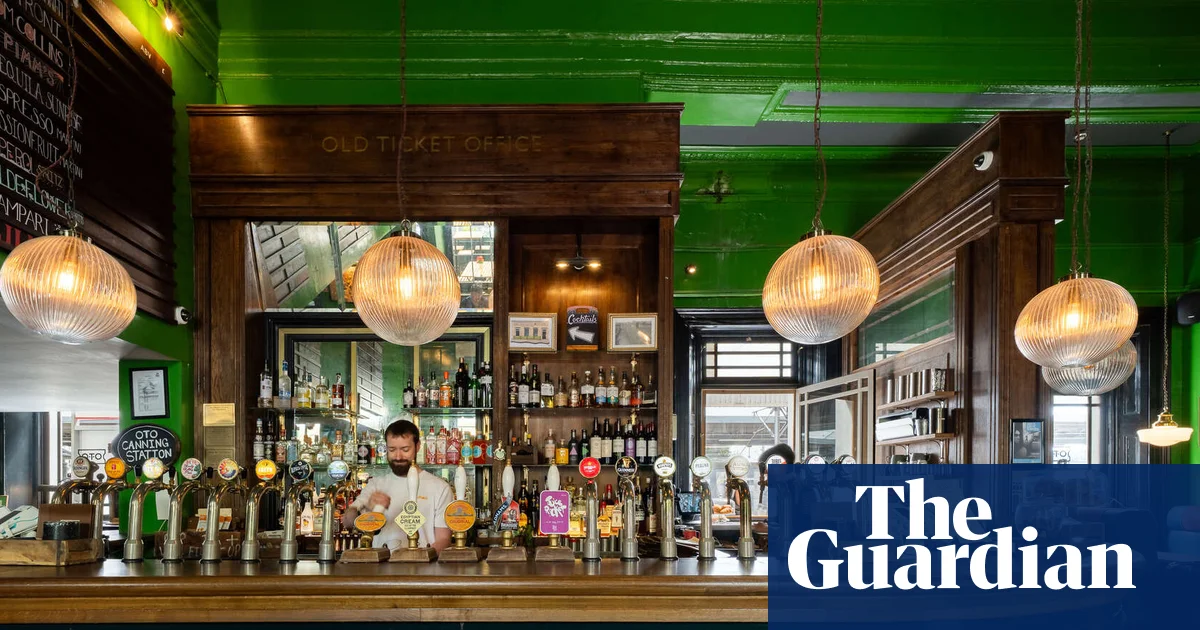
No prizes for guessing what this pub used to be… The Old Ticket Office has high ceilings, walls painted shades of locomotive green and booths resembling train carriages; there are outdoor tables on Station Square. A live train departures board theoretically prevents passengers lingering too long, and a canning machine means any draught beer is also available to take away (the hatch on platform 4 also does takeaway orders). There are five handpulls plus Young’s usual spritz menu and other drinks, plus light bites and pizzas. The pub is currently closed for roof repairs and expected to reopen by the end of October.
Kew Gardens is the only tube station with a pub attached. Photograph: Sunshine/Alamy
London’s various railway stations have many fine pubs (shout out to the Euston Tap), but Kew Gardens is the only tube station that still has a pub directly attached. When the station opened in 1869, the building was the timber steaming hall, and later become the buffet rooms before becoming a pub. It was bought by Fuller’s in 2012 and reopened the following year after refurbishment. It has high oak beams, picture windows looking on to the platform, an arched glass atrium and a pretty paved outdoor area. It serves two Fuller’s ales and a guest ale, among other drinks, has a full food menu and shows live sport.
Stalybridge station has one of the few remaining Victorian buffet bars. Photograph: Anthony Devlin/Getty Images
The pub on platform 4 at Stalybridge station, east of Manchester, is one of the few remaining Victorian buffet bars. Built in 1885, it features the original marble bar top, fireplace and fixed seating, plus lots of railway memorabilia. It serves up to 10 changing real ales, plus a cider or perry; bar snacks include hot pork scratchings, with more substantial food in autumn and winter, such as corned beef hash, pies and local black peas. There is a weekly quiz and folk singalong, regular live bands and food pop-ups in the beer garden, and periodic crisp butty pairing events and beer festivals. Camra awards it two stars for “a pub interior of very special national historic interest”. The buffet bar is now part of the Beerhouses group, which also runs the fantastic West Riding Reception Rooms at Dewsbury station, and the two pubs are on the TransPennine Real Ale Trail.
The Sheffield Tap is in a restored Edwardian first-class refreshment room.
For a great night out in Sheffield, visitors don’t even need to leave the train station. The Grade II-listed Sheffield Tap opened in 2009 in the Edwardian former first-class refreshment room. The original 1904 fixtures and fittings have been repaired where possible – including the mahogany bar top, Minton tiles and terrazzo floors – and replicated if not, as with the ornate barrel plaster ceiling. In 2013, the pub expanded into the adjacent tiled and mirrored former first-class dining room, and added a microbrewery. Today it serves 11 cask and 14 keg beers, plus hundreds of bottles and cans; food is limited to locally made pork pies and sausage rolls. The Sheffield Tap has Camra’s highest rating of three stars, for “a pub interior of outstanding national importance”. It is now operated by a small group that also runs the excellent York Tap and Harrogate Tap station pubs.
The Draughtsman Alehouse serves local real ale, gin and coffee
Delays are always welcome in Doncaster, for the chance to visit the lovely little alehouse on platform 3b. The former Victorian buffet bar had been empty for 18 years when the pub opened in 2017. It is a family business, named after engineering draughtsman grandfather Barry and run by son Russ with help from grandson Nick. The decor features original wall tiles, old photographs and draughtsman’s drawings of steam locomotives; Camra has designated it an “outstanding conversion and restoration”. The Draughtsman serves real ale from Yorkshire breweries, gin distilled in Harrogate and coffee roasted in Sheffield.
Carlisle station’s Grade I listed former waiting room is now home to Scott & Brassey. Photograph: Yasmin Platt/Lancaster Brewery
Those lamenting the loss of the 301 Miles From London pub at Carlisle station, which closed in 2023, had reason to celebrate in February, when Scott & Brassey opened on the same site. This Grade II-listed former first-class waiting room dates from 1848, and became the station buffet in the 1950s. Now it has had a slick makeover, but still retains the original wooden entrance lobby on platform 4, the hammerbeam roof and Tudor-style stone fireplaces. There is a mahogany bar, a feature wall full of clocks (no excuse for missing your train) and some platform-side seating. As well as eight handpumps, it serves a host of keg beer, wine, spirits and soft drinks.
The opulent, Grade I listed Centurion bar inside Newcastle station. Photograph: Graeme Peacock/Alamy
The Grade I-listed Centurion has a colourful history. It was designed by the architect John Dobson and opened in 1893 as a particularly luxurious first-class waiting lounge. By the 1960s, it had been turned into prison cells used by the British Transport Police. It then became a storage facility, but thankfully was restored and reopened as a pub in 2002. It has incredible tiling by Burmantofts Pottery said to be worth £3.8m. Columns, a marble fireplace and a high ceiling with a huge tiled skylight add to the air of opulence. The pub serves everything from real ale to cocktails, has an all-day food menu, shows sport on a gigantic screen and has live music every Friday.
The Head of Steam outside Huddersfield railway station. Photograph: Gary Calton/The Observer
Lucky passengers at Huddersfield have a choice of two great pubs, both accessible from platform 1, sitting on either side of the station’s grand neoclassical entrance (opened 1847). The independent King’s Head, in the former waiting room, has a mosaic floor, wood panelling and wood-burning stoves, and serves about a dozen cask ales. There is live music on Sunday afternoons. The Camerons brewery-owned Head of Steam, in the former ticket office, is now a four-room pub: a bar, a lounge, a family room and a buffet room. It serves up to 14 cask ales and Pieminister pies. Both pubs appear in Camra’s Good Beer Guide.
The Steamworks pub is in the former waiting room of Seaford station
This micropub opened in Seaford station’s former waiting room (built 1864) in 2017. Passengers can go straight from platform 2 (now the only platform!) into the pub, where there are Sussex real ales on rotation, ciders, sandwiches and other snacks, plus regular live music. After it proved a hit, the husband-and-wife owners opened a second Steamworks at nearby Glynde, where the station is even older (1846). They are just two of the micropubs that have opened in old station buildings in the past decade, including the Track & Sleeper in Knaresborough, North Yorkshire; the Little R’Alehouse in Wellingborough, Northamptonshire; the Waiting Room in Durham; and the Hexham Station Platform Bar in Northumberland.
Codsall station’s bar occupies the old waiting room, offices and stationmaster’s house
Codsall is a village on the Shrewsbury to Wolverhampton line. In 1997, the station’s Grade II-listed waiting room, offices and stationmaster’s house were converted into a pub. It has a bar, lounge, conservatory and snug with a fireplace, and steps leading up to a patio area overlooking the platforms. The pub serves three regular beers and two changing ones from Dudley’s Holden’s brewery, while food comprises cobs and pork pies. There are occasional pizza pop-ups and live music, and Cask Club Tuesdays with beer at bargain prices. It is a Camra outstanding conversions and restorations pub.
Manchester City are understood to be ready to appeal any guilty verdict, but could face ‘severe penalty’ says ex-chair.
Published On 26 Sep 202626 Sep 2026
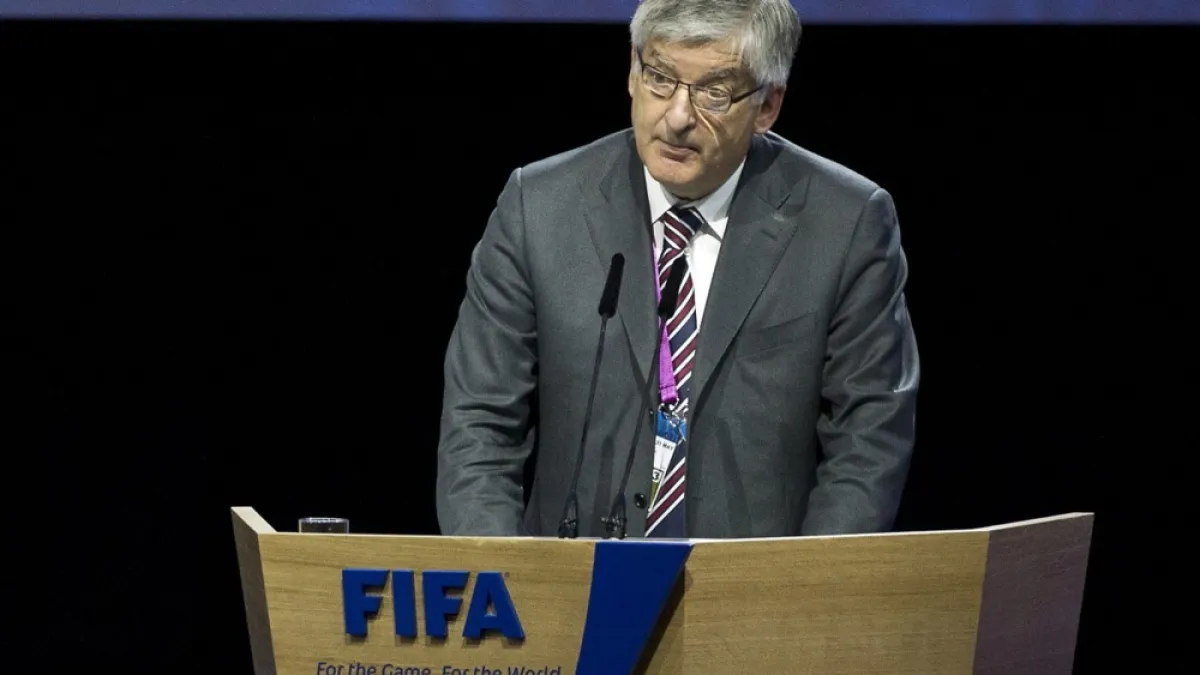
Former Manchester City chairman David Bernstein said the club could face potentially “drastic” sanctions after reportedly being found guilty on all but one of 115 charges for breaching Premier League financial rules.
The Premier League has not made an official announcement over the case and there is no indication of any possible punishment.
Recommended Stories
list of 4 itemsend of list
Abu Dhabi-backed City have always strenuously denied the charges and a club spokesperson said the position had not changed.
It is understood City will appeal should the charges be upheld.
“The club has diligently respected due process for eight years on the basis that the Premier League board and executive would behave as an independent, impartial and fair-minded regulator, free from partisan influence,” the spokesperson said.
City were charged by the Premier League in 2023 following an investigation into alleged breaches of rules between 2009 and 2018.
The club were accused of failing to provide accurate financial information and details of payments to players and coaches, as well as breaches of financial sustainability rules.
They were also charged with failing to cooperate with an investigation.
A hearing by an independent commission started in September 2024.
Man City face ‘severe penalty’
Bernstein, who was City chairman between 1998 and 2003, told Times Radio that “money is not sufficient” in terms of a potential punishment, urging a swift appeal process.
“The appeal process cannot go on for year after year, I think that would be a disaster,” he said, “not just for this particular case but for English football generally. The timing is crucial.
“I can’t give a view on the punishment. If they are found, after the appeal, guilty of [the] charges, my beloved club is going to face a very severe penalty.
“All I would say is that money is not sufficient, it would have to be something, unfortunately, more drastic than that.”
Oasis star and City fan Noel Gallagher described his “shock” at the developments.
Speaking on the Let Me Talk podcast, he said: “Surprised because only that the club have assured us all along that they vehemently denied any of these charges.
“So it was a bit of a shock to find out that we’ve been found guilty of all but one. But really overall just quite sad really. Sad for the fans and for the players.”
UK culture secretary Lisa Nandy described the case as “unsettling” for football fans and called for a swift resolution.
In 2020, UEFA imposed a two-year European ban on City as well as a fine for breaking financial fair-play rules, though that ban was later overturned by the Court of Arbitration for Sport.
If the reported guilty verdicts are confirmed, sanctions could include a severe points deduction and possibly even expulsion from the Premier League.
Everton and Nottingham Forest were both hit by points deductions in the 2023/24 season for single breaches of profit and sustainability rules.
Other Premier League clubs are understood to be taking legal advice about compensation relating to the charges.
Under the ownership of Sheikh Mansour, whose Abu Dhabi United Group acquired the club in 2008, City have become the dominant force in English football.
They have won eight Premier League titles, a Champions League crown and multiple other trophies over the past 15 years.
The latest developments in the case come just months after former City manager Pep Guardiola left the club following a golden decade in charge at the Etihad.
Guardiola always backed the club’s stance on the charges but threatened to walk away if he felt he had been lied to and they were proven to be true.