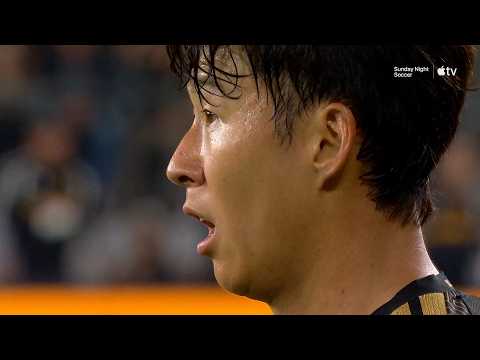
LAFC clinches playoff spot after rallying to draw with Galaxy
Leo Walta scored the tying goal in the 62nd minute, and LAFC clinched a playoff spot by rallying from two goals down in the second half for a 2-2 draw with the Galaxy on Sunday night.
Joseph Paintsil scored his first two goals since August as the Galaxy hung on impressively for a point, but endangered their own playoff hopes by blowing the lead in another thrilling El Tráfico derby.
The final seconds of injury time were breathtaking: Galaxy goalkeeper JT Marcinkowski and defender Justin Haak both made spectacular stops on LAFC chances before Denis Bouanga scored on a redirection of Tyler Boyd‘s bicycle kick — only for the play to be ruled offside.

Bouanga scored the first goal for LAFC, which is headed to the MLS playoffs for the eighth time in its nine seasons of existence. LAFC is currently sixth in the Western Conference standings, while the Galaxy sit ninth.
The El Tráfico series remains even at 10 wins and 10 losses apiece with eight draws.
LAFC has produced one win and three draws from four matches since interim head coach Xavi Tamarit took over for the fired Marc Dos Santos on Oct. 1.
Son Heung-min thought he had scored on a rebound of Bouanga’s shot midway through the first half, but the play was ruled offside and confirmed by a lengthy video review. Moments later, the Galaxy’s Robert Taylor intercepted a pass and set up Paintsil to hammer home his first goal in a competitive match since Aug. 19.
Paintsil doubled the Galaxy’s lead in the 51st minute when Hugo Lloris spilled a rebound directly to him. LAFC fans threw drinks at the celebrating Galaxy players after both of their goals.
But just two minutes later, LAFC’s Armindo Sieb ripped a shot off a counterattack and Bouanga chipped home the rebound for his 18th goal in 30 MLS matches this season.
LAFC remained on the attack and tied it when Emiro Garces’ defensive misplay allowed Walta to score his second goal in the Finnish international’s four matches with the club.
The Galaxy played without star German midfielder Marco Reus, a late scratch due to illness. Striker Hirving “Chucky” Lozano is also out with a hamstring injury that occurred during international duty with Mexico.
Beacham writes for the Associated Press.