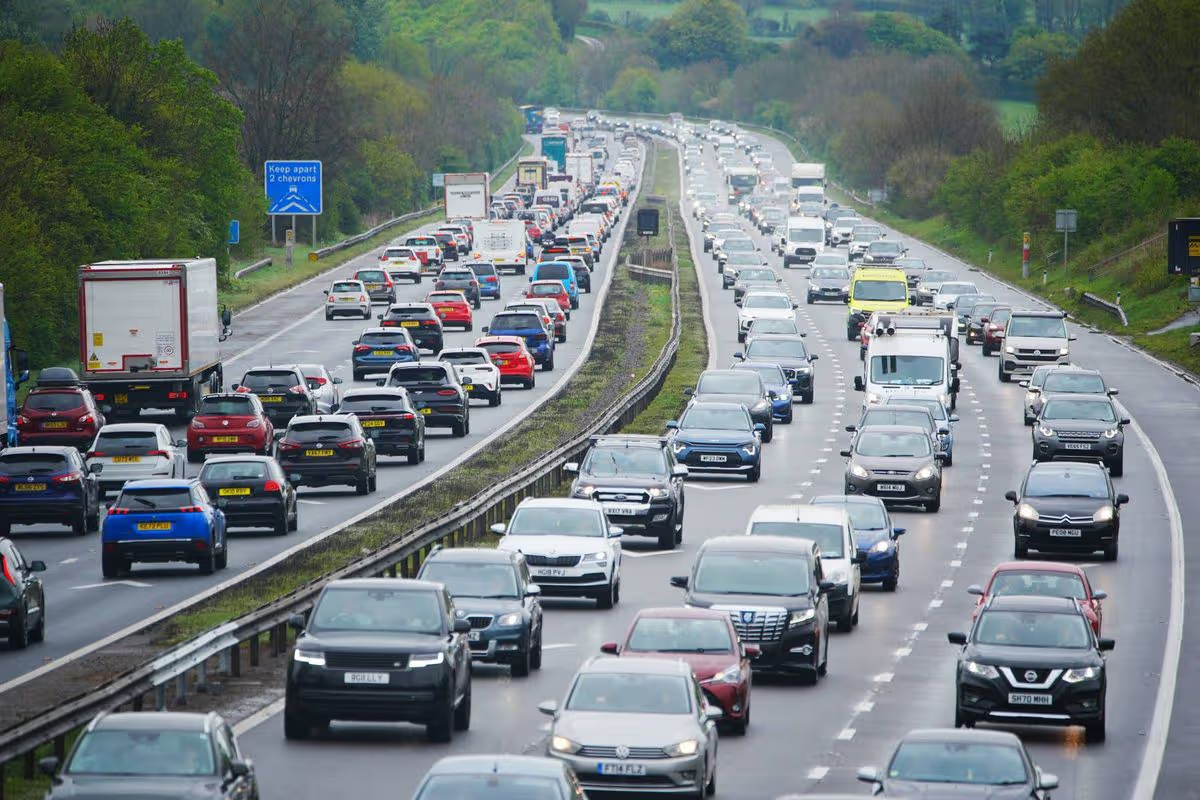
Families heading off on the Easter holidays and days out face paying an average 150p a litre for petrol and as much as 180p for diesel – on top of the usual Bank Holiday misery of congested roads

Bumper to bumper queues are expected over the Easter break – especially if there is fine weather(Image: PA)
Brits beginning the Easter getaway face price hikes and possible disruption.
The economic shockwaves from the Middle East war mean the millions taking the road are in for pain at the pumps when filling-up for long journeys. It came as petrol prices rose to close to 150p a litre and diesel nears the punishingly high 180p mark.
And there are warnings those planning to jet abroad face higher fares – if they have not booked ahead – and the risk of cancellations. That is all on top of the usual misery of queues on routes near holiday hotspots for those staying in the UK. The rush is expected to start from Friday as schools break up for the holidays, and will peak over the long Easter weekend.
READ MORE: Spain airport strikes update as three major UK tourist spots set for disruption – datesREAD MORE: Easter holidaymakers warned about mosquitos after surge in tropical virus in UK
The AA said more than 19 million people travelled on Good Friday last year, with 18.5 million on the Saturday and 18.2 million each on Easter Sunday and Easter Monday. Many will end up paying through the nose when they stop off to fill-up, given a sharp rise in fuel prices since the start of the Iran war at the end of March.
The nationwide average for unleaded has jumped to almost 150p a litre, up 17p since before the conflict erupted. Diesel drivers have been hit even harder, with diesel now averaging 176.66p per litre, a leap of 34p in recent weeks.
Motoring groups and ministers have urged drivers not panic buy fuel. Ministers insisted the UK was well stocked, despite Iran’s effective blockade of oil through the key Strait of Hormuz. A handful of forecourts have displayed signs saying they are out of fuel.
RAC mobile servicing and repairs team leader Sean Kimberlin said: “Fuel prices may have risen sharply in recent weeks, but our research with drivers shows they are still determined to make the most of the Easter break. Despite diesel costing around £19 more per tank than last year and petrol about £8 more, only a small number of people are actually changing their plans. For many, Easter is the first real chance to get away since Christmas, so we’re urging drivers to use the myRAC app to find the cheapest forecourts near them.”
He added: “This year we’re expecting one of the busiest Easter getaways since 2022, with planned leisure trips rising again for the second year running.
“Traffic is likely to build from Thursday as schools break up, with the M5 towards Devon and Cornwall and the M25 set to be particularly congested. The worst delays are expected from around 10am, so getting on the road early is still the best way to avoid the queues.”
Predictions that Brits are in for a cracking Easter, with blue skies and temperatures climbing towards 20C, are expected to mean are even busier than normal.
National Highways said it was lifting around 1,500 miles of roadworks between next Thursday and Easter Monday, “meaning 98% of our motorways and major A-roads will be free of roadworks over the bank holiday,” it added.
Airports are also braced for a rush families taking advantage of the Easter break for a week in the sun. Yet it comes amid warnings of possible cancellations to some long haul destinations, partly due to fears of jet fuel shortages. The soaring cost of aviation fuel has also led to concerns that flight prices will rise.
Regulator the CAA says it expects over two million passengers through UK airports across the Easter break, including 1.6 million over the Easter weekend.
It is urging travellers to check the flight status with their airline and ensure they are up to date with the latest government foreign travel advice on any countries they are transiting through before you leave for the airport.
Anticipating possible disruption, it said: “If your flight is delayed or cancelled, you may be entitled to meals, accommodation or alternative travel arrangements provided by your airline.” It went on: “Travel insurance can protect against missed flights, medical emergencies, and lost or stolen belongings. Carefully review the terms and conditions to understand your coverage.”
Selina Chadha, group director for consumers and markets at the CAA, said: “With many UK travellers planning to get away over the Easter holidays, it’s important that those planning to travel know their rights and plan ahead to make their journeys as smooth as possible.”
Gatwick Airport says its near 60 airlines have flights to more than 220 destinations over Easter. “Short-haul breaks are expected to lead over the Easter holidays with bookings for Barcelona, Malaga, Alicante, Dublin and Geneva currently topping the most popular list,” a spokesperson said.
“Passengers are also preparing to travel further afield, with top long-haul options currently including Orlando, Shanghai and Cancun.” The airport’s busiest day over the holidays is set to be Easter Sunday.