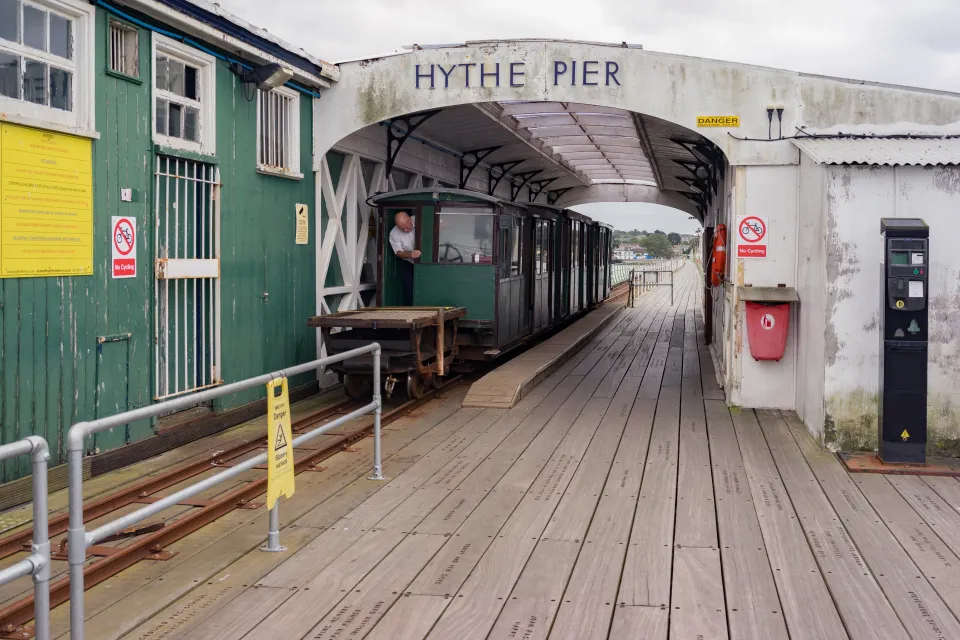




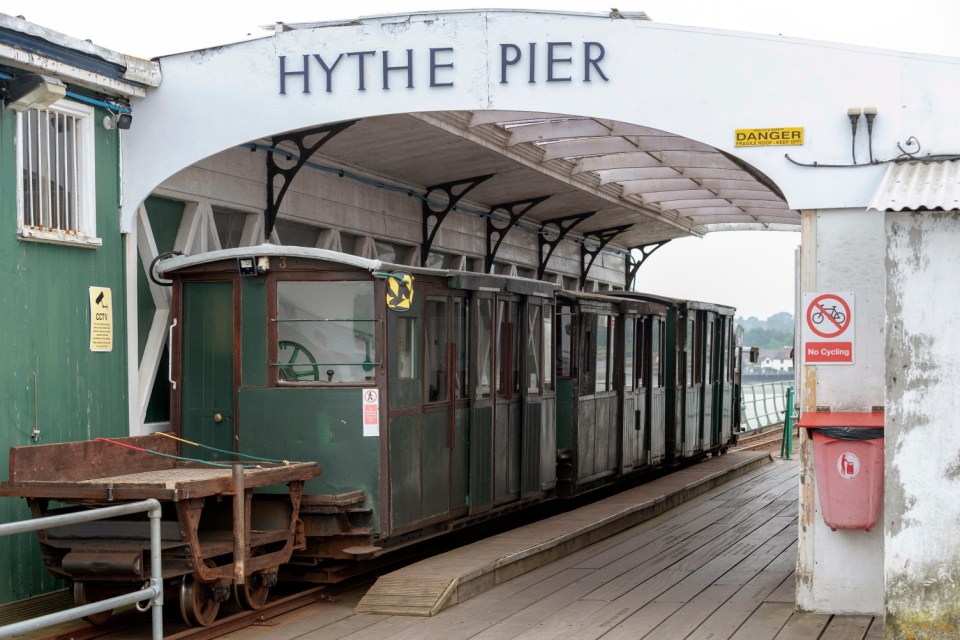




Tourism chiefs are predicting a near two million jump in the number of Brits holidaying at home this Easter

Around five million more Brits plan to holiday at home rather than go abroad this Easter(Image: Parkdean Resorts)
Around 12.5 million Brits are planning an Easter staycation – as the Middle East war deters families from jetting abroad.
The number of people who say they intend to holiday in the UK over the Easter weekend is up sharply from 10.6 million last year. The near two million surge will help deliver a bumper £4.8billion boost to tourism and the wider economy, according to VisitEngland, which published the data.
The number saying they hope to holiday at home dwarfs the estimated 7.4 million who are planning a trip abroad this Easter. Of those definitely aiming to take a staycation during the Easter break, the majority will be short breaks of one to three nights.
READ MORE: UK drivers urged to do three-second car check as clocks change this weekendREAD MORE: UK’s ‘holiday park of the year’ is on family-run farm near beautiful beaches
It came as VisitEngland’s Trip-Tracker revealed that more than a quarter of those it surveyed, 28%, were worried about the impact of the Middle East conflict on their upcoming travel plans in April and May. The top concern was having less money to spend due to the economic impact. There have already been fears of air fare price hikes and possible flight cancellations.
The number of people planning an Easter staycation this year also marks a big jump on 2024’s 11 million, and nearly double the 6.5 million in 2023. A further 5.1 million people surveyed said they were undecided about whether to take an overnight holiday trip in the UK during the Easter weekend. The top reasons were “waiting to see if I can afford it” and “waiting to see what the weather is like”. Forecasts for the weather suggest it will be a mixed bag next week, but with settled conditions over the Easter weekend itself.
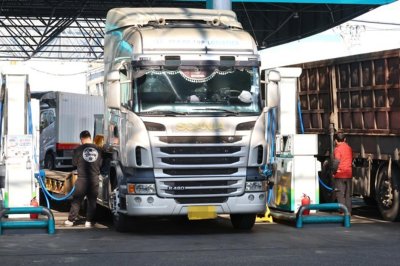
However, those driving for days out and holidays in the UK face a hit to the wallet from soaring fuel prices on the back of the Iran war. The nationwide average for unleaded has jumped to 150p a litre, up 17p since before the conflict erupted. Diesel drivers have been hit even harder, with diesel now averaging 176.68p per litre, a leap of 34p in recent weeks.
RAC head of policy Simon Williams said: “Petrol has now broken through the unwelcome milestone of 150p a litre (150.11p), something drivers haven’t seen since mid-May two years ago while the average price of diesel is now approaching 180p at 177.68p.
“With the long-awaited four-day Easter weekend almost within touching distance, the cost of getting away by car is going to be noticeably higher this year.
“And with average prices at motorway services at 166p for unleaded and 182p for diesel, drivers on long journeys will need to plan very carefully where they refuel. The best advice remains to shop around for fuel and make use of free apps such as myRAC to never pay a penny more for fuel than is absolutely necessary.”
Some families may also think twice given another wave of bill increases – including water and council tax – from the start of April, and warnings that food price inflation could jump again.
Kate Allen, owner of Devon-based Finest Stays, said: “For now, we’re not seeing a slowdown. Bookings are up around 10% on this time last year, with more guests opting to stay in the UK rather than travel further afield to places like Dubai.
“The Great British holiday is very much in favour, as we’re a nation that prioritises getting away, and domestic breaks are benefiting from that shift. That said, there’s a nervous undercurrent. Fuel costs feel like a slow leak, pressure building rather than bursting.
“We’re expecting more guests to postpone or cancel, and that’s where it gets tricky. Terms and conditions may cover it, but it doesn’t make refund conversations any easier when the wider impact on businesses and homeowners isn’t fully understood.”
Tourism Minister Stephanie Peacock said: “It is wonderful that so many people are planning on having a staycation this Easter weekend, whether that’s spending time visiting our stunning landscapes and coastlines or exploring our vibrant towns, cities and cultural landmarks. Supporting domestic tourism helps local areas thrive – fuelling small businesses, boosting pride, and strengthening community economies.”
VisitEngland chief executive Patricia Yates said: “Tourism businesses and destinations will be looking to the critical Easter weekend for much needed cash flow so it’s encouraging to see so many of us are planning a holiday at home, with its ease, convenience and certainty of budgeting. We also know that the cost of living remains a concern for holidaymakers, leaving it difficult too for businesses to plan in advance.
“We have incredible activities, experiences and places to stay for all tastes and budgets, and there really is nowhere quite like Britain in springtime. From walks in our beautiful countryside with the promise of a pub lunch or discovering contemporary culture in our buzzing cities to enjoying fish and chips on the beach, there is something for everyone. So, a rallying cry to please go out and explore the amazing destinations and events here on our doorstep this spring. Tourism businesses will be very pleased to welcome you, you will have an amazing time and create memories to make you smile all year.”
It came as trade body UKHospitality stepped up criticism of what has been dubbed a new “tourist tax”. Labour is proposing to allow regional mayors in England to introduce a “visitor levy” on overnight stays, as already happens in some European countries. While details of how it would work are still to be finalised, it could either be a per head charge or a percentage of the cost of the stay. Small businesses – from guesthouses to B&Bs – say it could lead to closures.
Modelling by Oxford Economics, commissioned by UKHospitality, which assumed a 5% levy, warned it could lead to a £1.6billion tax increase for holidaymakers by 2030, and a £2.2billion hit to the economy.