Watersports, biking and island escapes: readers’ favourite family holidays | Europe holidays
The beauty of Italy’s Lake Garda
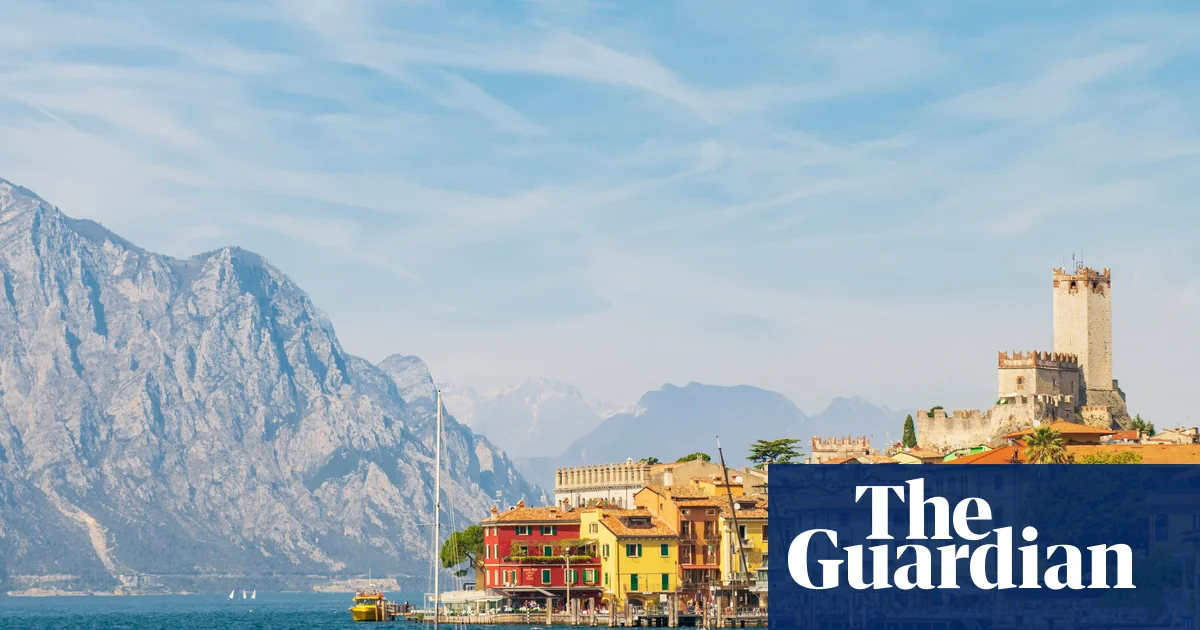
Lake Garda gave us one of the most memorable and unexpected family holidays yet. We hired a car and headed from Milan to Unesco-listed Peschiera del Garda and the family-focused apartment we found on Airbnb. A gentle 15-minute walk to the lakeside restaurants and gelaterias, this was the perfect base for exploring the beautiful town. Special mentions go to: Gelateria la Romana, with its wonderful ice-cream; the boat trip to Sirmione, an old town with thermal springs on a narrow peninsula; and, further up the lake, picturesque Malcesine and the cable car to the top of Monte Baldo to watch paragliders and to take in the amazing views.
Alex
Profile
Readers’ tips: send a tip for a chance to win a £200 voucher for a Coolstays break
Show
Guardian Travel readers’ tips
Every week we ask our readers for recommendations from their travels. A selection of tips will be featured online and may appear in print. To enter the latest competition visit the readers’ tips homepage
–
Scandi simplicity in the Åland Islands
The Åland Islands are an unsung – and, we found, surprisingly sunny – gem nestled in the Baltic Sea between Sweden and Finland. We stayed with a baby and a toddler in one of the many simple, comfortable cabins in the woodlands, complete with private beach, boat, sauna and barbecue. The pint-size capital, Mariehamn, is no bigger than a market town and easy to explore with kids. People mostly speak Swedish, although the islands are an autonomous region of Finland. There are not a lot of “attractions”, but if you want to get back to nature without the crowds and enjoy Scandi simplicity and unrushed time with the family, this is the perfect place. Cabins and ferries can be booked at visitaland.com.
Martha Fogg
Something for all generations in Brittany
Last summer I piled eight people from four generations of my family into a campervan and crossed from Portsmouth to Saint-Malo, an affordable and fun way to get a large group to the beaches of Brittany. We headed to Bénodet, which is warmer than Cornwall but not as stiflingly hot as the Med, so the kids didn’t get irritable and the grandparents didn’t grumble. At Port de Plaisance campsite, we found water slides, natural swimming pools and sports, plus nightly karaoke for parents to embarrass themselves, while Grandma took on the locals at petanque. The sandy beaches have lifeguards so are great for sunbathing, swimming, picnics and walking for all ages.
Peter
There was nothing to do in Menorca – great!
A friend told us about Es Grau in Menorca, and he wasn’t joking when he warned that there was nothing to do. But the village has its own beat, and by day two we had settled into the local routine. When we weren’t eating or sleeping, we were kayaking, sea swimming and playing soccer with the kids on the municipal pitch. We had hired a car but hardly used it.
Kieran
A Devon dinghy holiday
Sailing is a fantastic and diverse sport, with the skills learned laying foundations for a lifetime. Our children gained tremendous experience as young teenagers and returned for years to dinghy courses in Salcombe, Devon. They loved their summers of fun learning so much they graduated to Royal Yachting Association instructor level. Both became Atlantic sailors later! Tenacity and perseverance in all weather are qualities that other family adventures can’t touch. We loved sailing with them, too.
David Innes-Wilkin
Zipping around in Pembrokeshire
Bluestone national park resort in Pembrokeshire is a firm favourite with my family. We went in May this year and booked four bedrooms for four nights for £540. There’s a brilliant pool and a mixture of indoor and outdoor fun, including zip lines and guided ebiking in the woods, perfect for our two young boys. There were lovely forest walks and soft play areas. We also enjoyed the golf buggies in which we whizzed between the well-maintained lodge and activities.
Abby Samuel
Winning tip: family heaven in the Netherlands
Holidays in the Netherlands have impeccable family-friendly credentials. Our young family loved Madurodam, a miniature version of the Netherlands in The Hague, which has buttons galore for tiny fingers to work bridges, trucks and boats. The railway museum in Utrecht is the best of its kind, with a VR train ride and an actual rollercoaster (there are vintage trains too). We ended with a visit to Linnaeushof, one of Europe’s largest playgrounds, near Haarlem, for a day of self-powered rides and slides. Not to forget the joys of city trams and pancake restaurants. Family heaven.
Morag