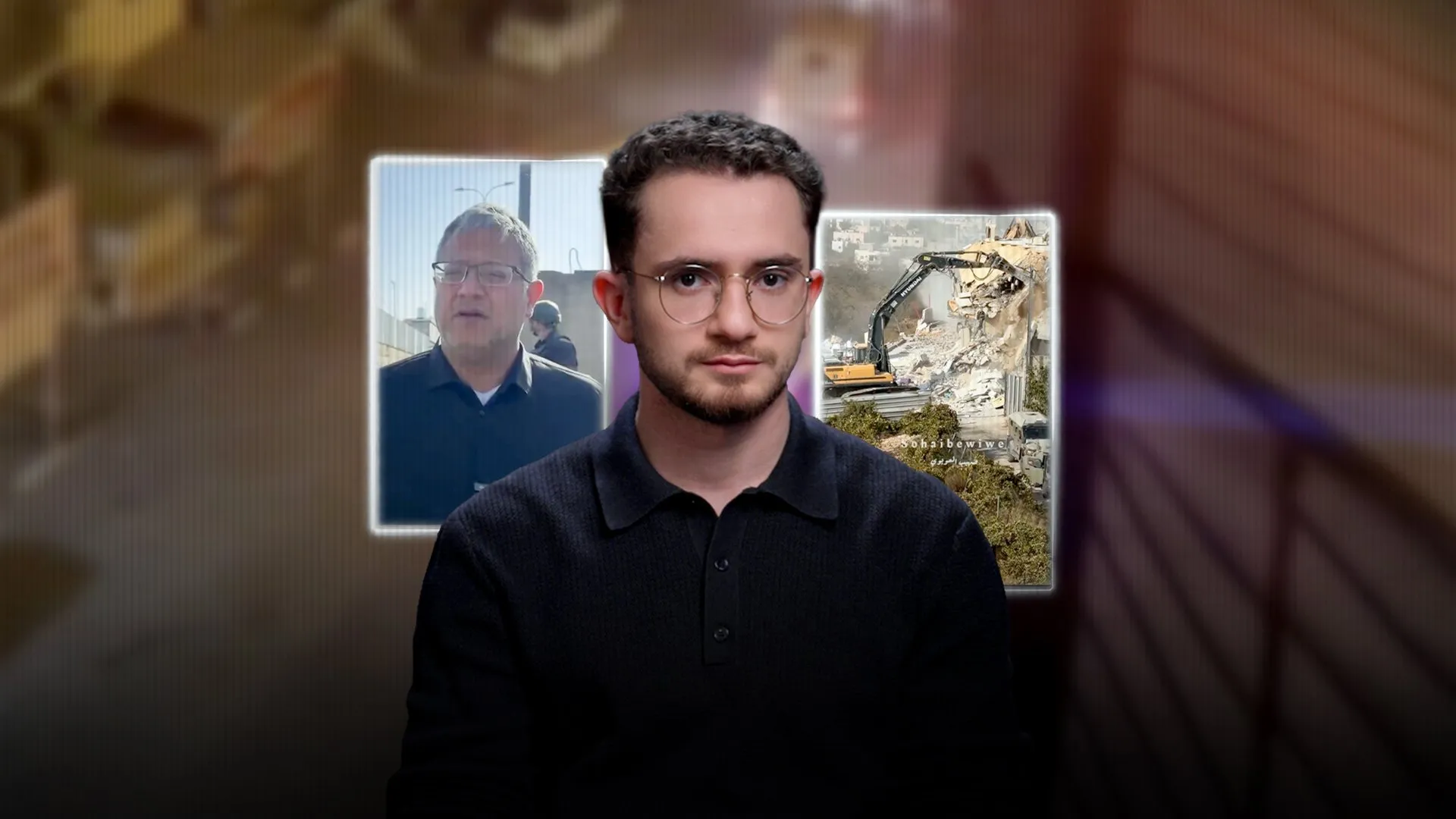
The Israeli army begins its lockdown and military operations across the West Bank. Around 200 Palestinian families have been forced out of their homes in Hebron. All checkpoints and crossings in the West Bank closed for Palestinians. Al Jazeera’s Mohammad Saleh brings you the latest.
Not with superstars or championship aspirations. But with the promise of free parking, a jersey trade-in and a basketball team that is, at least, better than the Sacramento Kings, who they beat 121-96 in both teams’ season opener. Coach Tyronn Lue dedicated the win to suspended team owner Steve Ballmer: “Just want to say thank you for everything. We’re still fighting for him.”
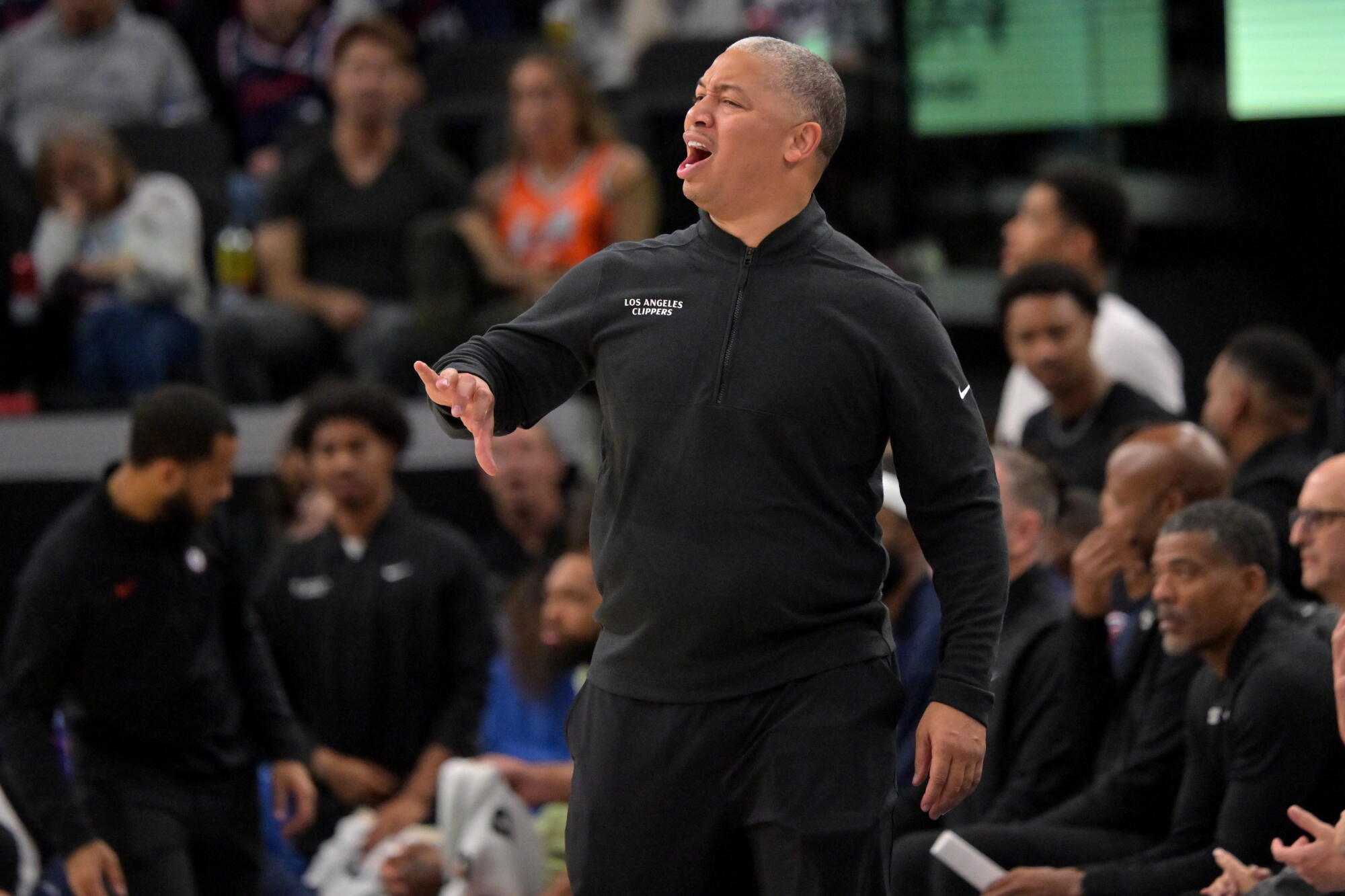
Clippers coach Tyronn Lue directs his players during a win over the Sacramento Kings Wednesday at Intuit Dome.
(Jayne Kamin-Oncea / Associated Press)
Wednesday’s fan appreciation stuff was a swell gesture, as a start. But it wasn’t nearly far-reaching enough.
Not for embattled Clippers supporters who have stuck with the team through thick and thin, sickness and health, in spite of Donald Sterling, the former cheap, racist owner and now Ballmer, the wealthy, over-invested one whose salary cap circumvention cost his team its first-round picks in the 2029, 2030, 2031, 2032, and 2033 NBA drafts.
To fans, that was the most consequential part of the historic punishment dealt by the NBA, which commissioned a year-long investigation that determined the Clippers committed audacious levels of salary cap circumvention.
The league also fined the team $30 million, suspended team owner Ballmer and president of business operations Gillian Zucker for a year and president of basketball operations Lawrence Frank for six months.
And Leonard? He got a $700,000 slap on the wrist and got traded back to Toronto, where he signed a two-year, $115 million contract extension and on Wednesday, had Raptors coach Darko Rajaković saying he was “super excited for the chance to bring a Hall of Famer back home.”
“That’s one of the most insulting parts of it all, the way [Leonard] was able to walk away scot-free and the fans are left sort of holding the bag,” said Torrance’s Justin Ratterree, while he tried to dodge raindrops as he waited in line, four hours before tipoff, to trade in his No. 2 Leonard jersey.
Young Clippers fans watch the team play the the Sacramento Kings Wednesday at the Intuit Dome.
(Jayne Kamin-Oncea / Associated Press)
“It’s rough right now. Defending the team this past couple months has been really rough … and I’ve kind of just given up defending. How can you defend it?”
Even Ballmer stopped doing that, releasing a statement on Sept. 13 that read, in part: “This has been a very difficult time for everybody associated with the Clippers, and for that, I have sincere regrets.
“I want to apologize to our fans, employees, and my fellow NBA team owners for the distraction and distress this matter has caused, for which I accept responsibility as principal owner.
“We are,” he added, “committing to put this chapter behind us.”
Yes, let them try to scrub the memory of Leonard, the intensely skilled and private player who demanded so much of the Clippers when he signed with them as a free agent in 2019. Who made no efforts to popularize the team, missed almost as much time as he worked, and who failed to lead the Clippers to their first championship or anywhere close to it in his seven seasons.
After his trade to Toronto went through on Sept. 23, the Clippers resisted posting the “Thank You, Kawhi” graphic that pro sports teams do when they part ways with a player.
Let them also forget to play a tribute video when Leonard’s Raptors visit Intuit Dome for the only time this season on Nov. 2.
And let the Clippers expand the jersey swap beyond the first 4,000 paying customers at Game 1; there was no official figure available Wednesday night for exactly how many jerseys were traded and how many of them belonged to he-who-must-not-be-named.
The Clippers should keep it going, offer the option all season. Set it up at the Intuit Dome’s Lost and Found — invite fans to exchange the No. 2 jersey of the player whom they lost all respect for a guy they’ve found themselves newly enamored with, likely rookie Keaton Wagler if Wednesday’s exchange was any indication.
Clippers fans also deserve more than having their parking picked up until an hour before gametime, on one rainy workday, on late notice.
They should have their parking at games covered all season — or at least substantially reduced from the typical $70 price that’s already too steep. (The Dodgers didn’t start charging $65 until the National League Division Series!)
They should do more if they want to continue to draw a crowd to watch a team whose best player is now Darius Garland, whose future is compromised, whose current best-cast scenario — the play-in! — only Clippers fans could love.
Clippers forward Rui Hachimura drives past Kings guard De’andre Hunter and center Domantas Sabonis Wednesday at the Intuit Dome.
(Jayne Kamin-Oncea / Associated Press)
Several fans Wednesday also said they would appreciate improved transparency, including in terms of player injury and availability news.
It’s the least the team can do for these patient people, who will have the type of team that they usually fall hard for, actually — a group of gamers, devoid of divas, punching above their weight.
“All this stuff that’s going on,” Lue said, “you can’t take that out on our players … that’s not their fault, you know?”
It’s not fans’ fault, either. Let’s see the Clippers go above and beyond for them.
Tech scion David Ellison spent three years doggedly pursuing his dream: acquiring Paramount, then Warner Bros. Discovery.
Ellison pulled off his bold feat this week by completing Paramount’s $111-billion takeover of Warner Bros., uniting two industry pioneers and a wealth of cherished properties — Batman, Bugs Bunny, Harry Potter and Maverick of “Top Gun,” as well as CBS, HBO, Comedy Central and CNN. All will be tucked under a corporate umbrella that Ellison is calling Skydance — the name of the studio he formed two decades ago.
The mogul and his lieutenants celebrated their victory in style, ringing the New York Stock Exchange opening bell on Thursday, capping a bruising battle to secure approval of a deal that had sparked protests across Hollywood over fears of looming job cuts.
Ellison and his team must braid together two huge film studios (housing nine film labels), four streaming services, three TV production studios, three animation units and more than 50 television networks, including two prominent news organizations. That could be a daunting task, particularly based on how previous Hollywood mergers have fared.
“Now, the real work begins,” David G. Fubini, a Harvard Business School senior lecturer, said in an interview.
Anxieties were evident Tuesday — the day the deal closed — when Ellison held a town hall meeting at Warner Bros., which drew nearly 500 employees.
During the session, CNN’s Anderson Cooper quizzed his new bosses, including about anticipated layoffs and news independence.
“Do you stand with CNN and our effort to completely restore access to covering President Trump?” Cooper asked, referring to CNN’s legal fight alongside MS Now and Politico to reverse the president’s ban on the three organizations.
“Of course,” Ellison replied.
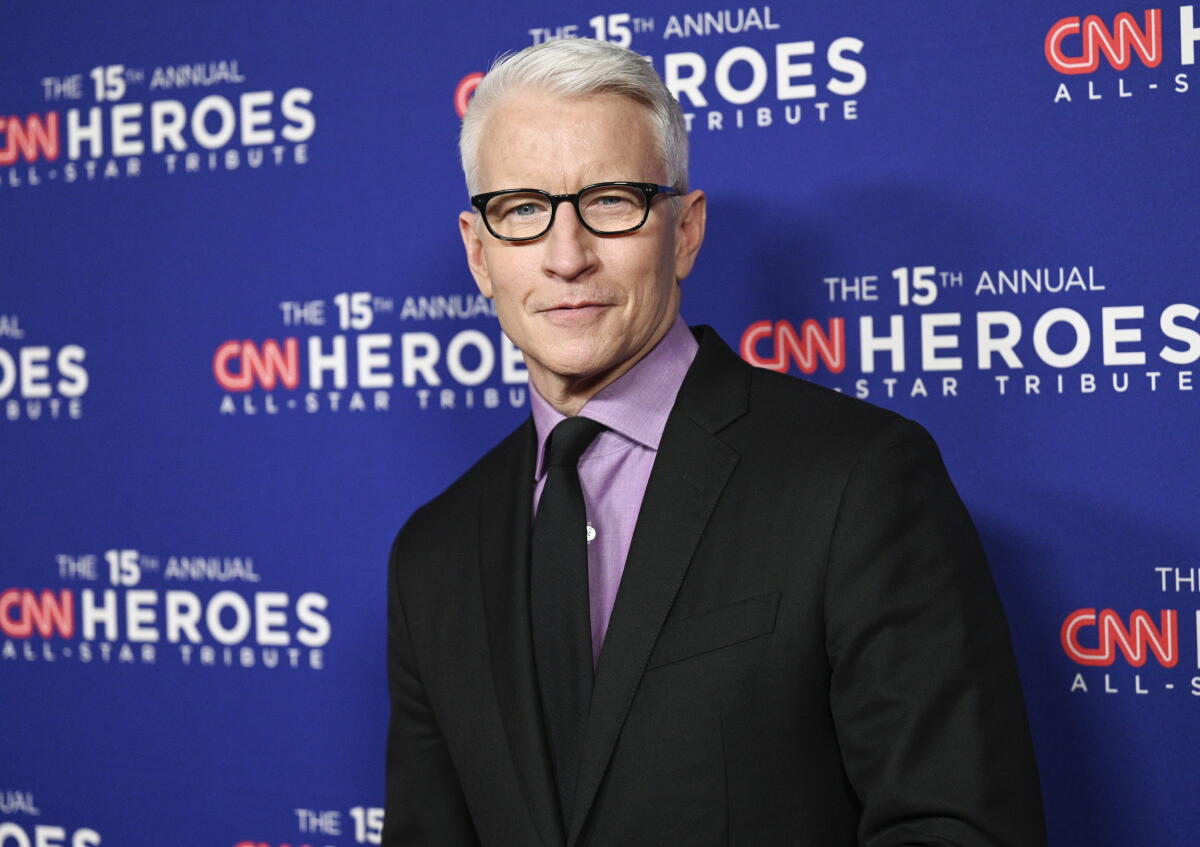
CNN news anchor Anderson Cooper, pictured here in 2021, quizzed his bosses at a Burbank town hall.
(Evan Agostini / Invision / Associated Press)
Hours later, Ellison parried with reporters in Paramount’s darkened Stage 3, recently revamped with laser projection capabilities to simulate fantastical and far-flung settings for TV shows, such as the streets of New York.
“This was a turbulent process, and, at times, a really ugly process, to actually get this deal over the finish line,” Ellison acknowledged to reporters. “What I want to be able to do now is turn the page, and actually make sure that we are in the business of rebuilding trust.”
To do that, Ellison intends to make more movies and TV shows than rivals. He wants to ensure the Warner Bros. and Paramount studios, which will be kept separate for now, remain talent-friendly destinations.
Ellison has taken an opposing view from his predecessors who confronted crumbling industry economics by cutting expenditures to boost their corporate bottom lines.
The 43-year-old executive, son of Oracle co-founder Larry Ellison, proudly views his family as “owner-operators,” unshackled by quarterly earnings expectations or the need to dole out dividends to keep investors happy. The Ellison family controls the company’s voting stock, allowing David Ellison to take a long-term view as he charts Skydance’s course.
The goal is to “win in storytelling,” Skydance said in an investor presentation. It intends to build the media industry’s most “technologically capable” firm, which uses artificial intelligence to speed work flows. Skydance plans to spend at least $30 billion a year on film, television and video game content.
Skydance co-CEO Ynon Kreiz, Sarah Ellison, CEO David Ellison and investor Gerry Cardinale of RedBird Capital Partners on the floor of the New York Stock Exchange on Thursday.
(Yuki Iwamura / Associated Press)
The realities of Ellison’s big swing will soon sink in as he and his team turn their focus to integrating the myriad operations and about 55,000 employees.
In some ways, Ellison is behind the curve.
Most major mergers are consummated after executives have dedicated months to quietly drafting detailed operational plans and organizational hierarchies. Ellison, in contrast, has spent the last nine months in a pitched battle for Warner Bros. — ultimately vanquishing Netflix, hundreds of vocal merger opponents, and California Atty. Gen. Rob Bonta and his coalition of 11 other state attorneys general who filed an antitrust lawsuit in July in an attempt to derail the deal.
Ellison and Bonta resolved their legal fight Sept. 21. A week later, a federal judge cleared the way for the merger to close.
The lawsuit settlement with Bonta requires that the combined company produce at least 30 movies a year for five years. It also must maintain the studio facilities in Los Angeles, making “reasonable efforts to operate the lots in a manner consistent with past practices,” according to the agreement.
Skydance has committed to maintaining operations on the Warner Bros. lot, pictured here, and at Paramount Pictures in Hollywood.
(Eric Thayer / Los Angeles Times)
Ynon Kreiz, former chief executive of Mattel toys in El Segundo, has been tasked with leading the integration. The 61-year-old executive joined Ellison at Skydance as his co-CEO earlier this week. Day One of the combined company marked Kreiz’s second day on the job.
“They have a whole new management team that will be expected to immediately lead this massive integration,” Fubini, a former partner at consulting firm McKinsey, said. “The clouds have cleared, and they are at the base camp of Mt. Everest facing this enormous undertaking.”
In a report this week, TD Cowen Global Research maintained its “hold” rating on the newly constituted Skydance, expressing some doubts about Ellison and his team’s ability to “avoid integration and execution problems that have bedeviled other major media mergers.”
Hollywood has had a history of failed mergers, including Discovery’s 2022 takeover of WarnerMedia from AT&T, which led to years of cost cuts that ultimately seeded the ground for Ellison’s takeover. AT&T’s purchase of the same assets in 2018 also quickly unraveled, some 20 years after the epic failure of AOL Time Warner.
Ellison now must grapple with the hefty acquisition costs for Warner Bros., which climbed as the deal was delayed. The company emerged from the transaction with $86.8 billion in total debt; with most of that going toward buying out Warner Bros. Discovery’s stockholders at $31.17 a share.
The debt burden also includes more than $18 billion in obligations leftover from past mergers. Skydance has nearly $7 billion in cash on hand.
Oracle’s Larry Ellison and executive producer David Ellison arrive at the L.A. premiere of “Star Trek Into Darkness” at the Dolby Theatre in 2013.
(Eric Charbonneau / Getty Images for the Hollywood Reporter)
The Ellison family brought in foreign investors, including royal families of Saudi Arabia, Qatar and Abu Dhabi as passive owners, to contribute equity to the deal. Gerald Cardinale’s RedBird Capital Partners, a longtime Skydance stakeholder, added $4 billion, bringing its total investment in Skydance deals to $6 billion.
The deal’s financial terms pose deep challenges, analysts said. Fitch Ratings this week downgraded Skydance credit, citing “materially higher leverage after the acquisition and significant execution and integration risks,” according to its report.
“Interest rate increases made financing this transaction far more expensive than anyone anticipated,” said Eric Talley, a professor at Columbia Law School. “Those lenders are going to start expecting their interest payments — Skydance executives won’t have the luxury of time.”
The company could struggle, Talley said, to “generate the cash flow needed to easily service that debt unless they can significantly cut costs.”
Skydance has promised investors that it will make $6 billion in cost cuts over three years. It anticipates $2 billion in reductions within a year, with the bulk of the rest occurring in the second year of the merger.
“They are going to be firing a lot of people,” TD Cowen Global Research media analyst Doug Creutz said.
During the press briefing, Kreiz sought to downplay the expected workforce toll, saying Skydance would achieve savings by combining technologies that support streaming services and marketing expenditures. It plans to save costs on real estate by locating employees at Skydance-owned properties in Santa Monica, Hollywood and Burbank.
Ellison and Kreiz said they would jointly manage the new colossus.
“Where David will focus on creative, technology, long-term strategy, including especially as it relates to the creative part of the business, I will focus more on the operations and the day-to-day management of the business,” Kreiz said.
Kreiz was named to Skydance‘s expanded board this week along with Laurene Powell Jobs, founder of the Emerson Collective; and Bobby Kotick, former CEO of Activision.
The new leaders expressed confidence they could expand and integrate their two major streaming services to drive growth. HBO Max and Paramount+ combined will reach more than 200 million subscribers.
The plan, they said, is to combine the two streamers within a couple of years, but the company may offer subscribers a bundle with the two offerings sooner.
Skydance, according to sources, also expects to bolster its free, ad-supported service Pluto TV, which offers more than 200 channels. The service hasn’t had much corporate attention in recent years amid the cuts and deal-making.
The executives have not disclosed which teams would soon be affected or how they will structure overlapping business units.
For example, the company’s three TV studios each have their own leader: Channing Dungey runs the largest, Warner Bros. Television; David Stapf has long managed CBS Studios; and Skydance executive Matt Thunell has been president of Paramount Television Studios since last year.
Integrating CNN and CBS
Anxiety over whether CNN and CBS News would be mashed together was quelled, at least for now.
Skydance announced that it was retaining CNN Worldwide Chairman Mark Thompson as head of the larger news organization. CNN journalists had worried that CBS News Editor in Chief Bari Weiss, who has presided over a year of turmoil at the network, would be put in charge of both.
Any news consolidation could take years, in part, because CBS News is largely unionized while CNN is a non-union shop.
“We are going to spend the next several months basically getting under the hood,” Ellison said.
CBS News Editor in Chief Bari Weiss, pictured here in 2023 in Los Angeles, has had a turbulent tenure at CBS.
(Francine Orr / Los Angeles Times)
Another challenge will be stabilizing the Warner Bros. film unit, which has had a rough year at the box office. This month, the top two Warner Bros. film executives, Mike DeLuca and Pam Abdy, exited abruptly, clearing the way for longtime Ellison lieutenants Dana Goldberg and Josh Greenstein to oversee both film studios. The co-heads of DC Comics, James Gunn and Peter Safran, segued to the new Skydance.
Skydance also will have to deal with the NFL, which could demand substantially higher fees for CBS to keep its Sunday games.
The current contract allows the league to reopen negotiations because of the ownership change. Skydance is hoping it can wait three years until the contracts of other broadcasters also are up for discussion.
Skydance will be a major player in sports. Last year, Paramount agreed to spend $7.7 billion for UFC fights. The combined company also has rights to professional golf, including the Masters tournament; National Hockey League; Major League Baseball and NCAA basketball, including March Madness, as well as European rights to televise the Olympics.
“Until you actually get inside the company, there are things you won’t know,” Creutz said. “But they are going to have to come up with answers pretty quick.”
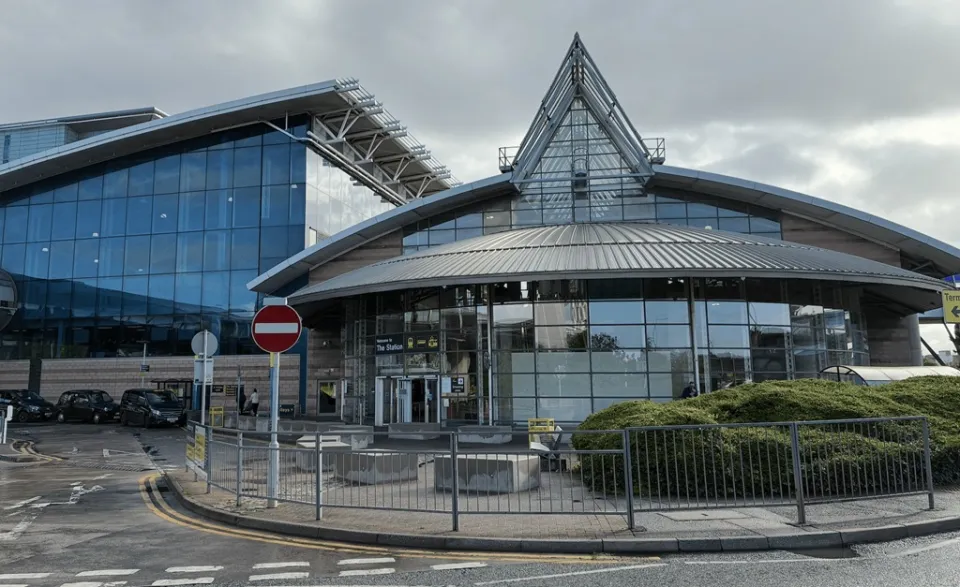
Rail minister Lord Hendy said: “Manchester Airport is a vital transport hub and this £115m investment from government will deliver more reliable services, increase capacity, and improve connections for the millions of passengers who use the station every year.
“This is the sort of improvement Great British Railways will be designed to deliver.
“By bringing track and train closer together under public ownership, we can take a more joined-up approach to investing in the railway, improving performance, putting passengers at the heart of every decision and growing the economy in the North.”
The £115m investment will be delivered by Network Rail and contractor Kier, and is expected to be completed sometime in 2028.
Passengers will face travel disruption as the programme gets underway.
Network Rail senior sponsor, Simon Daly, praised the improvement plan and apologised for any disruptions it may cause.
Daly said: “Manchester Airport station plays a vital role in connecting people across the country so these improvements will create more capacity for passengers, allow longer trains to serve the station and improve the reliability of services for years to come.
“The station closure on 6 December is an important first step in delivering these benefits. We recognise that any disruption is inconvenient and have worked closely with our partners to put plans in place, so passengers are kept on the move.”
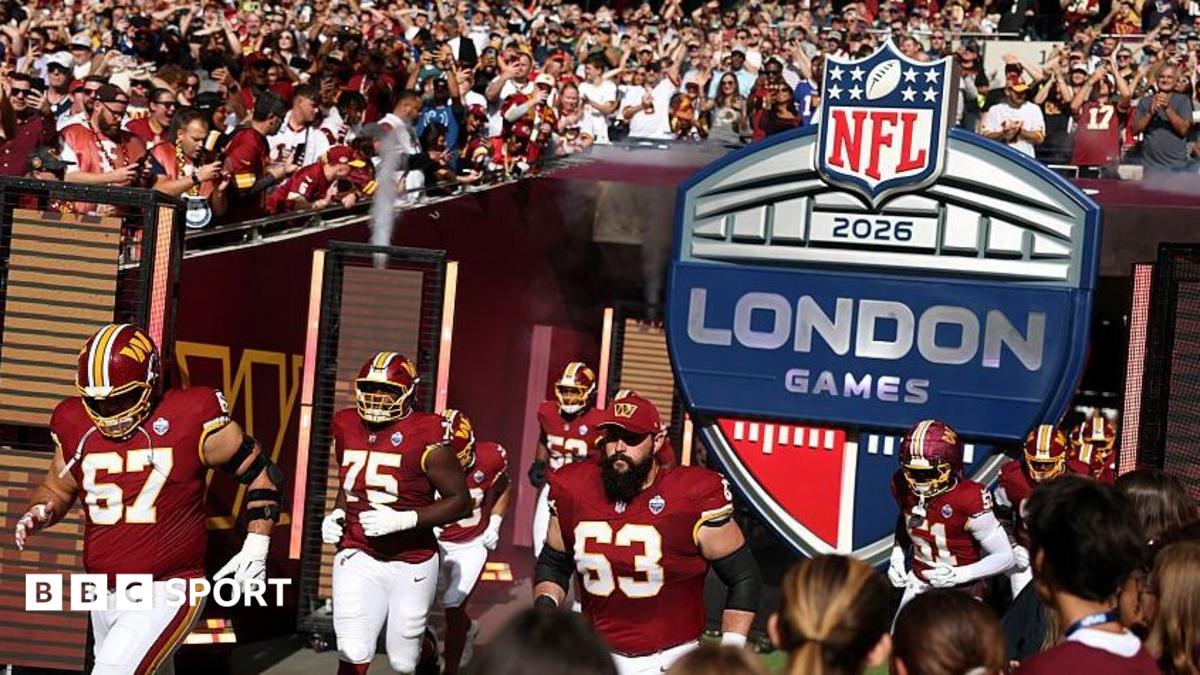
Tickets to see Indianapolis beat Washington 30-13 on Sunday went on sale in July at £79-£245.
But the NFL then dropped prices twice, in late August and again last week. That meant some fans who paid £185 were sat next to fans who paid £79 a few days ago.
Some tickets were also discounted or free via the Blue Light Card and Tickets For Good platforms.
Matt Cullen travelled from Cambridge to most of the London games and said there were two main reasons for the slow sales; a price hike and a season-ticket package being scrapped.
“I find the prices now mind-boggling,” he added. “It’s so far above the rate of inflation that it just feels like a money-grab. It’s priced out a lot of long-term fans.”
In 2019, tickets ranged from £55 to £125. According to Ticket-Compare, UK inflation has since risen by about 32.4% and the cheapest NFL London tickets have risen by 43.9%. The most expensive have seen a 96.5% hike.
Season-ticket packages had been available, guaranteeing seats for each London game with a discount, but they were scrapped after the 2024 season.
“It felt like a kick to the head for a lot of loyal fans who’d supported the games for a long time and spent a lot of money,” said Cullen, a former season-ticket holder. “But I do understand the NFL wants to bring new fans in.”