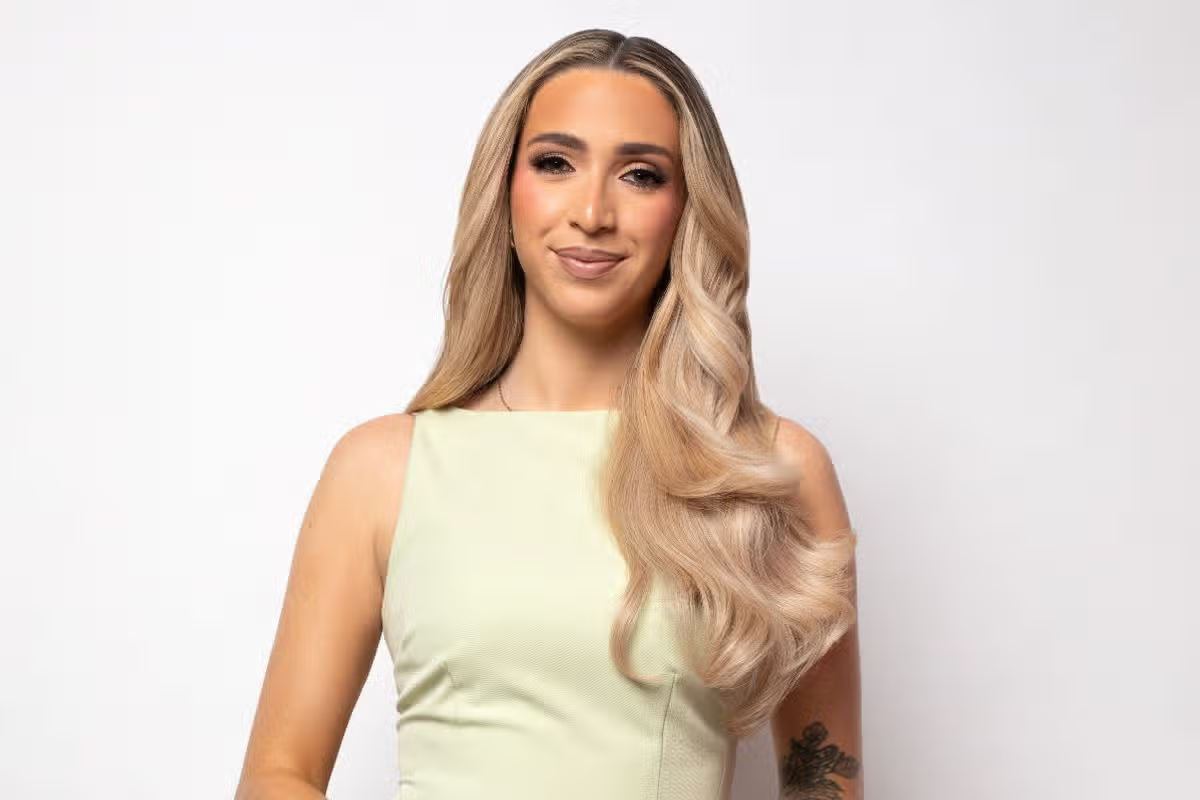
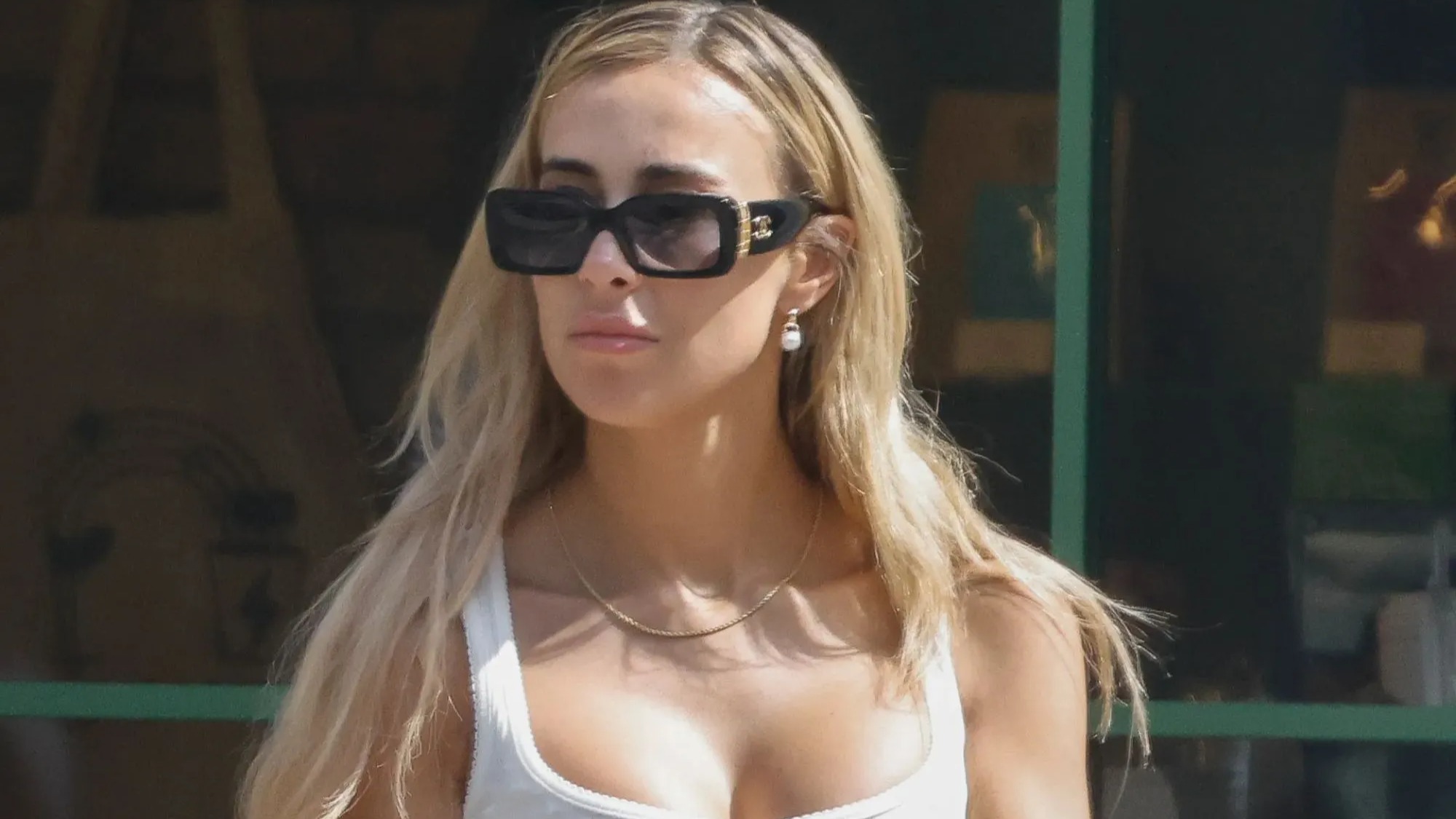
Loose Women star Grace Keeling says she no longer wants to suffer in silence over what happened to her a decade ago – and hopes it helps others to know they are ‘not alone’
Grace has written a book about her life experiences so far(Image: JAMES RUDLAND)
GK Barry says her decision to speak out on the sexual assaults she experienced as a teen was partly motivated by anger.
When the TV and social media star, real name Grace Keeling, was raped as a 17-year-old during her college work experience placement, she vowed to never tell a soul.
But a decade on, she has written a book about her many and varied life experiences in which she lays out what happened in the hope it will help other young women. And she told the Mirror that it “took a lot” for her to revisit the devastating ordeal.
“He was so confident about what he did, I’m sure I wasn’t the first and won’t have been the last, and maybe I could have stopped him from doing this to another girl,” she explains in the book. “But although I wish now I’d reported it at the time, I also feel really strongly that it’s not women’s f***ing responsibility to stop men raping us.”
Her attacker was her line manager for the week, who was 10 years her senior and had offered to give her a lift to work on her second day. But instead of taking her to the office, he drove her to a deserted park and demanded a sex act. “I didn’t know what else I could do except go along with what he was telling me – resisting or fighting back felt like it might make things worse,” she said. Horribly aware that she needed to finish the work experience in order to pass her college course and get to university, she felt she had to comply. “There was never a moment in my mind where I thought I could say no to what was happening,” she says. “When you’re 17 and scared as f***, thinking logically isn’t an option.”
There was worse to come. On her last day with the company, he took her into a side room with no cameras and asked her to remove her white jeans. “And then he rapes me,” she writes, admitting it took her a many years to accept that’s what it was. Agonisingly, she confesses that one of the reasons she vowed to never speak about what happened was “in case someone confirms my biggest fear that I was to blame”.
But a year on from the assaults, Grace found the courage to tell a teacher after learning that another girl from college was about to do work experience at the same company.
When she finally spoke to the police, she was told by a female officer that, because there was no evidence, it would be her word against his and she was highly unlikely to get a conviction. “At no point did the police officer say to me that what he’d done was wrong,” she reports, saying she was offered no support or counselling at any point.
With statistics showing that 1 in 4 women over 16 experience some form of sexual assault, and six out of seven rapes against women are carried out by someone they know, Grace wishes she’d known then about support group Rape Crisis. “I think people would be more confident coming forward and reporting assaults if we knew that people were on our side and willing to believe us.”
As she lays out what happened in her new book, the podcaster and Loose Women regular, 27, told the Mirror that the secrecy around these sorts of issues needs to stop. “I think it’s something that people don’t speak about. It’s something always kept very hidden. And I don’t think we should be ashamed about it.
“I haven’t put it in just for the sake of it, it took a lot for me to even speak about it,” she says quietly. “I wish I knew that you can say no, that rape can happen whether it’s someone you’re friends with, or close to, or a boss, that it comes in many forms.” And for anyone who has suffered anything similar, she says: “I would like them to know that it wasn’t their fault, because I spent a lot of years thinking it was.”
Grace, who grew up in Newmarket, Suffolk, and is a judge this year on The Mirror’s Pride of Britain Awards, is hoping her guide to surviving and thriving will also provide plenty of laughs. “The majority of it is just hilarious stuff that has happened to me,” she says. “I think people reading it can maybe learn from everything that I’ve done wrong.”
The book shows her devotion to footballer girlfriend of two years Ella Rutherford, an attacking midfielder for Millwall. Ella, 26, was her first relationship with a woman and it’s clear she thinks they will be together forever. Calling her the “undisputed love of my life”, Grace says she plans to eventually settle with Ella and their dogs on a farm.
Grace’s mother Loretta, and step-dad Andrew, have yet to learn about the many scrapes the TikTok star has had over the years. “My mum’s read the first couple of pages, but she has no idea what’s coming, God bless her,” she says. “I think maybe I won’t be able to look my mum and dad in the eye for a couple of months.”
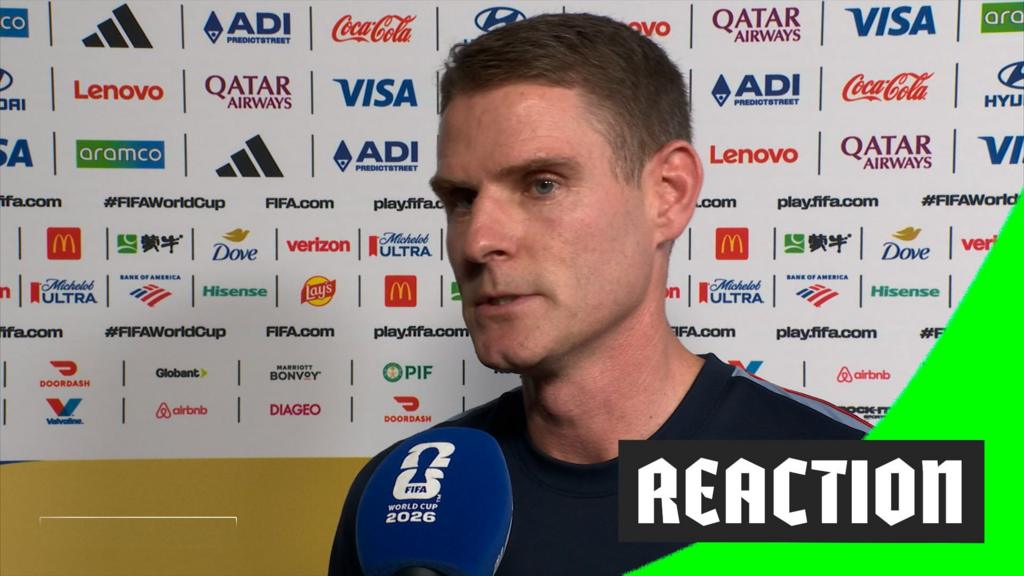
England assistant coach Anthony Berry tells BBC Sport how proud he is of his squad as they lead France 4-0 at half-time in the 2026 World Cup third-place play-off at the Miami Stadium.
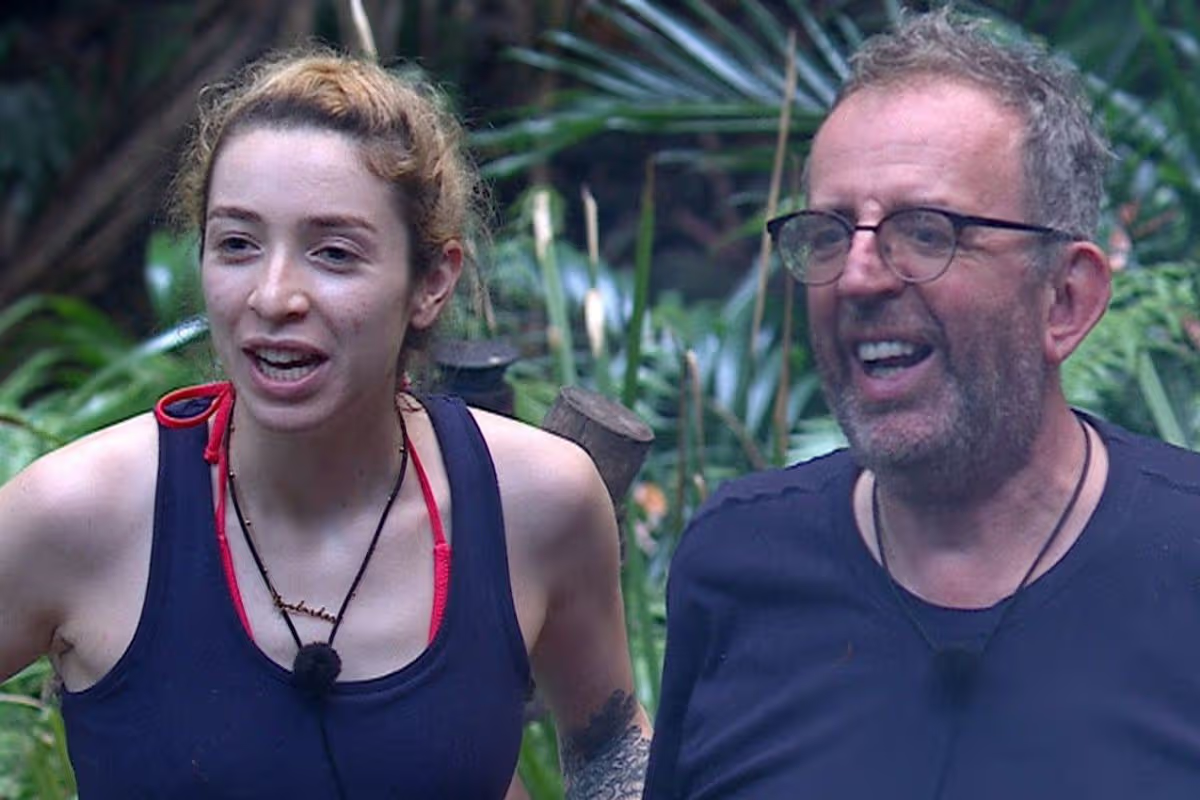
An ITV show starring GK Barry and Reverend Richard Coles has reportedly been dropped by the network after the duo filmed the pilot episode for the series
GK Barry and Reverend Richard were set to star in their own series(Image: ITV/REX/Shutterstock)
During their time in the Australian jungle, GK, who found fame online, and Church of England vicar Richard instantly struck up a bond and became inseparable, and a fan-favourite duo.
Last year, GK confirmed that the project was in the works and revealed that the pilot episode had already been filmed. But ITV has decided not to go ahead with the full series.
“There were high hopes for the project because producers were excited by the dynamic between GK and Richard, not least because it seemed to amuse viewers,” a source said.
They added to The Sun: “They enjoyed the idea of the wise older man interacting with the streetwise millennial as they explored some pretty deep subjects.
“But after provisional filming took place, it was decided not to proceed with it as a series, much to the disappointment of everyone involved.”
Speaking last year, GK hinted that she would even rope her footballer girlfriend, Ella Rutherford, into the show. She told Attitude Magazine : “We are exploring walks of life from two different generations — one from a gay godly man and a gay ungodly woman.
“There are some depressing bits in there, but one thing about me is that I will make a joke about it.” She went on to add: “We’ve filmed the pilot, so if we film the full series, then I will force this girl into it.”
Richard went on to say: “Me and GK struck up the best of friendships and I’m happy to say we’ve taken that with us out of the jungle into the wider world.” But he later joked that viewers could see something “surprising with coffins.”
And GK even said on social media that it had been “a dream” working with Reverend Richard on the show. On Instagram, the influencer said: “Working with you has opened my eyes to worlds I’d never heard of or dreamt of before.
“Some of them have been nightmares, but some of them have been dreams — and today has been a dream.” Sadly, it remains unclear why ITV bosses decided to pull the show after shooting the pilot episode.
During her stint in the jungle, GK opened up about her experience and said that she hadn’t expected to become close with Richard before they became friends. Speaking in the Bush Telegraph, she said: “I came into this jungle maybe not knowing who I would gel with or who I would be close with in here, and never in a million years if you told me that I would be getting on best with a reverend would I have believed you.
“But, he is honestly… I think he might be my favourite person in here.” Meanwhile, Richard said of their bond: “We got on so well and it was such an unlikely friendship and people seemed to enjoy it.
“I like visiting her world and trying to figure out what’s going on and I think she quite likes visiting my world, so maybe a little trip together would be fun to do. I love the TV reality format because you always have a ‘bromance’, but I’ve never had a bromance with a 25-year-old lesbian before, and that’s great.”
Arsenal‘s opening bid for Jeremy Monga rejected by Leicester, Liverpool ready to offer a package approaching £86m for Yan Diomande and Arsenal preparing bid for Bradley Barcola.
Arsenalhave had their first bid for Leicester City and England Under-19 winger Jeremy Monga rejected – the 19-year-old one of the Gunners’ long-term targets for the summer. (Telegraph – subscription required) , external
Real Madrid are looking to continue their summer rebuild by signing a midfielder and a centre-back, with Chelsea and Argentina midfielder Enzo Fernandez, 25, being one of the options highly rated by the club. (ESPN) , external
The Toffees are yet to receive a formal offer for Barry, but if a bid arrives from German side RB Leipzig or any other club, Everton‘s football leadership group will decide how to proceed.(Liverpool Echo) , external
Tottenham are firmly in the mix to sign Anderlecht and Belgium midfielder Nathan De Cat, with Manchester Unitedamong the 17-year-old’s other admirers from the Premier League. (Teamtalk) , external
The Reds are also pursuing a central midfielder, centre-back and right-back after triggering 22-year-old Osasuna and Spain winger Victor Munoz’s 40m euro (£34.5m) release clause. (Football Insider) , external
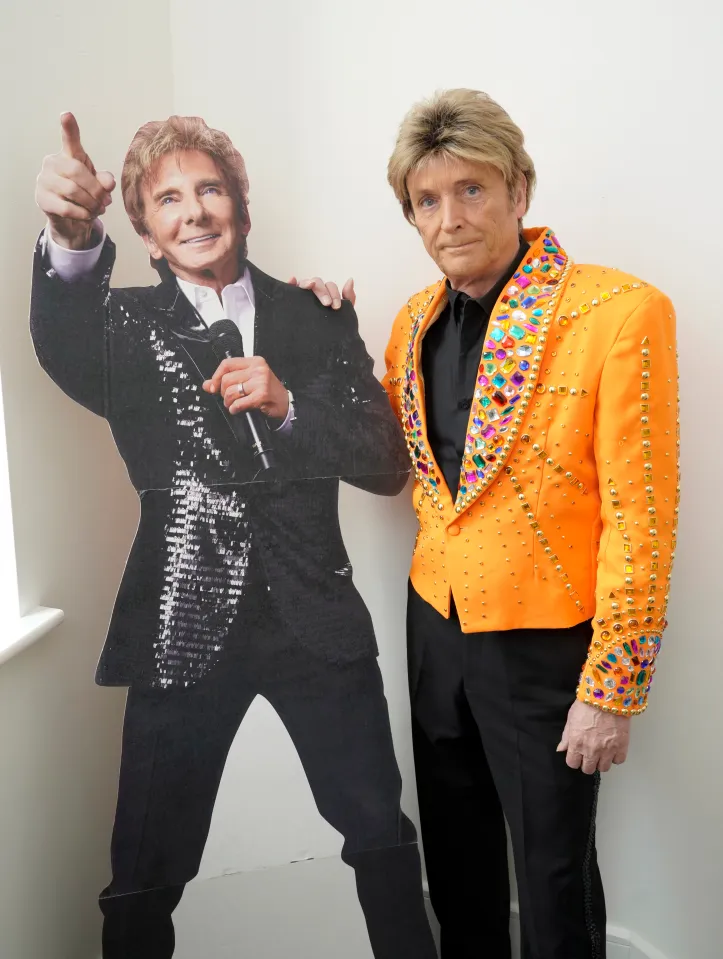
A BARRY Manilow fan was banned from meeting his idol after staff called his wig and jacket an insult to the singer.
Wayne Denton, 69, spent £2,400 on VIP tickets, which included an after-show meet-and-greet with the US star.
Sign up for the Showbiz newsletter
Thank you!
Wayne Denton was banned from meeting his idol after staff called his wig and jacket an insult to the singerCredit: News Group Newspapers LtdHe was wearing the same jacket Barry Manilow has worn on stageCredit: Penske Media via Getty Images
But he was told he would only be allowed in if he removed his wig and orange jacket, similar to one Copacabana hit-maker Barry, 83, has worn on stage.
Wayne, who has a Manilow tribute act called Celebrating Barry, said: “I was humiliated.
“It’s a wig I wear partly because I’ve got no hair.”
Wayne, from Stourbridge, West Mids, watched the show on Saturday at Liverpool’s M&S Bank Arena with pal Janet Martin, 54, a backing singer in the tribute act.
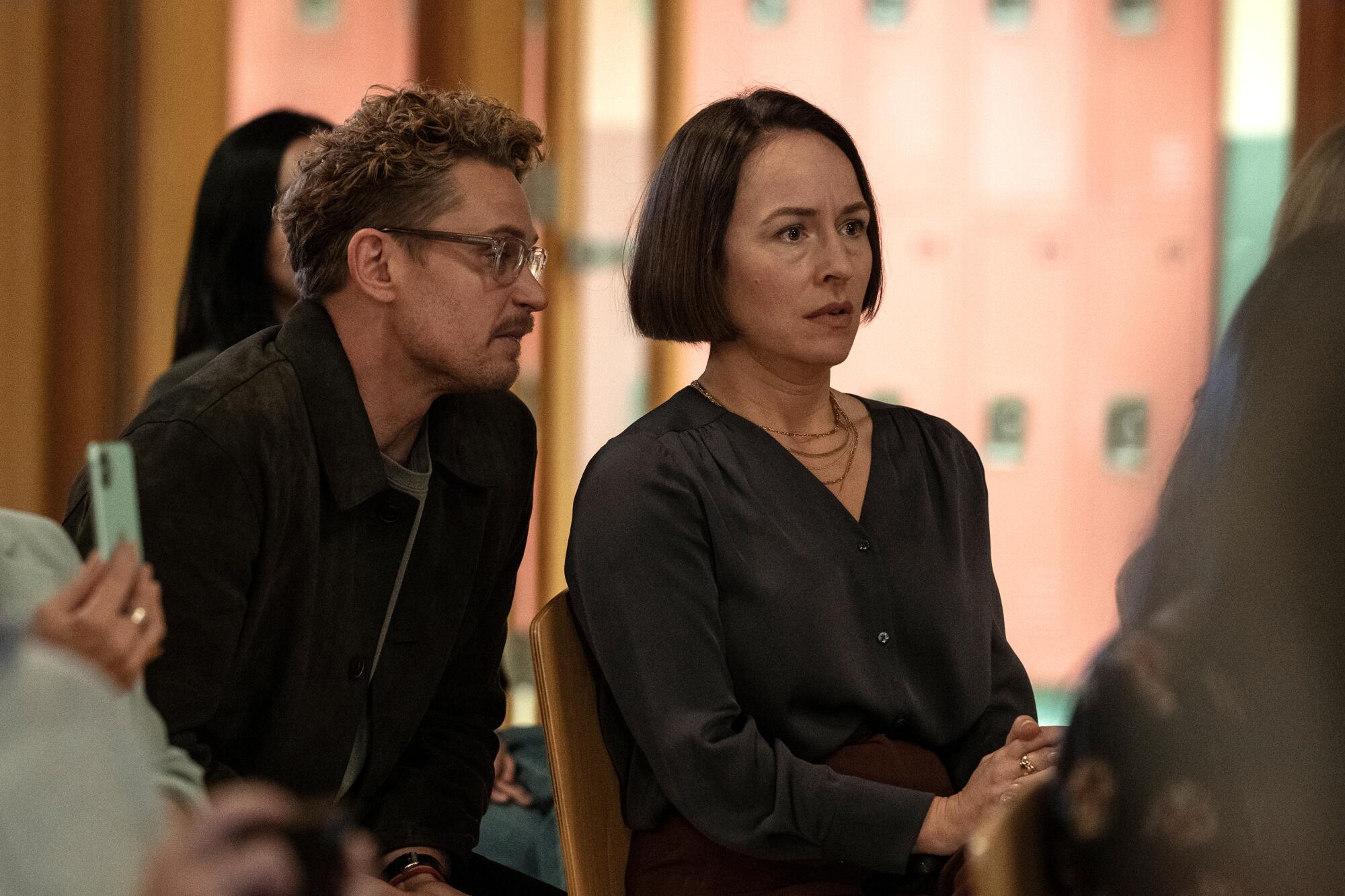
Few people do simmering panic as nimbly as Sarah Goldberg.
In her role as Dr. JoAnne Felder, a performance psychologist tending to the mercurial psyches of the billionaire man-children of Silicon Valley on the new AMC satire “The Audacity,” Goldberg careens from serene to slapstick as she tries to keep a lid on her increasingly unruly life.
It is the latest in a string of enviably layered characters for the Vancouver native, including her Emmy-nominated breakout turn as aspiring actor Sally Reed on the HBO contract killer dramedy “Barry” and the coolly calculating portfolio manager Petra Koenig on the network’s drama “Industry.”
“I’m definitely learning some large tech and finance words that I didn’t know,” she says with a laugh about her recent wealth-adjacent roles on a Zoom from London, where she makes her home. “I’m not sure if I’ll retain them.”
Given the accolades, it seems likely Goldberg only needs to memorize her lines and the rest will follow.
While she has given a distinctive performance in each of her roles, one of several threads tying the characters together is a moment when fear, rage, excitement, ambition or all of the above collide but must be contained. While that discipline sometimes devolves into delicious displays of apoplexy — witness Goldberg’s incredible, expletive-littered elevator meltdown in “Barry” — the 40-year-old actor is more often the face of diplomacy while telegraphing cortisol levels in the red beneath her placid exterior.
“As a blond Canadian, I really ran the risk of being the girl next door,” she says of her attempt to dodge typecasting onscreen after cutting her teeth onstage in London and New York in the mid-2010s. “I didn’t want to be the girl next door … maybe the girl next door with bodies in the basement.”
While the only bodies to be found in JoAnne’s basement on “The Audacity” are her eavesdropping son and his friends, the London Academy of Music & Dramatic Art (LAMDA) graduate has accomplished the mission of subverting what might have been a perky ingenue image with the role. (One she will continue, since the series has already gotten a Season 2 order.)
When the ethically challenged therapist starts dabbling in insider trading thanks to info gleaned from her patients — including bold tech names Duncan Park (Billy Magnussen) and Carl Bardolph (Zach Galifianakis) — the slippery slope awaits.
Goldberg with “The Audacity” co-star Billy Magnussen.
(Ed Araquel / AMC)
“I think that she started her career with a desire to help people and somewhere along the line she’s become incredibly jaded and she’s exhausted by being the most intelligent person in the room and yet having no material wealth to show for it,” says Goldberg of her character, whose struggles extend to motherhood of son Orson (Everett Blunck) and marriage to child psychologist Gary (Paul Adelstein).
It does not help that JoAnne is surrounded by people who have no trouble sliding headfirst down the slope as if it were an Aspen trail.
“She’s working with people who have so many houses that if one burns down, it doesn’t matter, and yet she’s struggling to keep the roof over her own head. So somewhere along the line she starts making these little contracts with herself thinking, ‘In this sea of moral bankruptcy, is my tiny little transgression really so bad? Or is it even justified?’ But these little small pacts start to snowball. You can see somebody torn between their better judgment, their core instinct, their humanity, and someone who is so frustrated that they’re stepping toward a kind of nihilism.”
That sense of inner conflict appeals to Goldberg, who says she knew instantly that she had to play JoAnne when she read the script by showrunner Jonathan Glatzer. “It’s rare for me to go out and be like, ‘I have to play this role!’” she says, adding with a laugh, “I can be quite passive. I can be quite Canadian in the American market. I felt like he’d found this incredible line of satire with pathos, which is my favorite kind of style.
“I’m always interested in playing characters on the precipice of losing their moral compass and which way they decide to go,” she continues. “And if JoAnne has anything in common with Sally from ‘Barry,’ because they’re such different characters, it’s that. … I love that Jonathan’s given JoAnne very mundane relatable problems in a world where the scale is so off and there’s a lot that the average person can’t relate to in that bubble.”
Goldberg has also been busy creating her own bubble, writing, producing and starring in the Canadian-Irish series “Sisters” — which just concluded its second season on AMC — with Irish actor Susan Stanley, her best friend since their LAMDA days. The odd couple sibling comedy finds Goldberg playing Sare, a buttoned-down Canadian who goes to Ireland to find her long-lost biological father (Donal Logue) and discovers shambolic half-sister Suze (Stanley).
“I was pretty shocked at how hard it is to get something made,” she says of the series’ six-year journey to screen. “And then to be in a leadership position where you’re inviting everyone to dinner and you’ve got to make sure there are three courses and being responsible for everybody’s well-being — it was wildly challenging, but absolutely thrilling.”
While she prepares to return to JoAnne’s world in Palo Alto — her hometown of Vancouver serving as a double — Goldberg feels very fortunate about where she’s landed.
“I’ve been so lucky at this stage in my career to work on scripts that I feel are really saying something and characters that I feel are morally complex and also to be in the business at a time where female characters are more complicated.”
Barry Keoghan’s new girlfriend is Danica Hall, who pals describe as ‘down-to-earth’Credit: SplashBarry has stepped back into the limelight with a new woman on his armCredit: Splash
But last week, Dublin-born Barry stepped back into the limelight with a new woman on his arm.
And far from being a global superstar, she’s a down-to-earth Brit.
“Barry’s new girlfriend is Danica Hall,” a friend tells The Sun. “Compared to Sabrina she couldn’t be more low key.
“She was born in Staffordshire and moved to London a few years ago. She was working for a cosmetic surgery company on Harley Street.
“Danica — or Neeka as her mates call her — is well-connected through her work. She met Barry through mates and they started talking. It evolved into a romance and they’ve both been totally smitten.”
Saltburn and Peaky Blinders star Barry, 33, and Danica, 29, were photographed together for the first time last week. They were seen kissing while picking up coffees on a relaxed holiday in Barcelona.
Friends say the pair have been together officially for weeks, with those close to Barry telling The Sun that Neeka reminds them of Alyson Kierans, the mother of his three-year-old son Brando.
The 39-year-old dated Barry from 2021 to July 2023, five months before he was first linked to Sabrina.
“Alyson was a dental nurse when she met Barry,” a pal explains.
“She didn’t court the spotlight then and she certainly doesn’t now.
“Her relationship with Barry may be over but they will share their son forever. She is a devoted mother and caring for Brando is her priority.
“That is something Barry really values in a partner. That sense of ‘normalness’ he had with Alyson, who wasn’t bothered about living a public life, is what his friends think he has found again in Neeka.”
Barry’s new romance is a stark contrast to the one he had with American singer Sabrina, 27.
They became one of 2024’s biggest It couples, with loved-up appearances at Coachella and the Met Gala.
Barry was even rolled out as part of Sabrina’s album campaign for Short N’ Sweet, appearing in the music video for her single Please, Please, Please.
“Neeka is totally in sync with Barry,” a friend explains. “When their relationship got more serious, she deleted all of her social media profiles, even her LinkedIn.
Barry and new girlfriend Danica share an intimate momentCredit: SplashBarry with ex Sabrina Carpenter at the 2024 Met GalaCredit: Getty
“She gets that he wants to live a quiet life and she is totally down with that.”
Those close to Barry also say that he has never been happier.
A pal adds: “Career- wise, Barry is going from strength to strength.
“The Beatles biopics will be intense from next year, with promotion all over the globe and Barry knows his feet won’t touch the ground.
“With Neeka, he’s been able to spend time doing things he loves. Working hard, living a quiet life and hanging out with his mates.”
When Barry split from Sabrina after a year, a source cited their busy workloads. But then all hell broke loose.
Social media trolls and hardline Sabrina fans accused him of cheating.
The unfounded claims were fuelled further by a TikTok personality called Breckie Hill, who was linked to Barry on a gossip website. In a statement posted just days after his split was made public, Barry wrote: “I can only sit and take so much. I deactivated my account because I can no longer let this stuff distract from my family and my work.
Barry with Alyson Kierans, the mother of his three-year-old son BrandoCredit: GettyBarry, above as Ringo, was announced as one of the new Fab Four for Sam Mendes’ Beatles biopicsCredit: PA
“The messages I have received — no person should ever have to read them.
“Absolute lies, hatred, disgusting commentary about my appearance, character, how I am as a parent and every other inhumane thing you can imagine.”
Those close to Barry said it was comments about his late mother, who died of a heroin overdose when he was 12, that hurt the most.
The star, who spent his formative years in and out of the care system in Ireland, said of his background: “She was just unable to look after us.
“My father wasn’t there and so we got taken into care.
“That kind of thing still haunts me. You don’t forget waiting on the social worker’s steps and waiting for a new family to come and play with you. You ask: why you?”
In his heartfelt statement announcing he was leaving social media, Barry also described the messages sent to him.
He wrote: “Talking about how I was a heroin baby and how I grew up, and dragging my dear mother into it. Knocking on my granny’s door. Sitting outside my baby boy’s house intimidating them. That’s crossing a line.”
Barry recently starred alongside Cillian Murphy in the Peaky Blinders film released in MarchCredit: PABarry shot to fame after his role in 2023 film SaltburnCredit: Alamy
But just four months after he bid a public retreat, Barry was unveiled as one of the new Fab Four for Sam Mendes’ Beatles biopics.
Insiders revealed that he threw himself into the work alongside Paul Mescal, Harris Dickinson and Joseph Quinn ahead of filming, which started production earlier this year.
He was rarely seen or gave interviews, and kept a low profile.
But last August, he hit the headlines again after Sabrina dropped her album Man’s Best Friend, which once again led to frenzied speculation that some of the songs were about him.
She even remade the video for Please, Please, Please, with the new version showing Barry’s character tied up in the boot of her car.
Sabrina refused to shut down allegations of cheating and said of her album: “I write songs about exactly how I feel, so I guess I can’t be surprised that people are interested in who and what those songs are about.”
In March this year, Barry told how he was still getting abuse online. He said: “There’s a lot of hate online. There’s a lot of abuse of how I look, and it’s kind of past the point of, ‘Everyone goes through that’.
“And everyone does, but it’s made me shy away.
Danica is said to be nothing like Barry’s previous girlfriend Sabrina CarpenterCredit: SplashThose close to Barry insist he will not be hard-launching his romance with DanicaCredit: Splash
“It’s made me really go inside myself, not want to attend places, not want to go outside.
“And I say this being absolute pure and honest to you. It’s becoming a problem.”
The following month he addressed the backlash around Sabrina, saying: “There was a narrative out there that was never really sort of even spoken on — a narrative that’s not true — and I never confirmed or said anything about it. And I just disappeared.
“I’m not asking for people to become my fans and like me because that’s not normal.
“I’m asking for people to stop assuming and also stop jumping on this narrative and attacking me and dragging me down in any way you can. I’m not saying this for pity. Why is it cool to hop on and beat someone up?”
Now, those close to Barry insist he will not be hard-launching his romance with Danica.
A friend added: “He has been through a high- profile romance, he’s not in a hurry to go back.
THE friction between Sir Paul McCartney and Ringo Starr in 1970 will be brought to life in the upcoming Beatles biopic.
But I can reveal there is tension among the two actors playing the pop legends, too.
Sign up for the Showbiz newsletter
Thank you!
Cast from left: Harris Dickinson as John Lennon, Paul Mescal as Paul McCartney, Barry Keoghan as Ringo Starr, and Joseph Quinn as George HarrisonCredit: PAPaul Mescal as Paul and Barry Keoghan as Ringo
Oscar-nominated Barry Keoghan is playing drummer Ringo, alongside Gladiator II star Paul Mescal as Macca.
Sources on the set of the film, directed by Sam Mendes and due for release in 2028, have noticed that the relationship between the two Irish actors has become strained.
One said: “Barry has been rubbing people up the wrong way.
“His timekeeping is not always up to scratch and he often references that he is a parent — despite not living with his son.
“He also brings his brother Eric on set as his assistant, which doesn’t always bring out the best in his character.
“Barry is professional and can bring out the best in any script.
“But he can test the boundaries off-camera.”
Paul and Ringo, the last surviving members of the band, clashed in 1970, shortly before the group split in April that year.
Paul was preparing to release his first solo album, McCartney, just a few weeks before The Beatles album Let It Be was due to come out.
His bandmates wrote him a letter asking him to delay it, and Ringo hand-delivered it to Paul’s home in London.
Paul, who is now close friends with Ringo, later admitted it was the only time he threw someone out of his house.
The new screen project is a series of four biographical films based on the lives and careers of each member of The Beatles.
Joseph Quinn is George Harrison in the movieCredit: �2026 CTMG, Inc., All Rights Reserved.Harris Dickinson is John Lennon in the new film
The four intersecting biopics, written by James Bond screenwriter Jez Butterworth, will tell the story of the group from their humble beginnings in Liverpool to becoming the biggest band on the planet.
Stranger Things’ Joseph Quinn will portray George Harrison and Harris Dickinson stars as John Lennon.
Earlier this week, Harris and co-star Paul went to the Primavera Sound festival in Barcelona, where they were filming.
Of the four films, Mendes explained: “Each one is told from the particular perspective of just one of the guys. This is a chance to understand them a little more deeply.”
Even so, it sounds like there’s another meaty story behind the camera.
Reza’s sharpe move
Reza Amiri-Garroussi and Bella Sharpe have got back togetherCredit: Channel 4
MADE In Chelsea couple Reza Amiri-Garroussi and Bella Sharpe have got back together.
The pair, who first dated in 2024, have been spotted together in London.
It comes as Reza’s ex Ruby Adler announced her engagement to multi-millionaire Luxe Listings Sydney star Gavin Rubinstein after just a year of dating.
An insider said: “Reza and Bella split due to the pressures of filming Made In Chelsea. But now they’re taking a break from the show, they’ve reconnected.
“Reza always wanted to give the relationship another chance. With Ruby out of the picture, there’s nothing to stop them.”
Hopefully it’ll be second time lucky for these two.
CHLOE’S PRICE IS RIGHT
TOWIE’s Chloe Brockett is dating a new fellaCredit: Louis Wood
I can reveal the reality star is courting Essex lad Daniel Price, who used to romance Yazmin Oukhellou.
Chloe recently split with Love Island champ Jack Fincham.
A source said: “Chloe and Daniel have kept their relationship quiet. They are enjoying getting to know each other. He treats her well and she is happy.”
It’s not the first time Yasmin and Chloe have shared the same taste in men after they both had trysts with James Lock.
Small world . . .
BEBE AND JASON ON THE BALL
Bebe Rexha belted out hits in a denim corset teamed with a fluffy pink cardieCredit: Shutterstock EditorialJason Derulo ripped his shirt off to bust out some signature movesCredit: Shutterstock EditorialDerulo performing on stage at Capital’s Summertime BallCredit: Shutterstock EditorialLola Young was back on fine form as she sang her anthem Messy and expressed her gratitude to the crowd for their supportCredit: Shutterstock Editorial
POP’S finest didn’t let the relentless rain dampen their spirits yesterday as they took to the stage to perform for Capital FM’s Summertime ball at London’s Wembley Stadium.
Bebe Rexha belted out hits in a denim corset teamed with a fluffy pink cardie, Jason Derulo ripped his shirt off to bust out some signature moves, and superstar DJ Fatboy Slim got fans dancing.
Lola Young was back on fine form as she sang her anthem Messy and expressed her gratitude to the crowd for their support.
Opening up about her sobriety on the socials this week, she wrote: “Sometimes I feel like I am grieving an old version of myself that I have chosen to let go of. Even though I chose a path that is better and safer, there are days where it still all feels wrong.”
HOPEFULS GIVE XTINA ROLE A BURL
From left: Natalia Jacques, Gracie O’Brien and Cecilia PetrushCredit: SuppliedProducer Christina Aguilera and writer and director Steven AntinCredit: Maja Smiejkowska
CHRISTINA AGUILERA has cast three young stars to share the lead role in her upcoming production of Burlesque The Musical.
British newcomers Natalia Jacques and Gracie O’Brien will portray Ali, the waitress-turned-dancer played by Christina in the 2010 movie.
American Cecilia Petrush will also star in the role.
Writer and director Steven Antin said: “When Christina brought Ali to life in the film, she created something truly iconic.
“Bringing Burlesque from screen to stage is about honouring that legacy. These three exceptional actresses step into those heels not to imitate Christina, but to continue the legacy she began.”
Burlesque The Musical returns to London this September at the new West End venue The Arts At Marble Arch.
Netflix boosts brand
Netflix has added rape- accused Russell Brand’s hit film St Trinian’s on to the streaming serviceCredit: Getty
NETFLIX has added rape- accused Russell Brand’s hit film St Trinian’s on to the streaming service.
The actor and comedian starred in the 2007 movie about rebellious schoolgirls alongside Colin Firth and Rupert Everett.
Netflix added the flick under “comedies” last month.
Brand starred as crook Flash Harry who taught the schoolgirls about “the seven laws of crime”.
He is accused of three rapes, three sex assaults and an indecent assault on six women from 1999 to 2009.
His trial at Southwark Crown Court is due to start in October and is expected to take up to eight weeks.
The former TV and radio presenter denies all charges against him.
Rupert, who played headmistress Camilla Fritton in the film, claimed Brand behaved “perfectly well” on set.
He said: “There were a lot of beautiful women on St Trinian’s and there was never any scandal to do with Russell Brand.”
Sean sis: it’s real deal
LOVE Island star Sean Fitzgerald has uncovered a perfect match in Lola Deal, according to his sister.
Gaelic footballer Sean, who is in a couple with former police detective Lola, sealed their romance with a kiss at the villa in Majorca earlier this week.
The hunk’s sister Katie revealed: “I absolutely adore Lola.
“She is gorgeous, so sweet, kind, and the smile she puts on Sean’s face is really nice to see.
“As of right now in the villa, I think Lola is best suited to him.”
She said of her brother: “I would just like to see more of his goofy side that we all see at home.”
JEANIE IS OUT FOR B*WITCHED
Irish girl group B*Witched from left: Lindsay Armaou, Edele Lynch, Keavy Lynch and Sinead O’CarrollCredit: AlamyThey have revealed that the outfits in their 1998 hit video C’est La Vie were not actually plannedCredit: 2018 Lorne Thomson
THEY rose to fame in the late Nineties wearing double denim – but Irish pop band B*Witched have revealed that the outfits in their 1998 hit video C’est La Vie were not actually planned.
Twin sisters Edele and Keavy Lynch, who supported their brother Shane and his Boyzone bandmates last night, sat down with Biz on Sunday’s Emily ahead of their performance at London’s Emirates Stadium.
Edele said: “The day before we were doing the C’est La Vie video, our clothes got stolen from the record company and they never knew where they went.
“So in a panic they ended up going to Levi’s in the morning to just grab some clothes.”
She added: “I still have my outfit from the 1998 tour and I still fit into it. I don’t know if that is a good thing or a bad thing at this point. My eldest daughter borrows stuff all the time and I’m always coming across it.
“In the winter she wears this white fluffy jacket which I wore for the To You I Belong video.”
The twins, along with bandmates Sinead O’Carroll and Lindsay Armmaou, released their single Firefly on Friday ahead of an EP in August – but as they gear up for their 30th anniversary, they don’t plan on hanging up their jeans any time soon.
Edele explained: “We’ve realised that if we turn up without denim, we might as well not sing.”
Asked about the possibility of being in a campaign with Levi’s, the singer said: “I think they are missing a trick.”
KATE’S SEACRET TALENT
Kate Moss Watercolour is being auctioned to raise funds for Doodle Drop For Coral, a new campaign led by Project ZeroCredit: SuppliedKate has made her debut as an artist this week by unveiling her first watercolour for saleCredit: Getty
KATE MOSS has made her debut as an artist this week by unveiling her first watercolour for sale.
The supermodel painted a green and blue seahorse, left, which is being shown alongside new pieces by Rolling Stone bandmates Ronnie Wood and Keith Richards, Hollywood actress Sharon Stone and Guns N’ Roses legend Slash.
The collection is being auctioned online to raise funds for Doodle Drop For Coral, a new campaign led by Project Zero, the ocean conservation charity co-founded by Ronnie’s son TYRONE WOOD.
Kate has signed her seahorse by hand, writing: “Love, Kate Moss”, alongside a tiny heart.
The current bid stands at £285.
A nude portrait of Kate was painted by the late British artist Lucian Freud in 2002. It sold for £3.5million.
Tyrone told me: “Kate’s seahorse is one of those pieces that makes you smile.”
Nigella Lawson has revealed the secret ingredient she tucks into that keeps her skin looking young and plumpCredit: Shutterstock
NIGELLA LAWSON has revealed the secret ingredient she tucks into that keeps her skin looking young and plump.
The Great British Bake Off judge, left, said: “I’m a great believer in butter. I just eat what I want.
“I’m not punish-ing myself trying to look like a model. I just waddle over and enjoy myself.”
Speaking at London’s Japanese restaurant Nobu, Nigella insisted she will not jump on the tweakment bandwagon, adding: “Cosmetic work is a tyranny. I just think there’s no point.”
Remind me to include a tub of Lurpak on my shopping list.