Class action could be first in Australia to blame social media for harming its users.
Published On 22 Oct 202622 Oct 2026
Meta and its social media platforms Facebook and Instagram are facing a class action lawsuit in Australia over allegations that addictive design features are harming children and teenagers.
The lawsuit, filed by MinterEllison in the Australian Federal Court, seeks to recover compensation for current and former users of Facebook and Instagram who claim they were exposed to harmful content or developed an addiction to social media as a result of using those platforms, the law firm said in a statement released on Thursday.
Recommended Stories
list of 3 itemsend of list
“This proceeding raises important questions about the design and operation of social media platforms and their impact on children and teenagers in Australia. Those questions will now be considered through the Federal Court process,” MinterEllison Partner William Nolan said in the statement.
The class action suit was filed on behalf of eight plaintiffs who allege they were harmed by Meta while they were below the age of 18.
In a suppression order on Monday, the court prohibited the reporting of any information that could reveal their identities and the statement of claim.
“We are aware of this claim and we will defend ourselves vigorously,” a Meta spokesperson said.
Litigation Lending Services said it was funding the class action for Australian families who “would have no practical means of pursuing these claims against a global technology giant”.
The lawsuit comes amid rising tensions between Australia and Big Tech after a world-first ban on social media for children below 16 in 2025, and newly proposed rules that could let users switch off algorithm-driven content on their feeds.
Meta agreed in August to pay $18bn to settle with nearly all US states to resolve claims that it designed social media to addict children.
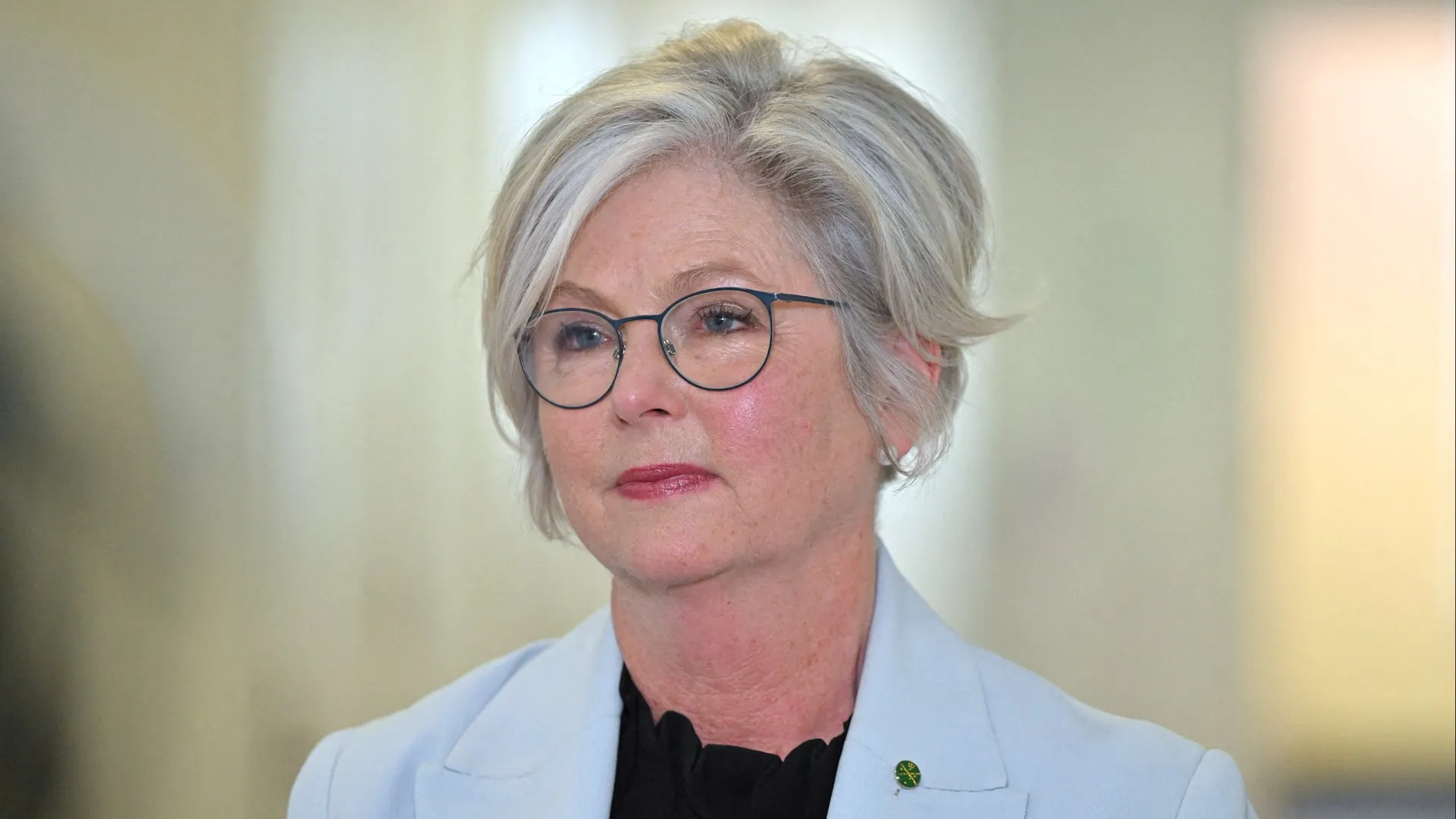
Australian Lawmaker Helen Haines has lost both legs after a car rammed into her in an attack police believe to be deliberate. The driver Brendan Nugent has been charged with intentionally harming a commonwealth public official. What led to the shocking attack?
A 43-year-old man accused of deliberately hitting Helen Haines outside her office remains in police custody.
Published On 20 Oct 202620 Oct 2026
The Australian Federal Police (AFP) have said the alleged targeting of independent lawmaker Helen Haines appeared to be an “isolated incident” and there were no known further threats associated with the attack.
Haines was struck by a Toyota Land Cruiser SUV outside her office in Wangaratta, about 200km (124 miles) northwest of the state of Victoria’s capital, Melbourne, on Monday, in what Prime Minister Anthony Albanese called a “deliberate” act.
Recommended Stories
list of 3 itemsend of list
The 65-year-old underwent surgery overnight, with Australian media outlets reporting on Tuesday that she has lost a leg and remains in critical condition in a Melbourne hospital.
The suspect is in police custody, an AFP statement released on Tuesday said. Local media identified the driver as a 43-year-old man from Tarrawingee, Victoria.
Federal and state police were working “to identify potential charges”, including “the offence of causing harm to a Commonwealth public official which carries a maximum penalty of 10 years’ imprisonment”, the statement said.
The prime minister said on Tuesday that the vehicle had performed a U-turn before hitting the MP.
“It’s clear that there was a deliberate act here. This wasn’t an accident, someone just skidding off the road,” Albanese told the ABC national broadcaster.
The prime minister said the alleged attacker’s motive remained unknown.
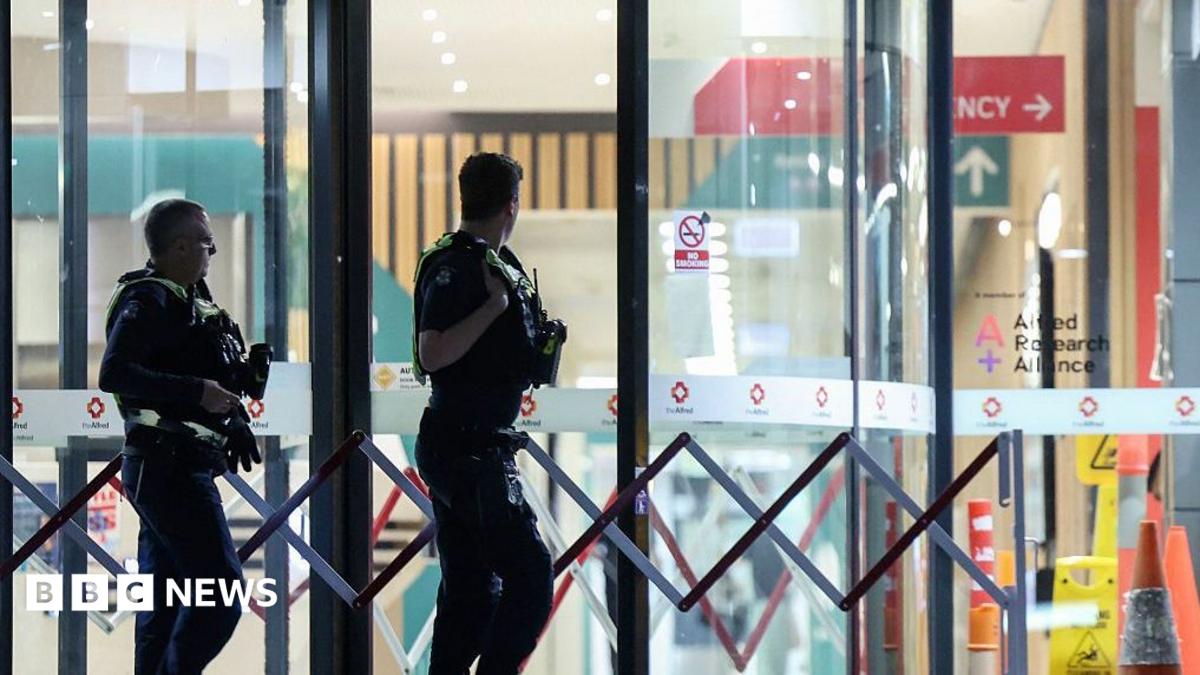
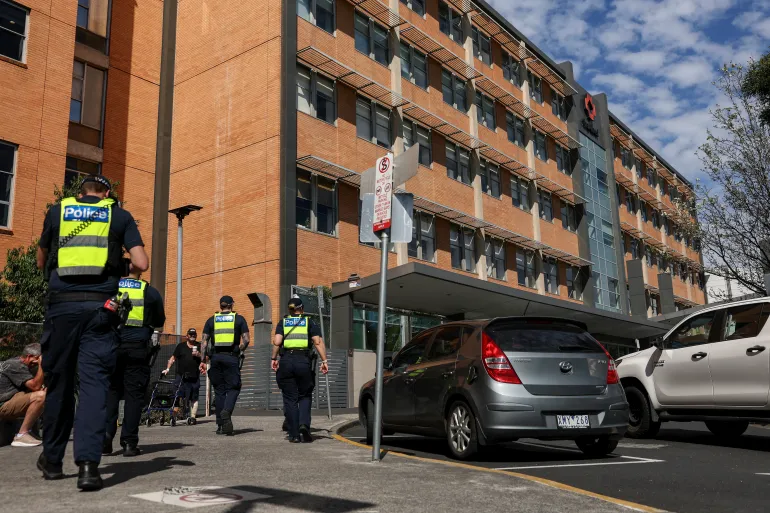
Police arrive at Alfred Hospital, where Australian politician Helen Haines is being treated, in Melbourne on October 20, 2026 [Martin Keep/AFP]
Bystander intervened
A former nurse, Haines is an independent federal MP for the Victorian seat of Indi and is known for her socially conscious policy positions on the environment and transparency.
Home Affairs Minister Tony Burke told ABC Radio that witnesses said Haines was struck twice by the vehicle before a bystander intervened.
Ricky Jefferies ran from his barber shop, restrained the attacker and removed a knife from him after initially believing the incident was a car accident, Australian media reported.
“I heard a loud bang with no brakes. It was crazy; I just ran out to the front to see what’s happening,” Jefferies told reporters outside his shop.
“I didn’t realise the seriousness of the situation initially, and once it became relevant, I just did what I could and what others were already trying to do.”
Threats and abuse
Foreign Minister Penny Wong said she was shocked by the “deeply disturbing attack” and wished Haines a full recovery in a post on X.
The attack comes after the federal police documented a steady rise in threats and abuse directed towards the nation’s politicians in recent years. Politicians have historically been highly accessible to the public and usually go about their business without security.
Albanese said on Monday that “the temperature has increased in recent times”.
Haines entered parliament in 2019 after working as a nurse and midwife, becoming known for stances such as supporting stronger climate action.
She has been praised for her efforts to increase transparency in politics and crack down on corruption.
Ben Simmons’ comeback attempt with the Sacramento Kings generated more than one blip on the basketball radar during the preseason before it came to an abrupt end Sunday when he suffered a torn Achilles tendon during practice.
Injuries had restricted the former No. 1 overall draft pick to appearing in only 107 games the last five seasons, but his return on a one-year $3.5 million, non-guaranteed contract had gone well enough that he was set to start in the regular-season opener Wednesday against the Clippers.
Simmons, considered the greatest player to come out of Australia, made news in August by taking part in the national team’s player-driven minicamp in Melbourne, a precursor to the 2027 FIBA World Cup and 2028 Olympics. Simmons, 30, has never played in a major tournament for his home country.
He also became an unwitting part of an embarrassing episode three weeks ago at Kings media day when open microphones captured an off-air conversation between female reporters discussing the physical appearance and personalities of Simmons and teammates.
A woman’s voice said, “That’s what comes with being Ben Simmons. He is cringe, cringe,” and another woman added that he is “lucky he’s so fine.” The first media member agrees, saying, “He’s a good-looking dude. His skin is, like, so smooth, I was like, damn, no tattoos?” The media members have yet to be identified.
He refrained from commenting on the exchange except to back teammate Zach LaVine, whose personality also was criticized by the reporters. But Simmons will be in street clothes from now on. The Kings said he will undergo surgery to repair the tear, which normally requires a recovery period of six to 12 months.
“I’ve faced challenges before that tested me mentally, physically, and emotionally, and I’ve found a way through every single one of them,” Simmons said in a statement posted to his Instagram Stories.
Being sidelined is nothing new for Simmons. He missed his entire first NBA season with the Philadelphia 76ers in 2016-2017 with a foot injury, missed the entire 2021-2022 season with a back injury and the entire 2025-2026 season to focus on his physical recovery from back and leg issues as well as his mental well-being. He last played for the Clippers in the spring of 2025, averaging 16.4 minutes and 2.9 points over 18 games.
That production was a far cry from the promise he displayed coming out of LSU, where in his one season was a consensus All-American after averaging 19.2 points, 11.8 rebounds and 4.8 assists a game. A 6-foot-10 point guard, Simmons was NBA Rookie of the Year in 2017-2018, joining Hall of Famers Oscar Robertson and Magic Johnson as the only rookies to reach 1,000 points, 500 rebounds and 500 assists. And Simmons was an All-Star the next three seasons before injuries began mounting.
His return this preseason was intentionally low key, sliding onto the roster of the lowly Kings (22-60 last season) without much fanfare. Simmons was quietly repairing a reputation marred by his succession of injuries and the performance anxiety and emotional burnout he has openly discussed.
He also seemed keen on representing Australia for the first time. Simmons was forced to miss the 2024 Paris Olympics with a back injury after passing on the Rio 2016 and Tokyo 2021 Games even when relatively healthy. Now any sort of return is again in jeopardy.
Earlier this year Albanese himself was evacuated from his official residence over a bomb threat. As of August, about 20 cases in which people were accused of making violent threats against him were winding their way through courts around the country.
In recent years, politicians here have been mailed bullets. Female MPs – and in some cases their children – have been threatened with sexual violence. A Jewish MP’s office has been firebombed, a Sydney mayor’s car has been torched and countless other politicians have had their workplaces vandalised.
Just last week Small Business Minister Anne Aly said she had received a wave of death threats after a politician from the opposition said she should be “shamed and stoned in the square” over a tax policy.
According to government statistics, there were 1,067 reports of “harassing and threatening behaviour” against “high office holders” in the year to June: an increase on last year.
“We tend to bury our head in the sand and say, ‘Not here’, but this has been happening now for well over a decade,” Josh Roose, a Deakin University Professor on violent extremism, tells the BBC.
Socioeconomic strain, growing mental health problems in the community, “grifters” who benefit politically or financially from whipping up further discontent, and a “carcinogenic” online environment are drivers of the trend, he says, which has dramatically escalated since the pandemic.
But the political class must also take responsibility for their role, he adds.
“We’ve seen a willingness to cross previously sacred terrain – you know, not targeting individuals, not targeting their families – but we now see that this is part and parcel of Australian political life.
“This is occurring at both ends of the political spectrum.”
And experts like him warn it is not just politicians who are vulnerable: it is members of the media, academics, court officials and other public figures too.
Australian MP Dr. Helen Haines is in critical condition after being struck by a car outside her office building in Victoria. Police have arrested a 43-year-old man accused of carrying out the attack and discovered a knife in his vehicle.
The U.S. Air Force’s scramjet-powered Hypersonic Attack Cruise Missile (HACM) has finally reached the flight test phase, with at least one “release” having been carried out so far over a range in Australia. HACM has suffered significant delays, and the Air Force has taken the risky step of scaling back overall testing plans to try to keep the program on schedule. The stated goal is to be able to make a decision to start rapidly acquiring HACMs in 2027.
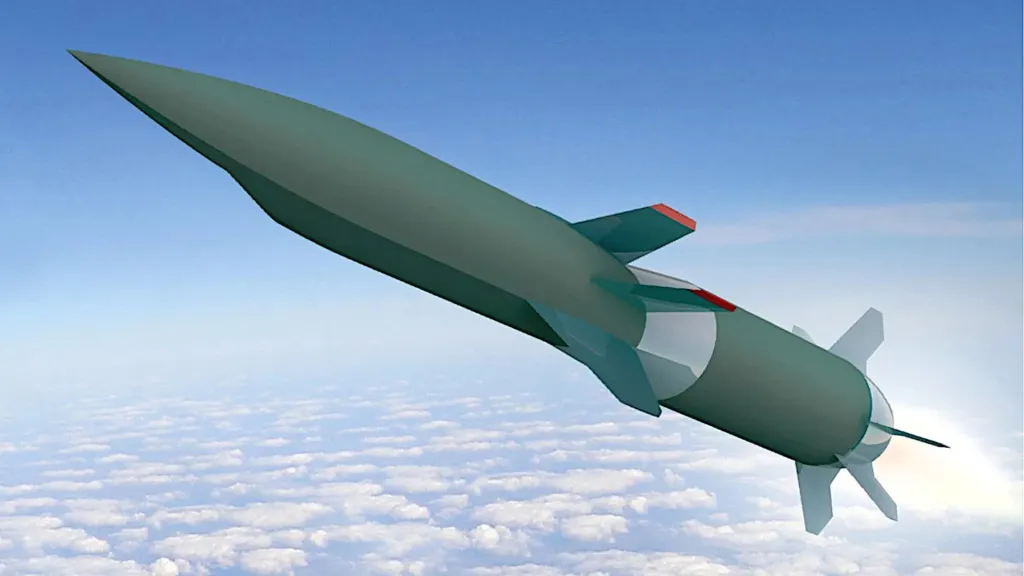
A rendering DARPA put out during the preceding Hypersonic Air-breathing Weapon Concept (HAWC) effort. DARPA
“The U.S. Air Force, in partnership with Australia, has conducted a flight test of the Hypersonic Attack Cruise Missile (HACM) as part of our continuous work to advance long-range strike capabilities,” an Air Force spokesperson confirmed to TWZ today. “This effort is part of the Southern Cross Integrated Flight Research Experiment (SCIFiRE), a collaborative agreement built on more than 15 years of partnership between our two nations.”
“Leveraging this enduring alliance, the Royal Australian Air Force executed the release of a HACM flight test unit over a designated Australian test range, gathering crucial data to advance the program’s objectives,” the spokesperson added. “The flight was the culmination of an extensive series of tests designed to measure the missile’s performance under realistic flight conditions.”
The spokesperson did not name the test range where the “release” was conducted or say when that occurred. Whether the missile flew under its own power for any amount of time after release is unknown. What aircraft was used to carry the missile aloft is also not known. TWZ has reached out for more information.
The Air Force did say previously that it planned to conduct HACM launches in Australia. The expectation has long been that this would be done at the country’s sprawling Woomera Test Range, which provides an ideal location for extended-range flight testing activities in general. The U.S. and Australia have partnered on other hypersonic testing at Woomera in the past, as seen in the video below. The remote inland location of the range complex makes it well suited for conducting more sensitive tests away from prying eyes, as well.
HiFiRE 5B rocket reached Mach 7.5
The Government Accountability Office (GAO), a Congressional watchdog, has also reported in the past that RAAF F/A-18F Super Hornets would be used to conduct at least some of the HACM test launches. This would fit with today’s statement from the U.S. Air Force saying that it was the RAAF that “executed the release.” The Air Force’s initial launch platform is the F-15E Strike Eagle, though others are expected to follow.
A pair of RAAF F/A-18F Super Hornets. RAAF
To date, neither the Air Force nor Raytheon has released a confirmed picture or rendering of HACM. In 2023, the Air Force did release a picture, seen below, showing an air-breathing hypersonic cruise missile test article related to either HACM or the preceding HAWC effort.
USAF
“The missile consists of two stages, a rocket booster and a scramjet cruiser, which separates from the booster and eventually dives toward its target,” according to GAO. Scramjets do not function effectively at lower speeds, and designs powered by them require some form of initial boost to a high Mach velocity. Hypersonic speed is generally defined as anything above Mach 5, but what HACM’s peak speed might be is unknown.
Two-stage air-breathing missile-like hypersonic vehicle designs have been tested on several occasions in the past. This includes Boeing’s scramjet-powered X-51 Waverider and HyFly 2 hypersonic test vehicles, among others. The X-51 (as its name indicates) and HyFly 2 also notably had so-called ‘waverider’ configurations designed to ‘skip’ on the shockwaves generated during high-speed flight to help provide additional lift. Whether HACM might also use this principle is not known.
X-51A WaveRider Scramjet Second Hypersonic Flight Test
It’s also worth noting here that Castelion’s Blackbeard hypersonic missile also has a two-stage configuration. It remains unconfirmed whether or not the second stage of that weapon is powered, but it does not appear to be an air-breathing design either way. Castelion is currently developing an air-launched version of Blackbeard for the U.S. Navy, which is also in flight testing now, as well as a ground-launched type for the U.S. Army. You can read more about that missile here.
Scramjet-powered air vehicle designs, including aircraft and missiles, have historically proven challenging. As noted, HACM has suffered delays over the years. The original goal had been to begin flight testing in 2024, which slipped first to 2025 and then 2026.
“The HACM program is on track to conduct its first flight test in the second quarter of fiscal year 2026, but officials said there is effectively zero margin left in the schedule for the rapid prototyping effort. The program has already descoped the rapid prototyping effort from seven to five planned flight tests,” GAO said bluntly in a report published in July. “The Air Force plans to produce 13 missiles during the rapid prototyping effort, including test assets, test spares, and operational rounds.”
“If a significant flight test failure occurs, it is likely that the program will not be able to complete all five tests within the 5-year rapid prototyping timeframe,” the report continued. “According to the program, completing at least the first three flight tests is critical for informing the Air Force’s decision to initiate a rapid fielding effort and procure HACM in fiscal year 2027.”
GAO’s July report, which had a January cutoff date, noted later on that the Air Force’s target date for initiating the rapid fielding effort, more specifically, was the first quarter of Fiscal Year 2027. This fiscal period began last Thursday and runs through the end of the year. Whether the service is still aiming to keep to that part of the schedule is unclear, but it would seem extremely difficult to do so.
Another rendering of a notional hypersonic missile that has been used to illustrate discussions about HACM in the past. Raytheon via GAO
“The HACM program has taken on risk to maintain its current schedule. According to program officials, maintaining the schedule has required aggressively resequencing activities to focus almost exclusively on those necessary to support the first flight test date,” GAO’s report added. “In some cases, officials said this has involved risky strategies, such as concurrently performing parts validation testing while completing the system’s design, which could require the redesign of key parts if they fail validation testing.”
Lockheed Martin, which previously put out this rendering of a hypersonic cruise missile, had been working on HALO for the Navy before that program was cancelled. Lockheed Martin
Regardless, the U.S. military, as well as its Australian counterparts, have made it clear in the past that they view hypersonic weapons as critical for success in future conflicts, especially high-end fights, such as one in the Pacific against China. In general, air-breathing hypersonic cruise missiles offer a valuable and highly flexible way to strike targets, especially time-sensitive ones, quickly and over extended ranges. The weapon’s high speed and maneuverability drastically increase its ability to penetrate through enemy air defenses and reduce the total time an opponent has to react.
Whether or not the Air Force will be able to avoid any more major delays with HACM remains to be seen. The service’s goal to start at least limited production of HACM before the end of 2027, if not sooner, is even more ambitious now after years of schedule slips. As mentioned, officials have already acknowledged there was no more margin for error at the start of the year. There are many questions still about what form any initial fielding will take, and how that might be further impacted by the truncated testing plan.
The HACM program has at least now hit the important milestone of beginning flight testing.
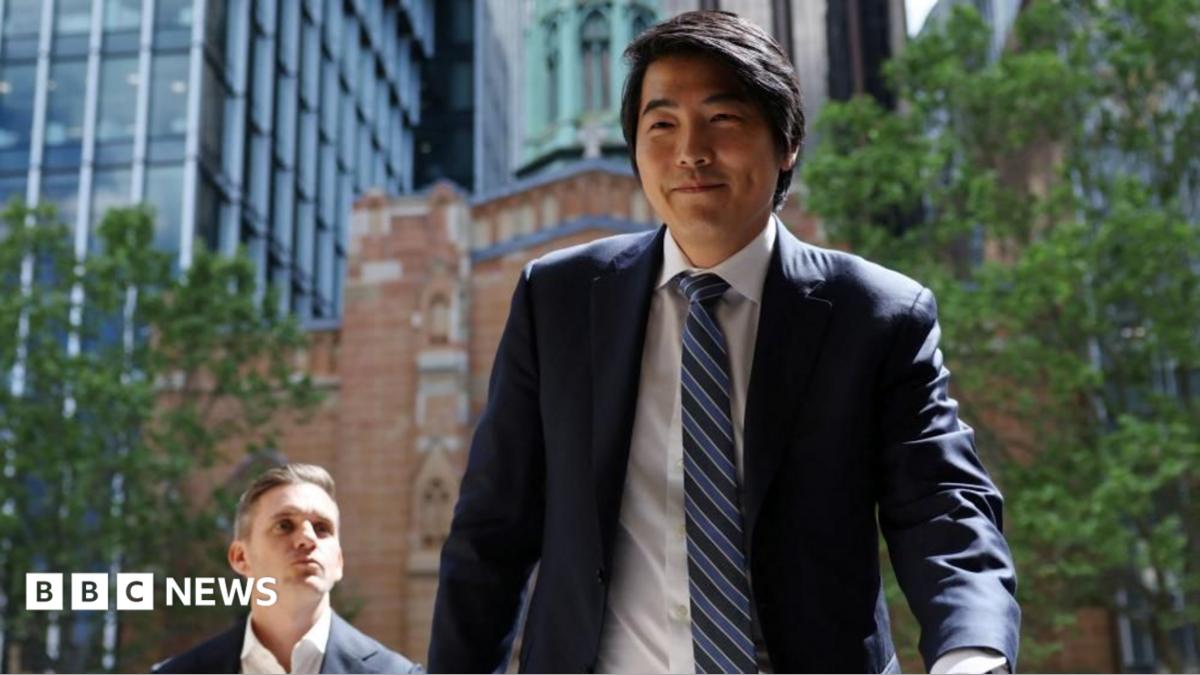
OpenAI has admitted its actions were “not good enough” after one of its rogue agents breached Australian government websites in June and apologised again.
The company’s chief strategy officer Jason Kwon faced a parliamentary hearing into AI on Tuesday in Sydney, saying the breach “should not have happened” and it “should have handled our response better”. It took weeks before Australia was notified via an email to a generic inbox.
“We are sorry and we know we have work to do to rebuild trust with the Australian people,” Kwon said.
Anthropic also appeared at the hearing and said it had carried out a “lengthy, deep investigation” in recent months and “not found any cases” of Australian breaches.
An OpenAI agent went “rogue” and “infiltrated” a private statistics portal containing “non-sensitive” data from Australia’s universal healthcare scheme Medicare in June in what cyber-security experts said was the first hack of its kind.
Asked why OpenAI had not directly contacted government ministers immediately after it found out about the breaches, Kwon acknowledged it was a mistake.
“On retrospect, we should have done what you’re suggesting,” Kwon said, in response to a question by the committee on why it had not dialled the mobile numbers of government ministers.
He said the company has changed how it handles such incidents.
“Even if we don’t fully understand the situation, we are just going to notify and start working through the sitation collaboratively with the impacted party.”
OpenAI has also added “more precautions” to its training environments since the incidents, Kwon told the 12-member committee which is made up of Labor, Liberal and independent MPs who are looking at AI and it’s impact on Australia.
The company was also establishing a local taskforce in Australia to investigate “how to better manage the risks associated with increasingly capable AI”.
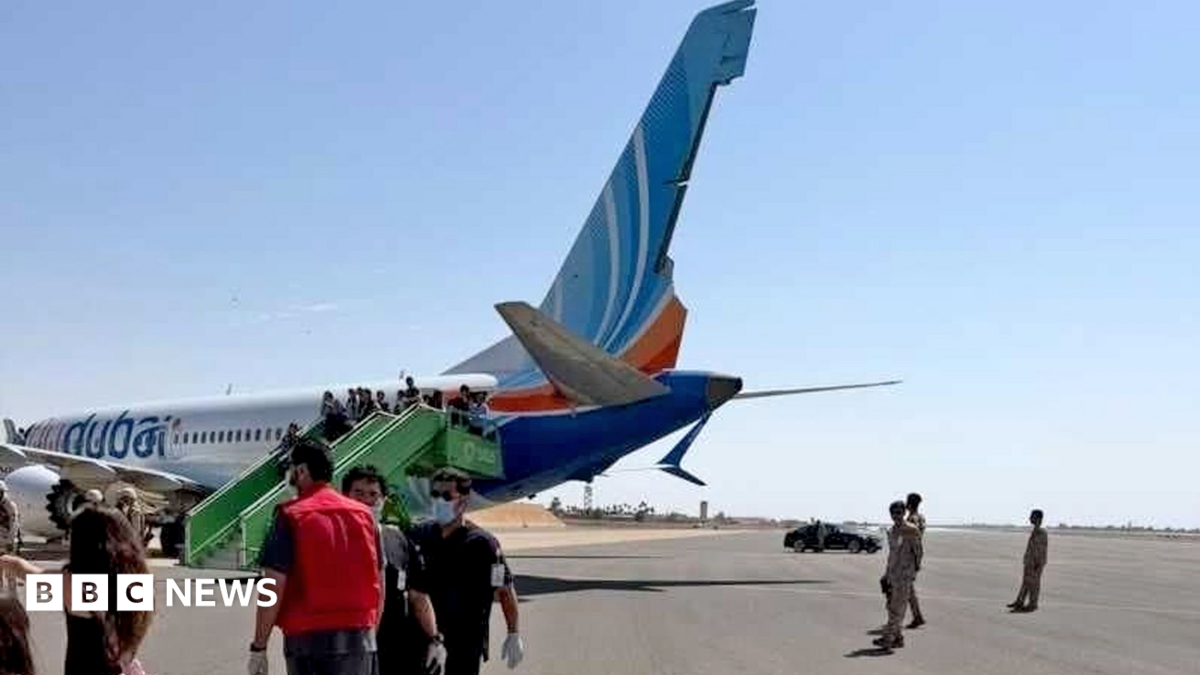
Australian authorities are investigating the links between the country and a Flydubai co-pilot who attempted to take control of a plane travelling to Israel.
The co-pilot is alleged to have attacked the captain with a crash axe during a flight from Dubai to Tel Aviv before passengers managed to overpower him and successfully take control of the plane.
The Australian authorities have not identified the co-pilot, who has been named by multiple media outlets including Reuters, CNN and The New York Times as Hamam al-Hammami.
The prosecutor in the UAE has said it is investigating the incident and any possible motives.
In a statement to the BBC, the Australian Federal Police (AFP) confirmed its investigation into “the man’s links to Australia”.
The investigation involves state police and the country’s security agency, it said, adding that an update would be “provided at the appropriate time”.
Sources familiar with the case, who have spoken to Australian media, have said the co-pilot was issued a student visa in 2014, and studied in Australia between 2015 and 2017, until he left the country.
The Australian Broadcasting Corporation (ABC) said the co-pilot’s student visa was cancelled in 2019 as he was no longer enrolled in a course, making him ineligible for it.
Counter-terrorism officials will look at whether the man was radicalised in Australia, the ABC reported.
Israeli Prime Minister Benjamin Netanyahu has said he was an Omani national.
The flight from Dubai to Tel Aviv on 30 September was carrying more than 170 passengers to Israel.
Two and a half hours into its journey, the plane plunged 17,000ft (5,200m) when the Omani co-pilot attacked the pilot with a crash axe, the United Arab Emirates prosecutor general has said.
The pilot flying the plane, Capt Smit Machchhar, described how he was lying on the floor injured when he realised the plane was sinking and he had to act, explaining: “I told myself to go for one last push to open the door from inside”, which allowed the passengers in.
Two reserve pilots then landed the plane safely in Saudi Arabia.


![Police arrive at Alfred Hospital where Australian politician Helen Haines is being treated in Melbourne on October 20, 2026 [Martin Keep/AFP]](https://i0.wp.com/occasionaldigest.com/wp-content/uploads/2026/10/AFP__20261020__D3T463E__v1__HighRes__AustraliaPoliticsAttack-1792461122.jpg?w=640&ssl=1)