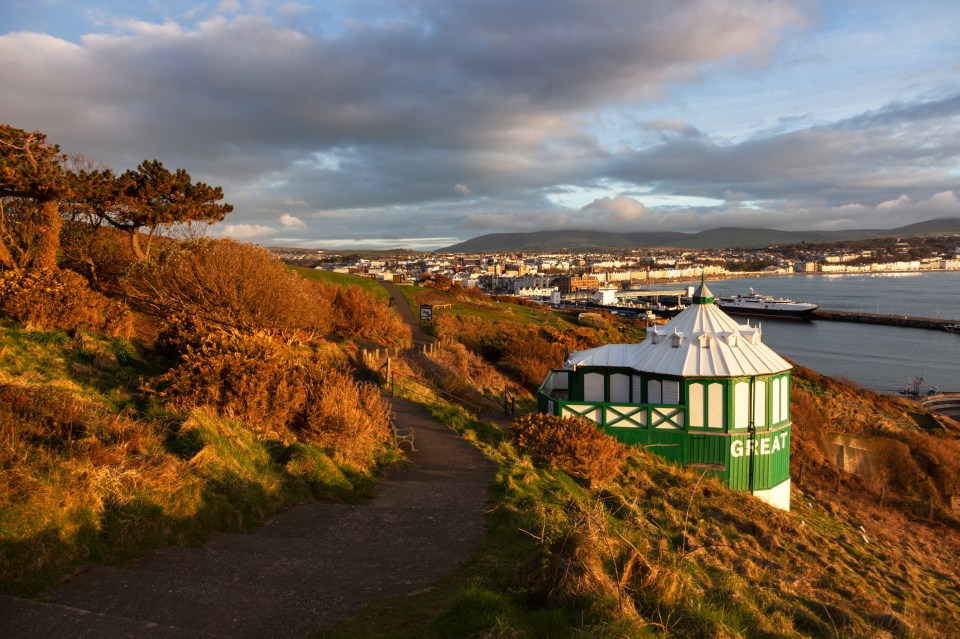
A MASSIVE new ride worth £8.7million will launch at an English seaside town next month.
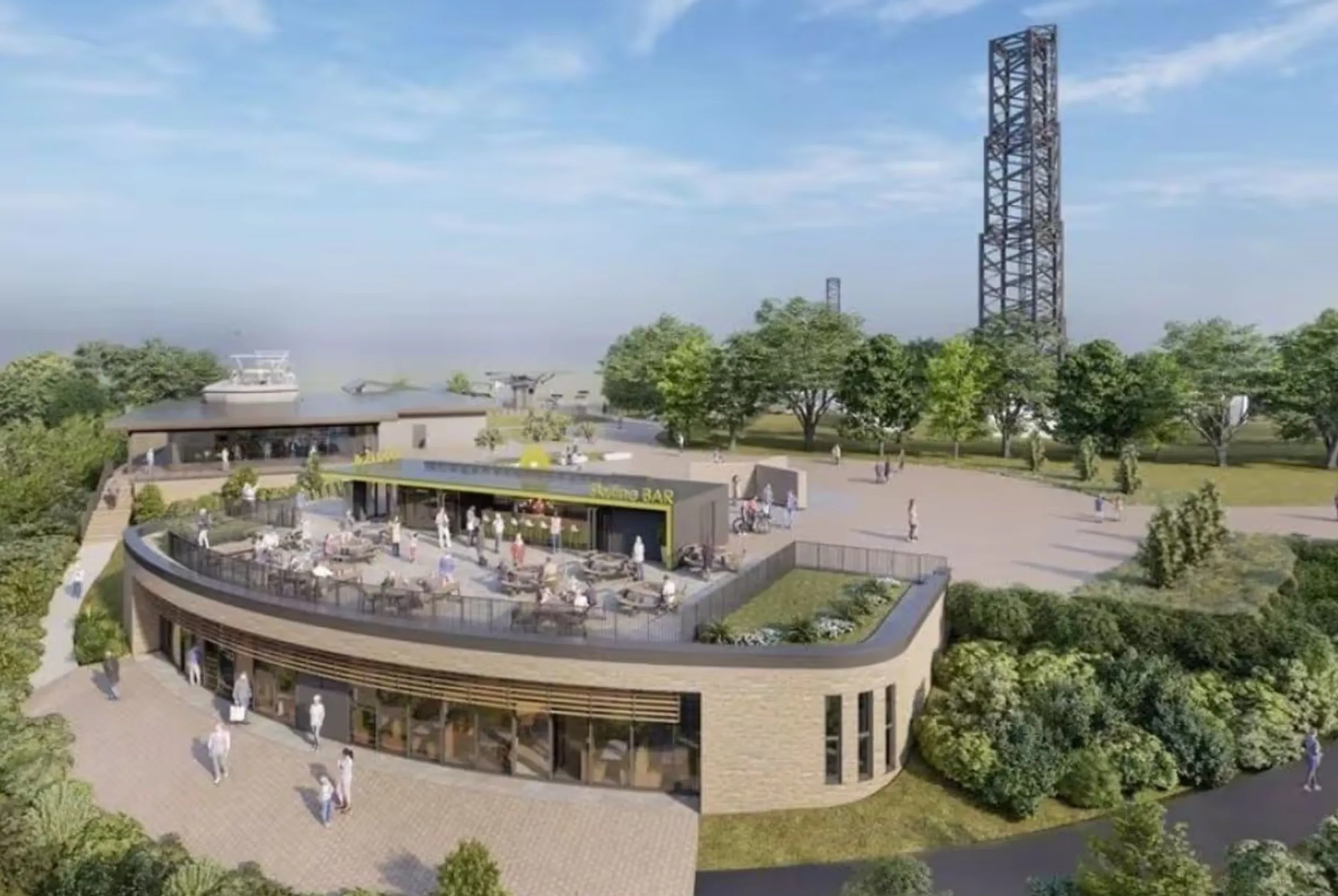
The 138ft gyro swing attraction is the tallest in the UK, and will transform the town’s iconic skyline.
Sign up for the Travel newsletter
Thank you!
The 138ft swing ride towers over the spectacular Pleasure BeachCredit: SuppliedThe new ride comes along with a raft of other updates to mark the park’s 130th yearCredit: Supplied
Adrenaline junkies will finally be allowed onto the mega Aviktas ride at Blackpool Pleasure Beach on May 21.
The towering swing can accommodate up to 40 people in outward-facing seats, with riders soaring over the seaside.
Its long arm swings back and forth on a 120 degree trajectory, hurling thrillseekers round and round as well as back and forth.
This summer marks the 130th anniversary of the seaside town’s iconic Pleasure Beach.
Alongside the gargantuan swing ride, the theme park has added other updates to mark the anniversary.
This includes a free ticket for under-twos, which means they can have access to suitable rides without paying for the first time.
It has also launched a new annual pass, which offers a full year of entry to the park.
Further updates include: a half price return ticket, a cheaper Flex Pass option and the return of the popular two for £60 afternoon ticket, according to Lancashire Post.
James Cox, director of marketing, sales and PR at Pleasure Beach, said: “If ever there has been a time to support local businesses and the tourism sector, it’s now.”
He added: “Being inbusinessfor 130 years does not happen by chance.
“It takes hard work, overcoming challenges, and always looking ahead.
“That’s our promise to this town and to this sector as we enter our 130th season.”
There for a special Peaky Blinders night, I enter a replica village featuring streets any fan will recognise – as this is a filming location for the hit series.
The show’s creator, Steven Knight, has gone as far as describing the museum as “home”.
The event costs £21 and instructions are enticingly vague: “Arrive in 1920s attire and expect mayhem.”
Judging by the fire dancers at the entrance, I’m in for one hell of a night.
Wobbling across the cobbles in heels, I’m wrapped warmly in a thick trenchcoat. If someone had told me I’d accidentally wandered back in time to the actual 1920s, I could have believed them.
Visitors drift between functional stores, from a post office to a barber shop, where one teen exchanged £15 for a Shelby-inspired undercut while their girlfriend laughed from the sidelines.
At the bottom, past a WWI memorial, sits a ruckus of flashing gold fairground rides.
It is so authentic, the only indication that I’m standing on a film set and not a real street corner is the vintage signage and outfits.
I’m jolted to attention by a 1920s car rumbling towards me, open-topped and overflowing with cackling passengers.
“I swear that was Ada,” someone remarks, in a nod to Arthur Shelby’s daughter in the show.
In dim lighting, strangers do have a habit of morphing into familiar faces.
Down a flight of steps sits Canal Street Bridge, a secret meeting place for Ada and Freddie. From there, I can see queues forming for the village pubs, as jaunty piano tunes drift from their doorways.
Having snagged a £4.50 bottle of Cobra, my attention is drawn towards two storefronts: a bakery and a traditional sweet shop. For £10, I secure a bag of lemon sherbets, lemon bonbons and cinder toffee.
Clutching my treats, I teeter down the steps of Canal Street Bridge to enter Charlie’s Yard. This sits on the banks of a canal, where Charlie Strong smuggles illicit goods for the Shelbys.
“Welcome to 1910,” a chainmaker yells, wielding a hammer over a glowing link.
This event is strictly 16+ , and judging by the three street brawls I’ve witnessed already, that’s probably for the best. All incidents involved actors and the colourful language sparked waves of giggles.
My final hurrah is horse racing at St James’ School.
Shuttled into wooden rows, the atmosphere is electric and, after picking their horses, everybody is on the edge of their seats.
Celebrating the flutter with a portion of fish and chips “to go”, it’s time for the steady walk to the exit. By 10.30pm, it feels like I’ve just scratched the surface.
Straddling 29 acres, the site has events exploding on a spitfire schedule. Catching it all seems impossible.
Ticket included, I’ve spent around £50, so this evening has been a steal.
A POPULAR European city destination is adopting a green voucher scheme that will see tourists rewarded for litter picking this summer.
The city is hoping to attract tourists who don’t mind getting their hands a bit dirty on their holiday.
Sign up for the Travel newsletter
Thank you!
The scheme has proven successful in other European citiesCredit: Getty
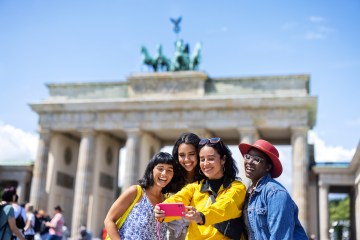
Germany‘s capital, Berlin, is set to introduce the ‘BerlinPay’ scheme that will see tourists rewarded for engaging in sustainable behaviour, like supporting social projects and collecting rubbish.
This year, the scheme is going to be centred around water tourism and, partnered with the Senate Department for Economics, Energy and Public Enterprises, the model hopes to make responsible engagement around the waters visible and appreciated.
The tourism agency, Visit Berlin, has described the scheme as “an initiative that raises awareness and encourages responsible behaviour on and around Berlin’s waterways among visitors and Berliners”.
The agency has continued: “Those who behave responsibly on and around the water, for example by collecting trash, beautifying the neighbourhood, or supporting social projects – receive recognition from participating partners: small benefits or special Berlin experiences.”
The scheme is hoping to create a virtuous circle, where people get engaged, appreciate the city, and in turn are rewarded with a positive experience that will then drive engagement up further.
Berlin is currently looking for companies and initiatives to get involved with the reward scheme this summer and is keen on partners related to “Berlin’s water world”.
The tourism agency emphasized companies involved in water sports, leisure and tourism, gastronomy, hotel industry, culture and education, mobility, and environmental and urban initiatives should apply.
This new project appears to be following in the footsteps of Denmark, which launched ‘CopenPay’ for the country’s capital back in 2024.
So far, the scheme has proved to be effective and has had positive effects in the city, as tourists are given rewards such as boat trips and free bike rentals for their sustainable behaviour.
The head of communications and behavioural research at Wonderful Copenhagen, Rikke Holm Petersen, has reiterated the benefits to both the tourists and the city.
“When people are on holiday, they are more open to new ideas, and with CopenPay we have shown that tourists are not only happy to take part but are also inspired to…take new habits home with them,” Peterson said.