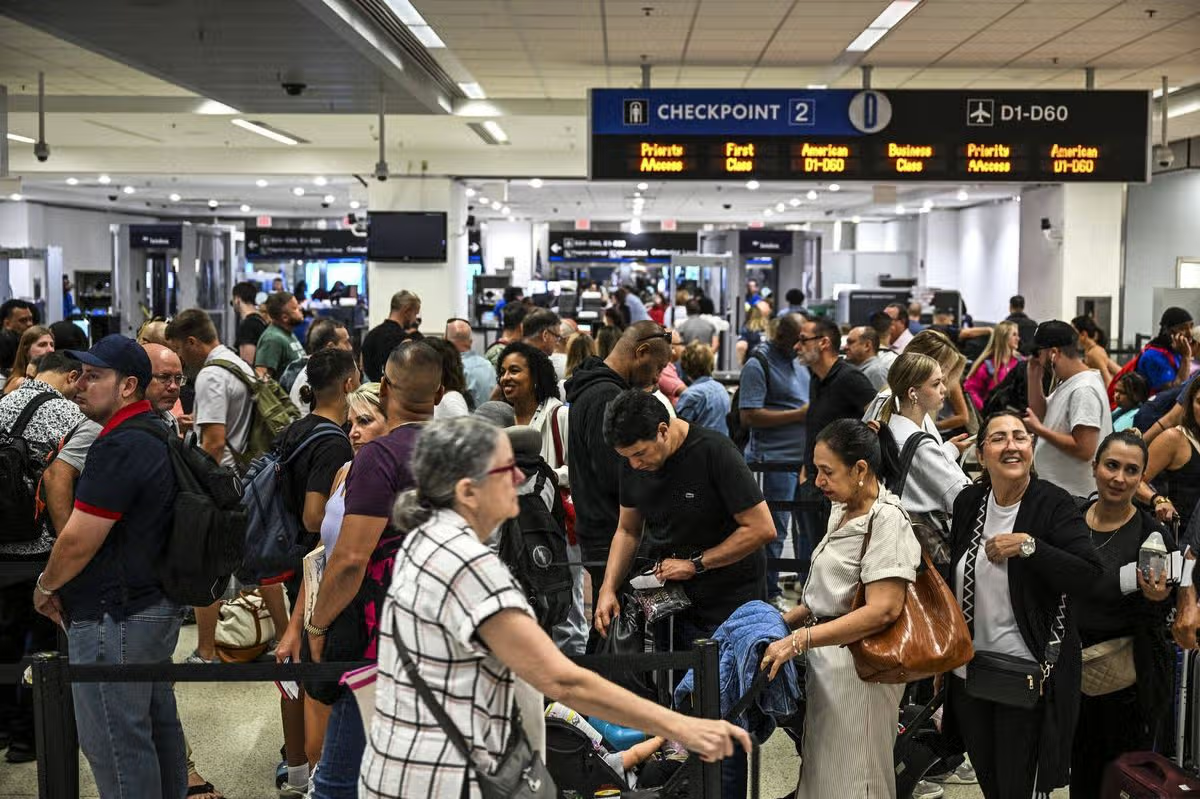
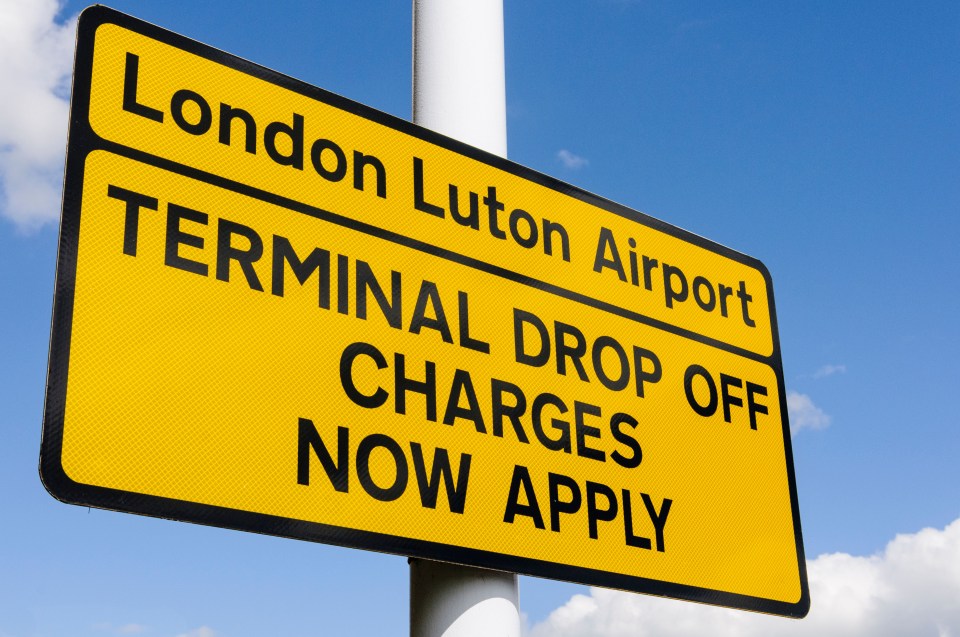
Holidaymakers have been left questioning everything after spotting an unexpected airport sign, with some admitting it would have sent their anxiety through the roof
The sign was spotted in an airport (stock image)(Image: Getty)
There are plenty of things you have to remember to check before setting off on holiday, and for lots of people, this can be an anxiety-inducing experience. Before leaving home you’ve likely double-checked the hob is off twice, made sure the windows are closed four times over, and checked every door is locked. So, after checking in your bags and making it into duty free, the last thing you want to see is a reminder about whether or not you left your oven on.
But that’s exactly what some travellers came face-to-face with at one airport, thanks to Notre Dame Federal Credit Union (FCU), which has created what has been described as the “most anxiety-inducing” sign in existence.
The sign was shared on Reddit, where it quickly struck a nerve with travellers who are all too familiar with the fear of leaving an appliance switched on. One user said: “As someone with OCD this would absolutely ruin my day.” Another added: “That’s diabolical.”
A third admitted they have their own method for avoiding the dreaded post-departure panic.
They wrote: “And this is why I take a picture of my stove…every…damn…time….like a weirdo. I routinely go back and clear those photos out.” They added: “Thanks mum for giving me this fear (though for her it was the garage door).”
‘The house didn’t catch fire’
For another traveller, the sign brought back a particularly memorable experience involving an iron.
One user explained that they had once ironed a shirt before an international flight because they wanted to look their best when they arrived. As a single man who rarely irons clothes, he decided to do it on his coffee table.
But two weeks later, when he returned home, he discovered the iron was still switched on.
He said it had been left on its highest heat setting, sitting sideways on the carpet next to the coffee table.
The carpet was left with a deep permanent burn, but thankfully the house hadn’t caught fire.
He said the experience had made him “much more paranoid”, meaning he now double-checks everything before leaving home.
‘Smart marketing’
Not everyone was left traumatised by the sign, however.
Some users praised Notre Dame FCU for coming up with a memorable piece of marketing, pointing out that the message had certainly succeeded in sticking in travellers’ minds.
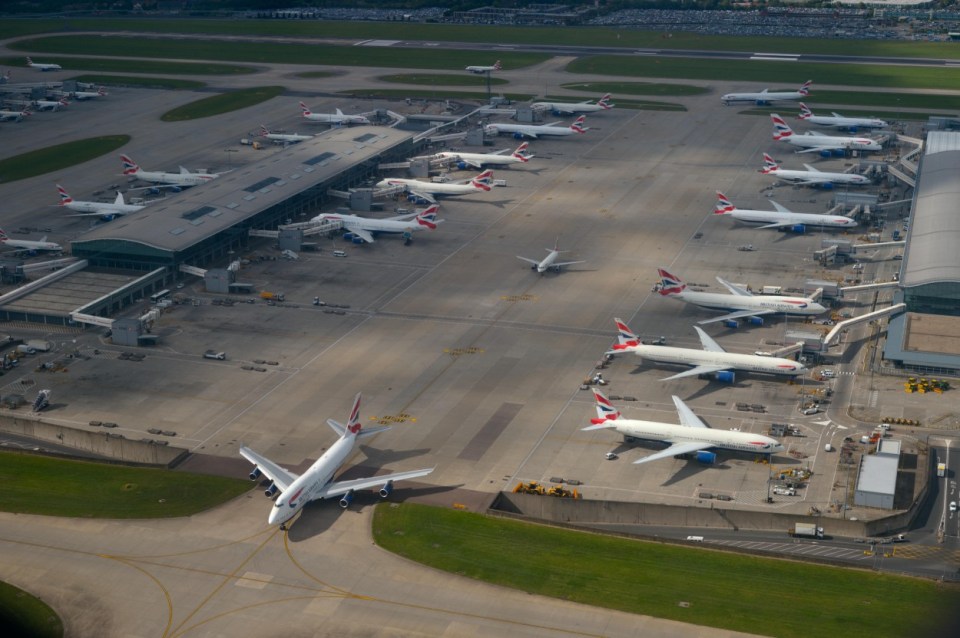
HEATHROW Airport bosses have warned plans for a third runway could be delayed by four years due to major planning rows.
The Government’s ambition had been to see flights take off from a new runway in London by 2035.
Heathrow Airport bosses have warned plans for a third runway could be delayed by four yearsCredit: Alamy Stock Photo
But airport bosses are believed to have told ministers that the deadline is not possible and won’t be ready until 2039, reports The Times.
The initial target had been set by then-Chancellor Rachel Reeves in January 2025 – but it was considered an ambitious goal at the time.
Sign up for the Travel newsletter
Thank you!
Ms Reeves used a major speech on infrastructure to announce the Government would be supporting the third runway project as a means of growing the economy, and also said it would create 100,000 jobs.
But London Heathrow has said they aim to “secure planning permission” by 2029 and “once achieved, the runway will be open within a decade”.
Its bosses believe it could be delivered more quickly, but that this may require further regulatory red tape to be removed beyond reforms that the Government has already made to planning law.
A spokesperson said: “It’s right that ambitious targets were set; the sooner expansion begins, the sooner the whole UK will benefit. Our focus has always been to secure planning permission by 2029.
“Once achieved, the runway will be open within a decade – and the benefits of expansion can be felt from today. At least 108,000 new jobs and billions invested in supply chains in every part of the country.
“This is a national project, 100% privately financed, which will support growth today and secure the UK’s position in the global economy once the runway opens.”
Meanwhile, the Department for Transport said the timeline for the plans “has always been ambitious”.
Gary Smith, General Secretary of GMB, said: “This is a deliverable, workable and practical timeline for Heathrow expansion that unlocks over 100,000 jobs.
“We need to put an end to decades of talk and lost benefits for working people across the country and get cracking.”
Transport Secretary Heidi Alexander insisted the project could go ahead in a way that would not fall foul of climate change commitments.
The Climate Change Committee, the expert panel that advises the Government, said earlier this month the expansion of Heathrow airport cannot go ahead unless the aviation industry is forced to clean up its emissions.
The cost of international flights might have to increase by hundreds of pounds by 2050 to pay for measures that will help the airline sector cut its carbon pollution to zero overall, known as net zero, the committee said.
Ms Alexander told the Daily Telegraph the committee had set out “one view” but there was “more than one pathway to meeting our climate mate change obligations”.
“We do remain committed to net zero, and we’re updating some of our wider decarbonisation plans in transport as well,” she said.
“But the UK’s climate change targets are ultimately economy-wide targets, and we really need to look holistically at how emissions are reduced across the economy as a whole.”
She said an expanded Heathrow could be “the country’s front door” to tourists from China and India.
The Heathrow proposals involve building a 3,500-metre runway and requires a new M25 tunnel and bridges to be built 130 metres west of the existing motorway.
It is estimated to cost £33 billion, including £1.5 billion on re-routing the motorway which would also see nearby villages demolished.
The Arora plan had proposed a shorter, 2,800-metre runway that would not require diverting the M25.
The new 3,500 metre runway will be in the northwest of the airport, and will eventually welcome up to 276,000 new flights a year.
This takes the annual flights from 480,000 to 756,000, with as many as 30 new flight routes a day.
A Department for Transport spokesperson said: “There is currently no live planning application for a third runway, and we cannot comment on ongoing consultation processes or prejudice them in a way that will only delay progress.
“The timeline has always been ambitious.
“We’ll continue to work with promoters, including Heathrow, and all other stakeholders at pace to ensure the right framework is in place for which a planning application for a third runway could be considered.”
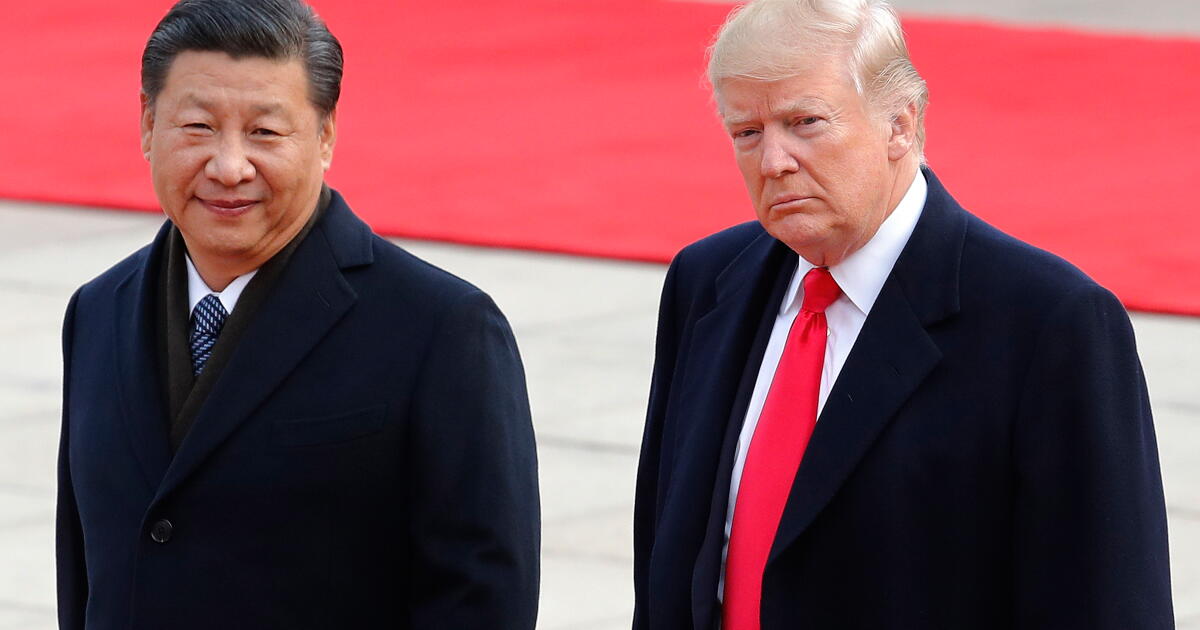
WASHINGTON — When Chinese President Xi Jinping arrives in Washington on Wednesday, he’s expected to get a rare greeting from President Trump, who will be on the tarmac to welcome his counterpart instead of waiting for him to drive up to the White House.
Trump’s decision to greet Xi at Joint Base Andrews just outside Washington rather than receiving him at the executive residence shows how far the U.S. president is going to honor China’s leader as he makes his first state visit in more than a decade.
First lady Melania Trump said her husband decided to personally greet Xi when he arrives in the Washington region because “they have a great relationship.”
“He’s coming on our soil, and we need to welcome them with the most respect,” she said of Xi and his wife, Peng Liyuan, during an interview Wednesday on Fox News Channel’s ”Fox & Friends.”
The White House has not released many details about Wednesday’s greeting, but Trump is expected to participate in an arrival ceremony at the base with Xi and his wife. The salutation will kick off a three-day visit that’s expected to be saturated with pomp, even by White House standards. The state visit, complete with a formal state dinner at the White House on Thursday, is supposed to reciprocate for the ceremonial grandeur that marked Trump’s May visit to China.
But it also is a showy patina at a time when tensions between the two geopolitical rivals are high over trade, artificial intelligence, Trump’s war with Iran and China’s designs on Taiwan.
Beyond using the visit to try to keep “strategic stability” between the two countries, Trump seems to be pulling out all the diplomatic stops to show off for Xi. Trump has lavished praise on Xi as a “great leader” and described a warm relationship with the man he has called a friend. That is all while he has given Xi a pass on many issues.
Sen. Roger Wicker, chairman of the Senate Armed Services Committee, criticized the “lavish welcome.” Wicker, R-Miss., said during a speech Tuesday in the Senate that Trump should not have invited the Chinese leader “based on all of the troubling issues we have with President Xi and the Chinese Communist Party.”
Wicker archly suggested a list of topics that Trump could discuss with Xi at the state dinner, such as “the purposes of China’s massive military buildup, or about China’s clear support for Iran,” saying that “during every minute of dialogue” Trump should keep in mind that “his guest is a brutal, unelected and oppressive dictator who seeks to dominate his neighbors and whose massive military arsenal is aimed directly at the United States of America.”
Secretary of State Marco Rubio said the U.S. and China must interact at the highest levels because the countries are “the two largest economies in the world” and “probably the two most powerful militaries in the world.”
“The idea that we would not interact with them at the highest levels is irresponsible. It’s outrageous. We have to,” Rubio told reporters Wednesday while he was in New York.
Trump has made it clear he wants to wow Xi, telling reporters in recent weeks that he was delighted his new “work of art” helicopter landing pad would be ready for the visit while bemoaning that his massive White House ballroom would not.
On Wednesday, Trump is expected to try to match the pageantry he was met with in China earlier this year. Xi was not at the airport to meet Trump — Chinese Vice President Han Zheng was there instead. But there a red carpet was rolled out to meet Air Force One in Beijing. A military honor guard, a military band and about 300 Chinese youths waving Chinese and American flags and chanting, “Welcome, welcome! Warm welcome!” also were present. The children wore white and light blue uniforms that mirrored the traditional paint colors of the presidential plane.
Trump’s airport ceremony for Xi will be followed on Thursday by more formalities, including an arrival ceremony at the White House and a review of troops. Before the black-tie dinner, which will feature tech industry leaders like Nvidia’s Jensen Huang and SpaceX’s Elon Musk, the two leaders are expected to dive into the weighty issues behind closed doors, even as expectations are low that the trip will produce any major breakthroughs in the relationship.
On Friday, Xi and Peng will be back at the White House for a private tea with the Trumps before joining them on a tour of the National Archives in Washington. The White House has said they will view historic documents underscoring the relationship between the two countries.
Price writes for the Associated Press. AP writers Mary Clare Jalonick and Didi Tang contributed to this report.
TWO major tech outage have caused hundreds of flight cancellations and delays across the UK this month – yet Brits will struggle to get any compensation, according to experts.
Earlier this month a major Air Traffic Control failure in the UK resulted in thousands of flights cancelled across the globe.
Thousands of flights have been disrupted by two Air Traffic Control failures in the UK this monthCredit: Reuters
And another failure yesterday caused more than 200 flight cancellations and widespread delays.
With the two incidents less than two weeks apart, many travellers have been left out of pocket.
Unfortunately, it’s bad news – the NATS issue was classed as an “extraordinary circumstance” which means travellers are not entitled to cash compensation.
The maximum compensation you can get is for long-haul flights which are delayed four hours or more, which would be £520.
This is only for when the problems are caused by the airline, directly, however.
Lisa Minot, Head of Travel previously said: “Airlines are only required to give you compensation if the delay or cancellation is the airline’s fault, as in a technical failure on a plane or issues with crew.
The two incidents took place less than two weeks apartCredit: Getty
“In this situation, where ATC is the reason for the chaos, there is unfortunately no compensation due.”
But one thing you should note is that airlines have a duty of care.
This means that when you flight is delayed, they must provide you with food, drink and accommodation.
Sometimes the airline might provide you with a voucher, but if this isn’t provided you can keep your receipts to claim back any expenses.
Often airlines will automatically book you accommodation, but you may also be asked to book accommodation yourself through its website or a dedicated app.
Travellers are advised to always check with airport staff though before booking any hotel yourself.
And passengers are unlikely to get compensationCredit: GettyThough airlines do have a duty of careCredit: PA
And make sure to keep your receipts for your hotel as well, to claim back your costs.
Don’t book anything lavish though – airlines will usually only cover a hotel at a reasonable price.
Airlines will usually have a dedicated expenses claims page for you to fill out on its website.
The CAA also recommends asking for an itemised receipt to show what you purchased and how much was spent on each thing.
Lisa added: “Check your insurance policy to see if you have any redress if you have incurred additional costs like missing a concert or unable to pick up car hire. You may be able to claim for that.
“Generally for delays, if an airline looks after you or provides you with food and drink or hotels, you cannot claim for the same costs against your travel insurance.”
AN 80s rock icon, who was once in a love triangle with Hollywood A-listers Brad Pitt and Christina Applegate, looked unrecognisable as he strolled through an airport.
This famous singer, now 58, passed by fellow travellers unnoticed – but can you guess who it is?
Can you guess who this 80s rock star is?Credit: BackGridThe rocker was once in a love triangle with Christina Applegate and Brad PittCredit: BackGrid
The rock star in question is none other than Sebastian Bach, known for the heavy metal band, Skid Row.
The group shot to fame almost four decades ago with hits like Youth Gone Wild and 18 and Life.
Sign up for the Showbiz newsletter
Thank you!
With his trademark long locks tied back in a ponytail, Sebastian strutted through LAX Airport with his haul of luggage in tow.
The rocker is currently on tour with Skid Row and fellow heavy metal band Twisted Sister, and was jetting into Los Angeles after playing in Oklahoma.
Sebastian was dressed down for his flight and was wearing a black t-shirt and matching jogging bottoms.
The singer went unnoticed in the airport as he got ready to head home, before his next gig in Washington at the end of the month.
Did you guess the singer in question is Skid Row’s Sebastian Bach?Credit: AlamyThe rocker got in the middle of Brad Pitt’s and Christina Applegate’s romanceCredit: Getty
During his heyday, the rock legend was famously caught up in a love triangle with two of Hollywood’s now-elite stars.
The twice- married singer, who is currently wed to wife Suzanne Le, got in the middle of Brad Pitt and Christina Applegate‘s romance.
Known for his heartthrob status, back in 1989 Sebastian, who was 21 at the time, caught the eye of a 17-year-old Christina – who was dating rising star Brad Pitt, who was 25.
Things kicked off when the young couple attended the MTV Video Music Awards together that year.
Sebastian shot to fame in the late 80s with Skid RowCredit: AlamyChristina opened up about Seb ‘catching her eye’ in 1989Credit: Getty
However, despite having hunky Brad on her arm, Married With Children star Christina found her head had turned in the direction of Sebastian – and she ditched her date for the rocker.
Speaking in her memoir earlier this year, the actress told fans exactly what happened.
“I had spent all night staring at Bach, who was then a long-haired hunk fronting the band Skid Row,” she penned in her book, You With The Sad Eyes.
“I hate to put it like this, but Brad back then was still making his way as an actor, and he wasn’t yet THE Brad Pitt, the man of so many people’s dreams.”
Continuing, Christina wrote: “And it gets worse: Brad was left to sullenly drive my mom … home.
“Apparently, at a gas station on the way, Brad almost got into a fight with a bunch of gang members, and, not surprisingly, was subsequently very mad at me.”
The Dead To Me star also revealed that Brad didn’t speak to her after the incident for many years. – but added that they are “friends again” now.
“Eventually, we agreed that I’d been a kid, and though he deserved much better, it was time to forgive the child who dumped him for the lead singer of Skid Row,” Christina said.
“Of course, Brad is now THE Brad Pitt, and Sebastian Bach … well, he still has long hair, I guess.”
Sebastian also reflected on him stealing Christina, now 54, from Brad, now 63, and told Billboard earlier this year: “I was a single guy on tour, in a band, and I met a lot of girls and Iapologisee if I hurt her…If I hurt anybod,”.
“When you’re young you get thrown into the whirlwind of rock ‘n’ roll, meeting a lot of people and you’d better hold on tight.
“It’s like being on a roller coaster.
“It was a long time ago. If I hurt anybody, I apologise for it.”
ANGELINA Jolie suffered a wardrobe malfunction as her lace bra slipped out of her silk dress while walking through JFK Airport.
The Maleficent actress, 51, was seen strutting through the terminal in New York City wearing a sheer ivory dress with draped sleeves.
Angelina Jolie accidentally flashed her bra while walking through JFK AirportCredit: TheImageDirect.comThe Maleficent actress was seen strutting through the terminal in a cream outfitCredit: TheImageDirect.com
Angelina then accidentally flashed her lace nude bra which in the low-cut frock, as the lingerie peaked through the top.
The Hollywood film star wore a pair of black heels, oversized sunglasses and a matching handbag for the airport outing.
Sign up for the Showbiz newsletter
Thank you!
Angelina flashed a big smile as she her way through the airport, while catching the attention of people at the airport who recognized her.
The Lara Croft star looked chic as ever in the cream ensemble.
Angelina looked chic in a satin outfit with a lace bra peaking throughCredit: TheImageDirect.com
Angelina may have looked in good spirits, but things at home have been tense.
According to court documents seen by the Daily Mail, the reason behind Vivienne’s surname change is listed as “personal”.
A source toldPeople: “He [Brad] has virtually no contact with the adult kids. His engagement with the younger kids is more limited in recent months because of his filming schedule.”
An official court hearing is scheduled for later this year on November 2.
This isn’t the first time Vivienne has made it clear she wants to drop the Pitt surname.
The Oscar-winner was once inseparable from all six kids: Maddox, Pax, Zahara, Shiloh, Vivienne and Knox.
But the latest snub comes as Brad’s relationship with his children remains deeply strained.
A source told People: “He has virtually no contact with the adult kids. His engagement with the younger kids is more limited in recent months because of his filming schedule.”
A HUGE expansion at a major American airport that was supposed to open this year has been pushed back to 2027.
New York‘s John F. Kennedy International Airport in America is currently undergoing one of its biggest-ever transformations costing £7.1billion.
John F. Kennedy International Airport in New York, America, is undergoing a massive £14.2billion transformationCredit: Port Authority BuildsThis includes the replacement of Terminal OneCredit: Port Authority Builds
The centre of the project is the New Terminal One, which was expected to open before the end of this year but has now been pushed back to the first quarter of 2027.
The airport has confirmed that testing is needed before the terminal opens to passengers.
Sign up for the Travel newsletter
Thank you!
Once open, the terminal – which will have replaced the old one – will have 13 gates plus a temporary gate in its first phase of opening.
When the first phase is complete, the airport will move on to the second phase, which includes demolishing the former terminal.
The second phase will also add nine gates, making a total of 23 gates at the completed terminal – 22 of which will be for wide-bodied planes commonly used for long-haul, international flights.
The 241,548sqm terminal will be the largest at the airport and inside there will be 27,871sqm of shops, restaurants and six lounges.
One of those lounges is Air France‘s largest lounge outside Paris, spread across two floors.
Inside the lounge, there will be seating for up to 400 travellers, with different dining areas celebrating French food and a bar with French wines and Champagnes.
The new terminal was meant to open before the end of this year but has now been pushed backCredit: Port Authority BuildsOnce it does open, it will have 23 gates – 22 of which will be for long-haul flightsCredit: Port Authority BuildsOther terminals at the airport, including Terminal 8 (pictured) are undergoing upgrades as wellCredit: Port Authority Builds
Other spaces inside the terminal will include an “indoor green space” and “family-friendly amenities”.
And travellers will be able to spot a variety of public art installations too.
Airlines that will feature at the New Terminal One include Air France, KLM, Etihad Airways, LOT Polish Airlines, EVA Air, Turkish Airlines, Air New Zealand, Air China and Philippine Airlines.
The project forms part of an even larger £14.2billion transformation at the airport, where there will also be a new Terminal 6 and upgrades at three other terminals.
Airlines at Terminal 6 are expected to include JetBlue, United Airlines and other Star Alliance carriers.
At Terminal 4, there will be 10 new gates and an expanded check-in and arrival area.
Terminal 8 will then undergo a £300million upgrade, including adding new gates and transforming the retail spaces.
New York is a popular destination among British travellers, with around one million Brits heading to the city each year.
Flights between the UK and New York typically take between seven and eight hours and cost from £380 return.
A NEW hotel has opened at Bristol Airport that couldn’t feel farther from a classic pre-flight stay.
Each room is inside a former shipping container, it even has an orchard area and the airport is under a 10-minute walk away.
The Nodpods have cosy king size beds and en-suite bathroomsCredit: Guest ReservationsThere’s also a full length mirror and tea and coffee making faciltiesCredit: Guest Reservations
Called Nodpods, each room is self-contained and inside visitors will find a king size bed and en-suite with a shower.
There’s complimentary tea, coffee, hot chocolate, biscuits and there’s the option of a croissant in the morning.
Sign up for the Travel newsletter
Thank you!
There’s also a smart TV, WiFi, hairdryer, full length mirror, and towels are provided too.
One woman who stayed inside a Nodpod described it as being “really cosy” thanks to its small, snug size.
And unlike airport hotels, the pods have some outdoor space too, it even has an orchard area where some visitors have spotted wildlife, like rabbits and squirrels.
Someone else who had stayed wrote in the comments: “I’ve stayed in this place, so convenient for Bristol airport, and it’s spotless.”
On Tripadvisor, the Nodpods have 22 reviews with a high average rating of 4.5 out of 5.
Lots praise the alternative accommodation for its convenience, others for their affordability.
One wrote: “Staying at nodpods has cut our pre-flight costs in half (we used to stay in a hotel in Bristol and paid for parking overnight) so we have more money to spend on holiday!”
The pods can be booked for as little as £90 for one night for two people which works out to £45 each.
The NodPods even has an outside space with picnic benches and an orchard areaCredit: Guest Reservations
Meanwhile, a stay at Hampton by Hilton Bristol Airport starts from £129.
At the Nodpods there is free parking at the pods, although it is caveated that this is for your stay there only – not for the duration of your holiday.
While there isn’t a restaurant at pod site, The Airport Tavern is a three-minute walk away, and The George & Dragon is a five-minute drive.
Bristol Airport recently submitted plans to expand with thousands more flights and long-haul journeys – so the NodPods would be a great option to stay before jetting off.
Along with more passengers the terminal will be larger, there will be new shops, restaurants as well as an extended runway at the cost of £500million.
The proposal revealed the airport had plans to reach “world cities within Europe and beyond”.
This includes a limited number of new flights to North America, the Middle East and Asia.
Looking at today’s schedule, it’s mostly arrivals into the airport after 9.30pm that are affected.
Only two flights from the UK are affected by the strike action today.
The first is a flight from Manchester Airport to Charleroi which was scheduled for 10.55pm and has since been cancelled.
The second is a flight from Charleroi to Manchester Airport which was scheduled for 19.35pm and has also been cancelled.
Ryanair has asked passengers to monitor their Ryanair App for the latest updates regarding their flight.
In a previous statement, the airline said: “We sincerely apologise for any inconvenience caused as a result of these ATC strike delays/cancellations, which are entirely beyond airlines’ control.”
Yesterday, about 40 flights in total were cancelled at Charleroi Airport.
According to Skeyes, the Belgium‘s official national air navigation service provider, the nightly strikes are expected to affect more than 800 flights.
The strike is set to continue until October 10Credit: Getty
Frankfurt grapples with a rare malaria outbreak tied to air travel, marking three deaths in recent months.
By Anadolu, DPA and Reuters
Published On 17 Sep 202617 Sep 2026
A third person has died from malaria after a recent cluster of cases linked to Frankfurt Airport, in what German officials have described as an extremely rare air-traffic-related outbreak of the tropical disease.
In a statement on Thursday, city administration said the person died at Frankfurt hospital and was one of two infected residents living in the Schwanheim district, in the immediate vicinity of the airport.
Recommended Stories
list of 1 itemend of list
The two new malaria cases in the neighbourhood had been reported on Tuesday.
“Both individuals had become infected with the malaria-causing parasite Plasmodium falciparum, even though they had not travelled to a malaria-endemic region and had not worked at the airport,” the statement said.
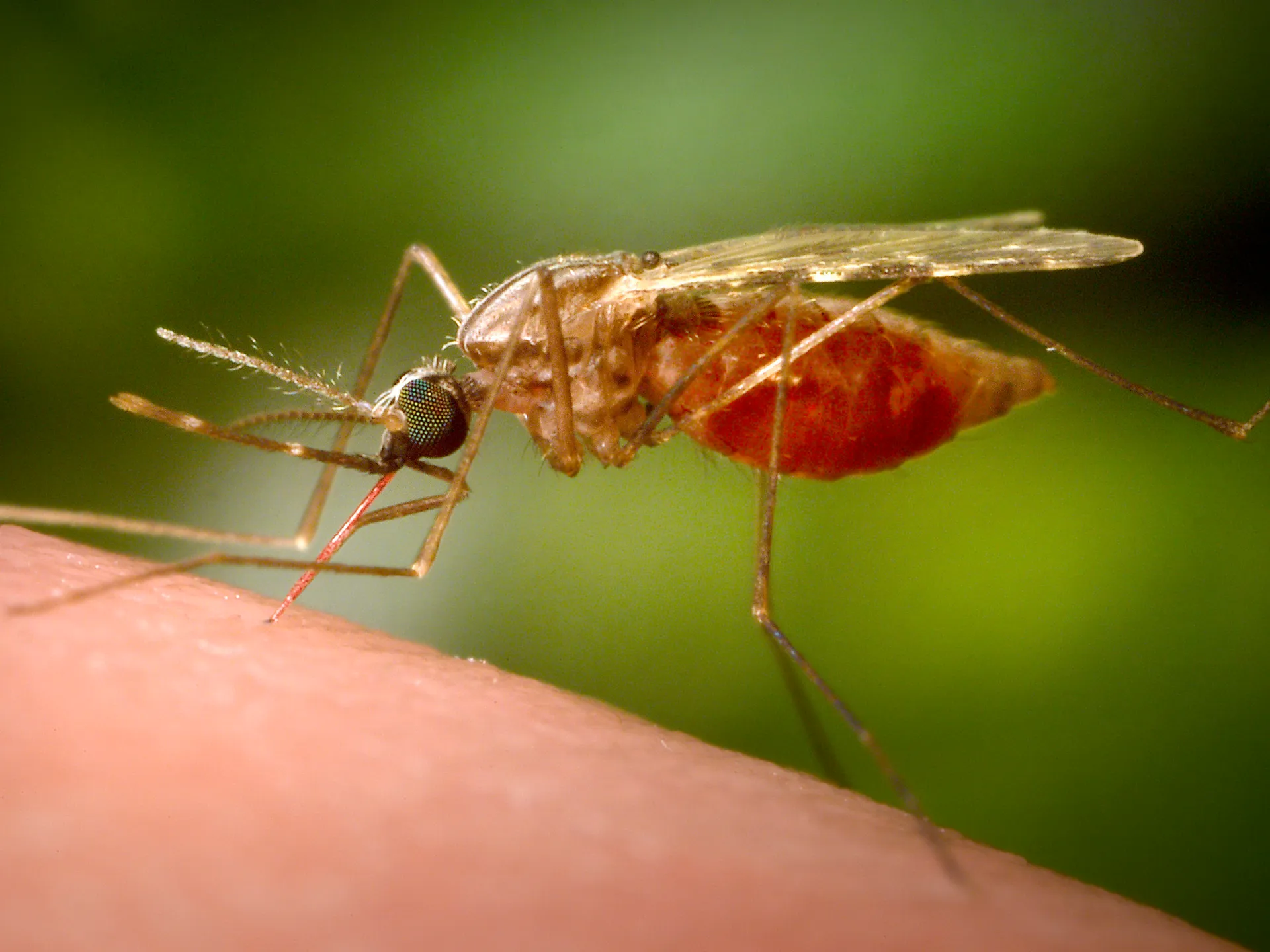
According to the city’s public health department, the two newly infected people contracted the disease from a mosquito flown into Germany on an aircraft or in luggage.
Malaria is a potentially life-threatening mosquito-borne disease that is extremely rare in Germany.
The malaria parasite is spread between humans by some types of mosquitoes, but not through direct human-to-human contact.
Frankfurt Airport operator Fraport said it set up traps to catch mosquitoes and sent the insects to a laboratory in Antwerp in Belgium in July and August, but results were not available yet.
Health authorities have warned doctors near the airport to consider malaria in patients who come in with a fever.
Airport workers and residents have been urged to seek medical advice in case they display symptoms including fever, chills, headaches, confusion, seizures and breathing difficulties.
An airport spokesperson said local public health authorities had the power in principle to order airlines to disinfect aircraft.
£1 DOESN’T go all too far these days. Unless you’re using it to sign up to Travelzoo.
Travelzoo is a travel club that gives its members major discounts on holidays, as well as fancy airport lounge access if your flight gets delayed.
Enjoy free food and drinks inside an airport lounge instead of wandering the busy airportCredit: GettyTravelzoo connect holidaymakers with over 1,600 airport lounges when their flights are delayedCredit: Getty
Try Travelzoo for 30 days for £1
The membership usually costs £30 for a year, which is already a bargain.
But Sun readers can bag a 30 day free trial for only £1 by clicking here.
Sign up for the Travel newsletter
Thank you!
There’s no worse feeling than looking up at the board in the airport to see your flight has been delayed, or being sat at the gate ready to board when it gets pushed back again.
Then comes the waiting game, and if you’ve ever wanted to swap those hard airport chairs for somewhere more comfortable, you’re in luck.
With Travelzoo, if your flight gets delayed by an hour or more, you’ll see airport lounge tickets pop up straight into your email inbox or via text.
Then you can simply head straight to the lounge to enjoy free Wi-Fi, somewhere to charge your phone, free food and drinks (including alcohol) as well as comfy seats.
Travelzoo are connected with the majority of airports, with access to more than 1,600 lounges across 500+ airports in 100+ countries. So if you’re just headed off on a standard holiday abroad, you’re more than likely covered.
Some locations even have showers and sleep pods, so you can freshen up or take a nap.
You can register up to three travel companions to enjoy the lounge with you, so no need to worry about splitting up your group.
So instead of sitting bored at the gate or squeezing onto a table in an expensive airport restaurant, you could treat the family to a comfy sofa with free-flowing food and drink.
Relax back into a soft chair in an airport lounge instead of trying to get comfortable at the gateCredit: Getty
Try Travelzoo for 30 days for £1
Airport lounge day passes typically cost between £30 – £40, whereas a Travelzoo membership costs £30 for an entire year.
That means just one delayed flight would justify the cost of an entire year’s membership.
Instead of blowing £30 on bottles of water, snacks and in overpriced airport shops, you could bag yourself an entire year of comfort when you most need it.
But there’s no need to pay the £30 without trialling it out first, when you can pay £1 to give Travelzoo a go for a month by clicking here.
But it’s not all about the stylish airport lounges. Travelzoo members also get access to super cheap holiday deals.
We’ve found UK breaks from£89pp, Portugal holidays from £127pp, and even an incredible 11-night River Nile cruise and hotel package for £549pp – package deals that are reserved for Travelzoo members.
One of the best deals this week is a three-night £151pp all inclusive holiday to Marrakesh including flights, staying the 4-star Aqua Mirage Club & Aqua Parc, set at the foot of the Atlas Mountains.
The hotel has three swimming pools onsite, two of which are heated through winter, plus a wellness centre, tennis courts and football field.
And guests can take the daily shuttle into central Marrakesh to explore the souks and medina.
How to register for lounge access
Once you’re signed up to Travelzoo by clicking here, follow these steps:
Visit airportlounge.travelzoo.com and register your flight at least 24 hours before departure
Enter your flight number, travel date, and passenger details. You can register up to 3 travel companions on the same itinerary.
Each flight leg requires a separate registration (roundtrips and connections need individual entries).
If your flight is officially delayed by 1+ hour, you’ll automatically receive QR-code vouchers via email and text with participating lounge options.
Note: Cancelled flights or flights rescheduled to the next day do not qualify.
ONE airport express bus fare has dropped by a whopping £9 thanks to a new government scheme.
It’s great news for holidaymakers heading to a major Scottish airport, as passengers can now get a single journey for just £2 rather than £11.
The Airport Express fare along with public buses has dropped to £2Credit: Getty ImagesThe usual price for the Airport Express bus fare was £11Credit: First Bus
The regional bus fare cap has recently come into force in Glasgow meaning prices has been significantly reduced.
Mostly it’s across public buses in the areas towns or cities – but that also applies to the Glasgow Airport Express service.
Sign up for the Travel newsletter
Thank you!
So anyone travelling to Glasgow Airport can now get there for £2.
The fare was introduced in Glasgow and the majority of West Scotland from September 7.
The cap has been funded by Transport Scotland and applies across Glasgow, Ayrshire, Dunbartonshire, Renfrewshire, Lanarkshire and Inverclyde.
On its website, First Bus states: “All single journeys on First Bus services across Glasgow and the surrounding areas are capped at just £2 from 7 September no matter how far you’re travelling.
“That’s £2 to get to work. £2 to meet friends. £2 to head into town. Even £2 to start your journey to the airport on the Glasgow Airport Express.”
The £2 bus fare cap is set to come into force in parts of England too from next year.
The government announced in July 2026 that single bus tickets will be capped at £2 in areas of England outside London from January 1 until December 31 2027.
It comes as drop-off fees have risen to £7 for 15 minutesCredit: Alamy
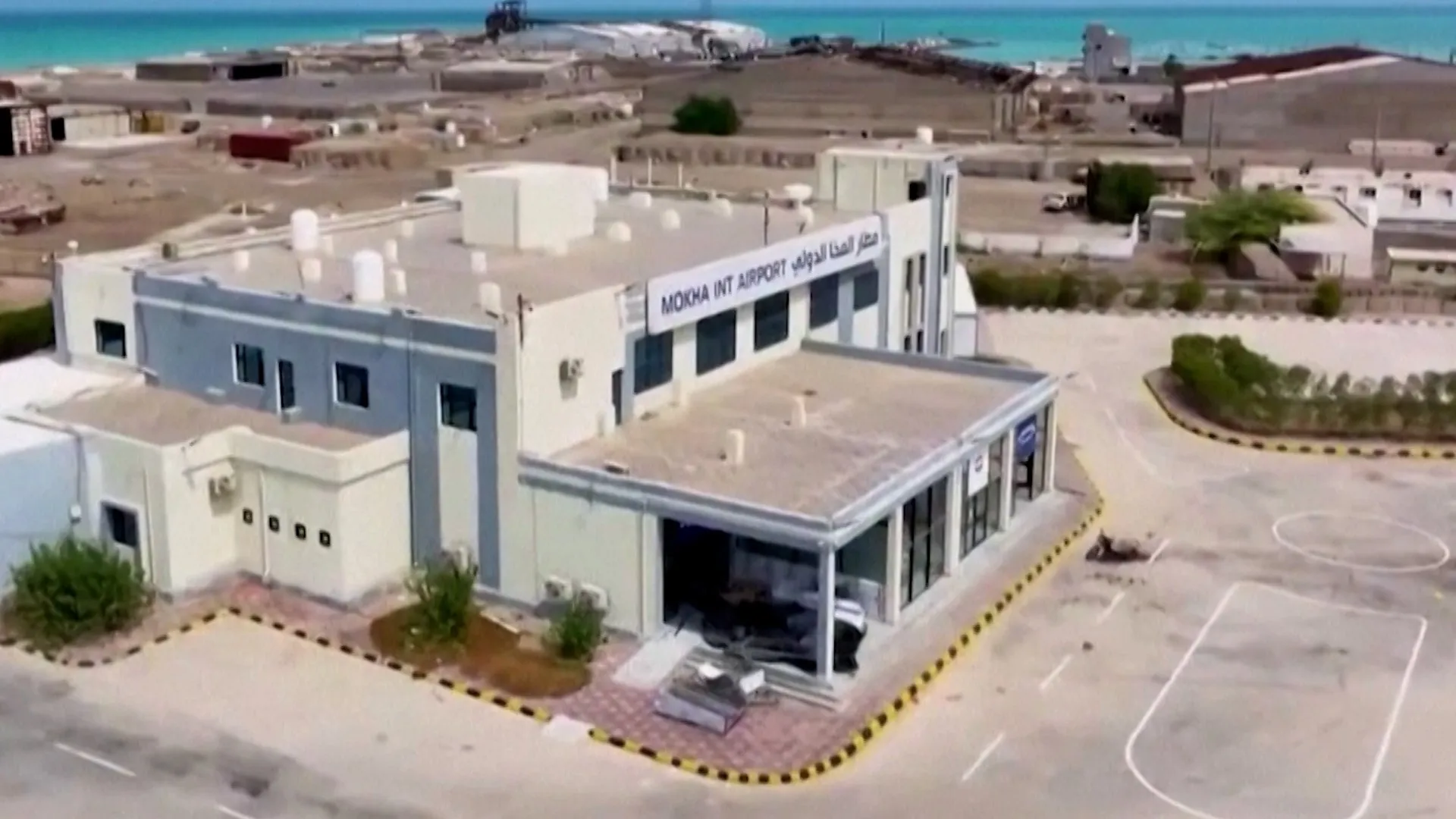
Houthi-run TV has aired drone video of Yemen’s Mocha International Airport, empty and abandoned after the Iran-backed group took control of the city. The Houthi capture of the Red Sea coast puts a key global trade route at risk.
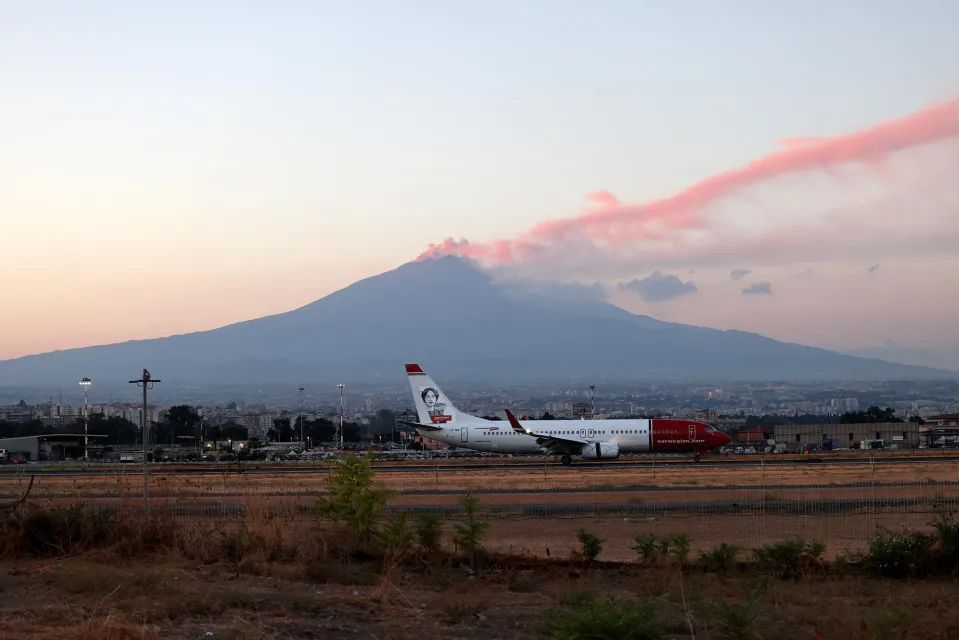
PASSENGERS are facing disruption today at an airport in Sicily following a volcanic eruption.
Catania Airport has suspended all flights until this afternoon due to an eruption on Mount Etna – and it’s not for the first time as hundreds of flights were forced to cancel last month.
Catania Airport has been forced to close again after more eruptions on Mount EtnaCredit: Roby Fazio / SplashNews.comAsh has drifted into the airspace resulting in flight cancellations and diversionsCredit: Roby Fazio / SplashNews.com
An ash cloud has caused airspace closures in Sicily which is affecting both arrivals and departures at Catania Airport.
Due to volcanic ash into the atmosphere, flights have been suspended until at least 2.30pm (local time) today.
Sign up for the Travel newsletter
Thank you!
The airport said: “Passengers are kindly requested to check the status of their flight with their airline before travelling to the airport.
For Brits, the disruption today has affected one easyJet flight so far, it is departing London Gatwick at 10am and will be diverted to Palermo.
Another easyJet flight heading to London Gatwick from Catania Airport remains on the schedule for 10.35am – although it’s likely to be cancelled following the suspension.
Later today, a BA flight scheduled to depart London Gatwick for Catania Airport remains scheduled for 7.55pm.
Flights first started being cancelled and diverted yesterday when Mount Etna erupted again.
Last month, ongoing eruptions from Mount Etna forced Sicily’s busiest airport to shut for five days in a row resulting in hundreds of cancelled flights.
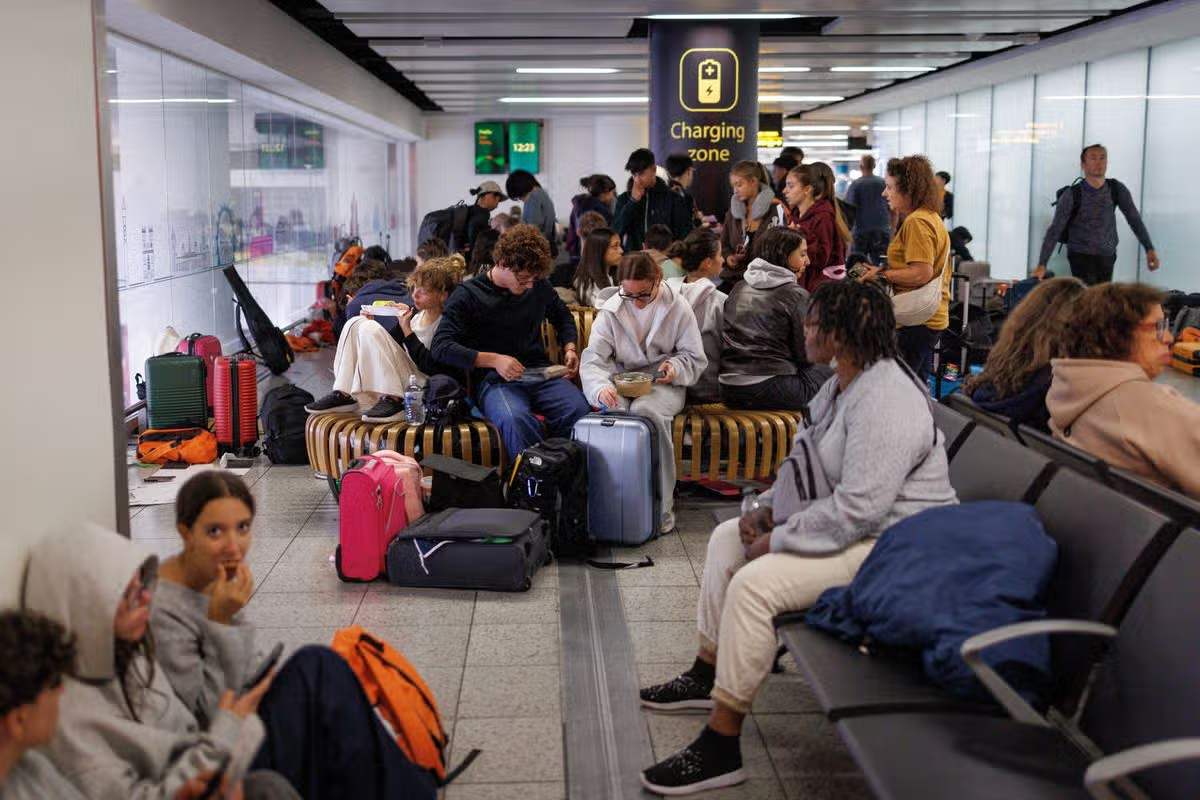
Families who had their flights cancelled were left stranded with videos on social media showing holidaymakers sleeping on the airport floor and even luggage belts.
Last time Mount Etna erupted nearby Malta International Airport had to cancel 19 flights due to volcanic ash.
What does the disruption due to Mount Etna mean for passengers?
Anton Radchenko, air passenger rights expert and founder and CEO of AirAdvisor, explainedwhat the disruption means for customers…
“When volcanic ash closes airspace, airlines will usually class it as an extraordinary circumstance, which means fixed cash compensation is unlikely.
“However, I would urge passengers not to confuse ‘no compensation’ with ‘no rights’.
“The airline must still offer a refund or rerouting and provide reasonable meals, accommodation and transport while passengers wait.
“If you still need to get home, do not automatically accept a refund.
“Once you accept it, the airline’s rerouting and care obligations will normally end.
“Ask for the earliest reasonable alternative and, if another airline can get you back significantly sooner, ask to be transferred to that service.
“If you have to pay for reasonable essentials because the airline fails to provide them, keep every itemised receipt so you can seek reimbursement.”
This is supported by the UK Civil Aviation Authority’s current cancellation guidance which you can findhere.
FOR the first time in 12 years, Dubai Airport could be knocked off its top spot for the world’s busiest airport.
It’s set to be overtaken by a hub in South Korea which has indoor waterfalls and peaceful gardens – while London Heathrow stays at number two.
Incheon International Airport in South Korea is expected to become the world’s busiestCredit: AlamyIn the first half of 2026 is served 38.4million passengersCredit: Alamy
Incheon International Airport could become the world’s busiest airport for international passengers, according to preliminary data from the Airports Council International.
The data reveals that Incheon served 38.4million international passengers during the first six months of 2026 which could see it given the title.
Sign up for the Travel newsletter
Thank you!
Prior to this, Dubai International held the crown of the world’s busiest airport for international passengers for over a decade.
Last year it saw 96.2million international passengers in one year.
But due to the Iran War, footfall has decreased, and it’s predicted to fall outside of the top five.
However, Dubai International is still predicted to have seen 70million passengers by the end of the year.
According to the initial reports, London Heathrow is set to retain second place, recording 37.79 million passengers in the first half of the year.
It came in second place last year with 79.8million international passengers in 2025.
Expected to be in third place is Singapore’s Changi Airport, which has seen 34.53million international passengers pass through in the first half of this year.
Incheon International Airport first opened in 2001 as a hub for northwestern South Korea – about 25 miles away from Seoul and has seen visitor numbers skyrocket.
Inside the airport are lush gardens and even an indoor waterfallCredit: Facebook/Incheon Airport
It has had an increase of 18 per cent this year with some traffic from flights taking different paths due to airspace closures.
South Korea has seen a surge in popularity in recent years thanks to K-pop as well as its fashion and food.
For anyone travelling across, to Incheon International Airport, they’ll find it’s modern and bright with high glass ceilings, plenty of natural light and indoor gardens.
The botanical zones have features like waterfalls as well as vertical gardens with trees and orchids to give it a calming feel.
Terminal 2 is designed to appear like an art museum with rotating installations, sculptures, and even interactive exhibits.
The airport also has a spa and sauna, capsule hotels, children’s play areas – outside is a 36,000-square-meter flower field and plane-spotting park.
The Iran War means that Dubai International could be knocked off top spotCredit: Alamy Stock PhotoLondon Heathrow is expected to remain in second placeCredit: Alamy Stock Photo
One passenger was so impressed by the airport that he called it the “future of travel”.
Another called it “Korea’s most beautiful terminal”.
DAMASCUS: Syria’s civil aviation sector is moving beyond the restoration of suspended international routes toward a broader rebuilding of its air transport network, with foreign airlines returning, regional airports reopening and projects underway to expand capacity and connectivity.
After years of disruption and limited international services, Arab, regional and European carriers have gradually restored flights to Syria, initially through Damascus and Aleppo international airports. The recovery has since extended eastward, with Deir Ezzor International Airport returning to service and Qamishli International Airport nearing reopening.
Air traffic through Syrian airspace has also increased sharply, while airport expansion projects and new aviation ventures point to a wider revival of the sector.
International airlines return
One of the early signs of recovery came in March 2025, when Aleppo International Airport reopened after rehabilitation work. Royal Jordanian operated a test flight to the airport on March 23 to assess security and safety ahead of resuming regular services following a 14-year interruption.
European carriers followed. Romania’s Dan Air resumed flights to Syria on June 15, while Air Mediterranean operated a flight to Damascus from Austria and Greece on June 30.
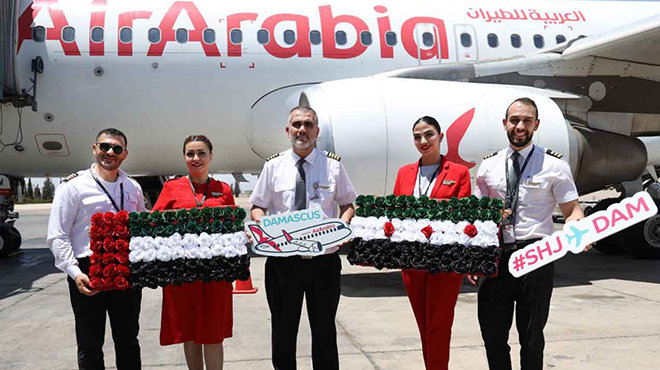
Gulf carriers also restored connections. Air Arabia returned to Damascus from Sharjah on July 10, followed six days later by Emirates, which resumed flights after a 13-year interruption.
Air Arabia became the first of Gulf carriers that had restored connections to Syria on July 10. Emirates resumed flights six days later. (SANA)
The first Emirates flight carried 286 passengers, including UAE Minister of Sports Ahmad Belhoul Al Falasi. The carrier announced three weekly Damascus-Dubai services, restoring a route that had carried nearly 2.5 million passengers between its launch in 1988 and suspension in 2012.
The expansion accelerated in 2026. AJet restored Istanbul-Aleppo flights in April, followed by Pegasus Airlines in June. Etihad Airways began scheduled Abu Dhabi-Damascus flights on June 14, while Jazeera Airways launched Kuwait-Aleppo service later that month.
Traffic through Syrian airspace surges
The recovery has been reflected in air traffic over Syria.
The General Authority of Civil Aviation and Air Transport said the number of aircraft transiting Syrian airspace rose from 32 in March, after the airspace was closed amid regional tensions, to 2,523 in April.
The increase coincided with the resumption of operations by 12 international airlines through Damascus and Aleppo airports.
Authorities have also focused on restoring direct air links with Europe through coordination with international aviation organizations on safety and operational requirements.
On July 2, the first Syrian Airlines flight from Amsterdam arrived at Damascus International Airport, launching a service three times a week. The airline said the route was the first in a series of international destinations planned for the carrier.
Air Arabia restored daily Sharjah-Aleppo flights on July 4 after an interruption of about 12 years, while Flydubai announced daily services to Aleppo beginning July 20.
Kuwait Airways also returned to Damascus in July.
The first LEAV Aviation flight from Düsseldorf, Germany, arrived at Damascus International Airport on July 29.
On July 29, the first LEAV Aviation flight from Düsseldorf arrived at Damascus International Airport, opening the first regular air service between Syria and Germany in 14 years.
The flight followed a final air transport agreement signed by the Syrian and German governments on July 16. The agreement includes services from four German airports operated by two German airlines.
Aleppo prepares for major expansion
Aleppo International Airport reached another milestone Aug. 1 when it received inaugural flights from three international airlines in a single day: Türkiye’s SunExpress, Germany’s LEAV Aviation and Saudi Arabia’s Flynas.
The development underscored the accelerating recovery of Syrian civil aviation and growing confidence among international carriers.
Authorities are also preparing to expand the airport’s capacity. Development work at the existing Aleppo airport is scheduled to begin in early 2027, with annual passenger capacity expected to exceed 2 million.
The project aims to improve operational efficiency, technical capabilities and passenger services while preparations continue for a new Aleppo International Airport.
On August 1, 2026, Aleppo International Airport received the inaugural flights of three international airlines in a single day: Türkiye’s SunExpress, Germany’s LEAV Aviation and Saudi Arabia’s Flynas. (SANA)
The plans followed talks in Jeddah from Sept. 7 to 10 between a Syrian civil aviation delegation and Saudi Arabia’s Elaf Investment Fund, led by Bin Dawood Investment Group.
The agreement covers development and operation of the existing airport and construction of a new international facility. The new airport is planned in stages, with initial capacity of about 6 million passengers annually eventually rising to 12 million.
The project also includes financing for an integrated navigation radar system covering Syrian airspace.
Aviation recovery extends eastward
The expansion is no longer limited to Damascus and Aleppo.
Deir Ezzor International Airport returned to service Aug. 5 after rehabilitation work and years of suspension. Syrian Airlines resumed flights from Damascus, while Jazeera Airways launched regular direct Kuwait-Deir Ezzor service Aug. 8. A World Food Programme flight arrived two days later as humanitarian air operations resumed.
Three days after Deir Ezzor International Airport returned to service on August 5, it welcomed Syrian Airlines flights from Damascus, while Jazeera Airways launched regular direct Kuwait-Deir Ezzor service. (SANA)
On Sept. 1, German carrier LEAV Aviation operated its first direct flight from Cologne to Deir Ezzor, becoming the first European carrier to provide scheduled service to the airport.
Authorities said three additional regional destinations were being prepared, with technical teams expected to inspect airport equipment, infrastructure and safety and security procedures.
Qamishli International Airport is also nearing reopening as rehabilitation work enters its final stages. The project, which began Feb. 25, is expected to help reconnect Hasakah province and the wider eastern region with Syria’s national air transport network.
New aviation ventures
New aviation projects are emerging alongside the restoration of existing routes.
During a visit to Riyadh on Sept. 7, Syrian aviation officials met Flynas CEO Bandar Almohanna to review implementation of an agreement establishing “flynas Syria” and discuss expanding aviation cooperation between Syria and Saudi Arabia.
The meeting followed talks between Syrian and Saudi aviation authorities on boosting air traffic and coordination.
In February, the two sides signed an agreement to establish “nas Syria” as a new low-cost airline as part of a broader package of Syrian-Saudi commercial agreements.
During a visit to Riyadh on September 7, the head of Syria civil aviation authority met Flynas CEO Bandar Almohanna to review implementation of an agreement to establish “flynas Syria”. (SANA)
Authorities are also planning to convert Mezzeh Airport in Damascus from a military facility into an airport for limited civilian operations, mainly serving private and executive aviation.
Preliminary work includes rubble removal and upgrades to air navigation infrastructure, while technical, operational, environmental and regulatory studies are underway. The airport is expected to complement Damascus International Airport.
Reconnecting Syrians and supporting the economy
The restoration of air routes is facilitating family reunification after years of separation and reducing reliance on costly indirect flights and transit connections for Syrians living in Europe and the Gulf.
The expanding network is also expected to strengthen links between expatriates and their homeland and facilitate the return of skilled professionals.
Economically, improved air connectivity could support trade, investment and tourism while strengthening Damascus and Aleppo as regional economic centers. Plans for Aleppo airport also envisage increased passenger and cargo traffic and greater support for industrial and commercial activity in northern Syria.
The revival has coincided with closer aviation cooperation with Arab and European countries, including the air transport agreement with Germany and expanding coordination with Saudi Arabia.
From restoring routes to rebuilding a network
From only a handful of flights in early 2025 to more than a dozen international airlines operating through Damascus and Aleppo by mid-2026, Syria’s aviation network has undergone a marked transformation.
Routes now connect Syria with Türkiye, Germany, the United Arab Emirates, Kuwait, Saudi Arabia, the Netherlands, Austria and Romania.
At the same time, Aleppo is preparing for major capacity expansion, Deir Ezzor has returned to domestic and international service, Qamishli is nearing reopening, Mezzeh is being considered for limited civilian operations and a new low-cost airline venture is under development.
What began as the restoration of routes suspended for years is developing into a broader rebuilding of Syria’s aviation network, reconnecting its provinces, linking Syrians abroad with their homeland and expanding the country’s connections to regional and international air transport networks.
A MAJOR UK airport has now become the first to introduce robotic valet parking – which uses no human interaction at all.
But one catch could see certain travellers excluded from the service.
The new technology has now been rolled out at the South TerminalThe robot automatically lifts, moves and parks cars without the need for human interactionCredit: Reuters
London GatwickAirport has officially brought in a new Robotic Parking system, said to be designed with customer comfort in mind.
Officially announced two months ago, passengers have already begun to use the parking service from August, which sees drivers leave their vehicle at a private drop-off garage before heading to the terminal.
Sign up for the Travel newsletter
Thank you!
The “state-of-the-art” robot then takes over, gently hoisting the car from underneath its wheels and moving it to an access-restricted parking area.
One key difference from traditional airport parking is that customers are able to keep hold of their car keys throughout their trip.
When a passenger returns from holiday, the system receives an alert that they have landed.
This means that when they arrive at the South Terminal car park, their vehicle should already be ready for collection.
However, there are some limitations, with 5 per cent of vehicle models not compatible with the new technology.
This includes popular models such as a Range Rover Sport Hybrid, Renault Trafic Van, as well as SUVs with roof boxes.
It also costs around £109 for a five-day stay (travellers are unable to use the service for shorter stays) and passengers are currently only able to drop off their vehicles on weekdays between 9am and 5pm.
Located at the South Terminal, passengers can reach the parking lot following the marked signs for Robotic Parking, once within the Long Stay car park entrance barriers.
Gatwick airport also said the area includes 24-hour security patrols, automatic number plate recognition (ANPR) at the entrance and exit, perimeter fencing, floodlighting and no public access.
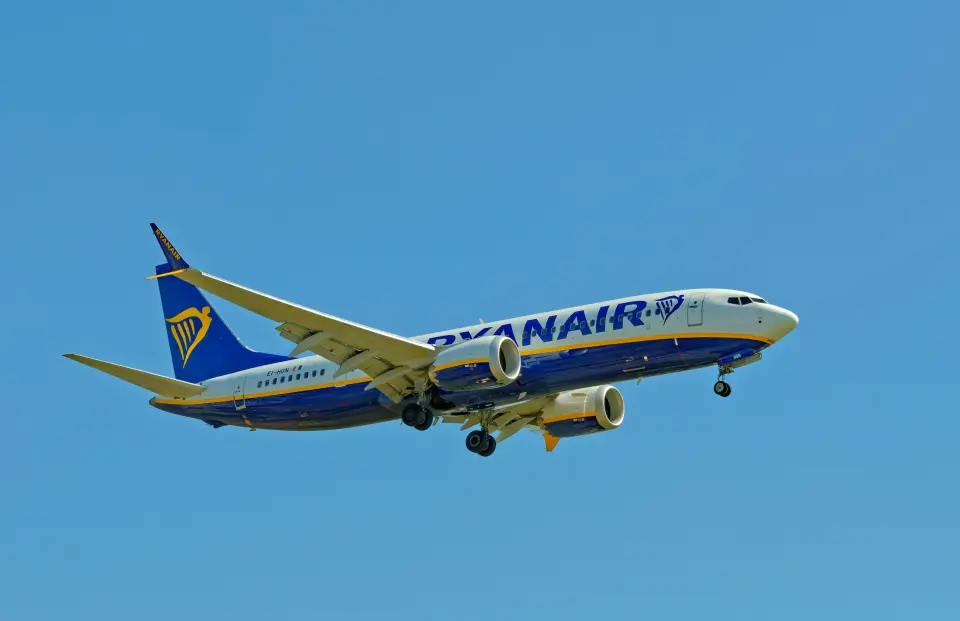
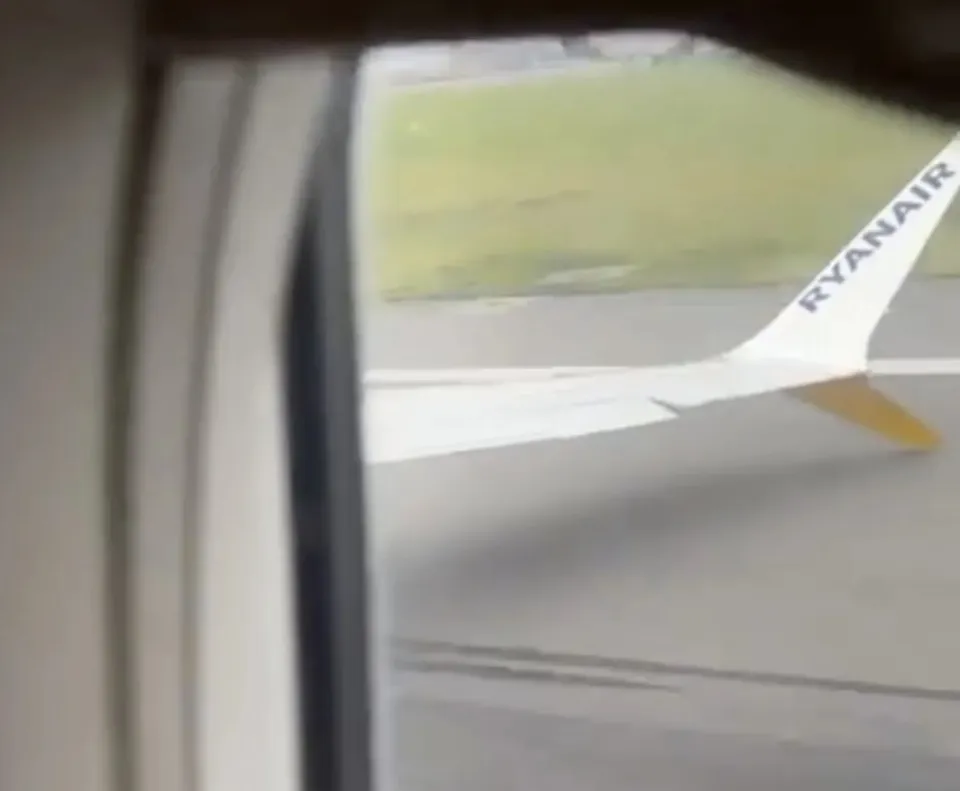
THIS is the scary moment a Ryanair plane’s wingtip hit the ground as it came into land at Dublin Airport.
A passenger filmed the moment the plane lurched to the right and suffered a “minor wingtip impact” during a rough landing yesterday morning.
The jet’s wingtip came ever so close to scraping along the groundCredit: Social Media CollectThe plane performed a go-around after the aborted landing (stock image)Credit: Alamy
The Boeing 737 Max, which took off from Bologna just after 8am came in to land at Dublin at 10.45am.
As it touched down on the runway, the plane tumbled onto its right-hand side.
Sign up for the Travel newsletter
Thank you!
Shocked passengers watched as the wing tips of the plane brushed against the runway.
Recognising the danger of the dodgy landing, the Ryanair pilots immediately brought the engines up to full power to perform a go-around.
This is where a plane aborts its landing attempt and flies in a loop around the airport to try again.
The two pilots were able to guide the plane safely onto the ground about 15 minutes later.
In a statement, Ryanair described the incident as a “minor wingtip impact”.
A spokesperson told us yesterday: “On landing in Dublin this evening (10 Sept) Ryanair flight FR9457 from Bologna suffered a minor wing tip impact.
“The aircraft landed safely and all passengers offloaded normally.
“Our engineers are now repairing this wing tip and the aircraft is expected back into service tomorrow morning (11 Sept).”
It comes as Ryanair boss Michael O’Leary came under fire for “shameful” comments he made describing other airlines as “high-fare rapists”.
TheRyanairchief landed himself in hot water ahead of his budget airline’s annual general meeting inDublin yesterday.
The billionaire businessman, 65, claimed rising air travel prices at other airlines would see passengers switch to Ryanair, before doubling down on his claims.
In response, Labour’s Laura Harmon urged the notorious motormouth to engage with organisations like the Rape Crisis Centre, and to apologise for his “shocking” language.
The senator fumed: “Michael O’Leary must apologise for the comments he made in advance of Ryanair’s annual general meeting in Dublin.
“The casual use of the word ‘rapist’ to describe the prices of his competitors is deeply shocking and could be traumatising for any survivor of sexual abuse.
“We should have a zero-tolerance approach to sexual violence. In recent years, due to the tireless work of activists and the bravery of survivors of sexual violence who have shared their stories, Ireland has taken a strong stance in support of survivors.
“It is shameful to see O’Leary diminish the real experience of these survivors in such a way.”
Harmon continued: “Every week brings shocking new statistics and stories about the levels of domestic and sexual violence against women in our country.
“Reports conducted by organisations like the National Women’s Council of Ireland often detail the systemic challenges victims of domestic violence are faced with when they look for help – through the courts and the legal system, and through first responders like the Gardai.
“Having O’Leary make such ignorant comments only adds to this. I would urge him to come out and apologise today, and commit to informing himself about the real trauma of sexual violence.”
Fianna Fail’s Lorraine Clifford-Lee also condemned O’Leary’s comments as “a new low” for the Ryanair CEO.
London Gatwick Airport is set to be hit with further travel disruption this month as two sets of strikes are planned for a total of nine days that ‘will inevitably disrupt services’
More travel chaos is set to unfold at London Gatwick Airport this month(Image: Getty Images)
Travellers passing through Gatwick Airport could face further travel chaos as more than 200 workers are set to strike this month, threatening flight delays.
The UK’s second-largest airport, which handles more than 40 million passengers every year, was hit with air traffic control mayhem this week, with hundreds of flights cancelled and grounded. Yet there could be significantly more disruption at London Gatwick Airport later this month, as 220 workers are set to walk out in a dispute over pay.
The strikes are set to take place by Unite union members, who provide assisted travel at Gatwick, and are employed by the specialist firm Wilson James. There have been pay negotiations between the airport workers and Wilson James since May, but with rejected deals, the “industrial action will inevitably disrupt services throughout Gatwick”, Unite regional officer Ben Davis said.
Unite members involved in the dispute are set to walk out between Thursday, 17 September and Monday, 21 September, and from Wednesday, 23 September to Saturday, 26 September. As they provide special assistance for disabled and elderly passengers, delays are expected in boarding and disembarking for passengers who depend on their services, which could result in delays across short and long-haul flights to and from Gatwick, the union warned.
Unite previously rejected a 3.4 per cent two-year pay rise, in addition to a 0.6 per cent bonus and 0.5 per cent uplift in pensions. The union said it was “not enough to address years of low pay at the firm”, where some of the lowest-paid members earn £14.71 per hour, while struggling with the high cost of living within reach of Gatwick.
The union also noted that workloads have increased at Gatwick, with this year’s busiest summer since 2019. Unite regional officer Ben Davis said: “Unite has been trying to negotiate a better pay deal for our members for months, however Wilson James has failed to put forward an offer that is acceptable to workers.
“Industrial action will inevitably disrupt services throughout Gatwick but this is a direct result of Wilson James refusal to make a fair offer to our members. Strikes can be avoided but that requires the company making a significantly improved offer.”
Unite general secretary Sharon Graham further commented: “Wilson James is a highly profitable company which can more than afford to put forward a pay deal that reflects the hard work our members do.
“These workers are vital in the smooth running of the airport, doing a key role in assisting passengers on and off flights. Their jobs have become even more difficult as Gatwick has become busier.”
A London Gatwick spokesperson said: “We are working with our assisted travel provider, Wilson James, to avoid any impacts and we expect to operate a normal flight schedule for our airlines and passengers on these dates. Of course, we hope Wilson James and their union can reach a resolution before then.”
The impending strikes come as Gatwick Airport faced severe disruption following air traffic control issues on Tuesday, 8 September, with hundreds of flights delayed or cancelled. The control provider, NATS, said there had been a technical glitch, and bosses admitted it had taken “longer than hoped” to resolve.
As a result of the air traffic control chaos, more than 1,700 flights were impacted on Tuesday, with 30.10 per cent of those cancelled or unable to fly, according to Cirium, the aviation analytics company. Meanwhile, 417 flights were cancelled or did not fly on Wednesday, 9 September, with cancellations continuing today (Thursday, 10 September).
Do you have a travel story to share? Email webtravel@reachplc.com
YOU don’t need a fancy First Class plane ticket to enjoy a luxurious airport lounge with a free buffet.
In fact, there’s a far easier way you could be chilling in a classy airport lounge on your next trip, without forking out thousands. Click here to find out how.
This travel hack costs less than £5 a month and will get you into glamorous airport loungesCredit: Getty
Save 20% on Priority Pass across 1,900+ airport lounges
We’ve all been there – sitting in a hard plastic chair at the airport gate with a packet of crisps and a bottle of water that cost you an arm and a leg.
Or worse, stressing out that your family meal is taking too long to arrive and you might need to leg it to the boarding gate.
Sign up for the Travel newsletter
Thank you!
Instead, with a Priority Pass you could be snuggling into a cosy sleep pod, kicking back on a comfy sofa or tucking into a complimentary meal.
The best part? Sun readers can bag 20% off a Priority Pass right now by clicking here.
Priority Pass members get access to over 1,900 airport lounges across the world. The lounges cover over 85% of the world’s top 100 airports, so you’re basically travelling like a First Class passenger on the cheap (before you reach the plane and turn right).
There’s complimentary food and drink across ALL lounges, which will already save you on having to fork out for an expensive airport meal.
Plus there’s comfy sofas, charging points and free Wi-Fi, making that wait before your flight all the more comfortable.
Some lounges even have showers, sleep pods, desks and quiet spaces – so if you want to squeeze in a nap after your early wake-up, no problem.
A standard membership usually costs £69 per year, but you can now bag 20% off and pay only £55 for the whole year.
This gives you access to nearly 2,000 airports across the world, for a £24 fee each visit.
All Priority Pass member benefits
Priority Pass members get access to the following:
Complimentary food and drinks
Sleep pods to rest at certain airport locations
Be Relax spa treatments (at select lounges)
Bring along a guest (£24 Guest visit fee)
Discounts on more airport dining and spa treatments
The option to re-book selected lounges for a supplementary fee
Free membership to the WithU Fitness app (worth £79.99 per year)
All of the airport lounges offer complimentary food and drinkCredit: Getty
Save 20% on Priority Pass across 1,900+ airport lounges
Members also get extra perks like access to Be Relax spa treatments, including massages, manicures and more at participating airports.
Plus if you want to stretch or get a workout in before or after your journey, members also get access to a fitness app worth £79.99 completely for free.
The WithU Fitness app creates you a personalised training program which can be used in the gym or at home.
It’s also full of audio workouts where you are coached by professional trainers.
Priority Pass lets you into more than 1,900 lounges globallyCredit: Getty
Priority Pass plan options
Standard Plan is on a pay-as-you-go basis – all lounge visits are charged £24 at the time of usage to your payment card.
£69 £55 for first year (20% discount) / £4.60 per month
Standard Plus includes 10 free visits during your membership year, visits after this will be charged £24 to your payment card.
£229 £206 for first year (10% discount) / £17.17 per month
The Prestige Plan is unlimited free member lounge visits. Under all three plans members can take accompanied guests into the lounges for the visit fee stated which is charged to your payment card.
£419 per year / £34.92 per month
Save 20% on Priority Pass across 1,900+ airport lounges